Box height and stepping down: lab studies in healthy peopleEmerging evidence
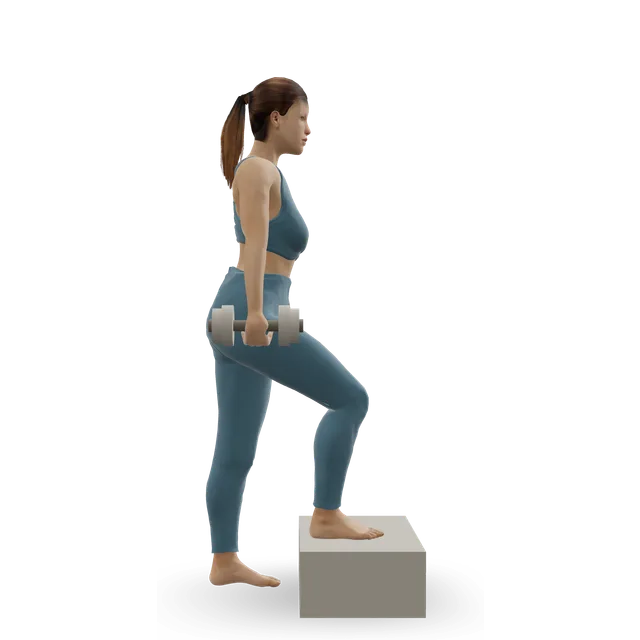
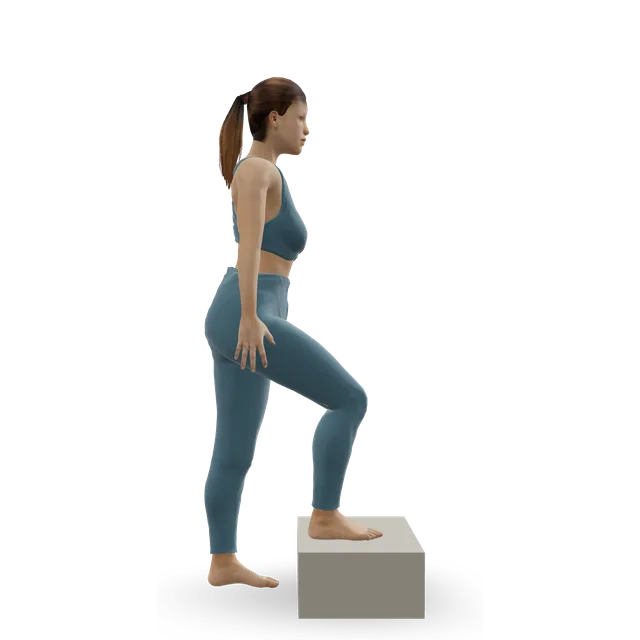
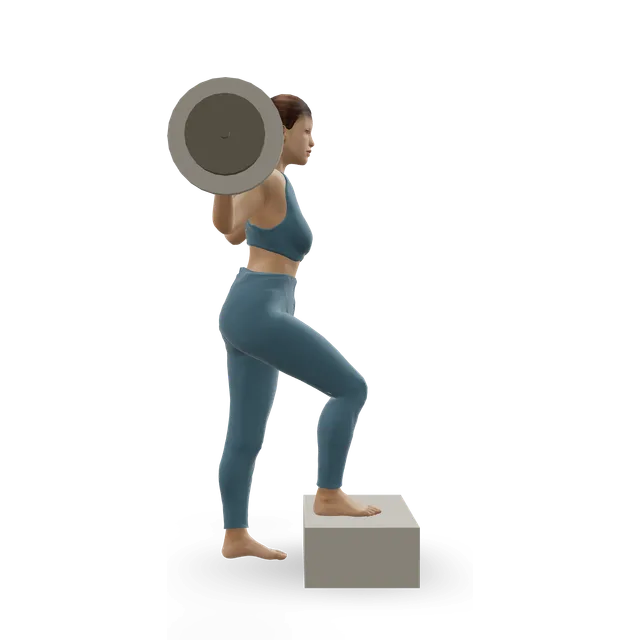
Doubling the step from 10 to 20 cm doubled the load behind the kneecap (1.7 to 3.6 times body weight), and lowering off a step loaded it more than stepping up the same step, in 20 healthy adults. The tendon followed the same pattern, though the tendon paper's abstract calls the same steps 20 and 30 cm, so we say a low and a higher step. Kneecap force rises as the knee bends further, a commentary on lab studies says. Higher steps meant more knee bend at foot contact, and people with and without kneecap pain timed their thigh muscles the same at every height, so there is no need to fire a particular part of the thigh. None of these studies tested a change to the step-up in people with pain.
Sources 1, 2, 3, 22, 23
Forward or lateral, and the trunk leanEmerging evidence
At the same knee bend, forward and lateral step-ups stressed the kneecap about the same, and both less than a forward step-down. In 21 older adults, the forward step-up asked more of the hip muscles and the lateral step-up more of the knee and ankle. On stairs, leaning the trunk forward a little lowered kneecap stress by 2.6 megapascals in 20 pain-free women, and standing bolt upright raised it by 3.3; a large lean (about 35 degrees more than usual) moved work to the hip muscles. These are stair studies, not step-up exercise.
Sources 2, 24, 25, 26
The trailing leg and stepping down: thin evidenceEmerging evidence
No study has measured how much a push from the back foot spares the leading knee. In 109 older women stepping up 30 cm fast, step-up speed went with the push from the lower foot, not the load on the upper one, and in stair descent with extra body weight the leg that stayed on the step took the extra load (10 men). So a little push from the back foot is likely to help the front knee for now, our reading.
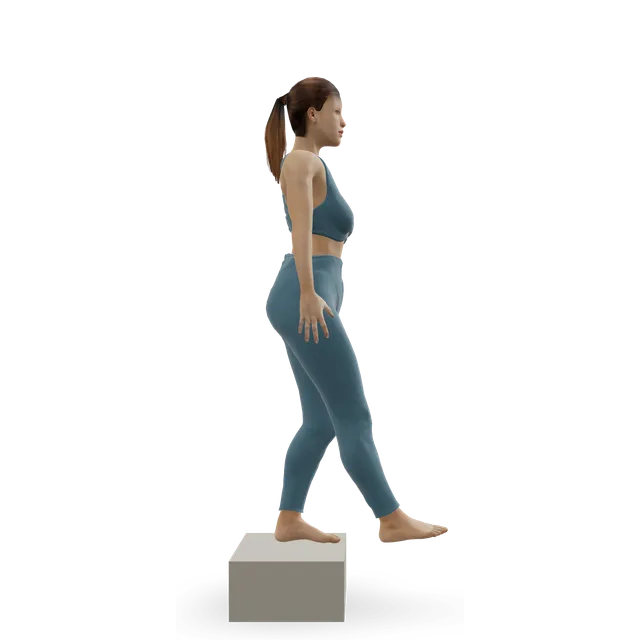
There are two ways to step down, and neither has been tested for pain. The site's advice for a sore kneecap is to step down with the sore leg first so the other leg lowers you, the same idea as the NHS's sore leg first on stairs. King's College Hospital's kneecap leaflet does the opposite in its weeks 2 to 6 step-up: the other foot goes down first, so the sore leg lowers you. This plan uses the first way in its first stage and the leaflet's way in its second.
Sources 27, 28, 19
The knee travelling in: a cue, not a diagnosisMixed evidence
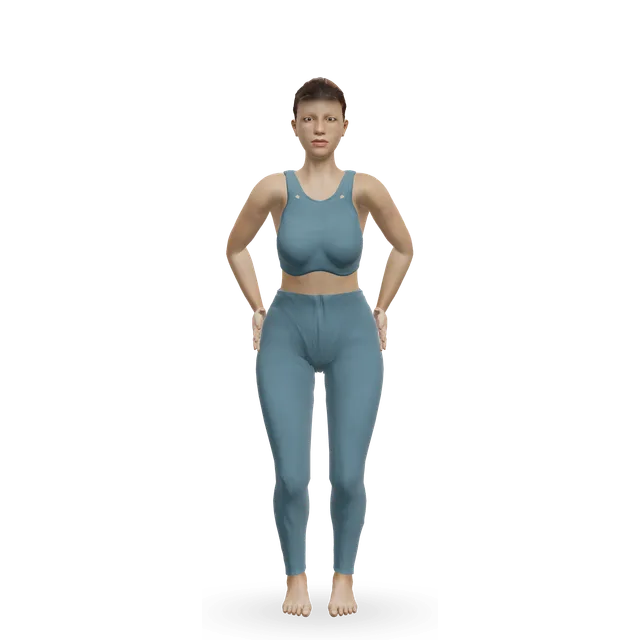
An NHS leaflet cues the knee to stay above the ankle and not move towards the other knee. But a summary of the US guideline says knee valgus (the knee travelling in) doesn't predict who gets kneecap pain; on video, the knee-in angle in a lateral step-down didn't track pain or function in 22 people, and a change under about 9 degrees was measurement noise; and judging a step-down by eye is only fair to moderately repeatable, even for physiotherapists.
Movement training has thin support: hip strengthening with movement-control practice beat thigh-only training at 3 months in 31 women, and a study of 25 women without a comparison group taught the knee over the second toe and a level pelvis, used a mirror and then faded it out, and raised the step only when pain didn't rise. So keep the cue, but the strength work is the treatment.
Sources 19, 8, 29, 30, 31, 32, 33
Exercise helps kneecap pain, with hip and knee work togetherStrong evidence
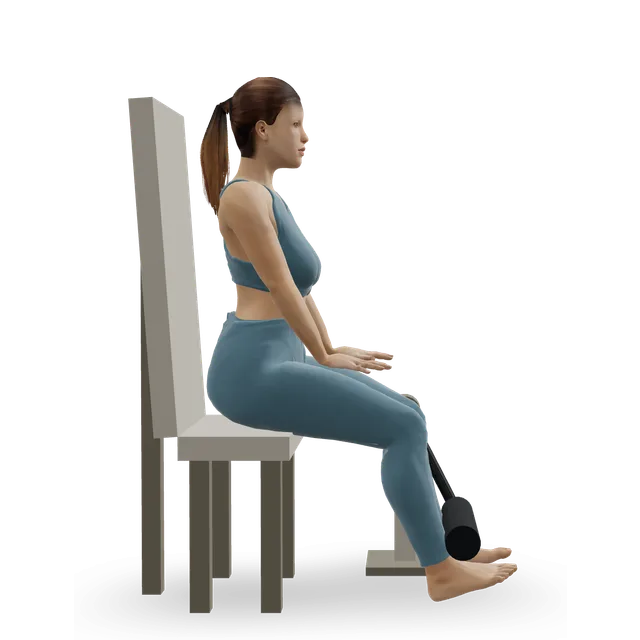
In a Cochrane review, exercise eased pain during activity by about 1.5 points out of 10 against no exercise (5 trials, 375 people), and hip and knee work together by a further 2.2 points against knee work alone; the evidence was very low quality but consistent, and no single exercise was shown to be best. Two international consensus statements recommend hip and knee exercise together, and the Dutch guideline (2025) says at least 6 to 12 weeks, adjusted to your pain. Supervised exercise beat a wait-and-see approach for pain at 3 and 12 months in 131 people.
Adding hip work to knee work gave less pain and better function for up to a year in 54 women; starting with the hips eased pain sooner in 33 women and about a week sooner in 199 people; the leg press and knee extensions did equally well in 45 men; and hip work alone helped 28 women. None of these trials, as far as their abstracts say, used step-ups, which are one sensible option among many.
Sources 10, 34, 35, 11, 36, 18, 37, 38, 39, 40, 41
The NHS leaflets, arthritis and the tendon trialEmerging evidence
King's College Hospital's kneecap leaflet puts step-ups at weeks 2 to 6 and step-downs at weeks 6 to 12, each 8 to 12 times, three times a day, raising the load once every 2 to 3 weeks. Bath's leaflet makes the step-up its advanced exercise, 10 times, three rounds, 3 times a week. For knee arthritis, Arthritis UK's step-up uses the bottom stair and the bannister, with each leg to fatigue, a minute's rest and two more rounds; NICE offers exercise to everyone with arthritis and warns that pain may rise at first; and a UK group programme (ESCAPE-pain) improved pain and function by about 10 points in 1,492 people, without a comparison group.
For patellar tendon pain, the largest trial (76 athletes) used still holds, then slow heavy leg presses or leg extensions, then springy loading, kept at 3 out of 10 or less, and beat eccentric squats at 24 weeks. Its supplement lists walking lunges and step-ups as the second-stage alternatives when no machine is available, every second day.
Sources 19, 42, 43, 13, 44, 45