No yoga trialStrong evidence
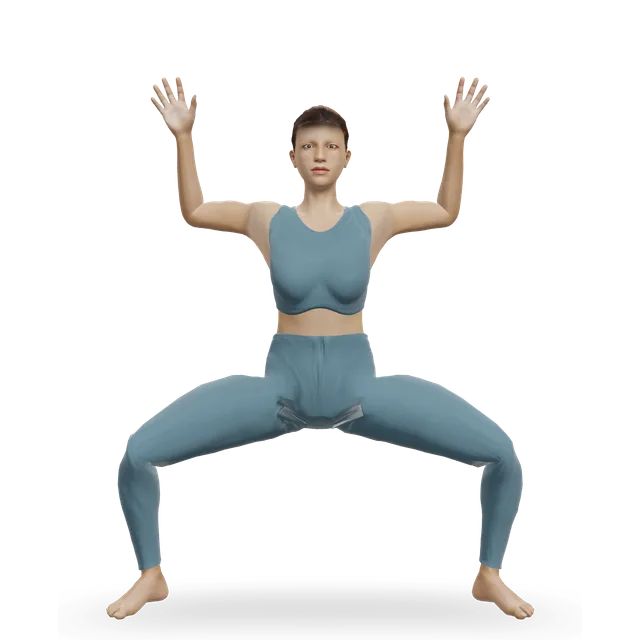
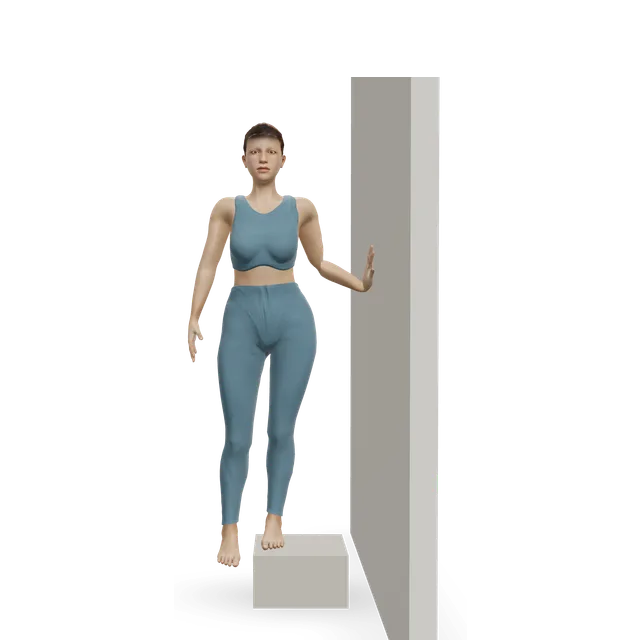
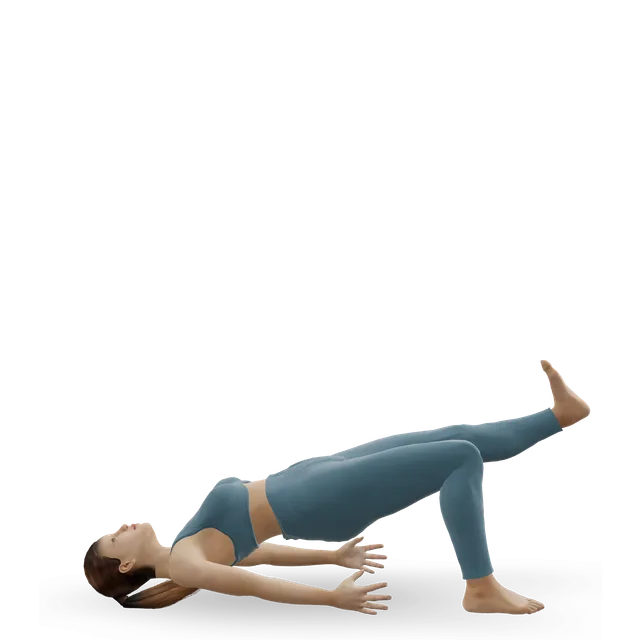
Our searches of PubMed, Europe PMC and ClinicalTrials.gov in November 2026 found no trial of yoga, published or registered, for knock knees, knees that cave in or leg alignment.
Source 1
The only yoga reports can't show an effectMixed evidence
A study of 14 preschool children with knock knees did hatha yoga with no comparison group and gave no numbers in its summary; at that age knock knees settle on their own, so no change can be credited to yoga. A 2025 conference summary in 45 women with flat feet reported less knee caving after 8 weeks of yoga poses, with no numbers and no peer review. The only yoga study in a journal that measured knee valgus, in 9 young people with obesity and no comparison group, found it went up at heel strike, not down.
Sources 2, 3, 42
No exercise trial for the shape of the legsStrong evidence
The one adult trial that X-rayed the legs after exercise was in 40 women with bow legs: after 12 weeks, the gap between the knees narrowed by about 1 cm, close to what an X-ray can measure (our reading). In children, the legs straighten with growth, and the paediatric services advise against exercise for it.
Sources 4, 6, 8
Knees that cave in: what changes themEmerging evidence
A 2025 review of 35 studies in 1,095 healthy adults found technique training and core strengthening reduced knees caving in where they were in line to start with, and that strength work combined with practising knee control may reduce it where it was greater. In a review of 10 studies, 7 programmes of 2 to 10 weeks reduced it. Injury prevention programmes reduced the inward load on the knee when landing in 28 studies.
Sources 10, 11, 43
Strength alone isn't enoughEmerging evidence
In 66 women, 9 weeks of strength training made them stronger but didn't change how their knees moved when they landed. Hip strength was at most weakly linked to knees caving in across 33 studies, and mostly not linked at all in a 2026 review of 22.
Sources 14, 12, 13
The nearest trials are PilatesMixed evidence
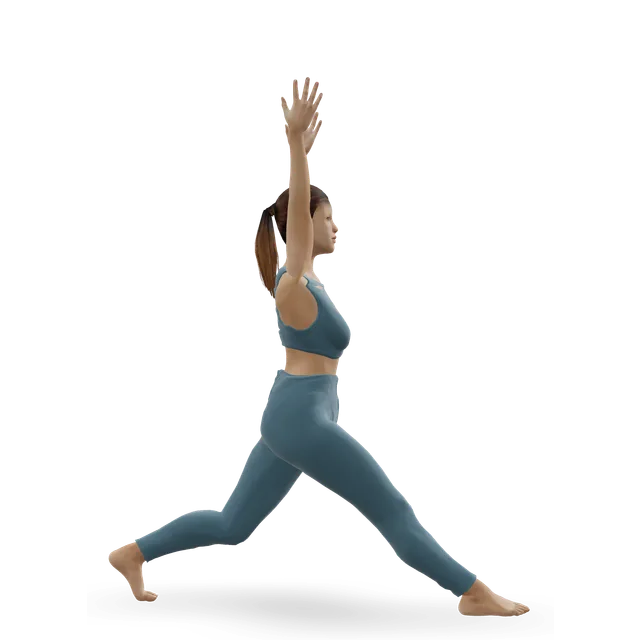
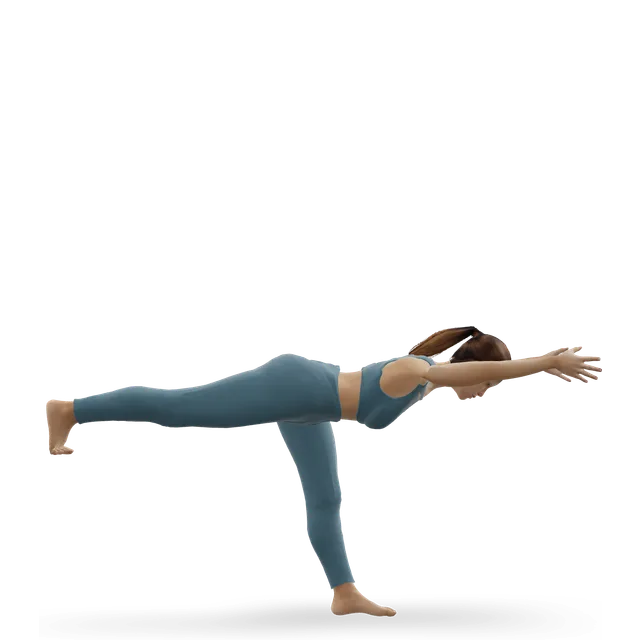
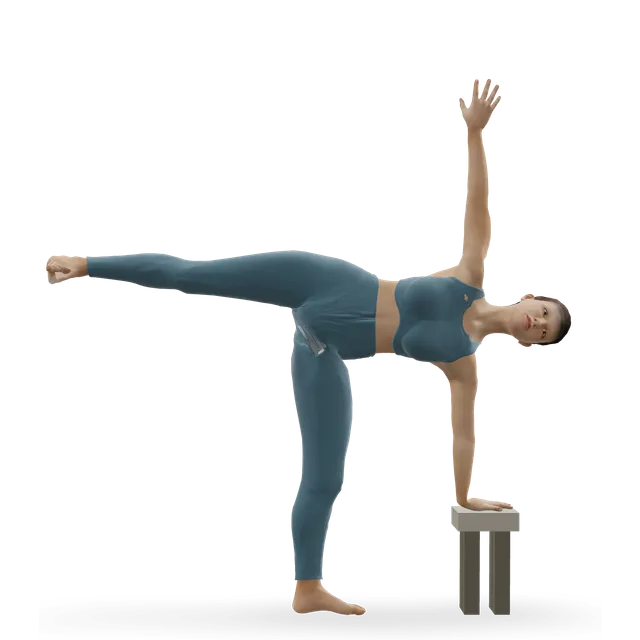
In 36 young adults whose knees caved in, 6 weeks of supervised Pilates improved the knee's angle in a jump test, though the summary gives no effect sizes. In 34 novice runners, 12 weeks of home Pilates didn't significantly change knee caving while running. In 30 young volleyball players, 8 weeks of Pilates reduced landing errors. Using yoga's standing and one-leg poses the same way is our extrapolation from these and the movement-training trials, not something a yoga trial has shown.
Sources 44, 45, 46
Caving knees and injuryMixed evidence
In 205 female athletes, the 9 who later tore an anterior cruciate ligament (ACL), a key ligament inside the knee, had landed with their knees moving further inward. But in 710 elite players a landing test couldn't predict ACL injuries, and across 9 cohorts no measure of the knee moving inward did. The Q angle (how the thigh and shin line up at the kneecap) didn't predict kneecap pain in 18 cohorts of 4,818 people.
Sources 47, 48, 49, 50
Prevention warm-ups workStrong evidence
Across 8 meta-analyses, injury prevention warm-ups halved ACL injuries. A 2026 position statement describes programmes of 10 to 30 minutes, 2 to 3 times a week, but says direct evidence that training aimed at caving knees itself cuts injuries "remains limited".
Sources 51, 52
Kneecap painEmerging evidence
Neuromuscular training eased kneecap pain and improved function across 17 trials of 871 people (moderate certainty), without consistently changing how the legs moved.
Source 53
The feetMixed evidence
Short foot exercises improved foot position in people with flat feet in one review, but another found no clear change in the arch. A study of 28 women without random allocation reported a large drop in knee caving after 6 weeks, an effect that would need a proper trial to confirm (our reading). Foot orthoses had only small effects on the knee in walking. Foot work is worth doing for the feet themselves, not as a knock knees fix.
Sources 10, 54, 55, 56, 57
Yoga for knee arthritis: the reviews disagreeMixed evidence
A 2026 review of 14 studies found yoga eased knee arthritis pain and improved function, at low certainty. A 2026 network meta-analysis of 29 trials found tai chi and another Chinese exercise reduced pain against no exercise, and yoga improved mental health. In 117 adults, yoga was about as good as strengthening for knee pain, and an online programme's gains in 212 adults had faded by 24 weeks. Our yoga for knee arthritis guide covers it.
Sources 22, 23, 21, 58
Teenagers with knee painMixed evidence
In 24 teenagers with pain at the front of the knee, 8 weeks of yoga videos was followed by better knee scores, with no comparison group. Strengthening and stretching have better evidence: our yoga for knee pain guide covers it.
Source 59