Yoga flows
Yoga for IT band syndrome: a 25-minute class for side-hip strength and one-leg control, with no cross-body stretches
A 25-minute yoga class for IT band syndrome, the pain on the outside of the knee that builds during a run or a ride. The band itself barely stretches, so this class leaves out the cross-body IT band stretches and works the side of the hip instead: lying first, then bridges and side planks, then standing on one leg with the pelvis level, as our IT band syndrome guide does. Do it 2 to 3 times a week alongside less running and no downhill, on a rest day or after an easy, flat run. No trial has tested yoga for IT band syndrome, so the structure is our editorial choice.
Settle (about 3 minutes)
- Beginner · 3D demoLie on your back, knees bent. In for about 4, out for about 6, no holdsEasier: Breath reachHarder: Crocodile breathing (prone diaphragmatic breathing)
- Cat-cow8 wavesBeginner · Back, Abs · 3D demoSlower than feels naturalHarder: Half lord of the fishes (Ardha Matsyendrasana)


Side hips, lying (about 6 minutes)
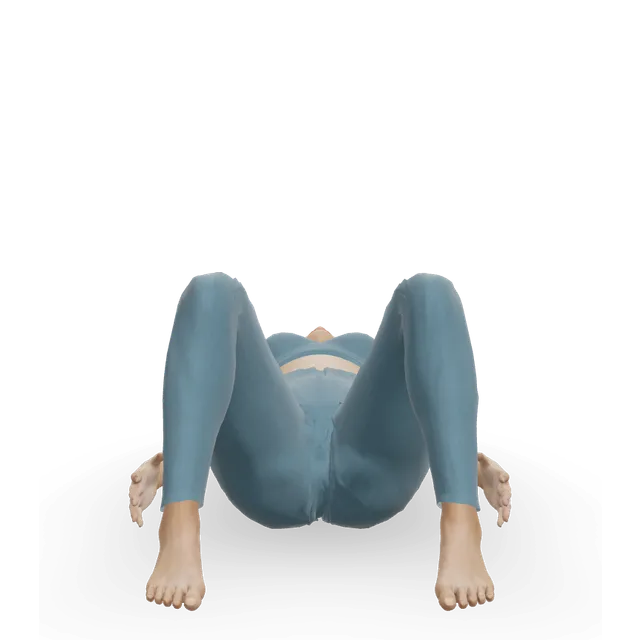
- Supine isometric hip abduction (belt press)5 holds of 5 to 10 s, light effortBeginner · Hip abductors, Glutes, Abs · 3D demoBelt or band just above your knees; press gently outwards and keep breathingHarder: Lateral band walk
- Side-lying leg raise2 sets of 12 each sideBeginner · Hip abductors, Glutes · 3D demoLie on your good side first, a pillow between your knees; heel leads, leg slightly behind youEasier: Lateral band walkHarder: Lateral band walk, band at the feet
- Clamshell2 sets of 15 each sideBeginner · Hip abductors, Glutes · 3D demoSmall range; leave it out if the outside of your hip hurts at nightEasier: Supine isometric hip abduction (belt press)Harder: Lateral band walk


Bridges and side planks (about 5 minutes)
- Glute bridge12 slow liftsBeginner · Glutes, Hamstrings, Abs · 3D demoFeet hip-width apart; ribs down at the topEasier: Pelvic tilt into bridgeHarder: Single-leg glute bridge
- Single-leg glute bridge8 each sideIntermediate · Glutes, Hamstrings, Abs · 3D demoFoot close to your bottom, hips level, lower slowly. Stay on two legs if one is too hardEasier: Glute bridgeHarder: Barbell hip thrust
- Knee side plank2 holds of 20 to 30 s each sideBeginner · Abs, Hip abductors, Shoulders · 3D demoHips lifted; move to the full side plank when it's easyHarder: Side plank



Standing on one leg, pelvis level (about 7 minutes)
- Standing wall-press hip abduction3 holds of 10 s each sideBeginner · Hip abductors, Glutes, Abs · 3D demoKeep the standing hip level, not sagging outEasier: Supine isometric hip abduction (belt press)Harder: Lateral band walk
- Chair pose (Utkatasana)2 holds of 3 to 5 breathsBeginner · Quads, Glutes, Shoulders · 3D demoHold rather than pulse; if a shallow bend brings on the outer knee pain, go a little deeper or a little higherHarder: Revolved chair pose (Parivrtta Utkatasana)
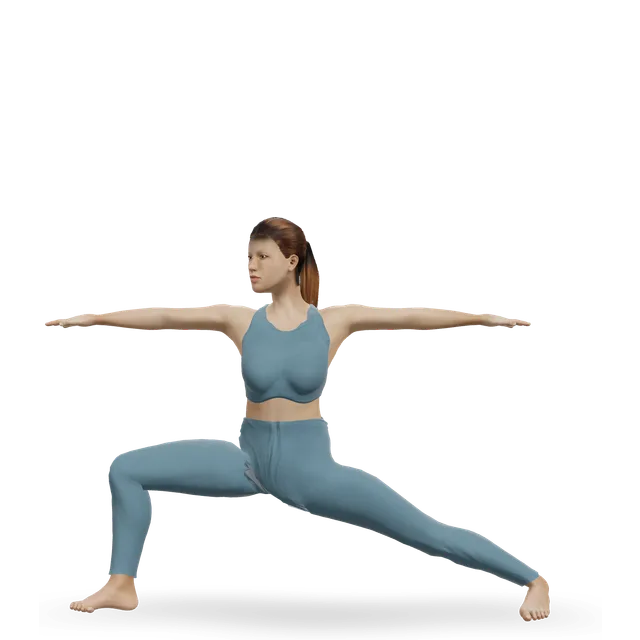
- Warrior II (Virabhadrasana II)3 to 5 breaths each sideIntermediate · Quads, Glutes, Adductors · 3D demoA short stance; front knee over your middle toes, not caving inEasier: Chair pose (Utkatasana)Harder: Extended side angle (Utthita Parsvakonasana)
- Tree pose (Vrksasana)2 holds of 20 to 30 s each sideBeginner · Glutes, Hip abductors, Calves · 3D demoFingertips on a wall, the lifted foot at your ankle or calf, never pressed into the kneeEasier: Mountain pose (Tadasana)Harder: Standing hand-to-big-toe pose (Utthita Hasta Padangusthasana)
- Warrior III (Virabhadrasana III)3 breaths each side, twiceAdvanced · Glutes, Hamstrings, Back · 3D demoHands on a chair at hip height, hips level, lifted leg long and lowEasier: High lunge (crescent lunge, Ashta Chandrasana)Harder: Standing splits (Urdhva Prasarita Eka Padasana)
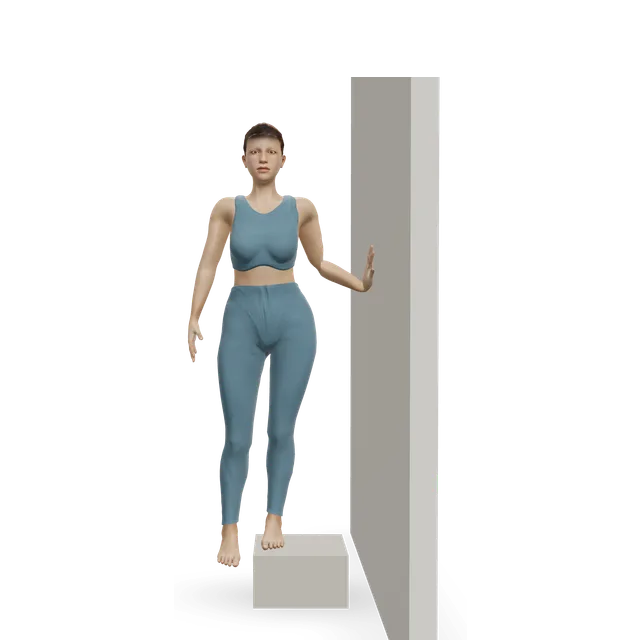
- Hip hitch (pelvic drop)2 sets of 10 each sideBeginner · Hip abductors, Glutes, Abs · 3D demoOn a low, stable step, holding a wall; keep the drop smallEasier: Standing wall-press hip abductionHarder: Patrick step-down





Stretch and rest (about 4 minutes)
- Low lunge (Anjaneyasana)45 s each sideBeginner · Hip flexors, Quads, Glutes · 3D demoBack knee padded; tuck your pelvis under to feel the front of the hipEasier: Half-kneeling hip flexor stretchHarder: High lunge (crescent lunge, Ashta Chandrasana)
- Beginner · Glutes · 3D demoHold behind your thigh; skip it if the outside of your hip is soreHarder: Pigeon preparation (Eka Pada Rajakapotasana prep)



Tips
- Rate your knee pain from 0 to 10 during and after exercise. In the pain-monitoring model used in knee trials, 0 to 2 counts as safe, up to 5 as acceptable and above 5 as too much. Aim for 0 to 3 most of the time.
- This class leaves out the lying IT band stretch and foam rolling (our suggestion). The stretch's own page says: "Skip it if the bony point on the outside of your hip is sore: drawing the leg across the body presses the gluteal tendons against the bone."
- Do it on a rest day or after an easy, flat run, not before a downhill one, and step rather than jump if you add a flow (our suggestion).
- Outer knee pain that started with a twist, or comes with swelling or locking: that is not typical of IT band syndrome. After a blow or a twist, see our LCL sprain guide.
- If outer knee pain still stops you running after about 6 to 8 weeks of hip work and less running, see a sports physiotherapist (our suggestion).
The doses are suggested starting points, not a prescription. Choose a range you can control and stop for sharp or increasing pain, numbness or tingling. Get individual advice after an injury or surgery, or if you are pregnant or managing a health condition.
Guides that recommend it
Find more moves like these
More yoga flows

Beginner yoga flow
A 20-minute beginner yoga sequence: mountain, chair, warrior II, triangle, tree, down dog, cobra and child's pose.
20 minBeginner11 movesA step

Sun salutation flow
A 20-minute flow built on sun salutations A and B, with warrior poses and a short cool-down.
20 minIntermediate8 movesNo equipment


Yoga for tight hips
A hip-opening yoga sequence: low lunge, lizard, goddess, pigeon, bound angle and happy baby.
25 minBeginner10 movesA wallQuestions people ask
How long does the yoga for it band syndrome: a 25-minute class for side-hip strength and one-leg control, with no cross-body stretches take?
About 25 minutes, including any warm-up and cool-down listed. Shorten it by doing fewer rounds; lengthen it by adding one.
What equipment do I need?
You need: A band, A wall, A step. Each move links to its guide, where you can find an alternative if you are missing something.
Is it suitable for beginners?
It is written for beginners. 11 of its 17 moves have an easier option listed beside them if you need one.
How do I make it easier or harder?
Use the easier or harder option listed under each move, change the number of rounds, or adjust the rest. Progress one change at a time.