Pilates guide

Pilates for cricketers: fast bowlers' backs, the throwing shoulder, rotation for batting, long days, the evidence, and a routine

Fast bowlers are cricket's most injured players, and young fast bowlers' backs most of all: stress fractures in the lower back peak between 18 and 22 and cost months. Several small Pilates studies in cricketers improved fitness tests, but none counted injuries, and no study has shown that Pilates or core training prevents a bowler's back stress fracture or side strain.

What Pilates can add is both-ways rotation, trunk and side endurance with the spine long, hip and hamstring control, shoulder-blade work on both arms and one-leg balance for the front-foot landing. It sits beside the England and Wales Cricket Board's (ECB) bowling limits and rest days, your coach, your strength training and the game's concussion rules, never in place of them.

This guide covers fast bowlers' backs and side strains, what the Pilates and core studies show, the throwing shoulder, rotation for batting, long days in the field, a 25-minute class with no back bends, and the warning signs every cricketer should know.

The short version

Fast bowlers are hurt most

In elite Australian men, fast bowlers were out injured 20.6% of the time on average, against 12.5% across all players, and stress fractures in the lower back cost the most playing time. In English county fast bowlers, 56% of those fractures came between the ages of 18 and 22, each costing about 8 months.

Sources 1, 2

Small Pilates studies, none counting injuries

Seven small studies from India and Pakistan found that Pilates improved fitness tests such as curl-ups, trunk holds and balance. They were small and biased, none counted injuries or measured bowling in a match, and in two of them other core training did as well or better.

Sources 3, 4, 5, 6

The ECB's limits come first

The ECB's overs limits for young fast bowlers, rest days and gradual build-up after a break are what protect young bowlers. Pilates never replaces them.

Sources 7, 8

Trunk endurance is a risk marker, not a proven fix

Reduced trunk endurance went with injury in young fast bowlers, but in observational studies at mostly high risk of bias: a risk marker, not proof that training it prevents injury. An exercise programme raised young bowlers' back endurance by about 20 seconds without measuring injuries, and side bridge endurance didn't predict side strains.

Sources 9, 10, 11

No back bends for young fast bowlers

The delivery already takes a fast bowler's lower back past its standing side-bend range. Our class leaves Pilates back extension out and builds back endurance with the bird dog instead (our suggestion).

Sources 12, 2

Both ways, both sides

Train rotation, side endurance and shoulder-blade work evenly on both sides. Bowlers' trunk muscles are normally lopsided, and in one study the bowlers without a back injury were the more lopsided, so don't try to even them out.

Source 13

Where cricketers get hurt

Elite men: fast bowlers and lower backsStrong evidence

Over 10 seasons of elite Australian men's cricket, there were 64 new injuries per 100 players a season. On average 12.5% of players were unavailable at any time, and fast bowlers 20.6%. Hamstring strains were the commonest new injury (8.7 per 100 players a season), then side and abdominal strains (6.1), and stress fractures in the lower back were the most prevalent injury, costing 15% of all missed time.

Source 1

Men and womenEmerging evidence

In elite Australian cricket, men had 136 and women 101 match injuries causing missed time per 1,000 match days; men had more lower back stress fractures and side strains, and women more shoulder and upper-arm injuries needing medical attention. Across England and Wales's women's pathway, the lower back was hurt most often at international and academy level, and fielding caused the most injuries. In elite women's T20, throwing injuries to the shoulder were the most frequent.

Sources 14, 15, 16, 17

Young players in England and WalesEmerging evidence

In 348 male county academy players aged 13 to 18, bowling posed the greatest risk, and the lower back was the most common injury site, at 15.3 lower back injuries per 100 players a year.

Source 18

Across the researchEmerging evidence

Across 24 papers and 12,511 players, bowling technique and workload were the main risk factors for bowling injuries.

Source 19

What Pilates offers, and what it doesn't

Pilates trains rotation both ways, trunk and side endurance, back-extension endurance in a neutral spine, hip and hamstring control, shoulder-blade endurance and one-leg balance at low load (our reading). It doesn't replace the ECB's limits and rest days, a gradual build-up, strength and hamstring training, coaching of the bowling action, or treatment for a stress fracture: across 11 trials, Pilates built strength no better or worse than other exercise, at very low to low certainty.

Sources 20, 21

What the evidence says

The Pilates studies in cricketers are small, unblinded and outside the main medical databases, and none counted injuries. The ECB's limits, a gradual build-up and strength training carry the evidence for protecting bowlers.

Several small Pilates studies, none counting injuriesMixed evidence

Our searches found no Pilates study in cricketers in PubMed; seven small ones turned up elsewhere, all from India or Pakistan. In the best reported one, 39 aspiring state-level cricketers aged 18 to 30 added six Pilates exercises 3 days a week for 6 weeks to their training and improved curl-ups, sit and reach, a broad jump, a sprint, agility and leg lowering more than with training alone, but the groups differed at the start, the Pilates group exercised more, and some results are implausibly large. Three others had 20 to 30 players each, with unclear randomisation, garbled tables or no untrained group.

Sources 3, 4, 22, 23, 24

Two studies favoured other trainingMixed evidence

In 100 recreational cricketers, both Pilates and core training helped, and core training improved core strength by more. In 36 university cricketers, Pilates improved balance and trunk holds, and Bosu ball exercises were slightly more effective for balance.

Sources 5, 6

Fast bowlers with back painMixed evidence

A conference abstract from Lahore reports less pain and disability in 36 fast bowlers aged 17 to 25 with lasting low back pain after Pilates combined with shoulder plyometrics than after usual physiotherapy, with p values only; because Pilates came with plyometrics and the trial wasn't blinded, Pilates' own effect can't be separated. A trial of Pilates against burpees in 48 cricketers finished in 2024 with no results posted.

Sources 25, 26

The young bowlers' exercise programmeEmerging evidence

In 65 boys aged 14 to 17 at 8 Western Australian clubs, an 8-week exercise programme at training improved shoulder, hamstring and adductor strength, balance reach and back extensor endurance (by 20.4 seconds), but not lower-back and pelvic stability, and it kept shoulder counter-rotation in the delivery from rising without changing ball speed. Injuries weren't measured; the authors say more research is needed to show whether such programmes cut injuries.

Sources 10, 27

Motor control training in elite cricketers with back painMixed evidence

At Cricket Australia camps, 13 weeks of staged training of the deep trunk muscles, with ultrasound feedback, increased the size of a deep back muscle (multifidus) and halved average pain in 7 cricketers with back pain, compared with 14 pain-free cricketers with no programme. It wasn't randomised, it was tiny, and two follow-ups measured muscles only. It's the closest thing to Pilates-style training in cricket, and it didn't measure bowling or injuries.

Sources 28, 29, 30

Core training and throwingMixed evidence

In 98 Pakistani cricketers, 6 weeks of core strengthening raised throwing speed more than usual training (p values only), and in 30 Indian cricketers 8 weeks of core training improved fitness tests. Across sports, core training's effect on throwing or hitting speed was small and not significant.

Sources 31, 32, 33, 34

Core training in athletes generallyEmerging evidence

Across 31 controlled studies in athletes, trunk training improved trunk endurance most, and strength, sprints and sport tests a little. In 29 randomised trials, it improved core endurance and balance but not sport performance overall.

Sources 35, 34

What prevents sports injuriesStrong evidence

Across 25 trials, strength training cut sports injuries to about a third and balance training to about half, while stretching made no difference. Firm evidence that a weak core causes injuries is lacking.

Sources 36, 37

Yoga, in one lineMixed evidence

In 82 first-class players, 6 weeks of yoga improved muscle function tests (p values only), and in 60 club bowlers yoga and conventional conditioning raised bowling speed by similar amounts (6.52% and 5.18%); neither counted injuries. Our yoga for cricketers guide has more.

Sources 38, 39

Fast bowlers' backs and side strains

Stress fractures in the lower backStrong evidence

English county fast bowlers had 2.46 lower back stress fractures per 100 bowlers a year, and 4.90 at ages 18 to 22: 74% came under the age of 25 and 56% between 18 and 22, each costing an average of 239 days, and 93% of one-sided fractures were on the side opposite the bowling arm. In 40 English academy bowlers aged 14 to 17 with no symptoms, 20.5% already had a bone stress injury on a scan. In 98 Australian youth bowlers, including 23 girls, 16.3% had one with symptoms in a season, and only a previous one predicted another.

Sources 2, 40, 41

Pain is a poor guide to healingEmerging evidence

In 10 young fast bowlers, back pain and the bone stress seen on scans didn't match. One-sided fractures usually heal but take 3 to 6 months, not the 6 to 10 weeks that the pain might suggest, and bone changes showed on research scans before every one of 15 injuries in junior elite bowlers. In English academies, injuries found by screening scans were caught at an earlier stage, and every bowler returned to bowling. This is why the warning lines below say to stop fast bowling and get a sore back checked.

Sources 42, 43, 44, 45

What the delivery does to the lower backEmerging evidence

At front-foot contact, 50 professional fast bowlers used 26% of their standing lower-trunk extension, 129% of their standing side bend (to the side opposite the bowling arm) and 79% of their rotation. Bowlers with more shoulder counter-rotation had more stress fractures, though that measure is only a stand-in for what the spine itself does, and front-foot forces reach about 5 to 6 times body weight.

Sources 12, 46, 47

Workload: too much and too littleEmerging evidence

In 90 first-class bowlers, fewer than 2 days between bowling sessions and 5 or more days both went with injury, and in junior bowlers fewer than 3.5 rest days between bowling days went with about three times the risk. More than 50 overs in a match raised the injury risk over the next 3 weeks, and in English county bowlers a peak week of more than 234 deliveries went with 11 times the odds of a lower back stress fracture compared with fewer than 197. Gradual upgrades in bowling load are recommended, especially early in a bowler's career.

Sources 48, 49, 50, 2, 51

The ECB's rulesStrong evidence

The ECB's recreational regulations cap overs per spell and per day for fast bowlers aged 19 and under, and its guidelines recommend weekly targets, rest days, its Ready to Bowl build-up after a break of 2 weeks or more, and bowling in the age group below during a growth spurt. Our cricket guide sets them out.

Sources 7, 8

Trunk endurance and control: a risk markerMixed evidence

Across 16 studies in adolescent bowlers, mostly at high risk of bias, injury went with bowling technique, reduced trunk endurance, poor control of the lower back, pelvis and hips, and early bone stress. Those are associations, not a training effect: the studies that tried to change back pain in cricketers were too poor to draw conclusions from.

Sources 9, 52

Lopsided trunk muscles are normalEmerging evidence

Bowlers' side trunk muscle (quadratus lumborum) is usually bigger on one side. In 51 adolescent bowlers, the 11 with stress lesions were more lopsided, but in 38 juniors size didn't predict injury, and in 23 elite adults the bowlers without a back injury were the more lopsided. So Pilates shouldn't try to even out the trunk; train both sides' endurance and control instead (our reading).

Sources 53, 54, 13

Side strainsEmerging evidence

A side strain is a tear of a side abdominal muscle near the lowest ribs, from a single delivery, on the side opposite the bowling arm. In 207 first-class fast bowlers, more than half had had at least one, 77% of first strains came at 24 or under and 30% came back, and no measured factor, side-bend range and side bridge endurance included, predicted them. Return took 39 days on average. Side-lying trunk endurance is reasonable training, not prevention.

Sources 55, 11, 56

Why our class has no back bends

Because the delivery already pushes the lower back to the end of its range, and stress fractures peak at 18 to 22, our class leaves out the swan, double-leg kick, rocking and swimming, and builds back endurance with the bird dog in a neutral spine (our suggestion, as our yoga for cricketers guide does with deep backbends).

Sources 12, 2

The throwing shoulder

Common, and often played throughEmerging evidence

In 158 English professionals, 23% described a shoulder injury in one season, and professionals generally play on with shoulder injuries, though their fielding often suffers. In elite women's T20, throwing injuries to the shoulder had the highest rate of any injury.

Sources 57, 16

Throws per weekEmerging evidence

In 28 elite Australian men, more than 75 throws a week went with a higher risk of a throwing injury (about 1.7 times). Build throwing up gradually, as you would bowling (our suggestion).

Source 58

Not a baseball shoulderEmerging evidence

Throwers and bowlers had about 8 degrees less inward and more outward rotation on the throwing side, and the cricketer's shoulder adapts differently from a baseball pitcher's.

Sources 59, 60

Strength and control on both arms

As our Pilates for baseball players guide explains, the aim is endurance at the back of the shoulder and control of the shoulder blade, on both arms, not more stretch. Athletes with very flexible joints had about three times the odds of a shoulder injury, at low certainty.

Source 61

Rotation, batting and long days

Turn both ways

Batting and bowling turn the trunk hard one way, thousands of times a season. Pilates rotation (the spine twist, saw and criss-cross) trains the upper back to turn both ways the same amount, so the lower back doesn't have to make up the difference (our reading).

Source 12

Hamstrings and hipsEmerging evidence

Hamstring strains are elite cricket's commonest new injury, and in English county cricket running between the wickets caused the most in the shorter formats. In 91 Australian fast bowlers, those with less inward hip rotation on the bowling-arm side had lower injury odds than those with more, and in 97 South African professionals none of the measures tested predicted injury well. More flexibility wasn't protective; the shoulder bridge works the hamstrings with the hip straight.

Sources 1, 62, 63, 64

Heads and helmetsEmerging evidence

In elite Australian men's domestic cricket, a concussion came about every 9,000 balls. In one junior association, head, neck and face injuries fell from 62% to 4% of batters' injuries after helmets became compulsory. The ECB's concussion rules are in the warning signs below.

Sources 65, 66

Long days in the heatEmerging evidence

In 38 first-class players, batters' core temperature rose about 1°C for every 2 hours of batting. Pilates is for a rest day or after the day's play, not a hot session the day before a long day in the field (our suggestion). The sun and heat lines are in the warning signs below.

Source 67

Core exercises for fast bowlers

The Pilates version

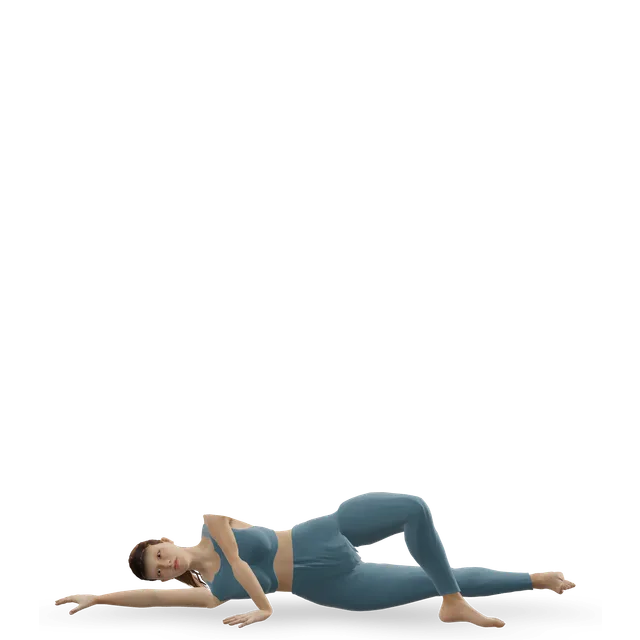
The hundred, dead bug and bird dog for the trunk with the spine long, side planks on the forearm for the side, the criss-cross and spine twist for rotation both ways, and the shoulder bridge and side kick for the hips, done evenly on both sides. Core work hasn't been shown to prevent back stress fractures or side strains, so it sits beside the ECB's limits and the strength workout for fast bowlers, not in place of them.

Sources 9, 11, 8

Breathe and turn both ways

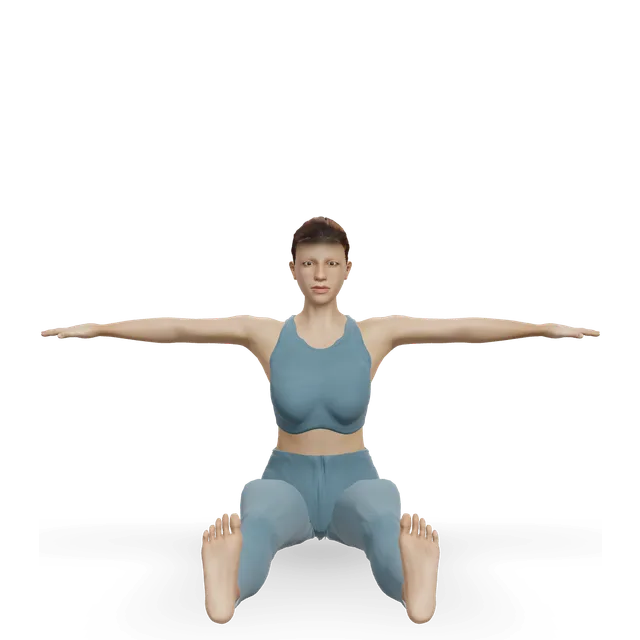
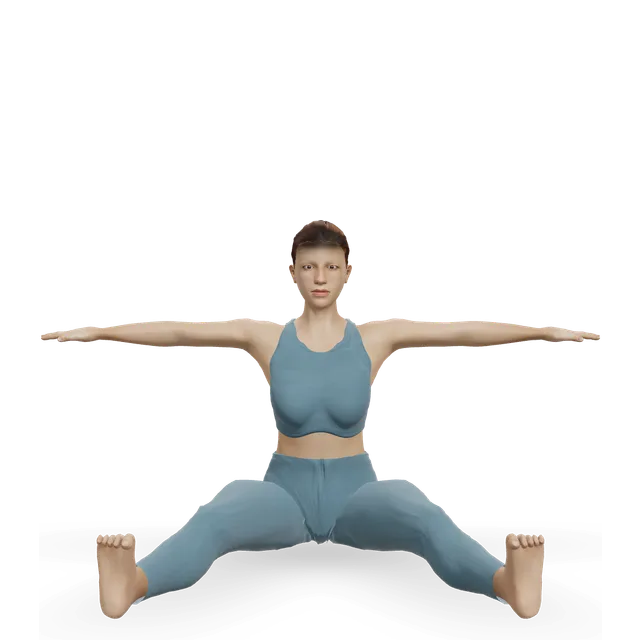
Lateral breathing, 5 to 8 breaths at the start of every session (the move page's dose); thoracic rotation, 6 rotations per side (the move page's dose), the same amount each way; side-lying open book, 8 to 10 slow openings each side (the move page's dose), knees together; spine twist, 3 to 4 each side (the move page's dose), sitting on a cushion; saw, 3 to 4 each side (the move page's dose), with a small reach after a hamstring strain, as its page says.

Trunk and side endurance with the spine long

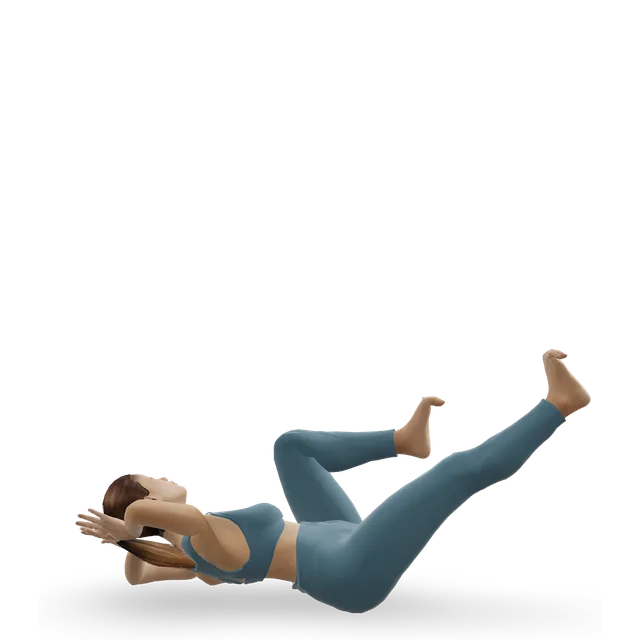
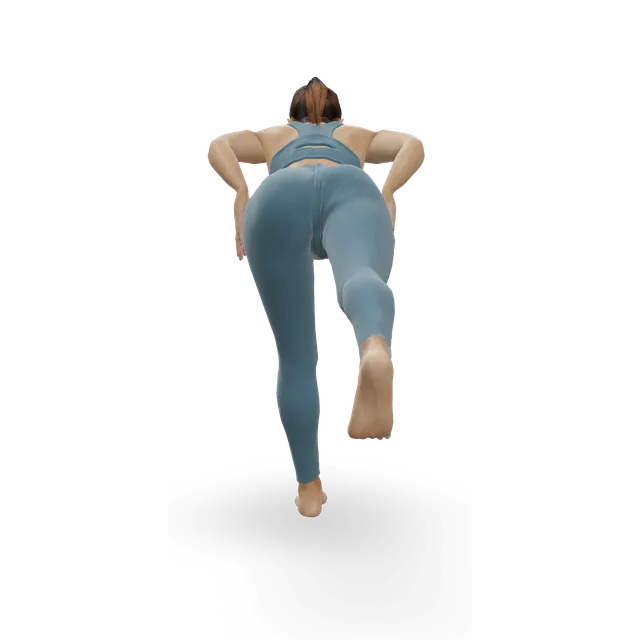
Hundred, 50 beats to start, building to 100 (the move page's dose); dead bug, 6 each side (our Pilates for tennis players class); bird dog, 2 sets of 6 each side with 5-second holds (our Pilates for footballers class); knee side plank on your forearm, 2 holds of 20 seconds each side (our Pilates for tennis players class), then side plank on your forearm, 2 holds of 20 seconds each side (our yoga for cricketers class); criss-cross, 6 each side, slowly (the move page's dose).

Shoulders, on both arms

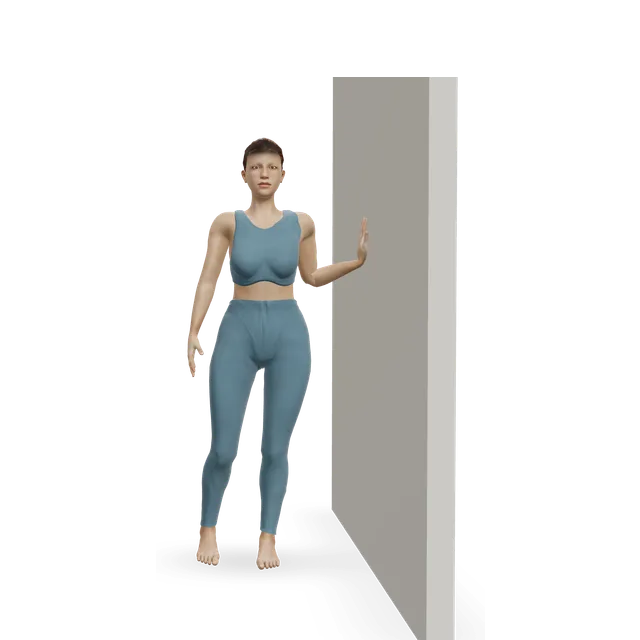
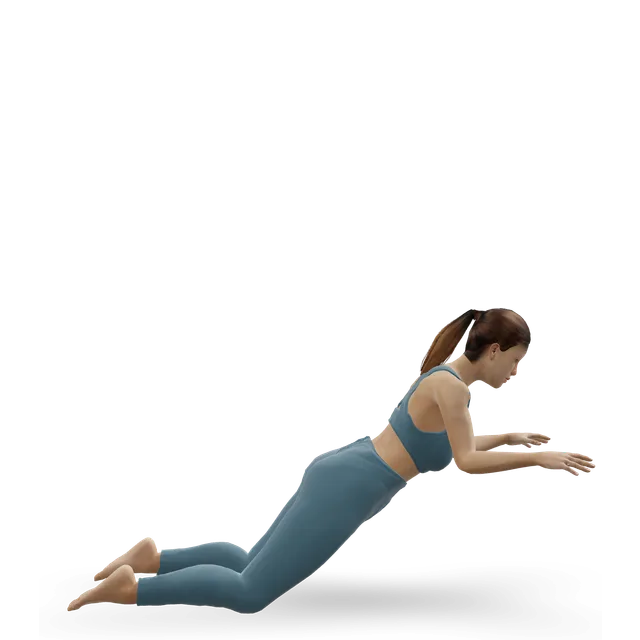
Y-T-W raises, 5 of each shape on both arms, not only the throwing one, and band turn-outs, 10 each arm with a light band and your elbow by your side (our Pilates for tennis players class); scapular push-ups, 2 sets of 10, on a wall if your shoulder, elbow or wrist is sore (our Pilates for tennis players class).

Hips, hamstrings and the groin

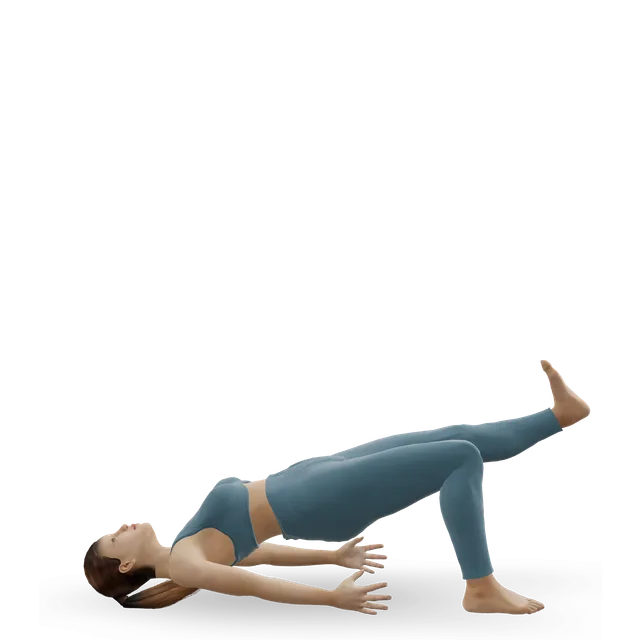
90/90 switch, 10 slow switches, pause at the ends (the move page's dose); shoulder bridge, 3 to 5 kicks each leg (the move page's dose); side kick, 8 to 10 each side (the move page's dose); inner thigh lift, 10 to 12 each side (the move page's dose), starting small after a groin strain, as its page says; clamshell, 10 each side (our Pilates for tennis players class).

Front-leg balance, and breathe to finish

Single-leg stand, 2 holds of 30 seconds each leg, fingertips on a wall at first (our Pilates for tennis players class); hip airplane, 2 sets of 5 slow turns each leg (the move page's dose), holding a counter; slow breathing, 2 minutes, in for about 4 and out for about 6, with no holds (our yoga for cricketers class).

What to change or leave out

Young fast bowlers, and any back that hurts when arching

Leave out the swan, double-leg kick, rocking and swimming, use the bird dog for back endurance, and get it checked (our suggestion). The swan's own page says some back pain gets worse with arching: keep it small, or skip it if it pinches.

Back pain that is worse arching back and has lasted more than a couple of weeks can be a stress fracture of the spine (spondylolysis): get it checked.

Sources 12, 2

After a side strain

Leave out the side plank, knee side plank and criss-cross until your physiotherapist clears them (our suggestion; our yoga for cricketers class says the same of the side plank).

Source 56

After a hamstring strain

Keep the reach small in the saw and spine stretch forward, as the saw's page says, and follow our hamstring strain guide's stages before kicks.

A sore throwing shoulder

Keep weight off the arm (the front leg pull, Pilates push-up and side bend) until it's been checked, as our Pilates for baseball players guide says.

Very flexible joints

If you're hypermobile, don't use mobility work to push further: the NHS says "do not overextend your joints just because you can". See a GP if you think you have joint hypermobility syndrome: for example, your joints keep dislocating, or you keep getting sprains, strains, pain or stiffness.

Sources 61, 68

After a blow to the head

Follow our Pilates and concussion guide's list: nothing rolling or upside down until you're cleared.

Sources 69, 70

Classes to follow

Our both-ways class puts the moves above into 25 minutes with no back bends. The cricket warm-up, the strength workout for fast bowlers and the hamstring and groin programme are the training; the tennis and athletes Pilates classes turn both ways too but include back extension, which a young fast bowler with a sore back should leave out.

Both-ways Pilates for cricketers: a 25-minute class for rotation, trunk and side endurance, the hips and hamstrings, both shoulders and front-leg balance, with no back bends

A 25-minute Pilates class for cricketers with no back bends: rotation both ways, trunk and side endurance, hips and hamstrings, both shoulders and balance.

25 minBeginner19 movesBand, anchor point

Cricket warm-up

A 12-minute cricket warm-up: a jog, side-steps and skips, hip and shoulder mobility, planks, squats and lunges, one-leg catches, then sprints and turns.

12 minBeginner17 movesCardio machine, wall

Strength workout for fast bowlers

A 40-minute gym session for fast bowlers: squats, split squats, single-leg hinges, Nordics, Copenhagen planks, back and side work, shoulder work and throws.

40 minIntermediate16 movesBand, anchor point

Hamstring and groin injury prevention

The Nordic hamstring and Copenhagen adduction programmes from the football trials: a 10-week build, three adductor levels, then once a week in season.

15 minIntermediate6 movesWall, anchor point

Yoga for cricketers: a 25-minute class for turning both ways, hips, hamstrings and one-leg balance, on a rest day or after a long day in the field

A 25-minute yoga class for cricketers: turning both ways, hips for the stride, hamstrings, trunk endurance on both sides and one-leg balance, with no backbends.

25 minBeginner13 movesNo equipment

Both-sides Pilates for tennis players: a 25-minute class for rotation, shoulder blades and hips

A 25-minute Pilates class for tennis and padel players: trunk endurance, rotation both ways, shoulder blades, hips and single-leg balance, on a mat.

25 minBeginner19 movesBand, anchor point

Both-sides Pilates for athletes: a 30-minute class for trunk endurance, hips, the back of the body and one-leg balance

A 30-minute Pilates class for athletes in any sport: trunk endurance, hips, the back of the body, rotation and one-leg balance, done equally on both sides.

30 minIntermediate18 movesWall

Head-up Pilates after a concussion: a 15-minute seated and standing class with a symptom check

A 15-minute head-up Pilates class for the early stages after a concussion: a symptom check, seated breathing and mobility, and light bodyweight work at a counter.

15 minBeginner12 movesBench or box, wall

New to Pilates?

The beginner Pilates plan builds the basics over 4 weeks, 3 days a week; fit it around your bowling and training, and leave out its back bends if you're a young fast bowler with a sore back.

When to stop and get help

This is general information, not a diagnosis. A&E means accident and emergency; in the US, call 911 for 999, and use your doctor's urgent line or urgent care for NHS 111.

Chest pain or fainting: call 999

Call 999 if:

  • You get sudden pain or discomfort in your chest that doesn't go away; it can feel like squeezing or pressure, burning or indigestion.
  • The pain spreads to your left or right arm, or your neck, jaw, stomach or back.
  • You have chest pain and feel sweaty, sick, light-headed or short of breath.
  • Someone faints while exercising, can't be woken within 1 minute, or has chest pain or a pounding, fluttering or irregular heartbeat.

Sources 71, 72

A collapse

If a player collapses and isn't breathing normally: call 999, start CPR straight away and send someone for a defibrillator.

Sources 86, 87

A blow to the head

Call 999 if someone has hit their head and has been knocked out and hasn't woken up, can't stay awake or keep their eyes open, has a fit, has fallen from a height of more than 1 metre or 5 stairs, has problems with their vision or hearing, has clear fluid coming from their ears or nose, has new numbness or weakness, has problems with walking, balance, understanding, speaking or writing, hit their head at high speed, or their behaviour has changed. Get help from NHS 111 if they're being sick, feel dizzy or take medicine that thins the blood. If you're told to go to A&E (accident and emergency), don't drive yourself there if you have hit your head.

Stop playing: if in doubt, sit them out. Contact NHS 111 within 24 hours, and straight away if they're being sick, feel dizzy or take medicine that thins the blood. Then follow the ECB's six stages, with no matches before day 21. Signs can be harder to spot under a helmet, so watch closely.

With a suspected concussion, if in doubt, sit them out. The UK's grassroots guidelines say no sport for at least 24 hours, get checked by a healthcare professional or NHS 111 within 24 hours, follow a staged return, and no competition before day 21; if symptoms last beyond 28 days, stay out of sport and see a doctor. Pilates waits too: gentle breathing and mobility fit the early, light-activity stages; bodyweight strength work can start in the light aerobic exercise stage, which allows "low intensity, body weight resistance training"; and springs, weights and harder trunk work come later (our reading). Our concussion guide has the stages.

Sources 73, 69, 70

A young fast bowler's back

A teenage fast bowler with back pain that lasts more than a couple of weeks, is worse arching back or stops them bowling should stop fast bowling and see a GP or sports physiotherapist, as our spondylolisthesis guide advises. Afterwards, and after any break of 2 weeks or more, the ECB's Ready to Bowl template rebuilds bowling in stages: lower weekly overs, bowled across 2 to 3 days, starting lower the longer the break. Use the template in the ECB's guidelines, linked in the sources, with your clinician or coach.

A teenager in a sport that arches or twists the back, such as gymnastics, dance, diving, volleyball, tennis, cricket fast bowling, baseball pitching, weightlifting, football or rugby, with back pain that lasts more than a couple of weeks, is worse arching back or stops them training: get it checked by a GP or sports physiotherapist. It can be a stress fracture in the spine.

Sources 8, 74

A sharp pain in the side, or a pop at the back of the thigh

Back pain on arching, a sharp pain in your side when bowling, or a pop at the back of the thigh: stop and get it checked (our spondylolisthesis, rib injury and hamstring strain guides).

Source 75

A shoulder that comes out

Call 999 or go to A&E: after a fall or injury, your shoulder looks out of place or has changed shape, you cannot move your arm, or your shoulder is painful, bruised or swollen. Do not drive yourself, and do not try to put it back in yourself.

Your shoulder has partly or fully come out of joint, or you worry it might.

Sources 76, 77

A throwing shoulder that isn't right

Losing throwing speed or control, needing a much longer warm-up, a dead arm, or pain that comes back each time you build up your throwing: see a physiotherapist or sports doctor.

Sources 88, 89, 57

A finger hit by the ball

Go to A&E if a finger points at an odd angle, looks blue or feels numb, or is cut with bone showing. Get help from NHS 111 if it's painful, swollen and bruised, or stiff and difficult to move. A fingertip that won't straighten needs same-day advice, as our mallet finger guide explains.

Source 78

Long days in the sun and heat

The NHS advises shade between 11am and 3pm from March to October, and sunscreen of at least SPF 30 with at least 4-star UVA protection. Drink plenty on hot days, and know the signs of heat exhaustion below.

Call 999 if someone is still unwell after 30 minutes of resting somewhere cool, being cooled and drinking fluids, or has a very high temperature, hot skin that isn't sweating, a fast heartbeat or fast breathing, confusion, a fit or loss of consciousness.

Sources 79, 80

Unusual breathlessness

Call 999 or go to A&E (accident and emergency) straight away for severe difficulty breathing (gasping, choking or not able to get words out), a chest that feels tight or heavy, pain that spreads to your arms, back, neck and jaw, lips or skin turning very pale, blue or grey, or sudden confusion. If you're more short of breath than usual, or your heart is racing, fluttering or skipping beats, contact NHS 111.

Source 81

Stop the session if

You feel any pain or become unwell, as the NHS advises for its Pilates videos, and especially for chest pain or pressure, unusual breathlessness, dizziness or fainting. If you have a health problem, an injury or any symptoms, get advice from a healthcare professional, such as a GP, before you start.

Source 82

Before you start

The NHS advises getting advice from a healthcare professional first if you have a health problem, an injury or symptoms, or have recently had a heart attack or an operation.

Source 82

Myths

"Fast bowlers just need a stronger core"Emerging evidence

Reduced trunk endurance went with injury in young bowlers in observational studies, but stress fractures follow bowling load and technique and peak at 18 to 22, and there is still no published evidence that coaching to change technique lowers the risk in elite bowlers. The ECB's limits and rest days come first.

Sources 9, 2, 1, 7

"Even out a bowler's lopsided trunk"Emerging evidence

Bowlers' trunk muscles are normally lopsided, and in elite adults the bowlers without a back injury had the larger difference.

Sources 13, 54

"Side planks prevent side strains"Emerging evidence

Side bridge endurance and side-bend range didn't predict side strains in 207 first-class fast bowlers.

Source 11

"More flexibility protects bowlers"Emerging evidence

More inward hip rotation went with more injury in one group of fast bowlers, and range didn't predict injury in another.

Sources 63, 64

"Workload ratios can predict a bowler's injuries"Mixed evidence

The ratio of last week's bowling to the last month's was once linked with injury in cricket data, but a later review found no evidence for using it to manage training or cut injury risk. Counting overs and building up gradually still matter.

Sources 83, 84

"Pilates prolongs a cricket career"Mixed evidence

Former players' stories are not trials. The trials in cricketers are small, measured fitness tests and counted no injuries.

Sources 4, 5

"A strong core prevents all injuries"Strong evidence

Firm evidence that a weak core causes injuries is lacking; the programmes that cut injuries trained strength and balance, and stretching didn't help.

Sources 37, 36

"You need a reformer for real Pilates"Mixed evidence

In footballers, both mat and reformer Pilates improved tests, and the cricket studies used mat work. Use what you can get to.

Sources 85, 4

Questions people ask

Is Pilates good for cricketers?

It can add both-ways rotation, trunk and side endurance, hip and hamstring control, shoulder-blade work on both arms and one-leg balance, at low load on a rest day. Several small Pilates studies in cricketers improved fitness tests, but they were small and biased, and none counted injuries or measured match performance.

Is Pilates good for fast bowlers?

It can train the trunk endurance and control that observational studies link with fewer injuries in young bowlers, but no study has shown that Pilates or core training prevents fast bowlers' back stress fractures. The ECB's overs limits, rest days and a gradual build-up come first.

Can Pilates prevent a stress fracture in the back?

Not that anyone has shown. These fractures follow bowling load and technique, peak between 18 and 22, and cost about 8 months each. A young fast bowler whose back hurts when arching, or for more than a couple of weeks, should stop fast bowling and get it checked.

Should young fast bowlers do back bends in Pilates?

Leave repeated arching (the swan, the double-leg kick, rocking) out, especially with any back pain: the delivery already takes the lower back past its standing side-bend range. Train back endurance with the bird dog instead, which is our suggestion rather than a tested rule.

Does Pilates prevent side strains?

No study shows it: in 207 first-class fast bowlers, side strains weren't linked with side-bend range or side bridge endurance. Side planks are reasonable training, and after a side strain, leave them out until your physiotherapist clears them.

Will Pilates make me bowl faster?

Unlikely on its own. In the trials, Pilates improved fitness tests, not bowling speed in a match; yoga and conventional conditioning gave similar bowling speed gains in club bowlers, and core training's effect on throwing speed across sports was small and uncertain.

Is reformer Pilates good for cricketers?

It can be: the springs add resistance to leg, hip and trunk work. Count a hard reformer class as training, not rest, and leave out its back bends if you're a young fast bowler with a sore back.

What are the best Pilates core exercises for fast bowlers?

The hundred, dead bug and bird dog for the trunk with the spine long, side planks on the forearm for the side, the criss-cross and spine twist for rotation both ways, and the shoulder bridge and side kick for the hips. Do them evenly on both sides, whichever way you bowl.

When should cricketers do Pilates?

On a rest day or after a long day in the field, once or twice a week (our suggestion). Before play, use the cricket warm-up, not a hard Pilates session in the hour before you bowl.

Can Pilates help the throwing shoulder?

It can train the back of the shoulder and the shoulder blades on both arms. In one study 23% of English professionals had a shoulder injury in a season, and more than 75 throws a week went with throwing injuries in another. Aim for strength and control, not more stretching, as our baseball page explains.

Is Pilates or yoga better for cricketers?

Neither has been shown to prevent cricket injuries. Pilates leans towards trunk endurance and control, yoga towards range and relaxation; our yoga for cricketers guide covers yoga.

When should a cricketer get help?

A blow to the head, back pain in a young fast bowler, a sharp pain in the side when bowling, a shoulder that comes out, a dead arm or losing throwing speed, a collapse and heatstroke all need help. The warning signs on this page say what to do for each.

Sources

  1. Orchard 2016 · Injuries in elite Australian male cricketers over 10 seasons (surveillance study, Open Access J Sports Med; read in full)
  2. Alway 2019 · Lower back stress fractures and bowling workload in English county fast bowlers (cohort study, BMJ Open Sport Exerc Med; read in full)
  3. PubMed, Europe PMC, Crossref and trial registries · Our searches for Pilates studies in cricketers: none in PubMed, seven small studies elsewhere (November 2026)
  4. Panchal 2022 · Pilates training and physical fitness in 39 cricketers (randomised trial, Advances in Rehabilitation; read in full)
  5. Ananth 2025 · Pilates or core training for core strength in 100 recreational cricketers (comparative study, Int J Phys Educ Sports Health; read in full)
  6. Dhamodharan 2025 · Bosu ball or Pilates exercises for core stability in 36 university cricketers (experimental study, Indian J Physiother Occup Ther; read in full)
  7. England and Wales Cricket Board · Recreational cricket safety regulations, December 2025 update: fast bowling and helmets (read in full)
  8. England and Wales Cricket Board · Recreational cricket safety guidelines, December 2025 update: fast bowling guidelines and Ready to Bowl (read in full)
  9. Forrest 2017 · Risk factors for injury in adolescent pace bowlers: 16 studies (systematic review, Sports Med)
  10. Forrest 2020 · An exercise programme for 65 adolescent pace bowlers (cluster-randomised trial, J Sci Med Sport)
  11. Nealon 2018 · Side strains in 207 first-class fast bowlers (study, Clin J Sport Med)
  12. Ranson 2008 · Bowling action and lower trunk movement in 50 fast bowlers (biomechanics study, J Sports Sci)
  13. Kountouris 2013 · Trunk muscle asymmetry in 23 fast bowlers with and without back injury (study, Clin J Sport Med)
  14. Orchard 2023 · Injury profiles of elite Australian male and female cricketers (surveillance study, J Sci Med Sport)
  15. Stanislas 2026 · Injuries across the women's cricket pathway in England and Wales over three seasons (cohort study, J Sci Med Sport)
  16. Warren 2019 · Injuries in elite women's T20 cricket (surveillance study, J Sci Med Sport)
  17. Jacobs 2022 · Injuries in female cricketers: 23 studies (systematic review and meta-analysis, JBI Evid Synth)
  18. Williams 2024 · Injuries in 348 elite male academy cricketers over 4 years (cohort study, JSAMS Plus)
  19. Soomro 2018 · Cricket injury epidemiology: 24 papers, 12,511 players (systematic review and meta-analysis, Sports Med)
  20. Wells 2012 · Defining Pilates exercise: 119 papers (systematic review, Complement Ther Med)
  21. Pinto 2022 · Is Pilates better than other exercise for strength? 11 trials (systematic review, Heliyon; read in full)
  22. Sohail 2021 · Pilates training and physical performance in 20 cricketers (trial, The Rehabilitation Journal)
  23. Paul 2023 · Pilates or floor exercise for trunk endurance in 30 cricketers (comparative study, Int J Med Exerc Sci; read in full)
  24. Kamatchi 2020 · Swiss ball or Pilates exercise in 30 college cricketers (comparative study, Biomedicine)
  25. Tariq 2025 · Pilates with shoulder plyometrics for low back pain in 36 fast bowlers (conference abstract of a randomised trial, Turk J Physiother Rehabil)
  26. ClinicalTrials.gov · NCT06196970: Pilates or burpees for core strength and balance in cricket players (completed 2024, no results posted)
  27. Forrest 2020 · An exercise programme and bowling technique in adolescent pace bowlers (cluster-randomised trial, J Sci Med Sport)
  28. Hides 2008 · Stabilisation training and multifidus size in elite cricketers with low back pain (controlled study, J Orthop Sports Phys Ther)
  29. Hides 2010 · Retraining abdominal muscle control in elite cricketers with low back pain (study, Scand J Med Sci Sports)
  30. Hides 2016 · Motor control training and abdominal muscles in elite cricketers (study, Phys Ther Sport)
  31. Hanan 2022 · Core strengthening and throwing speed in 98 cricketers (randomised trial, J Sports Med Phys Fitness)
  32. Subramanian 2014 · Core strength training in 30 cricketers (study, Int J Phys Educ Fitness Sports; read in full)
  33. Rodríguez-Perea 2023 · Core training and performance: 22 studies (systematic review and meta-analysis, Biol Sport; read in full)
  34. Yu 2025 · Core training and athletic performance: 29 trials, 956 athletes (meta-analysis, BMC Sports Sci Med Rehabil; read in full)
  35. Saeterbakken 2022 · Trunk training in athletes: 31 studies, 693 athletes (systematic review and meta-analysis, Sports Med; read in full)
  36. Lauersen 2014 · Exercise programmes to prevent sports injuries: 25 trials, 26,610 people (systematic review and meta-analysis, Br J Sports Med)
  37. Huxel Bliven 2013 · Core stability training for injury prevention (review, Sports Health; read in full)
  38. Rao 2021 · Yoga and muscle function in 82 male cricketers (randomised trial, J Bodyw Mov Ther)
  39. Vaidya 2021 · Yoga and bowling performance in 60 cricket bowlers (trial, Int J Yoga Therap)
  40. Keylock 2022 · Lower back bone stress injuries in 40 adolescent fast bowlers (MRI cohort study, J Sports Sci)
  41. Daniels 2026 · Lower back bone stress injuries in 98 female and male youth bowlers (cohort study, J Sci Med Sport)
  42. Millson 2004 · Back pain and bone stress on CT in 10 young fast bowlers (study, Br J Sports Med)
  43. Orchard 2023 · Managing lower back bone stress injuries in fast bowlers and other athletes (review, S Afr J Sports Med)
  44. Kountouris 2019 · Bone marrow oedema before lower back bone stress injury in junior elite fast bowlers (MRI cohort study, Br J Sports Med)
  45. White 2025 · MRI screening for lower back bone stress injuries in young fast bowlers over 15 years (cohort study, Br J Sports Med)
  46. Portus 2004 · Bowling technique, ball speed and trunk injuries in fast bowlers (study, Sports Biomech)
  47. Senington 2018 · Ground forces, spine movement and back injury in fast bowling: 56 studies (review, J Back Musculoskelet Rehabil)
  48. Dennis 2003 · Bowling workload and injury in 90 first-class fast bowlers (cohort study, J Sci Med Sport; its erratum corrects an author's initial)
  49. Dennis 2005 · Bowling workload and injury in 44 junior fast bowlers (cohort study, Br J Sports Med)
  50. Orchard 2009 · High bowling workloads and injury risk weeks later (cohort study, Am J Sports Med)
  51. Orchard 2015 · Fast bowling workload patterns and injuries (cohort study, Br J Sports Med)
  52. Morton 2014 · Risk factors and interventions for cricket-related low back pain (systematic review, Br J Sports Med)
  53. Engstrom 2007 · Trunk muscle asymmetry and stress lesions in 51 adolescent fast bowlers (MRI cohort study, Med Sci Sports Exerc)
  54. Kountouris 2012 · Trunk muscle asymmetry and back injury in 38 junior fast bowlers (cohort study, J Sci Med Sport)
  55. Humphries 2004 · Cricket bowler's side strain on MRI in 10 bowlers (case series, Br J Sports Med)
  56. Nealon 2019 · Scan findings and return to play after side strain in fast bowlers (cohort study, J Sci Med Sport)
  57. Ranson 2008 · Shoulder injury in 158 professional cricketers (survey, Phys Ther Sport)
  58. Saw 2011 · Throwing workload and injury in 28 elite cricketers (cohort study, Br J Sports Med)
  59. Giles 2008 · Shoulder rotation range and shoulder pain in elite cricketers (survey, Phys Ther Sport)
  60. Dutton 2019 · The cricketer's shoulder: not a classic throwing shoulder (study, Phys Ther Sport)
  61. Liaghat 2021 · Joint hypermobility and shoulder injuries in athletes: 6 studies, 2,335 athletes (systematic review and meta-analysis, BMC Musculoskelet Disord; read in full)
  62. Goggins 2022 · Hamstring injuries in elite men's domestic cricket in England and Wales, 2010 to 2019 (surveillance study, J Sci Med Sport)
  63. Dennis 2008 · Field tests and injury risk in 91 fast bowlers (cohort study, Br J Sports Med)
  64. Olivier 2018 · Musculoskeletal predictors of injury in 97 cricketers (cohort study, Phys Ther Sport)
  65. Hill 2019 · Concussion and head impacts in elite Australian cricketers (surveillance study, Sports Health; read in full)
  66. Shaw 2008 · Helmet rules and injuries in junior club cricketers (study, Br J Sports Med)
  67. Stay 2018 · Core temperature in elite cricketers in Australian summer conditions (field study, Sports; read in full)
  68. NHS · Joint hypermobility syndrome (past its review date: reviewed August 2023, review due August 2026)
  69. England and Wales Cricket Board · Recreational cricket concussion guidelines, 2025 (read in full)
  70. UK Government and Sport and Recreation Alliance · UK concussion guidelines for non-elite (grassroots) sport (November 2024 update; read in full)
  71. NHS · Chest pain (past its review date: reviewed August 2023, review due August 2026)
  72. NHS · Fainting
  73. NHS · Head injury and concussion
  74. NHS · Back pain
  75. NHS · Hamstring injury
  76. NHS · Dislocated shoulder
  77. NHS · Shoulder pain (past its review date: reviewed May 2023, review due May 2026)
  78. NHS · Broken finger or thumb
  79. NHS · Sunscreen and sun safety
  80. NHS · Heat exhaustion and heatstroke
  81. NHS · Shortness of breath
  82. NHS · Pilates for beginners (exercise video, with safety information)
  83. Hulin 2014 · Spikes in acute workload and injury in elite fast bowlers (cohort study, Br J Sports Med)
  84. Impellizzeri 2020 · The acute to chronic workload ratio: conceptual problems (critical review, Int J Sports Physiol Perform)
  85. Yılmaz 2025 · Mat or reformer Pilates in 30 football players (randomised trial, PLoS One; read in full)
  86. St John Ambulance · How to do CPR
  87. Maron 2013 · Increasing survival from commotio cordis (US registry study, Heart Rhythm)
  88. AAOS OrthoInfo · Shoulder injuries in the throwing athlete
  89. Corpus 2016 · Internal impingement of the shoulder in overhead athletes (review, World J Orthop)

Exercise education, not a personal prescription, and clinical review of these guides is pending. If you are pregnant, have a health condition or have had recent surgery, check with a doctor, midwife or physiotherapist before starting, and stop for sharp or increasing pain. Health disclaimer.