← Back to library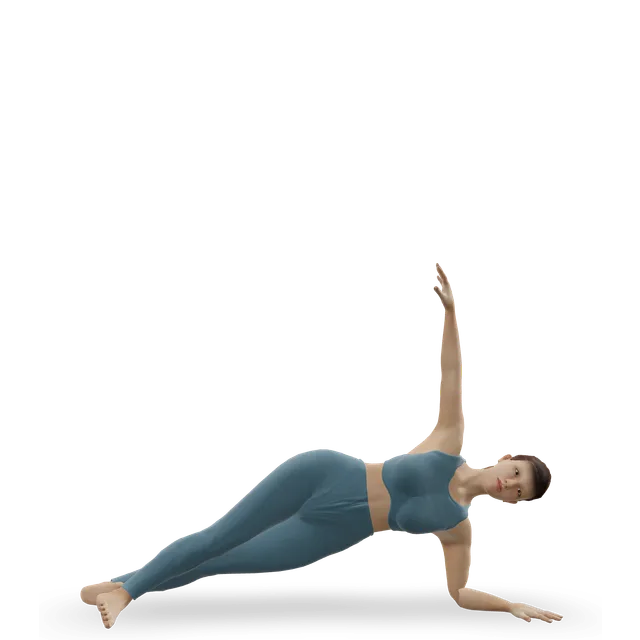 3D demoSide plank with leg liftAdvanced · No equipment
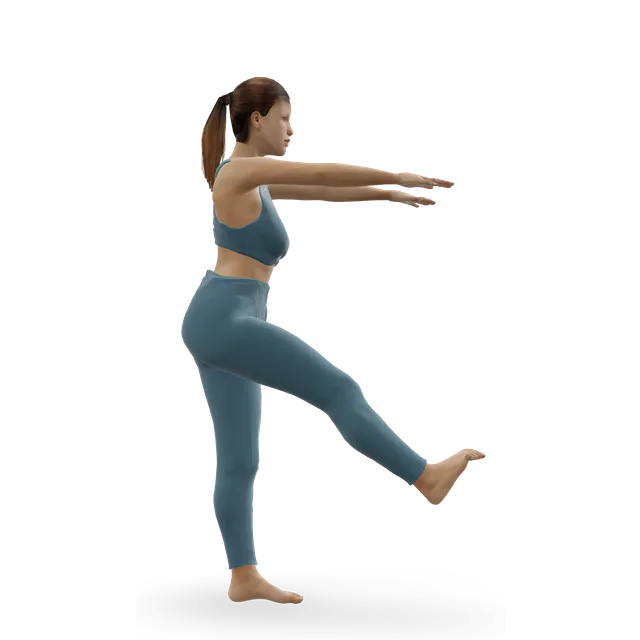 3D demoPistol squatAdvanced · No equipment
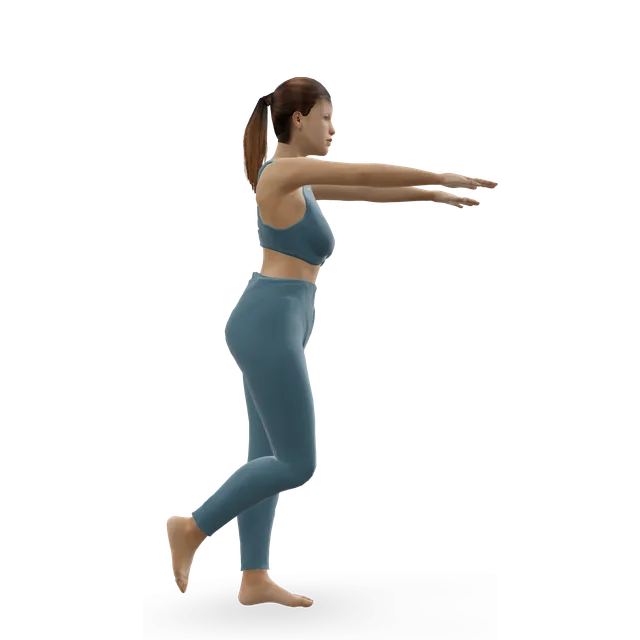 3D demoSingle-leg hop and stickIntermediate · No equipment
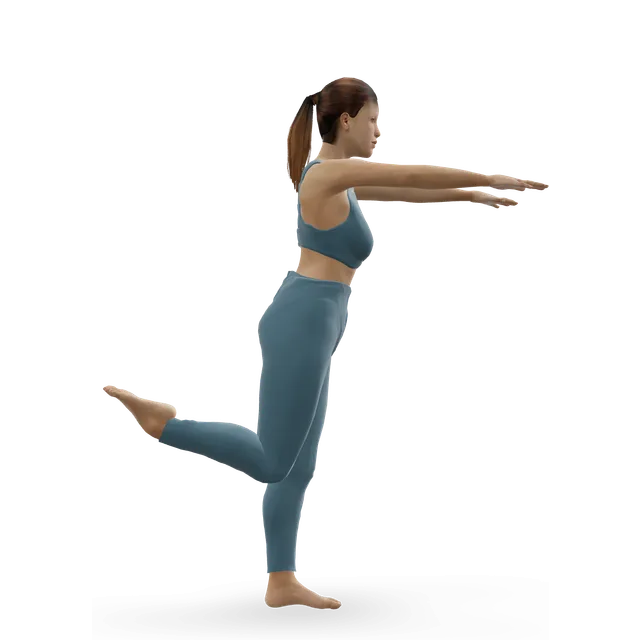 3D demoSkater squatAdvanced · No equipment
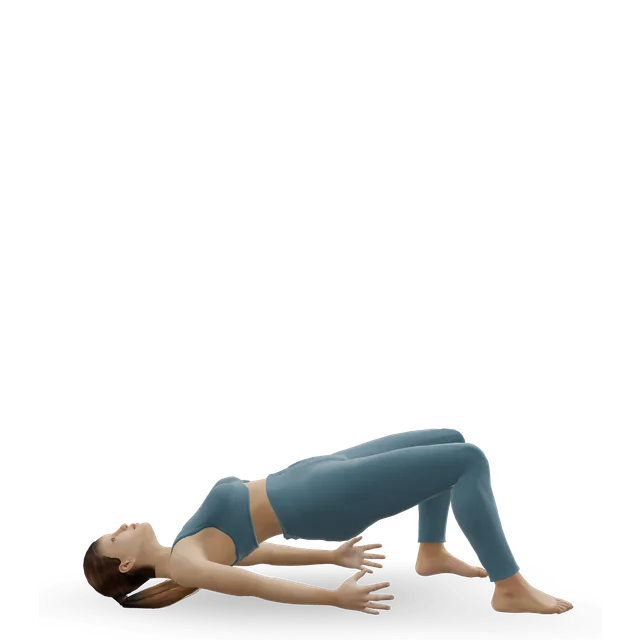 3D demoStaggered-stance bridge (offset bridge)Beginner · No equipment
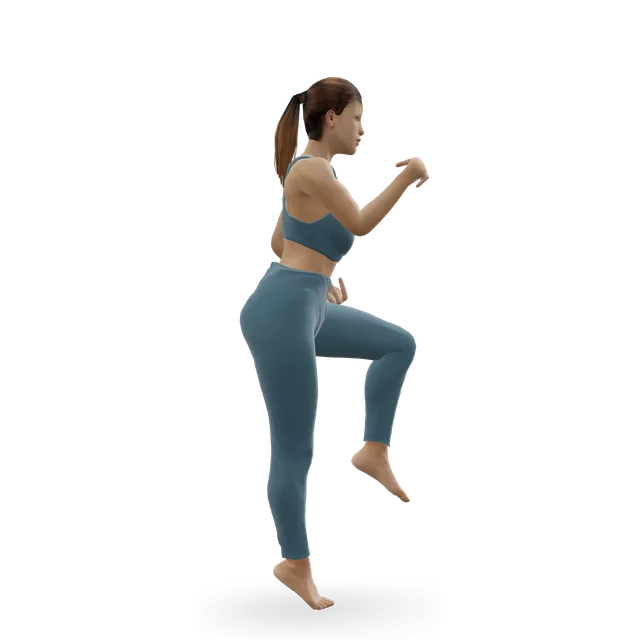 3D demoAlternate-leg boundingAdvanced · No equipment
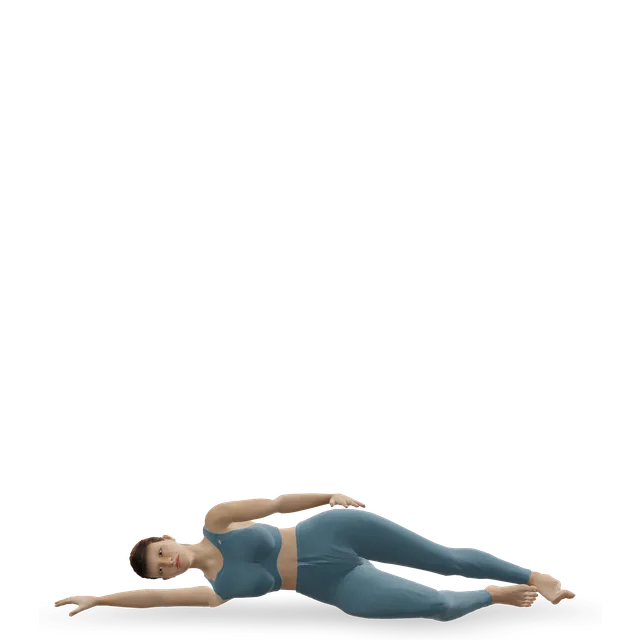
Side-lying leg raise
Lying on the side, the straight top leg lifts with the heel leading; it drew the most gluteus medius activity of the 12 exercises compared.
Loading movement options…
What it works
Muscles
Main: Hip abductors, Glutes.
Equipment
None: body weight and floor space.
Level
Beginner. See the easier and harder options above.
Workouts that use it
Pain guides that use it
Part of a staged plan, with when to get help first.
- Exercises for knee pain: what helps, and a plan to follow
- Runner's knee (patellofemoral pain): exercises that help
- Exercises for knee arthritis (osteoarthritis)
- IT band syndrome: exercises for outer knee pain
- Meniscus tear exercises: when exercise is the first treatment
- Exercises for hip pain, and when to get it checked
- Hip arthritis exercises: a staged plan that follows the guidelines
- Outer hip pain (hip bursitis): exercises that help, and positions to avoid
- Piriformis syndrome and buttock pain: what helps, and what it might really be
- Shin splints exercises: settle, strengthen, return to running
Similar moves
3D demoSide plank with leg liftAdvanced · No equipment3D demoPistol squatAdvanced · No equipment3D demoSingle-leg hop and stickIntermediate · No equipment3D demoSkater squatAdvanced · No equipment3D demoStaggered-stance bridge (offset bridge)Beginner · No equipment3D demoAlternate-leg boundingAdvanced · No equipmentBrowse more
Questions people ask
What muscles does the Side-lying leg raise work?
Mainly the hip abductors and glutes.
What equipment do I need for the Side-lying leg raise?
No equipment: your body weight and a little floor space.
Is the Side-lying leg raise good for beginners?
It is graded beginner, so it suits most people starting out. When it feels easy, try the Step-up with knee raise.
What is an easier alternative to the Side-lying leg raise?
Try the Lateral band walk. Both are written steps in the same progression.
How do I make the Side-lying leg raise harder?
Progress to the Step-up with knee raise, or add load, range or slower lowering once your form is solid.