What a hip thrust asks of the knee, and what no study has countedEmerging evidence
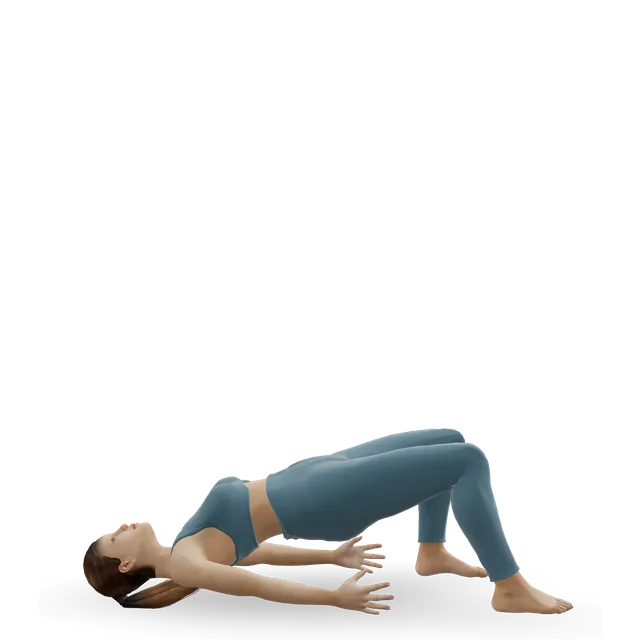
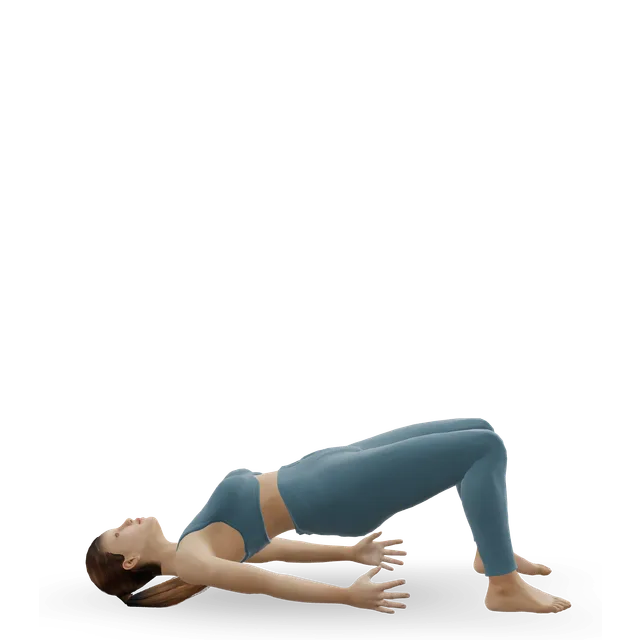
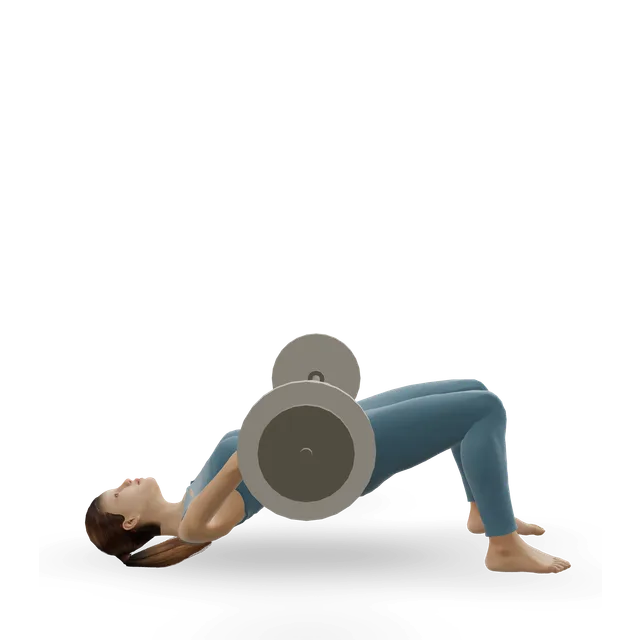
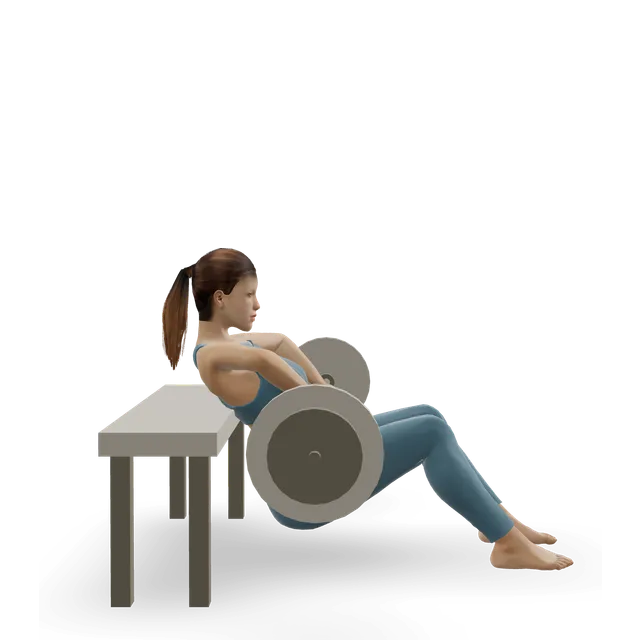
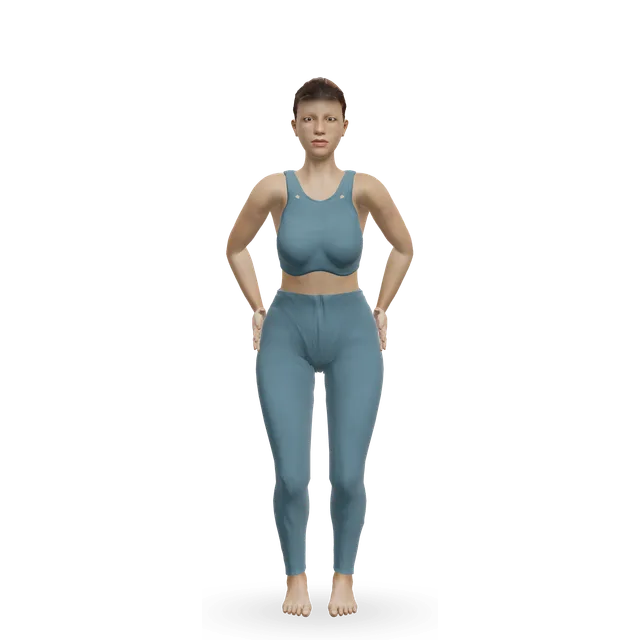
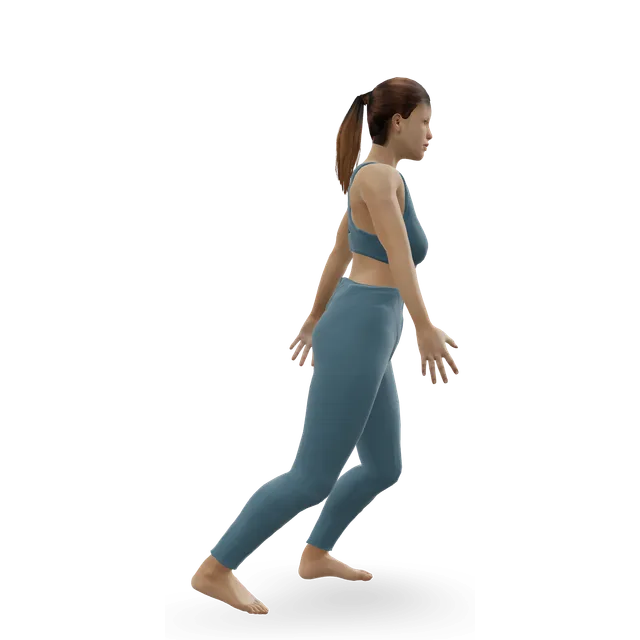
With your upper back on a bench, a padded bar in the crease of your hips and your feet flat, you drive your hips up until your shoulders, hips and knees line up. It is a hip exercise first: in 19 trained men lifting 70% of their best, the hips moved about 75 degrees and the knees about 21. But the knee isn't idle. The thigh muscles hold it bent while the hips rise, with the knee's peak turning force at about 108 degrees of knee bend, and the authors write of considerable demand on the knee extensors. In 13 trained women at a 10-rep load, the front-thigh muscle (vastus lateralis) worked about as hard in the hip thrust as in the back squat. In 11 sprinters, the knee's peak turning force was 155 newton-metres in the back squat, 66 in the hip thrust and 24 in the deadlift.
No study has measured the force behind the kneecap in a hip thrust or bridge, and none has counted knee pain or injury from them; national emergency data on gym injuries aren't split by exercise. So the map on this page is built from what each condition is known to do.
Sources 1, 2, 3, 4
Where your feet go changes which thigh muscles workEmerging evidence
In 7 personal trainers, changing the foot position and the direction of the push changed the activity of every leg muscle measured except the gluteus medius; a review of the study reports that feet placed further forward lowered front-thigh activity and raised hamstring activity. Bridge studies agree: the hamstrings worked harder with the knees straighter (feet further out) in 25 men and 21 people, and a computer model found hamstring force fell as the knee bent more.
In 26 adults doing single-leg bridges, bending the knee to 135 degrees (the foot closer to the bottom) cut hamstring activity from about 75% to 23% of a maximal contraction, with glute activity much the same, and pulling the toes up cut it from 69% to 59%. In 20 people doing two-leg bridges, toes up lowered hamstring activity without changing glute activity, and front-thigh activity stayed at 2% to 4% either way. With a barbell, the floor glute bridge drew more glute activity and less front-thigh activity than the bench hip thrust in 10 men.
Sources 5, 6, 7, 8, 9, 10, 11, 12
The kneecap: borrowed from squat studies (our reading)Emerging evidence
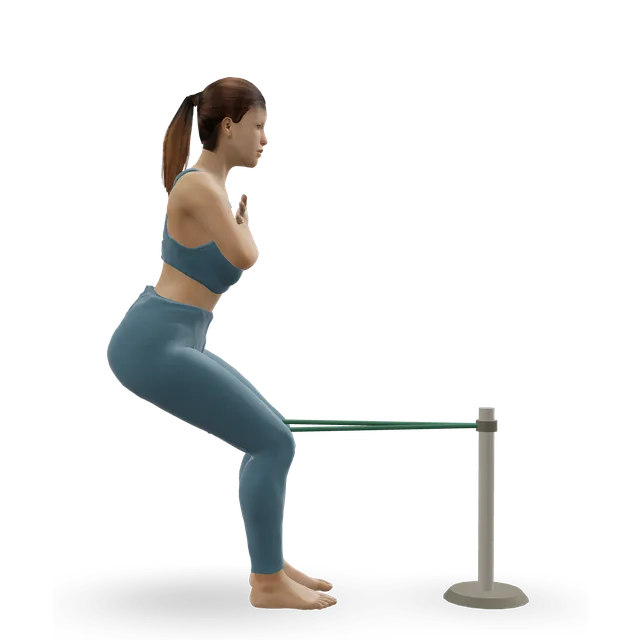
The force behind the kneecap in squats rises with knee bend and load: it was higher in the squat than the leg extension at 60 to 90 degrees of bend in 10 healthy people, peaked at 90 degrees in 15 people squatting, and with the heels close to the wall a wall squat loaded the kneecap most at 90 degrees. A clinical commentary sums up the same pattern. The hip thrust holds the knee at about 106 to 108 degrees where its turning force peaks.
That kneecap pain can therefore show up in the bottom half of a hip thrust, more with the feet close and the knees bent past a right angle, is our reading of these squat and wall squat studies; no study has measured it. The knee's much lower turning force than a squat's is why many people with kneecap pain still manage hip thrusts.
Sources 13, 14, 15, 16, 1, 3
Cramp at the back of the thighEmerging evidence
Two bridge studies report people cramping in the hamstrings, and a review calls it a common clinical finding, but no study has measured how often it happens. Muscles that cross two joints often work in an already shortened position, which weakens the reflex that normally calms them, so cramp is thought to be mainly a problem of nerve and muscle fatigue rather than dehydration: in 209 Ironman triathletes, cramps went with faster racing and past cramps, not with blood salts, and across 9 studies of 11,274 people, past cramps raised the odds about 4.4-fold. Stretching beforehand didn't change cramp threshold in 15 people.
The NHS says cramps last from a few seconds to 10 minutes and the muscle can feel sore for up to 24 hours, and to see a GP if they disturb your sleep, last longer than 10 minutes or come with numbness or swelling.
Sources 10, 17, 18, 19, 20, 21, 22, 23, 24
Knees caving inMixed evidence
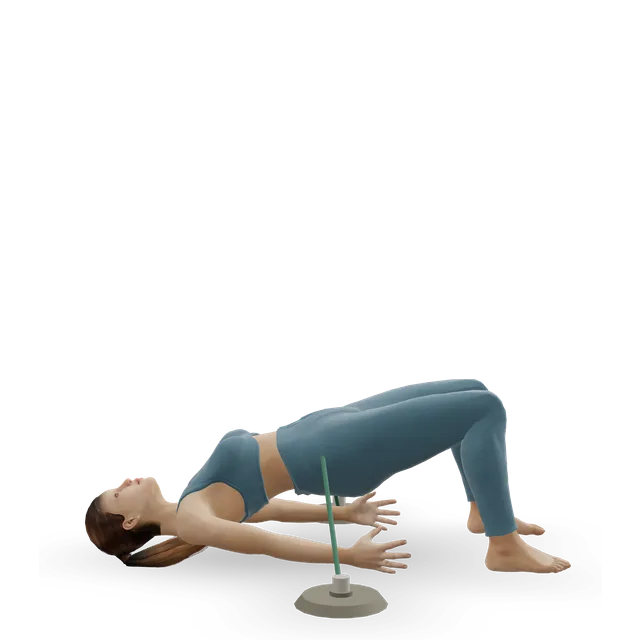
No study has measured the knees caving in (valgus) during a hip thrust or bridge. Pushing the knees out against a band during a bridge raised glute activity and reduced the forward tilt of the pelvis in 21 people, and in 20 people glute activity was highest with the hips apart at 30 degrees. But in 26 people squatting, a band round the knees increased the knees caving in. Our reading: knees drifting in usually mean the load is too heavy or the feet too narrow, and a light band is a cue to try, not a fix.
Sources 25, 26, 27
Who gets it
In our reading: people new to the hip thrust or adding load quickly; people with kneecap or tendon pain from running, jumping or squatting who use hip thrusts as their knee-friendly glute lift; people who set their feet close or push through their toes; and people doing long, high-rep glute challenges, in which cramps and soreness are common. The American Academy of Orthopaedic Surgeons (AAOS) says kneecap pain is common in people who play sport, especially women and young adults. Pes anserine pain sits a few centimetres below the inner joint line where three tendons, one of them a hamstring, join the shin, and is diagnosed by examination.
Serious causes are uncommon: a torn ligament or tendon, a locked knee, an infected joint, a clot behind the knee and, rarely, a bone lump or bone pain at night. The warning signs pick them out.
Sources 28, 29
When a scan or test mattersStrong evidence
Not at first for kneecap, tendon, cramp or pes anserine pain, which are recognised from the story and an examination. The NHS starts with home care and a GP if it isn't better in a few weeks; years after kneecap pain, 48 of 50 people had no arthritis on X-ray; and scans confirm a swollen pes anserine bursa only in a minority of people diagnosed with it.
Tests matter for a knee that locks or won't straighten, a pop with fast swelling, a suspected tendon tear, a hot, swollen knee, which may need hospital treatment including draining fluid from the joint, a lump behind the knee, which a GP may check with an ultrasound or MRI (magnetic resonance imaging) scan, and a swollen, painful calf, for which the NHS says you should have an ultrasound scan within 24 hours if a doctor thinks it is a clot.
Sources 30, 31, 29, 32, 33, 34
How it usually goesMixed evidence
No study follows knee pain from hip thrusts. The NHS says knee pain can often be treated at home and you should start to feel better in a few days, and to see a GP if it doesn't improve within a few weeks. Kneecap pain is often slower: in 310 people, 55% and 40% had not recovered well at 3 and 12 months, and pain lasting more than 2 months at the start was the most consistent sign of a slower course, so it pays to start early; of 60 people followed up 5 to 8 years later, 57% reported an unfavourable recovery. Cramps let go within minutes. A Baker's cyst can take a few months to a few years to settle. No one can promise a date.
Sources 30, 35, 31, 24, 33