Pain guide · Hip pain

Hip pain on the leg press: the pinch in the hip crease, depth, foot position, the groin and swaps

Hip pain on the leg press usually comes from going deeper than your hip's own bend: as the sled comes down, the neck of your thigh bone meets the rim of the socket, you feel a pinch in the hip crease, and your pelvis tucks under. Hip shapes vary a lot, so the depth that suits one person pinches another, and bony bumps and labral tears are common in hips that don't hurt. No study has looked at hip pain on the leg press itself, so this guide draws on hip studies, international hip agreements and a hip physiotherapist's advice: a depth stop just above the pinch, feet a little wider with the toes turned out, a lighter, slower press and one leg at a time usually help. The inner thigh is usually the adductors, the outside of the hip the gluteal tendons, and pain down the leg is the back.

This guide starts with the signs that need help, from a 999 call or accident and emergency (A&E) for severe hip pain after a fall or being unable to put weight on your leg, to an urgent general practitioner (GP) appointment or the National Health Service's 111 line (NHS 111) for a hot, swollen hip with a fever, and a GP for a lump in the groin or a hip that catches or locks. It then maps the causes by where it hurts, explains what the studies show about depth, stance, foot height and the backrest, and what the impingement trials found, shows how to change your leg press today, and gives a three-stage plan with a 3D demo of every move, back to your usual leg day.

When to get help first

Exercise is for pain that has been checked or is clearly mild and settling.

Get urgent medical help if

  • Call 999 or go to A&E: severe hip pain after a fall or injury, or you cannot stand, walk or put weight on the leg. In an older adult this can be a broken hip; the leg may be at an odd angle or look shorter. Don't drive yourself.
  • Call 999 or go to A&E: tingling or loss of feeling in the hip or leg after an injury.
  • Ask for an urgent GP appointment or get help from NHS 111 if you have severe hip pain that started suddenly but you've not had a fall or injured your hip, your hip is swollen and feels hot, the skin around your hip has changed colour, or you have hip pain, feel generally unwell and have a high temperature (or feel hot, cold or shivery). A hot, swollen hip with a high temperature can be a joint infection.
  • Call 999 or go to A&E if your child gets sudden pain in their hip, knee or thigh (hip problems can sometimes be felt in the thigh or knee) or cannot put any weight on their leg. If your child is limping, ask for an urgent GP appointment or get help from NHS 111 the same day. This applies to teenagers too, and in some children knee pain is the only sign.
  • Same day: a teenager with sudden pain at the front or top of the hip bone after a heavy lift, sprint, kick or jump, often with a pop. A piece of growth plate can pull off the pelvis (an avulsion fracture), and it needs an X-ray the same day.
  • Call 999 or go to A&E: loss of feeling or numbness around the genitals or bottom, new trouble peeing or controlling your bladder or bowels, changes in genital sensation during sex or problems with erections or orgasm, or pain, tingling, weakness or numbness in both legs. These are signs of cauda equina syndrome, which needs treating in hospital urgently. Don't drive yourself.
  • Same day: leg weakness that is getting worse.
  • Call 999 or go to A&E now if you have a femoral hernia (a small lump at the top of your thigh, in your groin) and very bad tummy pain, you feel sick or you're being sick, you cannot fart or poo, you have a high temperature or you feel hot, cold or shivery, or you've suddenly become confused. Do not drive to A&E. With any other hernia and pain in or around it, a bloated tummy, feeling or being sick, vomiting blood or vomit that looks like coffee grounds, constipation, a high temperature or feeling hot, cold or shivery, or sudden confusion, get help from NHS 111.
  • Go to A&E or call 999 for sudden, severe pain in a testicle, testicle pain with feeling or being sick or tummy pain, or testicle pain that has lasted more than an hour or continues at rest. It can be a twisted testicle (testicular torsion), which needs treating straight away. Don't drive yourself. For aching or discomfort in your testicles that you're worried about, a lump, swelling or a change in a testicle's size, shape or feel, ask for an urgent GP appointment or get help from NHS 111.
  • Groin or pubic pain with a high temperature, or feeling hot, cold, shivery or generally unwell; severe pain that started suddenly; or you can't move the leg or put weight on it: ask for an urgent GP appointment or get help from NHS 111. An infected pubic joint can look like osteitis pubis and needs treating quickly, usually in hospital. It's more likely after pelvic, bladder or incontinence surgery, with a weakened immune system, or if you inject drugs.
  • Signs of a dislocated hip: severe hip pain, a leg that looks shorter or is turned unusually far in or out, a new bulge at the side of the hip, unusual hip movement or a change in its shape, or walking that is suddenly difficult or painful. Don't walk on it; go to A&E straight away.
  • Same day (urgent GP appointment or NHS 111): throbbing pain in one leg (rarely both), usually the calf or thigh; swelling in one leg (rarely both); red, blue or darkened skin around the painful area, which may be harder to see on brown or black skin; or swollen veins. This can be a deep vein thrombosis (DVT). It is more likely after surgery, a hospital stay, 3 or more days in bed, a journey of over 4 hours, pregnancy or a recent birth, cancer, a previous clot, or contraception or hormone replacement therapy (HRT) that contains oestrogen.
  • Call 999 or go to A&E if breathing suddenly becomes difficult, if pain in your chest or upper back comes on suddenly with breathlessness or a very fast heartbeat, or if someone passes out. Do not drive yourself. It can be a blood clot that has reached the lungs.
  • Same day (call NHS 111, or go to A&E if you feel very unwell): after a big or unusual session, such as hundreds of squats, sit-ups, back extensions or burpees, a challenge or a new class, muscle pain, swelling or weakness far worse than the session explains, and dark pee (red, brown, tea or cola coloured), sometimes starting hours or days later. Dark pee isn't always there, so muscles far sorer, more swollen or weaker than the session explains still need the same-day check. It can be rhabdomyolysis, a breakdown of muscle that can harm the kidneys.

See a doctor or physiotherapist if

  • Hip pain that stops normal activities or disturbs sleep, keeps getting worse or keeps coming back, or has not improved after 2 weeks of looking after it at home.
  • Stiffness lasting more than 30 minutes after waking.
  • Bone pain that is constant or worse at night, especially with a lump, unexplained weight loss, fever or tiredness, or a past history of cancer.
  • Hip or groin pain that hasn't settled after 6 weeks, especially with a normal X-ray, or new hip pain if you take high-dose steroids, drink heavily, or have sickle cell disease or lupus: ask your GP about an MRI (magnetic resonance imaging) scan and a hip specialist. It can be avascular necrosis, which an X-ray can miss early on.
  • Painful catching or locking deep in the groin, or a hip that gives way: get it assessed.
  • Pain that has not improved after a good 3 months of exercise-based treatment: ask about a hip specialist.
  • A lump in the groin, upper thigh or tummy, especially one that appears when you cough or strain and goes when you lie down: see a GP, as it may be a true hernia. A femoral hernia (a small lump at the top of the thigh, mainly in women over 50, though it can happen to anyone) needs treating in hospital.
  • Groin pain just above the crease that comes on when you brace, strain or cough under a heavy lift, with no lump: see a GP or sports physiotherapist, as it is often inguinal-related groin pain, and a lump that appears when you strain may be a hernia (our suggestion).
  • A pop high on the inner thigh, then a large bruise, a dent or a gap you can feel, or weakness squeezing your legs together: get it assessed within days. It can be a complete tear of an adductor tendon. In one small series, athletes recovered without surgery, but the tear should be confirmed by an examination or a scan before you load it (our suggestion).
  • Pain, tingling or numbness spreading below the knee that isn't settling after a few weeks, is getting worse or stops your normal activities: see a GP.
  • Groin pain with no clear link to sport: see a GP, as it's unlikely to be a sports injury. With blood in your pee, ask for an urgent GP appointment or get help from NHS 111. With pain or burning when you pee, a pharmacist can help first if you're a woman aged 16 to 64 and not pregnant or breastfeeding; ask for an urgent GP appointment or get help from NHS 111 if you're a man, you're pregnant or 65 or over, or you have a very high or low temperature or feel hot, cold or shivery, pain low in your tummy or in your back just under the ribs, or symptoms that get worse quickly or don't improve within 48 hours.

Where does it hurt?

Location narrows the likely causes; it does not diagnose.

A pinch at the front of the hip or in the hip crease at the bottom of the press, gone when you stop higher

Usually the hip running out of bend: the commonest pattern. When it is consistent, the examination fits and an X-ray shows a bony bump or extra socket cover, it may be femoroacetabular impingement (FAI) syndrome.

Read: Hip impingement (FAI) →
Deep groin pain with clicking, catching or locking, or a hip that gives way

Possibly a tear in the rim of cartilage around the socket (the labrum), alone or with impingement. Tears are also common in hips that don't hurt.

Read: Hip labral tear →
The inner thigh close to the groin, worse with a wide stance, toes turned out or squeezing your knees together

Usually adductor-related groin pain, the commonest groin pain in active people. Our groin pain in squats guide covers stance and a plan.

Read: Groin pain in squats →
Just above the groin crease when you brace, strain or cough under a heavy press, with no lump

Often the lower tummy wall (inguinal-related groin pain). A lump that appears when you strain may be a hernia: see the warning signs.

Read: Sports hernia →
A lump in the groin, the top of the thigh or the tummy, bigger when you strain

A possible hernia: read the warning signs first. Lifting heavy weights is one named cause of a femoral hernia.

Read: Groin pain →
The front of the hip when you lift the knee, after a sudden effort

Usually the hip flexors.

Read: Hip flexor pain →
The outside of the hip, the bony point you lie on

Usually the gluteal tendons, often called hip bursitis. Working hard from deep bend may irritate them.

Read: Hip bursitis (gluteal tendinopathy) →
Deep in the buttock or the back of the hip at depth

The back of the joint on stretch, more often with very flexible joints, a shallow socket or after a hip replacement through the back, or a nerve trapped deep in the buttock (piriformis syndrome).

Read: Piriformis syndrome (deep gluteal syndrome) →
Buttock and leg, with pins and needles below the knee

This points to the back rather than the hip: sciatica.

Read: Sciatica →
Groin and front of the thigh from mid-life, stiff for up to 30 minutes in the morning

Often hip arthritis, which is diagnosed without an X-ray from 45.

Read: Hip arthritis →
A young adult with groin or side-of-hip pain and a feeling it may give way

Possibly a shallow socket (hip dysplasia).

Read: Hip dysplasia →
A teenager with sudden pain at the front or top of the hip bone after a heavy press, often with a pop

A piece of growth plate can pull off the pelvis. It needs an X-ray the same day.

Read: Hip pointer →
The lower back or the tailbone as your pelvis tucks under at depth

Our lower back pain on the leg press guide covers it.

Read: Back pain on the leg press →
The knees on the leg press

Our knee guide.

Read: Knee pain on the leg press →
The same pinch at the bottom of a squat or a deadlift

Our hip squatting and deadlift guides.

Read: Hip pain when squatting →
After a hip replacement

Our hip replacement guide covers the precautions your team may give you, and the signs of a dislocation.

Read: Hip replacement →

Understand it

What the leg press asks of the hip, and what no study has measuredEmerging evidence

You sit or lie back against a pad and push a sled away; as it comes back, your hips and knees bend. On a 45-degree sled, a hip physiotherapist notes, the hip is already bent to 90 degrees with the legs straight and goes towards its end of range at the bottom, and most machines take and release the load at the deepest point, so each set starts and finishes there. Lying on their backs, 18 experienced lifters bent the hip about 100 degrees before the pelvis began to move. When the neck of the thigh bone meets the rim of the socket, further bend comes from the pelvis tucking under and the lower back rounding, and in a lab study people with a bony bump on the thigh bone (cam shape) couldn't squat as low.

No study has measured the hip in people with hip pain on a leg press, or counted hip injuries on it. The nearest data: in 9 adults on a flywheel machine (one that resists with a spinning wheel), the hip bent about as far in the leg press as in a squat (78 against 81 degrees) and worked a little harder; that is one small study, not the 45-degree sled most gyms have. In 15 trained men, a more reclined backrest moved the hip through more range for the same knee bend; the study didn't report the deepest hip angle.

Sources 1, 2, 3, 4, 5

When it is impingement or a labral tear, and what a scan showsStrong evidence

An international agreement defines femoroacetabular impingement (FAI) syndrome as symptoms, examination signs and imaging together; hip or groin pain linked to movement or position is the symptom. A later consensus groups hip-related pain in active adults into FAI syndrome, a shallow or unstable socket, and labral, cartilage or ligament problems, and says examination and imaging have limited value on their own.

Hip shapes and tears are common in hips that don't hurt: bony bumps (cam) in 37% of pain-free hips (54.8% of athletes), extra socket cover (pincer) in 67% and labral damage in 68% across 2,114 hips, and labral tears in 54% of people without hip pain against 62% with it. So a scan has to match your symptoms. Hip arthritis from 45 is diagnosed without imaging when the pain comes with activity and morning stiffness lasts 30 minutes or less, the National Institute for Health and Care Excellence (NICE) says.

Sources 10, 11, 13, 14, 24

The groin, and the other hip pains on the pressEmerging evidence

An international agreement sorts groin pain in active people into adductor-related (the inner thigh), iliopsoas-related (the hip flexor), inguinal-related (the lower tummy wall), pubic-related and hip-related pain, from the history and examination. The NHS names lifting heavy weights among the causes of a femoral hernia, which needs hospital treatment.

A hip physiotherapist describes deep bend irritating the gluteal tendons on the outside of the hip, and the back of the joint, the deep rotator muscles and the nearby sciatic nerve when the hip is pushed to its end of range, especially with very flexible joints, a shallow socket or after a hip replacement through the back. Rarely, a bony pinch outside the joint at the front of the pelvis causes front-of-hip pain at deep bend, as in one elite weightlifter. The rowing machine's catch bends the hip deeply too, and labral tears in young rowers mostly gave groin pain.

Sources 18, 27, 26, 1, 21, 31

Who gets itEmerging evidence

No figures exist for hip pain on the leg press. The leg press was named in about 1% of US emergency visits for lower-body weightlifting injuries over 10 years (about 2,574 of an estimated 260,704); without figures for how often people use it, that isn't an injury rate. The hip is one of the three commonest injury sites in subelite powerlifters. In our reading, the pinch usually bothers people who press deep (thighs to chest), heavy or often, people whose hip shape brings the end of range sooner, and people with a stiff, arthritic hip.

Sources 22, 23, 3, 1

How it usually goesEmerging evidence

No study follows hip pain from the leg press. The NHS expects home care to help and says see a GP if hip pain hasn't improved after 2 weeks. For hip-related pain, exercise-based treatment runs for at least 3 months, and in the UK trials people improved with physiotherapy as well as with surgery. No one can promise a date.

Sources 25, 12, 15, 16, 21

What helps, and how strong the evidence is

Depth: the pinch sets your bottom, for nowEmerging evidence

No trial has tested leg press depth against hip pain. A hip physiotherapist advises limiting hip bend first to your own natural range and then less while it's sore, and a squat commentary advises avoiding deep squats with FAI. The rest is indirect: hip shape sets where your end of range falls, and people with a cam shape reached it sooner. So the depth stop goes just above your pinch, including where you rack and unrack, and comes down a notch only after a pinch-free week (our suggestion, as the site's hip squatting guide does with its box).

Sources 1, 2, 3, 9

Stance, foot height and the backrest: our reading of the geometryEmerging evidence

A squat commentary advises a wider stance with the toes turned out for FAI, and the hip physiotherapist suggests setting the hips a little out and turned out to reach more range before the pinch. On the inclined leg press, stance width (hip-width or half as wide again) and turning the feet out 45 degrees changed muscle activity little, and the authors suggest using your preferred stance; feet high or low made no difference to knee forces in 10 lifters, and high feet worked the glutes more in 14 women.

Lower feet on the platform bend the knee more and the hip less at the same sled depth, and the physiotherapist lists them, noting they need enough ankle bend; that trades hip bend for knee load. A more reclined backrest moved the hip through more range in 15 trained men, and whether it eases a pinch hasn't been tested. All of this is our reading of the geometry and one physiotherapist's advice, not a measured result.

Sources 9, 1, 7, 6, 8, 5

Exercise first for hip-related pain, for at least 3 monthsStrong evidence

An international consensus recommends exercise-based treatment for hip-related pain for at least 3 months, with education and staying active, sport included, though strong trial evidence for physiotherapy is lacking. In the UK FASHIoN trial (348 people with FAI syndrome), keyhole surgery scored 6.8 points better than personalised physiotherapy on a 100-point hip quality-of-life score at a year, just over the smallest difference people notice (6.1); adverse events, mostly muscle soreness, were reported by 72% after surgery and 60% after physiotherapy. In the FAIT trial (222 people), surgery scored 10 points better on a daily-activity score at 8 months, where the smallest noticeable difference was 9. A 2025 analysis of 21 trials found small advantages for surgery on two scores and no difference in pain.

Sources 12, 15, 16, 17

The leg press isn't dangerous for hips, including after a replacementEmerging evidence

In 7 people with instrumented hip replacements (measured about a year and a half after surgery), leg presses at half to full body weight and three backrest angles loaded the hip joint no more than walking at 4 km/h. In 60 people after a hip replacement, heavy leg presses (85% to 90% of their maximum, 4 sets of 5, 3 times a week) made them stronger at 3 and 6 months than usual physiotherapy and were well tolerated. The leg press is rarely named in emergency injury data.

But it isn't always kinder to the hip than the squat: in the one flywheel study the hip bent about as far, and a hip physiotherapist calls the 45-degree sled the most provocative form of leg press for hip pain. Use whichever lets you control depth within the pain rule.

Sources 19, 20, 22, 4, 1

Stretching doesn't change the pinchEmerging evidence

Strength training improved range of motion about as much as stretching across 11 trials (452 people). The pinch is bone meeting socket, so stretching into it doesn't change the shape that causes it (our reading), and pushing hard into it only brings the pinch on.

Source 30

How much pain is OK while you exercise?

Up to about 5 out of 10, no worse that night or the next morning, and the pinch as a depth signalEmerging evidence

This guide uses the hip hub's rule, as our deadlift hip guide does; the hub takes it from a trial of outer-hip tendon pain. During the exercise, pain up to about 5 out of 10 is acceptable. It should settle within an hour or so, and your hip should be no worse that night or the next morning. If it is, do less next time (fewer repetitions, a smaller range, a lighter load), not nothing.

Pain can go up a little when you start a new exercise programme; guidelines for arthritis say so and still recommend keeping going. If pain climbs week after week, or a warning sign appears, stop and get it checked.

The site's hip squatting guide adds a depth signal, which this guide borrows for the leg press: A pinch at the front of the hip at the bottom of the squat is a depth signal, not a pain score to push through: set the box just above it, and build depth only when the box height you're on has been pinch-free for a week (our suggestion). Sharp, catching or locking pain deep in the groin, or a hip that gives way, is a reason to stop and get it checked.

For the leg press (our suggestion, built on these rules): set the stop above the pinch and lower it only when the current depth has been pinch-free for a week. A dull ache in the working muscles up to 5 out of 10 is fine if your hip is no worse that night or the next morning. NICE warns that joint pain may increase when people with arthritis start exercising, and in long-lasting muscle and joint pain, exercise that allowed some pain did no worse (7 trials, 385 people). A lump in the groin or pain after a fall isn't a pain-rule question: see the warning signs.

Sources 28, 24, 29

The exercise plan: 3 stages

Start at the first stage. Each move opens a full guide with a 3D demo.

Stage 1

Press above the pinch

About weeks 0 to 2, 2 or 3 sessions a week: keep your legs training without bringing on the pinch, find the depth, stance and foot height that suit your hips, and start the hip strength work the consensus favours. With a diagnosed condition (FAI syndrome, a labral tear, hip arthritis, a groin strain, a hernia or its repair, a hip replacement), that guide's plan or your team's comes first.

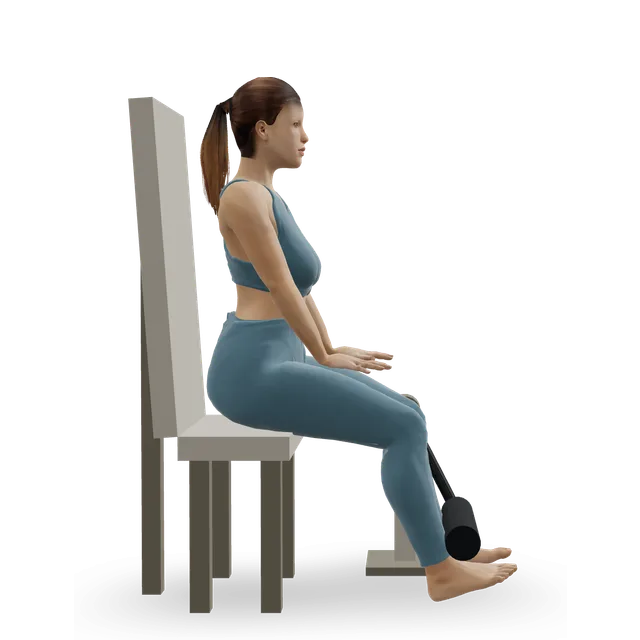
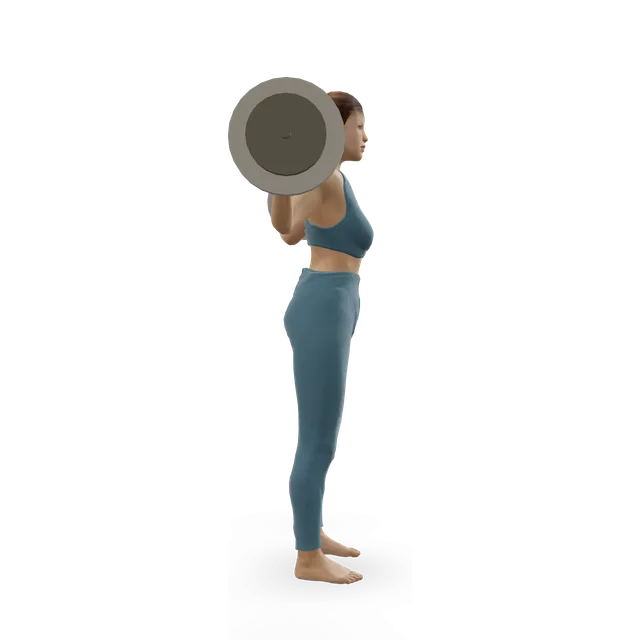
Leg press demonstrated on the 3D figure3D demoLeg pressBeginner · Strength machine

2 to 3 sets of 10 to 12 with a light load, the depth stop just above the pinch (where you rack and unrack too), feet a little wider than hip-width with the toes turned out, the same height or slightly lower on the platform, stopping 2 or 3 reps short; leave it out for a few days if every rep pinches · Editorial, from a squat commentary's stance advice and a hip physiotherapist's leg press advice

Harder: Bodyweight squat

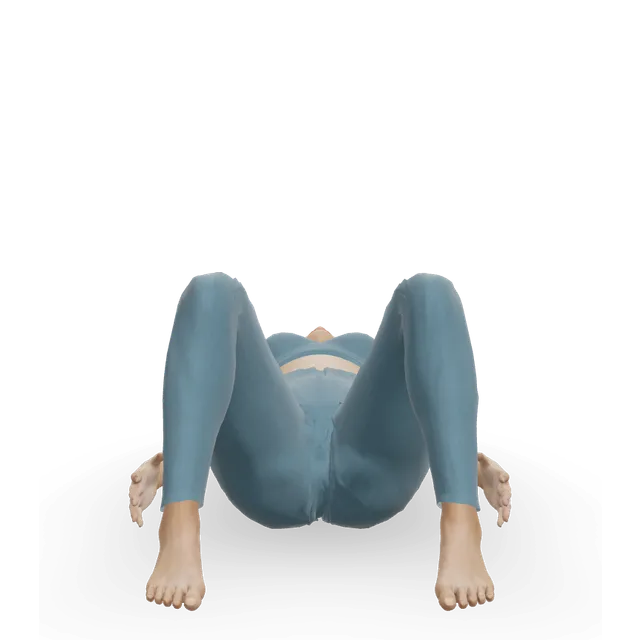
Glute bridge demonstrated on the 3D figure3D demoGlute bridgeBeginner · No equipment

2 to 3 sets of 10 · As in our hip squatting guide (editorial)

Easier: Pelvic tilt into bridge · Harder: Single-leg glute bridge

Clamshell demonstrated on the 3D figure3D demoClamshellBeginner · No equipment

2 sets of 10 to 12 each side · As in our hip squatting guide (editorial)

Easier: Supine isometric hip abduction (belt press) · Harder: Lateral band walk

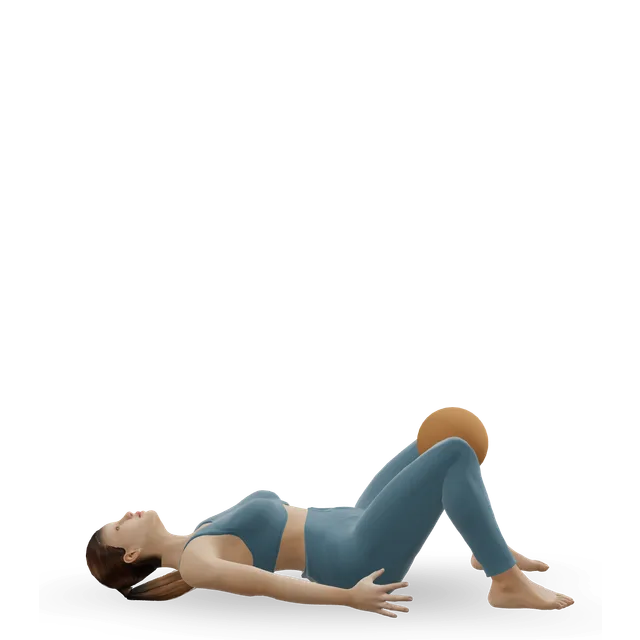
Lying adductor ball squeeze demonstrated on the 3D figure3D demoLying adductor ball squeezeBeginner · Other / check instructions

5 holds of 5 to 10 s · As in our hip squatting guide (editorial); for the groin

Harder: Copenhagen plank

Side-lying leg raise demonstrated on the 3D figure3D demoSide-lying leg raiseBeginner · No equipment

3 sets of 12 to 15 each side · As in our knee leg press guide (editorial)

Easier: Lateral band walk · Harder: Lateral band walk, band at the feet

Hip windshield wipers demonstrated on the 3D figure3D demoHip windshield wipersBeginner · No equipment

10 slow passes side to side, 2 rounds, stopping before any pinch · The move page's dose (an editorial starting point); its page says a pinch in the groin means make the movement smaller

Easier: Supine heel slide · Harder: 90/90 switch

Move on when: Light presses at your chosen depth and the stage moves are pinch-free, and your hip is calm that night and the next morning, for a week (editorial, as in our hip squatting guide).

Follow along: a timer, a cue and the next move, one step at a time.
Stage 2

Build strength, lower the stop

About weeks 2 to 8, 2 or 3 sessions a week: leg and hip strength through the range you have, lowering the depth stop a notch at a time as the pinch allows.

Leg press demonstrated on the 3D figure3D demoLeg pressBeginner · Strength machine

3 sets of 8 to 12, the stop lowered a notch only after a pinch-free week; add single-leg presses, 2 to 3 sets of 8 to 12 each leg at much less than half your two-leg weight · Editorial; the single-leg dose is our leg press guide's starting point

Harder: Bodyweight squat

Dumbbell squat to a bench demonstrated on the 3D figure3D demoDumbbell squat to a benchIntermediate · A dumbbell + A bench or box

2 to 3 sets of 8 to 12, stopping with 2 or 3 reps in reserve, the bench just above the pinch · The move page's dose (an editorial starting point)

Easier: Bodyweight squat · Harder: Back squat with bands

Split squat demonstrated on the 3D figure3D demoSplit squatIntermediate · No equipment

3 sets of 8 each side · As in our hip squatting guide (editorial)

Easier: Bodyweight squat · Harder: Reverse lunge

Step-up demonstrated on the 3D figure3D demoStep-upBeginner · A step

3 sets of 8 each side · As in our hip squatting guide (editorial)

Easier: Low step-up · Harder: Dumbbell step-up

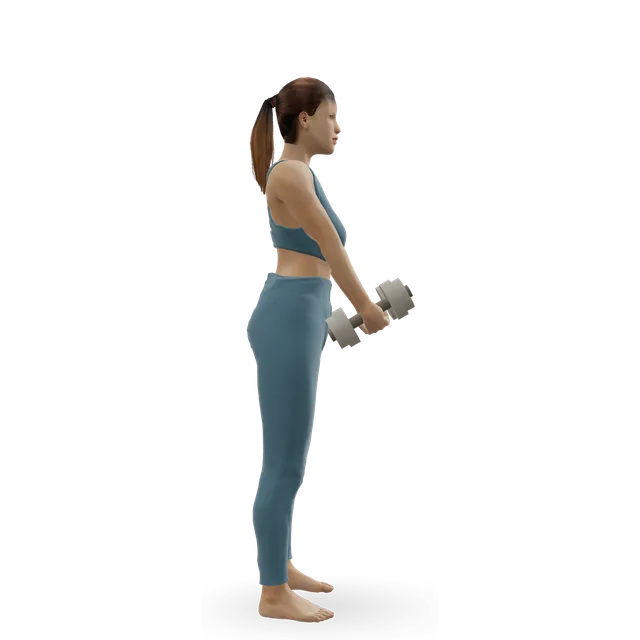
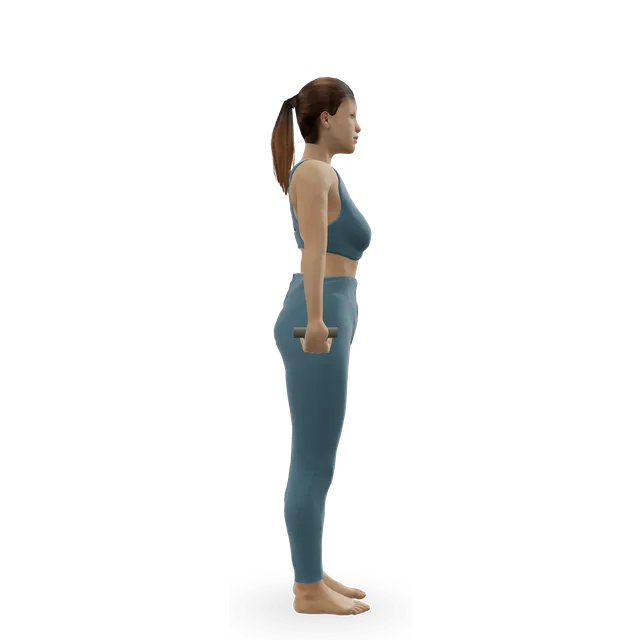
Dumbbell Romanian deadlift demonstrated on the 3D figure3D demoDumbbell Romanian deadliftIntermediate · A dumbbell

3 sets of 8 to 10 · As in our hip squatting guide (editorial)

Easier: Hip-hinge practice · Harder: Single-leg Romanian deadlift

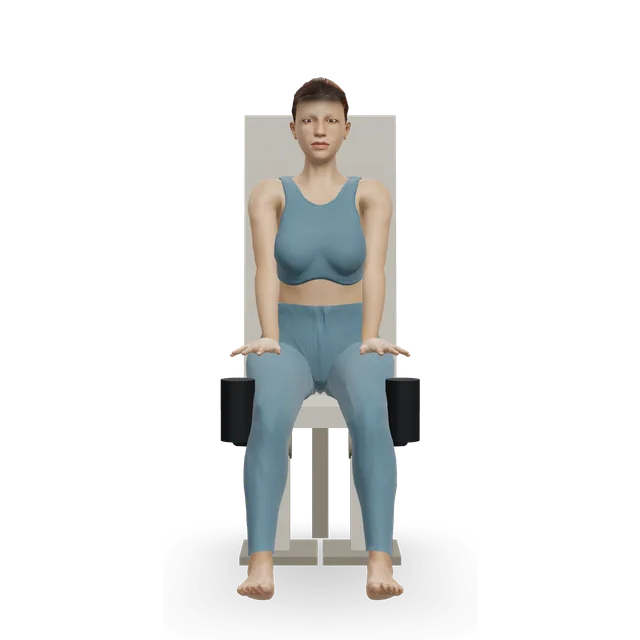
Hip abduction machine demonstrated on the 3D figure3D demoHip abduction machineBeginner · Strength machine

2 sets of 12 to 20 · As in the lower body gym workout, which our leg press guide uses (editorial)

Easier: Supine isometric hip abduction (belt press) · Harder: Lateral band walk

Move on when: You can lower the stop a little without bringing on the pinch, and the stage moves pass the pain rule (editorial, as in our hip squatting guide).

Follow along: a timer, a cue and the next move, one step at a time.
Stage 3

Back to your usual leg day

About weeks 8 to 12 and beyond: your usual press at your own pinch-free depth and stance, one change at a time by the written steps below. No trial has tested a return to the leg press after hip pain, so the order is editorial. With FAI syndrome on imaging, your own depth may stay above the deepest the machine allows; agree a target with your physiotherapist if your sport needs deep hip bend.

Leg press demonstrated on the 3D figure3D demoLeg pressBeginner · Strength machine

Your usual sets at your own depth, starting at about half your old working weight and adding about 2% to 10% at a time while the pain rule holds · Editorial, the steps our hip squatting guide uses

Harder: Bodyweight squat

Machine hack squat demonstrated on the 3D figure3D demoMachine hack squatBeginner · Strength machine

2 to 3 sets of 8 to 12, stopping with 2 or 3 reps in reserve, with the same depth rule · The move page's dose (an editorial starting point); a hip physiotherapist suggests it because its range is easier to control

Easier: Bodyweight squat · Harder: Narrow-stance machine hack squat

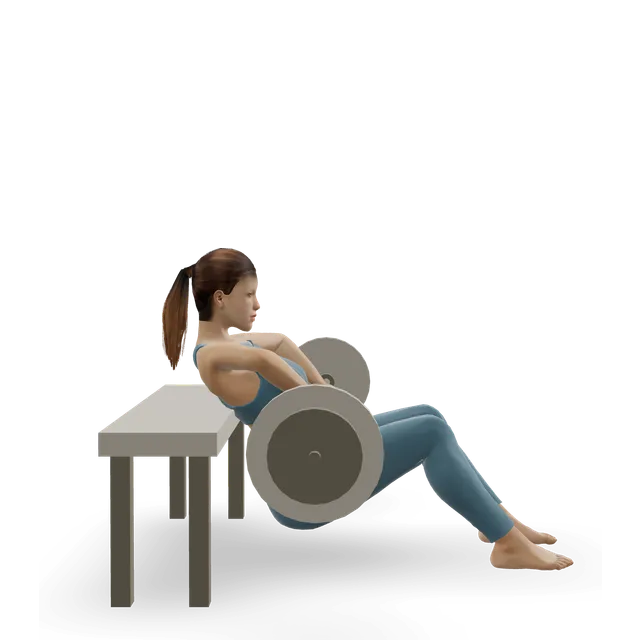
Barbell hip thrust demonstrated on the 3D figure3D demoBarbell hip thrustIntermediate · A barbell + A bench or box

3 sets of 8 to 10 · As in our hip squatting guide (editorial)

Easier: Glute bridge · Harder: Barbell back squat

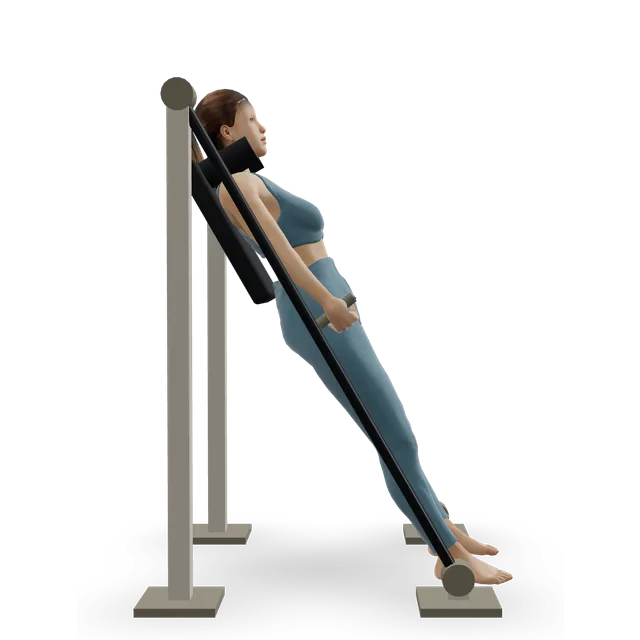
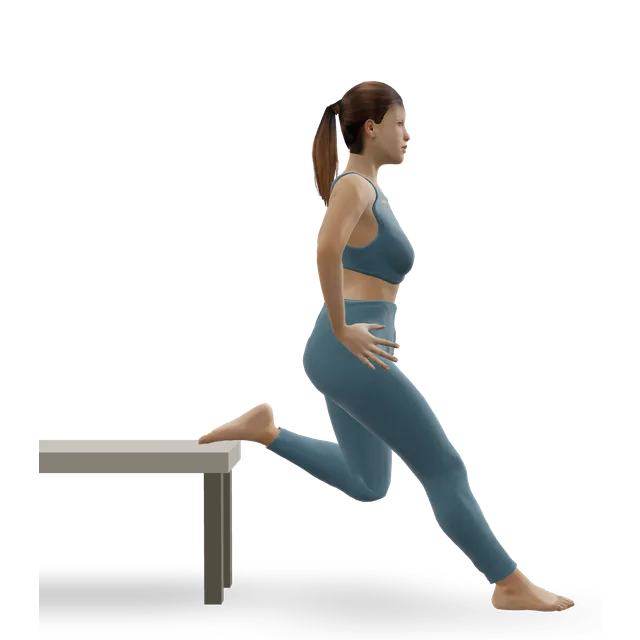
Rear-foot-elevated split squat (Bulgarian split squat) demonstrated on the 3D figure3D demoRear-foot-elevated split squat (Bulgarian split squat)Intermediate · A bench or box

3 sets of 6 to 8 each side · As in our hip squatting guide (editorial)

Easier: Reverse lunge · Harder: Split squat jump

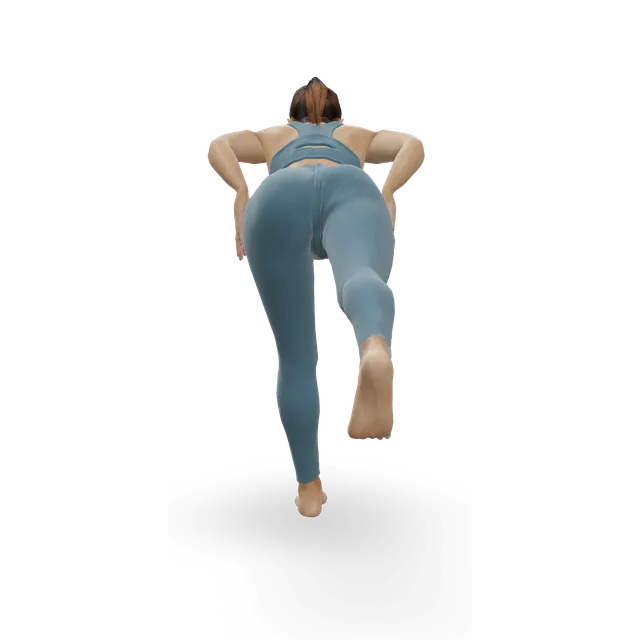
Single-leg Romanian deadlift demonstrated on the 3D figure3D demoSingle-leg Romanian deadliftAdvanced · A dumbbell

3 sets of 6 to 8 each side · As in our hip squatting guide (editorial)

Easier: Dumbbell Romanian deadlift

Hip airplane demonstrated on the 3D figure3D demoHip airplaneAdvanced · No equipment

2 sets of 5 slow turns each leg, holding a support · The move page's dose (an editorial starting point). With pain at the front of the standing hip, keep to the opening turn, as its page advises

Easier: Single-leg stand · Harder: Single-leg Romanian deadlift

Move on when: Your usual leg day passes the pain rule for 2 weeks. If a good 3 months of exercise hasn't helped, it's reasonable to ask about a hip specialist; if it flares after a big session, go back a stage for a few days, not to nothing (editorial).

Follow along: a timer, a cue and the next move, one step at a time.

What to change for now

Your leg press for now (written steps)

Our 3D figure can't show the machine's settings. No trial has tested any of these changes against hip pain; they come from a squat commentary, a hip physiotherapist's advice and lab studies of healthy lifters, and the foot height and backrest steps are our reading of the geometry.

  • 1. Depth: set the safety stops or the sled's start position so the bottom of each rep, and the point where you rack and unrack, sits just above the pinch. Most machines take and release the load at the deepest point, a hip physiotherapist notes. Lower it a notch only after a pinch-free week (our suggestion).
  • 2. Stance: feet a little wider than hip-width, toes turned out about 15 to 30 degrees, knees following the toes (a squat commentary's advice for impingement and the physiotherapist's). Stance width changed muscle activity little, so the choice costs nothing.
  • 3. Foot height: a little lower on the platform bends the hip less at the same depth, if your knees and ankles allow (our reading of the geometry; the physiotherapist lists it). With kneecap pain, keep the feet in the middle.
  • 4. Backrest and machine: choose the backrest setting where you reach your depth without the pinch, and a seated or lying machine over the 45-degree sled if you have one (the physiotherapist's suggestion). That a reclined backrest eases a pinch is untested.
  • 5. Load and speed: lighter and slower into the bottom, stopping 2 or 3 reps short (the physiotherapist's load advice; the reps in reserve are editorial).
  • 6. One leg at a time, at much less than half your two-leg weight, so each hip sets its own depth (editorial).
  • 7. If every press pinches, a hack squat, a Smith machine squat or a squat to a box, where depth is easier to control, or the other way round: no machine has been shown to be kinder to the hip (editorial).
  • 8. After a hip replacement, follow the precautions your team gives you; after a replacement through the back, these often limit how far the hip bends for a time. Later on, leg presses up to body weight loaded the hip no more than walking.
  • 9. Breathe out as you press, and don't strain against a held breath if you have a groin lump (editorial).

Sources 1, 9, 7, 6, 5, 19

Back to your usual leg day (written steps)

No trial has tested a return to the leg press after hip pain, so these steps are our suggestion.

  • 1. One change at a time: depth, then load, then single-leg presses, then wider or deeper work.
  • 2. Add about 2% to 10% at a time, after a session that passed the pain rule.
  • 3. Wide-stance presses come back after wide goblet squats pass the rule, as our groin pain in squats guide says.
  • 4. Sports that need deep hip bend (rowing, martial arts, ice hockey, squash, a low cycling position) come back after the press passes the rule at a useful depth, in short sessions at first.
  • 5. If it flares after a big session, go back a stage for a few days, not to nothing.

Everyday life, the groin and a hernia

The NHS says keep moving without overdoing it, and don't sit in low chairs, which can put extra pressure on your hips. In the car, sit down first and then swing both legs in together, as our hip pain when sitting guide advises.

Groin pain with no lump usually comes from the muscles or the tummy wall, and our groin guides have the plans. A lump that appears when you cough or strain needs a GP, and a painful hernia needs help the same day, as the warning signs say.

Sources 25, 26, 27, 18

Positions to swap, and why

Habit or positionWhy it mattersInstead
Deep presses with your thighs into your chestThe hip runs out of bend and the pelvis tucks under; people with a cam shape reach that point sooner.A depth stop just above the pinch.
Racking and unracking at the deepest pointMost machines take and release the load there, a hip physiotherapist notes.Set the start position and catches above the pinch (our suggestion).
A narrow stance with the toes straight ahead, if it pinchesA squat commentary advises a wider stance and turned-out toes with impingement.Feet a little wider, toes out 15 to 30 degrees.Try: Leg press
Feet high on the platform with a pinchHigh feet bend the hip further at the same depth (our reading); the physiotherapist suggests lower feet.Feet in the middle or a little lower, if your knees and ankles allow.
Heavy, fast reps bouncing out of the bottomEnd-of-range loading costs more with weight, speed and volume, the physiotherapist says.Lighter and slower, 2 or 3 reps short of failure.
Pushing into the pinch to open the hip, or long deep squat holdsStretching into the pinch doesn't change bone shape, and strength training improves range as much.Hip windshield wipers, short of the pinch.Try: Hip windshield wipers
Very wide stances with inner thigh painThey load the adductors, and our groin guide brings wide work back last.A hip-width stance and the adductor ball squeeze.Try: Lying adductor ball squeeze
Straining with a held breath when you have a groin lumpLifting heavy weights is a named cause of femoral hernia.Breathe out as you press, and see a GP.
Stopping all leg trainingExercise is the first treatment for hip-related pain.The stage 1 moves.Try: Glute bridge
Long sits in low chairsThe NHS says don't sit in low chairs, as this can put extra pressure on your hips.A higher seat, with your knees a little below your hips.Try: Sit to stand from a chair

Routines to follow

More moves for this area

Questions people ask

Why does my hip hurt on the leg press?

Usually because the press goes deeper than your hip's own bend, so the thigh bone meets the rim of the socket and your pelvis tucks under. That is our reading of hip and squat studies, because no study has looked at the leg press itself. Where it hurts is the clue: a pinch in the crease is the hip joint, the inner thigh the adductors, and the outside of the hip the gluteal tendons.

Why does my hip pinch at the bottom of the leg press?

That is usually where your hip runs out of bend, which varies a lot with hip shape. Set the depth stop just above it, try your feet a little wider with the toes turned out, and lower the stop only after a pinch-free week.

Is it hip impingement?

Only if consistent hip or groin pain, the examination and an X-ray all fit together: that is femoroacetabular impingement (FAI) syndrome, as an international agreement defines it. A bony bump on its own is common in hips that don't hurt, especially in athletes.

Is the leg press bad for your hips?

No: it is rarely named in emergency injury data, and in people with hip replacements it loaded the hip no more than walking. With a sore hip, the depth is what to change.

Where should my feet go on the leg press if my hip hurts?

A little wider than hip-width with the toes turned out, and in the middle or a little lower on the platform if your knees and ankles allow. These are expert suggestions and our reading of the geometry, not tested in a trial, so use what keeps you pinch-free.

Why does my groin hurt on the leg press?

The inner thigh close to the groin, worse with a wide stance, is usually the adductors; a deep pinch in the crease is the hip joint; pain just above the crease when you strain is the lower tummy wall. A lump that appears when you strain needs a GP, as it may be a hernia.

Can I leg press with a labral tear or impingement?

Usually, at a depth and stance that don't pinch: exercise-based treatment for at least 3 months is the recommendation. Catching, locking or a hip that gives way needs assessing first.

Is the leg press or the squat better for hip pain?

Neither has been shown to be kinder: the hip bent about as far in both in one small study. Use whichever lets you control the depth; a hack squat or a squat to a box makes that easy.

Can I do leg presses after a hip replacement?

Follow the precautions your team gives you, which often limit how far the hip bends for the first weeks. Later, leg presses up to body weight loaded the hip no more than walking in people with measured hip replacements, and heavy leg presses were used in a rehab trial.

Do I need a scan?

Usually not at first: hip shapes and labral tears are common in hips that don't hurt. X-rays come first if a clinician suspects a joint problem, and a fall, a hot, swollen hip or pain that won't settle needs checking sooner.

How long does it take?

No one can promise a date. Exercise programmes for hip-related pain run for at least 3 months, and the NHS says see a GP if hip pain hasn't improved after 2 weeks of looking after it at home.

When should I see a doctor?

Call 999 or go to A&E for severe hip pain after a fall, or if you can't put weight on the leg. Get an urgent GP appointment or help from NHS 111 for a hot, swollen hip or hip pain with a fever. See a GP for a lump in the groin, a hip that catches or locks, or pain that hasn't improved after 2 weeks; in the US, call 911 where this page says 999.

Related exercise guides

Other pain guides

Sources

  1. Grimaldi 2022 · Modifying the leg press for hip pain (a hip physiotherapist's published advice)
  2. Berglund 2024 · Hip range and lower back bending in the barbell back squat, in 18 experienced lifters (lab study, Int J Sports Phys Ther)
  3. Lamontagne 2009 · Cam impingement and hip and pelvic motion in a maximum-depth squat, 15 people and 11 controls (lab study, Clin Orthop Relat Res)
  4. Sjöberg 2021 · Hip, knee and ankle loads in the flywheel squat and leg press, in 9 adults (lab and modelling study, Front Sports Act Living)
  5. Marchetti 2023 · Backrest angle on the inclined leg press, in 15 trained men (lab study, J Strength Cond Res)
  6. Da Silva 2008 · Muscle activity in three leg press set-ups in 14 women (EMG study, J Strength Cond Res)
  7. Martín-Fuentes 2022 · Foot width, foot angle and speed in the inclined leg press (lab study, Sports Health)
  8. Escamilla 2001 · Stance, foot angle and foot height in the squat and leg press, in 10 lifters (lab study, Med Sci Sports Exerc)
  9. Straub 2024 · A biomechanical review of the squat exercise: implications for clinical practice (clinical commentary, Int J Sports Phys Ther)
  10. Griffin 2016 · The Warwick Agreement on femoroacetabular impingement syndrome (international consensus, Br J Sports Med)
  11. Reiman 2020 · Zurich 2018 consensus on the classification and diagnosis of hip-related pain (Br J Sports Med)
  12. Kemp 2020 · Zurich 2018 consensus on physiotherapist-led treatment of hip-related pain (Br J Sports Med)
  13. Frank 2015 · Impingement findings on scans of 2,114 hips without symptoms (systematic review, Arthroscopy)
  14. Heerey 2018 · Hip joint findings on scans in people with and without hip pain: 29 studies (meta-analysis, Br J Sports Med)
  15. Griffin 2018 · Hip arthroscopy against best conservative care for impingement: UK FASHIoN, 348 people (randomised trial, Lancet)
  16. Palmer 2019 · Hip arthroscopy against physiotherapy and activity changes for impingement: FAIT, 222 people (randomised trial, BMJ)
  17. Ramadanov 2025 · Conservative treatment against hip arthroscopy for impingement: 21 trials, 1,799 people (meta-analysis, Bone Jt Open)
  18. Weir 2015 · Doha agreement on terminology and definitions in groin pain in athletes (consensus, Br J Sports Med)
  19. Haffer 2022 · Hip joint loads on gym machines measured in 7 people with instrumented hip replacements (in vivo study, Front Bioeng Biotechnol)
  20. Winther 2018 · Heavy strength training, including the leg press, after hip replacement, in 60 people (randomised trial, Acta Orthop)
  21. Nabhan 2016 · A bony pinch outside the hip joint (subspine impingement) in an elite weightlifter (case report, Curr Sports Med Rep)
  22. Nishida 2025 · Lower-body weightlifting injuries in US emergency departments, 2014 to 2023 (epidemiology study, Orthop J Sports Med)
  23. Strömbäck 2018 · Injuries in 104 Swedish classic powerlifters (cross-sectional survey, Orthop J Sports Med)
  24. NICE NG226 · Osteoarthritis in over 16s: diagnosis and management (2022)
  25. NHS · Hip pain in adults
  26. NHS · Hernia
  27. NHS · Femoral hernia
  28. Mellor 2016 · The LEAP trial protocol: the pain rule for loading outer-hip tendon pain (BMC Musculoskelet Disord)
  29. Smith 2017 · Painful against pain-free exercise in long-lasting muscle and joint pain: 7 trials, 385 people (systematic review, Br J Sports Med)
  30. Afonso 2021 · Strength training against stretching for range of motion: 11 trials, 452 people (meta-analysis, Healthcare)
  31. Boykin 2013 · Labral tears of the hip in 18 young rowers (case series, Clin Orthop Relat Res)

Exercise education, not a diagnosis or treatment plan. It is written from the guidelines and studies listed above; review by a clinician is pending. If your pain follows an injury, is severe, is getting worse, or comes with any warning sign listed on this page, get it assessed. Health disclaimer.