Usually ordinary back pain, brought out by the strokeStrong evidence
The NHS says back pain usually improves within a few weeks but can last longer or keep coming back, and NHS inform names staying in one position too long and lifting something awkwardly among the things that influence it. Vacuuming does both, for short spells.
Sources 1, 2
The posture: a forward lean with a twistEmerging evidence
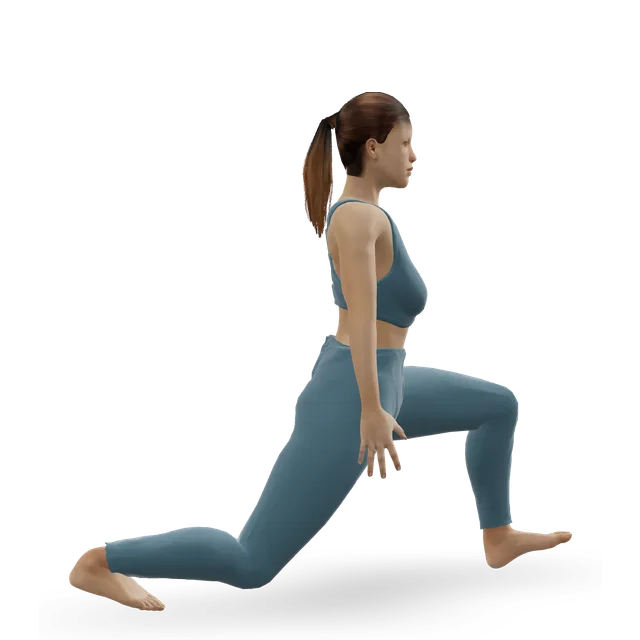
In 31 healthy adults vacuuming vinyl and carpet with 8 machines, the trunk was held leaning forward from the hips and turned from there, and turning was the spine's main movement, with a fair amount in the low back. The trunk and legs moved in much the same way from person to person, while the arms varied most. Reaching the nozzle far forward or under furniture deepens the bend (our reading; no study has measured it). These are lab studies in people without back pain, and the machines were provided by their makers.
Sources 3, 4
Pushing and pullingEmerging evidence
Each stroke is a push and a pull. In lab studies of carts and cables (not vacuum cleaners), pulling compressed the spine more and pushing sheared it more, and the load depended on how much was pushed or pulled, the handle height, experience and technique. In workers, pushing and pulling are linked with low back pain in studies at one point in time, which can't show cause, and in one survey of 622 workers back complaints were about the same with or without heavy pushing, while shoulder complaints rose with it.
Sources 5, 6, 7, 8, 9
How hard vacuuming isStrong evidence
The Compendium of Physical Activities rates vacuuming at 3.0 METs (metabolic equivalents, multiples of the energy you use at rest), the bottom of moderate intensity; sweeping is 3.3 and mopping 3.5. The NHS lists vacuuming among light activities for older adults. So vacuuming is real work for the arms and trunk, but not a heavy lift.
Sources 10, 11, 12
Long sessions, tiredness and stress matter more than the chore itselfMixed evidence
In an Italian study of 104 women, all housework carried some load on the arms when done for four hours a day, but people at home can organise their own work and rest. In 435 women in Lebanon, pain went with tiredness at the end of a housework day, long hours and awkward postures, and in 2,032 Chinese women housework and stress were both risk factors. But in 1,266 women in Beirut, doing particular household tasks wasn't linked with pain once age, weight and number of children were allowed for. One Turkish survey linked poor posture while ironing with back pain. Surveys like these can't show cause.
In 999 people with a new episode of low back pain, heavy loads, awkward postures, tiredness and distraction raised the short-term odds, which fits a long, rushed clean at the end of a tiring day (our reading).
Sources 13, 14, 15, 16, 17, 18
People who clean for a livingEmerging evidence
In 9 studies of 2,299 hotel housekeepers and cleaners, 53.9% reported low back pain and 41.4% shoulder pain; in 180 cleaners in Taiwan, the hand and wrist, shoulder and low back were the commonest painful areas; and in Brazil's national survey about 1 in 5 domestic workers and cleaners had back pain, linked with age, health and low mood. Cleaners vacuum for hours a day, and a weekly vacuum at home is far less (our reading). In a lab, pushing an upright vacuum on carpet worked women's arm and shoulder muscles harder than men's.
Sources 19, 20, 21, 22, 23
Pregnancy and osteoporosisEmerging evidence
About half of 1,500 pregnant women in one survey had back pain, and having no help with housework was a small risk factor. With pelvic girdle pain, the physiotherapists' leaflet lists vacuuming and pushing heavy objects like supermarket trolleys among activities to avoid where possible. The NHS suggests moving your feet when you turn, to avoid twisting your spine, and avoiding lifting heavy objects.
The Royal Osteoporosis Society says you may experience a spasm when pushing, pulling, bending or twisting, such as when using a vacuum cleaner, and suggests a lightweight vacuum cleaner used in short sessions to reduce the strain on your back.
Sources 24, 25, 26, 27, 28
When a scan mattersStrong evidence
Not for back pain when vacuuming. The National Institute for Health and Care Excellence (NICE) says don't routinely offer imaging outside specialist care for low back pain, with or without sciatica, and in specialist care only if the result would change treatment. A scan matters for the warning signs: an emergency magnetic resonance imaging (MRI) scan for suspected cauda equina syndrome, or an X-ray or scan for a suspected spinal fracture.
Source 29
How it usually goesStrong evidence
New back pain improves most in the first 6 weeks: in 47 groups of people, average pain fell from 56 out of 100 to 26. NHS inform says most problems improve within 6 weeks, with the biggest change in the first couple of weeks. Back pain often comes back (69% within a year of recovering, in one cohort), which is why the plan keeps going. No one can promise a date.
Sources 30, 2, 31