Normal in new walkers
Babies' hips are often held turned out from their position in the womb, and new walkers turn their feet out for balance. Out-toeing usually improves within the first year of walking.
Posture guide
Duck feet, or out-toeing, means walking with your feet turned out. In babies and new walkers it's common and usually normal: hips held turned out from the womb, and feet turned out for balance, usually settle within the first year of walking. Children don't need insoles, special shoes or exercises, but a GP should check out-toeing that's on one side, getting worse, or comes with pain or a limp.
In adults, feet that point out mostly reflect how the bones are built: the angle of the thigh bone at the hip, a twist in the shin bone, or flat feet. A little out-toeing is normal, and exercise can't untwist bones, but hip mobility and strength work help you move well with the feet you have.
This guide covers children and adults, what the evidence says about pain, and moves with 3D demos.
Babies' hips are often held turned out from their position in the womb, and new walkers turn their feet out for balance. Out-toeing usually improves within the first year of walking.
Insoles, exercises, stretches and special shoes don't correct out-toeing, and children don't need them.
If it's on one side only, getting worse, causes pain or a limp, the hip seems stiff, or it starts in an older child. An older child or teenager with hip, thigh or knee pain who limps needs to be seen the same day.
In adults, feet that point out mostly reflect the angle of the thigh bone at the hip, a twist in the shin bone, or flat feet. Feet pointing out about 5 to 10 degrees as you walk is normal.
Some sources link out-toeing bones with hip or knee pain, but the evidence is weak and comes mostly from people having surgery. Exercise can't untwist bones; hip mobility and strength work help you move well with the feet you have.
Doctors measure the foot progression angle: how far the feet point in or out as a child walks. Typical values:
Before walking, many babies hold their hips turned out because of their position in the womb, sometimes with the feet turned out almost sideways. New walkers also turn their feet out for balance. It usually improves within the first year of walking, and in 1,000 normal legs these turns were part of normal development and needed no treatment.
NHS Lothian's guidance for GPs says insoles, exercises and stretches won't correct out-toeing, and physiotherapy is generally not necessary. American family doctors' guidance says orthotics aren't effective, and recommends explaining to parents that these variations are normal.
In-toeing, or pigeon toes, is more common in young children, and also almost always corrects itself without casts, braces, special shoes or surgery. Our in-toeing guide covers it.
Toddlers need at least 180 minutes of activity a day, and older children and young people an average of at least 60 minutes. No special exercises are needed for out-toeing.
Most out-toeing is normal. Get it checked if:
New out-toeing in an older child or teenager, especially with pain in the groin, hip, thigh or knee, can be a slipped growth plate at the hip (a slipped upper femoral epiphysis, or SUFE). Hip problems can be felt in the thigh or knee.
Get it checked if:
Call 999 or go to A&E for severe hip pain after a fall or injury, if you can't walk or put weight on the leg, or for tingling or loss of feeling in the hip or leg after an injury.
Source 14
Teenagers' and adults' feet usually point out about 5 to 10 degrees as they walk; healthy older adults in one study averaged about 10 degrees.
The neck of the thigh bone is normally twisted forward (anteversion) by about 40 degrees at birth, falling to about 15 degrees in adults. When it's twisted less, or backwards (femoral retroversion), the hip turns out further and in less, and the feet tend to point out.
The shin bone is twisted inward in infancy and normally turns outward by about age 5. An extra outward twist (external tibial torsion) usually shows at 4 to 7, often in both legs, and can increase with growth.
Flat feet are common and usually cause no problems; arches develop between 3 and 10. Flat feet can add to out-toeing. Insoles and exercises don't change the shape of the feet, but they can help pain or stiffness.
We found no trial of exercise for out-toeing itself. Surgery to untwist a bone is rare and only for selected people with pain.
A 2017 American Family Physician review lists osteoarthritis and stress fractures as results of femoral retroversion, citing a single reference. A 2025 systematic review of 11 studies (1,807 patients and 785 cadavers; we read its summary) found some link with hip pain and impingement, and retroversion in 5 to 11% of people having hip replacements, but said evidence that it causes hip arthritis is lacking, and found contradictory results for surgery.
An extra outward twist of the shin bone is a recognised cause of pain at the front of the knee: when the foot points forward, the knee points inward. This comes from selected groups of patients having surgery; in 73 women with front-of-knee pain that hadn't settled with treatment, twisted thigh or shin bones were very common. There's no agreed threshold for when a twist matters.
People with arthritis of the inner knee walked with slightly less toe-out than people without (6.7 against 10.3 degrees). In a trial in 68 people with this arthritis, a personalised change of toe angle, taught in a gait lab, reduced pain by about 1.2 points out of 10 at a year. That's a specialist treatment, not a self-help tip.
We found no study showing that out-toeing causes running injuries, or that changing your natural foot angle prevents them.
A review of 7 studies (1,293 dancers) couldn't draw firm conclusions about forcing turnout and injury. A 2026 review of 4 studies (431 ballet dancers) found 3 that linked forced (compensated) turnout with injury, and suggested keeping it within about 25 degrees, on limited evidence.
In 28 young adults whose hips turned in very little, two 1-minute bouts of slow hip circles (controlled articular rotations, or CARs) raised inward rotation from 28.6 to 33.6 degrees, and static stretches from 26.4 to 33.2 degrees, still raised 15 minutes later. Longer-term effects weren't tested, and this changes hip range, not the shape of the bones.
Source 20
If your shin bone is twisted outward, pointing your foot straight ahead turns your knee inward. In squats and lunges, let your feet turn out to where your knees track over your middle toes (our editorial advice, matching the knock knees guide).
Source 9
Hip circles and stretches such as the figure four both added range in the short term. The trial used two 1-minute bouts of circles with a 20-second rest, or 4 holds of 30 seconds for each stretch, with 10 seconds' rest between holds.
Source 20
If flat feet ache, insoles, supportive shoes, stretches and foot exercises can ease pain or stiffness; they won't change the shape of the feet. The flat feet guide has a plan.
Source 7
Active play, and a GP visit if any of the warning signs appear. There's nothing to correct.
Our editorial advice, using the knock knees guide's cue of knees over the middle toes.
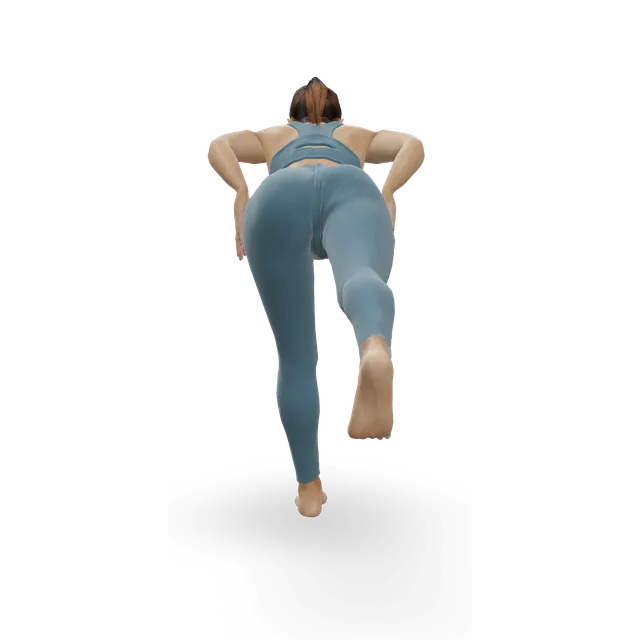
See the movement on the 3D figure: Bodyweight squat
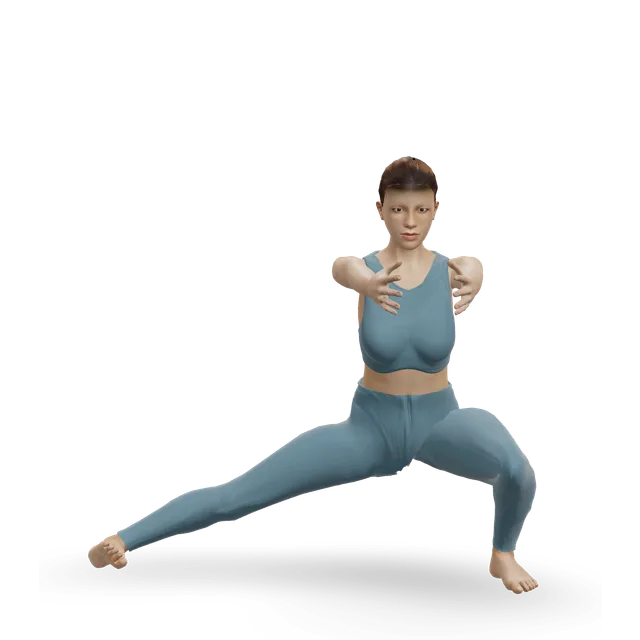
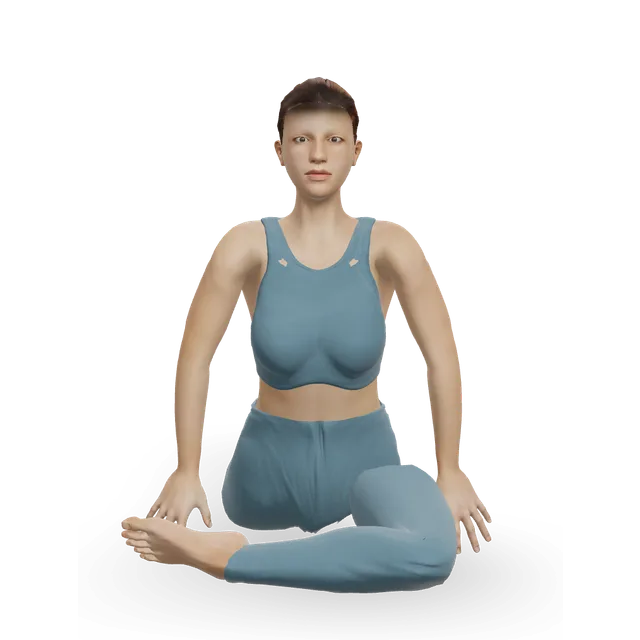
For hips that turn in very little: these change range, not foot angle. Hip CARs: 3 slow circles each way with each leg, 20 to 30 seconds a circle (the move page's dose; the trial used two 1-minute bouts). Figure four: 4 holds of 30 seconds each side, as in the trial. 90/90 switches: 10 slow switches; windshield wipers: 10 slow passes side to side, 2 rounds; hip airplanes: 2 sets of 5 slow turns each leg (the move pages' doses).
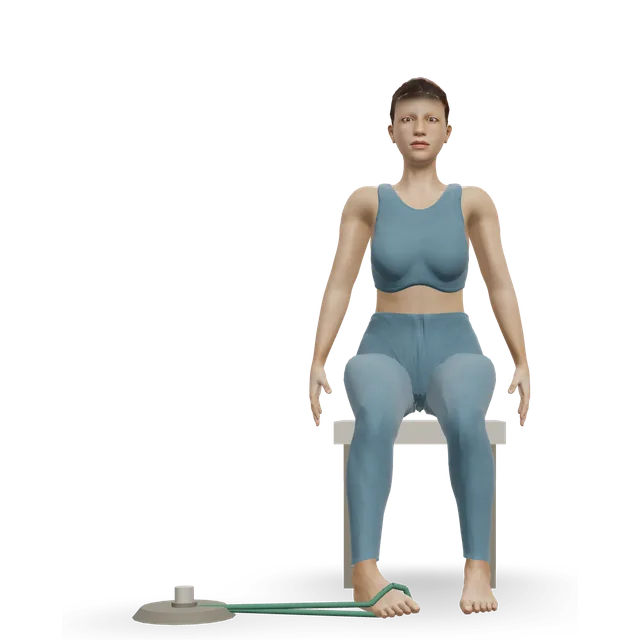
For feet and ankles that ache. Towel curls, 2 to 3 sets of 10; band inversion, 3 sets of 10 to 15; slow calf raises, 2 to 3 sets of 12 to 15; tibialis raises, 2 sets of 15 to 20; one-leg stands, 3 holds of 20 to 30 seconds (editorial starting points).
Let your feet turn out to where your knees track over your middle toes. Squats, 2 to 3 sets of 10; goblet squats, 3 sets of 8 to 10; step-ups, 3 sets of 8 each leg; bridges, 2 to 3 sets of 10 to 15 (editorial starting points).
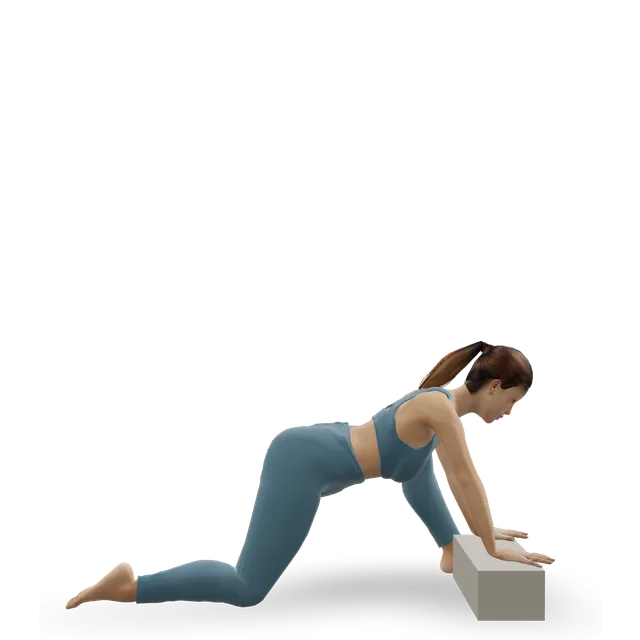
The hip mobility routine and the foot and ankle routine cover the range and foot work; the knee control warm-up practises knees over toes. The animal moves workout is for children's play, not a treatment.
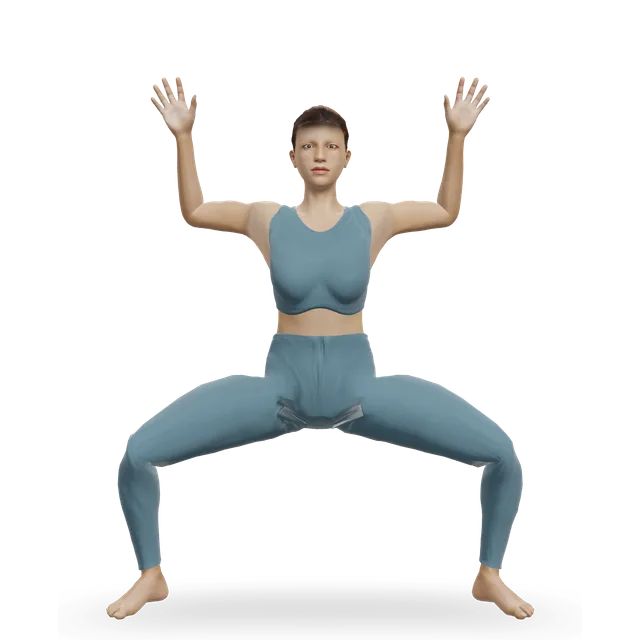
A 15-minute hip opener: 90/90 switches, windshield wipers, CARs, Cossack squats, frog and pigeon.
15 minIntermediate8 movesA wallA hip-opening yoga sequence: low lunge, lizard, goddess, pigeon, bound angle and happy baby.
20 minBeginner7 movesNo equipmentA 15-minute barefoot routine for stronger toes, arches, calves and ankles, finishing with balance. You need only a towel, a wall and a resistance band.
15 minBeginner11 movesA wall, Other / check instructionsBalance practice in 10 minutes: tandem stance, single-leg stands, marches, heel walks, tree pose and floor transfers.
10 minBeginner7 movesA wall, A bench or boxA 20-minute warm-up that trains your knees to track over your toes: side-hip strength, squats and lunges with alignment practice, balance and quiet landings.
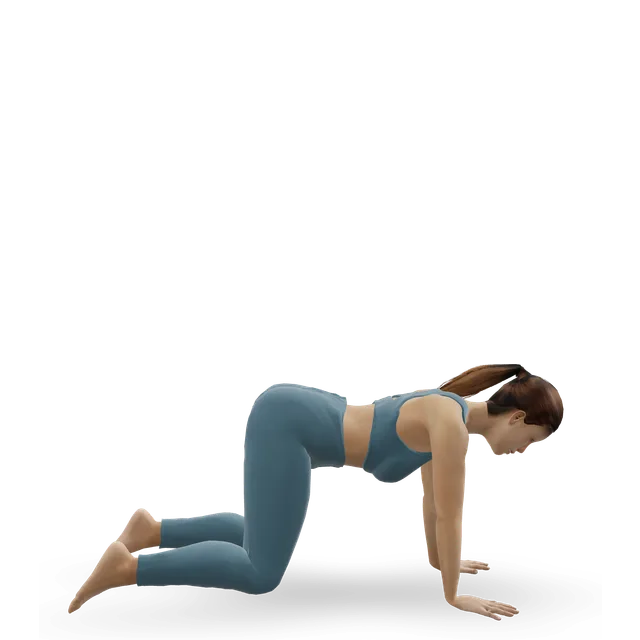
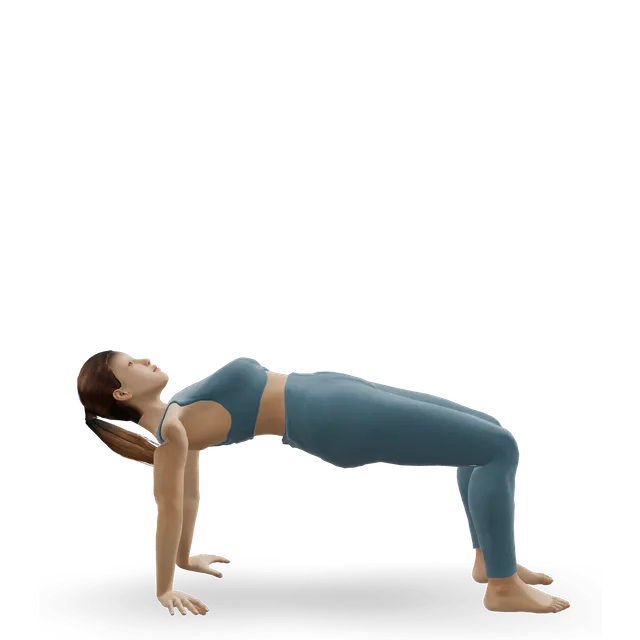
20 minBeginner10 movesA wall, A bandFifteen minutes of animal moves, jumps and balance games for children, building the muscle- and bone-strengthening activity they need, with nothing to buy.
15 minBeginner16 movesA wallNHS Lothian: "Insoles and exercises will not correct this, neither will stretches." Orthotics aren't effective for out-toeing.
Insoles don't change foot angle or foot shape. They can help painful flat feet, and painless flat feet don't need them.
Adult out-toeing mostly comes from the shape of the bones. Stretches and hip circles add some hip range in the short term, but they don't untwist bones.
We found no study showing that out-toeing itself causes injuries. An extra outward twist of the shin bone is one cause of front-of-knee pain, in selected patients having surgery.
We found no evidence for this. The known causes are the shape of the bones, flat feet and, in young children, normal development.
With an outward-twisted shin bone, pointing the foot forward turns the knee inward. Let your knees and feet line up.
Source 9
Yes. Babies' hips are often held turned out from their position in the womb, and new walkers turn their feet out for balance. It usually improves within the first year of walking.
See a GP if it's on one side only, getting worse, causes pain or a limp, the hip seems stiff, or it starts in an older child. An older child or teenager with hip, thigh or knee pain who is limping needs to be seen the same day.
No. NHS specialists say insoles, exercises and stretches won't correct out-toeing, and physiotherapy generally isn't needed.
Usually because of how your bones are built: the angle of the thigh bone at the hip, a twist in the shin bone, or flat feet. Feet that point out about 5 to 10 degrees as you walk are normal.
Usually not. We found no study showing that it causes running injuries, and the links with hip and knee pain come mostly from people having surgery. A large twist in the shin bone is one cause of pain at the front of the knee.
Exercise can't untwist bones, and adults don't need to point their feet straight. Hip mobility work can add some inward hip rotation, and strength work helps comfort and function.
No. If your shin bone is twisted outward, pointing your foot straight turns your knee inward. Let your feet turn out to where your knees track over your toes.
Out-toeing on its own isn't a known cause. A large outward twist of the shin bone is a recognised cause of pain at the front of the knee, and people with knee arthritis actually walked with slightly less toe-out than people without.
We found no evidence that changing your natural foot angle prevents running injuries. In knee arthritis, a personalised change of toe angle taught in a gait lab reduced pain, but that's a specialist treatment.
Duck feet point out; pigeon toes (in-toeing) point in. In-toeing is more common in young children and has its own guide.
It can be a slipped growth plate at the hip, so get it checked. With a limp, ask for an urgent GP appointment or get help from NHS 111 the same day; if they suddenly can't put weight on the leg, go to A&E.
Exercise education, not a diagnosis or treatment plan, and clinical review of these guides is pending. Get a curve or hunch that is new or getting worse checked, above all in a growing child or after a fall, and get urgent help for numbness or weakness in the legs or a change in bladder or bowel control. Health disclaimer.