Pyramid pose (Parsvottanasana)
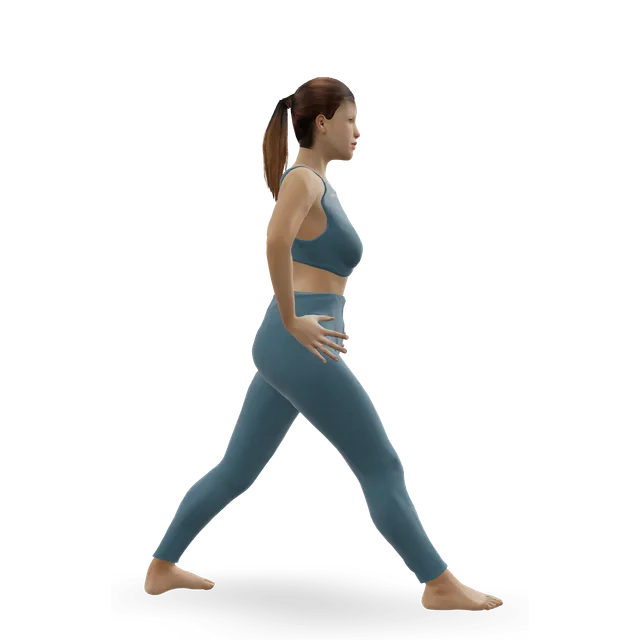
A short split stance with both legs straight and the hips square to the front leg, the trunk folding over it: the stretch moves onto one hamstring and the narrow stance adds balance.
Standing hamstring fold family
Pyramid pose (Parsvottanasana)
Loading the 3D figure…
Source-researched guide.
How to move
- Step one foot about a metre behind the other, the back foot turned out a little and both legs straight.
- Square the hips toward the front foot, then fold forward over the front leg from the hips with a long spine.
- Rest the hands on the floor or on blocks beside the front foot, hold, then change sides.
Form cues
- Widen the stance sideways if the balance is shaky.
- A slight bend in the front knee spares a tight hamstring.
Practice and cautions
No universal dose is assigned. Choose a manageable amount for your current capacity, leave room for controlled repetitions, and allow recovery. A clinician’s individual plan takes priority.
With glaucoma, keep head-down positions brief or use a head-up version: in a small study, eye pressure rose within a minute in head-down yoga poses. Ask your eye team first if your glaucoma is advanced or you've had eye surgery. A common spot for irritation of the hamstring tendon near the sitting bone. Keep it gentle if you feel a sharp pull right there. With osteoporosis, avoid deep or repeated rounding of the spine: fold from the hips with a long back, or leave it out. With proliferative or severe non-proliferative diabetic retinopathy, or after recent eye laser treatment or surgery, leave out head-down positions until your eye team says they are safe. This is movement education, not an assessment or treatment prescription. Stop for sharp or increasing pain, dizziness, numbness or tingling; seek individual guidance for symptoms, injury or restrictions.
Sources and review status
Sources support the educational description; they do not establish that this exercise is suitable for you.
- Yoga Journal · Pyramid pose (the wide-legged forward bend as its preparation) ↗
- Yoga Journal · A standing splits sequence (pyramid pose first, to stretch the hamstrings with the hips square) ↗
- Jasien 2015 · Eye pressure in four head-down yoga poses, in 20 people with and without glaucoma (lab study, PLoS One) ↗
- Brooke-Wavell 2022 · Strong, steady and straight: UK consensus statement on physical activity and exercise for osteoporosis (bend from the hips; twisting should be safe if smooth and comfortable; BJSM) ↗
No variation is labeled clinically validated.
What it works
Equipment
None: body weight and floor space.
Level
Intermediate. See the easier and harder options above.
Workouts that use it
- Hamstring flexibility routine · 12 min
- Splits stretching routine · 25 min
- Yoga for flexibility: a 25-minute full-body hold sequence · 25 min
- Hot yoga sequence without the heat (26-posture style) · 50 min
- Ashtanga yoga for beginners: a 40-minute short form · 40 min
- Yoga with props for beginners: a 40-minute standing-poses-first sequence · 40 min
- Yoga for legs: a 25-minute strength and stretch routine for thighs, glutes and calves · 25 min
- Yoga for the splits: a 30-minute class for the front and middle splits · 30 min
- Yoga for the calves: a 25-minute class to stretch and strengthen both calf muscles, with one-leg balance · 25 min
Guides that use it
- Yoga for flexibility guide
- Hot yoga guide
- Yoga for runners guide
- Ashtanga yoga guide
- Iyengar yoga guide
- Yoga for sciatica guide
- Yoga for tight hamstrings guide
- Wall yoga guide
Show all 22 guidesShow fewer guides
- Yoga for legs guide
- Yoga for weightlifters guide
- Yoga for a herniated disc guide
- Yoga for piriformis syndrome guide
- Yoga for Achilles tendinopathy guide
- Yoga for a hamstring injury guide
- Yoga over 50 guide
- Yoga for sprinters guide
- Yoga for the lower body guide
- Yoga for the splits guide
- Yoga for the calves guide
- Yoga for the thighs guide
- Fascia stretching guide
- The splits guide
Similar moves
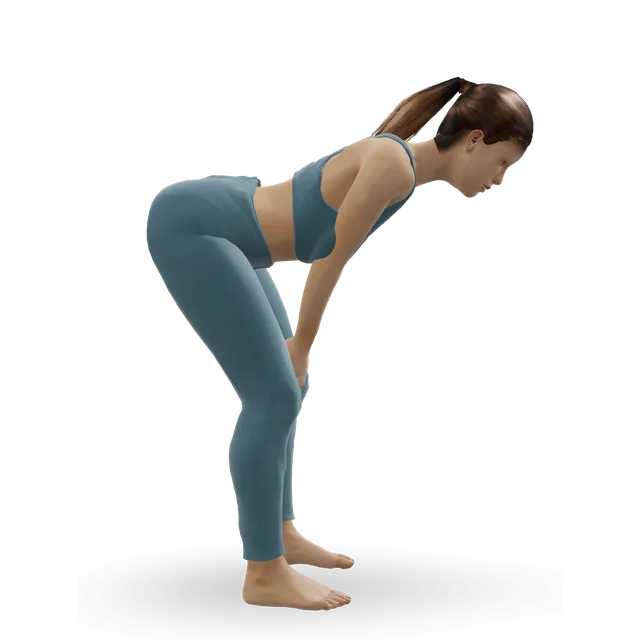 3D demoFlying sword (elastic forward swing)Intermediate · No equipment
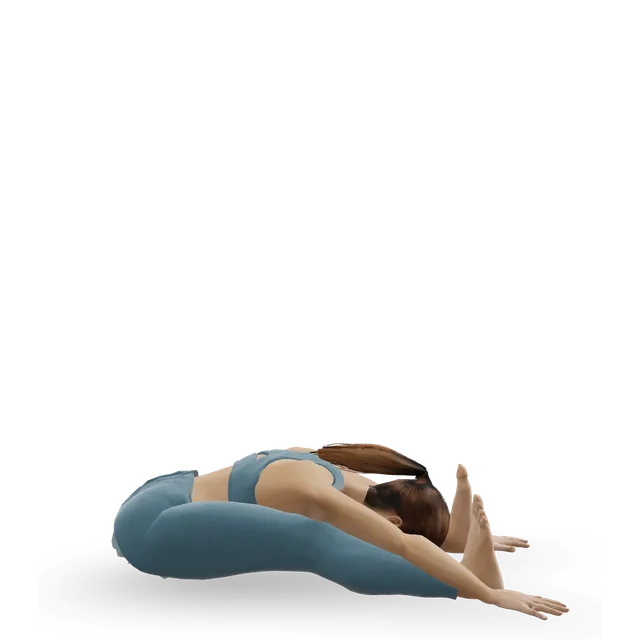 3D demoSeated forward fold (Paschimottanasana)Intermediate · No equipment
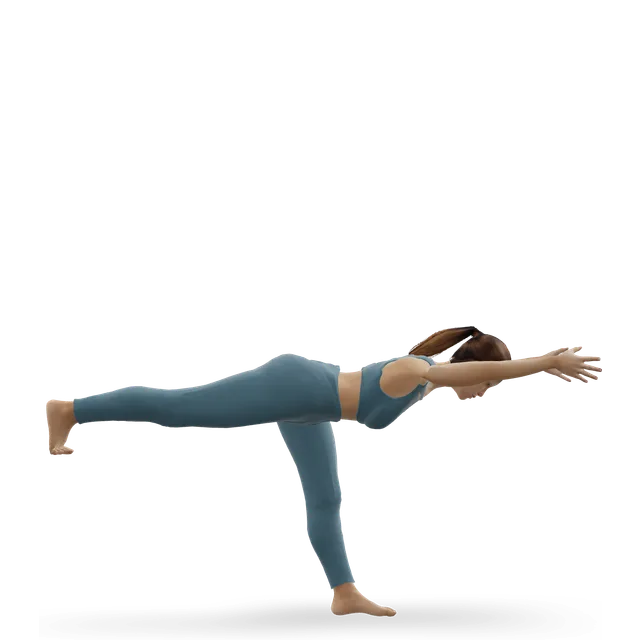 3D demoWarrior III (Virabhadrasana III)Advanced · No equipment
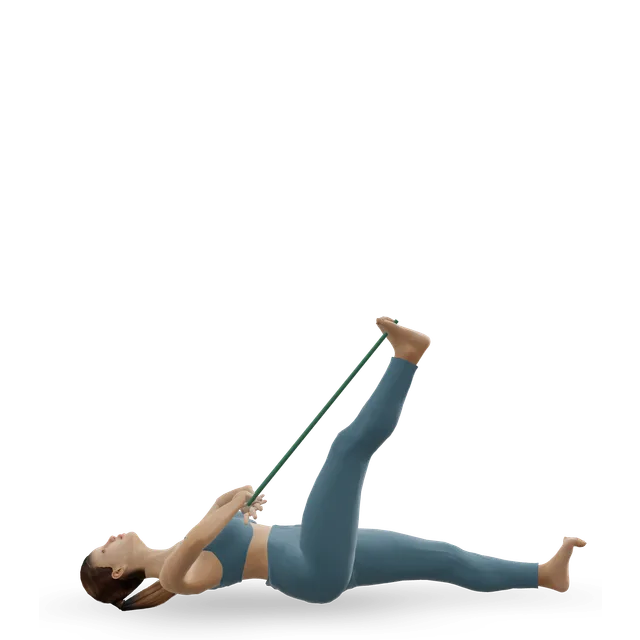 3D demoContract-relax hamstring stretch (PNF)Intermediate · No equipment
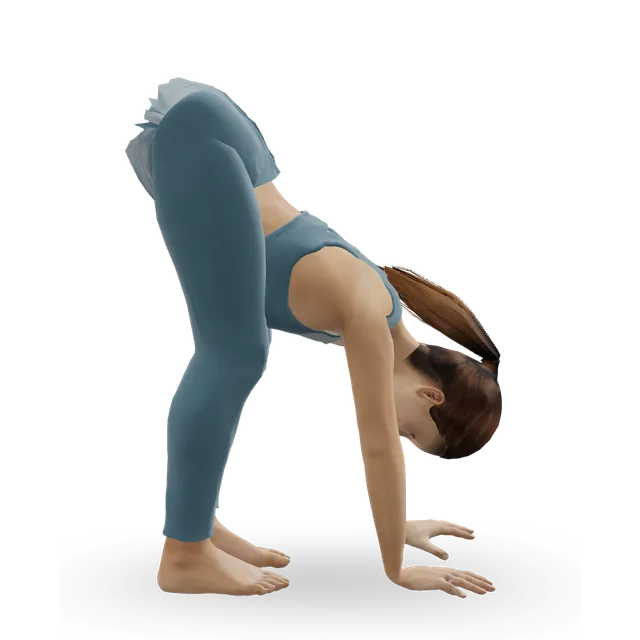 3D demoElephant walksBeginner · No equipment
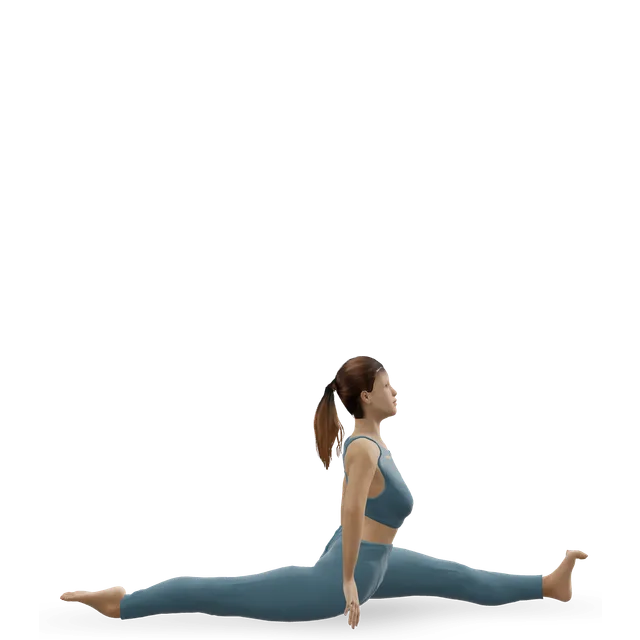 3D demoFront splits (Hanumanasana)Advanced · No equipment
Browse more
Questions people ask
What muscles does the Pyramid pose (Parsvottanasana) work?
Mainly the hamstrings, with help from the calves, back and glutes.
What equipment do I need for the Pyramid pose (Parsvottanasana)?
No equipment: your body weight and a little floor space.
Is the Pyramid pose (Parsvottanasana) good for beginners?
It is graded intermediate. If it is too hard right now, start with the Wide-legged standing forward fold (Prasarita Padottanasana).
What is an easier alternative to the Pyramid pose (Parsvottanasana)?
Try the Wide-legged standing forward fold (Prasarita Padottanasana) or the Downward-facing dog (Adho Mukha Svanasana). Both are written steps in the same progression.
How do I make the Pyramid pose (Parsvottanasana) harder?
Progress to the Standing splits (Urdhva Prasarita Eka Padasana) or the Revolved triangle pose (Parivrtta Trikonasana). Follow that guide’s technique and any stated timing.