Pain guide · Elbow pain

Elbow pain when squatting: the low bar, bent wrists, the inner elbow and the nerve, and swaps

Elbow pain when you squat usually comes from holding the bar with your hands and bent wrists instead of letting your back carry it, most often in a low-bar squat with the elbows driven up. Where it hurts is the best clue: the bony bump on the inside points to golfer's elbow, tingling in the ring and little fingers to the ulnar nerve, the bump on the outside to tennis elbow, and the front crease to the biceps tendon. A higher bar, straight wrists, elbows pointing down, a lighter load and swaps such as a safety squat bar, a front squat with crossed arms or the leg press usually help. No study has measured the elbows in a squat, so this guide says where each piece of advice comes from.

This guide starts with the signs that need help, from a 999 call for arm pain with pressure across your chest, to an urgent treatment centre or accident and emergency (A&E) for a pop at the front of the elbow with bruising and a bulge, and a same-day check through the National Health Service's 111 line (NHS 111) for a hot, swollen elbow with a fever. It then maps the causes by where it hurts, explains what the studies of bar positions, safety bars, the elbow tendons and the nerve show, and don't, shows how to change your bar, grip and wrists today, and gives a three-stage plan with a 3D demo of every move, from the leg press and forearm holds back to your usual squat.

When to get help first

Exercise is for pain that has been checked or is clearly mild and settling.

Get urgent medical help if

  • Call 999: arm pain that comes on suddenly with pressure, heaviness, tightness or squeezing across your chest, especially with shortness of breath, sweating or feeling sick. It could be a heart attack.
  • Call 999, even if it passes: sudden weakness or numbness in one arm, with a drooping face or slurred speech. These are signs of a stroke.
  • Go to A&E or call 999 if you've injured your arm and it is numb, tingling or has pins and needles; a bone is sticking out or a bad cut is bleeding heavily; or the arm or elbow has changed colour or shape, or is at an odd angle. Don't drive yourself.
  • Urgent treatment centre or A&E: severe pain in your arm and it's difficult to move; you've injured your arm and heard a snap, or your arm has changed shape; or your arm tingles or feels numb.
  • Urgent treatment centre or A&E: a pop or snap and sudden pain during an effort, which could be a torn tendon. At the front of the elbow, with bruising and a bulge in the upper arm, don't wait for it to settle: a torn biceps tendon is best repaired within the first 2 to 3 weeks. If it happened weeks ago, still get it checked: repair is often still possible, though it may need a tendon graft.
  • Call 999 or go to A&E: after a fall or a blow, the elbow looks out of place, has changed shape, or you can't move it. Don't try to put it back in yourself. Support the arm in a sling or with a towel, hold an ice pack wrapped in a tea towel to it, and don't drive yourself.
  • Same day (NHS 111): after a fall or knock you can't fully straighten the elbow, or the injured arm is very painful or the pain is getting worse, it's very swollen or bruised, it's stiff and hard to move, or you also have a very high temperature or feel hot, cold or shivery, which could be an infection. In a large study, about half of people who couldn't fully straighten the elbow after an injury had a fracture.
  • Same day (urgent GP appointment or NHS 111): a swollen elbow with a very high temperature, or you feel hot, cold or shivery; or severe pain in one joint that started suddenly, swelling around a joint, the skin around a joint has changed colour, or difficulty moving a joint. It could be an infection in the joint or the bursa, or gout.
  • Ask for an urgent GP appointment or get help from NHS 111 the same day if the skin over the swelling is painful, hot and swollen. Redness can be harder to see on brown or black skin. The bursa may be infected and need antibiotics, especially if there's a cut, graze or insect bite over it.
  • Call 999 or go to A&E if redness spreads through the skin around the elbow and you have a very high temperature or feel hot, cold or shivery, a fast heartbeat or fast breathing, purple patches on the skin, feel dizzy or faint, are confused, have cold, clammy or pale skin, or are unresponsive or lose consciousness. These can be signs of a serious infection. Don't drive yourself.
  • Same day (NHS 111): your arm hurts when you exercise, but the pain goes away when you rest.
  • Same day: clumsiness in your hands, or numbness, pins and needles or weakness in one or both arms, that is getting worse; problems with balance or walking since the neck pain started; or neck pain with a severe headache.
  • You're taking a fluoroquinolone antibiotic and a tendon starts to hurt or swell: stop taking it, contact your doctor straight away, and rest the painful area until you've been seen.

See a doctor or physiotherapist if

  • Elbow or arm pain that hasn't gone after a few weeks of looking after it yourself (for tennis elbow, the NHS says after at least 2 weeks of self-care). In many areas you can refer yourself to NHS physiotherapy.
  • Constant numbness in the ring and little fingers, a weak or clumsy hand, or visible wasting of the muscle between the thumb and index finger. Ask about referral: one NHS referral guide treats permanent numbness or wasting as urgent.
  • Pins and needles in the ring and little fingers that last more than 6 months despite the position changes on this page: the same NHS guide refers at that point.
  • Pins and needles that keep coming back or are constant, wherever they are in the hand.
  • Pins and needles that keep coming back or are constant, numbness in the ring and little fingers that doesn't go, a weak or clumsy hand, or visible wasting between the thumb and index finger. Ask about referral: one NHS referral guide treats permanent numbness or wasting as urgent.
  • Weakness turning the palm up (opening a jar, turning a key), or an ache at the front of the elbow that isn't easing after a few weeks of lighter loading.
  • Elbow or forearm pain with pins and needles, or a sharp, hot or burning pain: it can come from a nerve in the neck, even if your neck doesn't hurt. See a GP or physiotherapist.
  • A swelling on the point of the elbow that isn't better after 1 to 2 weeks of looking after it yourself.
  • An elbow that locks or catches: occasionally a loose piece of bone or cartilage is the cause.
  • Contact your GP if you have elbow pain and have ever been diagnosed with cancer or a joint condition like rheumatoid arthritis, or your elbow is hot, swollen or tender, especially if you can't recall an injury. If your GP practice is closed, phone 111.
  • Not improved after 2 weeks of looking after it at home, getting worse, keeps coming back, or stopping you doing normal activities. In many areas you can refer yourself to NHS physiotherapy.

Where does it hurt?

Location narrows the likely causes; it does not diagnose.

Arm pain with pressure, heaviness or squeezing across the chest

Call 999: it could be your heart. Don't wait to see if it passes.

The bony bump on the inside of the elbow and the forearm below it, worse gripping the bar after low-bar sessions, with no tingling

Usually golfer's elbow, the forearm tendons on the inner bump. A higher bar, straight wrists and elbows pointing down usually help.

Read: Golfer's elbow →
The inside of the elbow with tingling or numbness in the ring and little fingers, worse holding the bar or with the elbow bent

The ulnar nerve at the elbow (cubital tunnel). Stop the holds that bring it on; our ulnar nerve guide covers the positions to change.

Read: Ulnar nerve entrapment →
The bony bump on the outside, worse gripping and with the palm down

Usually tennis elbow, about three times as common as golfer's elbow. The same bar and grip changes help.

Read: Tennis elbow →
An ache in the front crease of the elbow, worse turning the palm up against resistance, with no pop

Biceps tendon pain at the elbow, treated without surgery first.

Read: Front of the elbow (biceps tendon) →
A sudden pop at the front of the elbow, then bruising and a bulge in the upper arm

Possibly a torn biceps tendon: rare in squats, but go to an urgent treatment centre or A&E, as the warning signs say.

Read: Front of the elbow (biceps tendon) →
The front crease of the elbow in a Zercher squat, where the bar sits

The bar pressing on the soft tissue. Pad it with a towel and build the load slowly, or leave Zercher squats out for now.

A soft, squashy swelling on the point of the elbow

Usually bursitis from pressure or knocks, such as leaning on your elbows. Hot, red and painful needs a same-day check.

Read: Elbow bursitis →
Stiff all round, slowly losing the last bit of straightening, sometimes catching

Often elbow arthritis or a loose fragment in the joint, not the squat itself.

Read: Elbow arthritis and stiffness →
Elbow or forearm pain with pins and needles or burning that changes when you move your neck

A nerve in the neck, even if your neck doesn't hurt.

Read: Pinched nerve in the neck →
The back of the wrist, bent back under the bar

Our wrist lifting guide covers the bar in your hand and wraps.

Read: Wrist pain when lifting weights →
The wrists in the front squat rack

Our front squat wrist guide covers the rack, crossed arms and straps.

Read: Wrist pain in front squats →
The shoulders holding the bar

Our squat shoulder guide covers the bar position and the shoulders.

Read: Shoulder pain when squatting →
The same elbow pain on the bench press or in push-ups

Our bench press and push-up elbow guides cover those lifts.

Read: Elbow pain when benching →
Hot, red, swollen, and you feel unwell or feverish

Not a squat problem: see the warning signs at the top of this page.

Understand it

What a squat asks of the elbows, and what no study has measuredEmerging evidence

In a back squat the bar rests on your upper back and your hands only stop it rolling. In a high-bar squat it sits on the top of the trapezius just below the neck; in a low-bar squat it sits a few centimetres lower, along the spine of the shoulder blade and over the back of the shoulders. Holding a low bar asks the shoulders to turn out and pull back, with the elbows bent behind the bar.

A review of lab studies found the low bar leans the trunk further forward with more hip bend, while the high bar keeps you more upright, and the low bar usually lifts the most; one study of 12 trained men found the opposite angle pattern and no difference in muscle activity. None of these studies, nor the newest one, measured the arms, and one that measured grip width reported no result for it. No study has measured the elbows, wrists or shoulders in a back squat, counted elbow pain from squats or tested a grip against it. So the map below comes from coaching sources and our squat guide (labelled), elbow tendon and nerve research, lifting surveys and NHS pages.

Sources 1, 2, 3, 4, 5, 6

Who gets itEmerging evidence

The elbow is one of the five commonest injured sites across the weight-training sports: 11% of injuries in 101 Oceania powerlifters and, with the upper arm, 8.0% across powerlifting reports. Upper limb injuries, the elbow among them, were commoner in powerlifters over 40. But no review ties an elbow injury to the squat: the squat injuries reported were leg muscle and tendon ruptures and neck and foot fractures.

In the population, tennis elbow affects 1.3% of adults and golfer's elbow 0.4%, both most often from 45 to 54, and weightlifting is among the activities named for golfer's elbow. In our reading, elbow pain from squats is mostly a low-bar complaint, often a few weeks after switching to the low bar, adding squat days or narrowing the grip, in lifters with stiff shoulders. No study gives the share of each cause.

Sources 7, 8, 9, 10, 11, 12, 13

The inner elbow, the nerve and the low-bar hold: our readingEmerging evidence

Golfer's elbow causes pain and tenderness on the inside of the elbow that may spread down the forearm, with difficulty gripping. The ulnar nerve runs behind the same bump. In cadaver studies with no load, bending the elbow fully shrank the nerve's tunnel by 30% to 41% and stretched the nerve most behind the inner bump, and bending the elbow or bending the wrist back each stretched the nerve by 15% or more.

A low-bar hold bends the elbows and bends the wrists back, so it combines both positions. That this strains the nerve, and that this is why some lifters' fingers tingle under a low bar, is our reading: nobody has measured the nerve, or the elbow, under a loaded bar. UK hand surgeons say symptoms are often brought on by leaning on the elbow or holding it bent.

Sources 14, 15, 16, 17, 18

The outside, the front and the back of the elbowEmerging evidence

Tennis elbow on the outer bump is about three times as common as golfer's elbow. Biceps tendon pain at the front of the elbow hurts most turning the palm up against resistance, and it and small partial tears are treated without surgery first. A sudden pop with bruising and a bulge is a torn biceps tendon, which is rare and usually comes from deadlifts or curls rather than squats, and is best repaired early. A soft swelling on the point of the elbow is usually bursitis from pressure or knocks, and it usually settles with simple care.

Sources 12, 19, 20, 21, 22, 23

Shoulder mobility and the low bar: the evidence is mixedMixed evidence

Coaches link elbow pain under a low bar to shoulders that won't turn out far enough, so the hands and elbows take over. The evidence on lifters' shoulders is mixed: 15 male powerlifters had less outward rotation than controls, more so the elite lifters; 12 female powerlifters didn't differ; and 60 recreational weight trainers had more outward rotation than people who didn't train. No study links any shoulder range to bar position, grip width or elbow pain. Shoulder mobility and outward rotation strength work are reasonable and low-cost, not proven fixes.

Sources 24, 25, 26

When a scan or test helpsEmerging evidence

Not for golfer's or tennis elbow: they are diagnosed from your story and an examination, with an ultrasound or magnetic resonance imaging (MRI) scan only when the diagnosis is unsure. Nerve tests matter for tingling that keeps coming back or is constant, a weak or clumsy hand, or wasting of the hand muscles, because surgery's chief aim is to prevent the weakness and wasting of severe untreated cases. A suspected biceps tear needs prompt assessment, and a hot, swollen bursa may need fluid drawn off to test for infection.

Sources 27, 18, 28, 22, 29

How it usually goesEmerging evidence

NHS inform says many new elbow problems or flare-ups begin to settle within 6 weeks, and the NHS says tennis elbow usually gets better after resting the arm for a few weeks but can last longer. In trials of tennis elbow, 83% to 90% had improved at a year with wait and see. Golfer's elbow is less studied, and surgery is considered only after 6 to 12 months of other care. About half of 24 people with ulnar nerve symptoms improved over a year without treatment, partly from changing arm postures. Most injured powerlifters keep training with changes. No one can promise a date.

Sources 30, 31, 32, 33, 27, 34, 35

What helps, and how strong the evidence is

The high bar and the swaps still train the legsEmerging evidence

Both bar positions build the legs: in 12 trained men, muscle activity didn't differ between them, and the newest study suggests choosing the combination that is most comfortable. A safety squat bar, held by handles in front, cut the 3-repetition maximum by 11.3% and kept the trunk more upright in 12 powerlifters, cut the 1-repetition maximum by about 5% with similar knee demand in 15 men, and worked the legs about as hard at the same relative load in 32 men. The front squat worked the muscles as well as the back squat with less knee compression in 15 trained adults.

Sources 4, 5, 36, 37, 38, 39

That a safety bar spares the elbows is our readingEmerging evidence

The safety bar studies measured the trunk and legs, not the arms. One paper's introduction says a safety bar puts less force on the shoulder and elbow, citing a study whose summary reports no shoulder or elbow measure, and another says it suits people with shoulder or elbow problems, citing coaching articles. So the safety bar sparing your elbows is our reading: your hands hold handles in front instead of a bar behind you. It is still the usual swap.

Sources 36, 6, 40

Tennis elbow: wait and see does well, and a steroid injection does worseStrong evidence

In 185 people, 83% had improved at a year with wait and see, 91% with physiotherapy and 69% with a steroid injection. In 198 people, 90% had improved at a year with wait and see, and most injection successes later relapsed. In 165 adults, 83% had recovered at a year after a steroid injection against 96% after a placebo injection, with relapses in 54% against 12%.

Sources 32, 33, 41

Loading helps elbow tendons, but the golfer's elbow trials are fewEmerging evidence

In 81 adults with long-lasting tennis elbow, 3 months of daily home forearm loading helped more than waiting (72% against 44% had at least a 30% pain reduction), and in 120 adults slow lowering helped a little more than lifting. For golfer's elbow, eccentric (slow lowering) exercise eased pain in 5 small studies (143 people), but certainty is low, and an earlier review found no exercise trial of golfer's elbow alone, so the advice is borrowed from tennis elbow. A UK review puts a break from the aggravating load first, then graduated strengthening. In one trial, most people gave up heavy slow training because it flared their pain, so build up slowly.

Sources 42, 43, 44, 45, 27, 46

The ulnar nerve: change the positions firstEmerging evidence

A Cochrane review of 15 trials (970 people) found that, in mild cases, information on movements or positions to avoid may reduce discomfort, and that when surgery is needed, the type of operation matters little. About half of 24 untreated people improved over a year, and reviews report improvement in 60% to 95% of people treated without surgery. UK hand surgeons say avoiding the positions that bring it on may cure early cases.

Sources 47, 34, 18, 13

Straps and braces: short-term help at mostEmerging evidence

In a small placebo-controlled trial (31 people), a forearm strap eased tennis elbow pain for 2 to 12 weeks, and across 17 trials physiotherapy did better than a strap over the long term. The NHS suggests trying a forearm strap or brace from a pharmacy. No study has tested wrist wraps for squat elbow pain.

Sources 48, 49, 31

How much pain is OK while you exercise?

Mild discomfort, up to about 3 to 4 out of 10, settled within an hourEmerging evidence

This guide uses the elbow hub's rule, as our other elbow movement guides do. Some discomfort during forearm exercises is fine. Keep it mild: no more than about 3 to 4 out of 10. It should settle within an hour or so, and your elbow should be no worse the next morning. If it is worse, go lighter next time (a lighter weight, a bendier bar, fewer reps or a shorter hold), not nothing. When a set no longer causes any discomfort, it's time to progress.

Tingling is the exception: stop any exercise or position that brings on pins and needles or numbness in your hand, especially in the ring and little fingers, and avoid holding the elbow fully bent while it settles.

This is lower than the 5 out of 10 used on this site's back and shoulder pages, because most elbow trials used pain-free or nearly pain-free exercise. A UK consensus paper that reviewed the tennis elbow trials reports that all but one asked for pain-free exercise; the exception, as that paper describes it, allowed mild pain below 4 out of 10. The JOSPT guideline says the load should not make symptoms worse, and elbow specialists suggest doing the flexible-bar exercises with discomfort of about 3 to 4 out of 10.

Pushing harder backfires at the elbow. Still holds done above people's own pain threshold left more pain 30 minutes later, while holds below it did not, and in one trial most people gave up heavy loading, mainly because it aggravated their pain. In long-lasting muscle and joint pain generally, allowing some pain did no harm. The exact 3 to 4 out of 10 figure and the settling times are editorial. If pain climbs from week to week, or you notice a warning sign, stop and get it checked.

NHS inform's elbow exercises call 4 to 5 out of 10 acceptable and want your pain no worse the morning after; the physiotherapy in the best-known tennis elbow trials was pain-free; one exercise protocol allowed mild pain below 4 out of 10; and one trial allowed pain during training but lowered the weight if pain afterwards wasn't tolerable, disturbed sleep or lasted into the next session.

For squats (our suggestion, built on the same rule): judge each set by its last reps and by how your elbow feels that evening and the next morning, and use the bar (leg press, hands-free or safety bar, high bar, then low bar), the grip and the load at which the elbow stays at 3 to 4 out of 10 or less. A pop with bruising, a hot, swollen elbow or arm pain with chest pressure isn't a pain-rule question: see the warning signs.

Sources 50, 51, 52, 53, 46, 54

The exercise plan: 3 stages

Start at the first stage. Each move opens a full guide with a 3D demo.

Stage 1

Keep squatting, take the bar out of your hands

About weeks 0 to 2, legs 2 or 3 times a week and elbow holds daily: keep the legs training with no bar to hold behind you, and settle the sore tendon or nerve. No low-bar or high-bar squats for now, and with tingling, nothing that holds the elbow deeply bent. After a biceps tear, your surgical team's plan comes first. Doses are editorial unless a source is named.

Leg press demonstrated on the 3D figure3D demoLeg pressBeginner · Strength machine

3 sets of 10 to 12, holding the handles lightly · As in our squat shoulder guide (editorial): heavy leg work with no bar to hold

Harder: Bodyweight squat

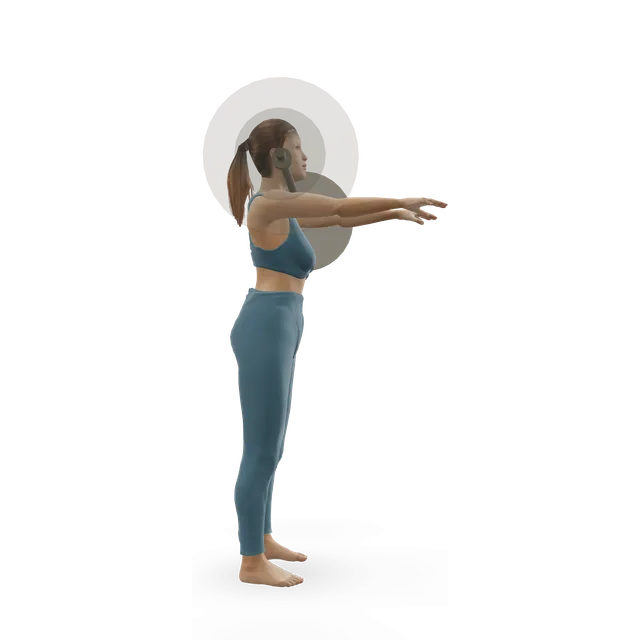
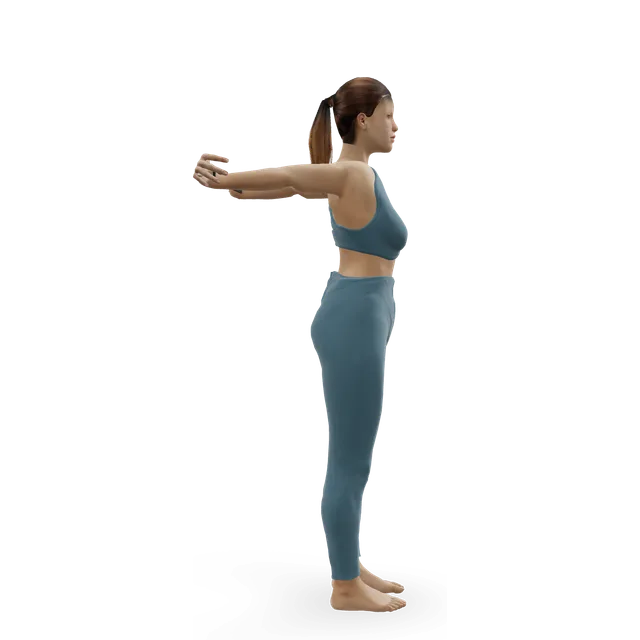
Frankenstein squat (hands-free front squat) demonstrated on the 3D figure3D demoFrankenstein squat (hands-free front squat)Intermediate · A barbell

2 to 3 sets of 5 to 8 with an empty or light bar · The move page's dose (an editorial starting point). The arms stay straight out in front, with no grip

Easier: Machine hack squat · Harder: Barbell front squat

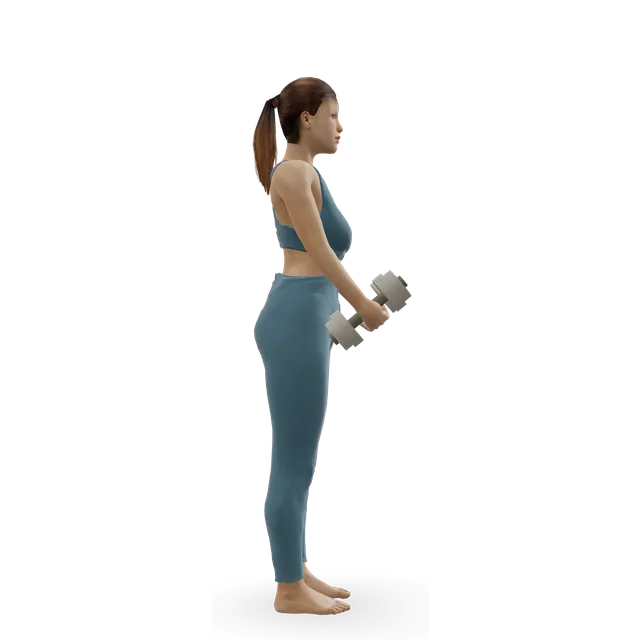
Wrist curls demonstrated on the 3D figure3D demoWrist curlsBeginner · A dumbbell

Inner elbow: 5 holds of 30 to 45 s, once a day, palm up, the wrist level and the forearm supported · As in our golfer's elbow guide (editorial; within a UK tennis elbow consensus dose of holds of up to 60 s)

Easier: Wrist-extensor eccentrics · Harder: Plate pinch

Reverse wrist curl demonstrated on the 3D figure3D demoReverse wrist curlBeginner · A dumbbell + A bench or box

Outer elbow: 5 holds of 30 to 45 s, once a day, palm down, the wrist level and the forearm supported · As in our tennis elbow guide (editorial)

Easier: Wrist-extensor eccentrics · Harder: Plate pinch

Elbow bend and straighten (elbow range of motion) demonstrated on the 3D figure3D demoElbow bend and straighten (elbow range of motion)Beginner · No equipment

10 slow repetitions, up to 4 times a day · The move page's dose (an NHS Borders leaflet's). With tingling, skip long holds at full bend, as the move page says

Harder: Dumbbell biceps curl

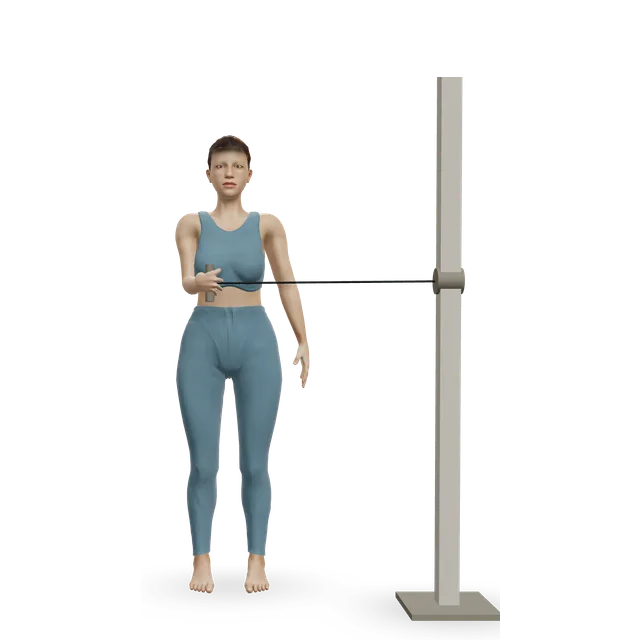
Standing band external rotation demonstrated on the 3D figure3D demoStanding band external rotationBeginner · A band + An anchor point

3 sets of 15, light band, slow return, elbow at your side · The Holmgren trial's sets and reps, as our squat shoulder guide uses them

Easier: Stick-assisted external rotation (lying) · Harder: Side-lying external rotation

Move on when: Daily life and the first-stage moves pass the elbow rule for a week, the holds no longer raise the pain, and any tingling isn't building up during the day (editorial, as in our elbow guides).

Follow along: a timer, a cue and the next move, one step at a time.
Stage 2

Bring the bar back, high and with straight wrists

About weeks 2 to 6, 2 or 3 sessions a week: a barbell squat with the bar high and the wrists straight, forearm loading on purpose, and the shoulder work that helps you hold a bar.

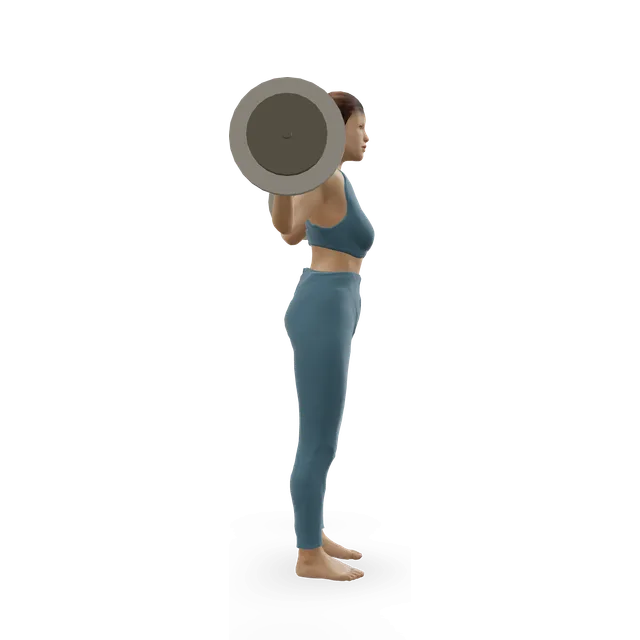
Olympic squat (high-bar back squat) demonstrated on the 3D figure3D demoOlympic squat (high-bar back squat)Advanced · A barbell

3 sets of 5 to 8 at about half your old working weight, wrists straight, elbows down, the bar on the muscle of your upper back · As in our squat shoulder guide (editorial). The high-bar back squat

Easier: Bodyweight squat

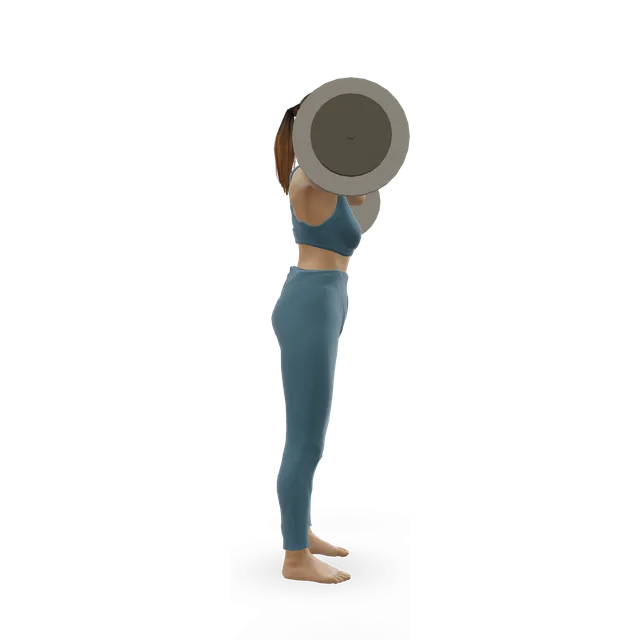
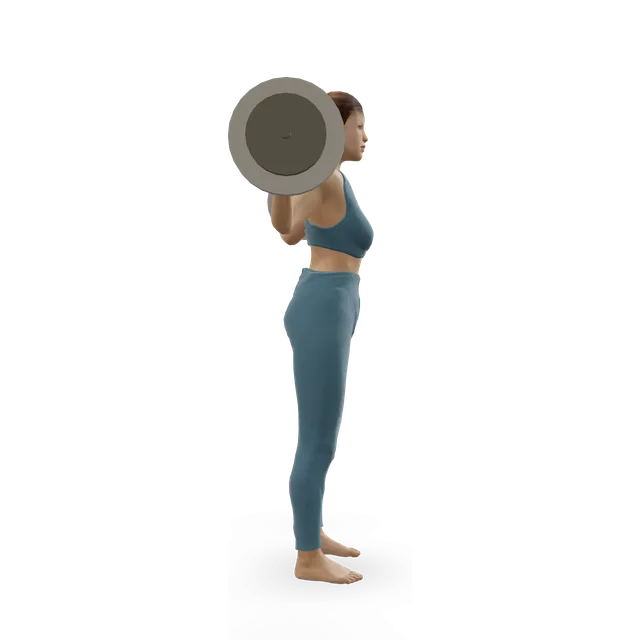
Barbell front squat demonstrated on the 3D figure3D demoBarbell front squatAdvanced · A barbell

Optional: 3 sets of 5 with crossed arms or straps, safety pins set; leave it out if the rack brings on tingling · As in our squat shoulder guide and front squat technique workout (editorial)

Easier: Bodyweight squat · Harder: Overhead squat

Wrist curls demonstrated on the 3D figure3D demoWrist curlsBeginner · A dumbbell

Inner elbow: 3 sets of 10 to 15, once a day, lowering over 3 to 6 s · As in our golfer's elbow guide (NHS inform's and NHS Fife's doses)

Easier: Wrist-extensor eccentrics · Harder: Plate pinch

Reverse wrist curl demonstrated on the 3D figure3D demoReverse wrist curlBeginner · A dumbbell + A bench or box

Outer elbow: 3 sets of 10 to 15, once a day · As in our tennis elbow guide (the UK consensus dose)

Easier: Wrist-extensor eccentrics · Harder: Plate pinch

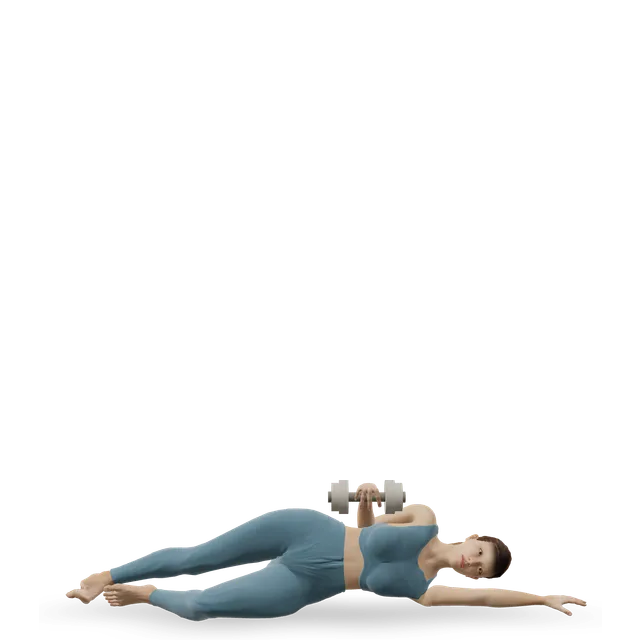
Side-lying external rotation demonstrated on the 3D figure3D demoSide-lying external rotationBeginner · A dumbbell

3 sets of 15, lowering over about 3 s · The Holmgren trial's sets and reps; the 3 s lowering is editorial, as in our squat shoulder guide

Easier: Standing band external rotation · Harder: Cuban rotation

Shoulder dislocates with a strap (pass-throughs) demonstrated on the 3D figure3D demoShoulder dislocates with a strap (pass-throughs)Beginner · Other / check instructions

2 sets of 10 slow passes · The move page's dose (an editorial starting point). Use a wide grip, and leave it out with an unstable shoulder or rotator cuff pain, as the move page says

Easier: Overhead stick stretch · Harder: Prone swimmers

Move on when: High-bar squats at about your old working weight pass the elbow rule for a week, and 3 sets of 15 slow wrist curls (or reverse wrist curls) at a moderate weight are comfortable (editorial).

Follow along: a timer, a cue and the next move, one step at a time.
Stage 3

Back to your usual squat

From about week 6, often later for tendon pain: your usual bar position and load, one change at a time by the written steps below. No study has tested a return to squatting after elbow pain, so the order is editorial.

Barbell back squat demonstrated on the 3D figure3D demoBarbell back squatAdvanced · A barbell

Your usual bar position (the low bar if you use it), wrists straight, from about half your old working weight, adding 5% to 10% every week or two while the elbow passes the rule · As in our squat shoulder guide (our suggestion, using the American College of Sports Medicine's 2% to 10% steps for healthy adults; no trial has tested it)

Easier: Bodyweight squat · Harder: Overhead squat

Olympic squat (high-bar back squat) demonstrated on the 3D figure3D demoOlympic squat (high-bar back squat)Advanced · A barbell

Your usual sets, on days the low bar complains · As in our squat shoulder guide (editorial)

Easier: Bodyweight squat

Hammer curl demonstrated on the 3D figure3D demoHammer curlBeginner · A dumbbell

3 sets of 8 to 12 · As in our golfer's and tennis elbow guides (editorial)

Easier: Seated dumbbell curl · Harder: Alternating hammer curl

Farmer's carry demonstrated on the 3D figure3D demoFarmer's carryIntermediate · A dumbbell + A kettlebell

3 walks of 20 to 30 m · As in our golfer's elbow guide (editorial). The move page says use straps only once your trunk, not your grip, is the limit

Harder: Suitcase carry

Cable external rotation demonstrated on the 3D figure3D demoCable external rotationBeginner · A cable machine

3 sets of 10 to 12, heavier than in stage 2 · As in our squat shoulder guide (editorial)

Harder: Side-lying external rotation

Move on when: Your usual squat sessions pass the elbow rule for 2 weeks. Keep the forearm and outward rotation work twice a week for a few months; if a session flares the elbow, go back a stage for a few days, not to nothing (editorial).

Follow along: a timer, a cue and the next move, one step at a time.

What to change for now

Your squat for now (written steps)

Our 3D figure can't show your grip, your wrists or your elbows. These steps come from our squat guide, coaching sources and the studies on this page; no trial has tested a change to the squat for elbow pain, and each step names its source or says it is our suggestion.

  • 1. Bar: high, on the muscle of your upper back just below your neck, never on the bones of your neck (our squat guide). Both bar positions build the legs.
  • 2. Grip width: coaches disagree. Our squat guide says widen your grip if a low bar hurts your wrists or elbows; some coaches teach as narrow a grip as your shoulders allow, with the thumbs alongside the bar. No study has tested grip width, and both sides agree on the main point: your back, not your hands, carries the bar. While it's sore, use the width at which your wrists stay straight and your elbows can point down (our suggestion).
  • 3. Hands and wrists: the bar in the heel of the palm, not the fingers, with your wrists straight in line with your forearms (coaching sources and our squat guide).
  • 4. Elbows: down and slightly back rather than driven up behind you (coaching advice; nobody has measured it).
  • 5. Load: about half your old working weight, 2 or 3 reps in reserve, and one fewer low-bar day a week for now (editorial).
  • 6. Swaps: a safety squat bar, a front squat with crossed arms or straps, a hands-free front squat, a goblet squat (if holding the weight close doesn't bring on tingling) or the leg press (the studies above; sparing the elbows is our reading).
  • 7. With tingling in the ring and little fingers: no long holds with the elbow deeply bent, in or out of the gym, and a straighter elbow at night, as UK hand surgeons suggest.

Sources 2, 4, 55, 36, 39, 18

Today and everyday life (written steps)

These come from the NHS unless they say our suggestion.

  • 1. A heat pack or a pack of frozen peas wrapped in a tea towel, and painkillers such as paracetamol or ibuprofen, can ease elbow and arm pain for a couple of days (the NHS).
  • 2. For tennis elbow, the NHS suggests trying a forearm strap or brace; it may ease pain while you wear it.
  • 3. Avoid a steroid injection for tennis elbow: it left fewer people recovered at a year than a placebo injection.
  • 4. Grip and carry lightly, with your elbow close to straight, while it settles, and don't lean on the point of your elbow at a desk or in the car (our suggestion).
  • 5. Powerlifting: the low bar comes back last, with fewer low-bar days at first; train with the high bar or a safety bar meanwhile. Gripping sports such as climbing, racket sports and golf build back over weeks once the forearm work is easy (our suggestion).

Sources 56, 31, 41

Positions to swap, and why

Habit or positionWhy it mattersInstead
Low-bar squats on every squat day while it's soreThe low-bar hold bends the elbows and wrists (our reading; nobody has measured it).The high bar or a safety squat bar for now.Try: Olympic squat (high-bar back squat)
Wrists bent back, the bar in your fingersYour hands and wrists then hold load your back should carry (our squat guide and coaching sources).Straight wrists, the bar in the heel of your palm.
Elbows driven up behind youCoaches say it loads the wrists and elbows; nobody has measured it.Elbows down and slightly back.
Gripping the bar as hard as you canThe forearm tendons on both bumps do the gripping (our reading).A firm, not crushing, hold, with the back carrying the bar.
Long holds of a tight front rack or a low bar with tingling fingersBending the elbow and bending the wrist back each stretched the ulnar nerve in cadaver studies.A hands-free front squat or the leg press.Try: Frankenstein squat (hands-free front squat)
Zercher squats while the front of the elbow is soreThe bar sits in the crease of the elbow, as the move page warns.Leave them out, then pad the bar and build slowly; the leg press meanwhile.Try: Leg press
A heavy goblet squat with tingling fingersThe elbows stay deeply bent through the set (our reading).The leg press.Try: Leg press
Leaning on the point of your elbow between setsPressure irritates the bursa.Rest your arms by your sides.
A steroid injection for tennis elbowIt left fewer people recovered at a year than a placebo injection, with more relapses.Exercise first; ask about the risks if one is offered.Try: Reverse wrist curl
Resting the arm completelyElbow tendon pain usually improves with loading and time.The first-stage holds.Try: Wrist curls

Routines to follow

More moves for this area

Questions people ask

Why does my elbow hurt when I squat?

Usually because your hands and wrists are holding the bar instead of your back, most often in a low-bar squat with the wrists bent back and the elbows driven up. That is our reading of coaching sources: no study has measured the elbows in a squat. Move the bar higher, keep your wrists straight and let your elbows point down.

Why does the inside of my elbow hurt after low-bar squats?

Without tingling, it is usually golfer's elbow, the forearm tendons on the inner bump, from gripping a low bar with bent wrists. With tingling in the ring and little fingers, it is more likely the ulnar nerve, which bending the elbow and the wrist stretches in cadaver studies.

Should I switch to high-bar squats?

For a while, yes: the bar sits on the muscle of your upper back and your arms bend less. Both bar positions build the legs, and the low bar usually lifts a little more, so it can come back last.

Will a safety squat bar help my elbows?

It takes your hands off the bar behind you and still works your legs about as hard at the same relative effort, at about 5% to 11% less load. No study has measured the elbows with it, so sparing them is our reading, but it's the usual swap.

Wide or narrow grip for low-bar squats?

Coaches disagree, and no study has tested it. Use the width at which your wrists stay straight and your elbows can point down; our squat guide suggests widening it if your wrists or elbows hurt. Both camps agree your back, not your hands, should carry the bar.

Why do my fingers tingle when I squat?

Probably the ulnar nerve at the elbow, which bending the elbow and bending the wrist back both stretch. Avoid long holds with the elbow deeply bent, and see a GP if the tingling keeps coming back, is constant or comes with a weak or clumsy hand, as the NHS says for pins and needles.

Do front squats hurt your elbows?

The front rack bends the elbows and wrists too, so with tingling or a sore elbow, crossed arms, straps or a hands-free front squat are easier. Front squats work the legs about as well as back squats.

Why does the front of my elbow hurt in Zercher squats?

The bar sits in the crease of your elbows; the move page says pad it with a towel and build the load slowly. A sudden pop at the front of the elbow with bruising is different and needs an urgent check.

Should I wear an elbow strap or wrist wraps?

A forearm strap can ease tennis elbow pain for a few weeks, but exercise does better over months. No study has tested wrist wraps for elbow pain in squats.

Should I get a steroid injection?

For tennis elbow it helps at about 6 weeks but leaves you worse off at a year than a placebo injection, with more relapses. Exercise and changing the bar come first.

How long will it take?

NHS inform expects many elbow flare-ups to begin settling within 6 weeks, and most tennis elbow has improved within a year, though golfer's elbow and the nerve can take longer. No one can promise a date.

When should I see a doctor?

Call 999 for arm pain with pressure across your chest. Go to an urgent treatment centre or A&E for a pop at the front of the elbow with bruising and a bulge, and get a same-day check for a hot, swollen elbow or a fever. See a GP if it hasn't gone after a few weeks or your fingers stay numb; in the US, call 911 where this page says 999.

Related exercise guides

Other pain guides

Sources

  1. Murawa 2020 · Muscle activity in high-bar and low-bar squats: 12 powerlifters (lab study, PeerJ)
  2. Glassbrook 2017 · The biomechanical differences between high-bar and low-bar back squats (narrative review, J Strength Cond Res)
  3. Glassbrook 2019 · High-bar and low-bar squats up to maximal loads in powerlifters, weightlifters and recreational lifters (lab study, JSCR)
  4. van den Tillaar 2020 · Low and high bar placement in 6RM squats, in 12 trained men (lab study, J Hum Kinet)
  5. Lee 2026 · Bar position, stance width, reps and load and muscle activity in the back squat, in 18 adults (EMG study, PLoS One)
  6. Kristiansen 2021 · Safety-bar, high-bar and low-bar squats in 14 recreational lifters (lab study, IJERPH)
  7. Keogh 2017 · Injuries across the weight-training sports (systematic review, Sports Medicine)
  8. Keogh 2006 · Injuries over a year in 101 Oceania powerlifters (survey, J Strength Cond Res)
  9. Tung 2024 · Injuries in weightlifting and powerlifting: 17 reports (systematic review, BMJ Open Sport Exerc Med)
  10. Siewe 2011 · Injuries and overuse syndromes in 245 powerlifters (survey, Int J Sports Med)
  11. Bengtsson 2018 · Injuries in powerlifting and the squat, bench press and deadlift (narrative review, BMJ Open Sport Exerc Med)
  12. Shiri 2006 · How common tennis and golfer's elbow are, and why, in 4,783 Finnish adults (population study, Am J Epidemiol)
  13. Adani 2025 · Causes, diagnosis and treatment of non-traumatic inner elbow pain (review, Cureus)
  14. NHS inform · Golfer's elbow
  15. Gelberman 1998 · How bending the elbow squeezes the ulnar nerve, in 20 cadaver arms (cadaver study, J Bone Joint Surg Am)
  16. Toby 1998 · How far the ulnar nerve stretches at the elbow as it bends (cadaver study, J Hand Surg Am)
  17. Wright 2001 · Ulnar nerve stretch with elbow and wrist movements, in cadaver arms (anatomy study, J Hand Surg Am)
  18. British Society for Surgery of the Hand · Cubital tunnel syndrome (patient information)
  19. Donaldson 2014 · Tendinopathies around the elbow, part 2: inner elbow, distal biceps and triceps (review, Shoulder Elbow)
  20. Sebastiani 2026 · Treatment of partial distal biceps tears and tendinopathy: 30 studies (systematic review, JSES Rev Rep Tech)
  21. Hamoodi 2022 · Partial tears of the biceps tendon at the elbow (current concepts review, J Orthop)
  22. AAOS OrthoInfo · Biceps tendon tear at the elbow
  23. Nchinda 2021 · Clinical management of olecranon bursitis (review, J Hand Surg Am)
  24. Gadomski 2018 · Range of motion in 15 male powerlifters and controls (cross-sectional study, J Strength Cond Res)
  25. Spence 2021 · Range of motion in 12 national-level female powerlifters (cross-sectional study, J Strength Cond Res)
  26. Kolber 2009 · Shoulder range and strength in recreational weight trainers vs non-lifters (cross-sectional, J Strength Cond Res)
  27. Tahir 2026 · Medial epicondylitis (golfer's elbow): presentation, diagnosis and management in the UK (review, Cureus)
  28. AAOS OrthoInfo · Ulnar nerve entrapment at the elbow (cubital tunnel syndrome)
  29. NHS · Bursitis (past its review date: reviewed October 2023, review due October 2026)
  30. NHS inform · Elbow problems
  31. NHS · Tennis elbow
  32. Smidt 2002 · Steroid injections, physiotherapy or wait and see for tennis elbow in 185 people (randomised trial, Lancet)
  33. Bisset 2006 · Physiotherapy, a steroid injection or wait and see for tennis elbow in 198 people (RCT, BMJ)
  34. Padua 2002 · The natural course of ulnar nerve trouble at the elbow, in 30 people (cohort study, Clin Neurophysiol)
  35. Strömbäck 2018 · Injuries in 104 Swedish powerlifters (cross-sectional study, Orthop J Sports Med)
  36. Hecker 2019 · The safety squat bar and trunk and leg mechanics, in 12 powerlifters (lab study, J Strength Cond Res)
  37. Johansson 2024 · The safety squat bar against a standard bar back squat, in 15 men (lab study, J Strength Cond Res)
  38. Vantrease 2021 · Strength, muscle activity and bar speed with a traditional or safety squat bar, in 32 men (randomised crossover, J Strength Cond Res)
  39. Gullett 2009 · Back and front squats compared in 15 trained people (lab study, JSCR)
  40. Staheli 2024 · Olympic bar against safety squat bar, force and effort (randomised crossover, Int J Exerc Sci)
  41. Coombes 2013 · Steroid injection, physiotherapy or both for tennis elbow (placebo-controlled RCT of 165 people, JAMA)
  42. Peterson 2011 · Exercise against a wait-list for chronic tennis elbow in 81 people (randomised trial, Ups J Med Sci)
  43. Peterson 2014 · Slow-lowering against lifting exercise for tennis elbow in 120 people (RCT, Clin Rehabil)
  44. See 2026 · Slow-lowering exercise for golfer's elbow: 5 studies, 143 people (systematic review, Complement Ther Med)
  45. Hoogvliet 2013 · Exercise and mobilisation for tennis and golfer's elbow (systematic review, BJSM)
  46. Sveinall 2024 · Heavy slow resistance, shockwave or advice for tennis elbow (feasibility randomised trial, BMJ Open)
  47. Caliandro 2025 · Treatment for ulnar neuropathy at the elbow (Cochrane review)
  48. Kroslak 2019 · A counterforce brace or a placebo brace for tennis elbow in 31 people (RCT, J Shoulder Elbow Surg)
  49. Shahabi 2020 · Counterforce braces for tennis elbow pain: 17 trials (systematic review and meta-analysis, Prosthet Orthot Int)
  50. NHS inform · Exercises for elbow problems
  51. Coombes 2009 · The protocol of a tennis elbow trial, with its physiotherapy programme (trial protocol, BMC Musculoskelet Disord)
  52. Stasinopoulos 2022 · Isometric exercise for tennis elbow (editorial, J Clin Med)
  53. Bateman 2021 · An optimised physiotherapy protocol for tennis elbow (UK consensus study, BMJ Open)
  54. Smith 2017 · Should exercises be painful in chronic musculoskeletal pain? (systematic review and meta-analysis, Br J Sports Med)
  55. Barbell Logic · Proper low bar squat grip (coaching video page)
  56. NHS · Elbow and arm pain
  57. NHS · Pins and needles
  58. NHS · Septic arthritis

Exercise education, not a diagnosis or treatment plan. It is written from the guidelines and studies listed above; review by a clinician is pending. If your pain follows an injury, is severe, is getting worse, or comes with any warning sign listed on this page, get it assessed. Health disclaimer.