What the evidence says
The trials are mostly small and mostly in men, and many people dropped out, so the size of the benefits is less certain than their direction.
Exercise is safeStrong evidence
Two reviews using the Cochrane method concluded that aerobic exercise for at least 5 weeks, or strength training for at least 6 weeks, at least 3 times a week, is safe for medically stable adults with HIV. Side effects were reported in a few studies; none was serious or caused by the exercise.
Sources 1, 2
Exercise doesn't lower CD4 counts or raise viral loadStrong evidence
CD4 cells are the immune cells HIV attacks. Across the trials, exercise didn't lower CD4 counts or raise viral load, and the reviews agree on this.
Sources 1, 2
Whether exercise raises CD4 counts is unclearMixed evidence
The aerobic review found no difference in CD4 counts. The strength review's results table shows a rise of about 64 cells, although its summary reports no difference, and a 2022 review found a rise of about 55. The reviews disagree, so it's unclear. HIV medicine is what brings the virus down and protects your immune system.
Sources 1, 2, 20, 6
Fitness improvesEmerging evidence
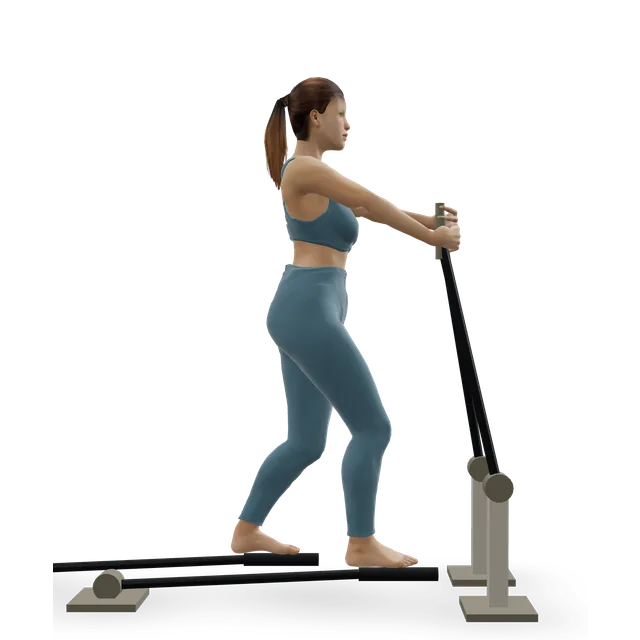
Aerobic exercise raised peak fitness (the most oxygen the body can use, or VO2max) by about 2.9 ml/kg/min in 8 trials with 358 people, a meaningful amount, though the certainty was very low. Strength or combined training raised it by about 3.7 in 3 small trials (moderate certainty), and combined training by about 4.5 in 7 studies. Exercise also improved how far people could walk in 6 minutes.
Sources 1, 2, 19, 16
Strength and muscleEmerging evidence
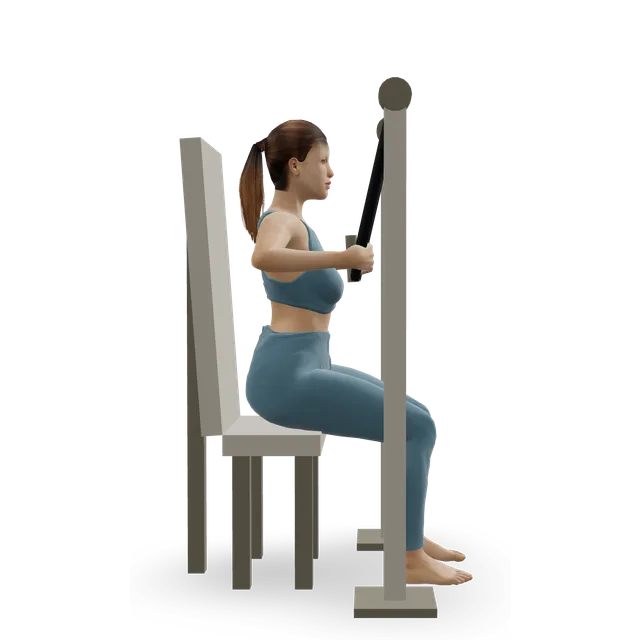
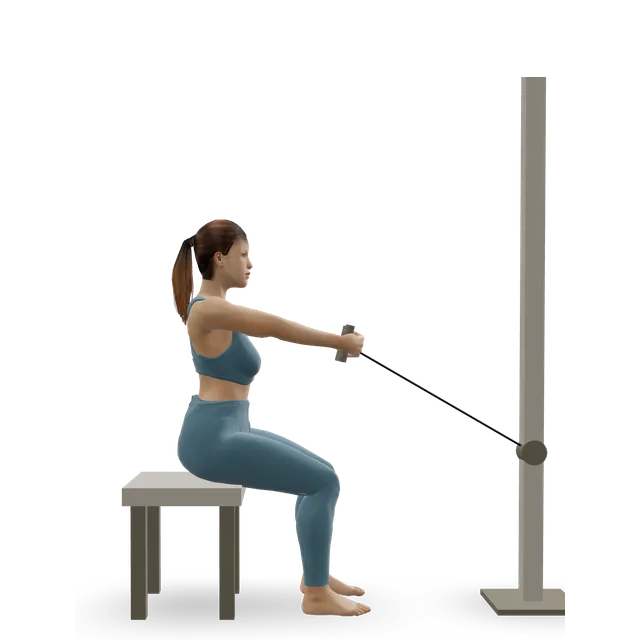
Strength training raised chest press strength by about 12 kg in 2 small trials (low certainty), and combined training raised leg strength by about 25 kg in 7 studies.
Sources 2, 19
Combined training works bestEmerging evidence
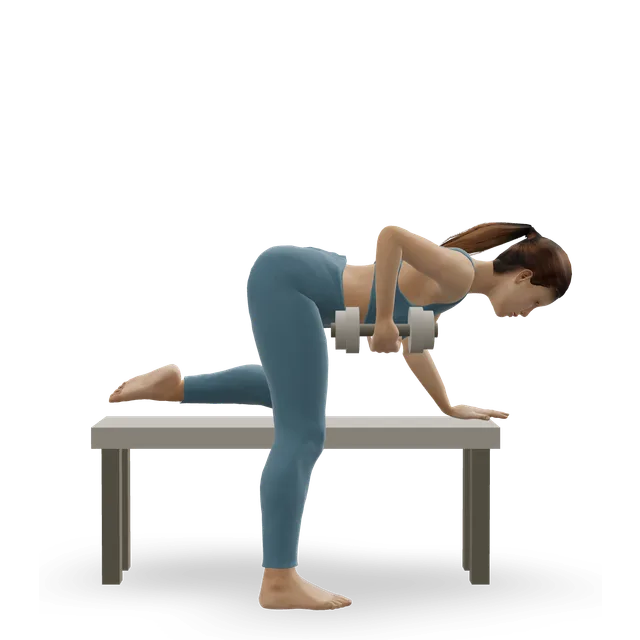
In a network meta-analysis of 40 trials with 1,518 people, combined cardio and strength training ranked first for fitness and for physical function, general health, mental health and energy, ahead of cardio, strength training or yoga alone.
Source 3
MoodEmerging evidence
In 10 trials with 479 people, exercise reduced depression and anxiety symptoms, with bigger effects at 3 or more sessions a week. A second review of 5 trials found the same for depression. The trials were small.
Sources 21, 22, 1
Body shapeEmerging evidence
Aerobic exercise reduced waist size and body fat in 9 trials with 469 people, and strength training added muscle. Exercise at home or in the community, with little supervision, added about 1,100 steps a day and improved physical quality of life in 13 studies.
Sources 23, 24
Blood fats and blood sugarMixed evidence
Exercise may raise HDL (high-density lipoprotein, the "good" cholesterol) and improve blood sugar, but its effect on LDL (low-density lipoprotein) cholesterol was inconsistent, while dietary counselling lowered LDL. Exercise helps alongside a statin, not instead of one.
Sources 25, 26
BoneEmerging evidence
In 7 trials with 210 people, exercise produced a small but real gain in bone density, with strength training possibly helping most at the hip. The studies were of poor to moderate quality.
Source 27
Older adults and muscleEmerging evidence
In adults over 50 who had lived with HIV for 9 to 25 years, exercise improved quality of life and fitness in 10 trials with 372 people, but not sleep. Combined strength and cardio training increases muscle mass, which HIV puts at risk.
Sources 28, 15
Where medicines carry the evidenceStrong evidence
HIV medicine controls the virus, and statins, now recommended for many people with HIV, lower heart risk. Exercise adds fitness, strength, mood and quality of life on top of them.
Sources 6, 7