Pilates
Big-movement Pilates for Parkinson's: a 25-minute chair, counter and mat class
Pilates hasn't been shown to slow Parkinson's, but in small trials it improved leg strength, balance and walking tests. This class uses big, deliberate movements: it starts seated, moves to a kitchen counter for strength and balance, and offers an optional mat block that includes practising getting down to the floor and up again. Try it at a time of day when you move most easily, keep the counter within reach, and skip the mat block if getting down isn't safe for you yet. It adds to your medicines and your physiotherapist's advice, and never replaces them.
Sit tall and breathe
- Seated march1 minBeginner · Hip flexors, Quads, Abs · 3D demoBig knee lifts, swing your armsHarder: Standing march
- Seated upper-back lift (sit tall, shoulders back)3 to 5, each held 3 to 5 sBeginner · Back, Shoulders, Neck · 3D demoLift your breastbone, shoulders back and downEasier: Elbows backHarder: Prone Y-T-W raises
- Thoracic rotation6 each sideBeginner · 3D demoTurn big and slow, hips facing forwardEasier: Side-lying open bookHarder: World's greatest stretch




Big movements at the counter
- Sit to stand from a chair2 sets of 5Beginner · Quads, Glutes, Hamstrings · 3D demoPump your feet 10 times first; nose over toes, then stand up tallEasier: Sit to stand, pushing on the thighsHarder: Bodyweight squat
- Standing march1 minBeginner · Hip flexors, Abs, Glutes · 3D demoTo a beat or a count, with big stepsEasier: Seated marchHarder: Standing band hip flexion
- Side-stepping (sideways walking)10 steps each wayBeginner · Hip abductors, Glutes, Adductors · 3D demoBig steps, feet clear of the floorHarder: Lateral band walk
- Standing spiral reach5 each sideBeginner · Abs, Back, Shoulders · 3D demoReach long and turn, watching your handEasier: Thoracic rotationHarder: World's greatest stretch
- Beginner · Hip abductors, Glutes, Abs · 3D demoHand on the wall, body tallHarder: Lateral band walk, band at the feet




Balance
- Beginner · Calves · 3D demoBoth hands on the counterEasier: Seated bent-knee calf raise (soleus raise)Harder: Standing dumbbell calf raise
- Semi-tandem stance2 holds of 15 s, each foot in frontBeginner · Calves, Hip abductors · 3D demoHand hovering over the counterHarder: Tandem stance and heel-to-toe walk
- Single-leg standOptional: 2 holds of 10 s each legBeginner · Hip abductors, Calves, Glutes · 3D demoOnly if semi-tandem is steadyEasier: Tandem stance and heel-to-toe walkHarder: Single-leg reach matrix



Mat, optional
- Get up and down from the floor1 slow cycle, ending on the floorBeginner · Quads, Glutes, Abs · 3D demoUse the chair, with someone nearbyEasier: Sit to stand from a chairHarder: Bodyweight get-up
- Pelvic tilt into bridge6 slowBeginner · Glutes, Abs, Hamstrings · 3D demoPeel up part wayHarder: Glute bridge
- Dead bug heel taps5 each sideBeginner · Abs, Hip flexors · 3D demoHead down, back stillEasier: Bent-knee fall-outHarder: Forearm plank
- Side kick (Pilates side kick series)8 each sideBeginner · Hip flexors, Glutes, Hip abductors · 3D demoGlide the leg forward and backHarder: Side-lying leg circles (Pilates side kick series)
- Swan (Pilates swan dive)5 small liftsIntermediate · Back, Glutes, Triceps · 3D demoLift the chest, hips heavyEasier: Mermaid (Pilates seated side bend)Harder: Double-leg kick (Pilates double kick)
- Bird dog, one limb at a time5 each arm and legBeginner · Abs, Back, Glutes · 3D demoOne limb at a timeEasier: Side-lying tummy draw-inHarder: Bird dog
- Get up and down from the floor2 slow cyclesBeginner · Quads, Glutes, Abs · 3D demoRoll to your side, then all fours, one knee, and push up with the chair; sit before you standEasier: Sit to stand from a chairHarder: Bodyweight get-up





Posture finish, standing
- Wall angel8 slowBeginner · Back, Shoulders · 3D demoBack and head near the wallEasier: Table slide (seated forward reach)Harder: Prone Y-T-W raises
- Chin tuck5 holds of 5 sBeginner · Neck · 3D demoSlide the chin straight backEasier: Lying chin tuckHarder: Isometric neck holds (four-way)
- Doorway chest opener2 holds of 30 s each sideBeginner · Chest, Shoulders · 3D demoElbow at shoulder height or lowerEasier: Elbows backHarder: Fish pose (Matsyasana)



Tips
- Two or three times a week, plus walking or cycling on other days: Parkinson's UK suggests building up to 2.5 hours of activity a week.
- Before you stand, pump your feet up and down 10 times, and sit for a moment after the mat block. If you feel dizzy, sit with your legs raised until it passes.
- If your feet freeze, stop, shift your weight onto one leg and restart to a count: "one, two, three, step".
- Practise getting down and up only with someone nearby and a sturdy chair. If it isn't safe yet, repeat the standing block instead.
- Keep going: in the trials, the gains faded within weeks of stopping.
- After any fall, see your GP. Call 999 if you may have hurt your head, neck, back or hip, or can't get up.
The doses are suggested starting points, not a prescription. Choose a range you can control and stop for sharp or increasing pain, numbness or tingling. Get individual advice after an injury or surgery, or if you are pregnant or managing a health condition.
Guides that recommend it
Find more moves like these
More pilates


Beginner Pilates workout
A 20-minute mat Pilates workout for complete beginners. It covers breathing, spine position and the foundation moves, each with an easier option.
20 minBeginner13 movesNo equipment

10-minute Pilates abs
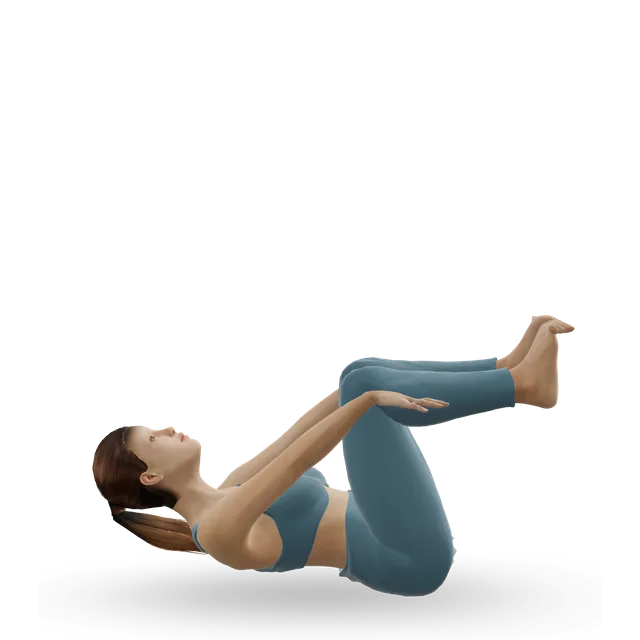
Ten minutes of the classic Pilates abdominal series: the hundred, the roll-up and the series of five, with a plank to finish.
10 minIntermediate11 movesNo equipment
Full-body mat Pilates workout
A 30-minute intermediate mat Pilates class that follows the classical order, from the hundred to the push-up, with prep versions of the hardest moves.
30 minIntermediate22 movesNo equipmentQuestions people ask
How long does the big-movement pilates for parkinson's: a 25-minute chair, counter and mat class take?
About 25 minutes, including any warm-up and cool-down listed. Shorten it by doing fewer rounds; lengthen it by adding one.
What equipment do I need?
You need: A bench or box, A wall. Each move links to its guide, where you can find an alternative if you are missing something.
Is it suitable for beginners?
It is written for beginners. 14 of its 21 moves have an easier option listed beside them if you need one.
How do I make it easier or harder?
Use the easier or harder option listed under each move, change the number of rounds, or adjust the rest. Progress one change at a time.