Pain guide · Back pain

Upper back pain in older adults: spinal fractures, a rounded back, arthritis, shingles and the heart

Pain between or around the shoulder blades doesn't become more common with age, but the mix of causes changes. Most of it still comes from the muscles, joints and ribs of the upper back. From about 50, a spinal fracture from thin bones becomes a real possibility, often after a minor fall, lift or cough and sometimes with no clear cause, and only about 1 in 4 is diagnosed. A rounded upper back, arthritis on a scan, shingles and polymyalgia rheumatica become more common too, and, rarely, the heart, the lungs or the body's main artery can be felt there.

This guide starts with the warning signs: upper back pain with chest discomfort, breathlessness, sweating or feeling sick, or a sudden tearing pain, needs 999 straight away, and back pain with a fever, a past cancer or pain that is quickly getting worse needs help the same day. Then it sorts the causes by how the pain started and where it is, explains spinal fractures, bone checks and a rounding back, covers bending, lifting and falls, says when to see a general practitioner (GP) or contact the National Health Service's 111 line (NHS 111), and gives a three-stage plan with 3D demos.

When to get help first

Exercise is for pain that has been checked or is clearly mild and settling.

Get urgent medical help if

  • Call 999 or go to A&E: back pain with chest pain, or back pain that started after a serious accident, such as a car crash.
  • Call 999: sudden pain or discomfort in your chest that does not go away (it can feel like squeezing or pressure, burning or indigestion); pain that spreads to your left or right arm, or your neck, jaw, shoulder, stomach or back; or chest pain and you feel sweaty, sick, light-headed or short of breath. It could be a heart attack. Don't drive yourself to A&E.
  • Call 999: sudden chest or back pain that can feel like something being torn inside, and causes shortness of breath, and problems with walking, vision and speaking (the NHS's wording, on its costochondritis page). It can be a tear in the wall of the body's main artery (an aortic dissection). Don't drive yourself to A&E.
  • Call 999 or go to A&E if breathing suddenly becomes difficult, if pain in your chest or upper back comes on suddenly with breathlessness or a very fast heartbeat, or if someone passes out. Do not drive yourself. It can be a blood clot that has reached the lungs.
  • Call 999 or go to A&E if you're struggling to breathe (you're choking, gasping and unable to speak), or you have pain in your chest or upper back with symptoms of lung cancer, such as a cough that won't go away, breathlessness or coughing up blood.
  • Call 999: sudden, severe pain in the tummy or back, which can come with breathlessness, pale or grey skin, or collapse. It can be a burst abdominal aortic aneurysm, most common in men aged 65 or over and in people who smoke or used to smoke.
  • Call 999 or go to A&E: you have sudden, severe pain in your tummy; pain that spreads from your tummy to your back, and you're being sick; your temperature is very high, or you feel hot, cold or shivery; or your skin or the white part of your eyes looks yellow. These can be signs of a problem with gallstones.
  • Call 999 or go to A&E: new problems walking, loss of bladder or bowel control, or a sudden loss of coordination, such as difficulty doing up buttons. These can be signs of pressure on the spinal cord.
  • Call 999 or go to A&E: loss of feeling or numbness around the genitals or bottom, new trouble peeing or controlling your bladder or bowels, changes in genital sensation during sex or problems with erections or orgasm, or pain, tingling, weakness or numbness in both legs. These are signs of cauda equina syndrome, which needs treating in hospital urgently. Don't drive yourself.
  • Call 999 if you or someone else has fallen and may have hurt the head, back, neck or hip, or cannot get up. Get help from NHS 111 after a fall if you may be in pain, injured or unwell.
  • Same day (GP or NHS 111): back pain and you feel hot, cold, shivery or generally unwell, or severe pain that starts suddenly or is getting worse quickly.
  • Same day: you have or have had cancer, and new back pain that is severe and doesn't let up, is getting steadily worse, is worse at night and disturbs your sleep, is worse when you cough, sneeze or strain, or comes with tenderness over the spine. Contact your cancer team or GP urgently. With cancer, new weakness, difficulty walking, numbness or bladder or bowel problems are an emergency.
  • Get help from NHS 111: pain or tightness in your chest, neck, shoulders, jaw or arms that comes and goes, often brought on by exercise, stress, emotion or cold and easing after a few minutes' rest. It can be angina, a sign of a heart problem. If you've been diagnosed with angina, get help from NHS 111 too if it feels worse than before, is happening more often, lasts longer or happens when you're resting.
  • Contact a GP immediately, go to 111.nhs.uk or call NHS 111: a new or frequent headache that usually comes on suddenly (your scalp may also feel sore or tender), pain in the jaw muscles or tongue when eating or talking, or problems with your sight, such as double vision or loss of vision in 1 or both eyes. With pain and stiffness around the shoulders, these can be signs of temporal arteritis (giant cell arteritis), which up to 1 in 5 people with polymyalgia rheumatica develop. If you suddenly can't see from 1 or both eyes, call 999 or go to A&E.
  • Ask for an urgent GP appointment or get help from NHS 111: you have symptoms of shingles and you're pregnant, you're breastfeeding and the shingles rash is on your breasts, the rash is on your eye or nose, you have changes to your vision, you have a severely weakened immune system, or you're 17 years old or younger.

See a doctor or physiotherapist if

  • Sudden new pain in the middle or upper back after a minor fall, lift, cough or sneeze, or with no clear cause, from 50 or past the menopause, or if you take long-term steroid tablets; or height loss of 4 cm or more, or a back that is becoming more rounded: see a GP. It can be a spinal fracture; UK guidance asks GPs to think of one, especially with pain in the upper or middle back.
  • A spinal fracture found on an X-ray or scan: ask your GP about a bone health check and treatment to prevent another. UK guidance asks for follow-up through a fracture liaison service for women past the menopause and men aged 50 and over with a new spinal fracture.
  • You're 50 or over, or past the menopause, and have broken a bone in a fall from standing height or less, or you take steroid tablets long term: ask your GP about a fracture risk assessment. NICE recommends offering a bone density (DXA) scan after a broken hip or spine from thin bones, or another major fragility fracture, such as a broken wrist or shoulder, in the last 2 years.
  • A burning, tingling or painful patch of skin on one side of your back or chest, with or without a rash: get advice from a pharmacist or NHS 111 as soon as possible. Shingles can cause pain a few days before the rash appears, and rarely without one. Try to see a pharmacist within 3 days of the rash appearing.
  • If you're 65, aged 70 to 79, or have a severely weakened immune system, ask your GP surgery about the shingles vaccine. It lowers your chance of shingles and of the long-lasting nerve pain that can follow it.
  • See a GP if you have pain and stiffness for more than a week, especially if you're over 50, it's in both shoulders (often the neck and hips too) and the stiffness lasts longer than 45 minutes in the morning. It can be polymyalgia rheumatica.
  • Pain at the top of the back, between the shoulders, rather than in the lower back.
  • Unexplained weight loss, or a lump, swelling or change in the shape of your back.
  • Pain that doesn't improve with rest or is worse at night, or pain that is worse when you sneeze, cough or poo.
  • You are 60 or over with bone pain in your hips, back, ribs or shoulders that won't go away, especially with tiredness, feeling very thirsty or weight loss: see a GP. The National Institute for Health and Care Excellence (NICE) asks GPs to offer blood tests for myeloma in people 60 and over with persistent bone pain.
  • Back or chest pain with a cough that has lasted 3 weeks or more, breathlessness, weight loss or loss of appetite, especially if you smoke or used to: see a GP.
  • Any fall or near-fall, new unsteadiness, or a new fear of falling: ask about a falls assessment.
  • Back pain that hasn't improved after a few weeks of looking after it at home, stops you doing day-to-day activities, worries you, or you're struggling to cope.

Where does it hurt?

Location narrows the likely causes; it does not diagnose.

An ache or stiffness between or around the shoulder blades after a still spell, gardening or lifting, easing as you move

Usually the muscles and small joints of the upper back, as at any age. This guide's plan covers it; our general upper back guide has more.

Read: Upper back pain →
Sudden pain in the middle or upper back after a minor fall, lift, cough or sneeze, or with no clear cause, from 50

Possibly a spinal fracture from thin bones, which can also be felt round the ribs: see a GP, as the warning signs say. Our spinal compression fracture guide covers recovery.

Read: Spinal compression fracture →
A back that is becoming more rounded, or height loss of 4 cm or more

Sometimes spinal fractures, some of which never hurt, and sometimes a curve that comes with age: see a GP and ask about a bone check. Our kyphosis page covers posture exercises.

Under or around one shoulder blade, right or left

Often the muscles, the neck or the shoulder. Our shoulder blade guide maps both sides, including the organs that can be felt there.

Read: Pain under the shoulder blade →
The middle of the back, below the shoulder blades

Our middle back guide covers it.

Read: Middle back pain →
Pain when you breathe in, or a tender spot over a rib at the back

Often a rib joint or a strain. Our breathing guide covers which breathing pains need urgent help.

Read: Upper back pain when breathing →
A sore rib after a fall, a knock or a coughing fit

With thin bones, a cough or sneeze can sometimes break a rib. Our rib injury guide covers the breathing advice and when to get it checked.

Read: Rib injury →
A tingling, burning or painful band on one side of the back or chest, then a rash

Possibly shingles, which can hurt a few days before the rash appears: get advice from a pharmacist or NHS 111 soon, as the warning signs say.

Both shoulders, the neck and the hips stiff for more than 45 minutes each morning, from 50

Possibly polymyalgia rheumatica: see a GP, as the warning signs say. Our polymyalgia rheumatica exercise page covers staying active.

Upper back pain with chest discomfort, breathlessness, sweating or feeling sick, or brought on by effort and eased by rest

Possibly the heart: call 999, or contact NHS 111 for the angina pattern, as the warning signs say.

Sudden, severe, tearing pain in the chest or back, or sudden breathlessness with chest or upper back pain

Rarely a torn aorta or a blood clot in the lungs: call 999.

Pain that is constant or worse at night, or comes with weight loss, a fever or a past cancer

Rarely cancer, myeloma or an infection: get help the same day or see a GP, as the warning signs say.

A scan report that says degeneration, facet joint arthritis or bony bridges along the spine

Very common in later life, and not a cause of pain on its own. This guide's plan suits it.

Neck pain or stiffness too

Our neck pain in older adults guide covers arthritis in the neck and the nerve and spinal cord signs.

Read: Neck pain in older adults →
The low back, in later life

Our back pain in older adults guide covers the low back, spinal stenosis, spinal fractures and falls.

Read: Back pain in older adults →
Upper back pain in a woman

Our upper back pain in women guide covers bra fit, the menopause, thin bones and heart signs in women.

Read: Upper back pain in women →
Upper back pain in a man

Our upper back pain in men guide covers desk work, lifting and the gym, ankylosing spondylitis and heart signs.

Read: Upper back pain in men →

Understand it

The mix of causes changes more than how often it hurtsEmerging evidence

In 34,902 Danish adults aged 20 to 71, upper back pain was the least common spinal pain (4% had it for 30 days or more in a year), women reported it more at every age, and it wasn't more common in the oldest groups, though their pain lasted longer. In 1,037 people aged 68 to 100 in the US Framingham Study, back symptoms didn't become more common with age, and those in the mid or upper back were commoner in women. Studies of upper back pain beyond 70 are few, so most of what follows comes from studies of the whole back or of particular causes.

What does change is the list. Desk and gym strains matter less; spinal fractures from thin bones, a rounding back, shingles, polymyalgia rheumatica and the heart matter more. Most upper back pain still comes from the muscles, small joints and rib joints. In 119 women after the menopause (average age 61), half had upper back pain in the past month, and better endurance in the back muscles went with lower odds of it (odds ratio 0.46), a link rather than proof of cause.

Sources 1, 2, 3

Spinal fractures from thin bones: common from 50Strong evidence

A spinal fracture (a vertebral or compression fracture) is when a weakened bone in the spine squashes. In 15,570 people aged 50 to 79 in 19 European countries, 12% of women and 12% of men had a squashed vertebra on an X-ray, more often with age and more steeply in women; new ones happened at about 10.7 per 1,000 women and 5.7 per 1,000 men a year. In a US town, 83% of diagnosed spinal fractures followed moderate or no injury, and of 107 people seen in a Swedish emergency unit with a new one (average age about 75), 65.4% had fallen from standing height or had a minor injury and 34.6% remembered no event at all. The NHS says a cough or sneeze can sometimes break a rib or partly collapse one of the bones of the spine.

The upper back is a common place for them: wedge-shaped fractures cluster in the middle of the upper back and around the waist, in women and men alike (13,562 Europeans). The UK osteoporosis guideline asks GPs to think of a spinal fracture in women past the menopause and men 50 and over with sudden back pain, "especially thoracic pain" (pain in the upper or middle back). Of 669 people over 55 who saw a GP in the Netherlands with back pain, 5% were diagnosed with a spinal fracture within a year, more often at 75 or over, after an injury, with known osteoporosis, with severe pain or with upper or middle back pain. The National Institute for Health and Care Excellence (NICE) lists back pain or rib pain spreading round the chest with no clear cause, height loss of more than 4 cm and an exaggerated curve among the signs of a spinal fracture, and long-term steroid tablets as a reason to check too.

Sources 4, 5, 6, 7, 8, 9, 10, 11, 12

Often missed, and not always painfulStrong evidence

In a large trial of older women, only about 1 in 4 new spinal fractures seen on X-rays had been diagnosed (22.6% of 446; 14.3% of milder ones and 28.4% of more severe ones). In an international study of 2,451 women, local X-ray reports missed 34% of spinal fractures, and the UK osteoporosis guideline says "The majority of vertebral fractures do not currently come to medical attention". The Royal Osteoporosis Society adds that "Sometimes, spinal fractures don't cause the pain you'd expect from a broken bone", and the pain can be mistaken for arthritis.

They still matter. In 7,223 women aged 65 and over, a new spinal fracture raised the odds of more back pain (odds ratio 2.4), back disability (2.6) and a day or more of bed rest (6.7), even when it never came to medical attention. In 2,992 women aged 65 to 70, mild deformities weren't linked with back pain, but severe ones were (1.9 times the risk of moderate to severe back pain), so a scan finding isn't always the source of pain either.

Sources 13, 14, 10, 15, 16, 17

A rounded upper back is common, and it isn't the same as a fracture or as painEmerging evidence

A rounded upper back (hyperkyphosis) affects roughly 20% to 40% of older men and women. In women the curve rises from an average of 43 degrees at 55 to 60 to 52 degrees at 76 to 80, usually by less than 1 degree a year, and a very rounded back goes with lower bone density, fractures and poorer balance and walking. The NHS says some older people develop a stooped posture "when the bones in the spine have broken".

But a curve isn't a fracture in itself: in the most curved quarter of 1,407 Californians aged 50 to 96, only about 36% had fractures in the upper back, and disc wear, not fractures, was the commonest finding. The authors still advise a check for fractures. Nor is it the same as pain: the 10% of 610 women aged 65 to 91 with the most curved backs "had no greater back pain, disability caused by back problems, or poorer health". So a new or growing curve, or height loss, is a reason to see a GP, and pain shouldn't be written off as the curve or as age.

Sources 18, 19, 20, 8, 21

Arthritis and bony bridges on a scan: common, and not a cause on their ownEmerging evidence

On computed tomography (CT) scans of 1,195 adults in the Framingham Study, moderate to severe arthritis in the small facet joints of the upper back showed in 80% to 81% of people aged 60 to 69 and 83% to 85% of those aged 70 to 89, much the same in women and men. A review of magnetic resonance imaging (MRI) studies of the upper back could draw no firm conclusions about whether such findings explain pain (only 2 studies tested upper back pain), and in the 119 women after the menopause, upper back arthritis on X-ray wasn't independently linked with upper back pain.

Bony bridges down the side of the spine (diffuse idiopathic skeletal hyperostosis, DISH) are mostly in the upper back: 22.0% of men and 4.8% of women had them in a Japanese population study, and 42% of US men aged 65 and over, rising to 56% from 80. Those men reported less back pain in the past year, not more (59% against 71%). A report of "degeneration" or "DISH" is common and isn't a cause of pain on its own.

Sources 22, 23, 3, 24, 25

Shingles: pain can come before the rashStrong evidence

The NHS says the first signs of shingles can be "a tingling or painful feeling in an area of skin" and a headache or feeling generally unwell. "A rash will usually appear a few days later. In rare cases shingles can cause pain without a rash." The rash is on one side of the body only, usually the chest and tummy. About 3 in 10 people get shingles in their lifetime, the risk rising sharply after 50, to about 8 to 12 cases per 1,000 people a year at 80 (130 studies).

Long-lasting nerve pain after shingles (post-herpetic neuralgia) is "more common in older people" and can last "from a few months to over a year", the NHS says. The shingles vaccine reduces the chance of both. On the NHS it is offered to all adults turning 65, to everyone aged 70 to 79, and to people aged 18 and over with a severely weakened immune system (the UK Health Security Agency).

Sources 26, 27, 28, 29, 30

Polymyalgia rheumatica: both shoulders and hips, not the upper back itselfStrong evidence

Polymyalgia rheumatica causes pain and stiffness in the muscles around the shoulders, neck and hips, with morning stiffness that lasts longer than 45 minutes, and sometimes tiredness and weight loss. The NHS says most people diagnosed are over 65 and it is very rare under 50; NHS inform says most are over 70, and that both sides of the body are usually affected. Neither page, nor Arthritis UK's, lists the upper back itself: the clue is both shoulders and the hips.

It is more common in women than men. In UK general practice records, about 96 people in every 100,000 over 40 were diagnosed each year; in one US county (Olmsted County, Minnesota), the lifetime risk was 2.4% for women and 1.7% for men. Up to 1 in 5 people with it develop temporal arteritis (giant cell arteritis), whose signs are in the urgent warning signs.

Sources 31, 32, 33, 34, 35

The heart, the aorta and the lungs: rare, but 999Strong evidence

The NHS angina page lists pain that "spreads to your left or right arm, or your neck, jaw, shoulder, stomach or back" among its 999 signs. In a US registry of 1,143,513 heart attacks, 35.4% of people had no chest pain at first (42.0% of women and 30.7% of men), and older people more often had a heart attack without chest pain; the gap between women and men narrowed with age. Across 27 studies, women had about twice the odds of pain between the shoulder blades (odds ratio 2.15). So upper back pain with chest discomfort, breathlessness, sweating or feeling sick is a 999 call, at any age.

A tear in the body's main artery (aortic dissection) is rare: about 6 per 100,000 people a year in Oxfordshire, average age 72, starting about 10 years later in women than in men, with similar rates in women and men from 75. Uncontrolled high blood pressure is the main risk that can be treated. There is no NHS page for it; its costochondritis page describes "sudden chest or back pain that can feel like something being torn inside". A blood clot in the lungs brings sudden breathlessness with chest or upper back pain.

The NHS lung cancer page lists chest or shoulder pain, a cough that won't go away, breathlessness and weight loss, and its 999 box includes pain in your chest or upper back. NICE offers an urgent chest X-ray from 40 with 2 or more unexplained symptoms, or 1 if you have ever smoked; chest pain is on its list, back pain isn't. A tumour at the very top of the lung (a superior sulcus or Pancoast tumour, about 5% of non-small cell lung cancers) most often causes shoulder pain (60% across 31 studies) and arm or nerve symptoms, and is sometimes first mistaken for a muscle or joint problem.

Sources 36, 37, 38, 39, 40, 41, 42, 43

Cancer, myeloma, infection and the gallbladder: rare, with their own cluesStrong evidence

Of 669 people over 55 who saw a GP with back pain, 6% were diagnosed with a serious cause within a year, mostly spinal fractures (5%). With a past or current cancer, NICE asks for specialist advice within 24 hours for back pain that is severe and unrelenting, getting worse, worse at night, worse when you strain, or with tenderness over the spine; its list is written for back pain in general and doesn't single out the upper back. NICE also asks GPs to offer blood tests for myeloma, a cancer of the bone marrow, at 60 and over with persistent bone pain, particularly back pain, or an unexplained fracture.

An infection in the spine is rare: 2.2 rising to 5.8 cases per 100,000 people a year in one Danish county, highest over 70. Pain that spreads from the tummy to the back, with being sick, can be a gallstone problem and is a 999 call, the NHS says.

Sources 11, 44, 42, 45, 46

When a scan or test mattersStrong evidence

Ordinary upper back pain usually needs no scan; NICE, writing about low back pain, says don't routinely offer imaging. A suspected spinal fracture needs a spine X-ray or a spine check during a bone density (DXA) scan: NICE suggests the spine check for men 70 and over and women 60 and over having a bone density scan, and for younger people with unexplained back or rib pain, height loss of more than 4 cm, a rounded back or long-term steroid tablets. Once that check has found a fracture, NICE says further spinal imaging isn't routine unless the result is uncertain or another cause, such as cancer, is suspected; imaging also confirms the level before any cement procedure.

There is no single test for polymyalgia rheumatica, but NHS inform says you should have blood tests for signs of inflammation before starting steroids, and NICE asks for myeloma tests at 60 and over with persistent bone pain and a chest X-ray for lung symptoms. Heart and aorta symptoms are tested in hospital. After a spinal fracture from thin bones, NICE recommends offering a bone density scan to guide treatment, and the Royal Osteoporosis Society says a doctor may prescribe an osteoporosis medicine "without further tests".

Sources 47, 12, 48, 32, 42, 49, 15

How it usually goesMixed evidence

NHS inform says new back problems should begin to settle within 6 weeks, written for adults of any age. A spinal fracture takes 6 to 12 weeks to heal, the Royal Osteoporosis Society says, and you can usually expect it to heal within about 3 months, though for some people the pain doesn't go away completely. In 107 people seen in a Swedish emergency unit with a new, painful spinal fracture, pain had improved only 10% to 15% by 3 months and changed little after that, up to a year. The two pictures differ, so the honest answer is that the bone usually heals within about 3 months, many people improve as it does, and some have pain for longer.

The shingles rash can take up to 4 weeks to heal, and the skin can stay painful for weeks after. Polymyalgia rheumatica usually needs steroid treatment for 12 months to 2 years. A rounded back changes slowly. No one can promise a timescale.

Sources 50, 51, 7, 26, 31, 21

What helps, and how strong the evidence is

Keep moving: the first advice, even after a spinal fractureStrong evidence

The NHS says stay active and try to continue your daily activities, don't stay in bed for long periods, and use a heat pack or an ice pack wrapped in a tea towel. After a spinal fracture, the Royal Osteoporosis Society says aim to stay as active as possible, which can lower the risk of chest infections, constipation and blood clots, and that "Movement does not affect the healing process"; if the pain is severe early on, rest for a while. It adds: "Be reassured that spinal fractures caused by osteoporosis do not cause paralysis."

Sources 52, 51, 15

Exercise after a spinal fracture: recommended, though the trials are smallMixed evidence

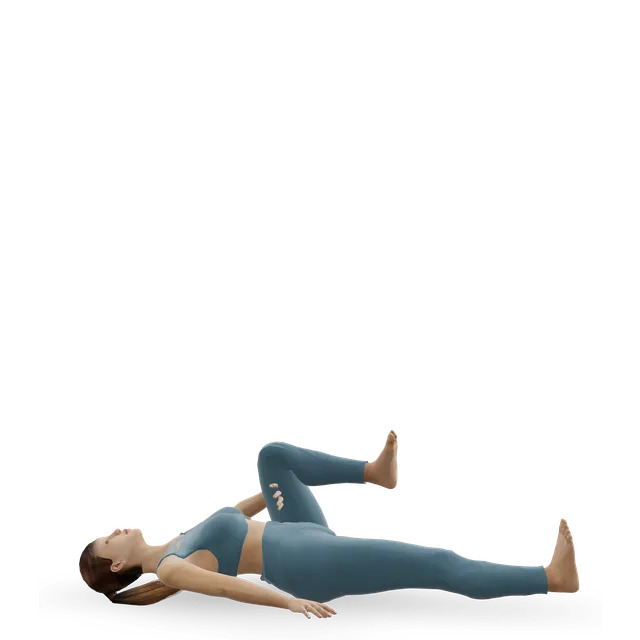
No trial has tested exercise for upper back pain in older adults, so the evidence is borrowed. After a spinal fracture, the UK osteoporosis guideline strongly recommends progressive strength work including the back muscles, starting in an unloaded position, such as lying on your back, if it hurts, and says physiotherapist-supervised exercise improves pain and physical performance. But the Cochrane review found only 9 trials (749 people, 68 of them men), with a small gain in walking speed and uncertain effects on pain and further fractures. Trials of exercise for long-lasting low back pain in people over 65 found a trend towards less pain and disability, on low-quality evidence.

The Royal Osteoporosis Society suggests gentle back exercises at least once a day from as soon as you feel ready, moving as far as your pain allows, and building up strength exercises once the bone has healed, which can take up to 3 months.

Sources 10, 53, 54, 55, 56

How much: the UK consensus on exercise with thin bonesEmerging evidence

The UK consensus on exercise for osteoporosis recommends back-muscle exercises repeated 3 to 5 times and held for 3 to 5 seconds, at least twice a week (daily, with a physiotherapist's advice, after a painful spinal fracture); strength work on 2 or 3 days a week, at the most you can lift 8 to 12 times, building up to 3 sets; and, after a spinal fracture, impact no harder than brisk walking unless a physiotherapist advises more. For bending and lifting, "Think straight": a straight upper back, with the neck in line with the spine, a hip hinge, and safe lifting rather than "don't lift". It advises avoiding deep or loaded rounding of the spine, recommends breathing exercises for symptoms a very rounded back can make worse, and finds little evidence of harm from exercise. These are expert consensus recommendations rather than trial results.

Source 57

A rounded back: exercise changes the curve a littleEmerging evidence

In 99 adults aged 60 to 88 with a rounded upper back, an hour of group spine strengthening and posture training 3 times a week for 6 months reduced the curve by 3 degrees against health education, with no change in physical function. Across 24 studies, exercise had a small effect on the curve (moderate certainty) and lowered pain slightly (low certainty). The Royal Osteoporosis Society says that if fractures have changed the shape of your spine, "you can't reverse the changes. But certain exercises may make some difference", and that its posture exercises suit people without fractures too.

Sources 21, 58, 59

Strength and balance exercise prevents fallsStrong evidence

Across 108 trials in older people living at home, exercise cut the rate of falls by 23% (high-certainty evidence). NICE asks for falls programmes that are progressive and tailored, focusing on balance, coordination, strength and power. The NHS asks adults aged 65 and over to be active every day and to do activities that improve strength, balance and flexibility on at least 2 days a week, and its own strength and balance exercises start with 5 slow sit-to-stands, wall press-ups, heel-to-toe walking and one-leg stands, near a wall or a stable chair.

Sources 60, 61, 62, 63, 64, 65

Painkillers: two guidelines differMixed evidence

The NHS says anti-inflammatory medicine like ibuprofen may not be suitable for everyone, and "paracetamol on its own is not recommended for back pain but it may be used with another painkiller"; ibuprofen may not suit people with a stomach ulcer now or in the past, a heart, liver or kidney condition, or a past stroke. NICE, writing about low back pain, says consider anti-inflammatory tablets taking account of the person's risks, including age, at the lowest effective dose for the shortest time. After a spinal fracture, the UK osteoporosis guideline says avoid anti-inflammatory painkillers (NSAIDs) in older people or, if they're used, add a medicine to protect the stomach. The two differ, so ask a pharmacist or GP which suits you.

Sources 52, 47, 10, 66

Braces and cement injections: not routineStrong evidence

After a spinal fracture, the UK osteoporosis guideline says "routine use of bracing for the treatment of acute or subacute vertebral fractures cannot be recommended". Cement injections into a fractured vertebra (vertebroplasty) gave no clinically important benefit against a placebo procedure across 5 trials of 541 people (0.7 points better out of 10 at a month). NICE recommends vertebroplasty or kyphoplasty only for severe ongoing pain after a recent, unhealed fracture despite the best pain relief, with the level confirmed by examination and imaging, and the Royal Osteoporosis Society says they "are not suitable for most people with spinal fractures".

Sources 10, 67, 48, 51

A bone check after a fracture prevents the next oneStrong evidence

NICE recommends offering a bone density (DXA) scan after a spinal fracture from thin bones. The UK osteoporosis guideline asks for prompt treatment and follow-up through a fracture liaison service for women past the menopause and men 50 and over with a new spinal fracture, because the risk of another fracture is highest soon after the first. The Royal Osteoporosis Society says a doctor may prescribe an osteoporosis medicine without further tests once spinal fractures are found.

Sources 49, 10, 15

How much pain is OK while you exercise?

Up to about 5 out of 10, no worse the next morning; after a spinal fracture, move only as far as pain allowsEmerging evidence

This is the rule from our back pain in older adults guide, which combines NHS inform's back exercise scale with the Royal Osteoporosis Society's advice. Rate your pain from 0 to 10 during exercise: NHS inform calls 0 to 3 minimal, 4 to 5 acceptable and 6 to 10 excessive, and asks you to keep it within 0 to 5. If it goes higher, do fewer repetitions, move more slowly or rest longer between movements. "Exercise should not make your existing back pain worse overall", and your pain should be no worse the morning after. Across 7 trials of long-lasting pain (none in older upper backs), exercise that allowed some pain did no worse than pain-free exercise.

After a spinal fracture, move slowly into each position as far as your pain allows, holding for 3 to 5 seconds, and if the pain is very severe at first, alternate gentle movement with rest (the Royal Osteoporosis Society). During strength exercise, the society says stop for feeling sick, dizziness or light-headedness, severe shortness of breath, clamminess or sweating, chest tightness or any pain, and that stiffness or soreness for a few days after new exercise is normal. That stricter "any pain" rule applies to the strength moves after a fracture, and the 0 to 5 scale to ordinary back pain (our back pain in older adults guide's reading of the two sources).

One upper back addition (editorial, building on the seated upper-back lift's move page): stop or shrink any move that brings on pain spreading round the ribs or into the chest. Upper back pain with chest discomfort, breathlessness, sweating or feeling sick, or a sudden tearing pain, isn't a pain-rule question: it is the 999 lines at the top of this page.

Sources 68, 55, 56, 69

The exercise plan: 3 stages

Start at the first stage. Each move opens a full guide with a 3D demo.

Stage 1

Keep moving, and ease the pain

About the first 2 weeks: daily, little and often (after a spinal fracture, while it heals). Short walks, heat for stiffness, the back exercises the Royal Osteoporosis Society gives from the start, and breathing. No trial has tested a plan for upper back pain in older adults: the doses come from the UK osteoporosis consensus, the Royal Osteoporosis Society, the NHS strength and balance pages and the move pages, as named, or are editorial. Because spinal fractures are common in later life and often not diagnosed, this plan keeps any rounding small and unloaded, and impact no harder than brisk walking, until a GP has checked any sudden pain (our suggestion, from the UK consensus). After a known spinal fracture, our spinal compression fracture guide's plan and your team's advice come first. With any warning sign, get checked first.

Treadmill walking demonstrated on the 3D figure3D demoTreadmill walkingBeginner · Cardio machine

5 to 10 minutes several times a day, building towards 20 minutes a day, no faster than brisk walking · Editorial; brisk walking is the UK osteoporosis consensus's limit for impact after a spinal fracture, and the NHS asks older adults to be active every day. Walking outdoors counts the same

Harder: Treadmill jogging

Seated upper-back lift (sit tall, shoulders back) demonstrated on the 3D figure3D demoSeated upper-back lift (sit tall, shoulders back)Beginner · A bench or box

3 to 5 repetitions, each held 3 to 5 seconds, at least twice a week; after a painful spinal fracture, daily, building to up to 10 · The move page's dose, from the UK osteoporosis consensus. Stop if it brings on sharp pain, or pain that spreads round the ribs, as the move page says

Easier: Elbows back · Harder: Prone Y-T-W raises

Cat-cow demonstrated on the 3D figure3D demoCat-cowBeginner · No equipment

Hold each end for 3 to 5 seconds, 3 to 5 times, at least once a day, keeping the rounding small · The Royal Osteoporosis Society's cat, moved as far as your pain allows, with the UK consensus's 3 to 5 repeats, as in our back pain in older adults guide; the move page's own dose is 8 waves

Harder: Half lord of the fishes (Ardha Matsyendrasana)

Chin tuck demonstrated on the 3D figure3D demoChin tuckBeginner · No equipment

3 to 5 repetitions, or holds of 3 to 5 seconds, 2 or 3 days a week with a day's rest between · The Royal Osteoporosis Society's posture exercises, which it says suit people with or without fractures

Easier: Lying chin tuck · Harder: Isometric neck holds (four-way)

Lateral breathing (Pilates breathing) demonstrated on the 3D figure3D demoLateral breathing (Pilates breathing)Beginner · No equipment

5 to 8 slow breaths at the start of each session · The move page's dose, an editorial starting point; the UK consensus recommends breathing exercises for symptoms that a very rounded upper back can make worse

Harder: Roll-up (Pilates)

Thoracic rotation demonstrated on the 3D figure3D demoThoracic rotationBeginner · No equipment

6 slow rotations each side, moving with the breath, sitting tall and keeping the turn small · The move page's dose. Stay upright rather than bending forward as you turn (editorial: the Royal Osteoporosis Society says bending and twisting can bring on spasms after a fracture), and leave it out in the first weeks after a fracture if it hurts

Easier: Side-lying open book · Harder: World's greatest stretch

Move on when: You can walk for 15 to 20 minutes, turning and reaching feel easier, and your back is no worse the next morning (editorial).

Follow along: a timer, a cue and the next move, one step at a time.
Stage 2

Build: back muscles, legs and balance

About weeks 2 to 8: strength on 2 or 3 days a week with a day's rest between, balance at least twice a week, and walking on most days. After a spinal fracture, wait until the bone has healed, which can take up to 3 months, before building up strength work, but keep the first-stage exercises going (the Royal Osteoporosis Society). Do the standing moves next to a kitchen counter, a sturdy chair or a wall.

Band row demonstrated on the 3D figure3D demoBand rowBeginner · A band + An anchor point

1 set of 8 to 12 at an effort you could manage only 8 to 12 times, building to 3 sets · The UK osteoporosis consensus's strength dose; the move page's own dose is 3 sets of 10 to 15

Harder: Supported single-arm dumbbell row

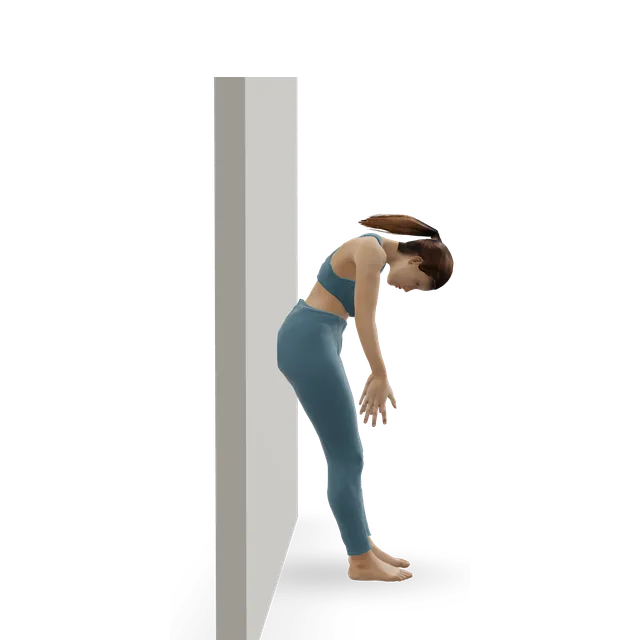
Wall push-up demonstrated on the 3D figure3D demoWall push-upBeginner · A wall

3 sets of 5 to 10 · The NHS strength exercises' dose

Harder: Push-up

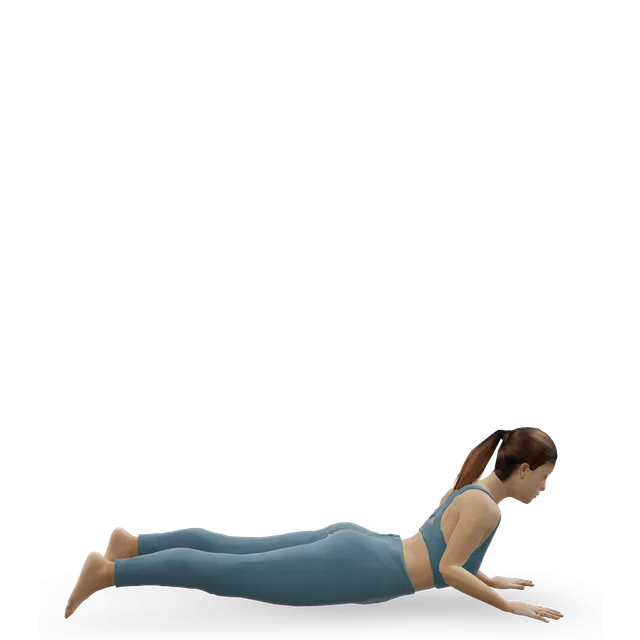
Low cobra (Bhujangasana) demonstrated on the 3D figure3D demoLow cobra (Bhujangasana)Beginner · No equipment

3 to 5 lifts, each held 3 to 5 seconds, at least twice a week · The UK osteoporosis consensus's back-strength dose. If lying face down hurts, stay with the seated upper-back lift for now: the UK osteoporosis guideline suggests starting back-muscle work without load if it hurts. Skip it with the stenosis pattern (buttock or leg pain on standing that sitting eases), as the move page says

Easier: Sphinx pose (Salamba Bhujangasana) · Harder: Cobra pose (Bhujangasana)

Sit to stand from a chair demonstrated on the 3D figure3D demoSit to stand from a chairBeginner · A bench or box

5 slow repetitions to start, building to 3 sets of 8 to 12 · The start is the NHS strength exercises'; the build is the UK consensus's 8 to 12 repetitions, up to 3 sets. Use a firm chair that can't slide or tip, as the move page says

Easier: Sit to stand, pushing on the thighs · Harder: Bodyweight squat

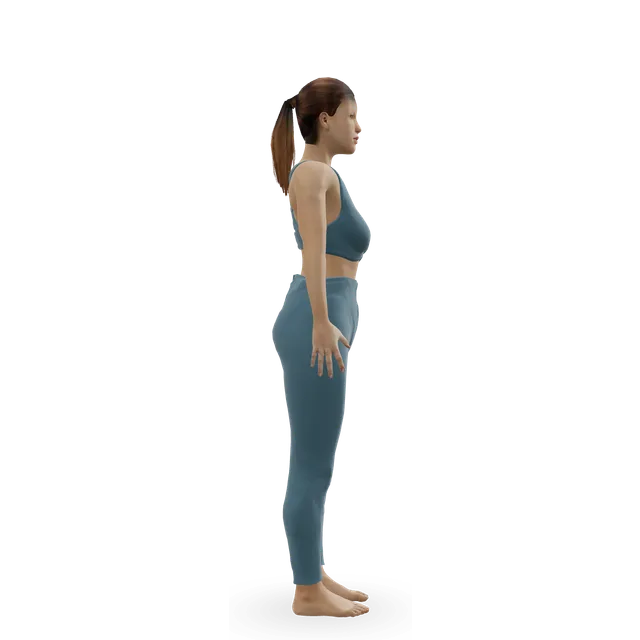
Tandem stance and heel-to-toe walk demonstrated on the 3D figure3D demoTandem stance and heel-to-toe walkBeginner · A wall

At least 5 heel-to-toe steps beside a wall · The NHS balance exercises' dose. Walk beside a wall or rail if you have fallen in the past year, as the move page says

Easier: Semi-tandem stance · Harder: Single-leg stand

Single-leg stand demonstrated on the 3D figure3D demoSingle-leg standBeginner · A wall

Hold for 5 to 10 seconds, 3 times each side, fingertips on a wall · The NHS balance exercises' dose. With dizziness or a recent fall, have someone nearby, as the move page says

Easier: Tandem stance and heel-to-toe walk · Harder: Single-leg reach matrix

Move on when: You can walk for 20 to 30 minutes, with pauses if you need them, the strength sets feel steady, and your back is no worse the next morning (editorial).

Follow along: a timer, a cue and the next move, one step at a time.
Stage 3

Stronger for everyday life: carrying, gardening and getting up from the floor

From about weeks 6 to 12: strength on 2 or 3 days a week, balance most days, walking on most days, and then keep going. Shopping, gardening, housework, bowls, golf, swimming and travel come back one at a time, a little less than before at first, adding a little every week or two while the pain rule holds, by the written steps below (our suggestion). After spinal fractures, keep impact no harder than brisk walking unless a physiotherapist advises more (the UK consensus).

Supported single-arm dumbbell row demonstrated on the 3D figure3D demoSupported single-arm dumbbell rowIntermediate · A dumbbell + A bench or box

1 set of 8 to 12 each side, building to 3 sets · The UK osteoporosis consensus's strength dose. Keep the spine still rather than twisting to finish a heavy repetition, as the move page says

Easier: Incline ring row · Harder: Bent-over barbell row

Locust pose (Salabhasana) demonstrated on the 3D figure3D demoLocust pose (Salabhasana)Beginner · No equipment

3 to 5 lifts, each held 3 to 5 seconds, at least twice a week · The UK osteoporosis consensus's back-strength dose. Lower the chest if the low back pinches, as the move page says

Easier: Seated upper-back lift (sit tall, shoulders back) · Harder: One-legged bow (half locust)

Hip-hinge practice demonstrated on the 3D figure3D demoHip-hinge practiceBeginner · No equipment

8 to 12 slow repetitions, 2 or 3 times · Editorial, within the UK consensus's 8 to 12 repetitions: the hip hinge is how the consensus and the Royal Osteoporosis Society teach bending with a straight back

Harder: Dumbbell Romanian deadlift

Farmer's carry demonstrated on the 3D figure3D demoFarmer's carryIntermediate · A dumbbell + A kettlebell

3 walks of 20 to 30 metres with a light weight in each hand, shoulders level and the load close · Editorial: practice for carrying shopping

Harder: Suitcase carry

Step-up demonstrated on the 3D figure3D demoStep-upBeginner · A step

Up to 5 steps with each leg on the bottom stair, holding the rail, building to 3 sets of 8 to 10 each leg · The start is the NHS balance exercises'; the build is editorial. Lower yourself under control rather than dropping off the edge, as the move page says

Easier: Low step-up · Harder: Dumbbell step-up

Get up and down from the floor demonstrated on the 3D figure3D demoGet up and down from the floorBeginner · No equipment

5 to 8 slow cycles down and up, changing the leading leg · The move page's dose, an editorial starting point. Practise the first few times with someone present and a sturdy chair close by, as the move page says; the NHS's steps for getting up after a fall are in the written steps below

Easier: Sit to stand from a chair · Harder: Bodyweight get-up

Move on when: Our suggestion: a normal week of activity passes the pain rule. Keep 2 strength days and some balance work every week for the long term, as the NHS asks of adults 65 and over, and drop back a stage for a week or two after a flare rather than stopping. A strength and balance class or a falls service helps many people keep going.

Follow along: a timer, a cue and the next move, one step at a time.

What to change for now

A flare: the first days (written steps)

Our 3D figure can't show these. Each step names its source.

  • 1. Stay as active as you can and try to continue your daily activities, and don't stay in bed for long periods (the NHS). After a spinal fracture, aim to stay as active as possible; if the pain is severe early on, rest for a while, then a painkiller can help you keep moving (the Royal Osteoporosis Society).
  • 2. A heat pack or hot water bottle wrapped in a tea towel can ease stiffness or muscle spasm, and an ice pack wrapped in a tea towel can ease pain and swelling (the NHS).
  • 3. Anti-inflammatory medicine like ibuprofen may not be suitable for everyone, and paracetamol on its own isn't recommended for back pain, though it may be used with another painkiller: check with a pharmacist or GP (the NHS).
  • 4. Spinal fractures from osteoporosis don't cause paralysis (the Royal Osteoporosis Society). New problems walking, or bladder or bowel changes, are still the 999 lines above.

Sources 52, 51, 15

Getting out of bed, and through the day (written steps)

These are NHS inform's steps for moving with back pain.

  • 1. Roll onto the side you find most comfortable.
  • 2. Support yourself with the arm closest to the bed and use your other arm to slowly raise yourself up.
  • 3. Carefully bring your legs to the floor and stand up.
  • 4. Your posture doesn't need to be perfect: move often so you don't stay in the same position for too long (NHS inform).

Source 50

Bending, lifting and jobs around the home with thin bones (written steps)

These come from the UK osteoporosis consensus and the Royal Osteoporosis Society, unless they say otherwise.

  • 1. "Think straight": keep your upper back straight and your neck in line with your spine whenever you bend or lift (the UK consensus).
  • 2. Bend from your hips with your back straight (the hip hinge) and keep the load close. Learn how to lift rather than avoiding lifting: the consensus recommends safe lifting rather than "don't lift".
  • 3. Swap sit-ups, touching your toes and the Pilates roll-down and curl-up, which can put pressure on the spine, for the hip hinge (the Royal Osteoporosis Society).
  • 4. Put a weight down if you feel the strain in your back, then lighten it or change your technique: "It is how you lift rather than how much you lift that matters" (the Royal Osteoporosis Society).
  • 5. After a fracture, split heavy jobs such as vacuuming and carrying washing into short spells, and walk the vacuum cleaner rather than bending and twisting with it. The society names pushing, pulling, bending and twisting, such as using a vacuum cleaner, among the triggers of spasms (the steps are our suggestion).
  • 6. Use a shopping trolley or a rucksack rather than carrying heavy bags in one hand (editorial).

Sources 57, 56, 51

Falls: around the home, and if you fall (written steps)

These come from the NHS falls page.

  • 1. Wear shoes or slippers that fit well, don't slip off and have a good grip; carry a mobile phone or wear a personal alarm; use a non-slip mat in the bath or shower; and consider rails on steps, grab rails in the bathroom and a walking aid.
  • 2. Clear clutter and things you could trip on, such as loose wires or rugs, and ask for help with tasks you find difficult, such as lifting or reaching. Your local council can do a free care needs assessment, including changes to make your home safer.
  • 3. Have regular eye tests and hearing checks, and ask a GP or pharmacist if your medicines could be affecting your balance.
  • 4. If you fall and feel able to get up, take your time: roll onto your side, push yourself onto your hands and knees, crawl to something stable such as a heavy piece of furniture, put one foot flat on the floor and stand up slowly, holding on, then sit down and rest.
  • 5. If you can't get up, use a phone or personal alarm, or shout or bang on a wall or the floor for help; keep warm, keep moving gently, and change position about every 30 minutes. See a GP after a fall, or if you're worried about your balance.

Source 65

Shingles, and the vaccine (written steps)

These come from the NHS and the UK Health Security Agency.

  • 1. Try to see a pharmacist within 3 days of the rash appearing: antiviral medicine works best when it is started early, and a pharmacist can give the same medicines as a GP.
  • 2. Take paracetamol for the pain, keep the rash clean and dry, wear loose-fitting clothing, and use a cool compress a few times a day; don't let dressings or plasters stick to the rash.
  • 3. If you're turning 65, aged 70 to 79, or 18 or over with a severely weakened immune system, ask your GP surgery about the shingles vaccine, which also lowers the chance of long-lasting nerve pain afterwards.

Sources 26, 29, 30, 28

Polymyalgia rheumatica (written steps)

These come from Arthritis UK, the NHS and the British Society for Rheumatology's guideline.

  • 1. Find a balance between rest and activity: too much exercise can make symptoms worse, but activity usually helps ease pain and stiffness (Arthritis UK).
  • 2. Stop from time to time on a long journey to stretch your shoulders, arms and legs, and try a hot bath or shower first thing or after exercise (Arthritis UK).
  • 3. Steroid treatment usually lasts 12 months to 2 years (the NHS), and the British Society for Rheumatology recommends bone protection for everyone with polymyalgia rheumatica: ask your GP about it.

Sources 33, 31, 70

Bone health after a spinal fracture

A new spinal fracture from thin bones calls for prompt treatment to prevent another, and UK guidance asks for follow-up through a fracture liaison service for women past the menopause and men aged 50 and over. NICE recommends offering a bone density scan, and a doctor may start an osteoporosis medicine without further tests. Ask your GP about a bone health check; our osteoporosis exercise page covers bone-strengthening exercise.

Sources 10, 49, 15

Positions to swap, and why

Habit or positionWhy it mattersInstead
Sit-ups, toe touches and Pilates roll-downs with thin bonesThe Royal Osteoporosis Society says these can put pressure on the spine, and the sit-up's move page says avoid deep or repeated rounding with osteoporosis.Back-muscle work such as the seated upper-back lift.Try: Seated upper-back lift (sit tall, shoulders back)
Lifting with a rounded back, or twisting with a load"Think straight" is the UK osteoporosis consensus's key principle for bending and lifting.Hip hinge practice, with the load close.Try: Hip-hinge practice
Deep, loaded forward rounding, such as Jefferson curlsThe move page says avoid it with osteoporosis or a past spinal fracture, and the UK consensus advises against deep or loaded rounding of the spine.Back-muscle work lying face down.Try: Locust pose (Salabhasana)
A foam roller along the spine with thin bonesThe roller's own page says clear it first if you have osteoporosis.Gentle rotations, sitting tall.Try: Thoracic rotation
Staying in bed, or wearing a brace all day, after a spinal fractureMovement doesn't affect healing, the Royal Osteoporosis Society says, and the UK osteoporosis guideline says routine bracing can't be recommended.Short walks and the first-stage moves.Try: Treadmill walking
Jumping, running or skipping after a spinal fractureThe UK consensus keeps impact no harder than brisk walking after a spinal fracture unless a physiotherapist advises more.Brisk walking, and step-ups for leg strength.Try: Step-up
Sitting still for hoursNHS inform says your posture doesn't need to be perfect, but move often so you don't stay in one position for long.Short breaks and walks, with a few chin tucks.Try: Chin tuck
Putting a new curve or lost height down to ageIt can be spinal fractures, which UK guidance asks doctors to look for.See a GP and ask about a bone check.
Waiting to see whether pain with chest discomfort, breathlessness or sweating passesIt can be the heart, the aorta or a blood clot in the lungs.Call 999.
Taking ibuprofen regularly without adviceAnti-inflammatory painkillers need extra care in later life, and after a spinal fracture UK guidance says avoid them in older people or add stomach protection.Ask a pharmacist or GP which painkiller suits you.
Cement injections as a first step for a new spinal fractureNo important benefit over a placebo procedure in trials; NICE keeps them for severe ongoing pain despite the best pain relief.Pain relief, gentle movement and the first-stage moves.Try: Lateral breathing (Pilates breathing)

Routines to follow

More moves for this area

Questions people ask

What causes upper back pain in older adults?

Most often the muscles, small joints and ribs of the upper back, as at any age. From 50, a spinal fracture from thin bones becomes a real possibility, especially after a minor fall, lift or cough. Shingles, polymyalgia rheumatica and, rarely, the heart, the lungs or the aorta can also be felt there, which is why the warning signs come first.

Can osteoporosis cause upper back pain?

Osteoporosis isn't usually painful until a bone breaks, the NHS says, but a spinal fracture can be, sometimes after a minor fall, lift, cough or sneeze and sometimes with no clear cause. Only about 1 in 4 spinal fractures is diagnosed, and some don't hurt as you'd expect. So sudden pain in the middle or upper back from 50, a back that is rounding or lost height is worth a GP visit.

Is a stooped or rounded back normal with age?

It's common: roughly 20% to 40% of older adults have one, and the curve grows slowly with age. But a new or growing curve, or losing 4 cm or more of height, can mean spinal fractures and is worth a GP's check. A long-standing curve doesn't by itself mean more pain.

Will exercise make a spinal fracture worse?

Movement doesn't affect healing, the Royal Osteoporosis Society says, and it suggests gentle back exercises from as soon as you feel ready. Swap sit-ups, toe touches and deep, loaded rounding for back-muscle work, and wait until the bone has healed, which can take up to 3 months, before building strength.

How long does a spinal fracture take to heal?

The bone usually heals in 6 to 12 weeks. Many people improve as it does, but in one Swedish study pain had improved only a little by 3 months, so some people have pain for longer. Staying as active as you can helps, and exercise supervised by a physiotherapist can ease the pain.

Should I have a bone density scan?

After a spinal fracture from thin bones, yes: NICE recommends offering a bone density (DXA) scan, and UK guidance asks for follow-up through a fracture liaison service to prevent another fracture. Ask your GP; sometimes treatment starts without further tests.

Could my upper back pain be my heart?

It can be. Call 999 if it comes with chest pain or discomfort, breathlessness, sweating, or feeling sick or light-headed: older people more often have a heart attack without chest pain. Pain brought on by effort that eases with rest can be angina, which needs NHS 111.

Could it be shingles, even without a rash?

Shingles often starts as a tingling or painful patch of skin on one side, with the rash a few days later, and rarely there's no rash at all. Get advice from a pharmacist or NHS 111 soon, and try to see a pharmacist within 3 days of the rash appearing. If you're 65, aged 70 to 79 or have a severely weakened immune system, ask your GP surgery about the shingles vaccine.

Is it arthritis in my upper back?

Arthritis in the small joints of the upper back shows on the scans of most people over 70, so a report saying so is common and doesn't explain the pain on its own. Bony bridges along the spine (DISH) are common in older men too, and in one study those men had less back pain, not more. Exercise and staying active help either way.

What exercises help upper back pain in later life?

Gentle back-muscle exercises held for 3 to 5 seconds, walking, and strength and balance work on at least 2 days a week, built up slowly. The plan on this page does this in three stages, and keeps rounding small until any sudden pain has been checked.

Which painkillers are safe?

Ask a pharmacist or GP. Anti-inflammatory tablets such as ibuprofen need extra care in later life, especially with stomach, heart or kidney problems, and paracetamol on its own isn't recommended for back pain.

When should I worry?

Call 999 for upper back pain with chest discomfort, breathlessness, sweating or feeling sick, a sudden tearing pain, or new problems walking. Get help the same day for a fever or feeling unwell, a past cancer, or severe pain that is getting worse quickly. See a GP for sudden pain after a minor fall, lift or cough, a back that is rounding, or new morning stiffness in both shoulders; in the US, call 911 where this page says 999.

Related exercise guides

Other pain guides

Sources

  1. Leboeuf-Yde 2009 · Neck, mid back and low back pain by age and sex in 34,902 Danish twins (population study, BMC Musculoskelet Disord)
  2. Edmond 2000 · Back symptoms in 1,037 people aged 68 to 100: the Framingham Study (population study, J Rheumatol)
  3. Spencer 2019 · Upper back pain and back muscle endurance in 119 women after the menopause (cross-sectional study, PLoS One)
  4. O'Neill 1996 · Squashed vertebrae on X-ray in 15,570 European men and women aged 50 to 79 (population study, J Bone Miner Res)
  5. Felsenberg 2002 · New spinal fractures in European men and women aged 50 and over: the EPOS study (cohort study, J Bone Miner Res)
  6. Cooper 1992 · Clinically diagnosed spinal fractures in Rochester, Minnesota (population study, J Bone Miner Res)
  7. Suzuki 2008 · Pain and disability over a year after a spinal fragility fracture in 107 people (cohort study, Eur Spine J)
  8. NHS · Osteoporosis (past its review date: reviewed October 2022, review due October 2025)
  9. Ismail 1999 · Spinal fractures on X-ray in 13,562 Europeans aged 50 and over: where they occur, back pain and height loss (population study, Osteoporos Int)
  10. Gregson 2025 · The 2024 UK clinical guideline for the prevention and treatment of osteoporosis (NOGG, Archives of Osteoporosis)
  11. Enthoven 2016 · Specific causes and warning signs in 669 people over 55 with back pain in general practice (cohort study, Phys Ther)
  12. NICE NG259 · Osteoporosis: risk assessment, identifying spinal fragility fractures (2026)
  13. Fink 2005 · How many new spinal fractures seen on X-ray are diagnosed: older women in a large trial (cohort study, J Bone Miner Res)
  14. Delmas 2005 · Spinal fractures missed on X-ray reports worldwide: the IMPACT study (J Bone Miner Res)
  15. Royal Osteoporosis Society · Osteoporosis symptoms
  16. Nevitt 1998 · Spinal fractures found on X-ray, back pain and function in 7,223 women aged 65 and over (prospective study, Ann Intern Med)
  17. Ettinger 1992 · Squashed vertebrae, back pain and disability in 2,992 women aged 65 to 70 (cross-sectional study, J Bone Miner Res)
  18. Katzman 2010 · Age-related hyperkyphosis: its causes, consequences and management (review, J Orthop Sports Phys Ther)
  19. Schneider 2004 · A rounded upper back and spinal fractures in 1,407 adults aged 50 to 96: the Rancho Bernardo Study (population study, J Rheumatol)
  20. Ettinger 1994 · A rounded upper back, back pain and disability in 610 women aged 65 to 91 (cross-sectional study, Osteoporos Int)
  21. Katzman 2017 · Spine strengthening and posture training to reduce hyperkyphosis in older adults: the SHEAF trial (RCT, Osteoporosis International)
  22. Jarraya 2018 · Disc narrowing and facet joint arthritis on CT scans of the upper and lower back in 1,195 adults: the Framingham Study (cohort study, Spine J)
  23. Arnbak 2025 · Disc and end-plate changes on MRI of the upper back and their link with pain (systematic review, Skeletal Radiol)
  24. Kagotani 2015 · Bony bridges along the spine (DISH) on the whole-spine X-rays of 1,647 Japanese adults: the ROAD study (population study, J Bone Miner Metab)
  25. Holton 2011 · Bony bridges along the spine (DISH) and back pain in 298 men aged 65 and over: the MrOS Study (cross-sectional study, Semin Arthritis Rheum)
  26. NHS · Shingles
  27. Kawai 2014 · How often shingles happens and its complications: 130 studies (systematic review, BMJ Open)
  28. NHS · Post-herpetic neuralgia
  29. NHS · Shingles vaccine (past its review date: reviewed September 2023, review due September 2026)
  30. UK Health Security Agency (UKHSA) · Shingles immunisation programme: information for healthcare practitioners (guidance, 2025)
  31. NHS · Polymyalgia rheumatica (past its review date: reviewed April 2023, review due April 2026)
  32. NHS inform · Polymyalgia rheumatica (Scotland; updated September 2026)
  33. Arthritis UK · Polymyalgia rheumatica (PMR)
  34. Partington 2018 · Polymyalgia rheumatica in the UK over two decades (population study, Ann Rheum Dis)
  35. Crowson 2011 · Lifetime risk of rheumatoid arthritis, polymyalgia rheumatica and other rheumatic diseases (population study, Arthritis Rheum)
  36. NHS · Angina
  37. Canto 2012 · Heart attacks without chest pain by age and sex in 1,143,513 people (registry study, JAMA)
  38. van Oosterhout 2020 · Symptoms of a heart attack or unstable angina in women and men compared: 27 studies (systematic review and meta-analysis, J Am Heart Assoc)
  39. Howard 2013 · How often a torn aorta (aortic dissection) happens, and who gets it: the Oxford Vascular Study (population study, Circulation)
  40. NHS · Costochondritis
  41. NHS · Symptoms of lung cancer
  42. NICE NG12 · Suspected cancer: recognition and referral (updated 2026)
  43. Wilkinson 2026 · Tumours at the top of the lung (superior sulcus tumours) first mistaken for other problems: 31 studies of 1,328 people (scoping review, J Thorac Dis)
  44. NICE · Spinal metastases and metastatic spinal cord compression (NG234, guideline)
  45. Kehrer 2014 · Spinal infection over 14 years in a Danish county (population study, J Infect)
  46. NHS · Gallstones
  47. NICE NG59 · Low back pain and sciatica in over 16s: assessment and management (2016, updated 2026)
  48. NICE TA279 · Percutaneous vertebroplasty and balloon kyphoplasty for osteoporotic vertebral compression fractures (2013)
  49. NICE NG259 · Osteoporosis: risk assessment, fragility fracture risk assessment (2026)
  50. NHS inform · Back problems
  51. Royal Osteoporosis Society · Spinal fractures (past its review date: reviewed April 2022, review due April 2025)
  52. NHS · Back pain
  53. Gibbs 2019 · Exercise for improving outcomes after osteoporotic vertebral fracture (Cochrane review)
  54. Vadalà 2020 · Physical activity for long-lasting low back pain in older adults (systematic review, J Clin Med)
  55. Royal Osteoporosis Society · Exercises to help with back pain after spinal fractures (past its review date: reviewed February 2019, review due February 2022)
  56. Royal Osteoporosis Society · How to exercise safely for bones
  57. Brooke-Wavell 2022 · Strong, steady and straight: UK consensus statement on exercise for osteoporosis (consensus statement, Br J Sports Med)
  58. Ponzano 2021 · Exercise for age-related hyperkyphosis: 24 studies (systematic review and meta-analysis with GRADE, Arch Osteoporos)
  59. Royal Osteoporosis Society · Exercises to help with posture (past its review date: reviewed February 2019, review due February 2022)
  60. Sherrington 2019 · Exercise for preventing falls in older people living in the community: 108 trials (Cochrane review)
  61. NICE NG249 · Falls: assessment and prevention in older people and in people 50 and over at higher risk
  62. NHS · Physical activity guidelines for older adults
  63. NHS · Strength exercises
  64. NHS · Balance exercises
  65. NHS · Falls
  66. NHS · Ibuprofen for adults
  67. Buchbinder 2018 · Vertebroplasty for osteoporotic vertebral compression fracture (Cochrane review of 21 trials)
  68. NHS inform · Exercises for back pain
  69. Smith 2017 · Should exercises be painful in chronic musculoskeletal pain? (systematic review and meta-analysis, Br J Sports Med)
  70. Toyoda 2026 · The British Society for Rheumatology guideline for treating polymyalgia rheumatica (guideline, Rheumatology)

Exercise education, not a diagnosis or treatment plan. It is written from the guidelines and studies listed above; review by a clinician is pending. If your pain follows an injury, is severe, is getting worse, or comes with any warning sign listed on this page, get it assessed. Health disclaimer.