Yoga flows
Same-order yoga: a 20-minute quiet class for autistic children and adults, with plain cues and an optional rest
A 20-minute yoga class that runs in the same order every time, for autistic children and adults: arrive, move, balance, the floor, then an optional rest. Look at the list of today's poses first, and tick them off as you go if that helps. The cues are plain and literal, nothing involves jumping, and every pose is optional. The order follows the shape of the yoga trials in autistic children and our sensory movement break, but this class hasn't been tested in a trial: the structure is our editorial choice. It isn't a treatment for autism, which isn't an illness; the aims are movement, calm and enjoyment.
Arrive (2 minutes)
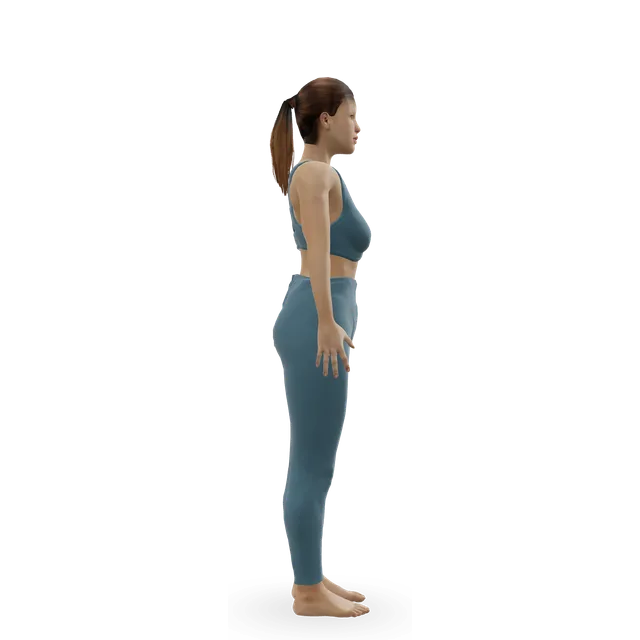
- Mountain pose (Tadasana)3 slow breathsBeginner · Calves, Back, Abs · 3D demoStand with your feet apart. Look at the list of today's poses firstHarder: Tree pose (Vrksasana)
- Slow breathing (6 breaths a minute)5 breaths, or about 1 minBeginner · 3D demoBreathe in through your nose, then breathe out slowly. No holding. You can skip thisEasier: Breath reachHarder: Crocodile breathing (prone diaphragmatic breathing)


Move (about 4 minutes)
- Standing march1 minBeginner · Hip flexors, Abs, Glutes · 3D demoMarch on the spotEasier: Seated marchHarder: Standing band hip flexion
- Beginner · Hip abductors, Shoulders, Calves · 3D demoStep one foot out and back, then the other, with arm sweepsEasier: Seated marchHarder: Jumping jack
- Wall push-up8 slowBeginner · Chest, Triceps, Shoulders · 3D demoHands on the wall, bend your elbows, push the wall awayHarder: Push-up



Balance (about 4 minutes)
- Tree pose (Vrksasana)3 to 5 breaths each sideBeginner · Glutes, Hip abductors, Calves · 3D demoFingertips on a wall; foot on your ankle or calf, never on the knee; look at one spotEasier: Mountain pose (Tadasana)Harder: Standing hand-to-big-toe pose (Utthita Hasta Padangusthasana)
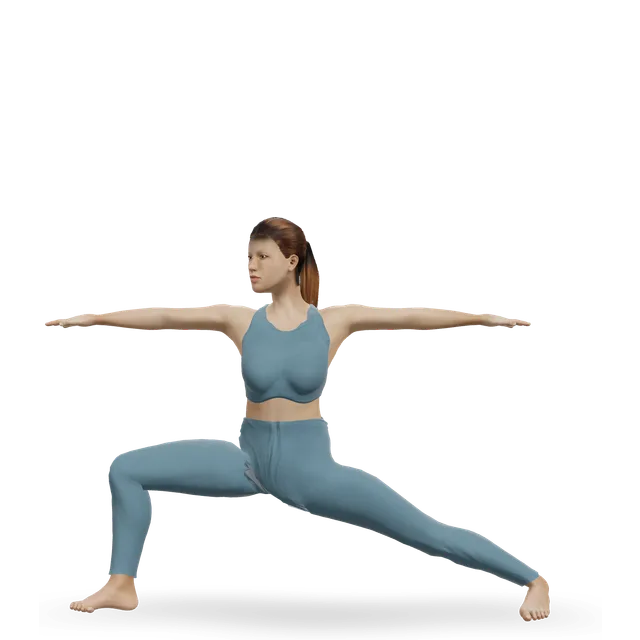
- Warrior II (Virabhadrasana II)3 breaths each sideIntermediate · Quads, Glutes, Adductors · 3D demoFeet wide, front knee bent, arms out to the sidesEasier: Chair pose (Utkatasana)Harder: Extended side angle (Utthita Parsvakonasana)
- Chair pose (Utkatasana)3 breaths, twiceBeginner · Quads, Glutes, Shoulders · 3D demoBend your knees and sit back as if onto a chairHarder: Revolved chair pose (Parivrtta Utkatasana)



Floor (about 4 minutes)
- Cat-cow6 slow roundsBeginner · Back, Abs · 3D demoOn hands and knees: round your back up, then let your tummy dropHarder: Half lord of the fishes (Ardha Matsyendrasana)
- Low cobra (Bhujangasana)3 breaths, twiceBeginner · Back, Chest, Shoulders · 3D demoLie on your front, hands under your shoulders, lift your chest a littleEasier: Sphinx pose (Salamba Bhujangasana)Harder: Cobra pose (Bhujangasana)
- Beginner · Glutes, Hamstrings, Abs · 3D demoLie on your back, knees bent; lift your hips, squeeze for 2 counts, lower slowlyEasier: Pelvic tilt into bridgeHarder: Single-leg glute bridge



Rest, optional (about 5 minutes)
- Beginner · Back, Shoulders, Glutes · 3D demoOr lie on your back if kneeling is uncomfortableHarder: Extended puppy pose (Uttana Shishosana)
- Beginner · 3D demoLie on your back. Eyes open or closed. A folded blanket over your legs if you like the weight. You can sit up at any time


Tips
- Keep the order the same each time, at the same time and place if you can, 2 or 3 times a week (our suggestion). Showing the list first, or ticking moves off as you go, helps you know what's next.
- Stimming, moving between poses or leaving the mat is fine. "Learn the early signs of sensory overload, such as going quiet, closing off, stimming more, pacing or rocking. If it happens, remove the trigger or move somewhere quieter, keep talking to a minimum, don't stop self-calming stims, and allow time to recover."
- Use a quiet room at a normal temperature, with natural or dim light, no incense or scented oils, and ear defenders if wanted (our suggestion, from the National Autistic Society's advice).
- Show each pose, or use the 3D figure, and give one plain instruction at a time, with a few seconds to take it in.
- "You can say no to any hands-on adjustment, and a teacher registered with Yoga Alliance must get your explicit consent each time."
- No headstands, shoulder stands or fast breathing for children. With epilepsy, keep the breathing slow and the room cool, as our yoga for epilepsy guide says.
- Check for bumps or scrapes afterwards: some people don't notice when they've hurt themselves.
- Stop and call 999 for chest pain, severe breathlessness, a first seizure or one lasting more than 5 minutes, and see our yoga for autism guide for where to get help.
The doses are suggested starting points, not a prescription. Choose a range you can control and stop for sharp or increasing pain, numbness or tingling. Get individual advice after an injury or surgery, or if you are pregnant or managing a health condition.
Guides that recommend it
Find more moves like these
More yoga flows
Beginner yoga flow
A 20-minute beginner yoga sequence: mountain, chair, warrior II, triangle, tree, down dog, cobra and child's pose.
20 minBeginner11 movesA step
Sun salutation flow
A 20-minute flow built on sun salutations A and B, with warrior poses and a short cool-down.
20 minIntermediate8 movesNo equipment


Yoga for tight hips
A hip-opening yoga sequence: low lunge, lizard, goddess, pigeon, bound angle and happy baby.
25 minBeginner10 movesA wallQuestions people ask
How long does the same-order yoga: a 20-minute quiet class for autistic children and adults, with plain cues and an optional rest take?
About 20 minutes, including any warm-up and cool-down listed. Shorten it by doing fewer rounds; lengthen it by adding one.
What equipment do I need?
You need: A wall. Each move links to its guide, where you can find an alternative if you are missing something.
Is it suitable for beginners?
It is written for beginners. 7 of its 13 moves have an easier option listed beside them if you need one.
How do I make it easier or harder?
Use the easier or harder option listed under each move, change the number of rounds, or adjust the rest. Progress one change at a time.