Is yoga good for ankylosing spondylitis?
It can be a good way to do the exercise that's part of your treatment: NASS calls exercise the single most important thing you can do, and NICE's programme includes the breathing, posture, back bending and stretching that yoga covers. In 4 small trials, yoga helped a little with daily tasks and disease activity compared with usual care, and did about as well as other exercise. Keep your medicines, physiotherapy and aerobic exercise going alongside it.
What are the best yoga poses for ankylosing spondylitis?
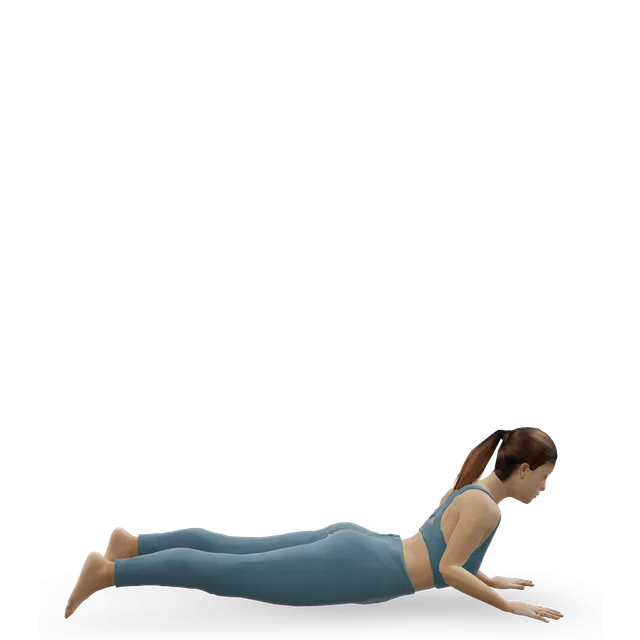
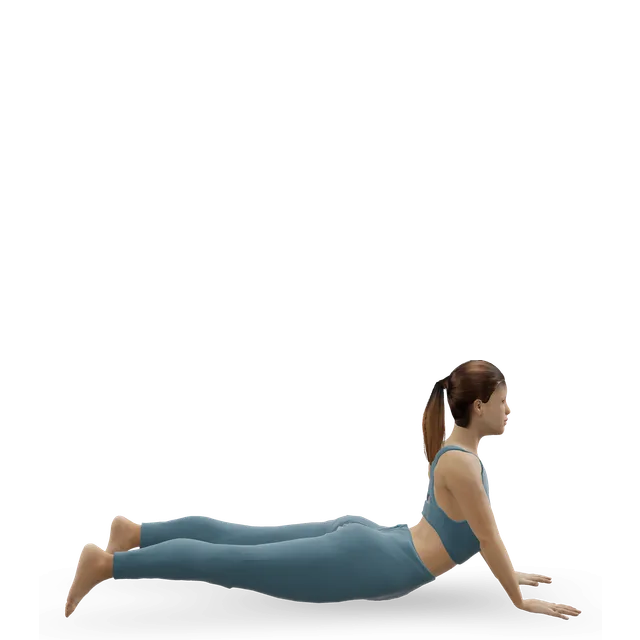
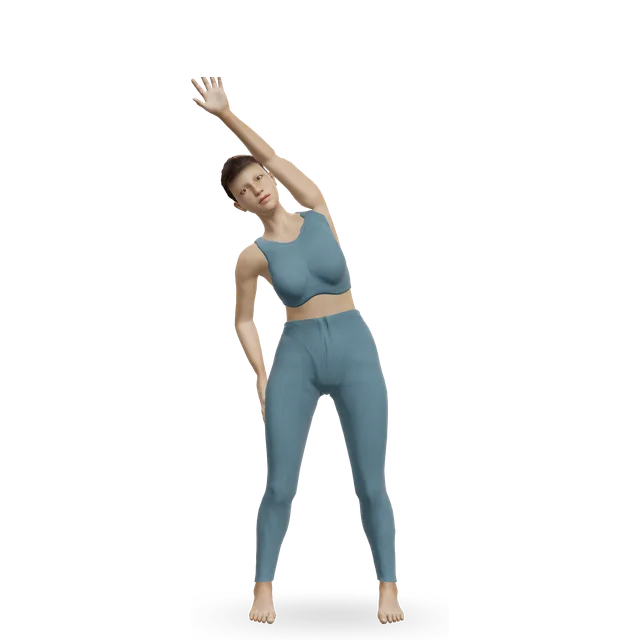
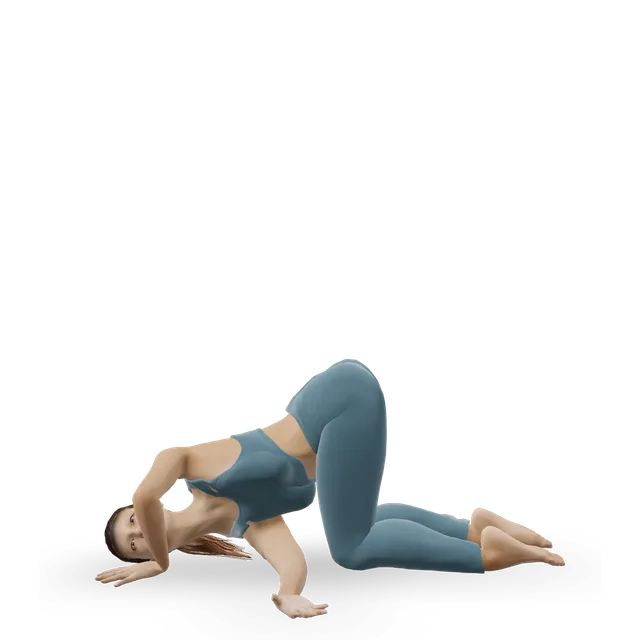
No trial has compared poses, so the choice follows NICE's programme and NASS's emphasis on bending back: wide rib breathing, posture at a wall, face-down back bends such as sphinx, low cobra and locust, gentle turns and side bends, hip flexor stretches, and standing strength and balance beside a wall. Move to your comfortable limit and never force it.
Which yoga poses should I avoid with ankylosing spondylitis?
With a stiff or fused spine or thin bones, leave out poses that put weight on your head and neck (headstand, shoulder stand, plough and fish), rolling on your spine, deep loaded forward folds and anything forced to the end of your range. A fused spine can break after a minor knock, most often in the neck. Ask your teacher not to adjust you by hand.
Can yoga cure ankylosing spondylitis or straighten my spine?
No. There's no cure, and the NHS says the damage can't be reversed. No trial has measured fusion, and across 59 exercise trials no type of exercise improved spinal mobility scores. Yoga can help you feel and move better, while treatment as a whole, medicines included, aims to slow the fusing.
Is yoga or Pilates better for ankylosing spondylitis?
Neither has been shown to be better. In a 2026 analysis of 59 exercise trials, Pilates had the largest effects against usual care, yoga eased pain, and no type was clearly best. NASS lists both, and says to choose something you enjoy, because exercise only helps if you keep it up.
Do breathing exercises help with ankylosing spondylitis?
They're part of NICE's programme, and NASS suggests doing them daily to keep your rib cage moving, because stiff rib joints can limit how far your chest expands. Breathing-muscle training added to exercise improved chest expansion in a small trial. Start with slow, wide rib breathing and no breath holds, and stop if you feel light-headed.
Is hot yoga OK with ankylosing spondylitis?
No study has tested it. NASS asks you to check with your GP first if your blood pressure or heart is a concern, to sip water through the class, and to stop if you feel dizzy. If warmth helps your stiffness, a warm bath or shower before you practise is a simpler option.
Can I do yoga during a flare?
Gently, if it helps. NICE includes exercises and stretching in a flare plan, and NASS suggests avoiding high-impact exercise and asking your physiotherapist which gentle stretches suit you. Keep the breathing and a few small-range moves going, and if a flare comes with a red, painful eye, get an eye check the same day.
How often should I do yoga for ankylosing spondylitis?
The trials used 1 to 3 sessions a week for 8 weeks to 3 months. Two or 3 classes a week, with a few minutes of breathing and spine moves on other days, is a sensible start, and the NHS says some daily stretching matters even if you do other sport.
Can I do yoga if my spine is fused?
Often, with changes, but the trials left out people with a completely fused spine, so there's no trial evidence for you. NASS suggests checking with a health professional first if you have fusions or osteoporosis. Keep every move in your comfortable range, put no weight on your neck, balance with a hand on the wall, and get new pain after a fall checked the same day.
Should I tell my yoga teacher I have AS?
Yes. NASS says to make sure any instructor knows about your axial SpA and any limits you have, and to start with a beginners' class. Ask not to be adjusted by hand, as NASS doesn't recommend manipulation for axial SpA.
Is yoga enough exercise on its own for AS?
Probably not. NICE's programme includes aerobic exercise as well as stretching and strengthening, and adults are advised to build up to 150 minutes of moderate activity a week with strength work on 2 days. Walking, swimming or cycling alongside yoga covers the aerobic part.