Pilates
Trauma-sensitive Pilates: a 20-minute class where every move is your choice, sitting first, then standing, then an optional mat block
A gentle Pilates class built on trauma-informed principles: the same order every time, every move optional, eyes open throughout, and invitations rather than instructions. It starts sitting, moves to standing at a chair, and ends with an optional mat block you can do sitting instead. There are no face-down moves, no long rest with your eyes closed and no breath holds. You need a sturdy chair, a wall and, if you like, a mat. No trial has tested this class, so its structure is our editorial choice, from the UK's working definition of trauma-informed practice and our trauma-sensitive yoga and veterans Pilates classes. It sits alongside treatment for post-traumatic stress disorder (PTSD), not instead of it.
Arrive, sitting (about 3 minutes)
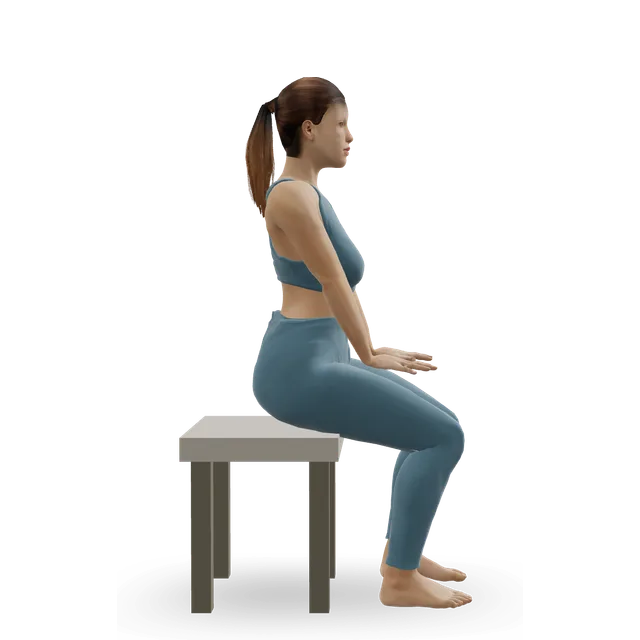
- Beginner · 3D demoFeet on the floor, eyes open; counting is optional, or breathe however feels comfortableEasier: Breath reachHarder: Crocodile breathing (prone diaphragmatic breathing)
- Beginner · Abs · 3D demoHands on your lower ribs if you like, or anywhere comfortableHarder: Roll-up (Pilates)


Sitting (about 5 minutes)
- Seated march1 minBeginner · Hip flexors, Quads, Abs · 3D demoAt whatever pace feels rightHarder: Standing march
- Seated upper-back lift (sit tall, shoulders back)5 holds of 3 to 5 sBeginner · Back, Shoulders, Neck · 3D demoSit tall; let your gaze rest on something in the roomEasier: Elbows backHarder: Prone Y-T-W raises
- Thoracic rotation5 each sideBeginner · 3D demoArms crossed; turn and look around the room (the demo shows it standing)Easier: Side-lying open bookHarder: World's greatest stretch
- Seated overhead side bend2 each side, 10 to 20 s holdsBeginner · Back, Abs · 3D demoBoth sitting bones on the chair; reach only as far as is comfortableHarder: Overhead lat stretch at a bench (elbows on the bench)
- Breath reach5 breathsBeginner · 3D demoArms rise as you breathe in and lower as you breathe outHarder: Slow breathing (6 breaths a minute)





Standing at a chair, if you like (about 5 minutes)
- Mountain pose (Tadasana)5 breathsBeginner · Calves, Back, Abs · 3D demoNotice your feet on the floor, a hand on the chair if you likeHarder: Tree pose (Vrksasana)
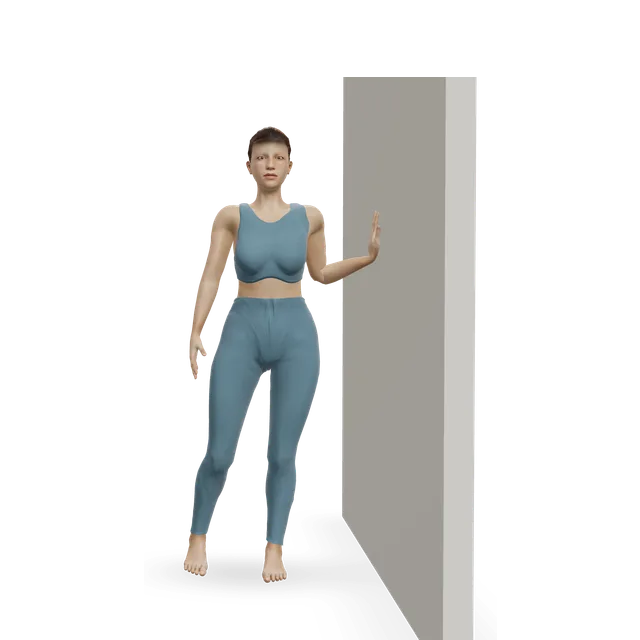
- Beginner · Hip abductors, Glutes, Abs · 3D demoA hand on the chair back or a wallHarder: Lateral band walk, band at the feet
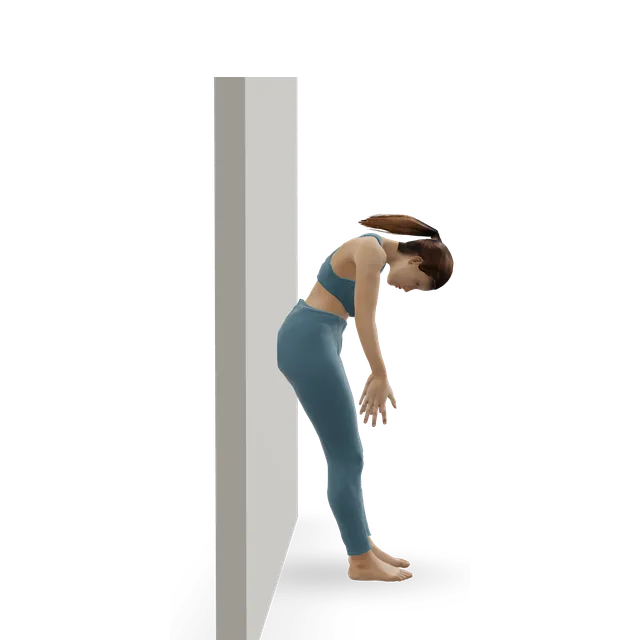
- Wall roll-down (wall Pilates)3 slow repsBeginner · Abs, Back, Hamstrings · 3D demoBack against the wall, eyes open; roll down only as far as is comfortable and come up slowlyHarder: Roll-up (Pilates)

On the mat, or stay sitting (about 5 minutes)
- Pelvic tilt into bridge6 slowBeginner · Glutes, Abs, Hamstrings · 3D demoKnees bent, feet flat; or skip to the cat-cow, sittingHarder: Glute bridge
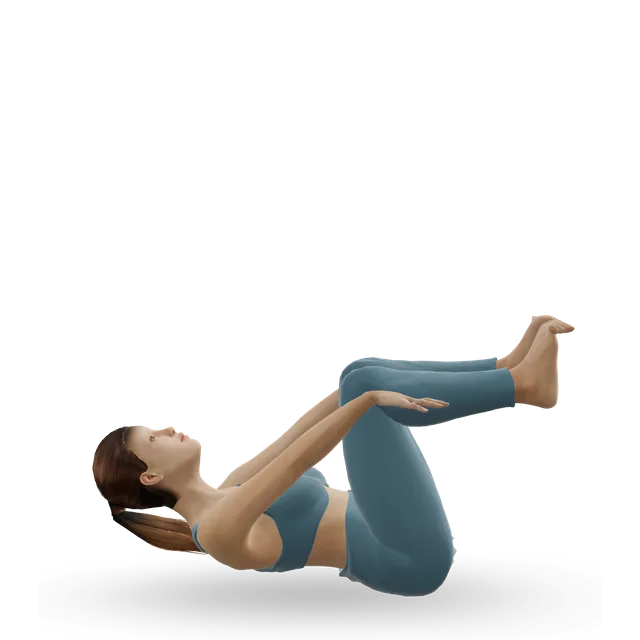
- Dead bug heel taps6 each sideBeginner · Abs, Hip flexors · 3D demoBreathe out as each heel lowersEasier: Bent-knee fall-outHarder: Forearm plank
- Side-lying open book5 each sideBeginner · Back, Chest, Shoulders · 3D demoFace the room if you prefer; head on a cushionHarder: Thoracic rotation
- Cat-cow6 slow roundsBeginner · Back, Abs · 3D demoOn all fours, or sitting with your hands on your kneesHarder: Half lord of the fishes (Ardha Matsyendrasana)




Finish, sitting up (about 2 minutes)
- Slow breathing (6 breaths a minute)1 to 2 minBeginner · 3D demoSitting, eyes open; look around the room before you get upEasier: Breath reachHarder: Crocodile breathing (prone diaphragmatic breathing)
Tips
- Every move is optional: skip anything, stay sitting, or stop whenever you want.
- If a flashback, panic or feeling cut off from your surroundings starts: stop, sit with your feet on the floor, look around and name where you are, and breathe slowly. Tell your therapist, so you can plan for it.
- If a breathing exercise brings on dizziness or panic, breathe normally instead.
- In a studio, you can ask a teacher to cue with words, not touch, and say no to any hands-on correction.
- Do it at a time and place where you feel in control: at home, one to one, or in a small class with your back to a wall and a view of the door.
- If you are thinking about suicide or can't keep yourself safe, call 999 or go to A&E (accident and emergency). For urgent help, call Samaritans free on 116 123, any time, or in England call 111 and select the mental health option. In the US, call or text 988.
The doses are suggested starting points, not a prescription. Choose a range you can control and stop for sharp or increasing pain, numbness or tingling. Get individual advice after an injury or surgery, or if you are pregnant or managing a health condition.
Guides that recommend it
Find more moves like these
More pilates


Beginner Pilates workout
A 20-minute mat Pilates workout for complete beginners. It covers breathing, spine position and the foundation moves, each with an easier option.
20 minBeginner13 movesNo equipment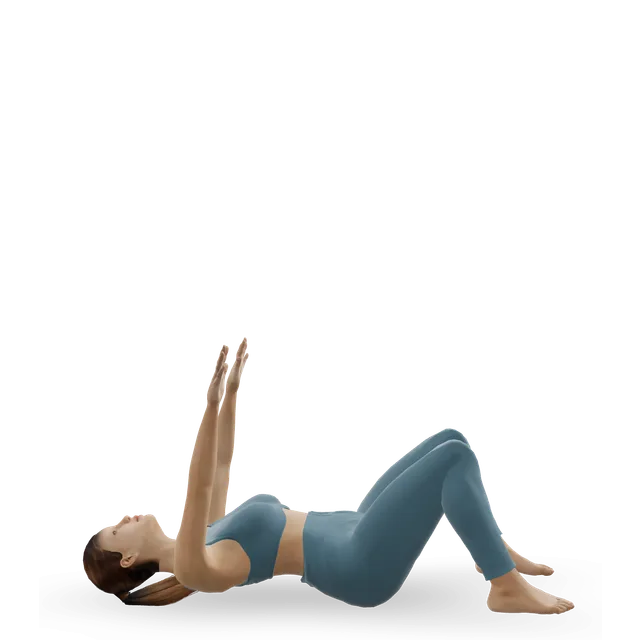

10-minute Pilates abs
Ten minutes of the classic Pilates abdominal series: the hundred, the roll-up and the series of five, with a plank to finish.
10 minIntermediate11 movesNo equipment
Full-body mat Pilates workout
A 30-minute intermediate mat Pilates class that follows the classical order, from the hundred to the push-up, with prep versions of the hardest moves.
30 minIntermediate22 movesNo equipmentQuestions people ask
How long does the trauma-sensitive pilates: a 20-minute class where every move is your choice, sitting first, then standing, then an optional mat block take?
About 20 minutes, including any warm-up and cool-down listed. Shorten it by doing fewer rounds; lengthen it by adding one.
What equipment do I need?
You need: A bench or box, A wall. Each move links to its guide, where you can find an alternative if you are missing something.
Is it suitable for beginners?
It is written for beginners. 4 of its 15 moves have an easier option listed beside them if you need one.
How do I make it easier or harder?
Use the easier or harder option listed under each move, change the number of rounds, or adjust the rest. Progress one change at a time.