Pilates guide

Pilates for autism: autistic children and adults, sensory needs, predictable classes, coordination and balance, and a routine

Pilates can suit autistic children and adults well. A class can run in the same order every time, be shown rather than explained, be done alone or one to one, and be set up for the senses. It works on trunk control, coordination and balance, which many autistic children find harder than their peers do.

But autism isn't an illness, and Pilates isn't a treatment for it. One small trial in 21 autistic children found Pilates improved balance and ball skills about as much as treadmill and bike training, with no change in social skills, and no trial has included autistic adults.

This guide covers what the research shows and where it's thin, how to make a class predictable and sensory-friendly, stimming and overload, coordination and balance, very bendy joints and epilepsy, autistic adults, and a free 20-minute same-order class with a 3D demo of every move. Our exercise and yoga guides for autism cover sport, the activity guidelines and yoga.

The short version

Pilates can suit autistic people, set up the right way

The NHS says of autism: "It's not an illness and there is no treatment or cure, but there are ways of managing it and getting support." A Pilates class can be predictable, quiet and shown step by step. The aims are movement, strength, balance, calm and enjoyment, not changing who someone is.

Sources 1, 2

The Pilates evidence is one small trial in children

In the one trial we found, 21 autistic children aged 7 to 12 did Pilates or treadmill and bike training once a week for 12 weeks. Balance on one leg and ball skills improved with Pilates, but no more than with the aerobic training, and social skills didn't change in either group. It sits outside the main medical databases, and its registry dates don't match the paper. No Pilates study has included autistic adults.

Sources 3, 4, 5

Exercise helps movement skills and balance most clearly

In 10 trials (256 children), exercise improved movement skills by a large amount; in 12 trials, balance improved, but only in programmes longer than 8 weeks. The certainty is low: small positive trials were more likely to be published, and reported effects have grown with each year of publication.

Sources 6, 7, 8

Make it predictable and sensory-friendly

The same order every time, shown first; plain words, with time to take them in; soft light and low noise; ear defenders welcome; no scents; and no touch without asking.

Sources 9, 10, 11

Stimming is fine, and plan for overload

"If stimming is harmless, there is no reason to prevent an autistic person from doing it." Keep a quiet corner, agree a signal for a break, and allow time to recover.

Sources 12, 10

Very bendy joints and epilepsy are more common

Very bendy joints were found in 31% of autistic people when they were examined, and about 1 in 10 autistic people have epilepsy. Keep moves in the middle of their range, leave out legs-overhead moves, and follow our Pilates for epilepsy guide if seizures are part of life.

Sources 13, 14

Autism, movement and the senses, and what a Pilates class asks

What autism is, and the words to use

The NHS: "Autism is a difference in how your brain develops that affects how you see and experience the world." It "can also affect how you think, learn and pay attention to things and how you respond to light, sounds, smells, tastes and touch." The National Autistic Society says most autistic people prefer to be called autistic people, and that it's best to ask each person how they'd like to be described. Our exercise for autism guide covers how common autism is and the activity guidelines.

Sources 1, 2

Movement differences are common

In most of 27 studies, half to almost 9 in 10 autistic children had significant movement difficulties. In a large US study, most autistic children were at risk of movement problems, and only about a third were getting physiotherapy. The National Institute for Health and Care Excellence (NICE) asks autism teams to assess "fine and gross motor skills".

Sources 15, 16, 17

The senses include balance, body position and inner signals

The National Autistic Society lists balance and movement, a sense of where the body is in space, and inner signals such as hunger, thirst, heat, cold and pain among the senses that can work differently, and says sensory differences affect between 53% and 95% of autistic people. Some people seek out movement and pressure; others may "not like brightly lit or noisy rooms", as the NHS puts it.

Sources 10, 18

What a Pilates class asks

Image cues such as "zip up" or "imprint your spine", quick spoken instructions, copying a teacher at speed, hands-on corrections, music, mirrors, bright lights and scents, and changes of pace. Each can be adjusted, and the sections below say how (our list). The NHS notes that autistic adults may "take things literally".

Sources 19, 9, 10

There is no one autism class

Children and adults; people with and without a learning disability; people who also have ADHD (attention deficit hyperactivity disorder, 28% in one large review), epilepsy, very bendy joints or anxiety; people who speak and people who don't. What works is a set of adjustments, chosen with the person.

Source 20

What the evidence says

Pilates has one small trial in autistic children, so most of this is about exercise in general. Nothing here suggests Pilates changes autism itself.

Pilates: one small trial, in childrenMixed evidence

Our searches on 2 November 2026 found no Pilates trial in autistic people in PubMed or Europe PMC. One randomised trial, in a Turkish university journal, gave 22 autistic children aged 7 to 12 one 40-minute session a week for 12 weeks, of Pilates with a physiotherapist or treadmill and bike training; 21 were analysed. One-leg balance and ball skills improved in the Pilates group, but "all included outcome measures were statistically similar" between the groups, and social skills didn't improve in either. The aerobic group also got stronger.

Sources 3, 4

Why that trial is weakMixed evidence

It was tiny, the journal isn't indexed in MEDLINE, and it had no group that did nothing, so some gains may be practice or growing up. The groups differed at the start, and it didn't report side effects. Its registry record was submitted after the trial ended and gives 2021 dates, while the paper says 2017 to 2018. It found Pilates no better than aerobic training.

Sources 4, 5

Other Pilates reportsMixed evidence

A single-case study described reformer Pilates with a parent for one autistic 18-year-old, through interviews only, and a 2016 study's participant numbers don't add up. Neither can show whether Pilates helps.

Sources 21, 22

Exercise in general: movement skills and balanceEmerging evidence

In 10 trials (256 children, average age about 7), exercise improved overall movement skills by a large amount, with signs that small positive trials were more likely to be published. In 12 trials, balance improved, but programmes of 8 weeks or less made no clear difference. An earlier review of 29 studies (1,009 young people) found gains in movement skills, fitness, strength and social functioning, and a review of 41 studies found autistic children learned movement skills better from visual than spoken instructions, on low-quality evidence.

Sources 6, 7, 23, 24

Social skills and behaviour: uncertainMixed evidence

Across 11 trials, a small effect on social skills "was attenuated and no longer significant" once one study was left out, and an umbrella review that reanalysed the trials found no clear effect on social communication. Another umbrella review says "the overall certainty of evidence is low", and effects on core features of autism didn't last after programmes ended. Much of this research treats autistic traits, including stimming, as things to reduce, an aim the National Autistic Society doesn't share for harmless stims.

Sources 25, 26, 27, 28, 12

How sure we can beStrong evidence

Across 34 meta-analyses, "intervention effects increased progressively with publication year", a sign that the pooled numbers are inflated. About 1 in 4 children dropped out of exercise trials, no more than in comparison groups, and most children in the trials were boys aged about 5 to 13.

Sources 8, 29

Anxiety, sleep and thinking skillsEmerging evidence

Exercise reduced anxiety in 12 trials (482 autistic children), improved parent-reported sleep, and helped thinking skills such as planning and attention in 16 trials. All were small, mostly unblinded and in children, and none tested Pilates.

Sources 30, 31, 32

Yoga and other mind-body practicesMixed evidence

A review calls the evidence for yoga and mindfulness in young autistic people "inconclusive", and of 16 mind-body studies, only 3 were randomised trials. The largest yoga trial, in 43 children, improved whole-body but not fine movement skills. A 2026 network meta-analysis ranked mind-body exercise best for movement skills, but on 4 small studies, none of them Pilates.

Sources 33, 34, 35, 36

Autistic adultsEmerging evidence

A review of 22 studies in 763 autistic adults aged 19 to 30 found the strongest evidence for fitness, then movement skills, wellbeing and quality of life. We found no Pilates trial and no randomised yoga trial in autistic adults. The nearest is an adapted mindfulness course with gentle yoga (below).

Sources 37, 3, 38, 39

How Pilates compares

In the one head-to-head trial, Pilates and aerobic training did about equally for balance and movement skills, and the aerobic group also got stronger in 5 of 6 muscle groups, against 1 in the Pilates group. Pilates offers a fixed order, a slow pace and one-to-one teaching, but it isn't aerobic exercise, so it belongs beside active play, sport, swimming or walking (our reading).

Source 4

Making it predictable

The same order every time, shown first

The National Autistic Society: "Consistent, predictable routines and structure are very important for autistic people and a change to routine can be very distressing." Show the list of today's moves first, keep the order fixed, and say in advance if anything will change. Show each move, or use the 3D figure: visual instruction helped autistic children learn movement skills more than spoken instruction.

Sources 40, 24

Plain words, and time to take them in

The National Autistic Society's guide for coaches says "it's useful to give six seconds before saying anything else". Swap image cues for literal ones: not "imprint your spine" but "press your lower back gently into the mat"; not "melt your shoulders" but "let your shoulders drop away from your ears" (our examples). A course adapted for autistic adults used "concrete communication free from metaphors".

Sources 9, 39

One to one first, then a small group if wanted

Start one to one or with a parent, and visit the room at a quiet time first if you're joining a class. The adapted adult course kept groups to 10 people at most, with a set spot for each person and a written agenda.

Sources 9, 39

Counting and rhythm

Many people like a count to follow: the Hundred's arm pumps, a set number of repetitions, or ticking moves off a list. Counting out loud or on fingers is optional (our suggestion).

How often

Two or three short sessions a week, in the same order and if possible at the same time and place, for at least 3 months before judging balance (our editorial starting point: the trial ran once a week for 12 weeks, and balance improved only in programmes longer than 8 weeks).

Sources 7, 41, 4

Sensory needs, stimming and overload

The room

Soft or natural light, music low or off, no scented candles or oils, mats not too close together, and ear defenders welcome. NICE's advice for autistic adults includes adjusting lighting and noise, and personal space of "at least an arm's length".

Sources 9, 11

Touch

Some people find touch calming; others find it distressing. Ask first, every time, or cue with words and the 3D figure instead. The National Autistic Society says to touch only "in ways you know are helpful".

Sources 10, 11

Stimming

"If stimming is harmless, there is no reason to prevent an autistic person from doing it." Rocking, flapping or humming between moves is fine, and so is leaving the mat for a moment. Autistic people describe being stopped as "a form of enforced masking".

Source 12

Plan for overload

Learn the early signs of sensory overload, such as going quiet, closing off, stimming more, pacing or rocking. If it happens, remove the trigger or move somewhere quieter, keep talking to a minimum, don't stop self-calming stims, and allow time to recover.

"A meltdown is not the same as a temper tantrum. It is not bad or naughty behaviour." In a class, agree a signal for a break, keep a quiet corner, don't ask questions or touch during a meltdown, and let the person rejoin when they're ready (our suggestion).

Sources 10, 40

Pain, heat and thirst

Some autistic people notice inner signals such as pain, heat or thirst differently. Offer water at set times, and check for bumps or scrapes afterwards: the National Autistic Society says some autistic people "may carry on participating, unaware that they have sustained an injury".

Sources 10, 9

Reformers and other equipment

A reformer's sliding carriage, springs and straps can be noisy and feel unsteady; some children enjoy the movement, others don't. No trial has tested reformer Pilates in autistic people. Start on a mat, and try a reformer one to one with a teacher you trust if there's curiosity (our suggestion).

Sources 3, 21

Coordination, balance and core strength

Coordination and balance are often harderStrong evidence

Across 51 studies, coordination differences were large on average, and balance is poorer on average, though the certainty of the size is low. In most of 27 studies, half to almost 9 in 10 autistic children had significant movement difficulties.

Sources 42, 43, 15

Practice helps, slowlyEmerging evidence

Exercise programmes longer than 8 weeks improved balance, and in the Pilates trial, standing on one leg improved. Pilates practises trunk control, two-sided patterns and balance slowly and in a set order.

Sources 7, 6, 4

Core strengthMixed evidence

Low muscle tone was the most common movement sign (51%) in one clinic's records of 154 young autistic children, and it improved with age. No trial shows that core or Pilates work in particular fixes coordination, and gains tend to match what's practised: a creative yoga programme improved whole-body, not fine, movement skills. Practise the skills you want: balance, ball skills and the moves themselves.

Sources 44, 45

Very bendy jointsEmerging evidence

Joint hypermobility was found in 22.3% of autistic people overall and 31% when examined, though a school study of 207 children aged 11 found no link. In neurodivergent adults, hypermobility went with more dizziness on standing and more pain. Keep each move in the middle of its range, keep knees and elbows soft, come up from the mat in stages, and leave out legs-overhead moves (our suggestion; our Pilates for hypermobility guide has more).

Sources 13, 46, 47

Arrive and wake up

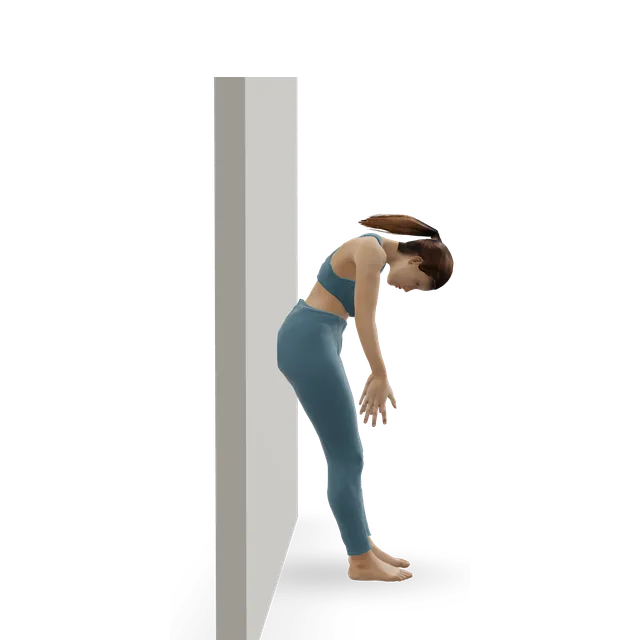
Lateral breathing: 5 to 8 breaths at the start of every session (from the move page's dose), or skip it if focusing on your breath feels uncomfortable; wall roll-down: 3 slow reps (our trauma-sensitive Pilates class; the move page gives 3 to 5); standing march: 1 minute and wall push-up: 8 slow (our same-order yoga class).

On your back: trunk control

Pelvic tilt into bridge: 6 slow (our Pilates for kids class); the Hundred: 50 beats to start, building to 100 (from the move page's dose), head down if you like; single-leg stretch: 6 each side (our kids and ADHD classes); dead bug heel taps: 5 each side (our hypermobility class), if the single-leg stretch is too much to coordinate.

On your side, front and all fours: coordination

Side kick: 8 each side (our kids, ADHD and balance classes); swimming: 20 seconds (our kids class), optional if lying face down feels wrong; bird dog, one limb at a time: 5 each arm and leg with a 3-second hold (our hypermobility class), then the full bird dog, 6 each side (our ADHD class); cat-cow: "8 waves, slower than feels natural" (the move page's dose).

Balance at a wall

Single-leg stand: 2 holds of 20 seconds each leg, a hand near the wall (adapted from our ADHD class); wall side leg lift: 10 to 12 each side (from the move page's dose); heel-to-toe walk: hold 10 seconds each way, then 5 steps heel to toe, twice (our standing Pilates for balance class), for those who find the one-leg stand easy.

Calm down (optional)

Slow breathing: 1 to 2 minutes with no holds (2 minutes in our ADHD class; 1 minute is our editorial starting point for children), skipped if focusing on the breath is uncomfortable; corpse pose: 2 to 3 minutes, eyes open or closed, sitting up at any time (shorter than the move page's 5 minutes; our editorial starting point).

Moves to change or leave out

Each change is our suggestion, from the sources named; none has been tested in a trial.

Hands-on corrections

Ask first, every time, or cue with words and the 3D figure. Respect a no.

Sources 10, 11

Legs-overhead moves and rolling onto the neck

The roll-over, jack knife, control balance, boomerang and the high scissors and bicycle: leave them out for children, as our Pilates for kids class does, and with very bendy joints, as the moves' own cautions say.

Source 13

End-of-range reaches with very bendy joints

The saw, the spine stretch forward and leg circles: keep to the middle of your range, as their cautions say.

Source 13

Rolling like a ball, the seal and the open-leg rocker

Optional. Some children love the rocking, but with a neck problem, very bendy joints or seizures that aren't controlled, follow the moves' own cautions and our Pilates for epilepsy guide.

Long rests with the eyes closed

Keep them optional and short. In a yoga nidra study, autistic children described "Thinking About the Body is Hard", and long body scans aren't for everyone.

Source 48

Loud music, bright or flickering lights, mirrors and scents

Leave them out or turn them down. With epilepsy, avoid strobe or flickering lights.

Source 9

Breath holds and forceful breathing

None in this class. Pilates breathing doesn't need them.

Autistic adults

No Pilates trial yet

No Pilates trial has included autistic adults. Exercise studies in young autistic adults show the clearest gains in fitness, then movement skills, wellbeing and quality of life.

Sources 3, 37

Structured, predictable classes fit NICE's advice

For autistic adults, NICE suggests "a group-based structured leisure activity programme" or an individual one, and advice on exercise "taking into account any hyper- and/or hypo-sensory sensitivities". It doesn't recommend any type of exercise as a treatment.

Source 11

What an adapted course looked like

In a Stockholm clinic, a mindfulness course with gentle yoga was adapted for 50 autistic adults: groups of 10 at most, a set spot for each person, adjusted lighting, no perfume, a written agenda and "concrete communication free from metaphors". Of the 43 who started, 34 finished, stress fell, and "No serious adverse events were reported." It was an open feasibility study, without a comparison group. In a randomised trial, an online mindfulness group designed with autistic people eased distress in 63 adults.

Sources 39, 49

Energy and burnout

Autistic adults describe burnout that can include "physically shutting down, including the loss of speech." On low-energy days, a short session, breathing and rest only, or a day off is fine (our suggestion).

Source 50

Practising alone

A home session with the 3D figure lets you choose the room, the sound, the order and the pace. Many people start there and join a small class later, or never (our suggestion).

Classes to follow

Our same-order Pilates class runs the same way every time, with plain cues, a wall for balance and an optional rest. It's new and untested: its order follows the one Pilates trial in autistic children and our sensory movement break. The yoga class and the sensory movement break are the closest alternatives; the kids class suits children who like lively games (swap star jumps for step jacks); the ADHD class suits people who also have ADHD; the trauma-sensitive class makes every move optional; the hypermobility class suits very bendy joints; and bedtime Pilates suits an evening routine.

Same-order Pilates: a 20-minute quiet class for autistic children and adults, with plain cues, a wall for balance and an optional rest

A quiet 20-minute Pilates class for autistic children and adults, in the same order every time, with plain cues, a wall for balance and an optional rest.

20 minBeginner14 movesWall

Same-order yoga: a 20-minute quiet class for autistic children and adults, with plain cues and an optional rest

A quiet 20-minute yoga class for autistic children and adults, in the same order every time, with plain cues, a wall for balance and an optional rest.

20 minBeginner13 movesWall

Sensory movement break: wake up, focus, calm down

A 12-minute movement break in three parts that stay the same every time: moves to wake up, balance moves to focus, then slow muscle work and a calm finish.

12 minBeginner12 movesWall

Pilates for kids: a 20-minute follow-along class with games

A 20-minute Pilates class for children: star jumps, the hundred, swimming, animal crawls and balance games, finishing with slow, calm breathing.

20 minBeginner14 movesNo equipment

Short-block Pilates for ADHD: a 20-minute class with active bursts, coordination, balance and a calm finish

A 20-minute Pilates class in short blocks: an active start, counted breathing, coordination moves, another burst, back and side work, balance and a calm finish.

20 minBeginner13 movesWall

Trauma-sensitive Pilates: a 20-minute class where every move is your choice, sitting first, then standing, then an optional mat block

A 20-minute trauma-sensitive Pilates class: sitting first, then standing at a chair, then an optional mat block, eyes open, no face-down moves and no holds.

20 minBeginner15 movesBench or box, wall

Pilates for hypermobility: a supported 20-minute class

A 20-minute Pilates class for hypermobile joints, HSD and hEDS: supported positions first, mid-range control, slow changes and steady breathing.

20 minBeginner17 movesOther / check instructions, band

Bedtime Pilates: a 15-minute wind-down on the floor

A slow 15-minute Pilates wind-down for the last hour before bed: slow breathing, small lying moves and a few minutes of stillness, with no effort or holds.

15 minBeginner9 movesFirm cushion

Epilepsy, ADHD, anxiety and sleep

Epilepsy

About 1 in 10 autistic people also have epilepsy. Our Pilates for epilepsy guide covers slow breathing, flashing lights, seizure first aid on a mat, and which moves to leave out while seizures aren't controlled.

Sources 14, 51

ADHD

In one large review, 28% of autistic people also had ADHD. Our ADHD Pilates class has short, active blocks in a set order; with stimulant medicine, eat beforehand and keep water to hand (that class's tip).

Source 20

Anxiety

Across 96 studies, about 20% of autistic people had an anxiety disorder. Exercise reduced anxiety in small trials in autistic children; Pilates hasn't been tested for it. Our Pilates for stress and anxiety guide has calming routines.

Sources 20, 30

Sleep

Regular activity had a large effect on parent-reported sleep problems in autistic children. A short wind-down at the same time each evening suits many people (our bedtime Pilates class).

Source 31

Get help: where to go and warning signs

This is general information, not a diagnosis. A&E means accident and emergency; in the US, call 911 for 999, and use your doctor's urgent line or urgent care for NHS 111.

If you need help now

Autistic people are more likely to have anxiety and depression. If you or someone you care for is in crisis:

  • Call 999 or go to A&E if a life is at risk, for example someone has seriously hurt themselves or can't keep safe.
  • For urgent help in England, call 111 and choose the mental health option, or use 111 online.
  • Call Samaritans free on 116 123, any time. If you're under 19, you can also call Childline on 0800 1111.
  • In the US, call or text 988, the 988 Suicide and Crisis Lifeline, any time.

Sources 52, 53, 54, 20, 55

Call 999 (911 in the US) during or after exercise if someone

  • Has chest pain that feels tight or heavy or spreads to the arms, neck or jaw, or severe difficulty breathing.
  • Faints while exercising, or after fainting isn't breathing, can't be woken within a minute, or is shaking or jerking.
  • Has a seizure for the first time, or one lasting more than 5 minutes.

Sources 56, 57, 58

Get an urgent GP appointment or call NHS 111

If you think your child, or you, may have had a seizure for the first time and didn't go to hospital. Some seizures look like staring into space, so mention these too.

Source 58

See a GP or your autism team

  • Sleep is a problem, or your child snores loudly, chokes or seems to stop breathing in their sleep.
  • Weight is rising on a medicine such as risperidone: talk to the prescriber, and don't stop it yourself.
  • Coordination difficulties are affecting daily life or school: ask about an assessment for developmental coordination disorder (dyspraxia).
  • Sensory overload, anxiety or low mood keep stopping activities you want to do.
  • Stims have become harmful, such as head-banging or skin-picking.

Sources 59, 60, 15, 61, 12

Stop and check

If someone limps, guards a limb or changes how they move, stop and check for an injury. If they show signs of sensory overload, stop, move somewhere quieter and let them recover before carrying on.

Sources 9, 10

Stop the session if

You feel any pain or become unwell, as the NHS advises for its Pilates videos, and especially for chest pain or pressure, unusual breathlessness, dizziness or fainting. If you have a health problem, an injury or any symptoms, get advice from a healthcare professional, such as a GP, before you start.

Source 62

Falls during balance work

The NHS's advice:

  • Call 999 if you or someone else has fallen and may have injured the head, back, neck or hip, or cannot get up.
  • Get help from NHS 111 if you or someone else has fallen and may be in pain, injured or unwell.
  • See a GP if you're worried about your balance or mobility, or you've had a fall. You may be able to refer yourself to a falls service, which can include strength and balance training.

Source 63

Myths

"Pilates can treat or cure autism"Strong evidence

Autism isn't an illness, and there's no treatment or cure. In the one Pilates trial, social skills didn't change, and the effects of exercise on core features of autism are uncertain and didn't last after programmes ended.

Sources 1, 4, 28

"The point of a class is to stop stimming"Strong evidence

If stimming is harmless, there's no reason to stop it, and autistic people describe being stopped as a form of enforced masking. Some exercise studies counted fewer repetitive behaviours as success; a Pilates class doesn't need to.

Sources 12, 64

"Autistic people don't like exercise"Emerging evidence

About 1 in 4 children dropped out of exercise trials, no more than in comparison groups, and an adapted group course kept most of the adults who started it. A setting that suits the senses makes a big difference (our reading).

Sources 29, 39

"Autistic children can't follow a Pilates class"Emerging evidence

In the one trial, children aged 7 to 12 did 12 weeks of Pilates with a physiotherapist, with simple, repeated and visual instructions. Visual instruction helps autistic children learn movement skills. Many need it shown, slower and one to one at first.

Sources 4, 24, 9

"Pilates will fix social skills"Mixed evidence

Social skills didn't change in the Pilates trial, and across exercise trials the effect is small and fragile.

Sources 4, 25, 26

"Core work fixes coordination"Mixed evidence

Exercise improved movement skills and balance in small trials, but no trial shows that core or Pilates work in particular fixes coordination, and gains tend to match what's practised.

Sources 6, 7, 45

"Eye contact shows someone is paying attention"Strong evidence

The National Autistic Society says some autistic people find eye contact hard, and that this doesn't mean they aren't paying attention.

Source 9

"Reformer Pilates is best for autism"Strong evidence

The one trial used mat work with balls and foam rollers, and reformer Pilates in autism rests on one single-case study. Mat Pilates is Pilates: the NHS's own Pilates videos are mat and chair classes.

Sources 4, 21, 62, 65

Questions people ask

Is Pilates good for autism?

It can be a calm, predictable way for autistic children and adults to build strength, balance and coordination, if the class is set up for routine and the senses. It isn't a treatment for autism, which isn't an illness, and the evidence is one small trial in children.

What does the research on Pilates and autism show?

One trial in 21 autistic children found Pilates once a week for 12 weeks improved one-leg balance and ball skills about as much as treadmill and bike training, with no change in social skills. Exercise in general improves movement skills and balance in small trials, with low certainty.

Can Pilates help coordination and balance in autism?

Probably a little, with practice: exercise programmes improved balance in 12 trials, but only those longer than 8 weeks. Many autistic children find coordination harder than their peers do, so slow, repeated practice in a set order suits them.

Is Pilates good for autistic adults?

No trial has tested it, but a regular, structured class fits NICE's advice on leisure programmes for autistic adults, and an adapted course with gentle yoga and mindfulness lowered stress in a feasibility study. Choose times and settings that suit your senses and energy.

How do I make a Pilates class autism-friendly?

Keep the same order every time and show it first. Demonstrate each move, use plain words rather than images like "zip up", and give time to take instructions in. Soften harsh lights, keep music low, skip scents, welcome ear defenders, and ask before any touch.

Is reformer Pilates good for autistic children?

It hasn't been tested in a trial. Some children enjoy the sliding carriage; others find the noise and movement unsettling. Start on a mat, and try a reformer one to one with a teacher you trust if your child is curious.

What if my child stims or leaves the mat during Pilates?

That's fine. Harmless stimming shouldn't be stopped, and moving away for a break is a good way to manage overload. Watch for early signs of overload and move somewhere quieter if they appear.

Can Pilates help anxiety in autism?

Exercise reduced anxiety in small trials in autistic children, and calming practices helped stress in autistic adults, but Pilates itself hasn't been tested for anxiety in autistic people. It's one calming option, not a treatment.

Is Pilates safe with very bendy joints?

Usually, if you keep each move in the middle of your range, keep knees and elbows soft and leave out legs-overhead moves. Very bendy joints are more common in autistic people, and our Pilates for hypermobility guide has more.

Is Pilates safe for an autistic child with epilepsy?

Usually, with slow breathing, no strobe lights, someone in the room who knows seizure first aid, and no legs-overhead moves if seizures aren't controlled. Our Pilates for epilepsy guide covers the set-up.

How often should we do Pilates?

Two or three short sessions a week, at the same time and place, is a good start; in trials, balance improved only in programmes longer than 8 weeks. Pilates is one part of an active week, alongside play, sport or walking.

How do I find an autism-friendly Pilates class?

Ask whether you can visit at a quiet time first, start one to one, see the order of the class in advance, and keep a spot near the door. A teacher who understands autism and uses plain, demonstrated cues matters more than the type of Pilates (our suggestion).

Sources

  1. NHS · What is autism?
  2. National Autistic Society 2025 · How to talk and write about autism
  3. PubMed · Our search for Pilates studies in autism: 0 records (2 November 2026; Europe PMC and Crossref also searched)
  4. Ozturk 2023 · Pilates or treadmill and bike training in 21 autistic children aged 7 to 12 (randomised trial, Adnan Menderes University health sciences faculty journal, in Turkish; read in full; not indexed in MEDLINE)
  5. ClinicalTrials.gov · NCT05458466: the Turkish Pilates trial in autistic children (first submitted March 2022, after the trial ended; no results posted)
  6. Lei 2026 · Exercise and movement skills in autistic children: 10 trials, 256 children (meta-analysis, J Autism Dev Disord)
  7. Li 2025 · Exercise, balance and executive function in autistic children: 12 trials on balance (meta-analysis, BMC Sports Sci Med Rehabil)
  8. Wang 2026 · Physical activity for autistic children and teenagers: 34 meta-analyses compared (second-order meta-analysis, J Autism Dev Disord)
  9. National Autistic Society 2020 · Sport: a guide for sports coaches and clubs
  10. National Autistic Society · Autism and sensory processing
  11. NICE CG142 · Autism spectrum disorder in adults: diagnosis and management (last updated 2021)
  12. National Autistic Society · Repeated movements and behaviour (stimming)
  13. Baeza-Velasco 2025 · Autism and joint hypermobility (systematic review and prevalence meta-analyses, Autism)
  14. Liu 2022 · Epilepsy in autistic people (systematic review and meta-analysis, Autism)
  15. Kangarani-Farahani 2024 · Movement difficulties in autistic children: 27 studies (systematic review and meta-analysis, J Autism Dev Disord)
  16. Bhat 2020 · Movement difficulties in autistic children in the SPARK study (cohort study, Phys Ther)
  17. NICE CG128 · Autism spectrum disorder in under 19s: recognition, referral and diagnosis (last updated 2017)
  18. NHS · Signs of autism in children
  19. NHS · Signs of autism in adults
  20. Lai 2019 · Mental health conditions in autistic people: 96 studies (meta-analysis, Lancet Psychiatry)
  21. Onder 2025 · Reformer Pilates with a parent for one autistic 18-year-old (single-case study, Gazi Journal of Physical Education and Sport Sciences; read in full)
  22. Saracoglu 2016 · A Pilates programme for balance and flexibility in autistic students (study whose participant numbers don't add up, European Journal of Physical Education and Sport Science; read in full)
  23. Healy 2018 · Physical activity programmes for autistic young people: 29 studies, 1,009 people (meta-analysis, Autism Res)
  24. Ruggeri 2020 · Motor and activity programmes and movement skills in autistic children: 41 studies (systematic review, Autism)
  25. Tan 2026 · Exercise and social skills in autistic children: 11 trials (meta-analysis, J Autism Dev Disord)
  26. Gao 2025 · Exercise for autistic children: an umbrella review that reanalysed the meta-analyses (Neurosci Biobehav Rev)
  27. Wang 2026 · Exercise for autistic children and teenagers: an umbrella review of 20 reviews (Psychol Sport Exerc)
  28. Li 2026 · Exercise and core features of autism in children: 20 trials (three-level meta-analysis, BMC Psychiatry)
  29. Van Damme 2026 · Dropout from exercise trials in autistic young people: 21 trials (meta-analysis, J Autism Dev Disord)
  30. Zhang 2026 · Exercise and anxiety in autistic children: 12 trials, 482 children (meta-analysis, Front Psychiatry)
  31. Liang 2024 · Physical activity programmes and sleep in autistic children and teenagers (meta-analysis, Sleep Med Rev)
  32. Wang 2025 · Exercise and executive function in autistic children and teenagers: 16 trials (meta-analysis, Eur J Pediatr)
  33. Semple 2019 · Yoga and mindfulness for young autistic people (review, Child Adolesc Ment Health)
  34. Hourston 2017 · Autism and mind-body therapies: 16 studies (systematic review, J Altern Complement Med)
  35. Shanker 2022 · Yoga and movement skills in 43 autistic children in special schools (randomised trial, Adapt Phys Activ Q)
  36. Liu 2026 · Types of physical activity compared in autism (network meta-analysis, BMC Public Health; read in full)
  37. Shahane 2024 · Exercise programmes for young autistic adults: 22 studies, 763 people (systematic review, Autism)
  38. PubMed · Our search for yoga, tai chi, qigong and mind-body studies in autism, 2024 to 2026: 33 records, no yoga trial in autistic adults (2 November 2026)
  39. Agius 2024 · Mindfulness-based stress reduction, with gentle yoga, adapted for 50 autistic adults (feasibility study, Autism; read in full)
  40. National Autistic Society 2020 · Meltdowns: a guide for all audiences
  41. Ataide 2026 · How exercise programmes for autistic people are prescribed (systematic review, J Autism Dev Disord)
  42. Fournier 2010 · Motor coordination in autism: 51 studies (meta-analysis, J Autism Dev Disord)
  43. Martín-Díaz 2026 · Balance in autistic children and teenagers compared with their peers (systematic review and meta-analysis, Eur J Pediatr)
  44. Ming 2007 · Movement difficulties in 154 autistic children at one clinic (records study, Brain Dev)
  45. Kaur 2019 · Creative yoga and movement and imitation skills in autistic children (randomised trial, Phys Ther)
  46. Glans 2025 · Joint hypermobility, pain and neurodevelopmental conditions in 207 children aged 11 (school-based study, BJPsych Open)
  47. Csecs 2022 · Joint hypermobility, dizziness on standing and pain in 109 neurodivergent adults (cross-sectional study, Front Psychiatry)
  48. Loftus 2026 · Co-designed yoga nidra for anxiety in 13 autistic children (mixed methods feasibility study, Res Dev Disabil)
  49. Lunsky 2025 · Online group mindfulness for 63 autistic adults (randomised trial, Autism)
  50. National Autistic Society 2020 · Autistic fatigue and burnout: a guide for autistic adults
  51. Lukmanji 2019 · How often epilepsy and autism occur together: 74 studies (systematic review, Epilepsy Behav)
  52. NHS · Where to get urgent help for mental health (past its review date: reviewed April 2023, review due April 2026)
  53. Samaritans · Contact a Samaritan: 116 123, free, any time
  54. 988 Suicide and Crisis Lifeline (US): call or text 988, any time
  55. Croen 2015 · The health of 1,507 autistic adults in a US health system (cohort study, Autism)
  56. NHS · Heart attack
  57. NHS · Fainting
  58. NHS · Epilepsy
  59. NICE CG170 · Autism spectrum disorder in under 19s: support and management (last updated 2021)
  60. NHS · Side effects of risperidone
  61. NHS · Supporting an autistic child
  62. NHS · Pilates video for beginners, with its safety advice
  63. NHS · Falls
  64. Yang 2025 · Physical activity and repetitive behaviours in autism (meta-analysis of trials, Front Psychol)
  65. NHS · Chair-based Pilates exercise video (past its review date: reviewed August 2022, review due August 2025)

Exercise education, not a personal prescription, and clinical review of these guides is pending. If you are pregnant, have a health condition or have had recent surgery, check with a doctor, midwife or physiotherapist before starting, and stop for sharp or increasing pain. Health disclaimer.