Pilates
Same-order Pilates: a 20-minute quiet class for autistic children and adults, with plain cues, a wall for balance and an optional rest
A 20-minute Pilates class that runs in the same order every time: arrive, wake up, on your back, on your side and all fours, balance at a wall, then an optional rest. Look at the list of today's moves first, and tick them off as you go if that helps. The cues are plain and literal, nothing involves jumping or rolling onto the neck, and every move is optional. You need a mat and a clear wall. The order follows the one Pilates trial in autistic children and our sensory movement break, but this class hasn't been tested in a trial: the structure is our editorial choice. It isn't a treatment for autism, which isn't an illness; the aims are movement, balance, calm and enjoyment.
Arrive (about 3 minutes)
- Beginner · Abs · 3D demoSit or lie with your knees bent, hands on your lower ribs. Breathe in through your nose so your ribs push your hands out, then breathe out slowly. Look at the list of today's moves first. You can skip thisHarder: Roll-up (Pilates)
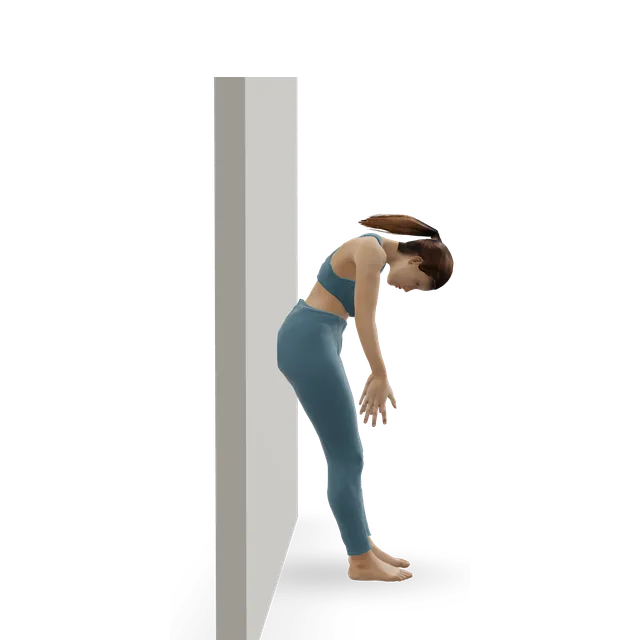
- Wall roll-down (wall Pilates)3 slow repsBeginner · Abs, Back, Hamstrings · 3D demoBack against the wall, feet a step away. Roll down as far as is comfortable, then roll back up slowlyHarder: Roll-up (Pilates)

Wake up (about 3 minutes)
- Standing march1 minBeginner · Hip flexors, Abs, Glutes · 3D demoMarch on the spotEasier: Seated marchHarder: Standing band hip flexion
- Wall push-up8 slowBeginner · Chest, Triceps, Shoulders · 3D demoHands on the wall, bend your elbows, push the wall awayHarder: Push-up


On your back (about 5 minutes)
- Pelvic tilt into bridge6 slow repsBeginner · Glutes, Abs, Hamstrings · 3D demoKnees bent, feet flat. Lift your hips, then lower them slowlyHarder: Glute bridge
- Hundred (Pilates)50 beatsIntermediate · Abs, Hip flexors, Shoulders · 3D demoKnees bent. Pump your arms up and down; count out loud or on your fingers if you like. Keeping your head down is fineEasier: Wall hundred (wall Pilates)Harder: Boomerang (Pilates)
- Single-leg stretch (Pilates one leg stretch)6 each sideIntermediate · Abs, Hip flexors, Neck · 3D demoHug one knee in and stretch the other leg away, then swap. Keeping your head down is fine. Or tap one heel down at a time insteadEasier: Chest lift (Pilates curl-up)Harder: Single straight-leg stretch (Pilates scissors)



Side, front and all fours (about 5 minutes)
- Side kick (Pilates side kick series)8 each sideBeginner · Hip flexors, Glutes, Hip abductors · 3D demoLie on your side, head on your arm. Swing the top leg forward and backHarder: Side-lying leg circles (Pilates side kick series)
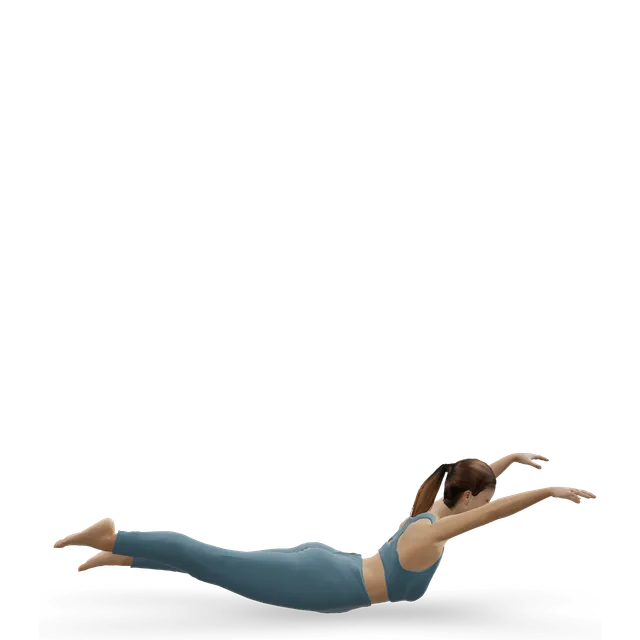
- Intermediate · Back, Glutes, Shoulders · 3D demoLie on your front. Lift your arms and legs a little and flutter them. You can skip this oneEasier: Mermaid (Pilates seated side bend)Harder: Leg pull back (Pilates leg pull up)
- Bird dog, one limb at a time5 each arm and leg, 3 s holdBeginner · Abs, Back, Glutes · 3D demoOn hands and knees. Reach one arm forward, or one leg back, and hold. Move on to the opposite arm and leg together when that's easyEasier: Side-lying tummy draw-inHarder: Bird dog
- Cat-cow6 slow roundsBeginner · Back, Abs · 3D demoOn hands and knees: round your back up, then let your tummy dropHarder: Half lord of the fishes (Ardha Matsyendrasana)



Balance (about 2 minutes)
- Single-leg stand2 holds of 20 s each legBeginner · Hip abductors, Calves, Glutes · 3D demoA hand near the wall. Look at one spotEasier: Tandem stance and heel-to-toe walkHarder: Single-leg reach matrix

Rest, optional (about 3 minutes)
- Beginner · 3D demoBreathe in for about 4 and out for about 6, with no holding. You can skip thisEasier: Breath reachHarder: Crocodile breathing (prone diaphragmatic breathing)
- Beginner · 3D demoLie on your back, or sit. Eyes open or closed. A folded blanket over your legs if you like the weight. You can get up at any time


Tips
- Keep the order the same each time, at the same time and place if you can, 2 or 3 times a week (our suggestion). Showing the list first, or ticking moves off as you go, helps you know what's next.
- Stimming, moving between moves or leaving the mat is fine. "Learn the early signs of sensory overload, such as going quiet, closing off, stimming more, pacing or rocking. If it happens, remove the trigger or move somewhere quieter, keep talking to a minimum, don't stop self-calming stims, and allow time to recover."
- Use a quiet room with soft or natural light, no scented candles or oils, and ear defenders if wanted. Show each move, or use the 3D figure, and give one plain instruction at a time, with a few seconds to take it in.
- Ask before any touch, every time, or cue with words instead (our suggestion).
- For children, an adult joins in, and there's no rolling onto the head or neck. With very bendy joints, keep each move in the middle of your range. With epilepsy, keep the breathing slow and avoid flashing lights, as our Pilates for epilepsy guide says.
- Check for bumps or scrapes afterwards: some people don't notice when they've hurt themselves.
- Stop and call 999 for chest pain, severe breathlessness, fainting, a first seizure or one lasting more than 5 minutes, and see our Pilates for autism guide for where to get help.
The doses are suggested starting points, not a prescription. Choose a range you can control and stop for sharp or increasing pain, numbness or tingling. Get individual advice after an injury or surgery, or if you are pregnant or managing a health condition.
Guides that recommend it
Find more moves like these
More pilates


Beginner Pilates workout
A 20-minute mat Pilates workout for complete beginners. It covers breathing, spine position and the foundation moves, each with an easier option.
20 minBeginner13 movesNo equipment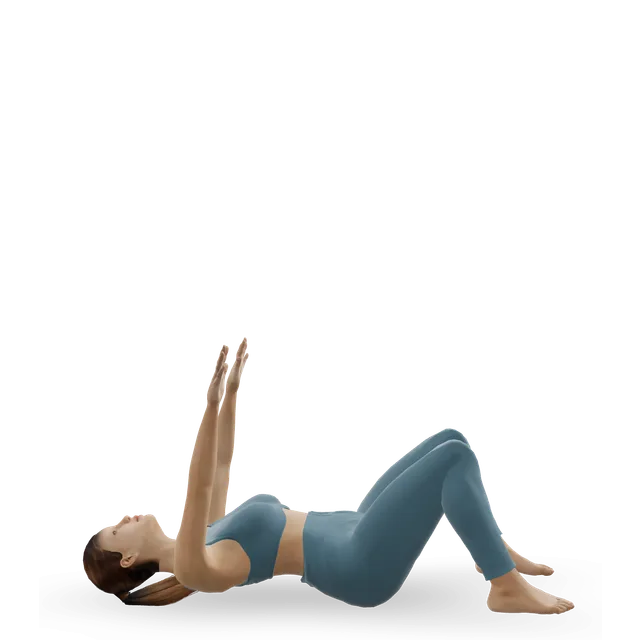
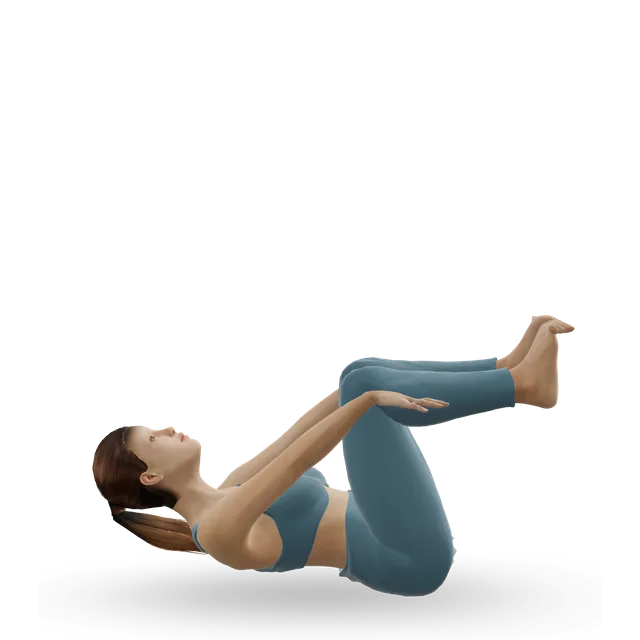
10-minute Pilates abs
Ten minutes of the classic Pilates abdominal series: the hundred, the roll-up and the series of five, with a plank to finish.
10 minIntermediate11 movesNo equipment
Full-body mat Pilates workout
A 30-minute intermediate mat Pilates class that follows the classical order, from the hundred to the push-up, with prep versions of the hardest moves.
30 minIntermediate22 movesNo equipmentQuestions people ask
How long does the same-order pilates: a 20-minute quiet class for autistic children and adults, with plain cues, a wall for balance and an optional rest take?
About 20 minutes, including any warm-up and cool-down listed. Shorten it by doing fewer rounds; lengthen it by adding one.
What equipment do I need?
You need: A wall. Each move links to its guide, where you can find an alternative if you are missing something.
Is it suitable for beginners?
It is written for beginners. 7 of its 14 moves have an easier option listed beside them if you need one.
How do I make it easier or harder?
Use the easier or harder option listed under each move, change the number of rounds, or adjust the rest. Progress one change at a time.