Yoga for trigger finger and trigger thumb: gripping, weight on your hands, and gentle hand stretches
With trigger finger, a finger or thumb catches or locks when it bends, because a thickened tendon catches at the mouth of its tunnel at the base of the finger. It often settles on its own, and a splint, a steroid injection or, if needed, a small operation are the treatments that work. No trial has tested yoga for trigger finger, and no stretch or mudra has been shown to cure it.
What yoga can do is keep you practising while the finger settles, without the hard gripping that can make it worse. This guide covers which poses to change (fists, binds, toe holds and arm balances), weight through a flat hand and forearm swaps, the gentle tendon glides NHS hand therapists use, what the trials show, and when to see a GP. Our trigger finger guide covers splints, injections and surgery in detail.
The NHS (National Health Service): "The main symptom of trigger finger is your finger or thumb getting stuck in a bent position, and feeling a clicking or popping when the finger or thumb straightens." The tight spot is a band of tissue called the A1 pulley, "in your palm at the base of each finger" (US orthopaedic surgeons). Trigger thumb is the same problem in the thumb.
"Trigger finger can sometimes get better on its own without any treatment." In one Canadian clinic, 52% of 343 people got better without treatment after a mean of 8 months, thumbs most often (72%).
No trial has tested yoga, and exercise alone hasn't helped
Our search found no study of yoga for trigger finger. In the two small trials of exercise, tendon gliding added nothing after a steroid injection (76 people), and hand therapy without a splint cleared no cases in 6 weeks, against 53.6% with a splint (55 people).
Splints, injections and surgery carry the evidence
A splint that keeps one finger joint still for 6 to 12 weeks helped in mostly small studies, best worn day and night. A steroid injection relieves triggering "in about 70% of cases, but the success rate is lower in people with diabetes" (UK hand surgeons). Surgery has the fewest recurrences.
Gripping is the problem in yoga, more than a flat hand
NHS inform: "Repetitive activities that involve hand grasping or gripping can make your symptoms worse." A power grip loads the edge of the tight pulley. So change fists, binds, toe holds and arm balances while the finger catches. Weight through a flat palm is fine if it doesn't hurt or bring on catching, and your forearms are the swap if it does: that's our suggestion, because no study has tested it.
NHS inform: "It's important to keep your finger or thumb moving." An NHS hand-therapy leaflet gives three gentle tendon glides, 5 to 10 of each, 4 times a day. Ease a stuck finger straight gently, ideally after warming your hand.
The tendons that bend your fingers run through a tunnel of arch-shaped bands (pulleys) that keep them close to the bone. "In trigger finger, there is a size mismatch between the tendons of the finger and the A1 pulley." UK hand surgeons: "Thickening of the mouth of a tendon tunnel leads to roughness of the tendon surface, and the tendon then catches in the tunnel mouth." You may feel a small bump in your palm.
Clicking or locking, pain in the finger, thumb or palm, and needing to push the finger straight with the other hand. "Your symptoms may be worse in the morning and when doing activities using your hands, such as preparing food, using tools, or playing sport."
About 2% of people, most often the ring finger and thumb, mostly over 40, more often women, and people with diabetes or rheumatoid arthritis. In 1.1 million Swedish adults, women with type 1 diabetes had about 8 times the rate of trigger finger, and people with diabetes are more likely to have severe symptoms.
"The cause of trigger finger or thumb is unknown." (NHS inform) UK hand surgeons say there's little evidence work causes it, though hand use can aggravate it, and a study of 178 people found most trigger fingers develop "for reasons other than occupation".
Fingers bent into the palm by cords you can feel (Dupuytren's contracture), a fingertip that droops after you caught it (mallet finger) and swollen, stiff joints in several fingers (arthritis) need different care: see our hand pain guides.
What the evidence says
No trial has tested yoga for trigger finger. Splints, steroid injections and surgery carry the evidence; exercise on its own hasn't helped in the two small trials that tested it.
No yoga study at allStrong evidence
Our PubMed search for trigger finger with yoga found nothing, and Europe PMC found nothing by title or abstract. No study has tested mudras, finger stretches or weight through the hands in trigger finger either.
Tendon gliding after an injection: no extra benefitEmerging evidence
In a Hong Kong trial of 76 people 4 to 6 weeks after a steroid injection, gliding exercises (10 of each fist position, twice a day for 24 weeks) made no difference to pain, triggering, recurrence or the need for another injection, against a leaflet. The allocation was concealed and the people collecting results were blinded, but participants did the exercises at home, unsupervised.
A splint did better than hand therapy aloneEmerging evidence
In 55 adults who all had weekly hand therapy and home exercises, adding a finger splint day and night for 6 weeks cleared the symptoms in 53.6%, and hand therapy alone in none. It was a small, single-author trial.
Reviews of mostly small, low-level studies found splints that keep one finger joint still for 6 to 12 weeks reduced pain and catching in the short term, with success rates up to 97%, best when worn 24 hours a day. NHS inform suggests wearing one in bed at night.
In a Cochrane review of 2 small, poor-quality trials, a steroid with local anaesthetic worked about 3 times as often at 4 weeks as anaesthetic alone. UK hand surgeons put relief at about 70%, less with diabetes, and in 366 first injections followed for 5 to 10 years, 45% needed nothing more. In mild trigger finger, an injection worked in 97.4% at 3 months against 68.6% with physiotherapy.
A Cochrane review of 14 trials found open surgery led to fewer recurrences at 6 to 12 months than an injection (about 65 against 385 per 1,000), with more palm pain in the first week; the evidence is low quality. The NHS says surgery is only done if other treatments haven't worked.
No study has tested any yoga pose with trigger finger, so these are our suggestions, from the gripping evidence and NHS hand therapy advice.
Gripping
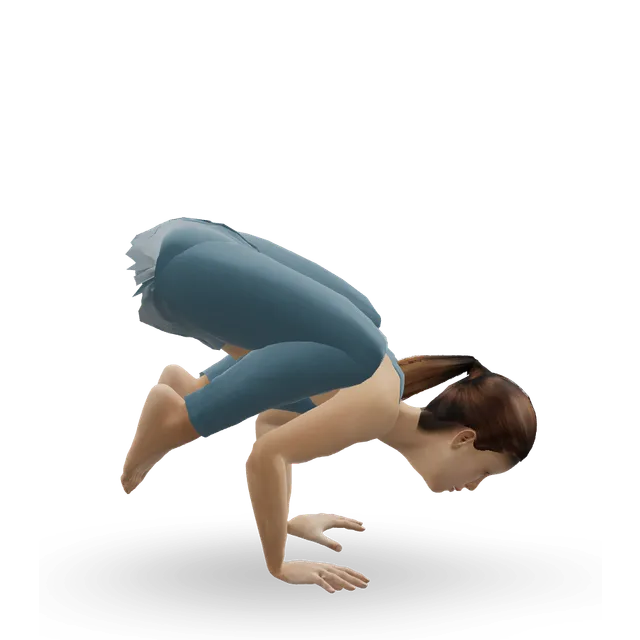
"Power grip causes high angular loads at the distal edge of the A1 pulley" (UK hand surgeons' guideline), and an NHS leaflet says: "Try to reduce doing repetitive gripping tasks which maybe aggravating the tendon (eg scissors, secateurs)." In yoga, the hard grips are fists on all fours or in plank, binds and clasped hands behind your back, holding your big toe, pulling hard on a strap, and arm balances such as crow, where the fingers claw the floor. Change them while the finger catches.
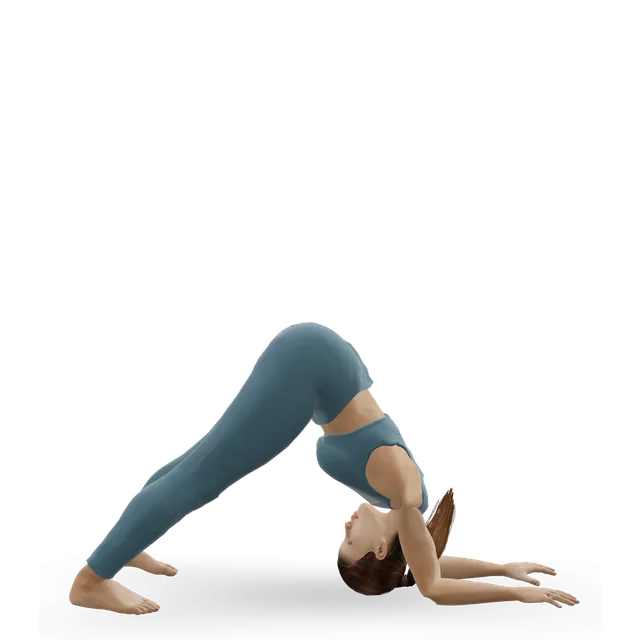
Downward dog, plank and all-fours poses press the base of the fingers, where the pulley sits. Our suggestion, which no study has tested: if a flat palm neither hurts nor brings on catching, carry on, spreading your fingers and keeping them straight rather than clawing. If it does, come onto your forearms.
Making fists is a common swap for sore wrists, but with trigger finger a fist is a full grip, so use your forearms instead (our suggestion).
Never force a stuck finger
Ease it straight gently, ideally after warming your hand. The NHS leaflet notes that the more often the finger gets stuck, the more irritated the tendon becomes.
An NHS hand-therapy leaflet: "Ideally, we want to prevent the finger from getting stuck in a bent position, as the more time this happens, the more irritated and thickened the tendon becomes."
Our wording of the trigger finger leaflet from Torbay and South Devon NHS hand physiotherapy, the set our trigger finger guide uses; the 5 out of 10 limit is from NHS inform's hand exercises. Glides keep the finger moving; in the one trial after an injection they added nothing, so they aren't a treatment.
Warm your hand first, in warm water or by moving it gently.
Scrunch the tips of your fingers in tightly, then straighten them back up.
Bend your fingers at the main knuckles while keeping the small finger joints straight, then straighten up again.
Use your other hand to gently push your fingers into a fist, then let them open.
Do 5 to 10 of each, 4 times a day. Stop if it brings on catching or pain above about 5 out of 10, and never force a locked finger straight.
Tendon glides: an NHS trigger finger leaflet uses a shorter set (hook, tabletop and a gently assisted fist), 5 to 10 of each, 4 times a day (from the move page's dose). Wrist and forearm flow: 10 slow reps with the fingers relaxed (our trigger finger guide). Wrist flexor stretch: 30 seconds each side, fingers back against a wall, easing off if it tingles or the finger catches (our yoga for wrists class). Band finger extension: 2 sets of 10 with a light band, once the catching is less frequent (our trigger finger guide, editorial).
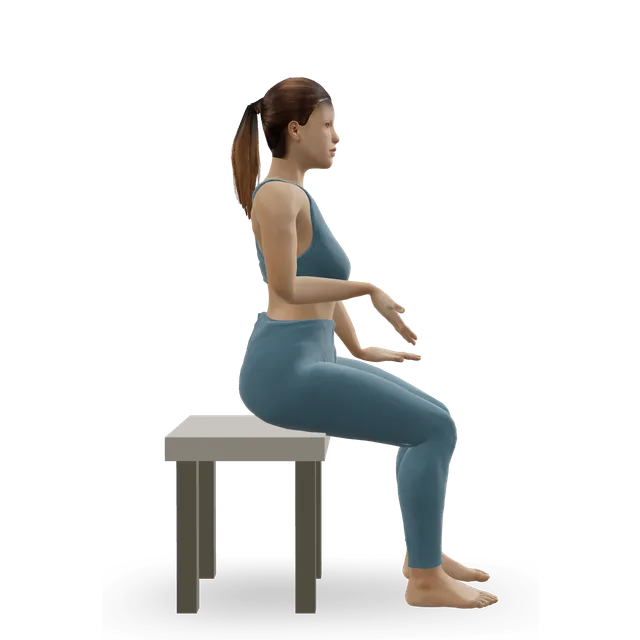
Mountain pose: 5 slow breaths, palms turned forward and fingers relaxed; chair pose: 2 holds of 3 to 5 breaths, arms forward or hands resting on your hips; warrior II: 3 to 5 breaths each side, fingers long and soft; tree pose: 2 holds of 20 to 30 seconds each side, fingertips resting lightly on a wall; slow breathing: 2 minutes, hands palm up on your thighs (all from our yoga for carpal tunnel class).
Dolphin pose: 3 holds of 5 breaths, for downward dog; forearm plank: 3 holds of 20 to 30 seconds, for plank (both as our yoga for wrists guide gives them); knee plank on the forearms: 2 holds of 15 seconds (our yoga for wrists class); sphinx pose: 2 holds of 3 to 5 breaths, hands relaxed, for cobra and upward dog (our yoga for carpal tunnel class).
Child's pose: 60 seconds, arms by your sides with palms up (our yoga for carpal tunnel class), within the move page's 1 to 3 minutes. Supine twist: 45 seconds each side, arms out and palms up; corpse pose: 3 minutes, hands loose and palms up (both from our yoga for carpal tunnel class).
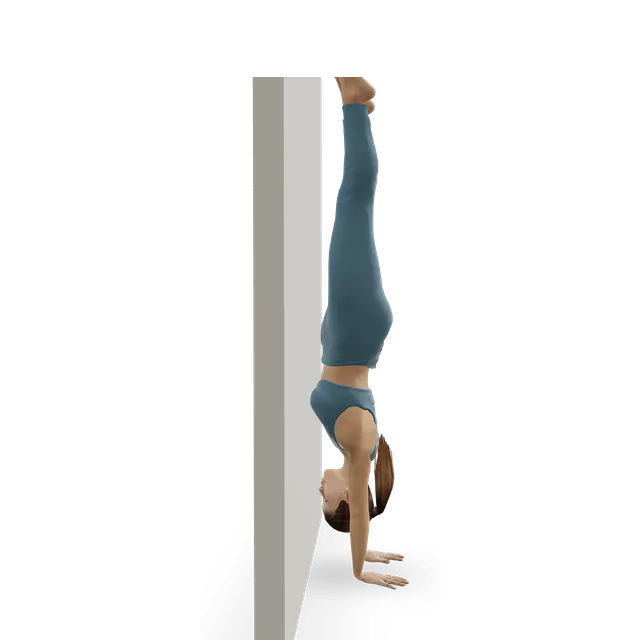
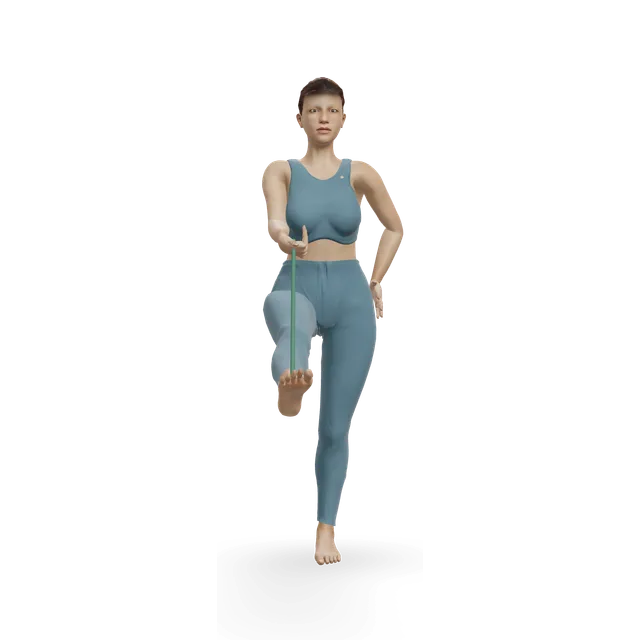
Crow pose and handstands make the fingers claw the floor, holding the big toe and squeezing a ball are hard grips: leave them until the finger hasn't triggered for a couple of weeks (our suggestion, following our trigger finger guide's rule for bringing grip back). Loop a strap round your foot and hold it loosely in an open hand instead of holding your toe.
No class treats trigger finger. Yoga for carpal tunnel is wrist-free, with soft hands throughout: use the trigger finger glide set in place of its glides, and skip its nerve glide unless you also have carpal tunnel symptoms. The psoriasis class has nothing on your hands or knees, for days when any pressure on your hand hurts. The chair classes are mostly hands-free. Yoga for wrists comes later, once the finger has stopped catching, because it uses fists and a ball squeeze.
These are the warning signs from our hand pain guides and our yoga guides, word for word, apart from the lines given as the NHS's words or marked as our suggestion. This is general information, not a diagnosis. A&E means accident and emergency; in the US, call 911 for 999.
Call 999 or go to A&E
Call 999 or go to A&E after an injury (don't drive yourself) if the arm, wrist or hand is numb, tingling or has pins and needles; a bone is sticking out or a bad cut is bleeding heavily; or the wrist, thumb or a finger has changed shape, is at an odd angle, or has turned blue, grey, white or cold.
The NHS also says call 999 or go to A&E if "you lose feeling near the wound or have trouble moving it" or "you have a bad cut on your face or the palm of your hand".
Same day (urgent GP appointment or NHS 111): sudden, severe pain in one joint, with swelling, a change in skin colour or difficulty moving it, especially if you feel unwell, hot, cold or shivery or have a high temperature (although not everyone has one). It could be an infection in the joint, gout or calcium crystals (pseudogout), and only a sample of fluid from the joint can tell them apart.
Same day: you have lost the feeling in part or all of your hand.
Same day (NHS 111): you can't straighten the tip of a finger after catching it. It may be mallet finger.
In the NHS's words: ask for an urgent GP appointment or get help from NHS 111 if "a cut is swollen, red and getting more painful or pus is coming out of it", if "you've cut yourself and also feel generally unwell or have a high temperature", or if "your skin is painful, hot and swollen" (possible cellulitis). NHS inform says phone 111 if "you have a very high temperature, feel hot and shivery, and have redness or heat around your wrist, hand", as "this can be a sign of infection".
Not improved after 2 weeks of looking after it at home, getting worse, keeps coming back, or stopping you doing normal activities. In many areas you can refer yourself to NHS physiotherapy.
Fingers bent into the palm so you can't put your hand flat.
You have diabetes and a hand problem: the NHS says hand problems can be more serious if you have diabetes.
Some discomfort during these exercises is fine and doesn't mean you are doing damage. Keep it to about 5 out of 10 or less. It should settle within half an hour or so, and your hand should be no worse the next morning. If it is, do fewer, smaller or lighter next time, not nothing. An NHS wrist rehabilitation booklet uses the same limit: an unpleasant stretch of about 5 out of 10 that settles within 30 minutes.
NHS inform's hand exercise page: "Aim to keep your pain within a rating of 0 to 5."
A joint pain that is sharp, gets worse during a session, lingers into the next day or changes how you move is a reason to use an easier version, and to see a GP or physiotherapist if it keeps happening (the rule in our plans). Muscle soreness for a day or two after something new is normal. In a hot class, stop if you feel dizzy, sick or unwell; our hot yoga guide lists the signs of heat illness.
You can say no to any hands-on adjustment, and a teacher registered with Yoga Alliance must get your explicit consent each time.
Before you start
The NHS advises getting advice from a healthcare professional first if you have a health problem, an injury or symptoms, or have recently had a heart attack or an operation.
After an injection or surgery
After a steroid injection
With diabetes, the steroid can raise blood sugar "for about 10 to 14 days in diabetics who take insulin", so check your levels as your team advises. Our suggestion: keep to hands-free and forearm poses for a few days and avoid hard gripping while the finger settles; the injection is the treatment, not the yoga.
Follow your surgeon and hand therapist. UK hand surgeons: "light use of the hand is possible from the day of surgery and active use of the digit will aid the recovery of movement". An NHS leaflet gives tendon glides, 10 repetitions with 10-second holds. Swelling and stiffness can take 4 to 6 months to go completely. Don't put body weight through the healing cut in your palm until it has healed and your team agrees (our suggestion).
"Trigger thumb or finger in children usually gets better on its own with no treatment. This can take up to 2 years. There is no evidence that splinting, or exercise make any difference."
UK hand surgeons found no studies of stretching as a treatment, tendon gliding added nothing after an injection, and hand therapy without a splint cleared no cases in 6 weeks. Gentle movement keeps the finger moving; it doesn't cure it.
About half settle without treatment in one clinic's records, and splints and injections come first. The NHS says surgery is only done if other treatments haven't worked.
Yoga doesn't treat it, and no study has tested it. It can keep you active while the finger settles, as long as you avoid hard gripping and come onto your forearms if pressing on your hand hurts. Splints, injections and, if needed, surgery are what work.
Which yoga poses should I avoid with trigger finger?
Poses that make you grip hard while the finger catches: fists in plank, binds, holding your big toe, pulling hard on a strap, and arm balances such as crow, where the fingers claw the floor. These are our suggestions, because gripping can make symptoms worse; no study has tested poses.
Can I do downward dog with trigger finger?
Usually, if pressing your palm flat doesn't hurt or make the finger catch: spread your fingers and keep them straight. If it does, use dolphin pose on your forearms instead. This is our suggestion; it hasn't been tested.
Do trigger finger exercises work?
Not on their own: in one trial, tendon gliding added nothing after an injection, and in another, hand therapy without a splint cleared no cases in 6 weeks. NHS services still suggest gentle movement to keep the finger moving, which is reasonable as long as you never force it.
What hand stretches can I do for trigger finger?
The NHS hand-therapy set: scrunch your fingertips, bend at the main knuckles with the small joints straight, and gently push your fingers into a fist with your other hand, 5 to 10 of each, 4 times a day. Stop if it brings on catching or pain above about 5 out of 10.
Do mudras help trigger finger?
No study has tested them. Holding a finger position gently does no harm, but don't press hard or hold the finger bent for long if it catches.
Can yoga cause trigger finger?
There's no evidence it does. The cause is usually unknown, but gripping and repetitive hand use can make it worse, so change grip-heavy poses while it's sore.
Will trigger finger go away on its own?
Often: in one clinic, about half got better without treatment after a mean of 8 months, thumbs most often. A splint at night can help in the meantime.
Is yoga OK with trigger thumb?
Yes, with the same changes: it's the same problem in the thumb, so avoid hard grips and binds while it catches. Trigger thumbs settled without treatment most often in one clinic, and injections are a little less likely to work in the thumb.
When should I see a GP about trigger finger?
If it isn't getting better, keeps coming back or stops you doing your usual activities, or if you have diabetes. Get help the same day for a finger that's suddenly hot, swollen and painful, or a cut that's red, swollen and more painful or has pus coming out of it.
Exercise education, not a personal prescription, and clinical review of these guides is pending. If you are pregnant, have a health condition such as glaucoma, high blood pressure or osteoporosis, or have had recent surgery, check with a doctor, midwife or physiotherapist before starting, and stop for sharp or increasing pain. Health disclaimer.