No trial has tested yoga for golfer's elbow
Our searches found no trial of yoga for golfer's elbow or any elbow tendon problem, published or registered. Yoga can keep you moving and strong while the tendon settles; it isn't the treatment.
Source 1
Yoga guide
No trial has tested yoga for golfer's elbow (medial epicondylitis), and golfer's elbow itself has been studied far less than tennis elbow. What's prescribed is loading the forearm muscles that bend the wrist, with still holds, slow lowering and a gentle stretch, for 6 to 12 weeks, and patience: most cases settle over months. Yoga's job is to keep you moving without making it worse, which mostly means taking your weight off flat, bent-back hands and keeping your grip light.
This guide covers what golfer's elbow is and who gets it, why downward dog, plank and gripping can hurt, the forearm swaps, the loading that treats it, the ulnar nerve and tingling fingers, the elbow pain rule, what the evidence shows, the warning signs, and a free 25-minute class with a 10-minute wrist flexor block to do every day. Our golfer's elbow guide has the full exercise plan.
Our searches found no trial of yoga for golfer's elbow or any elbow tendon problem, published or registered. Yoga can keep you moving and strong while the tendon settles; it isn't the treatment.
Source 1
Still holds, then lifting and slow lowering, and a gentle stretch, for 6 to 12 weeks. The evidence is borrowed from tennis elbow: one review found 12 trials, all in tennis elbow, and a 2026 review of slow-lowering exercise for golfer's elbow found 5 small studies (143 people) at low certainty. Our golfer's elbow guide has the plan.
With your hands flat, the wrist bends back, stretching the tendons on the inside of the elbow while they take your weight. In push-up studies in healthy people, hands further forward, one-handed or turned out loaded the inner elbow more, and a straighter wrist loaded it less. No study has measured this in a yoga pose, so forearms, fists, blocks and a wall are our suggestion.
Gripping with the palm down worked the pronator teres, one of the golfer's elbow muscles, far harder than palm up: 40.9% against 3.6% of its maximum, in 10 healthy people. Binds, holding a foot and pulling hard on a strap all grip.
Source 10
Leaning on the elbow and keeping it bent bring it on, and in cadaver studies, bending the elbow and bending the wrist back each strained the nerve. Leave out long holds with the elbow deeply bent while it tingles. In surgical series of hard-to-treat golfer's elbow, about 1 in 5 also had ulnar nerve irritation; no figure exists for golfer's elbow in general.
Most golfer's elbow isn't from golf: it comes from forceful, repeated gripping at work and at home. In workers in repetitive jobs, 81% had recovered 3 years later. Think in months.
Pain over the bony bump on the inner side of the elbow, from overuse of the forearm muscles that curl the wrist and fingers. It hurts to grip, lift and bend the wrist, and to turn the palm down against resistance. NHS Borders: "This condition shouldn't cause any lasting damage and doesn't lead to arthritis."
About 0.4% to 0.6% of adults have it at any one time, men and women equally, most often between 40 and 60. Forceful gripping, repeated movements, heavy loads and vibrating tools at work go with it, and smoking and a higher body weight were linked with it in one study: links, not blame. NHS Fife: "It is more common in non-sporting people."
No untreated group has been followed. In 31 French workers in repetitive jobs, 81% had recovered 3 years later, and a review puts it at about 80% within 1 to 3 years. Heavy physical work and awkward wrist positions went with slower recovery. Surgery is considered only after about 6 months of good care that hasn't helped.
It can come from golf and throwing sports, but in amateur golfers, outer elbow pain (tennis elbow) is reported as the commoner problem. In 129 recreational pickleball players, 7% had positive tests for it.
Yoga can keep the rest of you moving and strong, give the forearm block a regular place in your week, and avoid the positions that load the sore tendons: weight on flat hands, hard gripping and, if your fingers tingle, deep elbow bends. It can't replace the loading, time or an assessment (our reading).
Lab studies in healthy people; none in golfer's elbow, and none in a yoga pose.
A review names repeated forced bending back of the wrist, with the palm turning up, as the strain behind golfer's elbow. In a sun salutation, the wrist bent back about 85 degrees in eight-limb pose, and four-limb poses such as plank, chaturanga and the dogs put up to about body weight through the two arms (small lab studies of trained and healthy people).
In healthy people, about 45% of body weight went along the forearm in an ordinary push-up. The load on the inner elbow rose with the hands placed further forward, rose by 42% in a one-handed push-up mimicking a fall, and was 50% higher in one-handed push-ups with the hand turned out. These were push-ups, not yoga poses: flat-hand weight bearing loading the golfer's elbow tendons in yoga is our reading of them.
Push-ups on a neutral wrist loaded the elbow less but the shoulder more in 14 healthy men. Fists, push-up handles or a block under the heel of the hand keep the wrist straighter (our suggestion).
Gripping palm down worked the pronator teres much harder than palm up, but another wrist flexor was busier palm up, so no single forearm position rests every inner-elbow muscle. Keep the grip light whichever way your hand faces.
Our searches found no study of elbow load in a yoga pose, or of fists, blocks or forearm versions in yoga. The swaps below are reasoning from the push-up and grip studies.
Source 31
Our suggestion, from the push-up and grip studies and the tennis elbow guideline's order, which brings weight through the arms back last; no trial has tested them. Bring flat hands back in steps once gripping and pressing are comfortable.
Take your weight off flat, bent-back hands:
On your forearms, spread the weight along the whole forearm rather than onto the inner elbow, keep your hands open rather than clasped, and keep elbows under shoulders (our suggestion).
Hold your big toe with a strap looped round your forearm, keep your hands open in binds or leave them out, skip bow and dancer while holding your ankles hurts, and keep prayer behind the back for later.
Source 10
Wrist rocks on all fours and the kneeling forearm stretch wait. Their own cautions: "Leave it while golfer's elbow is irritable, and stop if it brings on tingling in the fingers." and "skip it with carpal tunnel symptoms, a recent wrist injury or fracture, wrist or thumb arthritis, or irritable golfer's elbow, and use the wrist flexor stretch against a wall instead."
You can say no to any hands-on adjustment, and a teacher registered with Yoga Alliance must get your explicit consent each time.
A teacher pressing your palms flat in downward dog or deepening a bind loads the sore tendon: ask for the forearm version instead (our suggestion).
Source 33
Our suggestion. The order follows the tennis elbow guideline, which brings weight through the arms in last, and the push-up studies; the wall push-up dose is our yoga for wrists class's, and the discomfort limit is our elbow pain rule.
See the movement on the 3D figure: Wall push-up
US surgeons' exercise programme runs for 6 to 12 weeks: "You should not feel pain during an exercise, however, some degree of discomfort is normal." NHS leaflets start with a stretch and still holds, then wrist curls, lifting and slowly lowering a light weight: NHS inform's are 3 sets of 12 once a day, and NHS Fife's 3 sets of 10, three times a day, lowering over 6 seconds.
No guideline covers golfer's elbow. For tennis elbow, a US guideline advises holds, lifting or slow lowering, moving on as you can manage, and a UK consensus suggests holds of up to 60 seconds, 5 times, once a day, then 3 sets of 10 to 15 lifts once a day. For golfer's elbow, a 2026 review found 5 small studies of slow-lowering exercise (143 people) at low certainty.
Some discomfort during forearm exercises is fine. Keep it mild: no more than about 3 to 4 out of 10. It should settle within an hour or so, and your elbow should be no worse the next morning. If it is worse, go lighter next time (a lighter weight, a bendier bar, fewer reps or a shorter hold), not nothing. When a set no longer causes any discomfort, it's time to progress.
Tingling is the exception: stop any exercise or position that brings on pins and needles or numbness in your hand, especially in the ring and little fingers, and avoid holding the elbow fully bent while it settles.
Our golfer's elbow guide sets the loading out in stages: settle with still holds, build with lifting and slow lowering, then strengthen and return. The doses on this page are that guide's, so the two agree, and our class builds the first two stages into a daily 10-minute block.
Numbness or tingling in the little and ring fingers, often the first sign. The British Society for Surgery of the Hand (BSSH): "Often the symptoms can be provoked by leaning on the elbow or holding the elbow in a bent position (e.g. on the telephone)." You can have it alongside golfer's elbow.
In surgical series of hard-to-treat golfer's elbow, about 1 in 5 people also had ulnar nerve irritation. US surgeons say only that it happens "Occasionally", and no figure exists for golfer's elbow in general.
In cadaver arms, bending the elbow and bending the wrist back each strained the ulnar nerve by 15% or more, and with the elbow bent to 130 degrees, pressure inside the nerve was 45% higher than around it. Turning the shoulder in added strain in people measured during surgery. These are cadaver and surgical measurements, not studies of yoga poses.
Stop any pose that brings on tingling, as the elbow pain rule says. While it tingles, leave out long holds with the elbow deeply bent (eagle arms, cow-face arms, chaturanga held low), don't lean on the inside of your elbow or rest your head on a bent arm, and rest with your elbows straighter (our suggestion, from the BSSH's advice). In a trial of 70 people with mild or moderate symptoms, most did well with advice on which positions to avoid, and a Cochrane review says such information may ease discomfort in mild cases.
One case report describes the ulnar nerve squeezed at the wrist by a cyst after downward dog; it settled after stopping yoga. It's rare, but tingling that starts in a pose is a reason to come out of it.
Source 43
In one clinic, 55 of 102 people with a pinched nerve in the neck also had golfer's elbow. If both elbows hurt, or neck pain comes with arm symptoms, ask a GP or physiotherapist to check your neck.
Forearm loading, time and advice carry the evidence, most of it borrowed from tennis elbow. Yoga has no trial.
Our searches of PubMed, Europe PMC and ClinicalTrials.gov in November 2026 found no trial of yoga for golfer's elbow, tennis elbow or any elbow tendon problem.
Source 1
Small, older trials in other arm problems: yoga eased pain and improved grip in 42 people with carpal tunnel syndrome over 8 weeks, helped in a tiny 1994 trial in hand osteoarthritis, and eased aches in computer users, with many dropouts. A Cochrane review called the evidence for exercise in carpal tunnel syndrome limited and very low quality. None was in a tendon problem.
A review of exercise for elbow tendon pain found 12 trials, all in tennis elbow. For golfer's elbow, a 2026 review found 5 small studies of slow-lowering exercise (143 people), with low certainty, and in 20 people whose golfer's elbow hadn't improved with earlier care, adding a flexible-bar slow-lowering exercise went with large gains over about 6 weeks, with no comparison group.
A Cochrane review of 23 trials (1,612 people) found that exercise and manual therapy may slightly reduce pain and disability at the end of treatment, but the benefit may not be worthwhile and isn't sustained (low certainty). Nothing comparable exists for golfer's elbow.
Source 51
In 31 workers, 81% had recovered at 3 years, and in an injection trial both groups improved, which the authors put down mainly to the natural course. In tennis elbow, 89% of people in the untreated or placebo groups of 24 trials had improved at a year; golfer's elbow hasn't been followed that way.
No trial has tested stretching on its own for golfer's elbow. In tennis elbow, stretching alone did as well as stretching with strengthening over 6 weeks in 94 people, with no untreated group, and a UK consensus notes stretches have always come alongside strengthening in trials. A gentle stretch is in every leaflet; it isn't the treatment.
In a double-blind trial (58 people), a steroid injection eased pain at 6 weeks but not at 3 months or a year, and US surgeons say injections may lengthen the rehabilitation process. For platelet-rich plasma, we found only one look-back at 33 stubborn cases, with no random allocation.
In golfers with golfer's elbow, a forearm brace and oversized grips didn't change how hard the wrist flexors worked, and evidence for straps is very limited.
Arm injuries were about 9% of US emergency visits for yoga, with no figure for the elbow alone; in a German survey, handstands, shoulder stands and headstands were the practices most often linked with problems. No published case links yoga with golfer's elbow.
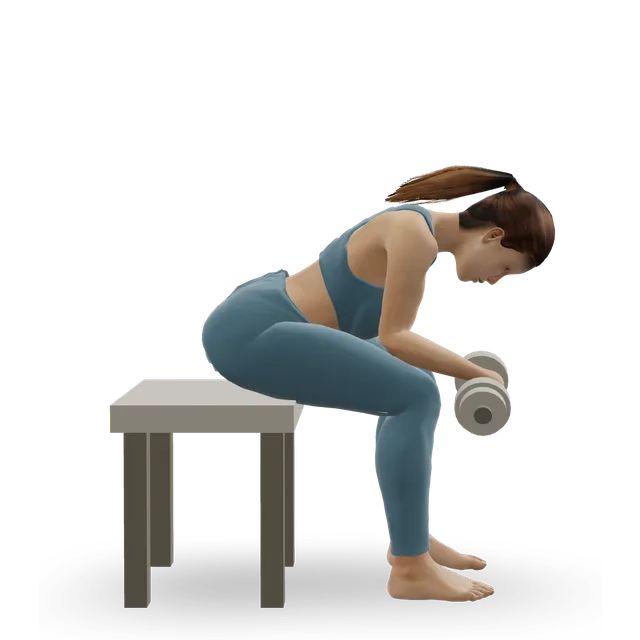
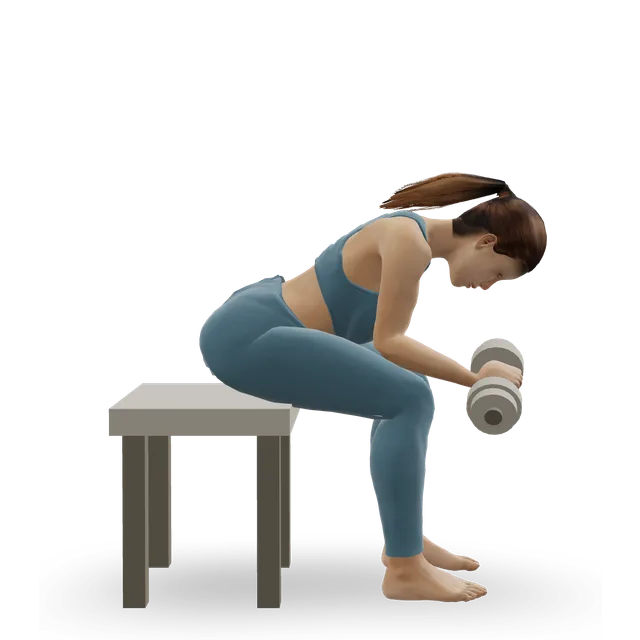
Every day, within the elbow pain rule. Wrist forearm flow: 10 slow reps each direction, no load. Wrist curls, palm up, forearm supported: first 5 still holds of 30 to 45 seconds; then, once the holds are comfortable, 3 sets of 10 to 15, lowering over 3 to 6 seconds. Forearm rotation: 3 sets of 10; ball squeeze: 5 to 10 squeezes of 5 seconds; band finger extension: 2 sets of 15 (our golfer's elbow guide). Flexible bar, if you have one: "3 sets of 15, about 5 seconds per release, with 60 seconds' rest between sets, for about 6 weeks" (the move page's dose). Wrist flexor stretch against a wall, elbow straight: 4 holds of 20 seconds, up to 3 times a day (NHS inform's dose). Elbow bend and straighten: "10 slow repetitions, up to 4 times a day" (the move page's dose).
 3D demoWrist & forearm flowBeginner · No equipment
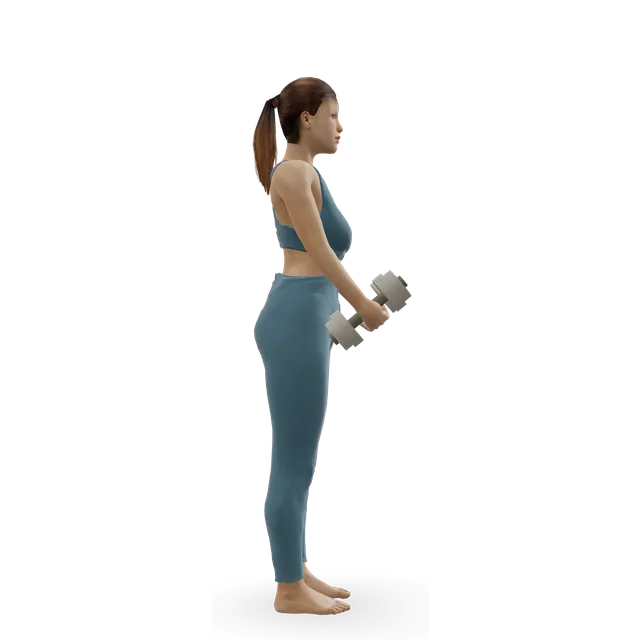
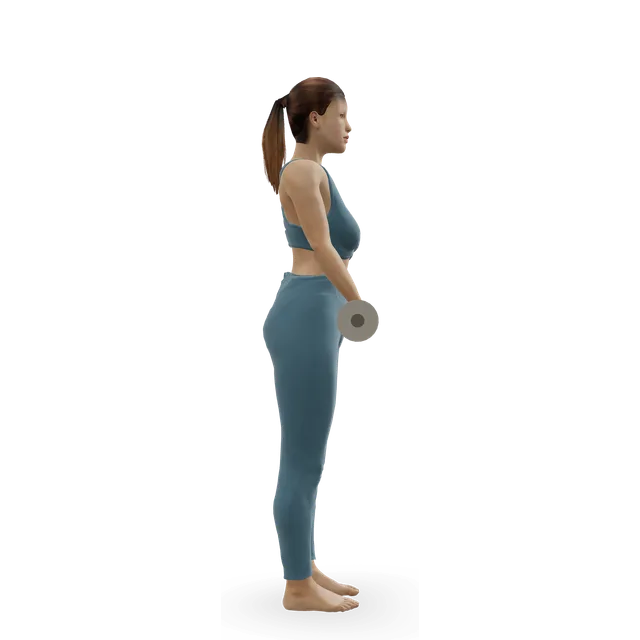
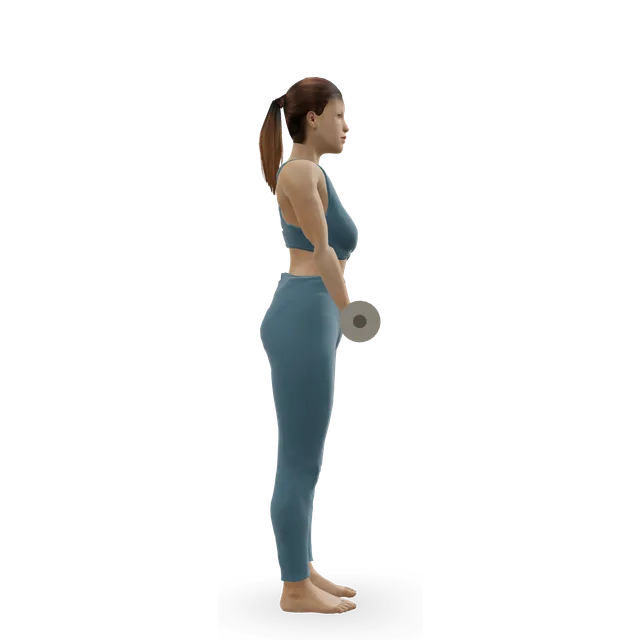
 3D demoWrist curlsBeginner · A dumbbell
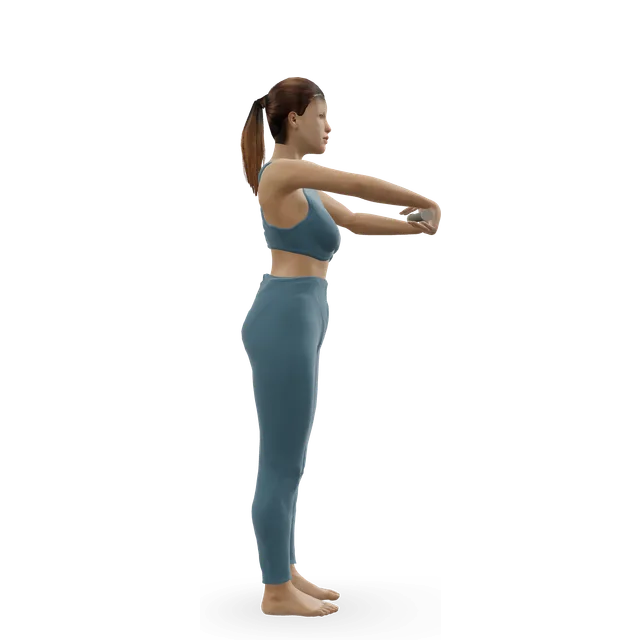 3D demoReverse Tyler twist (flexible bar, for golfer's elbow)Beginner · Other / check instructions
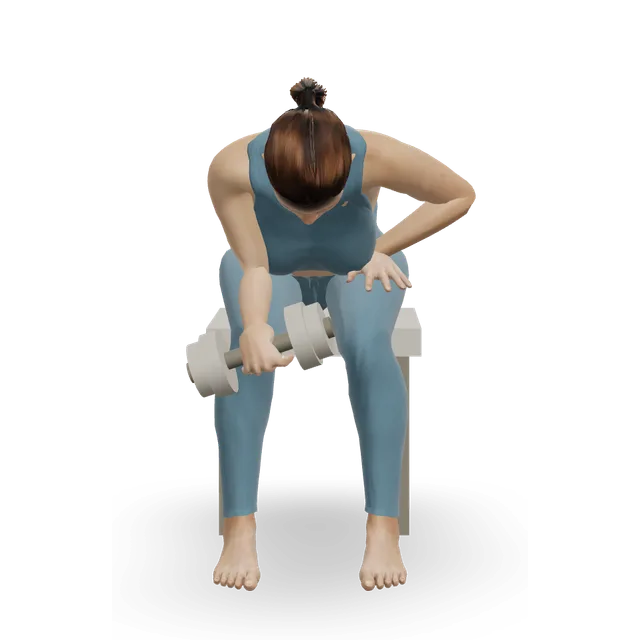 3D demoDumbbell forearm rotationBeginner · A dumbbell + A bench or box
 3D demoBall squeezeBeginner · Other / check instructions
 3D demoBand finger extensionBeginner · A band
 3D demoWrist flexor stretchBeginner · A wall
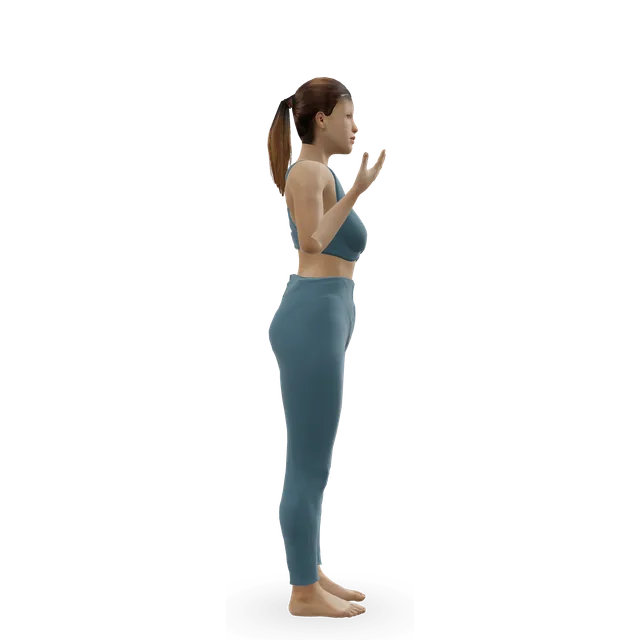 3D demoElbow bend and straighten (elbow range of motion)Beginner · No equipment
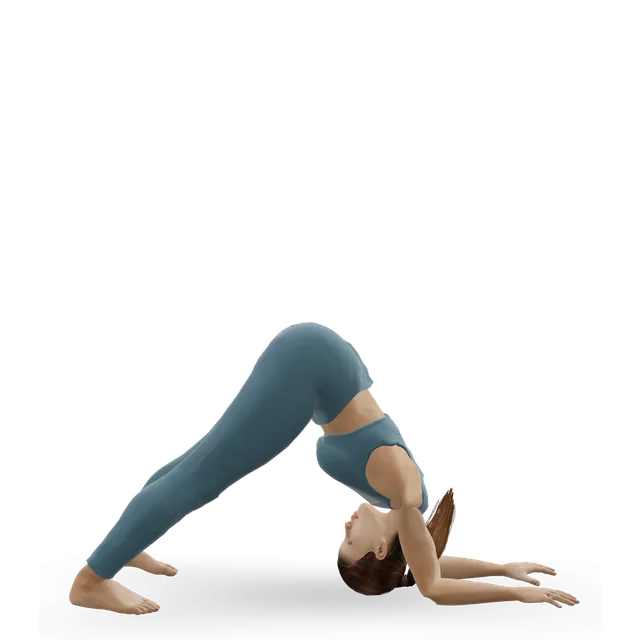
Dolphin, knees bent and hands open: 2 holds of 5 breaths; sphinx: 2 holds of 3 to 5 breaths; later, the wall push-up as the first step back to weight on your hands: 2 sets of 10 (our yoga for wrists class). Forearm plank, knees down to start: 2 holds of 20 to 30 seconds (our yoga for footballers class).
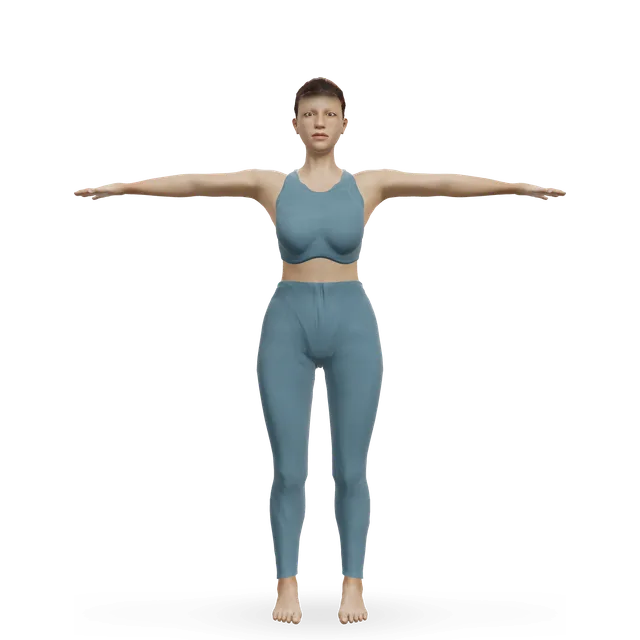
Fingers soft, nothing gripped. Mountain pose, palms turned forward: "Stand for 5 to 10 slow breaths, 2 or 3 times" (the move page's dose). Warrior II, fingers long: 3 to 5 breaths each side; chair pose, arms forward or hands on your hips: 2 holds of 3 to 5 breaths; tree pose, fingertips on a wall: 2 holds of 20 to 30 seconds each side (our yoga for tennis elbow class). Extended side angle, forearm resting on your front thigh: 5 breaths each side (our yoga for the pelvic floor class).
 3D demoMountain pose (Tadasana)Beginner · No equipment
 3D demoWarrior II (Virabhadrasana II)Intermediate · No equipment
 3D demoChair pose (Utkatasana)Beginner · No equipment
 3D demoTree pose (Vrksasana)Beginner · No equipment
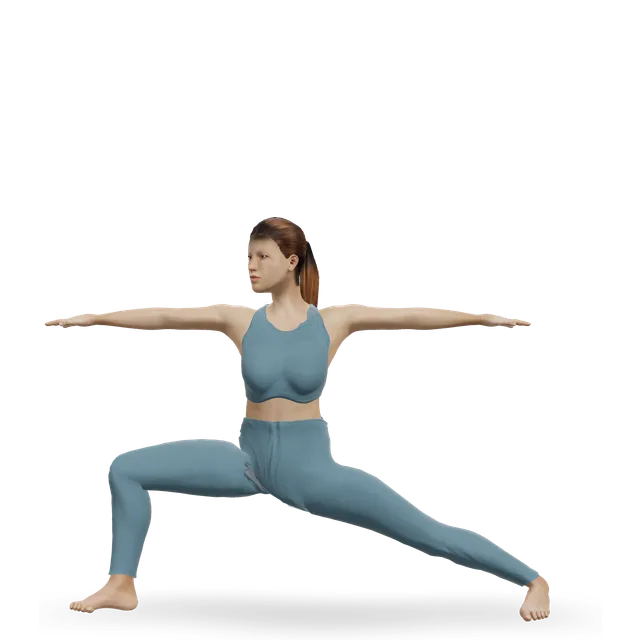 3D demoExtended side angle (Utthita Parsvakonasana)Intermediate · No equipment
Editorial for golfer's elbow: shoulder work hasn't been tested for it. Prone Y-T-W raises, thumbs up and hands open: 5 of each shape; locust, arms by your sides and palms relaxed: 2 holds of 5 breaths (our yoga for tennis elbow class). Wall angel: 8 slow slides (our yoga for jaw pain class).
Reclining twist, arms resting: 45 seconds each side (our yoga for tennis elbow class). Child's pose with your arms by your sides, palms up, so no weight goes through your hands: "Hold 1 to 3 minutes, breathing into the back ribs" (the move page's dose). Corpse pose: "Lie still for at least 5 minutes, up to 10, usually at the end of a session" (the move page's dose), elbows a little bent on cushions if you like, not fully bent.
Golfer's elbow hurts on the inner bump, tennis elbow on the outer one. The yoga changes are the same, but the loading differs: golfer's elbow loads the muscles that bend the wrist, tennis elbow the muscles that lift it. Our yoga for tennis elbow guide has the other forearm block.
Ease back into gripping and weight on your hands gradually and follow your clinician's advice (our suggestion); in the trial, the benefit lasted about 6 weeks.
Source 52
Our yoga for wrists and yoga for carpal tunnel guides have the wrist-free versions of the common poses.
Our 25-minute class starts with a 10-minute wrist flexor block to do every day, then yoga with your hands free or on your forearms; its structure is our editorial choice. The Pilates class has the same daily block. The yoga for tennis elbow class has the same swaps but loads the other side of the forearm, so on its own it doesn't load the golfer's elbow tendons. The wrist and forearm routine and the yoga for wrists class are for later stages, bringing weight back onto your hands.
A 25-minute yoga class for golfer's elbow: a 10-minute wrist flexor block, then standing poses with the hands free, forearm poses and shoulder-blade work.
25 minBeginner15 movesDumbbell, bench or boxA 25-minute Pilates class for golfer's elbow: a 10-minute wrist flexor loading block to do daily, then grip-free mat work and shoulder-blade moves.
25 minBeginner16 movesDumbbell, bench or boxA 25-minute yoga class for tennis elbow: a 10-minute forearm loading block, then standing poses with the hands free, forearm poses and shoulder-blade work.
25 minBeginner16 movesDumbbell, bench or boxWrist mobility and forearm strength for desk work, climbing, push-ups and handstands.
10 minBeginner7 movesWall, dumbbellA 20-minute yoga class for wrists: a gentle warm-up, poses with the hands free, then weight through the hands in stages, from a wall to all fours to the forearms.
20 minBeginner18 movesWall, other / check instructionsA 15-minute chair yoga routine done entirely sitting: slow breathing, neck, shoulder and wrist stretches, seated twists and side bends, and a calm finish.
15 minBeginner16 movesBench or boxA 25-minute forearm size workout with dumbbells: hammer, reverse and Zottman curls for the big muscle on the thumb side, then wrist curls and a carry.
25 minBeginner7 movesDumbbell, kettlebellA 25-minute yoga class for golfers: upper-back and hip rotation done evenly both ways, a hip hinge, one-leg balance, back endurance and forearm stretches.
25 minBeginner18 movesWall, stepThese are the same warning signs as our elbow pain, golfer's elbow and ulnar nerve guides, word for word. This is general information, not a diagnosis. A&E means accident and emergency; in the US, call 911 for 999.
Source 61
In poses the same rule applies as for the forearm exercises: no pose should push inner-elbow pain past mild, and weight on flat hands and hard gripping come back last. Come out of any arm position that brings on tingling in your little finger (our suggestion).
A joint pain that is sharp, gets worse during a session, lingers into the next day or changes how you move is a reason to use an easier version, and to see a GP or physiotherapist if it keeps happening (the rule in our plans). Muscle soreness for a day or two after something new is normal. In a hot class, stop if you feel dizzy, sick or unwell; our hot yoga guide lists the signs of heat illness.
Call 999 if:
Call 999 or go to A&E (accident and emergency) straight away for severe difficulty breathing (gasping, choking or not able to get words out), a chest that feels tight or heavy, pain that spreads to your arms, back, neck and jaw, lips or skin turning very pale, blue or grey, or sudden confusion. If you're more short of breath than usual, or your heart is racing, fluttering or skipping beats, contact NHS 111.
Source 71
With glaucoma, or high blood pressure that isn't under control, skip headstands, shoulder stands and long head-down holds. With osteoporosis, swap deep forward folds for a flat-back hinge from the hips, and twist smoothly. In pregnancy, our yoga in pregnancy guide covers the changes. NCCIH advises beginners to avoid headstands, shoulder stands, the lotus position and forceful breathing.
The NHS advises getting advice from a healthcare professional first if you have a health problem, an injury or symptoms, or have recently had a heart attack or an operation.
Most cases arise in people who aren't athletes, especially those whose work involves forceful, repeated gripping or manual labour. In amateur golfers, outer elbow pain is reported as the commoner problem.
The advice is to avoid what aggravates it while keeping the arm working with stretches and wrist curls. No trial has tested complete rest, and NHS inform says most symptoms do settle with time.
No yoga trial exists, stretching alone has been tested only once (in tennis elbow, with no untreated group), and the loading that's prescribed is borrowed from tennis elbow.
About 45% of body weight went along the forearm in an ordinary push-up, and four-limb yoga poses put up to about body weight through the arms, with the wrist bent well back.
It's the ulnar nerve. It changes which positions to avoid, and when to get help.
In the one trial, pain was less at 6 weeks, with no difference at 3 months or a year.
Source 52
In golfers with golfer's elbow, neither changed how hard the wrist flexors worked, and evidence for straps is very limited. Wear a brace for gripping tasks if it eases the pain, alongside the forearm exercises.
The class on this page asks for no flexibility: forearm exercises, standing poses at a wall, forearm poses and rest (our reading).
It doesn't treat it: no trial has tested yoga for golfer's elbow or any elbow tendon problem. You can keep doing yoga with your weight off flat, bent-back hands and a light grip, alongside the wrist flexor exercises that are prescribed.
Yes, with changes. Do downward dog, plank and cobra on your forearms or at a wall, don't grip hard, and keep inner-elbow discomfort to about 3 to 4 out of 10, settling within an hour and no worse the next morning. Stop any position that makes your ring or little finger tingle.
For now, weight on flat hands with the wrist bent back (downward dog, plank, chaturanga, upward dog, side plank, wheel), arm balances such as crow, and hard gripping such as holding your big toe, binds or a tight strap. If your little finger tingles, leave out eagle and cow-face arms too. Bring them back in steps.
The useful exercises are for the forearm: still holds and slow lowering with a light weight for the muscles that bend the wrist, forearm turns and a gentle stretch, kept up for 6 to 12 weeks. Our class starts with that block, then does standing and forearm poses.
With your hands flat, the wrist bends back, which stretches the sore tendons while they take your weight. In push-up studies, hands placed further forward or turned out loaded the inner elbow more, and a straighter wrist loaded it less. Try your forearms, fists or a wall instead.
An ache over the bony bump on the inside of the elbow, worse when you grip, is golfer's elbow. Tingling or numbness in the ring and little fingers, worse when you lean on the elbow or keep it bent, points to the ulnar nerve. You can have both.
No study links them. Lots of chaturanga flows, long holds on flat hands and hard gripping could aggravate a sore inner elbow (our reading), so change those while it settles.
Months rather than weeks. In workers, 81% had recovered at 3 years, and reviews say most settle within 1 to 3 years. Keep the forearm exercises going for 6 to 12 weeks.
A gentle wrist flexor stretch with the elbow straight is in every leaflet, but stretching on its own hasn't been shown to heal the tendon. Do it after the strengthening, and ease off if your fingers tingle.
The same yoga changes help both, but the loading differs: golfer's elbow loads the muscles that bend the wrist, tennis elbow the muscles that lift it. Our yoga for tennis elbow class has the other forearm block.
A brace may ease pain while you wear it, but there's little evidence it helps beyond that, and in golfers a brace didn't change how hard the forearm muscles worked. Wear it for gripping tasks if it helps, alongside the forearm exercises.
Call 999 for arm pain with pressure or tightness across your chest, and go to A&E if your elbow looks out of shape after a fall. Get same-day help for a hot, swollen elbow with a high temperature, and see a GP or physiotherapist if it hasn't gone after a few weeks or your little finger stays numb.
Exercise education, not a personal prescription, and clinical review of these guides is pending. If you are pregnant, have a health condition such as glaucoma, high blood pressure or osteoporosis, or have had recent surgery, check with a doctor, midwife or physiotherapist before starting, and stop for sharp or increasing pain. Health disclaimer.