Fingers first, then shoulders
At a specialist clinic, fingers were 52% of 911 climbing injuries, pulley injuries the commonest, and the shoulder second. Of 426 recreational indoor climbers, 42% had an arm or hand injury in a year.
Yoga guide
Yoga suits rock climbers and boulderers on rest days and after easy sessions: active hip range for high steps and turning in, upper-back and shoulder-blade work to balance all that pulling, one-leg balance, gentle forearm care and a calm finish. Flexibility helps climbing only up to a point, so the aim is range you can control, not more stretch.
No trial has tested yoga or a stretching programme in climbers, and in climbing studies stretching, warm-ups and taping didn't prevent injuries. So this guide is plain about what yoga can't do: it won't build finger strength or protect a pulley.
It covers where climbers get hurt, what predicts grade, hips, shoulders and fingers, very flexible climbers, before and after climbing, the warning signs, and a 25-minute off-the-wall class with 3D demos.
At a specialist clinic, fingers were 52% of 911 climbing injuries, pulley injuries the commonest, and the shoulder second. Of 426 recreational indoor climbers, 42% had an arm or hand injury in a year.
Our searches found no trial of yoga in climbers and no trial of a stretching programme that measured injuries or grade. This guide borrows from climbing studies and from stretching research in other athletes.
Across 34 studies, harder climbing, bouldering, the crimp grip, weaker fingers and a past injury went with overuse injury; warm-ups, cool-downs, stretching and taping didn't.
Source 5
Hip flexibility went with grade in male climbers, but flexibility explained only a small share of performance, and a climbing test battery suggests a threshold beyond which more isn't needed.
The British Mountaineering Council's warm-up is aerobic activity, joint rotation and easy climbing, and long holds just before hard moves cost a little power. Do yoga after climbing or on a rest day.
A pop or snap in a finger, a teenager's sore middle finger joint, a fall with a head injury and a shoulder out of place all need help; the full list is below.
Repeated gripping, pulling and locking off, keeping your feet on in overhangs, high steps and rockovers, turning a hip into the wall and flagging, and in bouldering, falling and landing. Our climbing page covers the training for all of it.
In 77 climbers, shoulder power and endurance and finger strength led; core endurance, hip, hamstring and lower-back flexibility (in men) and balance (in women) came second. A review of 74 studies concluded that "balance, flexibility, and anthropometric characteristics seem to count less".
Climbers' shoulders are pull-dominant: the ratio of lifting to pulling-down work was 0.74, against 1.13 in non-climbers. High-level male climbers had a rounder upper back and more arch in the lower back. Neither study measured pain.
Active hip range, upper-back extension, shoulder-blade work and pushing, balance, gentle forearm work and slow breathing, alongside climbing and strength training, which improves climbing measures. Yoga can't train finger strength or pulling power.
Each study counted injuries its own way, so the figures in different notes aren't comparable. Our climbing page has more.
Fingers were 52% of 911 injuries at a specialist clinic, with pulley injuries (the bands that hold the finger tendons against the bone) the commonest finger injury. In 426 recreational indoor climbers followed for a year, there were about 13 arm and hand injuries per 1,000 hours of climbing, and the finger was the commonest site.
Across 7 studies of over 4,000 climbers, overuse injuries of the fingers and shoulders were more common than sudden ones, and what predicts them was inconsistent.
Source 19
In 507 indoor boulderers, 44% were injured over a year. Leg injuries were less common than arm and hand injuries but more serious, and went with falling (about 3 times the odds) and jumping off the wall (about 4 times).
Source 20
In climbers under 18 seen at a referral centre, growth plate stress injuries of the fingers were 45% of injuries. The fingers don't finish growing until about 17, and the British Mountaineering Council says growth plates are weaker than the tendons and ligaments around them.
No trial has tested yoga or stretching in climbers, so this guide draws on climbing cohort studies and stretching research in other athletes, and says where it does.
Our searches found no trial of yoga in climbers and no trial of a stretching or flexibility programme with an injury or grade outcome. The nearest is a one-off comparison in 22 recreational climbers, in which three different 10-minute warm-ups all raised shoulder range for that session.
In a review of 34 studies: "BMI/body weight, warm up/cool downs, stretching, taping and hydration were not associated with risk of overuse injury." Its authors say it "would seem problematic to advise climbers to engage with a stretching routine prior to training sessions and competition". In recreational climbers, campus boarding (about 2.5 times the odds) and a past injury (about 3 times) went with injury, and doing a cool-down went with more injury, probably for other reasons. None of the measures studied in boulderers protected.
In 84 male student climbers, a programme of closed-chain, slow-lowering and strength exercises went with fewer shoulder injuries (0.5 against 3.2 per 1,000 climbing exposures), but its exercises aren't described in the summary and its figures don't fully match. It's the one strength trial counted in the climbing review.
Across 25 trials in other sports, stretching programmes didn't prevent injuries, while strength training cut them to under a third. A 2025 consensus of stretching researchers doesn't recommend stretching for injury prevention in general.
Across 12 controlled studies, strength training improved climbing measures, and climbing-specific resistance training beat climbing alone. A 2024 review suggests short, heavy strength sessions twice a week.
Hip flexibility went with grade in 44 male climbers, and elite men had more hip flexibility than recreational climbers in a small study of 30. In women, flexibility wasn't among the things that went with grade, and only finger strength separated elite women.
In 44 climbers, the trainable component (strength and endurance) explained 58.9% of climbing performance and flexibility 1.8%. In a 132-climber test battery, flexibility tests were "only partially successful in differentiating across climber abilities", and the authors suggest "a threshold level of flexibility and strength ... beyond which further improvements may not be required".
A rock-over test, stepping a foot high onto a hold and rocking over it, combines hip flexibility with strength, and it tracked grade more closely. That active hip range, rather than passive splits, is what matters is our inference from that one study and one abstract.
The British Mountaineering Council advises that climbers under 18 don't campus feet-off or dynamically, and says "Younger climbers benefit more from improving their flexibility, co-ordination and technique."
Source 30
Lift-offs and switches train the hip to hold a position under its own power, as when you place a foot high and stand up on it. Then hold the gentle stretches if they feel good (our reading).
Source 29
If you're very flexible, keep frog, pigeon and lizard in the middle of your range: athletes with very flexible joints had more shoulder injuries, and the NHS says "do not overextend your joints just because you can".
Back-extension poses such as locust, shoulder-blade work and pushing balance a pull-dominant sport and a rounder upper back. No trial has tested them for preventing climbing injuries, but strength work for all the major muscles on 2 days a week is what the NHS recommends anyway.
Leave out end-range overhead stretches, strap pass-throughs and hanging until you're cleared.
Stop an exercise, or shrink its range, if you get the feeling the shoulder is about to slip out (editorial).
Source 34
Pulley injuries come from the crimp grip and sudden loads, and go with harder climbing, weaker fingers and past injuries. Load, grip and technique are what to manage, as our climbing page and finger pulley guide set out.
Gentle wrist and forearm stretches are fine for comfort. The UIAA Medical Commission discourages "Over stretching of individual joints of the fingers". Taping may limit how far a tendon lifts from the bone, but it hasn't been shown to prevent injuries.
Do planks and all-fours poses on your forearms, keep your hands relaxed, and skip the wrist and finger stretches until your clinician's protection period ends (our suggestion, as on our Pilates for climbers guide).
The British Mountaineering Council's warm-up has three parts: aerobic activity, joint rotation and easy climbing, and it says "Joint rotation and light stretching" to prepare is different from stretching to increase flexibility. Holds of a minute or more per muscle just before hard effort cost about 4.6% of performance.
Stretching after exercise barely changed next-day soreness, but a short routine and slow breathing can help you wind down.
Once or twice a week on rest days or after easy sessions, 20 to 30 minutes, and not just before a hard finger session (our editorial starting point). Flexibility gains from stretching level off at about 4 minutes a session and 10 minutes a week, so a few holds per area are enough. Keep strength training twice a week alongside.
90/90 switch: 10 slow switches (the move's page). 90/90 hip lift-off: 3 holds of 5 seconds each way, each side; lizard: 45 seconds each side; low lunge: 45 seconds each side; pigeon preparation: 60 seconds each side (our yoga for hips class). Frog rock: 8 slow rocks, only as wide as is comfortable (our Pilates for climbers class). Deep squat: 60 seconds, holding a door frame (our yoga for mobility class).
 3D demo90/90 switchIntermediate · No equipment
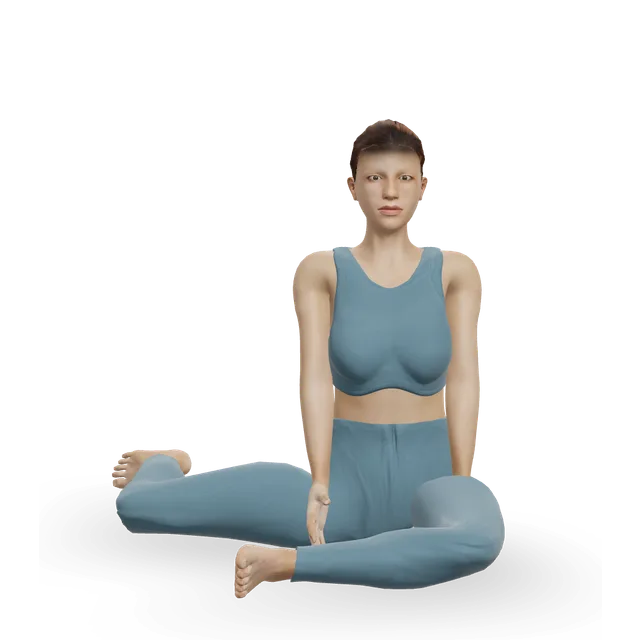 3D demo90/90 hip lift-offIntermediate · No equipment
 3D demoLizard pose (Utthan Pristhasana)Intermediate · No equipment
 3D demoLow lunge (Anjaneyasana)Beginner · No equipment
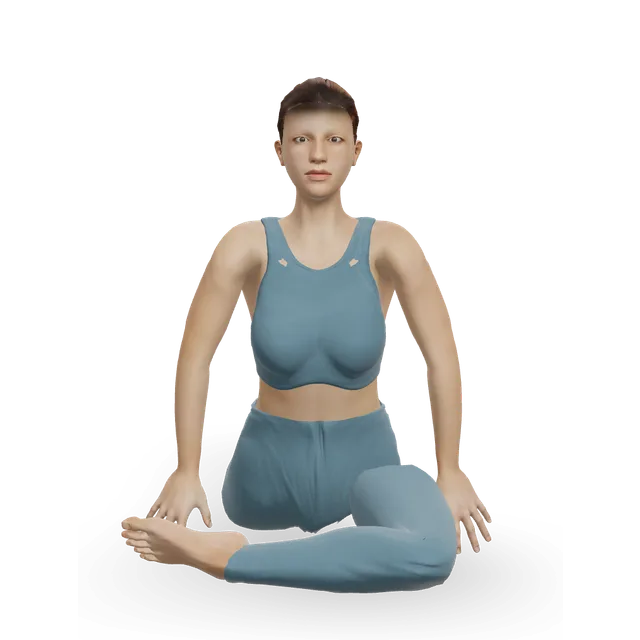 3D demoPigeon preparation (Eka Pada Rajakapotasana prep)Intermediate · No equipment
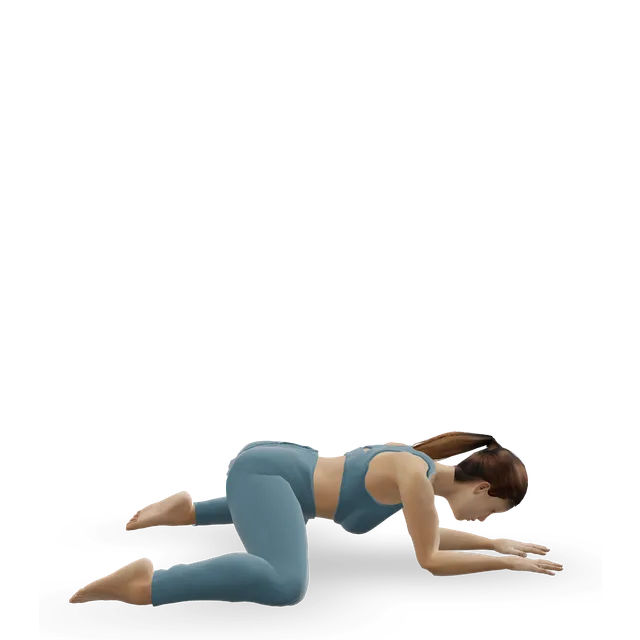 3D demoFrog rockIntermediate · No equipment
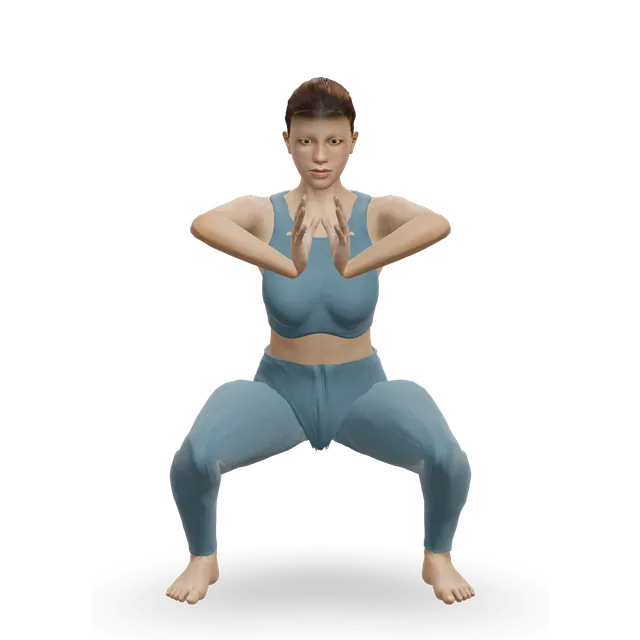 3D demoDeep squat holdIntermediate · No equipment
Scapular push-ups: 10, pausing at the top (our Pilates for climbers class). Y-T-W raises: 5 of each shape (our climbers' antagonist workout). Locust: 2 holds of 5 breaths, arms forward, and wall angel: 8 slow slides (our yoga for swimmers class). Thoracic rotation: 6 each side (the move's page). Cat-cow: 8 waves, on your forearms if a finger is sore (our Pilates for climbers class).
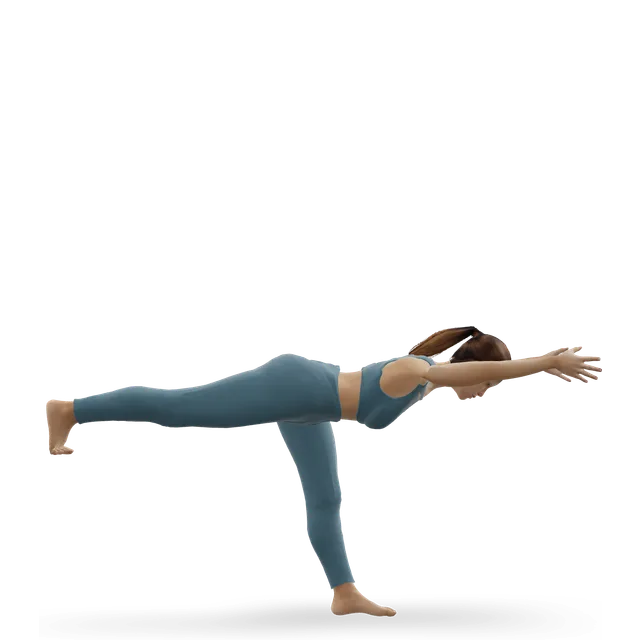
Tree pose: 30 seconds each side (our yoga for golfers class); warrior III: 3 breaths each side, twice, hands on a chair (our yoga for footballers class). Side plank: 2 holds of 20 to 30 seconds each side, from your knees if needed (our climbers' antagonist workout); forearm plank: 2 holds of 20 to 30 seconds (our yoga for footballers class).
Wrist and forearm flow: 60 seconds, and wrist flexor stretch: 30 seconds each side, easing off if it tingles (our yoga for wrists class). Tendon glides: one slow round of each position (our climbing warm-up). Skip them with an injured finger.
Slow breathing: 2 minutes, in for about 4 and out for about 6 (our yoga for footballers class); child's pose: 60 seconds, arms by your sides (our yoga for wrists class); lying twist: 45 seconds each side (our yoga for mobility class); corpse pose: 3 minutes (our yoga for golfers class).
Do downward dog, plank, chaturanga and crow on your forearms, or skip them, until pressing on a flat hand is comfortable.
Never "stretch out" an injured pulley, and keep forearm stretches gentle.
Source 36
Leave out extended puppy pose, strap pass-throughs and bar hangs until you're cleared.
Source 34
Keep frog, pigeon and splits-type holds in the middle of your range rather than hanging at the end of it.
They cost a little power. Keep them for afterwards.
Source 10
Not needed for climbing, and hand, shoulder and head stands are the practices most often linked with acute yoga injuries; US health advice says people new to yoga should avoid them.
Our 25-minute off-the-wall class on rest days or after easy sessions. The climbing warm-up goes before you climb, and the antagonist and shoulder workout adds the pushing and forearm strength work.
Twenty-five minutes of yoga for climbers and boulderers: active hip range, upper back and shoulder blades, balance, gentle forearm work and recovery.
25 minBeginner18 movesA wallA 15-minute climbing warm-up: easy movement, shoulder and hip mobility, wrist and finger glides, scapular pulls, then hangs of 5, 10 and 20 seconds.
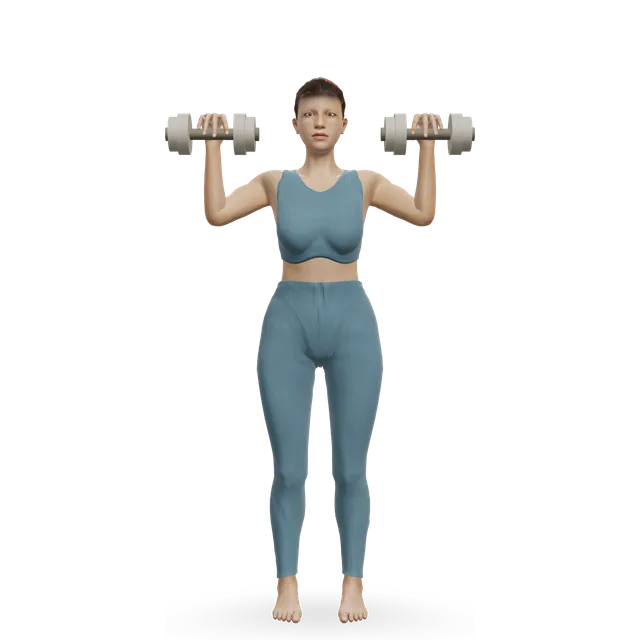
15 minBeginner9 movesPull-up bar, A bandA 30-minute antagonist workout for climbers: push-ups and presses, band rotations, Y-T-W raises and face pulls, wrist and finger extensions, and a side plank.
30 minBeginner13 movesA band, A dumbbellA 25-minute Pilates class for climbers: trunk tension, hips for high steps and turning in, shoulder blades and pushing, with no hanging or gripping.
25 minBeginner18 movesNo equipmentA hip-opening yoga sequence: low lunge, lizard, goddess, pigeon, bound angle and happy baby.
25 minBeginner10 movesA wallA 20-minute yoga class for wrists: a gentle warm-up, poses with the hands free, then weight through the hands in stages, from a wall to all fours to the forearms.
20 minBeginner18 movesA wall, Other / check instructionsTwenty minutes of joint circles, a standing flow and end-of-range strength: yoga for range you can reach and control, for desk days, rest days or older joints.
20 minBeginner16 movesA step, A wallThese are the warning signs from our finger pulley, climbing, Pilates for climbers and shoulder guides, word for word. This is general information, not a diagnosis. A&E means accident and emergency; in the US, call 911 for 999.
Contact NHS 111 if you heard a snap, grinding or popping noise when you hurt your finger, the pain is severe, or you're not able to move the finger or hold things.
Contact NHS 111 if the finger has changed shape or colour, you've lost the feeling in part or all of your hand after an injury, or you feel faint, dizzy or sick from the pain.
Contact NHS 111 if you have finger pain with a very high temperature, or you feel hot or cold and shivery.
Source 11
Get it checked for any of these:
Source 11
A climber under 18 with a slow build-up of pain, swelling or stiffness on the back of a middle finger joint: stop climbing and see a GP, and ask for an urgent referral to a hand surgeon. It can be a growth plate stress fracture, which X-rays can miss.
Source 12
Call 999 if someone has hit their head and has been knocked out and hasn't woken up, can't stay awake or keep their eyes open, has a fit, has fallen from a height of more than 1 metre or 5 stairs, has problems with their vision or hearing, has clear fluid coming from their ears or nose, has new numbness or weakness, has problems with walking, balance, understanding, speaking or writing, hit their head at high speed, or their behaviour has changed. Get help from NHS 111 if they're being sick, feel dizzy or take medicine that thins the blood. If you're told to go to A&E (accident and emergency), don't drive yourself there if you have hit your head.
With a suspected concussion, if in doubt, sit them out. The UK's grassroots guidelines say no sport for at least 24 hours, get checked by a healthcare professional or NHS 111 within 24 hours, follow a staged return, and no competition before day 21; if symptoms last beyond 28 days, stay out of sport and see a doctor. Yoga waits too: gentle breathing fits the early, light-activity stages, and no head-down poses or inversions until you're cleared (our reading). Our concussion guide has the stages.
Call 999 or go to A&E if you heard a crack, the joint has changed shape or points at an odd angle, it's numb or tingling, or the skin has turned blue or grey or is cold. Get help from NHS 111 or an urgent treatment centre if you can't put any weight on it or walk more than a few steps.
Source 44
Call 999 or go to A&E if, after a fall or injury, your shoulder looks out of place or has changed shape, you cannot move your arm, or your shoulder is painful, bruised or swollen. Ask for a same-day GP appointment or contact NHS 111 for sudden or very bad shoulder pain, an arm you can't move, pins and needles that don't go away, or pain that started after a fall.
Your shoulder has partly or fully come out of joint, or you worry it might.
That points to the ulnar nerve at the elbow; our ulnar nerve entrapment guide explains when to see a GP.
Call 999 if:
Call 999 or go to A&E (accident and emergency) straight away for severe difficulty breathing (gasping, choking or not able to get words out), a chest that feels tight or heavy, pain that spreads to your arms, back, neck and jaw, lips or skin turning very pale, blue or grey, or sudden confusion. If you're more short of breath than usual, or your heart is racing, fluttering or skipping beats, contact NHS 111.
Source 48
A joint pain that is sharp, gets worse during a session, lingers into the next day or changes how you move is a reason to use an easier version, and to see a GP or physiotherapist if it keeps happening (the rule in our plans). Muscle soreness for a day or two after something new is normal. In a hot class, stop if you feel dizzy, sick or unwell; our hot yoga guide lists the signs of heat illness.
If you're hypermobile, don't use mobility work to push further: the NHS says "do not overextend your joints just because you can". See a GP if you think you have joint hypermobility syndrome: for example, your joints keep dislocating, or you keep getting sprains, strains, pain or stiffness.
Source 32
The NHS advises getting advice from a healthcare professional first if you have a health problem, an injury or symptoms, or have recently had a heart attack or an operation.
Hip flexibility went with grade in men, a rock-over test of hip range with strength tracked grade, and the British Mountaineering Council says younger climbers benefit from improving their flexibility.
Flexibility explained 1.8% of performance in one study, a threshold seems to be enough, and very flexible athletes had more shoulder injuries.
Warm-ups, cool-downs, stretching and taping weren't protective in climbing studies. Warm up to climb well, not as proven protection.
Stretching programmes didn't prevent sports injuries across 25 trials, and stretching before exercise didn't prevent injury in 1,538 army recruits.
No climbing trial has tested it. Finger strength and shoulder power predict grade most, and strength training improves climbing.
No study shows it. The UIAA discourages over-stretching the finger joints, and pulley injuries follow crimping, load and past injury.
It can help with what climbing uses but doesn't fully train: active hip range, upper-back extension, shoulder-blade control and balance. No trial has tested yoga in climbers, and it won't build finger strength.
Up to a point. Hip flexibility went with grade in men, but flexibility explained only a small share of performance, and a climbing test battery suggests a threshold beyond which more isn't needed.
90/90 switches and lift-offs, lizard and frog for high steps and turning in; locust, Y-T-W raises and wall angels for the upper back and shoulder blades; scapular push-ups for pushing; tree pose and side plank for balance; and gentle forearm stretches. Our 25-minute class puts them together.
After, or on a rest day. Before climbing, the British Mountaineering Council's warm-up of aerobic activity, joint rotation and easy climbing does the job, and long holds just before hard moves cost a little power.
It hasn't been tested. In climbing studies, stretching, warm-ups and taping weren't protective, while harder climbing, crimping, bouldering and past injuries went with injury; one shoulder strength programme cut shoulder injuries.
Gentle forearm stretches are fine for comfort, but no study shows finger stretching protects your pulleys, and the UIAA discourages over-stretching the finger joints. Never stretch an injured finger without your clinician's advice.
Yes, if you keep weight off your hands: do planks and all-fours poses on your forearms. A snap or pop with severe pain, or a finger you can't move, needs NHS 111.
The same poses suit boulderers, with balance work for landings. Most serious bouldering injuries come from falls and jumping off, which yoga can't prevent: climb down where you can.
Yes, but aim for strength and control rather than more stretch: athletes with very flexible joints had more shoulder injuries. Keep the hip and shoulder poses in the middle of your range.
Once or twice a week on rest days or after easy sessions, 20 to 30 minutes (our suggestion), and not just before a hard finger session. A few holds per area are enough: flexibility gains level off at about 4 minutes a session.
Neither has been tested in climbers. Yoga suits range, balance and recovery; Pilates suits trunk tension and shoulder-blade control. Strength training matters more than either for climbing.
Exercise education, not a personal prescription, and clinical review of these guides is pending. If you are pregnant, have a health condition such as glaucoma, high blood pressure or osteoporosis, or have had recent surgery, check with a doctor, midwife or physiotherapist before starting, and stop for sharp or increasing pain. Health disclaimer.