Also called intercostals, rib muscles, muscles between the ribs
The intercostal muscles are three thin layers of muscle filling the gaps between the ribs, eleven on each side: the external, internal and innermost intercostals. The nerve and blood vessels for each gap run in a groove along the underside of the rib above.
They lift and lower the ribs as you breathe, help the diaphragm, and work hard whenever you twist your trunk. A pulled rib muscle is looked after like a bruised rib, but new chest pain always needs checking first.
Lift and widen the rib cage as you breathe in: the ribs swing up and out like the handle of a bucket.Elevation of the ribs in inspiration (bucket-handle movement)
Pull the ribs down and together when you breathe out hard, cough or blow out candles. Breathing out quietly needs no muscle work.Depression of the ribs in forced expiration
Twist the trunk: your right external intercostals help turn you to the left, and your right internal intercostals to the right.Axial rotation of the thorax
Keep the wall of the rib cage firm.Stiffening of the chest wall
Nerve supply
The intercostal nerves, the front branches (anterior rami) of the first to eleventh thoracic nerves (T1 to T11), one running in a groove under each rib. The twelfth thoracic nerve forms the subcostal nerve.
Helping the diaphragm in every breathEmerging evidence
The diaphragm is the main breathing muscle. In a small study of 5 people, the parasternal intercostals, the part of the internal layer between the rib cartilages beside the breastbone, worked in every quiet breath.
Which way the other parts help depends on where they sit. A review of the research found that the external intercostals at the back of the upper ribs help most with breathing in, an effect that fades toward the front of the lower ribs, while the lower internal intercostals help you breathe out.
In fine-wire electromyography (EMG), which records muscle activity, of 9 people, turning the trunk 30 to 35 degrees made the side intercostals work as hard as breathing 50 litres of air a minute. The right external intercostals worked when turning left and the right internal intercostals when turning right. In small studies, holding a twist kept them working steadily, and the parasternal intercostals joined in when turning to their own side.
During exercise or singing, extra breathing muscles join in, which is normal. Using them while resting can be a sign of illness, such as an asthma attack, and skin sucking in between the ribs as you breathe (intercostal retractions) needs emergency care. After a bad chest injury, the intercostal muscles can at first hold a broken section of ribs in place.
Breathing in or out against a resistance device trains the breathing muscles: breathing-in trainers target the diaphragm and the external and parasternal intercostals, and breathing-out trainers the internal intercostals and abdominal muscles. They are used for lung disease, coming off a ventilator and in sport, but not with broken ribs, osteoporosis or a recent collapsed lung.
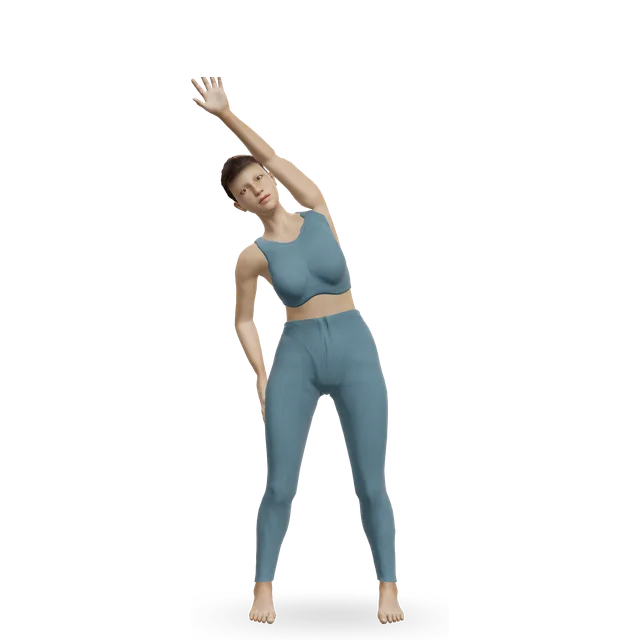
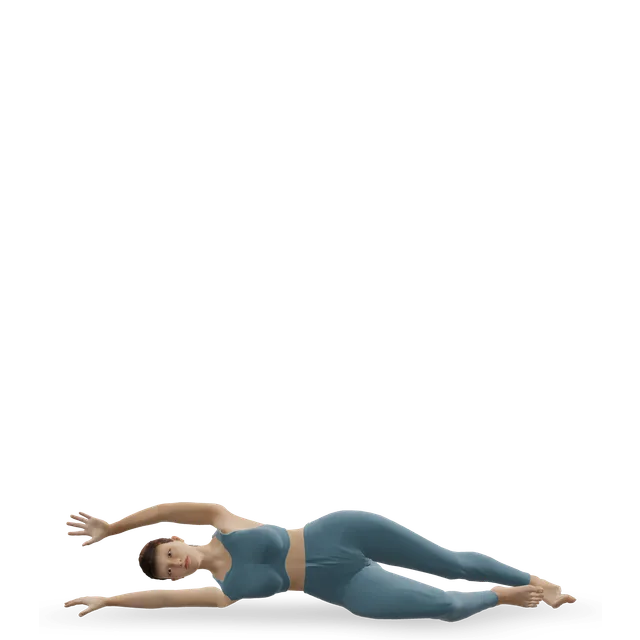
These moves use the intercostals' breathing and twisting actions. No study has measured them for these muscles, so the order follows from those actions. Turning the trunk made the intercostals work hard in a small EMG study, though not in this exact drill.
Side bends and twists reverse the intercostals' actions and open the gaps between the ribs; no study has measured a stretch for them. After a rib injury, start within a comfortable range and stretch only to mild discomfort from about day 4 to 6, as in the rib injury guide.
A pulled rib muscle (intercostal strain)Emerging evidence
The NHS describes a chest sprain or strain as pain that starts after a chest injury or chest exercise, may get worse when you breathe in, and feels better when you rest the muscle. A sports medicine review notes only that the intercostals can be injured, causing tenderness between the ribs, and Cleveland Clinic says minor strains can be managed yourself.
No study has tested treatments or recovery times for intercostal strains. The nearest figures come from strains of a different trunk muscle at the lower ribs: professional baseball players returned after about 4 weeks on average, ranging from 4 to 53 days.
They usually heal by themselves in 2 to 6 weeks. Take slow, deep breaths regularly, cough when you need to with a pillow held to your chest, and keep moving. Call 999 or go to accident and emergency (A&E) if breathlessness or chest pain gets worse, you have pain in your tummy or shoulder, or you cough up blood.
Taping the ribs is no longer recommended, because it makes breathing in harder.
Inflammation where the ribs join the breastbone, next to but not in the intercostal muscles, causes similar sharp chest pain, worse when you move, lie down, breathe deeply or press on it. Chest pain needs checking before it is put down to either.
Burning, shooting or stabbing pain in a band along a rib, sometimes with numbness or tingling, made worse by deep breaths, coughing or twisting. It most often follows chest surgery or shingles, which starts with a tingling patch of skin and then a blistering rash. It is diagnosed only after heart, lung and gut causes have been ruled out.
Call 999 for sudden chest pain that doesn't go away (it can feel like squeezing, pressure or burning), pain that spreads to your arm, neck, jaw, stomach or back, or chest pain with sweating, feeling sick, light-headedness or breathlessness. Pain from the chest wall is more often in one spot, tender and worse with movement, coughing or deep breaths, but you can't be sure without a clinician, and both can happen together.
Rarely, a coughing fit tears the intercostal muscles so that part of the lung bulges through the gap, mostly in people with asthma or chronic obstructive pulmonary disease (COPD); most lung hernias follow an injury instead. A new bulge between the ribs after coughing needs a doctor.
Strap a pulled rib muscle and avoid deep breathsEmerging evidence
The NHS advises regular slow, deep breaths and coughing with a pillow held to the chest, and says ribs can't easily be splinted. Rib taping is no longer recommended because it restricts breathing in. This is consistent advice rather than trial evidence.
If pressing on it hurts, it can't be your heartStrong evidence
Tenderness makes chest-wall pain more likely, but you can't be sure without a clinician, and muscle and heart pain can happen together. The 999 warning signs apply whatever you think the cause is.
Three thin layers of muscle filling the gaps between your ribs, eleven on each side: the external, internal and innermost intercostals. A nerve, artery and vein for each gap run in a groove under the rib above.
What do the intercostal muscles do?
They lift and widen the rib cage as you breathe in and pull the ribs down when you breathe out hard, helping the diaphragm. They also work hard when you twist your trunk, and keep the chest wall firm.
How do I know if I've pulled an intercostal muscle?
Typically the pain starts after a chest injury or chest exercise, gets worse when you breathe in, and eases when you rest the muscle, with tenderness between the ribs. Chest pain can come from the heart or lungs too, so get new chest pain checked, and call 999 for the warning signs.
How long does an intercostal strain take to heal?
It has hardly been studied. Bruised or broken ribs usually heal in 2 to 6 weeks, and pulled rib muscles are looked after the same way; strains of a nearby trunk muscle kept professional baseball players out for about 4 weeks on average. See a GP if it isn't improving within a few weeks.
What helps a pulled rib muscle?
Painkillers so you can breathe deeply, an ice pack in the first few days, regular slow deep breaths, coughing with a pillow held to your chest, and moving around. Don't strap it: taping makes breathing in harder.
Can coughing strain the intercostal muscles?
Severe coughing can bruise or break ribs, and very rarely it tears the intercostal muscles so that part of the lung bulges through. A new bulge between the ribs after coughing needs a doctor.
How do you stretch the intercostal muscles?
Side bends and gentle twists open the gaps between the ribs; no study has tested a stretch specifically for the intercostals. After an injury, move within comfort for the first few days, then stretch only to mild discomfort.
Can you strengthen the intercostal muscles?
Breathing exercises use them, and breathing against a resistance device trains them in rehabilitation for lung disease and in sport. Those devices aren't for people with broken ribs or osteoporosis.
Is it a pulled muscle or my heart?
You can't be sure yourself. Muscle pain is more often in one spot, tender, and worse with movement, coughing or deep breaths, but heart and muscle pain can happen together. Call 999 for sudden chest pain that doesn't go away, spreads to your arm, neck or jaw, or comes with sweating, feeling sick or breathlessness.
What's the difference between intercostal muscle pain and costochondritis?
Costochondritis is inflammation of the cartilage joints where the ribs meet the breastbone, next to but not in the intercostal muscles. Both cause sharp chest pain made worse by movement and deep breaths, and both need the heart and lungs considered first.
Anatomy and movement education, not a diagnosis or treatment plan. If you have pain that follows an injury, is severe or getting worse, or comes with numbness, weakness or swelling, get it assessed. Health disclaimer.