Fascia guide

Visceral manipulation: what it claims, what a session involves, what the evidence shows, and what helps the belly and the back

Visceral manipulation is a hands-on therapy on the belly, aimed at the movement of your organs and the tissues that hold them. It comes from French osteopathy, and its theory is that organs can lose their normal movement and cause back, gut and other problems that a practitioner can feel and treat.

The honest headline: practitioners don't agree on what they feel, the most careful back pain trial found no difference against a fake treatment at its main time point, and small trials in irritable bowel syndrome (IBS) show less tummy pain for a while, on low quality evidence. New belly or bowel symptoms always need checking by a doctor first; hands-on treatment never replaces that.

This guide starts with the belly and bowel signs that need a general practitioner (GP), the National Health Service's 111 line (NHS 111) or 999, then explains where visceral manipulation came from, what a session involves, what trials found for back pain, IBS, constipation, colic and period pain, including the claim that it frees adhesions, what you can do yourself, and who should avoid hands-on belly work.

The short version

A hands-on belly therapy from osteopathy

Most practitioners follow the French osteopaths Jean-Pierre Barral and Pierre Mercier, whose book appeared in 1983. The theory is that organs lose their normal movement and that this causes back, gut and other complaints that hands can find and treat.

Sources 1, 2

Practitioners don't agree on what they feel

A review of 8 studies found the diagnostic techniques unreliable: different practitioners didn't find the same things.

Source 1

Back pain: mixed results

In the most careful sham-controlled trial (64 people), adding it to physiotherapy didn't change pain at 6 weeks, and a review of 5 trials found no clear benefit. Two later sham-controlled trials were positive.

Sources 3, 4, 5, 6

IBS: less tummy pain for a while, on low quality evidence

Across 5 trials, osteopathic treatment eased tummy pain and constipation in IBS against a sham or no treatment, but not overall IBS symptoms.

Source 7

Simple self-care helps the belly

Abdominal massage, which you can do yourself, added about 1.6 bowel movements a week for constipation, and the NHS starts IBS care with diet, lifestyle and exercise. Walking and slow breathing cost nothing.

Sources 8, 9

New belly or bowel symptoms come first

Tummy pain that's severe, sudden or getting worse, blood in your poo, a change in bowel habit or weight loss you can't explain need a doctor, not belly treatment. The signs are just below.

Sources 10, 11

Check first: belly symptoms that need help now

Hands-on treatment never replaces checking new belly or bowel symptoms. A&E means accident and emergency.

Call 999 or go to A&E

  • Call 999 or go to A&E: tummy pain that started suddenly and is severe, you're vomiting blood or your vomit looks green or like ground coffee, there's a lot of blood coming from your bottom or your poo is black and sticky, you cannot pee at all, you cannot poo or fart at all, you have spots or a rash that does not fade when you press it (it may be harder to see on brown or black skin), or you're struggling to breathe. Don't drive yourself.
  • Call 999 or go to A&E now if you have a femoral hernia (a small lump at the top of your thigh, in your groin) and very bad tummy pain, you feel sick or you're being sick, you cannot fart or poo, you have a high temperature or you feel hot, cold or shivery, or you've suddenly become confused. Do not drive to A&E. With any other hernia and pain in or around it, a bloated tummy, feeling or being sick, vomiting blood or vomit that looks like coffee grounds, constipation, a high temperature or feeling hot, cold or shivery, or sudden confusion, get help from NHS 111.
  • Call 999: sudden, severe pain in the tummy or back, which can come with breathlessness, pale or grey skin, or collapse. It can be a burst abdominal aortic aneurysm, most common in men aged 65 or over and in people who smoke or used to smoke.

Sources 10, 12, 13, 14

Urgent GP appointment or NHS 111

  • Tummy pain that suddenly gets much worse, or tummy pain when you're pregnant, or with blood in your poo, unusual bleeding or discharge from your vagina, or diarrhoea or vomiting that hasn't gone away after a few days.
  • Tummy pain that is gradually getting worse or doesn't go away, or moves to the lower right side of your tummy, especially with a high temperature or being sick: ask for an urgent GP appointment or get help from NHS 111 (our suggestion, from the NHS appendicitis page).

Sources 10, 15

What visceral manipulation is

What it is

Visceral manipulation works on the belly, aiming at the movement of the organs (the viscera) and the membranes, ligaments and fascia that hold them. The Barral Institute, which trains practitioners, calls it "organ-specific fascial mobilization" that "evaluates and treats the dynamics of motion and suspension in relation to organs, membranes, fascia, and ligaments".

Sources 2, 1

Where it came from

A 2018 review says the idea was introduced by the French osteopath Jacques Weischenck in the 1980s, and that the 1983 book by the French osteopaths Jean-Pierre Barral and Pierre Mercier is the one most osteopaths rely on. The Barral Institute describes Barral as an osteopath and physical therapist who has since developed related techniques for blood vessels, nerves and the brain.

Sources 1, 2

The theory

Organs move as you breathe. The theory says this movement can be disturbed, much as a joint can stiffen, and that the disturbance can start or keep going back pain, gut complaints and other problems, which a practitioner can feel and treat by hand. The Barral Institute says it helps "musculoskeletal, vascular, nervous, urogenital, respiratory, digestive and lymphatic dysfunction". The 2018 review concluded that none of the theory has serious support from research, apart from the possibility that organ movement can be disturbed.

Sources 1, 2

What a session involves

The practitioner assesses by touch, mainly on the belly, then uses gentle, specifically placed pressure and movement. In trials it was given alongside physiotherapy or exercise, from twice a week to 10 sessions in 2 weeks. In the UK, osteopaths must be registered with the General Osteopathic Council by law, and the Barral Institute says its certificates don't on their own allow anyone to diagnose or treat disease.

Sources 2, 5, 16, 17

What the organs and tissues do

Organs do move with breathing. On ultrasound, a score of how far the right kidney moves between a full breath out and in was 1.92 mm in 101 people without back pain and 1.52 mm in people with back pain, and it rose more after a fascial treatment than after a sham in 140 people with back pain; the same osteopath assessed and treated, and the groups were uneven (109 and 31). In 30 rats, daily belly mobilisation after surgery left fewer and milder adhesions. Whether hands move or free organs in people in a lasting way hasn't been shown.

Sources 18, 19

What the evidence says

Practitioners don't reliably agreeStrong evidence

A systematic review found 8 reliability studies, of organ movement, "visceral tensions", the diaphragm and where a dysfunction was. It concluded the diagnostic techniques are unreliable, and most studies didn't blind the examiners, which tends to make agreement look better than it is.

Source 1

Low back painMixed evidence

In 64 people, visceral manipulation added to physiotherapy made no difference to pain at 6 weeks against a placebo version, or to disability and function at 2, 6 or 52 weeks; pain was 1.57 points lower at a year, a secondary result. A review of 5 trials (268 people) found no clear improvement in pain, disability or function, with a high risk of bias.

Two later trials against a sham were positive: in 86 people having physical therapy, pain, depression and function scores improved more and stayed better 4 weeks after treatment ended, and in 76 people with constipation and back pain, disability was about 6 points better at 6 weeks and 3 months. We read only their summaries (abstracts). A smaller trial without a sham, and a scoping review of 9 small studies, also reported less pain.

Sources 3, 4, 5, 6, 16, 20

Irritable bowel syndromeEmerging evidence

In 31 people whose IBS medicines hadn't helped, visceral osteopathy eased diarrhoea, bloating and tummy pain, but not constipation, more than placebo manipulations in a crossover trial. Across 5 trials, osteopathic treatment eased tummy pain (a large effect) and constipation against a sham or no treatment, but not overall IBS symptoms, on low quality evidence.

Sources 21, 22, 7

ConstipationEmerging evidence

Trials of visceral manipulation itself for constipation are few. Simple abdominal massage, which you can do yourself, added about 1.6 bowel movements a week across 23 studies (1,431 adults), eased symptoms and sped transit, but didn't reduce laxative use. A 2026 meta-analysis of 35 studies found similar gains with hands or a device, with mild side effects in 6.3%; one of its authors works for a device maker.

Sources 8, 23

Babies with colicMixed evidence

Manual therapy by registered professionals cut crying by about 1.27 hours a day across studies of crying babies (moderate strength evidence), with no effect on parents' overall rating of improvement. In the one trial of visceral osteopathy in very low birthweight babies, it didn't speed their first poo or feeding, and their hospital stays were longer. The NHS advises against spinal manipulation and cranial osteopathy for colic.

Sources 24, 1, 25

Period painMixed evidence

In 72 women, 5 osteopathic treatments over 3 cycles eased period pain by 1.7 points out of 10 more than a waiting list, without blinding. A Cochrane review found spinal manipulation no more effective than a sham. We found no sham-controlled trial of visceral manipulation itself for period pain.

Sources 26, 27, 28

AdhesionsMixed evidence

The direct evidence is in rats after surgery. No study we found measured adhesions in people before and after treatment.

Sources 19, 18

Where the evidence is thin

The trials are small and short, most aren't blinded, and the diagnosis they rest on isn't reliable. We read most studies' summaries (abstracts), not their full texts.


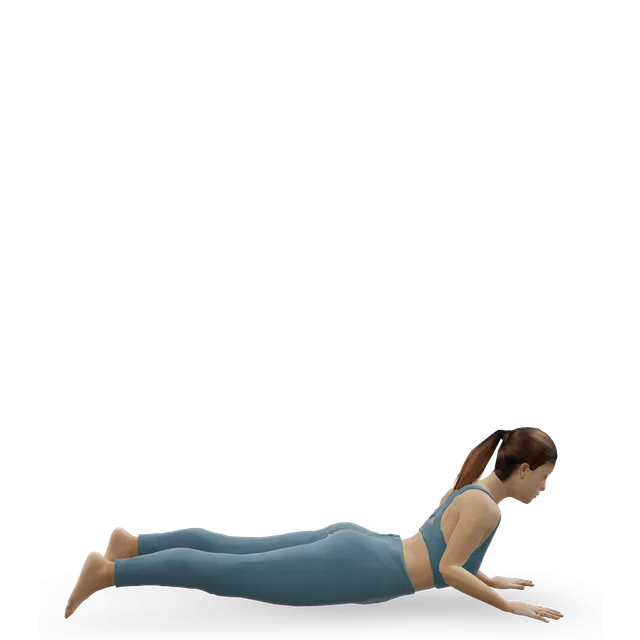
Belly breathing on your front

The 5 minutes at about 4 seconds in and 6 out is the move page's dose, which it calls our editorial starting point. Slow belly breathing moves the belly wall and, with each breath, the organs, with no one pressing; it isn't visceral manipulation and isn't a treatment for a bowel condition.

  1. Check first: new, severe or worsening tummy pain, blood in your poo, a change in bowel habit or weight loss you can't explain need the signs at the top of this page, not breathing practice.
  2. Lie on your front with your forehead resting on your stacked hands.
  3. Breathe in slowly through your nose so your belly presses into the floor and your lower back rises a little.
  4. Breathe out slowly and let everything soften.
  5. Keep an easy rhythm, about 4 seconds in and 6 out, for 5 minutes.
  6. If lying on your front is uncomfortable, with a bloated tummy or in later pregnancy, do the same slow breathing sitting.

Loading the 3D figure…

Gets into position, then repeats the movement. Technical checks passed; qualified exercise review is pending.

The movement on the figure: Crocodile breathing (prone diaphragmatic breathing)

What helps the belly and the back: doses

Each dose names its source or is our editorial starting point. Doses are starting points, not prescriptions.

Constipation

A daily walk, the toilet position, and self tummy massage: each massage step 3 to 4 times, when you're most likely to need the toilet, such as after food and drink, or the night before: the move page's dose, from NHS Lothian's pelvic health physiotherapy booklet. Our exercise for constipation guide has the steps. The NHS lists when constipation needs a GP.

Sources 8, 29

Irritable bowel syndrome

The NHS starts with diet and lifestyle, including getting plenty of exercise and finding ways to relax. A GP can refer you to a dietitian, prescribe medicines or refer you for cognitive behavioural therapy (CBT), and the NHS may offer hypnotherapy for IBS if other treatment hasn't worked.

Sources 9, 30, 17

Period pain

The NHS suggests a warm bath or shower, a heat pad, massaging your tummy and back, gentle exercise such as yoga, swimming, walking or cycling, and painkillers.

Source 28

Slow breathing

5 minutes, about 4 seconds in and 6 out: the belly breathing move page's dose, which it calls our editorial starting point.

The back

Staying active and exercise carry the evidence for back pain, as our back pain and lower back guides set out.

Breathe and relax

Slow breathing for a few minutes, once or twice a day, lying or sitting, whichever is comfortable.

Gentle movement for the belly and back

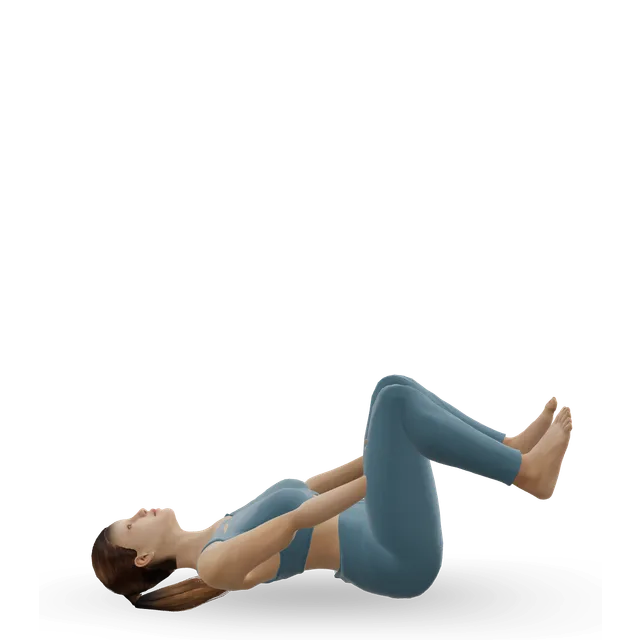
Slow and comfortable; knee hugs and twists are part of our morning routine for constipation.

Routines to follow

The constipation and digestion routines pair walking and gentle movement with breathing.

Who should avoid hands-on belly work

Don't press deep into your belly if you:

  • take blood thinners, or bleed or bruise easily;
  • have an abdominal aortic aneurysm, or feel a pulsing in your tummy;
  • have a stent in a kidney tube (ureter) or elsewhere in the abdomen;
  • have a hernia, or have had abdominal surgery recently, including a caesarean that hasn't fully healed;
  • have tummy, side or groin pain that hasn't been explained.

Tummy massage

Don't use tummy massage if you're pregnant, have any hernia in your tummy, have had recent tummy surgery or have recent scars, have cancer or a growth in your tummy, have Crohn's disease or ulcerative colitis, have IBS with a 'spastic colon', or have an unstable spinal injury. Stop if it hurts.

A flare of Crohn's disease or ulcerative colitis

Don't have belly treatment during a flare of inflammatory bowel disease (IBD); contact your IBD team or GP about the symptoms (our suggestion, from the NHS IBD page).

Source 31

Pregnancy

Tell the therapist you're pregnant and choose one with special training in pregnancy massage. Sit or lie on your side as pregnancy goes on, and avoid massage of the belly, because firm massage of the pregnant belly could cause serious problems (HealthLink BC).

Harms

A woman's pancreas ruptured after a vigorous tummy massage, and a man on blood thinners had a large bleed in his tummy wall after using a massage gun there. Case reports show this can happen, not how often. Keep foam rollers, balls, scrapers, fascia blasters and massage guns off the tummy.

After a session

Tummy, side or back pain that starts after a massage and is severe or getting worse: our advice, from single case reports of organ injury.

Babies

The NHS advises against cranial osteopathy for colic: there's little evidence it works, and it may hurt your baby. In trials of manual therapies, the drop in crying disappeared when parents didn't know whether their baby had been treated.

Source 25

Choose a registered practitioner

Osteopaths must be registered by law; check a practitioner's registration, and tell them about any medical conditions and medicines first, as the NHS advises.

Source 17

When belly and bowel symptoms need a GP

The 999 and urgent signs are near the top of this page.

See a GP

  • Bloating that happens regularly, or comes with weight loss you can't explain or blood in your poo.
  • Your bowel habit has changed for 4 weeks or more, especially if you're over 40, even if you've already been diagnosed with IBS.
  • Diarrhoea wakes you at night, or you have a fever, anaemia, or weight loss of more than 2 kg without trying.
  • With tummy symptoms, ask for an urgent GP appointment or get help from NHS 111 if you have lost a lot of weight for no reason, are bleeding from your bottom or have bloody diarrhoea, or find a hard lump or swelling in your tummy (our suggestion, from the NHS IBS symptoms page).
  • The NHS says see a GP if you have any symptoms of bowel cancer, such as changes in your poo, blood in your poo, which may look red or black, tummy pain, a lump in your tummy or losing weight without trying. The NHS adds: try not to be embarrassed, because doctors are used to talking about these symptoms.

Sources 32, 11, 29

Don't let it delay a check

UK advertising rules say claims to treat conditions that need medical supervision could discourage people from getting essential treatment. Don't stop a prescribed medicine without talking to your doctor, and don't put off seeing a GP.

Ask a GP for advice about symptoms that don't go away or keep coming back, and don't just talk to a therapist (our suggestion, adapted from the NHS page on complementary therapies).

Source 17

Myths

"Therapists can feel tension in your organs"Mixed evidence

Across 8 reliability studies, practitioners didn't agree on organ movement, "visceral tensions" or where a dysfunction was, even though most weren't blinded, which flatters agreement.

Source 1

"Visceral manipulation frees stuck organs and breaks up adhesions"Mixed evidence

The direct evidence is in rats after surgery. The human kidney study measured movement of a millimetre or two, assessed by the treating osteopath. Our stomach guide notes the same for belly release: none of the trials measured the adhesions.

Sources 19, 18

"It fixes back pain from the inside"Mixed evidence

The most careful trial found no difference at 6 weeks and a meta-analysis found no clear benefit; two later sham trials were positive. Exercise carries the evidence for back pain.

Sources 3, 4, 5, 6

"It cures IBS"Mixed evidence

Tummy pain eased for a while in small, low quality trials, but overall IBS symptoms didn't improve more than with a sham or no treatment.

Source 7

"It's gentle, so it's safe for babies"Mixed evidence

The NHS advises against spinal manipulation and cranial osteopathy for colic, and in the one visceral trial in very low birthweight babies there was no benefit.

Sources 25, 1

Questions people ask

What is visceral manipulation?

A hands-on therapy on the belly, aimed at the movement of the organs and the tissues that hold them. It comes from French osteopathy, and most practitioners follow Jean-Pierre Barral and Pierre Mercier.

Does visceral manipulation work?

For back pain, the most careful sham-controlled trial found no difference at 6 weeks and a review found no clear benefit, though two later sham trials were positive. For IBS, small trials found less tummy pain for a while, on low quality evidence.

Is visceral manipulation real?

It's a real, widely taught technique, and organs do move as you breathe. What hasn't been shown is that practitioners can reliably feel organ restrictions: in 8 studies, they didn't agree.

What happens in a visceral manipulation session?

The practitioner feels your belly and uses gentle, specifically placed pressure and movement. It shouldn't hurt. Tell them first about pregnancy, recent surgery, a hernia, an aneurysm, blood thinners or bowel disease.

Can visceral manipulation help constipation?

Trials of the therapy itself are few. Abdominal massage, which you can do yourself, adds about 1.6 bowel movements a week, and our exercise for constipation guide has the steps, with walking and the toilet position.

Can visceral manipulation help IBS or bloating?

Osteopathic treatment eased tummy pain for a while in small trials, but not overall IBS symptoms. The NHS starts with diet, lifestyle and medicines, and a GP can refer you for talking therapy.

Can visceral manipulation free adhesions after surgery?

It did in rats. We found no study showing it in people, and none of the human trials measured adhesions.

Can visceral manipulation help period pain?

Five osteopathic treatments eased period pain by 1.7 points out of 10 against a waiting list, without blinding, and spinal manipulation was no better than a sham. The NHS suggests heat, gentle exercise and massaging your tummy and back.

Is visceral manipulation safe for babies with colic?

The NHS advises against spinal manipulation and cranial osteopathy for colic. When parents didn't know whether their baby had been treated, the drop in crying disappeared, as our craniosacral therapy guide explains.

What are the side effects of visceral manipulation?

The trials reported few or none. Deep belly pressure has caused rare serious injuries in case reports, so avoid it with the conditions listed on this page.

Can I do visceral massage at home?

Gentle self tummy massage for constipation suits most people, with few and mild side effects in trials. Deep pressure on the belly with balls, rollers or tools isn't advised.

Sources

  1. Guillaud 2018 · How reliable and effective visceral osteopathy is (systematic review of 8 reliability and 6 efficacy studies, BMC Complementary and Alternative Medicine)
  2. The Barral Institute · Visceral Manipulation (training organisation website, read through the Internet Archive, August 2026)
  3. Panagopoulos 2015 · Visceral manipulation against a placebo version, added to physiotherapy for low back pain (randomised trial of 64 people, European Journal of Pain)
  4. Ceballos-Laita 2023 · Visceral osteopathy for low back pain (systematic review and meta-analysis of 5 trials, Explore)
  5. Altınbilek 2023 · Visceral manipulation against a sham, added to physical therapy for chronic low back pain (randomised trial of 86 people, Turkish Journal of Physical Medicine and Rehabilitation)
  6. Boas Fernandes 2023 · Visceral manipulation against a sham for constipation with chronic low back pain (randomised trial of 76 people, Journal of Bodywork and Movement Therapies)
  7. Buffone 2023 · Osteopathic treatment for irritable bowel syndrome (systematic review and meta-analysis of 5 trials, Healthcare)
  8. Huang 2025 · Abdominal massage for chronic constipation (meta-analysis of 23 studies, International Journal of Nursing Studies)
  9. NHS · Diet, lifestyle and medicines for IBS (irritable bowel syndrome)
  10. NHS · Stomach ache
  11. NHS · Symptoms of bowel cancer
  12. NHS · Hernia
  13. NHS · Femoral hernia
  14. NHS · Abdominal aortic aneurysm (past its review date: reviewed June 2023, review due June 2026)
  15. NHS · Appendicitis
  16. Tamer 2017 · Osteopathy and exercise with or without visceral techniques for chronic low back pain (randomised trial of 39 people, Journal of Back and Musculoskeletal Rehabilitation)
  17. NHS · Herbal medicines and complementary therapies
  18. Tozzi 2012 · Kidney movement on ultrasound, and a fascial treatment against a sham in low back pain (randomised study of 140 people, Journal of Bodywork and Movement Therapies)
  19. Bove 2012 · Belly mobilisation and adhesions after surgery (animal study of 30 rats, Journal of Bodywork and Movement Therapies)
  20. Goldenberg 2025 · Visceral manual therapy for back, neck and shoulder pain (scoping review of 9 studies, Journal of Bodywork and Movement Therapies)
  21. Attali 2013 · Visceral osteopathy against placebo manipulations for irritable bowel syndrome (randomised crossover trial of 31 people, Journal of Digestive Diseases)
  22. Müller 2014 · Osteopathic treatment for irritable bowel syndrome (systematic review of 5 trials, Journal of the American Osteopathic Association)
  23. Delgado 2026 · Manual and device belly massage for chronic constipation (meta-analysis of 35 studies, Clinical and Translational Gastroenterology)
  24. Carnes 2018 · Manual therapy for unsettled, crying babies (systematic review and meta-analyses, BMJ Open)
  25. NHS · Colic (past its review date: reviewed April 2022, review due April 2025)
  26. Plathner 2025 · Osteopathic treatment against a waiting list for period pain (randomised trial of 72 women, Journal of Bodywork and Movement Therapies)
  27. Proctor 2006 · Spinal manipulation for period pain (Cochrane review of 5 trials)
  28. NHS · Period pain
  29. NHS · Constipation (past its review date: reviewed October 2023, review due October 2026)
  30. NHS · Further help and support for IBS (irritable bowel syndrome)
  31. NHS · Inflammatory bowel disease (IBD)
  32. NHS · Symptoms of IBS (irritable bowel syndrome)

Movement education, not medical advice. Stop for sharp or increasing pain, numbness or tingling, and get individual advice if you are pregnant, after an injury or surgery, or managing a health condition. Health disclaimer.