Strength at home
Stump exercises after a leg amputation: above and below knee
These are the core exercises UK amputee physiotherapists agreed on, which their professional guideline still recommends, with the standing exercises from an NHS hospital leaflet. They keep the hip and thigh muscles of your residual limb (stump) strong and the joints straight, which matters for getting around in a wheelchair or walking with a prosthesis. Do only the ones your physiotherapist has chosen for you, slowly and smoothly, and stop and tell them if anything hurts. The leaflets start with 5 of each and build up to 10, 2 to 3 times a day early on. Some exercises are only for a below-knee amputation; the notes say which. Don't stand or walk until your therapists say so.
Lying on your back (about 7 minutes)
- Glute bridge5, building to 10; hold 5 sBeginner · Glutes, Hamstrings, Abs · 3D demoPut a couple of firm pillows or rolled-up blankets under your thighs. Arms across your chest makes it harderEasier: Pelvic tilt into bridgeHarder: Glute kickback (quadruped hip extension)
- Single knee-to-chest stretch30 to 60 s each sideBeginner · Glutes, Back, Hip flexors · 3D demoHug one thigh to your chest and press the other leg flat into the bed, to stretch the front of that hip. Do both sidesHarder: 90/90 hip lift-off
- Straight-leg raise5, building to 10, each legBeginner · Quads, Hip flexors, Abs · 3D demoTighten the thigh, lift, then lower slowly. Below knee, and your other legEasier: Quad set (static quads)Harder: Leg extension
- Quad set (static quads)5, building to 10; hold 5 sBeginner · Quads · 3D demoBelow knee: push the back of the knee down into the bed and tighten the thighHarder: Straight-leg raise

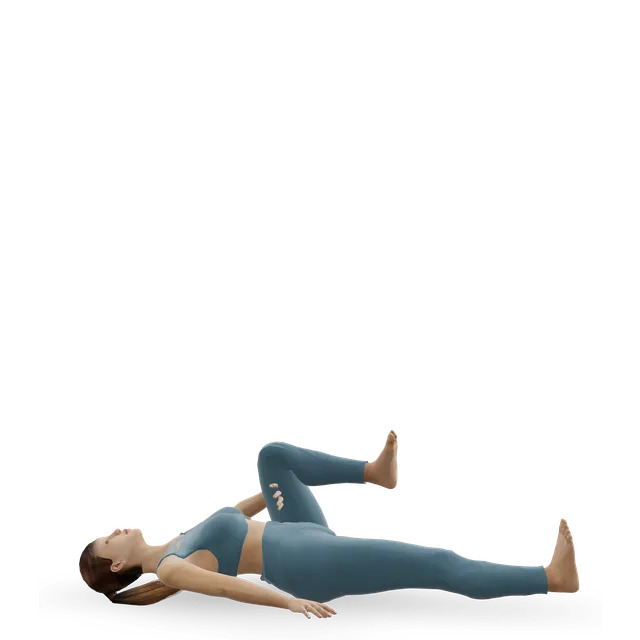


Lying on your side (about 3 minutes)
- Side-lying leg raise5, building to 10, each sideBeginner · Hip abductors, Glutes · 3D demoBottom leg bent, top leg in line with your body. Try not to let your hips roll forwards or backwardsEasier: Lateral band walkHarder: Lateral band walk, band at the feet

Sitting (about 3 minutes)
- Lying adductor ball squeeze5, building to 10; hold 5 sBeginner · Adductors, Abs · 3D demoIn your wheelchair or on the edge of the bed, with a pillow or rolled-up towel between your thighsHarder: Copenhagen plank
- Seated knee extension (chair)5, building to 10; hold 5 sBeginner · Quads · 3D demoBelow knee: sit on a chair, straighten the knee, hold, then bend itEasier: Quad set (static quads)Harder: Leg extension
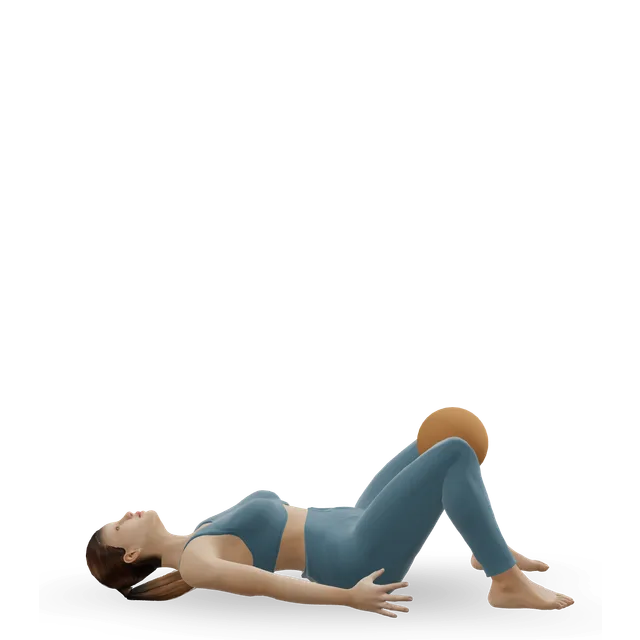

Standing at a support, only when your physiotherapist says (about 5 minutes)
- Wall side leg lift (standing side kick at the wall)5, building to 10, each sideBeginner · Hip abductors, Glutes, Abs · 3D demoHold a sturdy chair, table or counter. Move the amputated leg out to the side, keeping your hips and body uprightHarder: Lateral band walk, band at the feet
- Standing band hip extension5, building to 10Beginner · Glutes, Hamstrings · 3D demoNo band at first: swing the amputated leg back from the hip without bending forwardsHarder: Back extension on a 45-degree bench
- Sit to stand from a chair5, building to 10Beginner · Quads, Glutes, Hamstrings · 3D demoWearing your prosthesis; a firm chair against a wall, with your hands on your thighs or the armrests if you need themHarder: Bodyweight squat
- Side-stepping (sideways walking)10 steps each wayBeginner · Hip abductors, Glutes, Adductors · 3D demoWearing your prosthesis, along a counterHarder: Lateral band walk
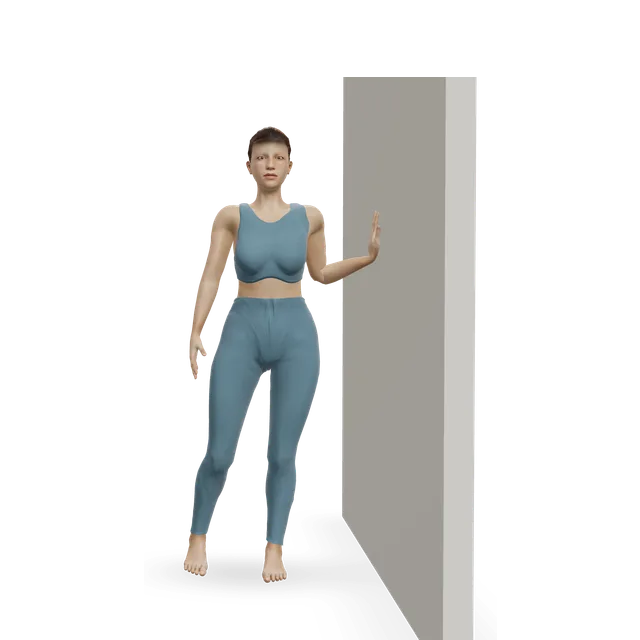
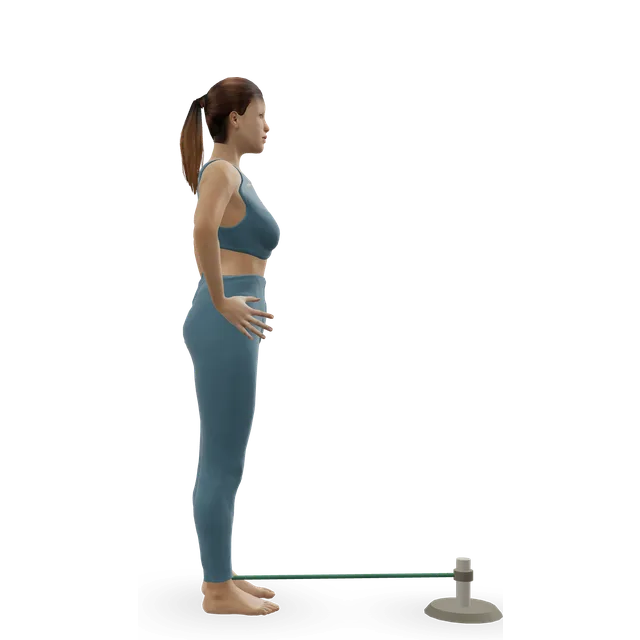


Tips
- Early on, your physiotherapist may ask for the lying and sitting exercises 2 to 3 times a day. Once you're home and walking, 2 to 3 sessions a week of 20 to 60 minutes that mix strength, balance and walking or cycling improved balance and walking in trials.
- Between exercises, keep your hip and knee straight: no pillow under your stump, hips or knee or between your thighs, don't let your stump hang over the edge of the bed, and change position often.
- Check your stump and your other foot every day, and after exercise. If the skin is broken or blistered, don't treat it yourself: get it checked, and stop wearing your prosthesis until it has been seen.
- Ask your physiotherapist to teach you how to get up from the floor, and what to do if you can't.
- If you feel any pain, stop and tell your physiotherapist or doctor.
- Call 999 for chest pain that feels tight or spreads to your arms, neck or jaw, or if you've fallen and may have hurt your head, neck, back or hip.
The doses are suggested starting points, not a prescription. Choose a range you can control and stop for sharp or increasing pain, numbness or tingling. Get individual advice after an injury or surgery, or if you are pregnant or managing a health condition.
Guides that recommend it
Find more moves like these
More strength at home




Beginner bodyweight workout
A 20-minute full-body workout with no equipment: squats, knee push-ups, bridges, lunges and planks.
20 minBeginner10 movesNo equipment


Full-body bodyweight workout
An intermediate no-equipment workout: push-ups, split squats, single-leg bridges, pike push-ups and core work.
30 minIntermediate11 movesNo equipment


Full-body dumbbell workout
A 35-minute full-body strength workout with dumbbells: goblet squats, presses, rows, Romanian deadlifts and carries.
35 minIntermediate9 movesA band, A dumbbellQuestions people ask
How long does the stump exercises after a leg amputation: above and below knee take?
About 20 minutes, including any warm-up and cool-down listed. Shorten it by doing fewer rounds; lengthen it by adding one.
What equipment do I need?
You need: Other / check instructions, A bench or box, Something with weight, A wall, A band, An anchor point. Each move links to its guide, where you can find an alternative if you are missing something.
Is it suitable for beginners?
It is written for beginners. 4 of its 11 moves have an easier option listed beside them if you need one.
How do I make it easier or harder?
Use the easier or harder option listed under each move, change the number of rounds, or adjust the rest. Progress one change at a time.