Training guide

How to get a V taper: build your lats and shoulders, trim your waist, and know your frame

A V taper, or V shape, is a back and shoulders that are wider than your waist. Three things make it: your frame (the collarbones, shoulder blades, ribs and pelvis you're born with), the muscle on top, mainly the side of your shoulders and your lats, and the fat at your waist. Training can build the muscle and help you lose the fat; it can't change the bones.

This guide covers the muscles and your frame, what the trials show, the best moves and how many sets, a V taper workout you can follow, training at home, the waist half, the shoulder-to-waist ratio, women, and how long it takes.

The short version

Frame, muscle and waist

A V taper comes from your frame (the collarbones, shoulder blades, ribs and pelvis), the muscle on top (the side of your shoulders and your lats) and the fat at your waist. Training can build the muscle and help you lose the fat; it can't change the bones.

Sources 1, 2

Your frame is your own

The collarbone finishes growing in your 20s, and shoulder breadth is strongly inherited in twin studies. That's what the bones tell us; no study has measured whether training changes how wide shoulders look on a tape. A narrow frame or a broad waist is normal.

Sources 1, 3, 4

Lateral raises for the side of the shoulders

In trained adults, lateral raises grew the side of the shoulder by 3 to 5% in 8 weeks. Bench pressing grew it less than the other pressing muscles, so it needs its own work.

Sources 5, 6

Pulls and rows for the lats

In 18 novices, 8 weeks of training raised strength by 17%, and the lats grew.

Source 7

The waist half is fat loss, not ab work

Training one area doesn't burn the fat over it. Whole-body fat loss trims the waist: each extra 30 minutes a week of aerobic exercise took about half a centimetre off in trials.

Sources 8, 9

How much

Build towards about 10 hard sets a week for the side of your shoulders (counting presses as half) and 10 to 20 for rows and pulls, over 2 sessions, and give it months.

Sources 10, 11

Your muscles and your frame

The bones

Your collarbones and the tips of your shoulder blades set the bony width across the top; your lower ribs and the top of your pelvis set the bony limits of your waist. In CT scans of 380 people under 30, the growth plate at the inner end of the collarbone first closed at 22 and had closed in everyone by 27. In 116 pairs of twins aged 6 to 12, genes explained about 78% of the differences in shoulder breadth in boys and 56% in girls, and an older study of 167 pairs of adult twins found a strong genetic part too.

So the frame is largely set, but that's inferred from twin studies and bone growth: no study has measured whether training changes how wide adult shoulders look.

Sources 1, 3, 4

The side of your shoulders

The deltoid has front, side and back parts. The side part lifts your arm out to the side and sits on the outside of the shoulder: it's the part of the shoulder that gives it width, as our lateral raise guide puts it.

Source 2

Your lats

The latissimus dorsi, or lats, are the widest muscles of your back. They run from your spine, pelvis and lower ribs to your upper arm and pull your arm down and back. With the teres major, the rear shoulders and the upper back, they add width below your armpits. Our lats page has the anatomy.

Your waist

Fat under the skin and around your organs, the trunk muscles and the bones around them set your waist size. Our smaller waist guide covers each.

There's no ideal ratio

Your shoulder-to-waist ratio is your shoulder measurement divided by your waist. There's no health standard and no tested ideal: the popular 1.6 comes from coaching sites, not research. In perception studies, 659 women rated men's figures with a larger shoulder-to-hip ratio as more attractive and masculine on average. That's an average preference, not what anyone should look like.

Source 12

People differ

After the same 12 weeks of arm training, muscle size changed by anything from 2% smaller to 59% bigger in 585 adults, partly because of genes. Women gain a similar share of muscle to men; men add slightly more in absolute terms in the upper body.

Sources 13, 14, 15

What the evidence says

Lateral raises grew the side of the shoulderEmerging evidence

24 trained men and women did lateral raises with a cable on one arm and a dumbbell on the other: 5 sets to failure, twice a week for 8 weeks. The side deltoid thickened by 3.3 to 4.6%, with cables and dumbbells alike. It's the only growth trial of the side deltoid we found.

Source 5

Bench pressing grew the side deltoid leastEmerging evidence

In 24 men (13 who trained, 11 who didn't), 10 weeks of bench pressing grew the chest, the front of the shoulder and the triceps more than the side of the shoulder.

Source 6

The lats grew in 8 weeksEmerging evidence

In 18 young novices, 8 weeks of training raised strength by 17% and grew the lats and their single fibres on scans. Extra protein (1.8 against 0.85 g per kg a day) made no difference. It's one small study.

Source 7

More sets, more growth, up to a pointStrong evidence

Each extra weekly set added a little more growth across 15 studies, an overview of 137 reviews found 10 or more sets a week built more muscle, and the extra gain shrinks as sets rise. Counting compound lifts as part-sets for the muscles they help predicted growth best.

Sources 16, 10, 11

You don't need to go to failureStrong evidence

Across 15 studies, sets stopped a few reps short of failure built about as much muscle as sets taken to failure.

Source 17

The bones are set, and largely inheritedEmerging evidence

The collarbone's last growth plate had closed in everyone by 27, and shoulder and pelvic breadth were strongly inherited in two twin studies, one in children and one in young adults (an abstract without figures). How much training changes the look of your width hasn't been measured.

Sources 1, 3, 4

The waist shrinks with whole-body fat lossStrong evidence

Across 13 studies of 1,158 people, training one body part didn't take more fat off it. Each extra 30 minutes a week of aerobic exercise took about 0.56 cm off the waist in 62 trials, and 25 trials averaged 3.2 cm.

Sources 8, 9, 18

People respond very differentlyStrong evidence

Muscle size changed from minus 2% to plus 59% after the same arm training in 585 adults, and in twins, about a fifth of the differences in strength gains after 10 weeks came down to genes linked to training.

Sources 13, 14

Women and menStrong evidence

Across 29 studies, women and men gained a similar share of muscle from the same training; men gained slightly more in absolute terms in the upper body, not the lower body.

Source 15

A preference, not a targetEmerging evidence

In 4 studies of 659 heterosexual women rating figures, taller men and men with a larger shoulder-to-hip ratio were rated more attractive on average, and the results depended on the images used. We found no study testing an ideal ratio.

Source 12

Moves for your lats

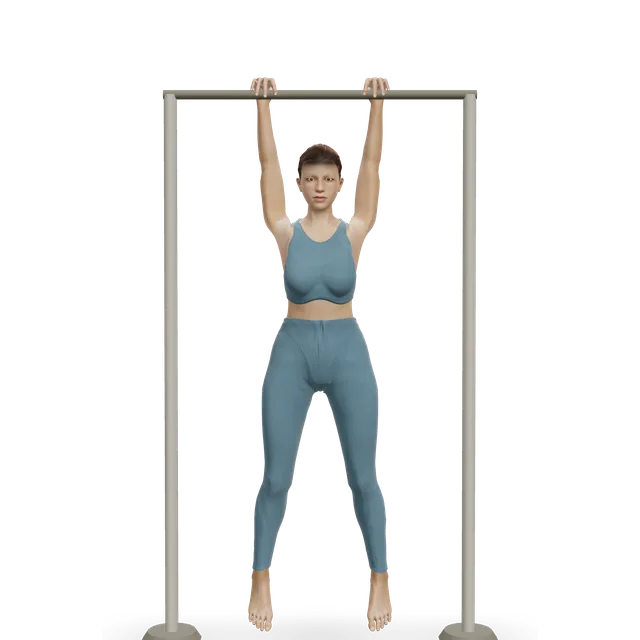
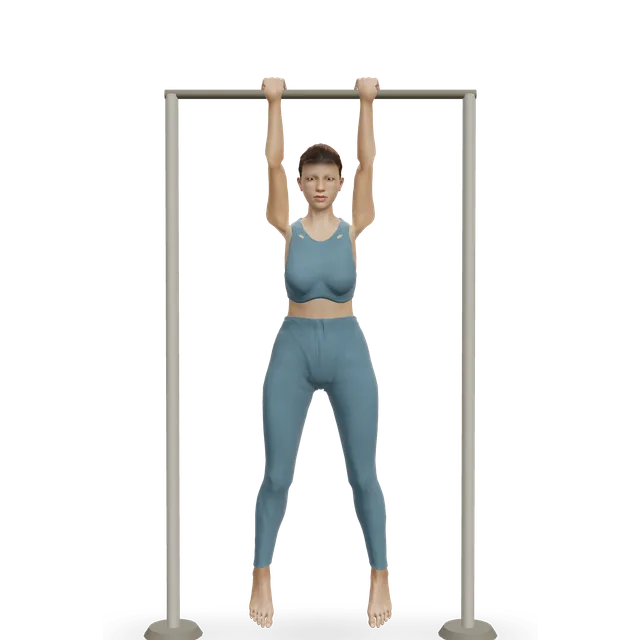
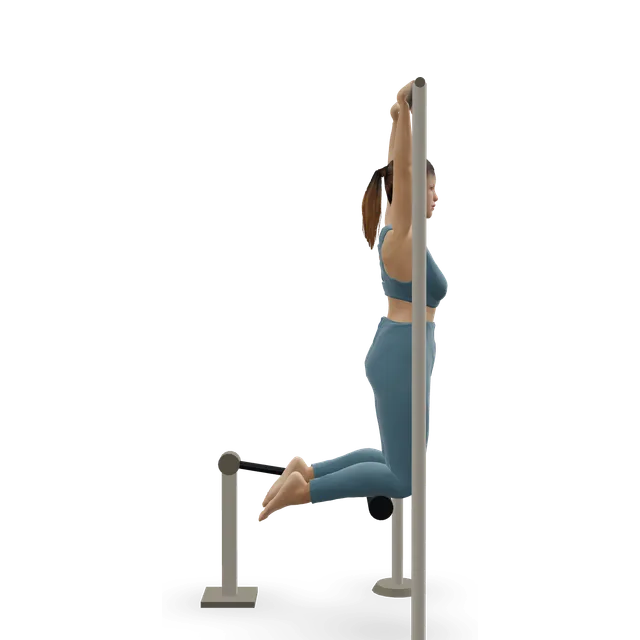
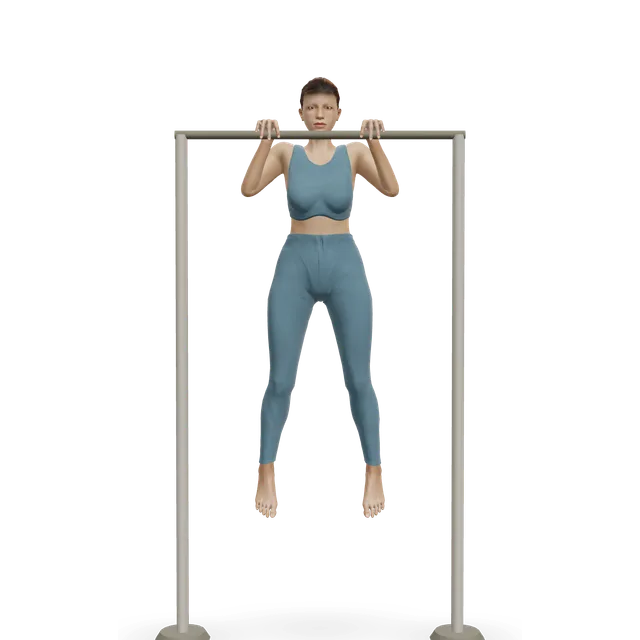
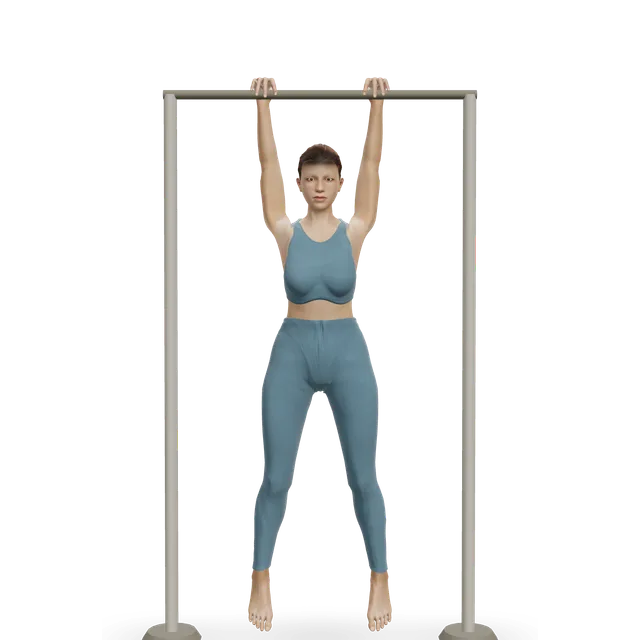
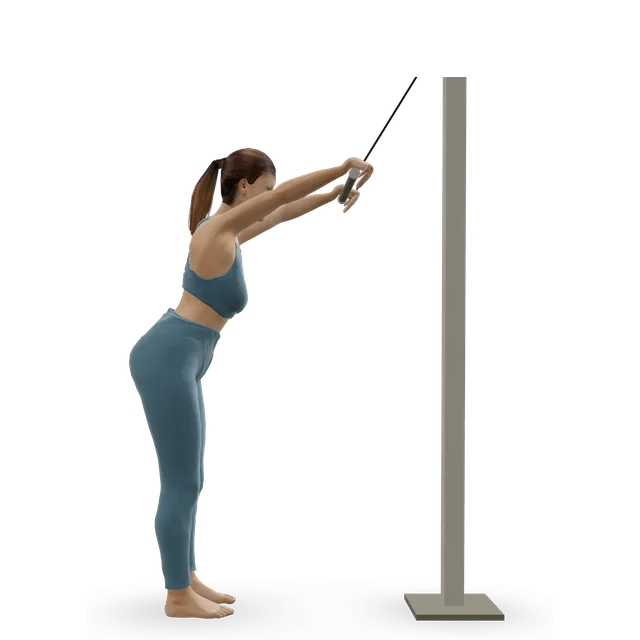
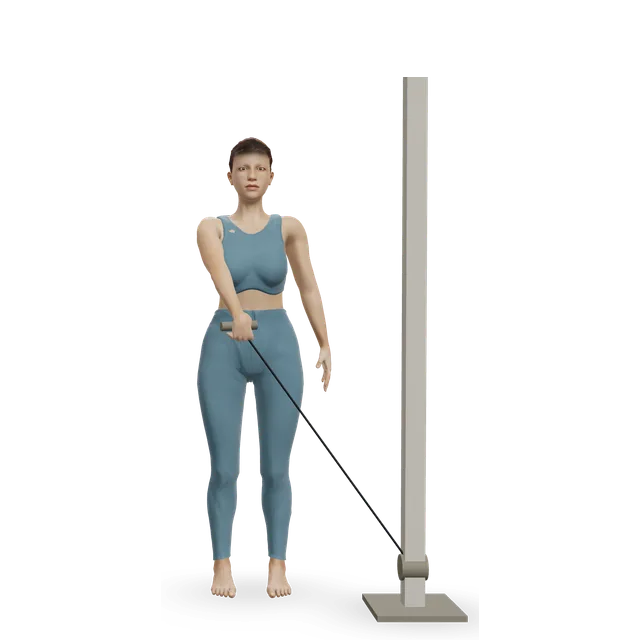
A vertical pull and a row in each session, with a straight-arm pulldown to finish the lats. Our lat workout gives the sets and reps; the band-assisted pull-up has its own dose on its move page. Grip width matters less than people think, as our bigger back guide explains.

Moves for the side of your shoulders

Lateral raises do most of the work for shoulder width, at 2 or 3 sets of 12 to 20 as our wider shoulders guide sets out; presses add a little and count as half a set. The supported one-arm raise has its own dose on its move page.

The back of your shoulders and upper back

Face pulls at 3 sets of 12 to 20 and reverse flys at 3 sets of 12 to 15, as our upper body and shoulder workouts use them, with band pull-aparts in the warm-up. They balance the pressing.

How many sets, reps and days

The side of your shoulders

Build towards about 10 hard sets a week over 2 sessions, counting each set of overhead presses as half a set, as our wider shoulders guide works out. Lateral raises: 2 or 3 sets of 12 to 20, about 60 seconds' rest, with the last set 0 to 2 reps short of failure. Presses: 3 sets of 8 to 12, stopping 2 or 3 reps short.

Sources 11, 10

Your lats and upper back

Each week, a vertical pull (pull-ups, chin-ups or pulldowns), a row, and something for the back of your shoulders, as our bigger back guide sets out. About 10 to 20 hard sets of rows and pulls a week, at about 6 to 12 reps, and 12 to 20 for face pulls and reverse flys.

Sources 16, 11

Twice a week

Two upper-body sessions a week, on days apart, is a practical default; how often you train a muscle matters little once your weekly sets match. Train your legs on other days.

Source 11

Start gently, then progress

In your first 2 weeks, do 2 sets of each move and stop every set with 3 or 4 reps to spare, as our plans advise. Then add reps until every set reaches the top of its range, and add the smallest weight step you have; bands and cables give smaller steps for raises than dumbbells (our suggestion).

A V taper session, step by step

Our V taper workout's structure, which is editorial: the moves and doses come from our lat, shoulder and upper body workouts and the weekly targets of our wider shoulders and bigger back guides. Twice a week, it gives about 9 hard sets for the side of the shoulders, counting presses as half.

  1. Warm up: 3 slow shoulder circles each way, 15 band pull-aparts and 8 scapular pull-ups.
  2. Lat pulldowns: 1 lighter set, then 3 sets of 8 to 12, pulling the bar to the top of your chest with your chest tall. If you can do 5 pull-ups, do 3 sets of 5 to 10 pull-ups instead.
  3. Lateral raises, 3 sets of 12 to 20, paired with chest-supported rows, 3 sets of 10 to 12. Rest about 60 to 90 seconds after each pair.
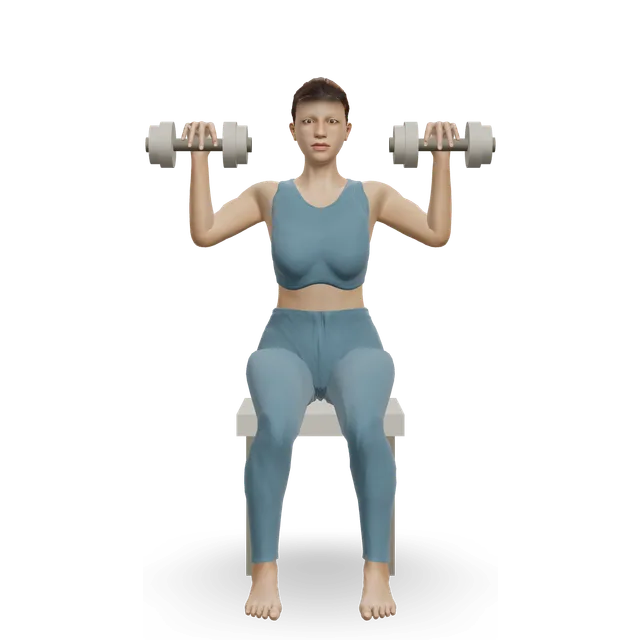
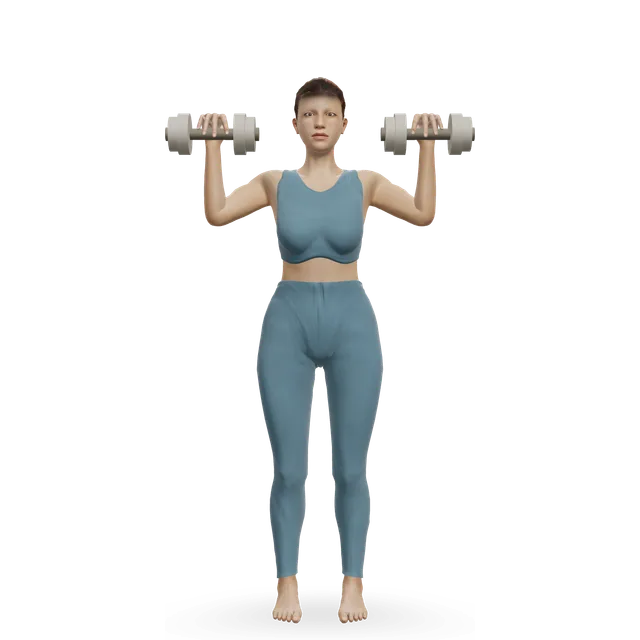
  4. Seated dumbbell presses, 3 sets of 8 to 12, paired with straight-arm pulldowns, 3 sets of 10 to 15.
  5. Face pulls, 3 sets of 12 to 20, then side planks, 2 holds of 15 to 40 seconds each side.
  6. Stop big lifts 2 or 3 reps short of failure; the last set of raises can go to 0 to 2. Add reps, then weight.

Loading the 3D figure…

Gets into position, then repeats the movement. Technical checks passed; qualified exercise review is pending.

The movement on the figure: Lat pulldown

Technique: the key cues

Our how-to guides cover each move in full.

Lat pulldown

Sit with your thighs snug under the pads and grip the bar a little wider than your shoulders. Pull the bar to the top of your chest, chest tall and elbows driving down, then let it rise all the way under control. Don't lean far back to drag the bar down, and pull in front, not behind your neck.

Lateral raise

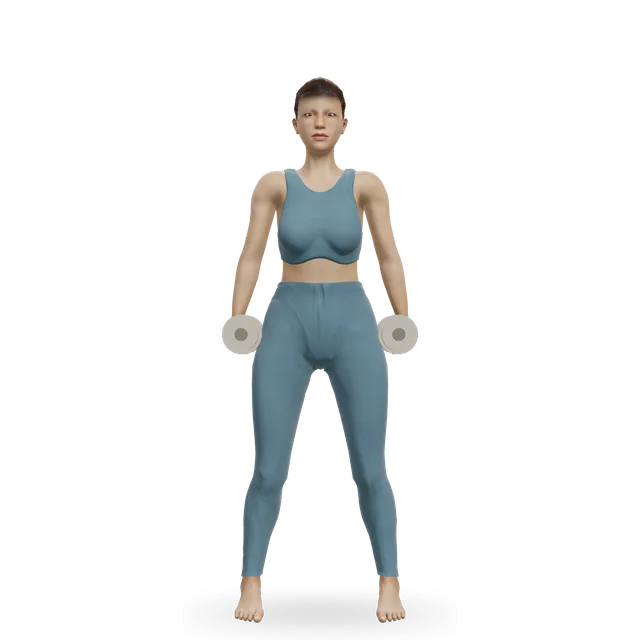
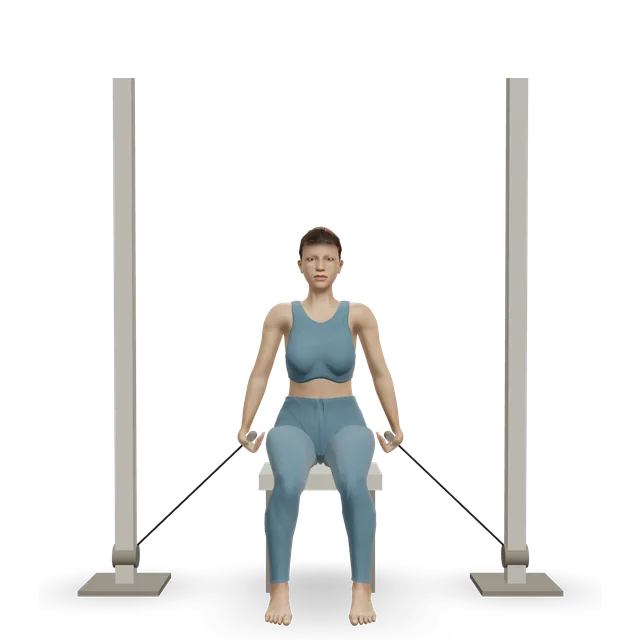
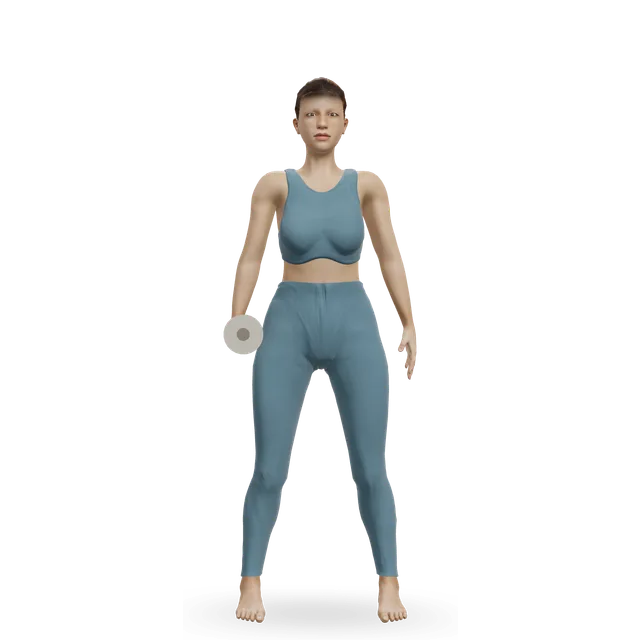
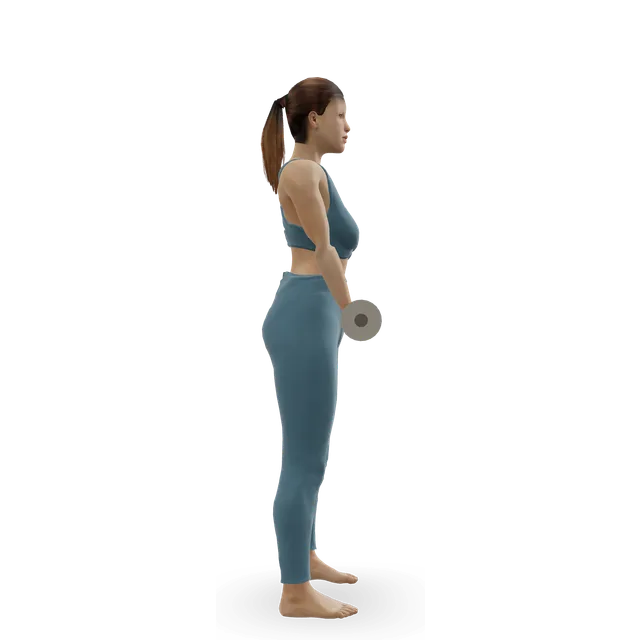
Raise your arms out and slightly forward, elbows soft, to just below shoulder height, and lower slowly. Choose a weight you can lower over two or three seconds, with no swinging. A pinch at the top of a raise usually means stop just below shoulder height, raise slightly forwards with your thumbs up, or go lighter, as our lateral raise guide explains.

Chest-supported row

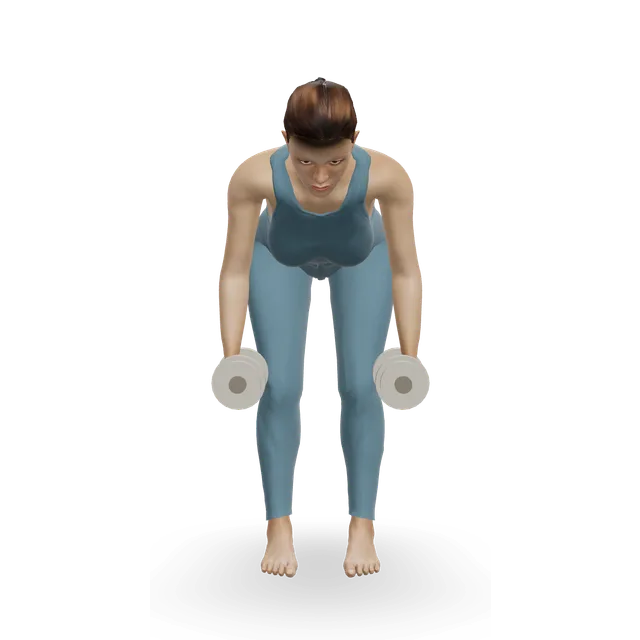
Lie face down on a low incline bench, let the dumbbells hang with your palms facing, then row your elbows back past your trunk, drawing your shoulder blades together, and lower slowly. Keep your chest on the pad and lead with your elbows.

Grip width

In muscle activity studies, the lats worked about the same across grip widths, and narrower grips were slightly stronger; no trial has compared how much the lats grow with different grips, as our bigger back guide explains. Use a grip you're strong and comfortable in.

A V taper at home

Swaps

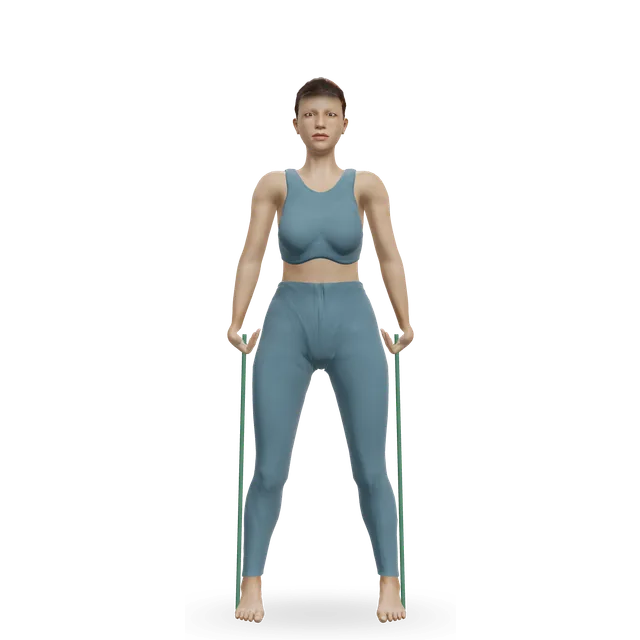
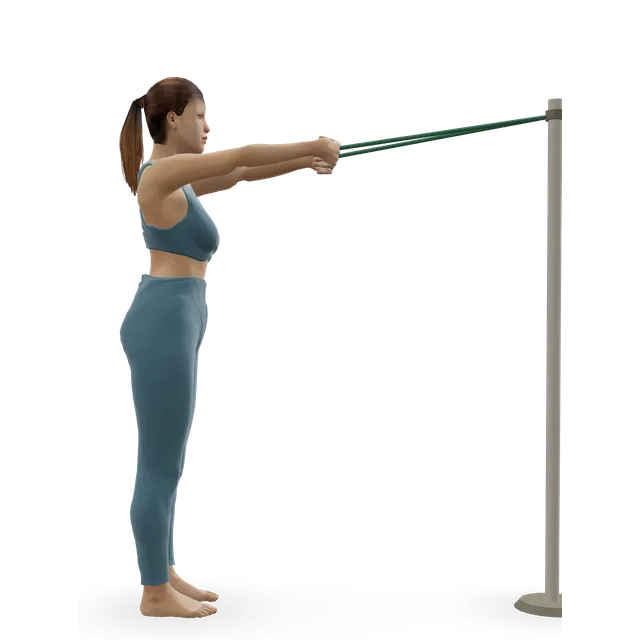
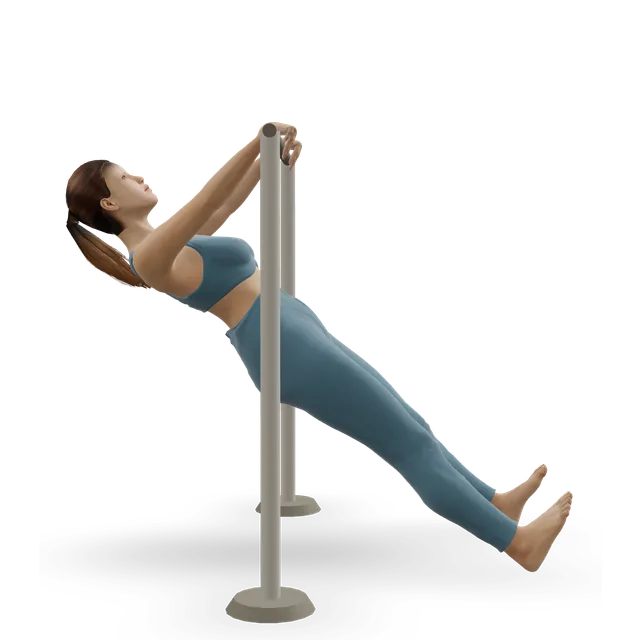
Band or dumbbell lateral raises for the raises; band rows (whose move page gives 3 sets of 10 to 15) or one-arm dumbbell rows for the rows; and, if you have a bar, slow negative pull-ups or band-assisted pull-ups for the pulldown. Our back and shoulder workouts at home put these together.

Light weights work if the sets are hard

Muscle grows with light or heavy weights when you take the sets close to failure, as our plans' notes explain, so bands and light dumbbells do the job.

The waist half

Whole-body fat loss, not ab work

Six weeks of ab exercises changed no fat measure in 24 adults, and across 13 studies training a body part didn't take the fat off it. Eat a little less, move more and strength train: our smaller waist guide sets it out.

Sources 8, 19, 9

Will ab work widen my waist?

No study has measured waist size after oblique training, so any answer is an inference. The side ab muscles grew only a little in trials, and much bigger obliques were seen only after years of professional tennis. A little more muscle under less fat usually looks firmer, not wider (our reading). Heavy weighted side bends aren't needed.

Sources 20, 21, 22

Eat for your starting point

With fat to lose, recomposition can build your shoulders and lats while your waist comes down; our body recomposition guide explains. Lean and experienced, a slow lean bulk adds muscle faster; our bulk-up guide explains. Bigger surpluses mostly add fat.

Sources 23, 24

A strong trunk, not a wider one

Side planks for 15 to 40 seconds each side, Pallof presses 10 each side and suitcase carries 20 m each hand, as in our oblique workout. They keep you steady under heavy pulls and presses; they won't trim your waist.

How long it takes, and how to track it

Strength first, size over months

Strength on the lats rose by 17% in 8 weeks in novices, and the side deltoid thickened by 3 to 5% in 8 weeks in trained adults: small changes on a tape. A V taper you can see takes months, and people vary a lot.

Sources 7, 5, 13

The waist at the whole-body pace

Fat comes off your waist as it comes off the rest of you, so give it months.

Source 9

Track it

Track your weights and reps first. A tape round your shoulders at the widest point, arms relaxed, and round your waist (midway between your lowest rib and the top of your hip bone, breathing out naturally), every 4 weeks at the same time of day, and photos in the same light, are our suggestions. Bathroom body-fat scales were kilos out against a scan.

Source 25

Workouts to follow

Our V taper workout puts the lats, the side of the shoulders and the back of the shoulders in one session, twice a week. The lat and shoulder workouts go deeper on each; the home versions need dumbbells and a band.

V taper workout: lats, side shoulders and rear shoulders (gym)

A 45-minute gym V taper workout: lat pulldowns, lateral raises, rows, presses, straight-arm pulldowns and face pulls, paired to save time, twice a week.

45 minIntermediate12 movesA band, Pull-up bar

Lat workout: pulldowns, straight-arm pulldowns and rows (gym)

A gym lat workout: lat pulldowns, straight-arm pulldowns, one-arm cable pulls and a row with your elbows close, with sets, reps, rest and easier options.

40 minIntermediate8 movesPull-up bar, A cable machine

Shoulder workout

A shoulder workout for all three heads: overhead press, lateral raises, reverse flyes, face pulls and rotations.

40 minIntermediate8 movesA band, A barbell

Back workout (gym)

A gym back workout: lat pulldowns, cable rows, dumbbell rows, face pulls, back extensions and shrugs.

45 minBeginner8 movesPull-up bar, A band

Back workout at home: dumbbells, a band and an optional bar

A back workout at home with dumbbells and a band: pull-ups or band-assisted pulls, two rows, face pulls, reverse flys, shrugs and Romanian deadlifts.

40 minIntermediate14 movesA band, Pull-up bar

Shoulder workout at home: presses, lateral raises and rear-shoulder work

A 30-minute home shoulder workout with dumbbells or a band: presses, lateral raises for the side of the shoulder, and rear-shoulder and rotator cuff work.

30 minBeginner8 movesA band, A dumbbell

Upper body gym workout

A gym upper body workout for chest, back, shoulders and arms: bench press, rows, presses, pulldowns, raises, curls and pushdowns.

50 minIntermediate13 movesA band, A barbell

Upper body gym workout B

Upper body workout B: overhead press, pull-ups, incline dumbbell press, chest-supported rows, face pulls, hammer curls and triceps extensions.

50 minIntermediate13 movesA band, Pull-up bar

Upper body workout at home

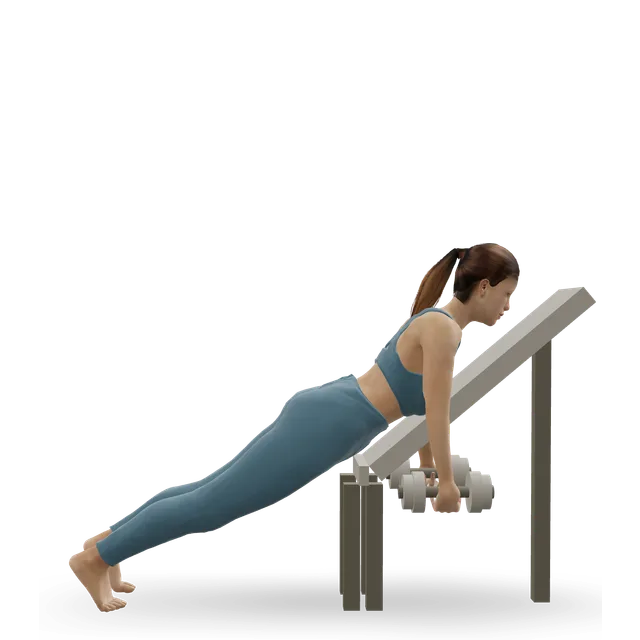
An upper body workout at home with no gym: push-ups, band rows, pike push-ups, face pulls, close-grip push-ups and Y-T-W raises, with dumbbell options.

30 minIntermediate13 movesA band, An anchor point

Dumbbell upper body workout B

Dumbbell upper body workout B: incline presses, chest-supported rows, seated presses, lateral raises, reverse flyes, hammer curls and skull crushers.

45 minIntermediate11 movesA dumbbell, A bench or box

Pull-up progression workout

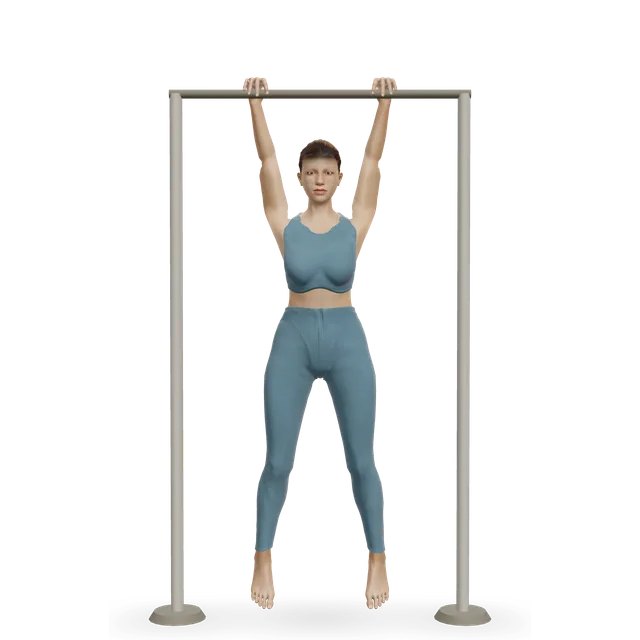
Work up to your first pull-up: dead hangs, scapular pulls, rows, negatives and assisted pull-ups.

25 minBeginner7 movesPull-up bar, A step

Bodybuilding upper-body workout: chest, back, shoulders and arms

A 60-minute upper-body session for muscle growth: incline presses, rows, pulldowns, flys, lateral raises, face pulls, pushdowns and curls, short of failure.

60 minIntermediate12 movesCardio machine, A band

Drop-set workout: shoulders and arms

A 20-minute drop-set finisher for shoulders and arms: lateral raises, curls and pushdowns, each one set with two drops, plus a push-up drop set.

20 minIntermediate10 movesA band, A dumbbell

Plans

Use the V taper workout on the upper days of the 4-day split, or follow push pull legs or the Arnold split. For your first pull-up, the 30-day pull-up challenge. For the waist half, the weight-loss or body recomposition plan.

4 days a week

4-day upper/lower workout split

A 4-day upper/lower split: two upper body and two lower body gym days, each muscle trained twice a week, with sets, reps and progression.

4 training days50 minIntermediate
6 days a week

Push pull legs split (6 days a week)

A 6-day push/pull/legs plan for experienced lifters: two push, two pull and two leg days, with sets, reps, rest and lighter weeks.

6 training days55 minAdvanced
6 days a week

Arnold split: a 6-day chest and back, shoulders and arms, legs workout plan

A 6-day Arnold split: chest and back, shoulders and arms, then legs, each twice a week, with paired sets, weekly set counts and shorter 3 and 4-day versions.

6 training days55 minAdvanced
4 days a week

Muscle-building workout plan: 12 weeks, 4 or 5 gym days a week

A 12-week gym plan to build muscle after your first months of lifting: upper and lower days, sets that rise in three phases, lighter weeks, food and sleep.

4 training days55 minIntermediate
3 days a week

30-day pull-up challenge: from hangs and rows to your first pull-up, or more pull-ups

A free 30-day pull-up challenge with four levels, from building a hang to more reps: three short sessions a week, rest days and a test on day 1 and day 30.

3 training days25 minBeginner
4 days a week

Dumbbell workout plan: 4-day upper/lower split

A 4-day dumbbell-only plan for home or gym: two upper and two lower days, every set, rep and rest, and how to keep progressing when the dumbbells max out.

4 training days45 minBeginner
5 days a week

Workout plan for weight loss

A 12-week workout plan for weight loss: three strength days, two cardio days and daily steps, building to 200 minutes a week, with honest results.

3 training days45 minBeginner
3 days a week

Body recomposition workout plan: lose fat and build muscle at the same time

A 12-week body recomposition plan to lose fat and build muscle: three strength days, cardio and steps, a small calorie cut, protein and honest timelines.

3 training days50 minBeginner

Women, sore shoulders and teenagers

Women

The training is the same. Women gain a similar share of muscle to men from the same training, with smaller absolute upper-body gains on average. Stronger shoulders and back suit any goal, and how you want to look is your choice.

Source 15

Sore shoulders

If your shoulder already hurts, follow our shoulder pain guides rather than a size plan. A pinch at the top of a raise usually means stop just below shoulder height, raise slightly forwards with your thumbs up, or go lighter, as our lateral raise guide explains. Upright rows above shoulder height and behind-the-neck presses are moves our shoulder guides avoid.

Teenagers

Our teenagers' plan is the place to start: the same moves, with supervision and lighter progressions.

Warning signs: when to get help

Stop and get medical help

If you get chest pain or pressure, feel faint or dizzy, are unusually breathless, or your heart races or beats irregularly during exercise, as our plans advise.

Call 999 (911 in the US)

For chest pain that comes on suddenly and doesn't go away, feels tight or like squeezing, spreads to your arms, neck, jaw, stomach or back, or comes with sweating, feeling sick, light-headedness or breathlessness; severe difficulty breathing; someone who faints while exercising; palpitations that don't go away, or come with chest pain, shortness of breath or feeling faint; or a headache that starts suddenly and is extremely painful, especially while lifting or straining, or comes with numbness or weakness, difficulty speaking or loss of vision. The NHS says a bleed on the brain may be more likely when lifting something heavy. Don't drive yourself to A&E.

Sources 26, 27, 28, 29

Shoulder pain

Ask for an urgent GP appointment or get help from NHS 111 for sudden or very bad shoulder pain, an arm you can't move, a shoulder that has changed shape or is badly swollen, pins and needles that don't go away, no feeling in your arm or shoulder, an arm or shoulder that's hot or cold to touch, pain after an injury or a fall, or severe pain in both shoulders. Go to A&E if, after an injury, you can't move your arm or your shoulder looks out of place or has changed shape. See a GP if shoulder pain is getting worse or hasn't improved after 2 weeks.

Source 30

Keep pain in check

Pain during raises or presses should stay at about 5 out of 10 or less and settle by your next session, as our lateral raise guide says. If your shoulder is already sore, our bench press shoulder pain guide uses 4 out of 10, and the lower limit applies. See a GP if shoulder pain isn't improving after 2 weeks.

Source 30

A pop in the chest or at the elbow

A pop or tearing at the front of the armpit or chest during a lift, followed by bruising into the chest or upper arm, a change in the shape of the chest or armpit, or weakness pushing, can be a torn chest tendon. Don't wait for it to settle: get help the same day from NHS 111 or an urgent treatment centre, as our pec strain guide explains.

A sudden pop at the front of the elbow during a heavy pull, with bruising, a gap at the front of the elbow or a bulge in the upper arm, can be a torn biceps tendon. Go to an urgent treatment centre or A&E (in the US, urgent care or the emergency department), and don't wait for it to settle: repair is best done within the first 2 to 3 weeks.

Very sore after slow negatives

New pull-up sets, especially slow negatives, can leave you very sore. Muscle pain far worse than the session explains, with dark, red or cola-coloured urine, needs medical help the same day, as our rhabdomyolysis guide explains. Dark urine isn't always there, so muscles far sorer, more swollen or weaker than the session explains still need the same-day check.

Back pain that needs 999 or A&E

Call 999 or go to A&E: loss of feeling or numbness around the genitals or bottom, new trouble peeing or controlling your bladder or bowels, changes in genital sensation during sex or problems with erections or orgasm, or pain, tingling, weakness or numbness in both legs. These are signs of cauda equina syndrome, which needs treating in hospital urgently. Don't drive yourself.

Source 31

Before you start

Speak to your GP first if you haven't exercised for some time or have medical conditions or concerns, as the NHS advises. Get advice before heavy lifting or hard straining work if your blood pressure is uncontrolled, or you have heart disease or chest pain when you're active, a pacemaker or defibrillator, diabetic eye disease, glaucoma, a hernia, recent eye or tummy surgery, or you're pregnant, as our breathing guide lists. After a recent shoulder dislocation or shoulder surgery, follow our shoulder dislocation guide or your surgical team first.

After heart surgery through the breastbone, or a heart or lung transplant, follow your surgeon's advice before pushing, pulling or lifting with your arms.

Wanting to be bigger

Beat says a drive to be more muscular, sometimes called muscle dysmorphia, can be part of an eating disorder, especially in men. The NHS lists exercising too much and very strict routines around food among the signs of an eating disorder, and says people with body dysmorphic disorder may take anabolic steroids because they don't see themselves as big or strong enough. See a GP; our eating disorders guide has Beat's helplines.

Sources 32, 33, 34, 35

When eating, training or your body becomes a worry

The NHS lists spending a lot of time worrying about your weight and body shape, eating very little food, exercising too much, and having very strict routines around food among the signs of an eating disorder, and says to see a GP as soon as you can. Worrying a lot about one area of your body can be body dysmorphic disorder. Beat's helpline in England is 0808 801 0677, and our eating disorders guide has the other numbers.

Sources 34, 33, 36

Myths

"A V taper is all genetics"Mixed evidence

Half true. The bones of your frame finish growing in your 20s and are strongly inherited. But the side deltoid grew by 3 to 5% in 8 weeks even in trained adults, the lats grow with training, and your waist changes with fat loss.

Sources 1, 3, 5, 7, 9

"Wide-grip pull-ups build a wider back"

In muscle activity studies, the lats worked about the same across grip widths and narrower grips were slightly stronger; no trial has compared lat growth across grips, as our bigger back guide explains.

"Presses are all you need for wide shoulders"Emerging evidence

Ten weeks of bench pressing grew the side deltoid less than the other pressing muscles; lateral raises grew it directly.

Sources 6, 5

"Ab work will shrink your waist for a V taper"Strong evidence

Training one area doesn't burn the fat over it. Whole-body fat loss trims the waist.

Sources 8, 19

"Oblique training will widen your waist and ruin a V taper"Mixed evidence

No study has measured waist size after oblique training. The side ab muscles grew only a little in trials, and much bigger obliques came only with years of professional tennis. Top-ranking pages argue both ways without evidence.

Sources 20, 21, 22

"There's an ideal 1.6 shoulder-to-waist ratio"Mixed evidence

We found no study testing an ideal ratio. Preference studies describe averages, not targets, and the ratio isn't a health measure.

Source 12

"You need steroids for a V taper"Strong evidence

Training builds the muscles that make one. The NHS warns that anabolic steroids can cause serious side effects, from infertility to heart attacks and strokes, and that they're addictive.

Sources 5, 7, 35

Questions people ask

What is a V taper?

Shoulders and a back that are wider than your waist, so your torso narrows like a V. It comes from your frame, the muscle on top (mainly the side of your shoulders and your lats) and the fat at your waist.

Can anyone get a V taper?

Anyone can build the muscle and lose fat, but not change the bones: the collarbone finishes growing in your 20s, and shoulder breadth is strongly inherited. Your own V depends on your frame, and every frame is normal.

What are the best exercises for a V taper?

Lateral raises for the side of your shoulders, and pull-ups, lat pulldowns and rows for your lats, with face pulls or reverse flys for the back of your shoulders. Our V taper workout puts them in one session.

How many sets and reps for a V taper?

Build towards about 10 hard sets a week for the side of your shoulders and 10 to 20 for rows and pulls, over 2 sessions. Lateral raises at 12 to 20 reps, pulls and rows at about 6 to 12, stopping 2 or 3 reps short on big lifts.

How long does it take to get a V taper?

Months. The side of the shoulder thickened by 3 to 5% in 8 weeks in trained adults, and fat comes off the waist at the pace your whole body loses fat. People vary a lot.

Do wide-grip pull-ups build a wider back?

Not more than other grips, as far as we know: the lats worked about the same across grips in muscle activity studies, and no trial has compared lat growth. Use the grip you're strongest and most comfortable with.

Will ab or oblique training ruin my V taper?

No study shows it: the side ab muscles grew only a little in trials. Ab work won't trim your waist either; whole-body fat loss does.

What's a good shoulder-to-waist ratio?

There's no tested ideal, and it isn't a health measure: the 1.6 figure comes from coaching sites, not research. If you like numbers, measure both every 4 weeks and watch your own trend.

Can I get a V taper at home?

Yes, with a band or dumbbells and ideally a pull-up bar: band or dumbbell lateral raises, band rows, and assisted or negative pull-ups. Light weights build muscle when the sets are hard.

Can women build a V taper?

Yes. Women gain a similar share of muscle to men from the same training, with smaller absolute upper-body gains on average. Stronger shoulders and back suit any goal.

What's the difference between a V taper and a Y taper?

They're gym slang, not measured body types: a Y usually means bigger shoulders and traps on a narrow waist. The training is the same.

Do I need to bulk to get a V taper?

Not necessarily. With fat to lose, recomposition can build your shoulders and lats while your waist comes down; if you're lean and experienced, a slow lean bulk adds muscle faster.

Sources

  1. Kreitner 1998 · When the inner end of the collarbone finishes growing: CT scans of 380 people under 30 (imaging study, Eur Radiol)
  2. Moser 2013 · The deltoid, a forgotten muscle of the shoulder (imaging review, Skeletal Radiol)
  3. Li 2005 · Genetic effects on body size measures, including shoulder and pelvic breadth, in 116 pairs of twins aged 6 to 12 (twin study, Zhonghua Yu Fang Yi Xue Za Zhi; English abstract)
  4. Dupae 1982 · Genes and body measurements, including shoulder and pelvic breadth, in 167 pairs of Belgian twins aged 18 to 25 (twin study, Acta Genet Med Gemellol)
  5. Larsen 2025 · Dumbbell against cable lateral raises for side deltoid growth in 24 trained adults (within-person trial, Front Physiol)
  6. Lanza 2024 · Ten weeks of bench pressing: growth of four muscles on MRI in 24 men (randomised trial, J Bodyw Mov Ther)
  7. Paoli 2016 · Eight weeks of training, with or without extra protein, and the lats in 18 novices (randomised trial, Nutrients)
  8. Ramírez-Campillo 2022 · Spot reduction of fat by training one body part: 13 studies, 1,158 people (systematic review and meta-analysis, Hum Mov)
  9. Jayedi 2024 · Aerobic exercise and weight loss in adults: 116 trials (dose-response meta-analysis, JAMA Netw Open)
  10. Currier 2026 · Resistance training for muscle strength, size and performance in healthy adults: 137 reviews (ACSM position stand, Med Sci Sports Exerc)
  11. Pelland 2026 · Weekly volume and frequency, muscle growth and strength: 67 studies (meta-regressions, Sports Med)
  12. Pazhoohi 2023 · Height, shoulder-to-hip ratio and how 659 women rated men's figures (perception studies, Arch Sex Behav)
  13. Hubal 2005 · How much muscle and strength 585 adults gained from 12 weeks of arm training (trial, MSSE)
  14. Thomis 1998 · Strength training and genes in 41 pairs of male twins (twin study, Med Sci Sports Exerc)
  15. Refalo 2025 · Sex differences in absolute and relative muscle growth with resistance training: 29 studies (Bayesian meta-analysis, PeerJ)
  16. Schoenfeld 2017 · Dose-response relationship between weekly resistance training volume and muscle growth: 15 studies (meta-analysis, J Sports Sci)
  17. Refalo 2023 · Training to failure and muscle growth: 15 studies (systematic review and meta-analysis, Sports Med)
  18. Armstrong 2022 · Aerobic exercise and waist circumference in adults with overweight or obesity: 25 trials (meta-analysis, Obes Rev)
  19. Vispute 2011 · Six weeks of ab exercises and belly fat in 24 adults (randomised trial, J Strength Cond Res)
  20. Noormohammadpour 2012 · Ab training, diet and the thickness of the side ab muscles in 19 women (trial, J Bodyw Mov Ther)
  21. Dorado 2012 · Abdominal muscle size on MRI after 36 weeks of Pilates in inactive women (study, Med Sci Sports Exerc)
  22. Sanchis-Moysi 2013 · Side ab muscle size in professional tennis and football players (MRI study, Sports Biomech)
  23. Lopez 2022 · Strength training and body composition in people with overweight or obesity: 114 trials, 4,184 people (meta-analysis, Obes Rev)
  24. Helms 2023 · Small and large calorie surpluses in 21 trained lifters (randomised trial, Sports Med Open)
  25. Frija-Masson 2021 · How accurate three smart scales are for body composition (observational study, JMIR mHealth uHealth)
  26. NHS · Chest pain (past its review date: reviewed August 2023, review due August 2026)
  27. NHS · Heart palpitations
  28. NHS · Fainting
  29. NHS · Subarachnoid haemorrhage
  30. NHS · Shoulder pain (past its review date: reviewed May 2023, review due May 2026)
  31. NHS · Back pain
  32. Beat · Do men get eating disorders?
  33. NHS · Body dysmorphic disorder (BDD) (past its review date: reviewed October 2023, review due October 2026)
  34. NHS · Eating disorders: overview
  35. NHS · Anabolic steroid misuse
  36. Beat · Support now: helplines

Exercise education, not a personal prescription, and clinical review of these guides is pending. Check with a GP before starting hard training if you have a heart condition, chest pain, dizziness or breathlessness when active, and stop for sharp or increasing pain. Health disclaimer.