Training guide

How to gain weight healthily: eat more, lift weights, and know when to see a GP

Gaining weight can be as hard for some people as losing it is for others. People differ in how much they move about without noticing, how quickly they feel full and how their bodies store extra food, so the same meals can put weight on one person and not another.

If you're underweight, gaining is about health and strength, not a size. Being underweight can mean you're missing vitamins and minerals, and losing weight without trying can be a sign of illness, so the first section of this guide is about when to see a GP.

After that, it covers how much more to eat (the NHS suggests 300 to 500 extra calories a day), protein, easy calorie-dense foods and drinks, strength training so the gain is muscle rather than mostly fat, and how fast to expect it and how to track it.

The short version

Health comes first

Being underweight can mean you're missing vitamins and minerals, and weight loss you can't explain can be a sign of illness. See a GP first if you've lost weight without trying, especially 5 to 10% or more of your weight over 3 to 6 months, or if you use control of food to cope with feelings.

Sources 1, 2, 3

Eat a little more, every day

The NHS suggests adults who need to gain weight try about 300 to 500 extra calories a day: smaller meals more often, snacks such as cheese, nuts and yoghurt, and milky drinks between meals rather than before them.

Source 1

Lift so the gain is muscle

Without training, extra food is stored mostly as fat. In a trial, men who did strength training while eating more gained mostly lean weight. Two or three full-body strength sessions a week is the place to start.

Sources 4, 5, 6

Enough protein, from food

About 1.6 g of protein per kg of body weight a day is enough for most people who lift, spread over 3 to 5 meals and snacks. Food covers it; a shake is only a convenience.

Sources 7, 8

Bodies differ

From the same extra food, identical twins gained anything from about 4 to 13 kg, partly because of their genes, and in another study some people burned off extra food by moving about more without noticing. A few people are naturally thin and find gaining hard: a reason for patience and a GP check, not for eating more and more.

Sources 9, 10, 11

Go steadily, and check it

Bigger calorie surpluses mostly add fat, not muscle. Weigh yourself a few mornings a week, check your waist and keep a note of your lifts; the body-fat number on bathroom scales isn't reliable.

Sources 12, 13

Check with a GP first

Losing weight, or being very light, can be a sign of illness, so these come before any plan.

When the NHS says to see a GP

See a GP if you've lost weight suddenly, lost weight without changing your diet or exercise, or use the control of food to cope with feelings. The NHS says unintentional weight loss can be a sign of stress or a serious illness, so see a GP just in case. Losing 5 to 10% or more of your weight over 3 to 6 months is a main sign of malnutrition.

Sources 1, 2, 3

Weight loss with a big appetite

Losing weight even though you're eating more, with a racing or pounding heart, shaking, sweating or feeling hot, can be an overactive thyroid. See a GP; our hyperthyroidism guide covers exercise while it's treated.

Source 14

If eating or exercise has become a worry

The NHS lists spending a lot of time worrying about your weight and body shape, eating very little food, exercising too much and having very strict habits or routines around food among the signs of an eating disorder, and says to see a GP as soon as you can. Beat adds exercising to make up for eating, exercising when ill or injured, and feeling guilty or anxious when you can't exercise.

If you're being treated for an eating disorder, follow your treatment team rather than this page: Beat says general exercise advice can be harmful for someone with an eating disorder. Beat's helplines are open 3pm to 8pm on weekdays: England 0808 801 0677, Scotland 0808 801 0432, Wales 0808 801 0433 and Northern Ireland 0808 801 0434. Our eating disorders guide has a US helpline.

Sources 15, 16, 17

Wanting to be bigger

A strong drive to be more muscular can be part of an eating disorder, especially in men, Beat says. Worrying a lot about one part of your body can be body dysmorphic disorder, which a GP can help with.

Sources 18, 19

Children and teenagers

If you're worried about a child's weight or eating, or they've lost weight quickly, see a GP or school nurse. The NHS says not to stop them exercising, because it builds stronger bones and muscles.

Source 20

Underweight, BMI and a healthy gain

What underweight means

BMI (body mass index) is your weight in kilograms divided by your height in metres squared. A BMI under 18.5 counts as underweight, and NICE (the National Institute for Health and Care Excellence) puts the healthy range at 18.5 to 24.9. NICE says to read BMI with caution in very muscular people and from age 65, when a slightly higher BMI may protect you. Our BMI calculator does the sums.

Source 21

Why it matters

The NHS says being underweight can leave you short of vitamins and minerals, which can weaken your immune system and your bones. In a pooled analysis of about 4 million never-smokers without long-term illness, a BMI of 15 to 18.5 went with a higher death rate than a BMI of 20 to 25. That's an association, and some of it may be illness that hadn't been found yet.

Sources 1, 22

Body fat does a job

Body fat stores energy, makes hormones and helps control hunger, insulin and immunity, and it can stop working well if you have too much or too little of it.

Source 23

What a healthy gain is

Gaining well means adding muscle and getting the energy, vitamins and minerals your body needs, not just a bigger number on the scales. Muscle is cheap to keep: at rest it uses about 13 calories per kg a day, so 3 kg of new muscle burns only about 40 more calories a day (our arithmetic).

Sources 1, 24

Why some people find it hard to gain

Some people move it off

When 16 adults ate 1,000 extra calories a day for 8 weeks, some started moving about more without trying: fidgeting, standing and walking about. That everyday movement accounted for a 10-fold range in how much fat they stored.

Source 10

Genes

Identical twins overfed by the same amount gained 4.3 to 13.3 kg, and each pair gained a similar amount. In 1,471 healthy thin people, thinness was about 28% down to genes.

Sources 9, 25

Appetite pushes back

After overeating, people tend to eat less later, which is one way the body resists gaining. If you feel full quickly, the NHS's advice (smaller meals more often, drinks between meals) is aimed at that.

Sources 26, 1

Naturally thin

Some people are thin by nature, with normal eating, normal periods and normal hormones, unlike in anorexia. In small studies they had less muscle and higher levels of the hormones that make you feel full, and they gained less than others when given extra food for 2 to 4 weeks. Doctors rule out eating disorders and illness before calling it constitutional thinness, and we found no training trial in this group.

Sources 27, 11, 28, 29

Illness, medicines and mental health

Weight loss can come from stress, depression or anxiety, eating disorders, coeliac disease, inflammatory bowel disease, an overactive thyroid, type 1 diabetes, heart failure, some medicines and sometimes cancer. That's why losing weight without trying needs a GP.

Sources 2, 14

What the evidence says

Calories decide the gain; protein shapes itEmerging evidence

In 25 adults living on a research ward who ate about 950 extra calories a day for 8 weeks without training, fat rose by a similar amount whether the diet was 5%, 15% or 25% protein. Lean tissue rose by about 3 kg only on the two higher-protein diets. It's one trial, in people who weren't training.

Source 4

Lifting steers the gain towards muscleEmerging evidence

In 73 men who did strength training 4 days a week for 8 weeks, those who also drank a 2,000-calorie supplement each day gained about 3 kg, nearly all of it fat-free mass (which includes water and stored carbohydrate as well as muscle). Once their protein needs were met, the extra energy mattered most.

Source 5

Thinner people may gain more lean tissueEmerging evidence

One older review (2000) of overfeeding studies suggests that thinner people put on a larger share of lean tissue when they eat more than people with obesity do.

Source 30

Bigger surpluses add fat, not more muscleEmerging evidence

In 21 trained lifters randomised to eat at their needs, 5% above or 15% above (17 finished), faster weight gain mainly meant more fat. In 39 elite athletes, a guided weight-gain diet added more weight and fat than eating freely, but no more lean mass. The best surplus hasn't been tested.

Sources 12, 31, 32

Eating too little stalls muscle gainEmerging evidence

In a pooled analysis, training while eating less than you need held back lean-mass gains, though strength still rose, and a deficit of about 500 calories a day stopped lean-mass gain.

Source 33

Protein: enough, not moreStrong evidence

In 49 trials with 1,863 people, adding protein to strength training helped muscle and strength a little, and the benefit levelled off at about 1.6 g per kg a day. The International Society of Sports Nutrition (ISSN) says 1.4 to 2.0 g per kg is enough for most active people, and that food can meet it.

Sources 8, 7

Drinks fill you up less than foodEmerging evidence

In 15 adults, 450 calories a day as fizzy drinks raised weight over 4 weeks, while the same calories as sweets were balanced by eating less at other times. It's a small study, but it fits the NHS's advice to have milky drinks between meals.

Source 34

Junk food can harm the liver quicklyEmerging evidence

In 18 healthy young adults who ate fast food twice a day and moved little for 4 weeks, liver tests rose above normal in 11 and liver fat more than doubled. In 16 overweight adults, 3 weeks of extra sugar raised liver fat by 27% while weight rose by only 2%. Both studies are small.

Sources 35, 36

Cardio doesn't cancel the gainsStrong evidence

Across 43 studies, adding aerobic exercise to strength training didn't reduce muscle growth or maximum strength.

Source 37

How to eat more

How much more

The NHS suggests adults who need to gain weight could try adding about 300 to 500 calories a day. Our calories calculator shows this range if your BMI is under 18.5. If your weekly average weight hasn't moved after 2 to 3 weeks, add another snack or milky drink a day (our editorial suggestion).

Source 1

If you're not underweight

To fill out with muscle rather than gain for your health, eat at about your needs or a little above, as our build muscle guide explains. Bodybuilding guidance suggests about 10 to 20% above your needs, but bigger surpluses mostly add fat and the best amount hasn't been tested.

Sources 38, 12, 32

How fast

The NHS's advice is to add about 300 to 500 calories a day; it doesn't set a rate of gain. A guide used in muscle-building is about 0.25 to 0.5% of your body weight a week (about 0.15 to 0.3 kg a week at 60 kg), but it comes from advice for bodybuilders and hasn't been tested in people who are underweight. If you're under medical care, your dietitian sets the pace.

Sources 1, 38

Smaller meals, more often

Eat smaller meals more often, with snacks between them. Have drinks between meals rather than before them, so they don't fill you up.

Source 1

Energy that's also nourishing

The NHS suggests cheese, nuts and seeds, yoghurt and puddings such as rice pudding, high-calorie drinks such as milkshakes, and protein from beans, pulses, fish, eggs and meat, as part of a balanced diet. It says not to rely on chocolate, cakes and sugary drinks. Some easy additions (our suggestions):

  • Cheese or nut butter on toast
  • A handful of nuts or seeds
  • A yoghurt or rice pudding
  • Olive oil on vegetables or salads
  • Full-fat milk in porridge
  • A milky drink or smoothie mid-morning and mid-afternoon

Source 1

Exercise can help your appetite

The NHS says exercise can improve your appetite. In 100 frail people aged 72 to 98, only strength training together with a supplement drink raised how much they ate in total; the supplement on its own didn't.

Sources 1, 39

Protein

How much

About 1.6 g per kg of body weight a day if you're doing strength training: about 100 g for a 60 kg person (our arithmetic). Our protein calculator works out your range, which runs from 1.6 to 2.2 g per kg.

Sources 8, 7

Spread it out

The ISSN suggests about 20 to 40 g of protein a meal (about 0.25 g per kg), every 3 to 4 hours. Three to five meals and snacks a day covers it.

Source 7

Food first

Food can meet your needs; a protein shake is a convenience if you struggle to eat enough. Beans and pulses, tofu and soya are protein foods for vegetarians and vegans, and our protein calculator lists how much of each food gives 25 g.

Sources 7, 1

Strength training: make the gain muscle

How often

Two or three full-body sessions a week, with a day between. The NHS asks adults for strength work on at least 2 days a week, and the American College of Sports Medicine (ACSM) found strength rose most with at least 2 sessions a week.

Sources 40, 6

What to do

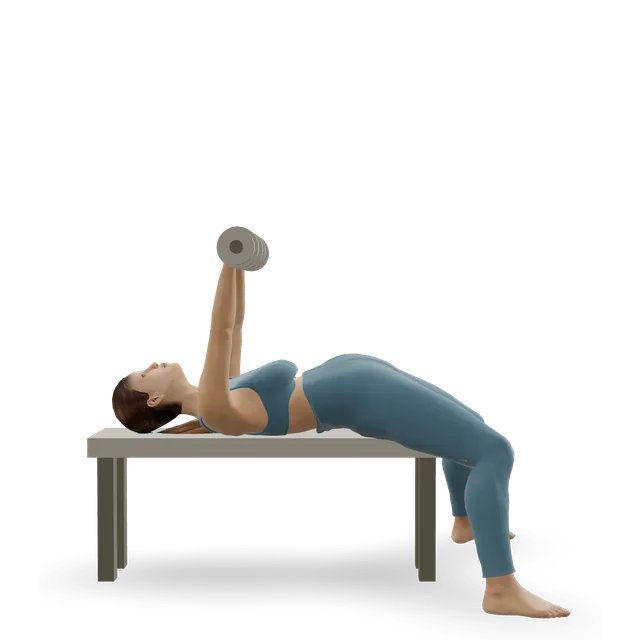
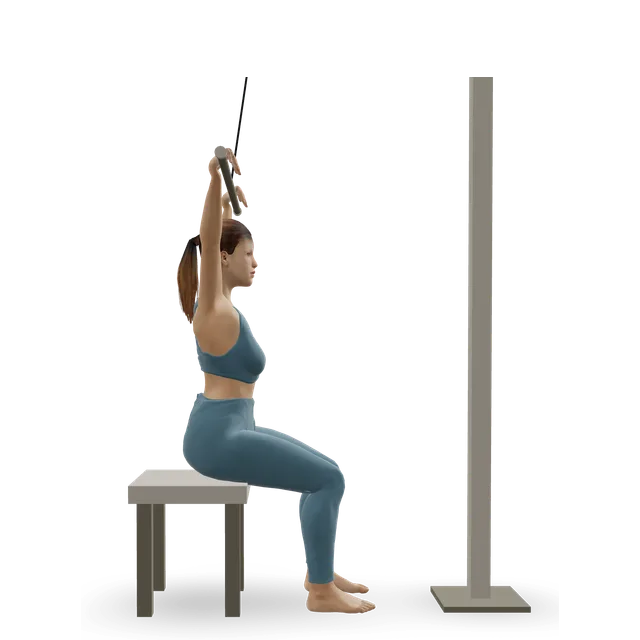
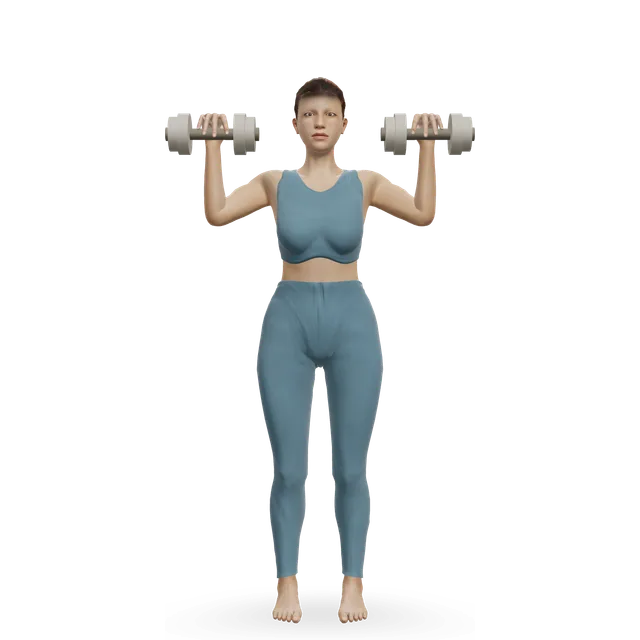
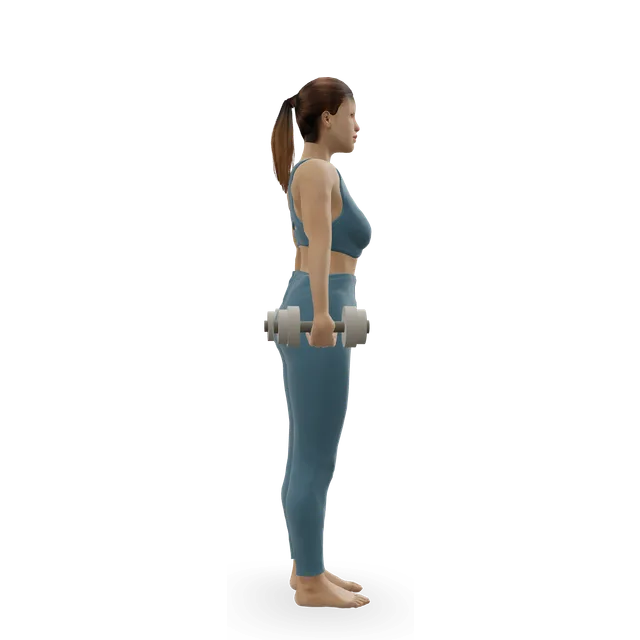
In each session, do a squat, a hip hinge (such as a Romanian deadlift), a push, a pull and a carry or core move. Start with a weight you could lift 10 to 12 times, and for the first 2 weeks stop each set with 3 or 4 reps to spare while you learn the moves (our plans' starting point).

How hard, and how to progress

Do 2 to 3 sets of about 6 to 12 reps, stopping 2 to 3 reps short of failure. Add reps until every set reaches the top of the range, then add a little weight. Work up to about 10 or more hard sets for each muscle a week (our plans' shared notes); in 15 studies, more weekly sets grew more muscle.

Source 41

What to expect

In typical training studies, men gained about 1.5 kg of muscle and adults over 50 about 1.1 kg. People vary a lot: after the same 12 weeks of arm training, some barely changed and others grew a great deal.

Sources 42, 43, 44

Keep your cardio, and sleep

Keep walking or cycling: it doesn't cancel muscle or strength gains, and it counts towards your 150 minutes a week. It does burn energy, so eat a little more to cover it (our suggestion). Sleep 7 to 9 hours; sleep loss cut physical performance by about 7.6% across 69 studies.

Sources 37, 45, 46, 47

Your first strength sessions

Our editorial starting point, built from the plans' shared notes on warming up, starting weights, effort and progression, and the 20-minute strength workout.

  1. Warm up for 3 to 5 minutes: march, cycle or walk briskly, then do 1 or 2 lighter sets of your first move.
  2. Squat: goblet squats, 2 to 3 sets of 8 to 12.
  3. Hinge: dumbbell Romanian deadlifts, 2 to 3 sets of 8 to 12.
  4. Push: push-ups, with your hands on a bench if you need to, 2 to 3 sets of 6 to 15.
  5. Pull: one-arm dumbbell rows or band rows, 2 to 3 sets of 8 to 15.
  6. Carry: walk 20 to 30 m holding a heavy dumbbell in each hand, twice.
  7. Write down your weights and reps, and next time add reps before you add weight.

Loading the 3D figure…

Gets into position, then repeats the movement. Technical checks passed; qualified exercise review is pending.

The movement on the figure: Dumbbell goblet squat

Moves for a full-body session

Pick a squat, a hinge, a push, a pull and a carry for each session. Each move's guide shows the technique, and the workouts below give the sets and reps.

Workouts to follow

Full-body sessions for home or the gym. Do two or three a week, alongside your eating.

Plans

Each plan builds the weights up week by week. The teenagers' and seniors' plans start gently.

How fast, and how to track it

What trials show

In trials, weight rose by about 3 kg in 8 weeks in men lifting weights with a 2,000-calorie daily supplement, and by 3 to 6.5 kg in 8 weeks of overeating on a research ward without training. From the same surplus, twins gained anything from 4.3 to 13.3 kg over 100 days. Your pace depends on how much more you eat and how your body responds, so nobody can promise a timeline.

Sources 5, 4, 9

Weigh, then average

Weigh yourself at the same time of day, a few mornings a week, and compare weekly averages (our suggestion). Bathroom scales weigh you accurately, but their body-fat figure can be 2 to 4 kg out, and NICE says those readings shouldn't replace BMI.

Sources 13, 48, 21

Waist and lifts

Keep your waist below half your height, NICE's healthy waist-to-height ratio. Rising weights and reps show the training is working, and photos in the same light every 4 weeks can help too (our suggestion).

Source 21

Teenagers, older adults and health conditions

Teenagers

If you're worried about a teenager's weight, start with a GP or school nurse, and don't stop them exercising. Supervised strength training doesn't affect growth in height or weight, and our teenagers' plan is a safe start. We don't suggest counting calories for children or teenagers unless a professional advises it.

Sources 20, 49

Older adults

People aged 65 and over are at particular risk of malnutrition, but the NHS says losing weight isn't an inevitable part of ageing. Its first advice is fortified foods high in calories and protein, snacks between meals and nourishing drinks. Adults over 50 gained about 1.1 kg of muscle in training studies, and in frail people in their late 80s, strength training more than doubled strength. Our protein calculator gives higher ranges from 65.

Sources 3, 43, 39

Long-term conditions

With Crohn's or colitis, cancer, an overactive thyroid, type 1 diabetes or heart failure, weight is part of your care team's plan, so ask them first. Our guides for these conditions cover exercise alongside treatment.

Sources 2, 14

Warning signs: when to get help

Call 999 (911 in the US)

For chest pain that comes on suddenly and doesn't go away, pain that spreads to your arms, neck, jaw, stomach or back, or chest pain with sweating, feeling sick, light-headed or short of breath. Call 999 too if someone faints while exercising. During any session, stop for chest pain or pressure, unusual breathlessness, dizziness or fainting.

Sources 50, 51

See a GP

For weight loss you can't explain, losing 5 to 10% of your weight over 3 to 6 months, weight loss with a big appetite and a racing heart, or using control of food to cope with feelings: the reasons in "Check with a GP first" above.

Sources 1, 2, 3, 14

If eating or exercise has become a worry

See a GP as soon as you can, or call Beat on 0808 801 0677 (England), 3pm to 8pm on weekdays. Our eating disorders guide has the numbers for Scotland, Wales, Northern Ireland and the US.

Sources 15, 17

Myths

"Eat whatever you like to gain weight"Strong evidence

Calories drive weight gain, but what you eat decides what you gain and how your body copes. The NHS says not to rely on chocolate, cakes and sugary drinks, and in small studies a month of fast food or 3 weeks of extra sugar raised liver fat quickly. Without training, extra food is stored mostly as fat.

Sources 1, 35, 36, 4

"You can't gain weight with a fast metabolism"Emerging evidence

People differ: twins on the same surplus gained 4.3 to 13.3 kg, but every pair gained, and some people move about more when they eat more. Muscle burns only about 13 calories per kg a day at rest. A small group of naturally thin people find gaining hard and need a doctor's view.

Sources 9, 10, 24, 11

"Fat turns into muscle"Strong evidence

Fat and muscle are different tissues, so one can't become the other, and muscle doesn't turn to fat if you stop training. They can even change in opposite directions at once: young men training hard on a high-protein diet gained about 1.2 kg of lean mass while losing 4.8 kg of fat in 4 weeks.

Sources 23, 24, 52

"Bulking means eating as much as you can"Emerging evidence

Bigger surpluses mainly added fat, not more muscle, in trained lifters and elite athletes, and the best surplus is unknown.

Sources 12, 31, 32

"You need weight-gain shakes"Strong evidence

Food can meet your protein needs; a shake is a convenience. In 73 men, a protein-and-carbohydrate shake and a carbohydrate-only shake with the same calories added similar weight: energy mattered most once protein needs were met.

Sources 7, 5

"Cardio will stop you gaining"Strong evidence

It doesn't reduce muscle or strength gains. Keep it, and eat enough to cover it.

Source 37

Questions people ask

How can I gain weight healthily?

Eat a little more every day, mostly from nourishing foods, and do strength training two or three times a week so more of the gain is muscle. The NHS suggests smaller meals more often, snacks such as cheese, nuts and yoghurt, and milky drinks between meals. If you've lost weight without trying, see a GP first.

How many extra calories do I need to gain weight?

The NHS suggests adults who need to gain weight try adding about 300 to 500 calories a day. Our calories calculator estimates your needs and shows this range if your BMI is under 18.5. If your weight hasn't moved after 2 or 3 weeks, add a little more.

How fast can I gain weight?

Steadily is better than fast: the NHS suggests adding about 300 to 500 calories a day and doesn't set a rate of gain. A guide used in muscle-building is about 0.25 to 0.5% of your body weight a week, but it hasn't been tested in people who are underweight, and people vary a lot. Bigger surpluses mostly add fat.

How do I gain weight if I have a fast metabolism?

People do burn different amounts, mostly through how much they move about, and some store extra food more readily than others. But in an overfeeding study every pair of twins gained weight, so eat more often, use drinks and calorie-dense snacks, and give it time. If you can't gain despite eating more, see a GP.

How much protein do I need to gain weight?

About 1.6 g per kg of body weight a day is enough for most people who lift; more than that added little in trials. Spread it over 3 to 5 meals and snacks of about 20 to 40 g. Our protein calculator works out your range.

What are good high-calorie foods for gaining weight?

Cheese, nuts and seeds, nut butters, yoghurt and rice pudding, milky drinks and smoothies, eggs, beans and pulses, oily fish and meat. The NHS advises not to rely on chocolate, cakes and sugary drinks.

How can I increase my appetite?

Eat smaller meals more often, and have drinks between meals rather than before them so they don't fill you up. Exercise can help your appetite too. A lasting loss of appetite with weight loss needs a GP.

Can I gain weight without gaining fat?

Some fat gain is normal and healthy if you're underweight. Strength training with a modest surplus makes most of the gain lean: in one trial, men who lifted while drinking a high-calorie supplement gained about 3 kg, mostly fat-free mass. Bigger surpluses add more fat, not more muscle.

Do I need protein shakes or weight gainers?

No. Food can meet your protein needs, and a shake is just a convenient way to add calories and protein if you struggle to eat enough.

Should I stop cardio to gain weight?

No. Cardio doesn't reduce muscle or strength gains, and it's good for your heart. Just eat enough to cover it.

When should I see a GP about being underweight?

If you've lost weight suddenly or without trying, have lost 5 to 10% of your weight over 3 to 6 months, or use control of food to cope with feelings. Also see a GP if you're losing weight despite a bigger appetite, or if you're worried about your eating; Beat's helpline in England is 0808 801 0677.

How can a teenager gain weight safely?

If you're worried, talk to a GP or school nurse first. Eat regular meals and snacks, and keep exercising: strength training with good supervision is safe and doesn't stunt growth. Our teenagers' workout plan is a good start.


Sources

  1. NHS · Healthy ways to gain weight (past its review date: reviewed March 2023, review due March 2026)
  2. NHS · Unintentional weight loss
  3. NHS · Malnutrition (past its review date: reviewed May 2023, review due May 2026)
  4. Bray 2012 · Overeating on low, normal and high protein diets for 8 weeks in 25 adults (randomised trial, JAMA)
  5. Rozenek 2002 · High-calorie drinks with 8 weeks of strength training in 73 men (randomised trial, J Sports Med Phys Fitness)
  6. Currier 2026 · Resistance training for strength, muscle and performance in healthy adults: 137 reviews (ACSM position stand, MSSE)
  7. Jäger 2017 · Protein and exercise (International Society of Sports Nutrition position stand, J Int Soc Sports Nutr)
  8. Morton 2018 · Protein supplements and gains in muscle and strength: 49 trials (meta-analysis, Br J Sports Med)
  9. Bouchard 1990 · Overfeeding 12 pairs of identical twins over 100 days (trial, N Engl J Med)
  10. Levine 1999 · Everyday movement and resistance to fat gain when 16 adults overate for 8 weeks (trial, Science)
  11. Bailly 2021 · Constitutional thinness compared with anorexia nervosa: 39 studies (systematic review and meta-analysis, Rev Endocr Metab Disord)
  12. Helms 2023 · Small and large calorie surpluses in trained lifters (randomised trial, Sports Med Open)
  13. Frija-Masson 2021 · How accurate smart scales are for weight and body composition (observational study, JMIR mHealth uHealth)
  14. NHS · Overactive thyroid (hyperthyroidism): symptoms (past its review date: reviewed April 2023, review due April 2026)
  15. NHS · Eating disorders: overview
  16. Beat · Physical activity, exercise and eating disorders
  17. Beat · Support now: helplines
  18. Beat · Do men get eating disorders?
  19. NHS · Body dysmorphic disorder (BDD) (past its review date: reviewed October 2023, review due October 2026)
  20. NHS · How to help your child gain weight (past its review date: reviewed March 2023, review due March 2026)
  21. NICE NG246 · Overweight and obesity management: identifying and assessing overweight, obesity and central adiposity (guideline, 2025, updated 2026)
  22. Global BMI Mortality Collaboration 2016 · BMI and death rates in 239 studies (individual-participant meta-analysis, Lancet)
  23. Cleveland Clinic · Adipose tissue (body fat)
  24. Wang 2010 · How much energy each organ and tissue uses at rest (validation study, Am J Clin Nutr)
  25. Riveros-McKay 2019 · The genetics of healthy thinness compared with severe obesity (genetic study, PLoS Genet)
  26. Lund 2023 · How the body defends against weight gain: evidence from overfeeding studies (review, Philos Trans R Soc B)
  27. Bailly 2020 · How constitutional thinness is defined and diagnosed: 35 studies (systematic review, Br J Nutr)
  28. Germain 2014 · Four weeks of extra calories in 8 naturally thin women and 8 controls (trial, Nutr Diabetes)
  29. Ling 2020 · Two weeks of extra calories and protein in naturally thin adults (trial, J Cachexia Sarcopenia Muscle)
  30. Forbes 2000 · How body fat affects what you gain or lose with diet and exercise (review, Ann N Y Acad Sci)
  31. Garthe 2013 · A guided weight-gain diet in 39 elite athletes (randomised trial, Eur J Sport Sci)
  32. Slater 2019 · Is a calorie surplus needed to maximise muscle growth? (review, Front Nutr)
  33. Murphy 2022 · Eating too little, lean mass and strength gains from resistance training (meta-analysis, Scand J Med Sci Sports)
  34. DiMeglio 2000 · Calories in drinks against solid food: what happens to eating and weight in 15 adults (crossover trial, Int J Obes)
  35. Kechagias 2008 · Four weeks of fast food in 18 healthy young adults: liver tests and liver fat (trial, Gut)
  36. Sevastianova 2012 · Three weeks of extra sugar and liver fat in 16 overweight adults (trial, Am J Clin Nutr)
  37. Schumann 2022 · Doing cardio and strength training together: 43 studies (meta-analysis, Sports Med)
  38. Iraki 2019 · Nutrition for bodybuilders in the off-season (narrative review, Sports)
  39. Fiatarone 1994 · Exercise and nutrition supplements for frailty in 100 people aged 72 to 98 (randomised trial, N Engl J Med)
  40. NHS · Physical activity guidelines for adults aged 19 to 64
  41. Schoenfeld 2017 · Dose-response relationship between weekly resistance training volume and muscle growth (meta-analysis, J Sports Sci)
  42. Benito 2020 · Whole-body muscle growth from resistance training in healthy men: 111 studies (meta-analysis, IJERPH)
  43. Peterson 2011 · Resistance training and lean body mass in adults over 50: 49 studies (meta-analysis, MSSE)
  44. Hubal 2005 · How differently 585 people responded to 12 weeks of arm training (trial, MSSE)
  45. UK Chief Medical Officers · Physical activity guidelines (2019, page updated July 2026)
  46. NHS · Insomnia
  47. Craven 2022 · Sleep loss and physical performance: 69 studies (meta-analysis, Sports Med)
  48. Siedler 2023 · Fifteen bioelectrical impedance devices against a reference method in 73 adults (validity study, Br J Nutr)
  49. Malina 2006 · Weight training in youth: growth, maturation and safety (evidence review, Clin J Sport Med)
  50. NHS · Chest pain (past its review date: reviewed August 2023, review due August 2026)
  51. NHS · Fainting
  52. Longland 2016 · Higher protein during a large calorie deficit with hard training in 40 young men (randomised trial, Am J Clin Nutr)

Exercise education, not a personal prescription, and clinical review of these guides is pending. Check with a GP before starting hard training if you have a heart condition, chest pain, dizziness or breathlessness when active, and stop for sharp or increasing pain. Health disclaimer.