What the overhead press asks of the elbow, and what no study has countedEmerging evidence
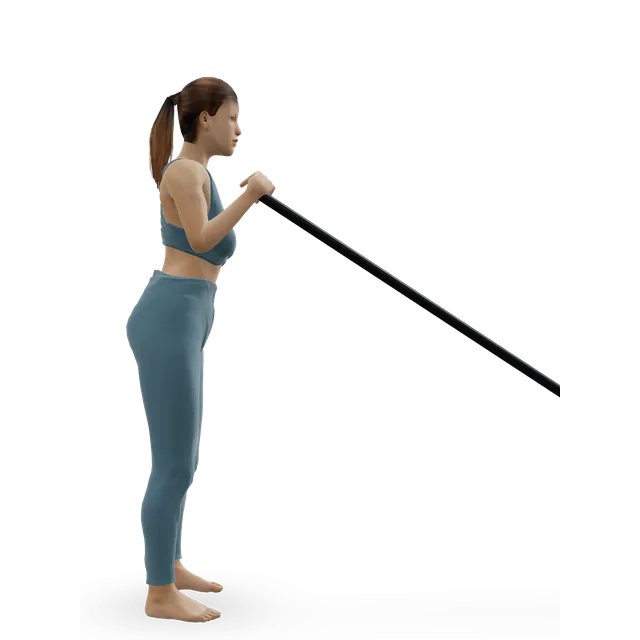
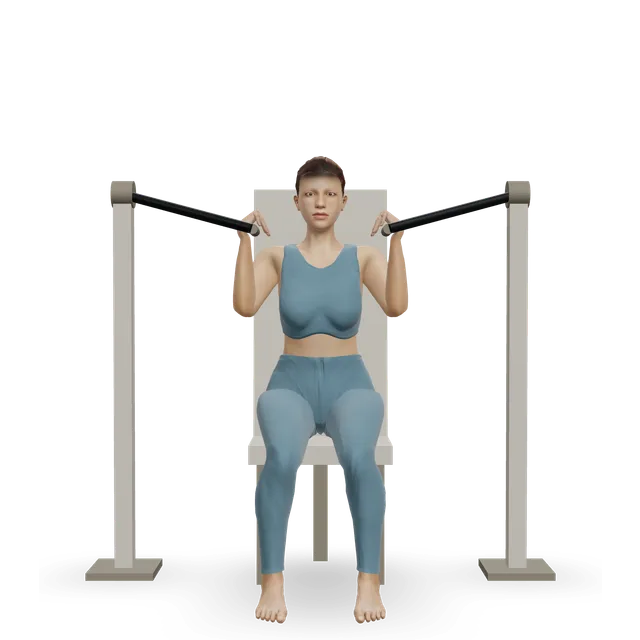
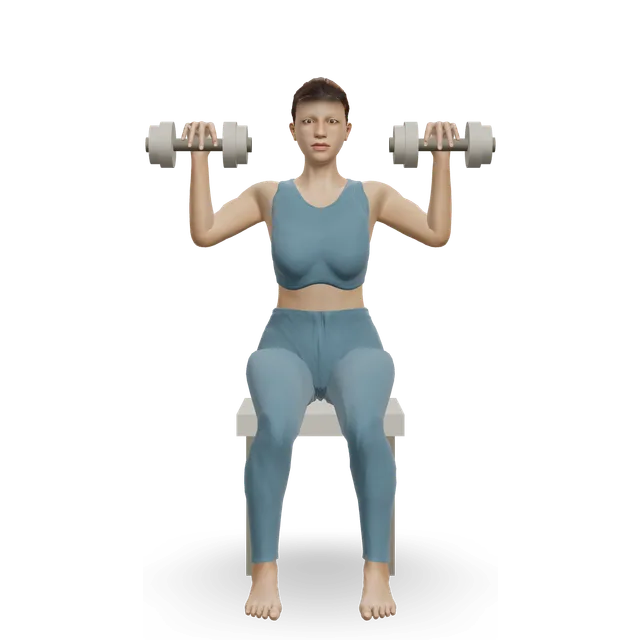
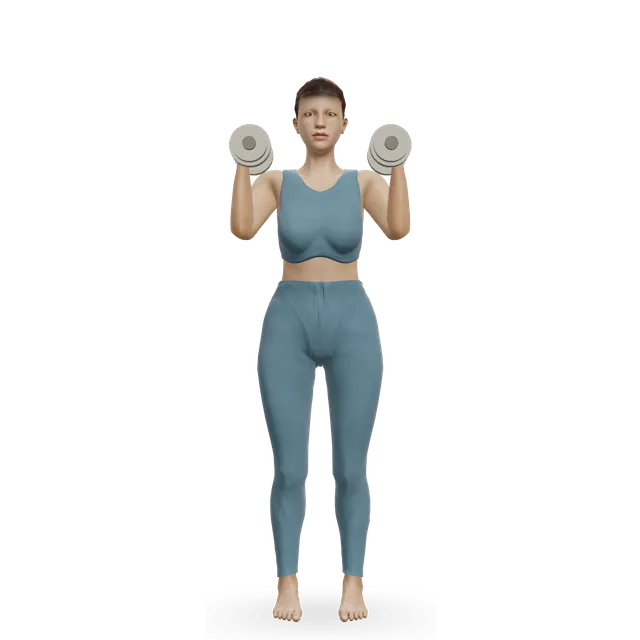
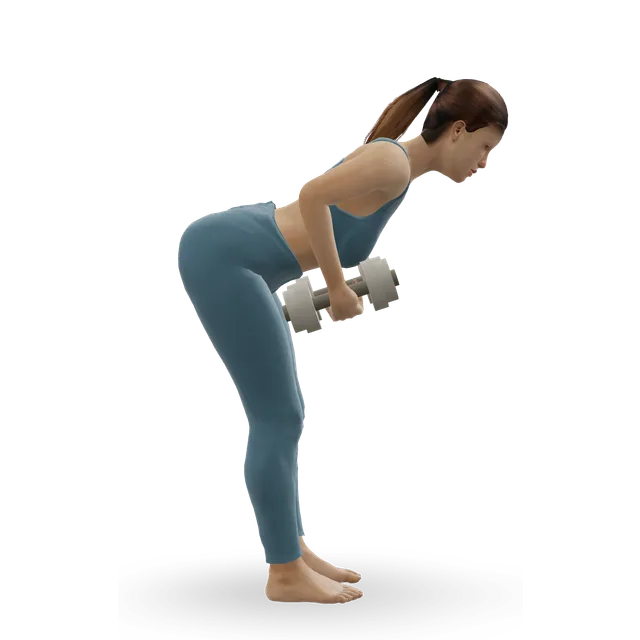
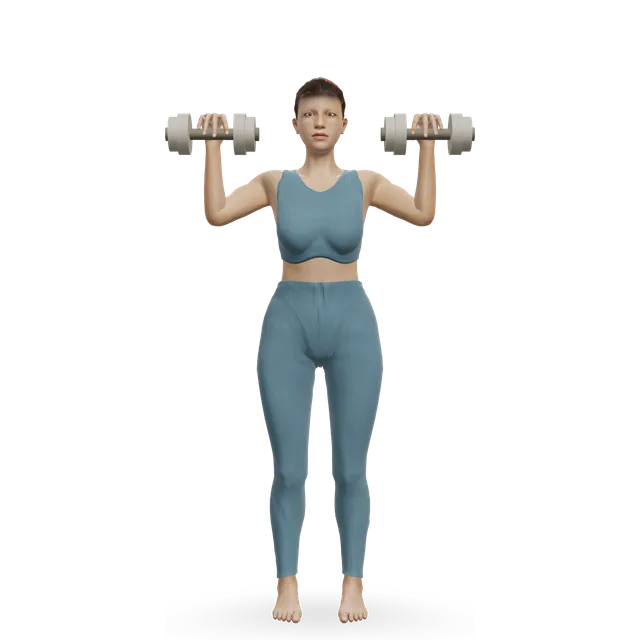
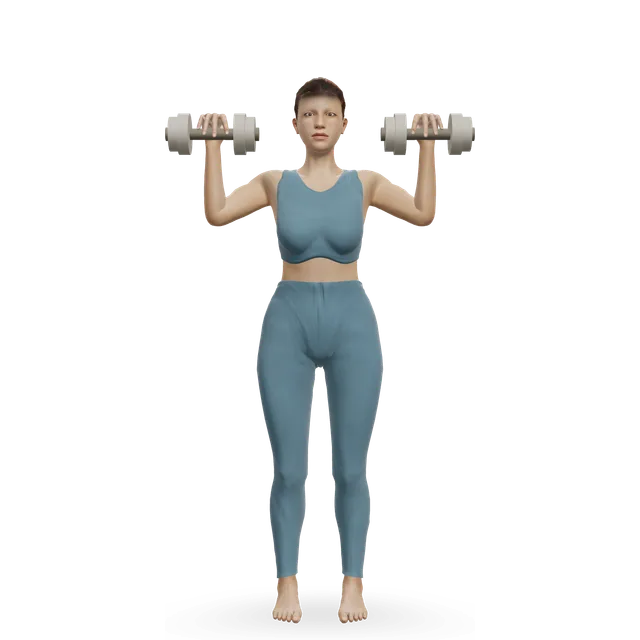
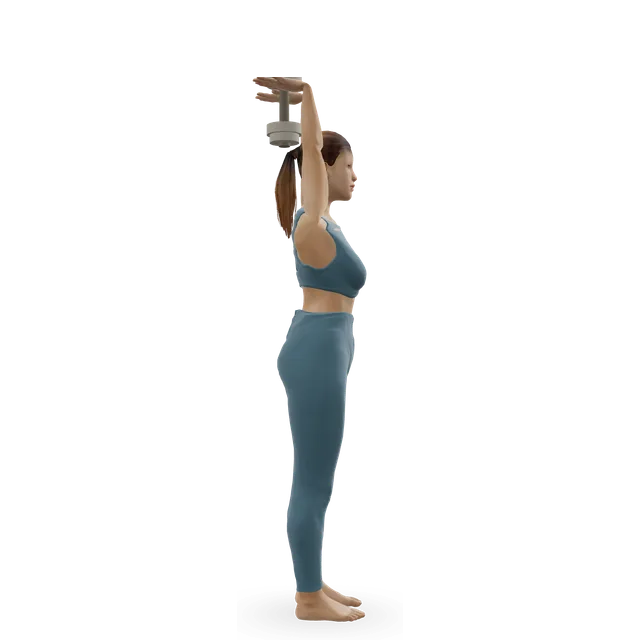
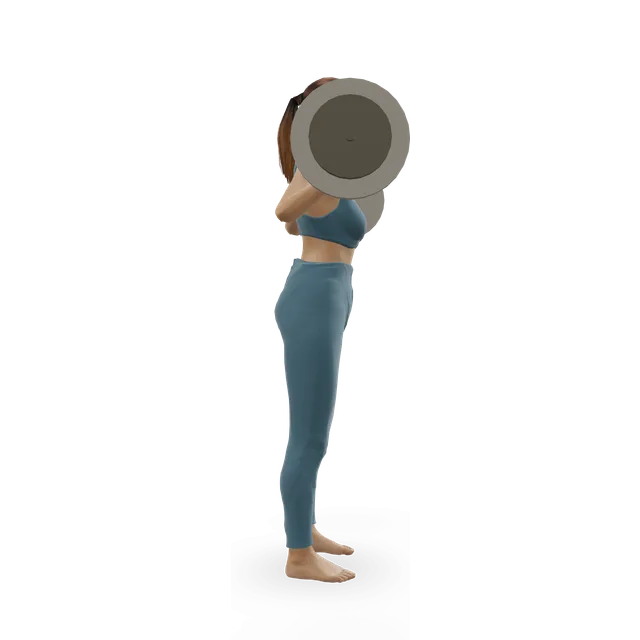
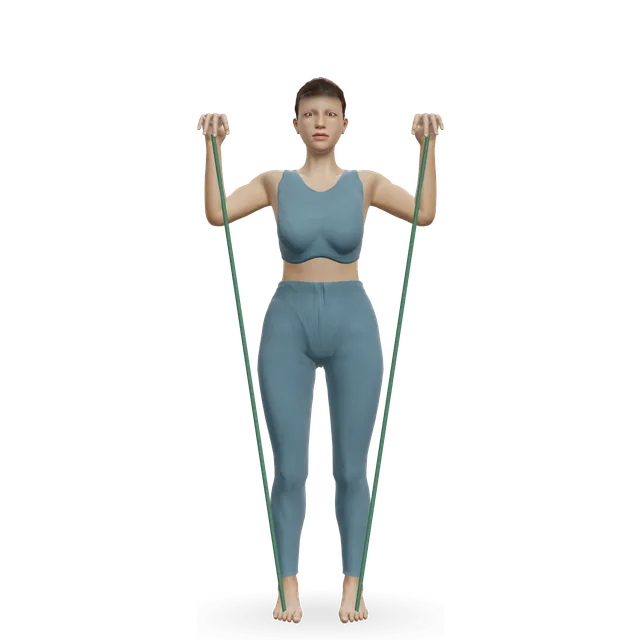
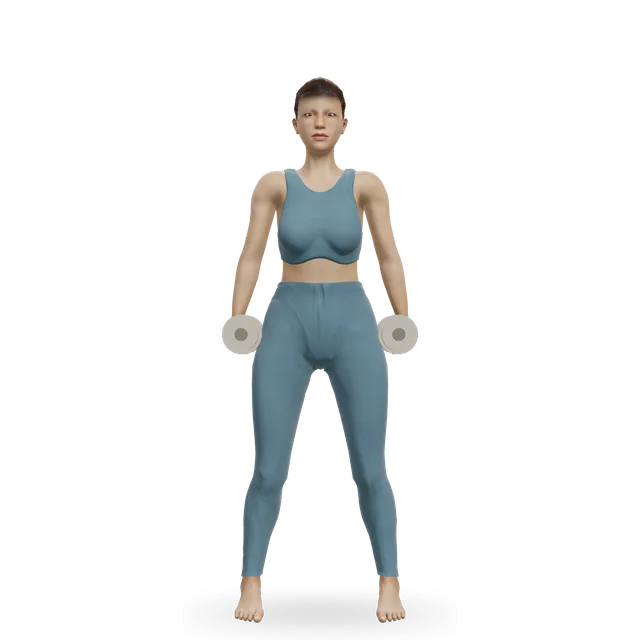
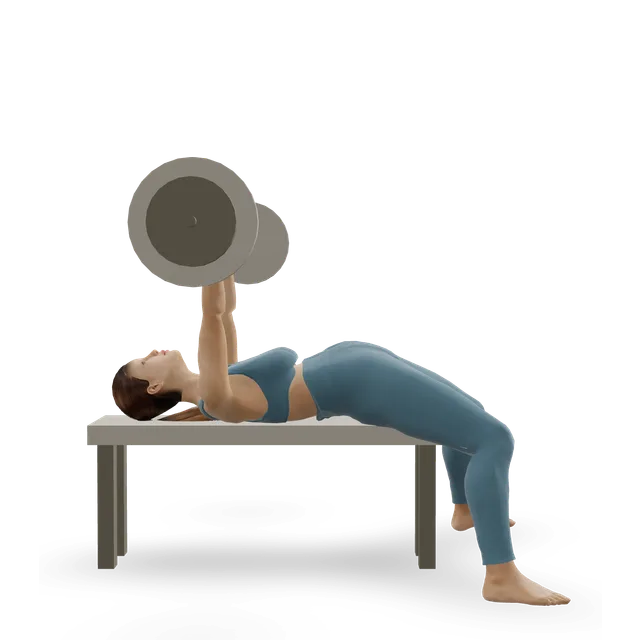
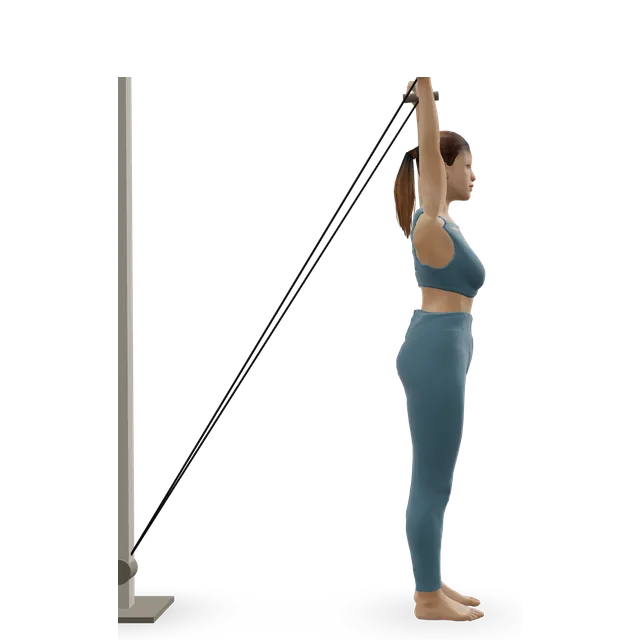
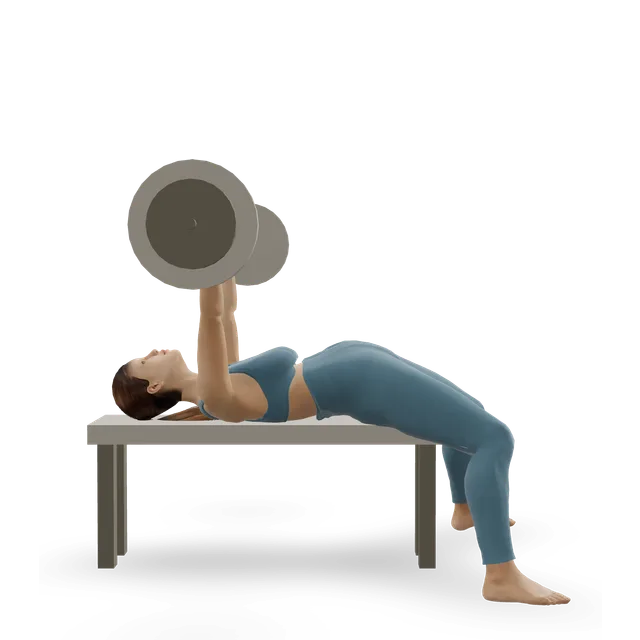
You press a bar or dumbbells from the front of your shoulders to straight arms overhead. The shoulder does most of the work early; the triceps straightens the elbow and takes over towards the top: in a mathematical model of the bench and overhead press, the elbow straighteners did little early and dominated near full extension, and in 6 experienced lifters pressing seated, going all the way to a straight elbow raised the triceps' work along with the other muscles measured.
In the only study that measured the elbow's load in a press (11 trained men, a seated barbell press to failure, which we could read only as a summary), wider grips lowered the elbow's load and narrower grips raised it, while narrower grips lowered the shoulder's. A standing barbell press used about 39% more triceps activity than standing dumbbells (15 men), and triceps work rose with the weight lifted (30 trained people). Two small studies disagree on whether front or behind-the-neck pressing uses more triceps on the way down. None of these studies measured pain, no study counts what causes elbow pain in people who overhead press, and there are no data at all on the landmine press, a neutral grip or wrist position and the elbow.
Sources 1, 2, 3, 4, 5, 6, 7
The tip of the elbow: the triceps tendonEmerging evidence
NHS referral guidance describes triceps tendon pain as well-localised pain where the triceps attaches, on straightening the elbow against resistance, usually after a change in load, often stiff in the morning and painful as you start, and says it occurs occasionally in weightlifters. A review calls it the rarest tendon problem around the elbow, says its true frequency is unknown, and notes that strength is usually kept. In the press it shows near the top, as the elbow straightens under the bar, and with other heavy elbow straightening in the same week (close-grip bench, dips, skull crushers, push presses). This is the commonest back-of-elbow pattern in our reading; no study counts it.
Sources 8, 9
A pop at the back of the elbow: a torn triceps tendon, which is rareStrong evidence
In US emergency departments, triceps tears were about 0.5% of tendon tears, at an average age of 43, in men about 12 times as often as women. The American Academy of Orthopaedic Surgeons (AAOS) says most come from a sudden injury pushing a heavy load, lifting weights or falling onto an outstretched hand, and lists weakness straightening the elbow, especially overhead. Weight training and anabolic steroids are the main risk factors: in a series of 4 weightlifters with tears, all had taken anabolic steroids and 2 had had steroid injections for triceps pain, and a review adds local steroid injections and bursitis.
Tears are easy to miss: 10 of 22 in one surgical series were misdiagnosed at first. The NHS says sudden, severe pain during an activity may mean a torn tendon.
Sources 10, 11, 12, 13, 14, 15, 16
The outer and inner bumps, from the gripEmerging evidence
The bony bump on the outside, worse gripping the bar, is usually tennis elbow; in 4,783 Finnish adults, tennis elbow affected 1.3% and golfer's elbow 0.4%, most often in middle age. With tennis elbow, gripping hard with a straight elbow is the weak position: grip was 29% stronger with the elbow bent than straight on the sore side in 81 people, with the same pattern in two smaller studies. That a crushing grip at lockout loads a sore outer elbow is our inference from these. The NHS says tennis elbow usually goes away but can sometimes last over a year. The inner bump without tingling is usually golfer's elbow, which often comes with the ulnar nerve.
Sources 17, 18, 19, 20, 21
Tingling in the ring and little fingers: the ulnar nerveEmerging evidence
The British Society for Surgery of the Hand (BSSH) says numbness or tingling in the little and ring fingers is usually the earliest sign of cubital tunnel syndrome, often brought on by leaning on the elbow or holding it bent. In cadavers, bending the elbow from straight to 135 degrees shrank the nerve's tunnel by 30% to 41%, and the nerve was stretched most at full bend, just behind the inner bump. In the press, that is the bottom position, deepest with dumbbells lowered low, a narrow grip and the Arnold press (our reading).
Sources 22, 23, 24
Other causes at the back of the elbow, and who gets itEmerging evidence
A soft swelling on the point of the elbow is usually olecranon bursitis, from repeated pressure or minor knocks, such as leaning on the elbow or long plank holds, not from pressing. An infected bursa can come without a fever, so heat, redness and spreading pain matter more; the NHS says see a GP if bursitis hasn't improved after 1 to 2 weeks of looking after it yourself. A jamming pain at the very back of the elbow only as it snaps straight is the back of the joint pinching, described in throwers. A sore spot on the bone at the tip that builds over weeks is very rarely a stress fracture (one case in a young weightlifter) or a bony spur in the triceps tendon.
No study counts who gets elbow pain from pressing. In our reading it mostly bothers lifters who add pressing quickly, press with a narrow grip or snap into lockout, add push presses and jerks, pile up triceps work, or grip the bar as hard as they can; and lifters from about 40, who reported more elbow injuries in 245 powerlifters. The elbow is a regular but small share of lifting injuries: about 8% in powerlifting, 6.3% of injuries in Dutch gym users and 4 of 84 in a CrossFit survey, none of them in the heavy lifting movements that included the press. Reviews list the elbow among the five commonest injured areas in weight-training sports, with low injury rates, and bodybuilders named it among their commonest. No survey names the overhead press as a cause.
Sources 25, 26, 27, 28, 29, 30, 31, 32, 33, 34, 35, 36
When arm pain isn't the elbow
The NHS says elbow and arm pain is not usually a sign of anything serious. It makes sudden arm pain with pressure, heaviness or squeezing across your chest a 999 call, and its heart attack page adds chest pain spreading to the arms, neck or jaw; arm pain that comes on with exercise and goes with rest needs NHS 111 the same day. These come before anything on this page, as the warning signs say.
Sources 37, 38
When a scan or test mattersEmerging evidence
Not for ordinary overuse pain: NHS referral guidance manages triceps tendon pain without imaging at first, and lists its look-alikes (bursitis, arthritis, gout, a loose fragment, a stress fracture and the back of the joint pinching). A suspected tear needs an examination and usually a scan, because tears are often missed. Tingling that lasts, or a weak hand, may need nerve tests; a hot, swollen bursa may need fluid drawn off; and a sore spot on the bone at the tip may need an X-ray, though an early one can miss a stress fracture.
Sources 8, 15, 11, 22, 25, 28
How it usually goesEmerging evidence
No study follows elbow pain from the overhead press. NHS referral guidance says most triceps tendon pain improves without surgery, and a review calls it a condition that settles with non-surgical care. For tennis elbow, 89% had improved at a year in the untreated and placebo groups of 24 trials. In mild or moderate cubital tunnel syndrome, 51 of 57 people had improved at 6 months after advice, whatever else they had. After a triceps repair, 89% returned to their previous activity, and 95% of 22 strength athletes returned to their sport. Most lifters with pain keep training with changes: only 16% of injured Swedish powerlifters stopped completely. No one can promise a date.
Sources 8, 9, 39, 40, 41, 12, 42