Strength at home
Return to running after birth: readiness checks and strength
From about 12 weeks after the birth, this session runs through the checks a 2019 UK return-to-running guideline uses: balance, single-leg squats, jogging on the spot, bounds, hops and the running man, each with no pain, heaviness, dragging or leaking, then four strength tests aiming for 20 reps. Falling short isn't a barrier to running: it shows where to direct your strength work. The timing and the tests are expert opinion, not trial results, and the postpartum workout plan's stages say when to do it.
Warm-up
- Treadmill walking5 minBeginner · Quads, Calves, Glutes · 3D demoBrisk, outdoors or on a treadmill. The guideline's first check, a 30-minute walk with no symptoms, is for another dayHarder: Treadmill jogging

Load and impact checks
Rest as needed
- Single-leg stand10 s each sideBeginner · Hip abductors, Calves, Glutes · 3D demoNear a wall. Stop the checks at any pain, heaviness, dragging or leakingEasier: Tandem stance and heel-to-toe walkHarder: Single-leg reach matrix
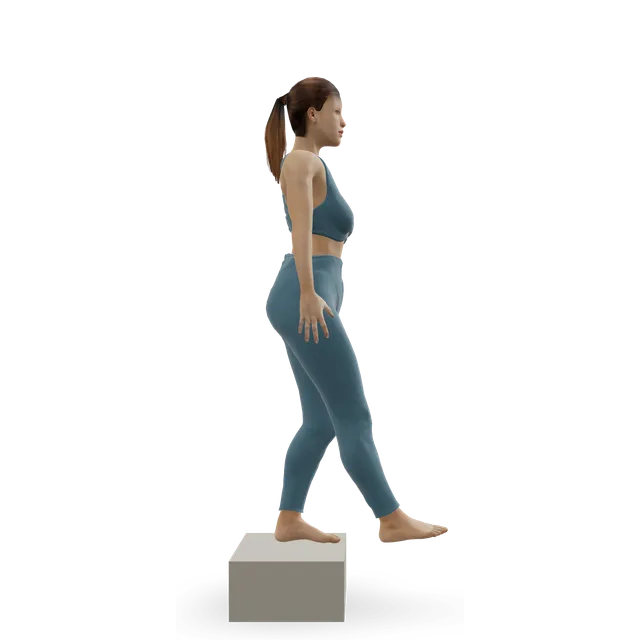
- Patrick step-down10 each sideIntermediate · Quads, Glutes, Hip abductors · 3D demoThe guideline's single-leg squat: on a low step or the bottom stair, a hand on the rail, bend the standing knee until the other heel touches the floorEasier: Bodyweight squatHarder: Skater squat
- Treadmill jogging1 minIntermediate · Quads, Calves, Glutes · 3D demoJog on the spotEasier: Treadmill walkingHarder: Sprint intervals
- Alternate-leg bounding10 boundsAdvanced · Glutes, Quads, Calves · 3D demoSmall, controlled bounds forward from one foot to the other; land softlyEasier: SkippingHarder: Diagonal bounds
- Single-leg pogo hops10 each legAdvanced · Calves, Quads, Glutes · 3D demoHop on the spotEasier: Pogo hops
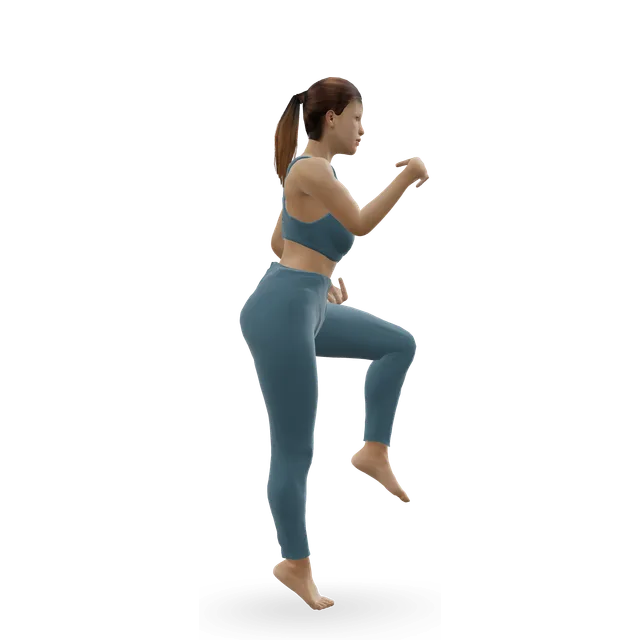
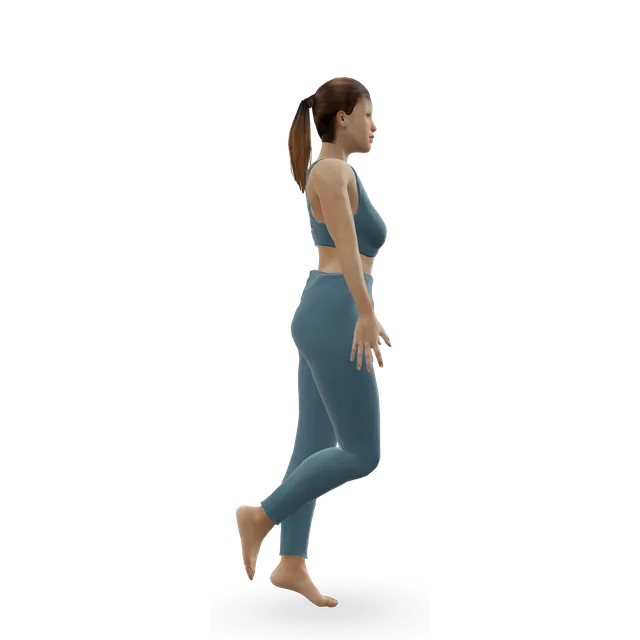
- Standing march10 each sideBeginner · Hip flexors, Abs, Glutes · 3D demoThe guideline's "running man": stand on one leg and swing the opposite arm and knee forward, then the leg back behind you with the knee bent, as in running. The figure shows the march, its easier versionHarder: Standing band hip flexion



Strength tests (aim for 20 of each)
- Single-leg calf raise from a stepUp to 20 each sideIntermediate · Calves · 3D demoHold a railEasier: Slow calf raiseHarder: Single-leg pogo hops
- Single-leg glute bridgeUp to 20 each sideIntermediate · Glutes, Hamstrings, Abs · 3D demoEasier: Glute bridgeHarder: Barbell hip thrust
- Sit to stand from a chairUp to 20 each sideBeginner · Quads, Glutes, Hamstrings · 3D demoOn one leg: lift one foot just off the floor and stand up on the other, arms across your chest. A higher seat makes it easierHarder: Bodyweight squat
- Side-lying leg raiseUp to 20 each sideBeginner · Hip abductors, Glutes · 3D demoEasier: Lateral band walkHarder: Lateral band walk, band at the feet




Impact practice (only once every check is passed)
2 rounds · Rest 60 s between rounds
- Ankle bounces (mini pogo)10 to 15Beginner · Calves, Shins · 3D demoShort, quiet contactsHarder: Pogo hops
- Intermediate · Calves, Quads, Shins · 3D demoEasier: Ankle bounces (mini pogo)Harder: Single-leg pogo hops


Cool-down
- Wall calf stretch (gastrocnemius)30 s each sideBeginner · Calves · 3D demoEasier: Seated calf stretch with a towelHarder: Toes-tucked kneeling (toe squat)

Tips
- Do it once a week from about 12 weeks, in place of a strength session; the postpartum plan's stages say when. The 12-week timing is the UK guideline's expert opinion, and an international consensus allows an individual plan earlier, after at least 3 weeks' rest and recovery and a screen.
- Passed every check with no pain, heaviness, dragging or leaking? Start with 1 to 2 minutes of easy jogging within a walk, such as the run-walk intervals for beginners, then the Couch to 5K plan.
- Not yet? Do the strength tests as 2 to 3 sets of 10 to 15 twice a week and check again in a couple of weeks. If leaking, heaviness or dragging comes up, or you're unsure, see a pelvic health physiotherapist.
- A slower start makes sense after a caesarean or perineal scarring, while breastfeeding, with a joint hypermobility condition, a body mass index (BMI) over 30, earlier pelvic floor or back problems, or if you're eating too little for your training.
- Mild aches of 0 to 3 out of 10 that settle quickly and are gone by the next day are often fine; heaviness, dragging, leaking or moderate pain mean doing less.
- Feed or express first, and wear a well-fitted supportive sports bra.
- Running with a buggy: not before your baby is 6 to 9 months old, in a buggy designed for running, with two hands on the handle at first.
The doses are suggested starting points, not a prescription. Choose a range you can control and stop for sharp or increasing pain, numbness or tingling. Get individual advice after an injury or surgery, or if you are pregnant or managing a health condition.
Part of these weekly plans
Follow the whole week: which session on which day, and how to progress.
Guides that recommend it
Find more moves like these
More strength at home




Beginner bodyweight workout
A 20-minute full-body workout with no equipment: squats, knee push-ups, bridges, lunges and planks.
20 minBeginner10 movesNo equipment


Full-body bodyweight workout
An intermediate no-equipment workout: push-ups, split squats, single-leg bridges, pike push-ups and core work.
30 minIntermediate11 movesNo equipment


Full-body dumbbell workout
A 35-minute full-body strength workout with dumbbells: goblet squats, presses, rows, Romanian deadlifts and carries.
35 minIntermediate9 movesA band, A dumbbellQuestions people ask
How long does the return to running after birth: readiness checks and strength take?
About 25 minutes, including any warm-up and cool-down listed. Shorten it by doing fewer rounds; lengthen it by adding one.
What equipment do I need?
You need: Cardio machine, A wall, A step, A bench or box. Each move links to its guide, where you can find an alternative if you are missing something.
Is it suitable for me?
It is written at intermediate level. 10 of its 14 moves have an easier option listed beside them; use them freely.
How do I make it easier or harder?
Use the easier or harder option listed under each move, change the number of rounds, or adjust the rest. Progress one change at a time.