What a lunge asks of each ankle, and what no study has countedEmerging evidence
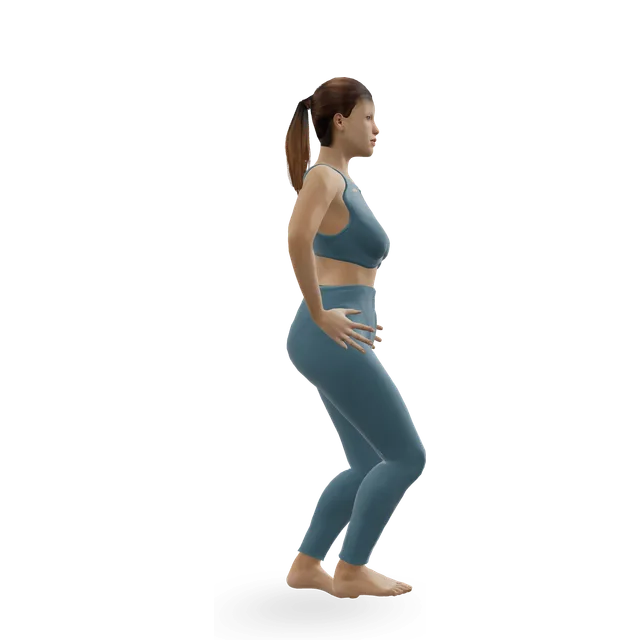
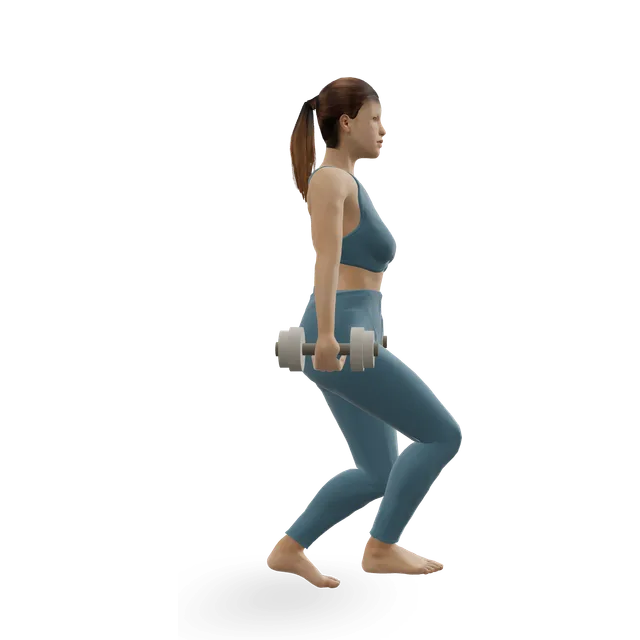
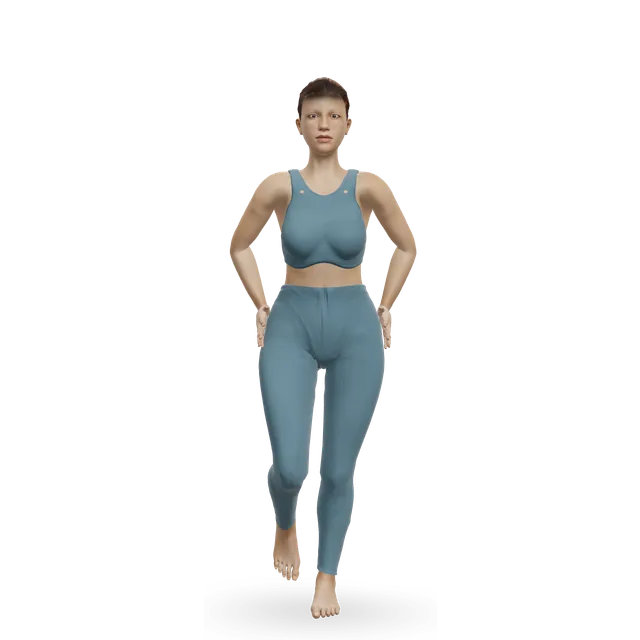
In a lunge the front shin tips forward over the front foot, so the front ankle bends upwards (dorsiflexion, which we call ankle bend) while it carries your weight, and the back heel lifts while the back toes bend back. In 9 men, the front ankle bent about 25 degrees in a forward lunge and 22 in a reverse lunge, about the same, and 30 in a single-leg squat; the turning force at the ankle was higher in the forward lunge (1.00 against 0.72 newton-metres per kilogram of body weight), and the authors advise starting the ankle with reverse lunges. In 16 adults, adding weight up to half of body weight raised the work done at the ankle and hip, not the knee.
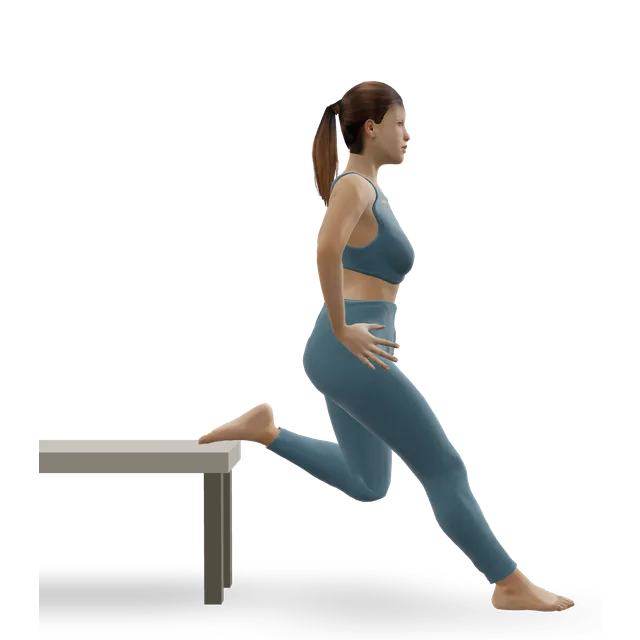
Stride sets how far the front ankle bends. In 20 men doing split squats, its peak bend was about 14 degrees with a step of half a leg's length, 8 degrees at 70%, 3 degrees at one leg's length and none at 1.2 leg lengths, though the longest steps made feet slip. A short step pushes the front knee 8 to 10 cm past the toes and loads the kneecap more, and a long step raised front calf activity (26% against 15% of a maximal contraction in 20 adults).
No study counts ankle pain or injury from lunges, and none has measured the back ankle or the back toes in a lunge. So the map on this page is built from what each condition is known to do (our reading).