A specialist manages it, and offloading comes firstEmerging evidence
The aim is to take load off the joint while the bone heals. A UK reference for doctors advises less weight-bearing activity for 4 to 6 weeks, supportive shoes with a metatarsal pad or bar under the sore bone and, if it's severe, a short walking cast until the symptoms settle, usually within 3 to 4 weeks. A Canadian children's hospital stops painful sport and high-impact activity for 6 weeks, uses a walking boot for 4 to 6 weeks if it's very painful and an anti-inflammatory painkiller for 4 weeks, then a custom insole with a metatarsal pad if symptoms continue. An NHS leaflet adds comfortable, well-padded shoes with plenty of room for the toes, and no high heels.
A review describes a shoe that keeps weight off the front of the foot, or a stiff shoe with a rocker sole, after 3 to 6 weeks of unloading. In the US series, most of those who returned to sport without surgery had been treated in a boot or cast. One case report suggests the design of an insole matters: two prescriptions gave very different results in the same person, so a podiatrist or orthotist should fit it. None of this has been tested in a trial.
Sources 2, 10, 1, 4, 3, 9, 12
What exercise can and can't do: untestedMixed evidence
No study has tested exercise for Freiberg's disease. Exercise can't restore the blood supply or reshape the metatarsal head: offloading and time do that.
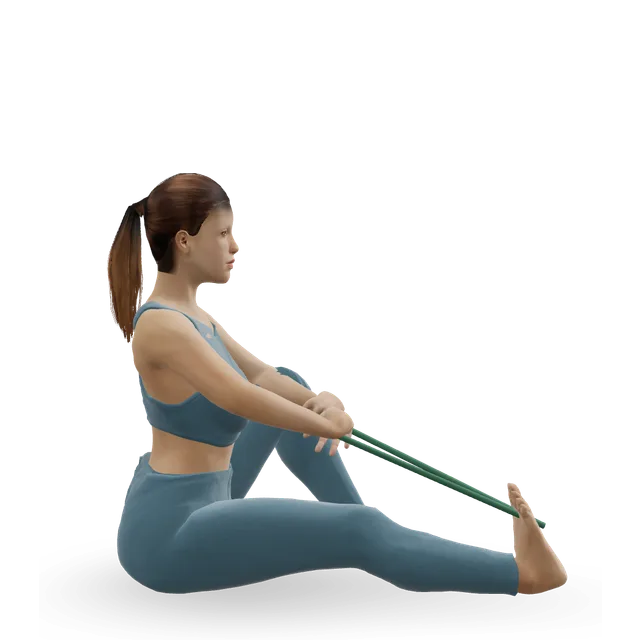
What it can do is keep you fit and strong while the joint is protected (cycling with the heel or arch on the pedal, and hip and trunk work), rebuild calf, foot and balance strength once walking is pain-free, and prepare you for a graded return to running, jumping and dance. Moves that bend the toe back under your body weight wait until the joint is pain-free and your specialist agrees (our caution).
Sources 3, 13, 14, 1, 10
When surgery is consideredEmerging evidence
An NHS leaflet says about 1 in 10 people need an operation, only after trying all the non-surgical treatments first, usually as a day case. A Canadian children's hospital refers for surgery only after at least 6 months of consistent treatment, and a specialist review usually tries at least 6 months of non-surgical care in the early stages. In the US series of 19 teenage athletes, 3 had an operation.
Most people in the published surgical studies were adults, often with later-stage disease, so their results may not apply to a teenager.
Sources 1, 10, 3, 9, 8
Surgery: what the studies showEmerging evidence
Operations include clearing out the joint, a wedge osteotomy that turns healthy cartilage into the joint, a graft of bone and cartilage from the knee, and later-stage joint operations. A review of 38 small studies found that operations preserving the joint relieved pain and allowed a full return to activity in over 90% (257 operations), and operations sacrificing it in over 70% (70 operations).
In the one randomised trial, 27 athletes had a graft from the knee or a wedge osteotomy and were followed for 3 to 5 years. Both groups improved a lot, and the graft scored higher, though not by a clinically important amount. Graft patients trained again at about 6 weeks and were back to full sport at about 10, against about 8 and 13 weeks after an osteotomy. A meta-analysis of 16 mostly non-randomised studies (259 toes) found larger gains and fewer complications with grafts (1% against 6%).
In 10 teenage athletes, all returned to sport after a graft, at an average of 3.5 months. In 20 children followed for 23 years after an osteotomy, 80% had excellent and 20% good results, worse the more the head had collapsed. Every operation risks a stiff or floating toe and pain moving to the neighbouring metatarsals.
Sources 14, 5, 15, 16, 17, 18, 13
Back to sport and danceEmerging evidence
In the US series of 19 teenage athletes, the median time to being cleared for full sport was 3.7 months without surgery and 8.8 months for the 3 who had surgery; a third of the group were dancers. The series only included young people followed until they were cleared, so it can't tell you how many never return.
In dancers, Freiberg's disease can severely limit relevé, rising onto the balls of the feet, which loads the joint most. The authors of one case report call non-surgical treatment in dancers disappointing, and note that some operations reported as successful would cost a dancer the toe's upward bend that relevé needs. That is one report's view: most of the young athletes in the US series, a third of them dancers, were cleared without surgery. The way back to ballet in this guide borrows an expert protocol written for foot and ankle injuries, which leaves relevé, jumps and pointe until last; it hasn't been tested in Freiberg's disease.
Sources 9, 19, 20