Roller skating
Gliding on roller or in-line skates by pushing each skate out to the side in turn, knees bent and weight over the skates. It takes balance, and the skills of stopping and turning, before it works as exercise; the NHS counts rollerblading as moderate activity, and the Compendium rates recreational skating at 7 to 7.5 METs. Intensity depends on speed: measured self-paced in-line skating came out at 9.1 to 9.4 METs in two small studies of young adults.
Movement guide
Roller skating
Make it easier or harder
Choose a version that fits your control and comfort.
Easier option
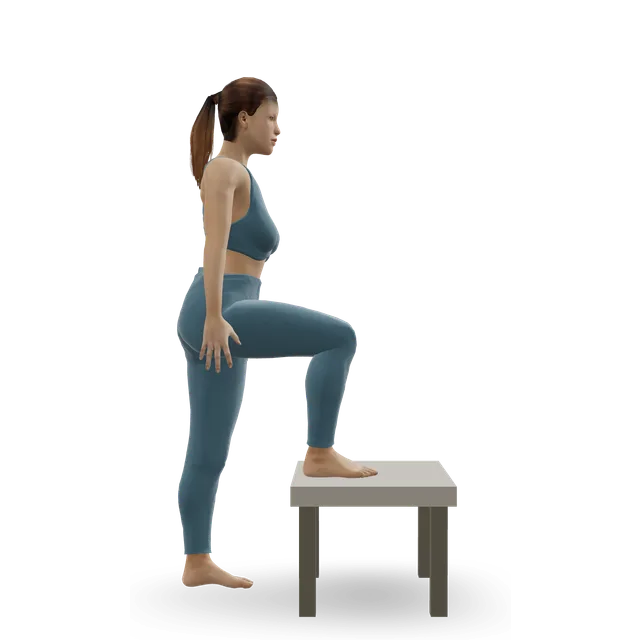 3D demoSingle-leg push-off, facing the boxBeginner · A bench or box
Similar move, beginner grade.
Harder option
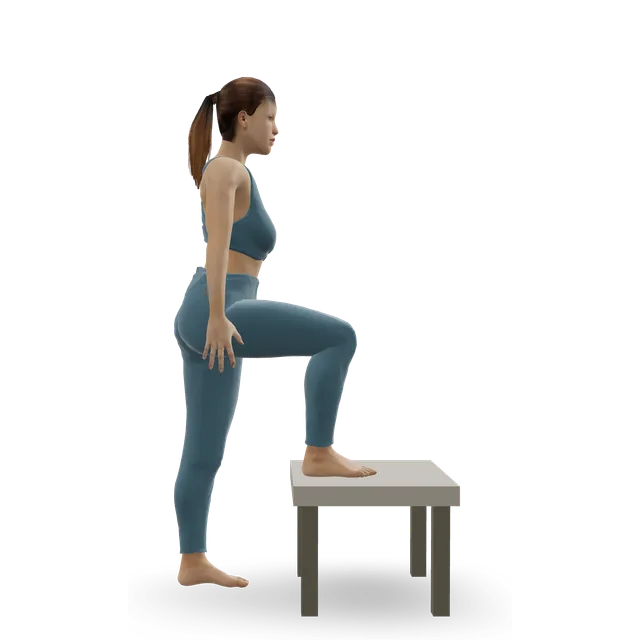 3D demoAlternate-leg box push-offAdvanced · A bench or box
Similar move, advanced grade.
Source-researched guide.
How to move
- Put on a helmet, wrist guards, and elbow and knee pads, and start on a smooth, flat surface away from traffic.
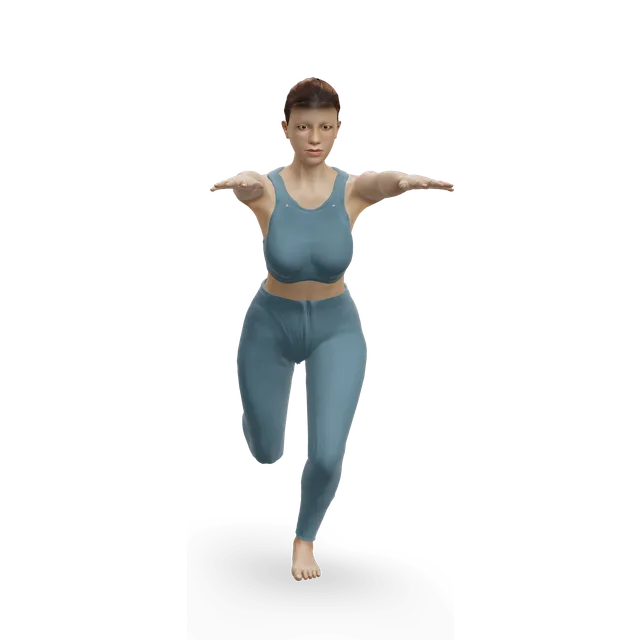
- Stand with your feet hip-width apart, knees bent, weight over the middle of the skates and arms slightly forward.
- Push one skate out to the side and slightly back, then glide on the other, swapping legs in a steady rhythm.
- Practise stopping and turning at low speed before you skate faster or on slopes.
Form cues
- Keep the knees bent and the weight forward over the skates.
- Push out to the side, not straight back.
- Avoid: leaning back when you lose balance.
Practice and cautions
20 to 30 minutes at a comfortable, steady pace; once that is easy, skate faster for 2 minutes in every 5 (our editorial starting point). Moderate means you can talk but not sing, and those minutes count towards the 150 a week the NHS recommends.
Falls onto an outstretched hand are the common injury: in a study of injured in-line skaters, those without wrist guards had about 10 times the odds of a wrist injury, and those without elbow pads about 9 times the odds of an elbow injury. Wear a helmet, wrist guards and pads, and learn to stop before skating near traffic. This is movement education, not an assessment or treatment prescription. Stop for sharp or increasing pain, dizziness, numbness or tingling; seek individual guidance for symptoms, injury or restrictions.
Sources and review status
Sources support the educational description; they do not establish that this exercise is suitable for you.
- NHS · Physical activity guidelines for adults aged 19 to 64 (moderate: you can talk but not sing; vigorous: only a few words without pausing for breath) ↗
- Compendium of Physical Activities · Sports (roller skating 7.0 METs; in-line skating 7.5 at a recreational pace, up to 15.5 flat out) ↗
- Schieber 1996 · Injured in-line skaters: without wrist guards, about 10 times the odds of a wrist injury; without elbow pads, about 9 times the odds of an elbow injury (case-control study, NEJM) ↗
- Orepic 2014 · Recreational in-line skating at self-chosen paces: 9.4 METs in 17 young adults, a vigorous effort (Eur J Sport Sci) ↗
- Soric 2012 · Recreational in-line skating at a self-chosen pace measured at 9.1 METs in 19 adults; an armband monitor underestimated it (Eur J Appl Physiol) ↗
- Free Exercise DB · community text ↗
Unlicense · Free Exercise DB contributors; derived from wrkout/exercises.json. Text import; no photographs or media. · Revision f00c92c7dcf1216a928a52c3706c7ce8e2f71ed5
No variation is labeled clinically validated.
What it works
Muscles
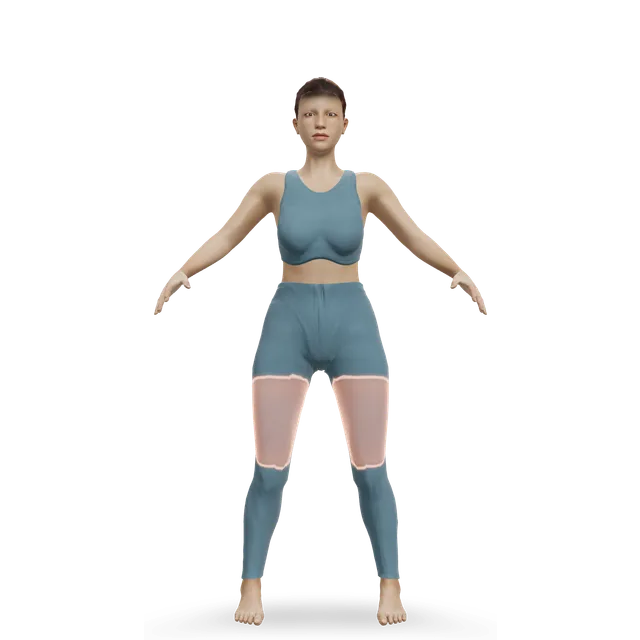
Main: Quads, Glutes. Also: Hip abductors, Adductors, Calves, Hamstrings.
Anatomy: Sartorius, Quadriceps, Rectus femoris, Vastus medialis, Vastus lateralis, Gluteus maximus.
Equipment
Other / check instructions
Level
Intermediate. See the easier and harder options above.
Similar moves
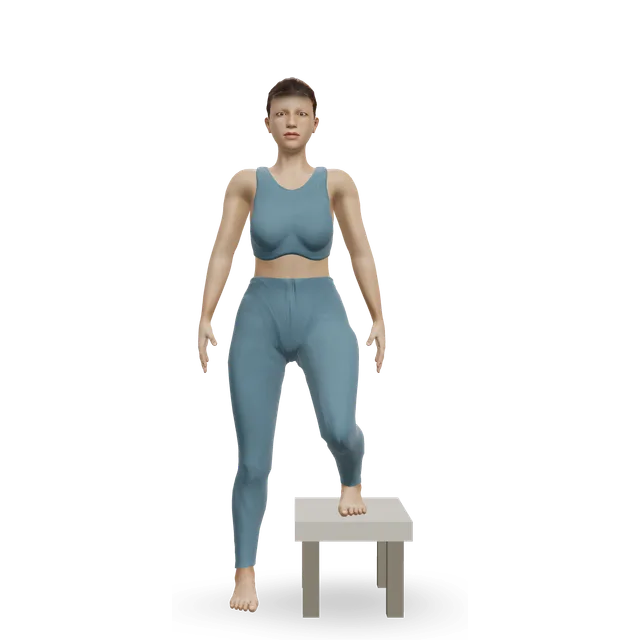
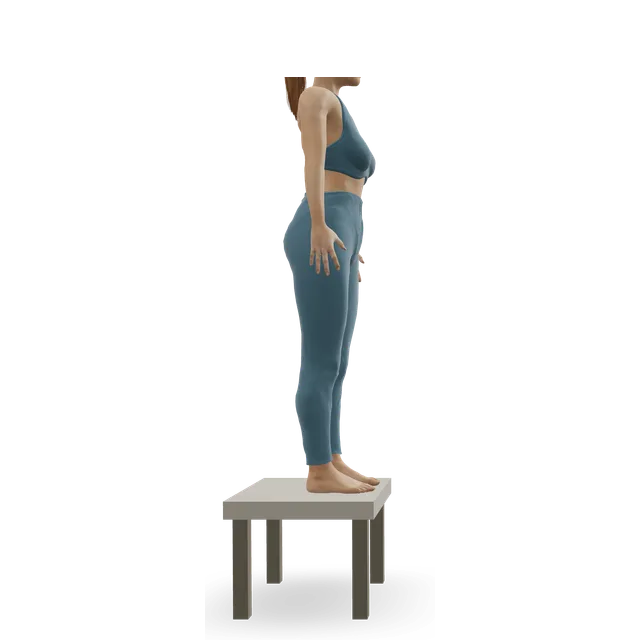
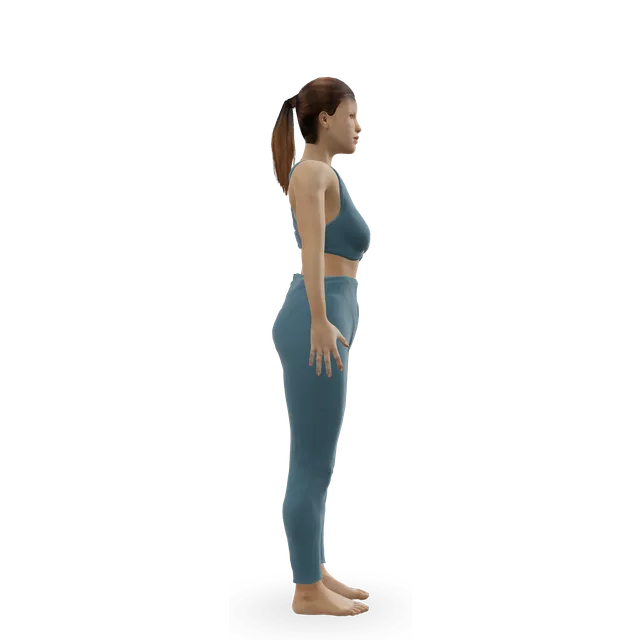
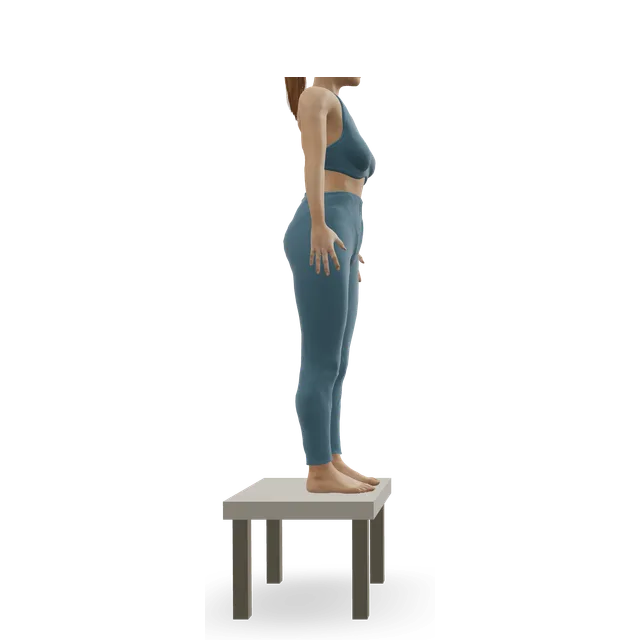
Browse more
Questions people ask
What muscles does the Roller skating work?
Mainly the quads and glutes, with help from the hip abductors, adductors, calves and hamstrings.
What equipment do I need for the Roller skating?
Other / check instructions.
Is the Roller skating good for beginners?
It is graded intermediate. If it is too hard right now, start with the Single-leg push-off, facing the box.
What is an easier alternative to the Roller skating?
Try the Single-leg push-off, facing the box or the Standing long jump. It works similar muscles at a lower grade.
How do I make the Roller skating harder?
Progress to the Alternate-leg box push-off or the Box jump and leap off. Follow that guide’s technique and any stated timing.