Skill progressions
Double-under progression: bounce, spring and timing
Practise double-unders in short sets while you're fresh, 2 or 3 times a week with a day between. You need about 50 easy basic bounces in a row first. Jump a little higher than for a single and keep your hands by your hips; the rope turns from your wrists. Stop each set before your form slips, and keep calf soreness to 5 out of 10 or less, settled by the next morning. The drills follow coaching practice; no trial has tested how to learn double-unders.
Warm-up
- Standing march2 minBeginner · Hip flexors, Abs, Glutes · 3D demoEasy pace, arms swingingEasier: Seated marchHarder: Standing band hip flexion
- Beginner · Calves, Shins · 3D demoTiny, quiet bounces off your ankles, without the ropeHarder: Pogo hops


Spring, no rope
- Pogo hops2 sets of 10Intermediate · Calves, Quads, Shins · 3D demoHigher than your skipping bounce, heels off the floor, legs nearly straight: the double-under heightEasier: Ankle bounces (mini pogo)Harder: Single-leg pogo hops

Singles
3 rounds · Rest 30 s
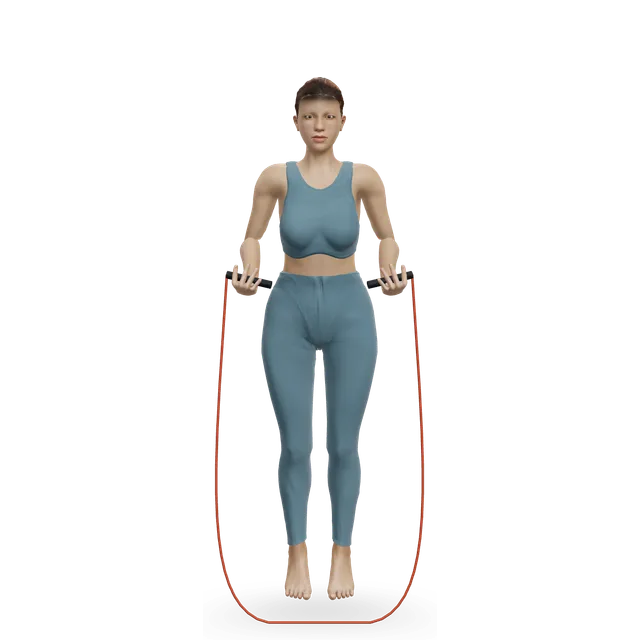
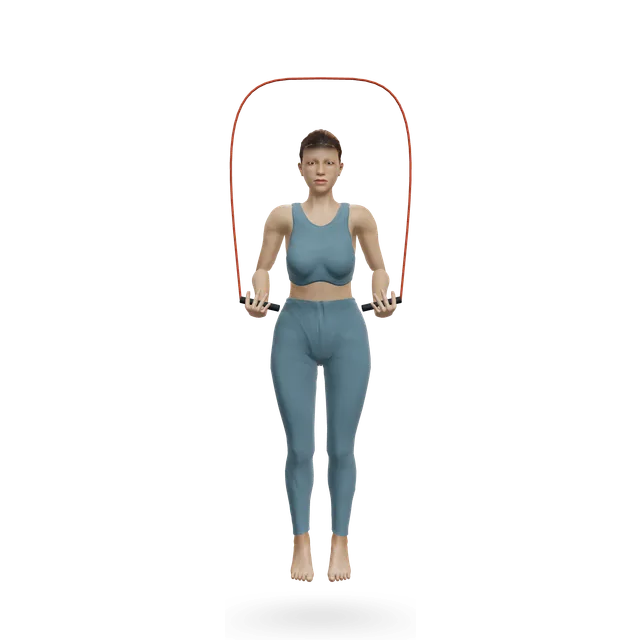
- Intermediate · Calves, Quads, Shoulders · 3D demoLow and quiet, wrists turning the ropeEasier: Ankle bounces (mini pogo)Harder: Double-unders (jump rope)
Double-under practice
- Double-unders (jump rope)5 to 10 minutes of short practice sets, ending each before your form slipsAdvanced · Calves, Quads, Shoulders · 3D demo10 singles, then 10 doubles, repeated; at first, single double-unders from a few singles. Count your attempts: about 50 to 100 a session while you learn (our suggestion)Easier: Jump rope (basic bounce)
Calves and shins
- Slow calf raise2 × 15Beginner · Calves · 3D demoAbout 3 seconds up and 3 downEasier: Seated bent-knee calf raise (soleus raise)Harder: Standing dumbbell calf raise
- Tibialis raise2 × 15Beginner · Shins · 3D demoBack near a wall, lift your toes towards your shins and lower slowlyHarder: Single-leg tibialis raise


Cool-down
- Wall calf stretch (gastrocnemius)30 s each sideBeginner · Calves · 3D demoBack knee straightEasier: Seated calf stretch with a towelHarder: Heel-on-step calf and hamstring stretch
- Soleus wall stretch30 s each sideBeginner · Calves · 3D demoBack knee bentEasier: Seated calf stretch with a towelHarder: Toes-tucked kneeling (toe squat)


Tips
- Once your double-unders are consistent, swap the practice block for 5 rounds of 20 to 30 with full rest, as our double-unders move page suggests.
- A heavier or beaded rope is easier to time than a thin speed rope while you learn.
- Sore calves or Achilles the next morning: drop back to the beginner jump rope workout for a week.
- If you leak, squeeze your pelvic floor just before you start, use shorter sets and see our pelvic floor guide. In pregnancy, don't start double-unders.
- A sudden pop at the back of your ankle, with pain or not being able to stand on tiptoe, needs same-day help (NHS 111, or urgent care in the US).
- Stop and get medical help for chest pain or pressure, unusual breathlessness, dizziness or fainting.
The doses are suggested starting points, not a prescription. Choose a range you can control and stop for sharp or increasing pain, numbness or tingling. Get individual advice after an injury or surgery, or if you are pregnant or managing a health condition.
Guides that recommend it
Find more moves like these
More skill progressions




Push-up progression workout
Work up to full push-ups: wall, incline and knee push-ups, then the floor push-up and harder variations.
15 minBeginner8 movesA wall, A bench or box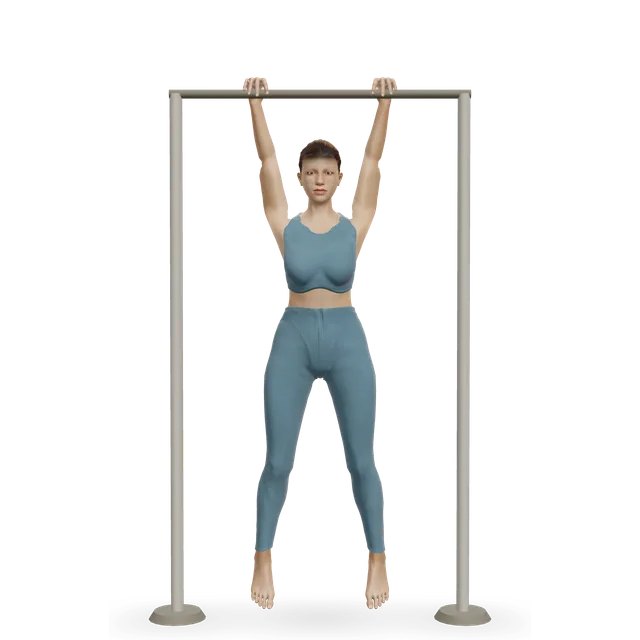
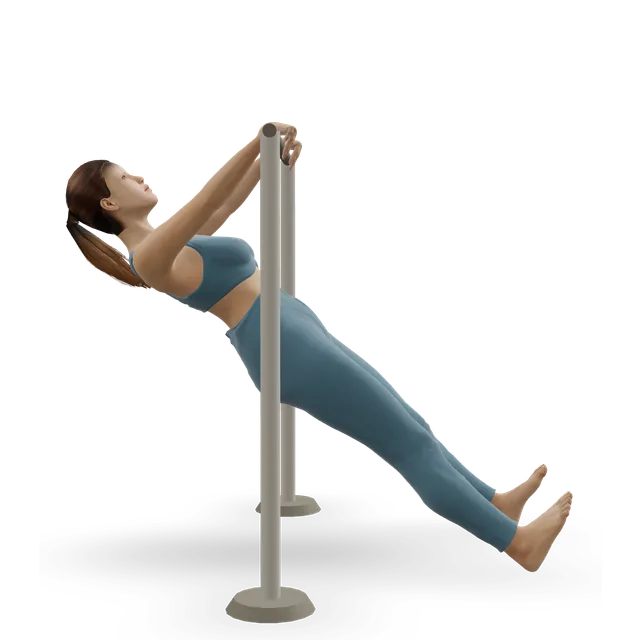
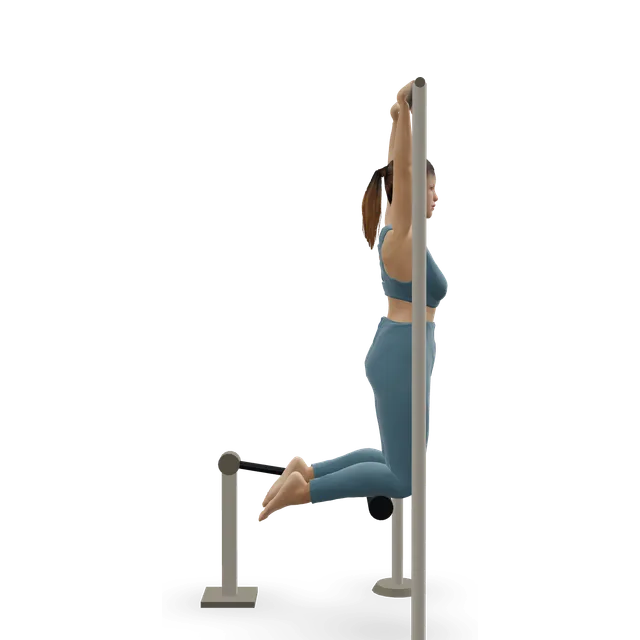
Pull-up progression workout
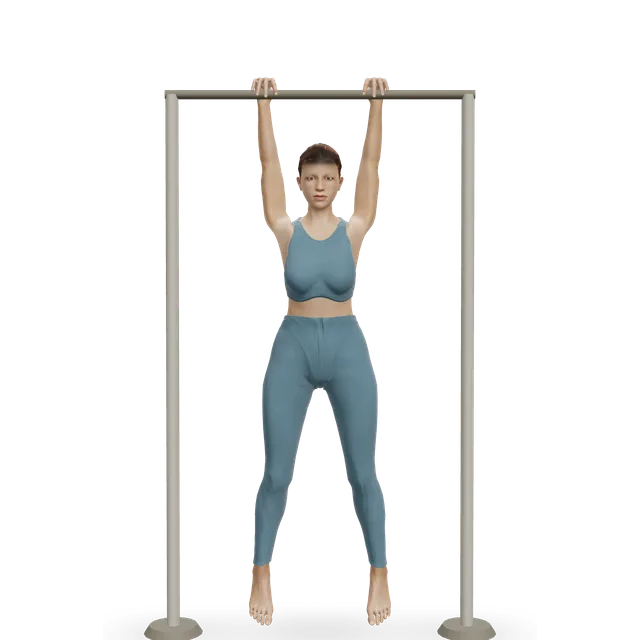
Work up to your first pull-up: dead hangs, scapular pulls, rows, negatives and assisted pull-ups.
25 minBeginner7 movesPull-up bar, A step

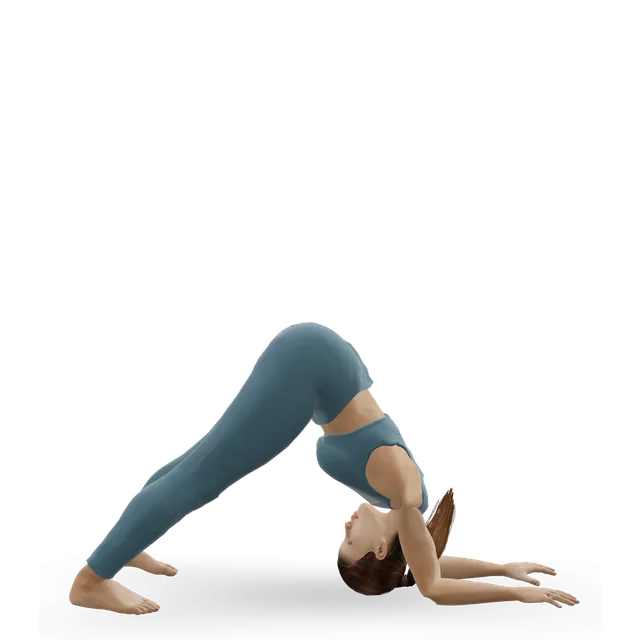
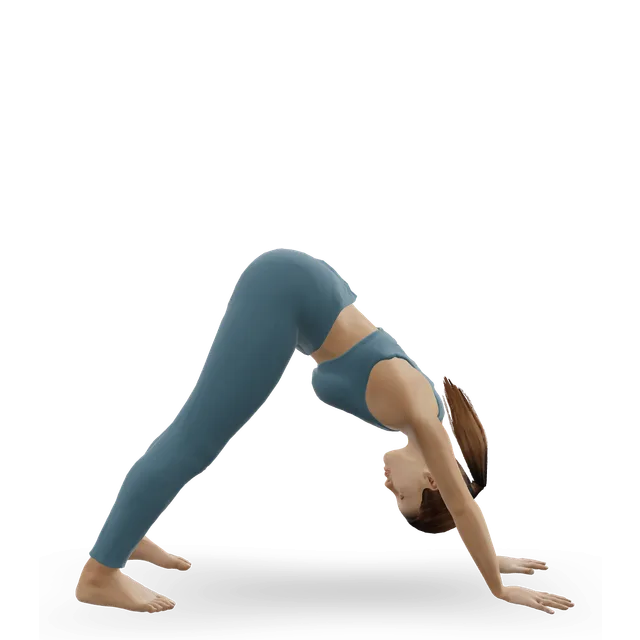
Handstand progression
Build toward a handstand: wrist prep, dolphin pose, pike push-ups, crow, the wall handstand and freestanding holds.
25 minAdvanced9 movesA wallQuestions people ask
How long does the double-under progression: bounce, spring and timing take?
About 20 minutes, including any warm-up and cool-down listed. Shorten it by doing fewer rounds; lengthen it by adding one.
What equipment do I need?
You need: A jump rope, A wall. Each move links to its guide, where you can find an alternative if you are missing something.
Is it suitable for me?
It is written at intermediate level. 7 of its 9 moves have an easier option listed beside them; use them freely.
How do I make it easier or harder?
Use the easier or harder option listed under each move, change the number of rounds, or adjust the rest. Progress one change at a time.