Pain guide · Leg pain

Calf pain on the treadmill: incline, a strain, cramp, the Achilles, poor blood flow and what helps

Calf pain on the treadmill is usually tired or overloaded calf muscles after more slope, speed or time than they are used to: walking uphill makes the calves push harder with every step. A sudden pull mid-stride is usually a calf strain, a tightness that creeps up on a steady run the deeper calf muscle, a knot that passes within minutes a cramp, and pain at the cord above the heel the Achilles. An ache that comes on after a set distance and goes within a few minutes of standing still is different: it can be narrowed leg arteries, which need a GP's check, and once diagnosed, walking is the treatment. A flatter, slower belt, slightly quicker steps and calf strength work usually help.

This guide starts with the signs that need help, from a 999 call for sudden breathlessness or chest pain, or chest pain on the treadmill, to a same-day check through the National Health Service's 111 line (NHS 111) or a general practitioner (GP) for one swollen, painful calf, a snap at the back of the ankle or a cold, pale leg. It then maps the causes by where and when it hurts, explains what the studies of slopes, speed, step rate and shoes show, and don't, shows how to change your sessions today, and gives a three-stage plan with a 3D demo of every move, with a lane for the muscle and a lane for poor blood flow, back to the slope and running.

When to get help first

Exercise is for pain that has been checked or is clearly mild and settling.

Get urgent medical help if

  • Call 999 or go to A&E if breathing suddenly becomes difficult, if pain in your chest or upper back comes on suddenly with breathlessness or a very fast heartbeat, or if someone passes out. Do not drive yourself. It can be a blood clot that has reached the lungs.
  • Ask for an urgent GP appointment or get help from NHS 111: sudden swelling, redness, heat and pain in the calf, which could be a blood clot. Go to A&E: severe pain after an injury, which can mean a broken bone; or you cannot put any weight on the leg.
  • Same day (urgent GP appointment or NHS 111): throbbing pain in one leg (rarely both), usually the calf or thigh; swelling in one leg (rarely both); red, blue or darkened skin around the painful area, which may be harder to see on brown or black skin; or swollen veins. This can be a deep vein thrombosis (DVT). It is more likely after surgery, a hospital stay, 3 or more days in bed, a journey of over 4 hours, pregnancy or a recent birth, cancer, a previous clot, or oestrogen-containing contraception or HRT.
  • Same day: a sudden snap, or a feeling of being hit in the back of the lower leg, then walking flat-footed and being unable to push off or stand on tiptoe. This can be an Achilles tendon rupture.
  • Call 999 or go to A&E: sudden, severe pain in a muscle, which may be worse when you stretch it, with swelling, numbness, weakness or pins and needles, or tightness or difficulty moving the leg. This can be acute compartment syndrome, which needs surgery as soon as possible. It usually follows an injury or a bandage or cast that is too tight, but rarely it can follow very hard exercise. Do not drive yourself to A&E.
  • Go to A&E: after a bad calf tear, tingling, loss of feeling or coldness in the lower leg or foot. The swelling may be pressing on the nerves and blood vessels.
  • Call 999 or go to A&E: a leg that is suddenly cold, pale, numb, weak or very painful. A sudden loss of blood supply to a leg is a vascular emergency.
  • Contact a GP immediately (or NHS 111 if you can't): burning leg or foot pain that carries on at rest, pale skin, wounds on the feet or legs that do not heal, or toes that go cold, numb, then red or black.
  • Call 999 or go to A&E after an injury if the leg is twisted or bent, a bone is sticking out, there's a bad cut or wound, or there are signs of shock: cold, sweaty skin, a fast or weak pulse, fast or shallow breathing, or blue, grey, pale or blotchy skin or lips. While you wait, don't move the leg or put weight on it, and don't eat or drink in case you need surgery.
  • Same day: a sudden, very painful, hot, swollen, red joint, often the big toe but sometimes the middle of the foot (the midfoot) or the ankle, especially with a high temperature, feeling shivery or being unable to eat. It may be gout, but it could be a joint infection (septic arthritis), which is urgent.
  • Call 999: chest pain that started suddenly, or spreads to your arm, neck or jaw, or your chest feels tight. This could be a heart attack. Do not drive yourself to A&E.
  • Get help from NHS 111: pain or tightness in your chest, neck, shoulders, jaw or arms that comes and goes, often brought on by exercise, stress, emotion or cold and easing after a few minutes' rest. It can be angina, a sign of a heart problem. If you've been diagnosed with angina, get help from NHS 111 too if it feels worse than before, is happening more often, lasts longer or happens when you're resting.
  • Call NHS 111: you take a statin and think you might be having a serious side effect, such as muscle cramps, severe pain or weakness, especially with a high temperature or red or brown pee.
  • Call 999 or go to A&E: leg pain with numbness around the genitals or bottom, new trouble starting or controlling peeing, not knowing when you need to poo or losing control of it, sciatica in both legs, or weakness or numbness in both legs that is severe or getting worse. These can be signs of cauda equina syndrome, which needs treating in hospital as soon as possible.
  • Call 999 or go to A&E: a child or teenager with sudden pain in the hip, knee or thigh, or who can't put any weight on their leg. Same day (urgent GP appointment or NHS 111): a child or teenager who is limping. Hip problems in children can sometimes be felt in the thigh or knee.

See a doctor or physiotherapist if

  • Pain that comes on when you walk a set distance and goes after a few minutes' rest, especially if you smoke or have diabetes. Exercise treats it well, but it needs a diagnosis first.
  • Recurring leg pain when you walk or exercise: see a GP, even if you think it's just your age. The NHS says many people mistakenly think this is part of growing older.
  • Claudication that now comes on within about 50 metres, keeps getting worse, or threatens your job: see your GP or vascular team. NHS Scotland's pathway refers severe claudication like this to a vascular surgery service.
  • You keep getting pain, numbness, swelling or difficulty moving part of your leg when you exercise: see a GP, who can check whether it is compartment syndrome or something else.
  • Calf pain or cramps during exercise with tingling in the foot, often in both legs, in a young athlete: ask about popliteal artery entrapment, a rare problem with the artery behind the knee.
  • You still can't put weight on the leg 10 days after a calf strain, and it is still painful and swollen: contact a physiotherapist or your GP.
  • Cramps that disturb your sleep, last longer than 10 minutes, or come with numbness or swelling.
  • Pins and needles, or a sharp, hot or burning pain in the back of the calf, with or without back pain: it can come from your back. See a GP if it spreads below the knee and isn't settling after a few weeks.
  • Muscle aches that you think started with a statin, or side effects that bother you or don't go away: speak to a pharmacist or doctor. Keep taking it unless you're advised to stop.
  • Pain in one spot on the shin or a foot bone that you can point to with a fingertip, worse with impact and later present at rest or at night: a possible stress fracture.
  • Pain that is not improving after a few weeks, is getting worse, or is stopping your normal activities.
  • See a GP if your child has leg pain in 1 leg; in the morning, or when walking or playing; bad enough to stop them walking or make them limp; in 1 joint; with a rash, swelling or unusual bruising; with a high temperature; or if they seem unusually tired or are not eating or are losing weight.

Where does it hurt?

Location narrows the likely causes; it does not diagnose.

Both calves tight, burning or tired on a slope or a fast belt, easing as you slow down

Usually hard-working calf muscles after more slope, speed or time than they're used to: the commonest pattern in our reading, though no study counts calf pain on treadmills.

Read: Calf pain →
A sudden sharp pull or kick high in the calf mid-stride, then a limp and one tender spot

A strain of the upper calf muscle (gastrocnemius), often with a push-off, a speed-up or a steep slope.

Read: Calf pain →
A tightness low and deep in the calf that creeps up on a steady run and doesn't ease

Often a strain of the deeper calf muscle (soleus), commoner after a break or a sudden increase in running.

Read: Calf pain when running →
A sudden painful knot that passes within minutes

A cramp, more likely late in a hard, fast or long session. Our leg cramps guide covers cramps at night.

Read: Leg cramps →
The cord above the heel, stiff on the first steps and sore after a slope or a run

Achilles tendon pain.

Read: Achilles tendinopathy →
A snap or kick at the back of the ankle, then walking flat-footed and unable to stand on tiptoe

A possible Achilles rupture: get help the same day.

Read: Achilles rupture →
An ache in the calf after walking a set time on the belt, easing within a few minutes of standing still

Possibly narrowed leg arteries (intermittent claudication), more likely if you smoke or have diabetes: see a GP. Holding the rails can let you walk further before it starts, so it can be missed.

Read: Calf pain when walking →
Both calves or legs heavy on walking or standing, eased only by sitting or leaning forward

Possibly spinal stenosis, a narrowing in the lower spine: our lower back pain when walking guide compares it with narrowed arteries.

Read: Back pain when walking →
Tightness that builds at the same point in every brisk walk or run and eases within minutes of stopping

Possibly chronic exertional compartment syndrome, sometimes with tingling on top of the foot.

Read: Exertional compartment syndrome →
Throbbing pain or swelling in one calf or thigh, red, blue or darkened skin, or swollen veins

Not tied to a moment in a session: a possible blood clot (deep vein thrombosis). Get help the same day, as the warning signs say.

Both calves aching for a day or two after a new slope, the 12-3-30 or a longer run

Usually ordinary muscle soreness, easing day by day, with no single tender spot.

Burning, tingling or shooting pain down the back of the calf, with or without back pain

Nerve pain from the back.

Read: Sciatica →
Behind the knee with a lump, or sudden calf pain and swelling below it

Possibly a Baker's cyst, which can burst; sudden calf pain and swelling needs the same-day clot check.

Read: Baker's cyst →
The shin or the foot on the treadmill

Our shin pain on the treadmill and foot pain on the treadmill guides cover each.

Read: Shin pain on the treadmill →
The ankle on the treadmill: a pinch at the front on a slope, or behind either ankle bone

Our ankle pain on the treadmill guide covers the ankle on the belt.

Read: Ankle pain on the treadmill →

Understand it

What nobody has countedEmerging evidence

No study counts calf pain in treadmill users; US emergency data for home exercise machines count injuries, 66% of them from treadmills, not overuse pain. In runners in general, calf strains were 4.2% of new injuries and Achilles tendon pain 10.3% in a large review, and runners aged 40 and over had more calf, Achilles and hamstring injuries than younger runners. Across 10 studies of 5,397 athletes, mostly in football codes, older age and a previous calf strain were the strongest risk factors for a calf strain.

So the map on this page is built from lab studies of slopes, speed and the belt, studies of the conditions, and NHS, NHS inform, NICE and NHS trust pages, and it says so.

Sources 1, 2, 3, 4

What the slope and the belt do to the calfEmerging evidence

On a treadmill, walking up 9 degrees (about 16%) raised calf muscle activity to 175% of level walking in the upper calf and 136% in the deeper calf, alongside bigger rises at the hip, and the changes grew with speed. In 16 adults walking at 0%, 5% and 10%, the deep calf muscle's activity, with the thigh's, explained most of the extra effort of the slope, and in 6 men the calf muscle worked at longer lengths uphill with substantial stretch in the Achilles tendon. In 19 runners, uphill running raised the modelled load on the Achilles, faster running made no significant difference there, and about 10 more steps a minute lowered it.

The belt itself: in one lab study of 18 runners, peak Achilles force was 12.5% higher running on a treadmill than overground at the same speed, which is why a review suggests treadmill running may suit a return from a shin stress fracture but not from Achilles or calf problems. Other measures were comparable but not identical. These are small studies of healthy runners, and none measured calf pain.

Sources 5, 6, 7, 8, 9, 10, 11, 12

Shoes and foot strikeEmerging evidence

In a modelling study of 19 women, those who landed on the forefoot had 11% more Achilles load over each step and a 15% faster loading rate. Running in minimal shoes or barefoot raised how fast the Achilles was loaded, and a forefoot landing in minimal shoes raised how much. In a trial of 99 runners, full minimalist shoes brought more shin and calf pain, and in 553 leisure runners, low-drop shoes went with more injuries in regular runners (hazard ratio 1.67) but fewer in occasional ones.

So a sudden switch to running barefoot, in flat shoes or with a forefoot landing on the belt shifts work to the calf (our reading).

Sources 13, 14, 15, 16

How the causes are told apartEmerging evidence

An NHS trust leaflet says the upper calf (gastrocnemius) is more often injured in sudden, explosive movements such as sprinting, lunging or jumping, and the lower calf (soleus) after slower repetitive activities such as steady running; expert clinicians describe lower calf strains as a tightness that creeps up and is hard to pinpoint, and in elite Australian footballers 84.6% of calf strains were in the soleus. A cramp is a sudden painful tightening that can last from a few seconds to 10 minutes. The cord above the heel, stiff in the morning and sore after exercise, is Achilles tendinopathy, often after a change in load; a sudden snap, then flat-footed walking, can be an Achilles rupture. Both calves aching for a day or two after a new slope is ordinary muscle soreness.

Tightness that builds at the same point in every session and eases within minutes of stopping can be exertional compartment syndrome. Calf pain that comes on after a set distance and goes within a few minutes' rest is the pattern of intermittent claudication, and in 53 people with spinal stenosis or narrowed arteries, calf symptoms eased by standing still pointed strongly to the arteries, while most single symptoms told the two apart poorly. In a young athlete, calf pain with tingling in the foot can, rarely, be popliteal artery entrapment. One swollen, throbbing calf with red, blue or darkened skin can be a clot.

So calf pain on the treadmill is most likely after a jump to a steep slope or the 12-3-30, a faster pace or longer sessions, a switch of shoes or foot strike, a return after a break, from about 40, after a past calf strain, and, for the ache that eases on standing still, in people who smoke or have diabetes (our reading).

Sources 17, 18, 19, 20, 21, 22, 23, 24, 25, 26, 27, 28, 29

When a scan or test helpsEmerging evidence

Most calf strains are diagnosed from the story and an examination; an NHS trust keeps a scan for a severe injury or one that isn't improving, and in elite footballers severe damage to the tendon sheet inside the muscle on an MRI (magnetic resonance imaging) scan meant a longer return (31.3 against 19.4 days). A suspected clot needs an ultrasound scan, and the NHS says referral should be within 24 hours.

For a suspected Achilles rupture, the calf squeeze test had a sensitivity of 0.96 and a specificity of 0.93 in 174 people, and hospitals confirm it with a gap and the squeeze test. Narrowed leg arteries are checked by comparing the blood pressure at the ankle and the arm. Compartment syndrome may need a pressure test.

Sources 17, 30, 29, 31, 22, 26, 25

How it usually goesEmerging evidence

Mild calf strains may take a few days and more severe ones weeks or months, an NHS trust says. In Australian football, calf strains from running took about 12 days longer to recover than others, and the risk of another muscle strain stayed raised for 15 weeks after return, with a recent calf strain raising the odds of another about 13 times. In new runners, injuries took a median of 71 days to recover.

With claudication, the NHS says most people's symptoms stay stable with treatment and some improve, and an NHS trust leaflet says walking distance usually improves over 3 to 6 months of regular walking. No one can promise a date.

Sources 17, 19, 32, 33, 26, 34

What helps, and how strong the evidence is

Calf strains: load within days, strength before runningEmerging evidence

In a trial of 50 recreational athletes with a severe thigh or calf strain, starting rehabilitation early gave the same strength as starting later, with a trend towards less pain. Expert clinicians start loading early and judge progress by single-leg calf raises and hopping. One NHS trust starts short bursts of jumping, skipping or running on the spot once 3 sets of 8 to 15 single-leg calf raises are comfortable, then restarts running on grass for 5 to 10 minutes and builds normal training over 2 to 3 months; another advises against alcohol, massage and heat in the first 72 hours and waits for full strength, full range and brisk walking without pain or swelling. No trial has tested these steps.

Sources 35, 18, 17, 36

Calf pain that eases with rest: walking is the treatment, once diagnosedStrong evidence

In 32 trials (1,835 people) with intermittent claudication, exercise improved pain-free walking distance by about 82 metres and maximum walking distance by about 120 metres against no exercise, on high-quality evidence, for up to 2 years. Supervised exercise beat walking advice by about 210 metres.

NICE says offer a supervised exercise programme, about 2 hours a week for 3 months, encouraging exercise to the point of maximal pain, and the NHS says walk as far and as long as you can before the pain becomes intolerable, rest until it goes, then walk again. A treadmill is a good place to do this, without gripping the rails (our suggestion).

Sources 37, 38, 39, 40

Achilles tendon pain: carry on within a pain limitEmerging evidence

In 38 people with Achilles tendinopathy, those allowed to keep running and jumping within a pain-monitoring model did as well as those who stopped for 6 weeks, and a US physiotherapy clinical practice guideline covers its management. Our Achilles tendinopathy guide holds the plan.

Sources 41, 42

Cramp: pace and a history of cramps, not salt or waterEmerging evidence

In 210 Ironman triathletes, the 43 who cramped didn't differ in blood salts or body weight change; a faster race and a history of cramps were the only independent risk factors, and in distance runners hydration didn't differ either. An evidence-based review recommends gentle static stretching until a cramp eases, and prevention matched to the person rather than general advice to drink more.

Sources 43, 44, 45, 46

Stretching, strength and sorenessStrong evidence

Across 25 trials of 26,610 people, stretching showed no effect on sports injuries (risk ratio 0.963), while strength training cut them to less than a third (0.315). Stretching before or after exercise reduced next-day soreness by about half a point and one point out of 100. For night cramps in older adults, daily stretching may ease them slightly, on low-certainty evidence. Stretch for comfort; build strength for the calf.

Sources 47, 48, 49

Changing the treadmill: lab readings, untested against calf painEmerging evidence

No trial has tested a slope, speed, step rate or shoe change against calf pain on a treadmill. The steps below are our reading of lab studies and shoe trials in healthy runners and walkers: a flatter belt (calf activity and Achilles load rise with slope), slightly quicker steps (lower modelled Achilles load), your usual shoes (minimal and low-drop shoes moved load onto the calf in some runners), and remembering that peak Achilles force was a little higher on the belt in one study of 18 runners.

Sources 5, 8, 10, 15, 16

How much pain is OK while you exercise?

Two rules: mild and settling for the muscle, walk into the pain for claudicationEmerging evidence

For a strain, cramp or tight calf, this guide uses our calf pain guide's rule: mild discomfort during exercise, up to about 3 to 4 out of 10 (this site's suggestion), is acceptable if it settles within the day. Sharp pain, or a limp afterwards, means drop back a step for a few days. This follows the strain trial, where starting within days got people back sooner; in long-lasting muscle and joint pain, exercise that allowed some pain did no worse than pain-free exercise. In the first weeks after a strain, stop stretches at the point they become painful, as an NHS trust's leaflet says.

For claudication, once a GP has diagnosed it, the walking programmes walk into the pain on purpose. The NHS says walk "as far and as long as you can before the symptoms of pain become intolerable", then rest until the pain goes and walk again; NICE's supervised programme encourages exercise "to the point of maximal pain".

For a cramp, stretch gently into it until it eases; the stretch shouldn't add to the pain. With Achilles pain, the Achilles rule applies: up to 5 out of 10 during running and loading, settled by the next morning, as in a trial that let people keep running.

On the treadmill (our suggestion, built on the same rules): for a strain, a tight calf or cramp, judge each session by its last 5 minutes and by the next morning, and use the slope, speed and time at which the calf stays at 3 to 4 out of 10 or less and settles within the day. Tightness that builds through a steady run is the lower calf pattern: walk, and end the session rather than push on. With claudication, once a GP has diagnosed it, walk on a flat belt into the pain, then stop the belt or step onto the side rails and rest until it goes, and repeat; let go of the rails while you walk, since holding them hides the pain. A swollen, throbbing calf, a cold or pale foot, pain at rest or chest pain on the belt aren't pain-rule questions: see the warning signs.

Sources 35, 50, 36, 40, 39, 41

The exercise plan: 3 stages

Start at the first stage. Each move opens a full guide with a 3D demo.

Stage 1

Settle: a flat, slow belt or none, and start loading the calf

About the first 1 to 2 weeks. Muscle lane (a strain, cramp, tight or tired calf, the Achilles): keep moving without a limp, start loading the calf within days, and keep your fitness on a bike. Claudication lane (narrowed leg arteries, once a GP has diagnosed them): start walk-rest-walk at least 3 times a week. Nobody starts with one swollen, throbbing calf, a cold or pale foot, pain at rest, or a snap at the back of the ankle. With a diagnosed condition (an Achilles tendinopathy or rupture, a clot, compartment syndrome), that guide's plan, or your team's, comes first.

Treadmill walking demonstrated on the 3D figure3D demoTreadmill walkingBeginner · Cardio machine

Muscle lane: short walks at 0 to 1% and a comfortable pace, slightly shorter steps, as you can without a limp. Claudication lane: walk-rest-walk on a flat belt until your walking adds up to 30 minutes, at least 3 times a week · Muscle lane as in our calf pain guide (editorial). Claudication lane: the NHS's walk-rest-walk, as our calf pain when walking guide uses it; NICE's supervised programme is about 2 hours a week. The move page gives no dose

Harder: Treadmill jogging

Ankle circles demonstrated on the 3D figure3D demoAnkle circlesBeginner · No equipment

10 slow circles each way with each foot (our editorial starting point). An NHS leaflet suggests doing ankle range of movement exercises regularly through the day while an ankle is stiff. · The move page's dose. An NHS trust's gentle ankle movements after a calf strain are 10 times, 3 to 4 times a day, kept pain-free

Harder: Ankle CARs (controlled articular rotations)

Isometric calf raise hold demonstrated on the 3D figure3D demoIsometric calf raise holdBeginner · A wall

Muscle lane: 5 holds of 20 to 30 seconds, both feet, gentle effort; with Achilles pain, 5 holds of 30 to 45 seconds at up to 5 out of 10 · Adapted from the move page's dose, as in our calf pain guide; the longer holds are the move page's, for Achilles pain

Easier: Seated bent-knee calf raise (soleus raise) · Harder: Slow calf raise

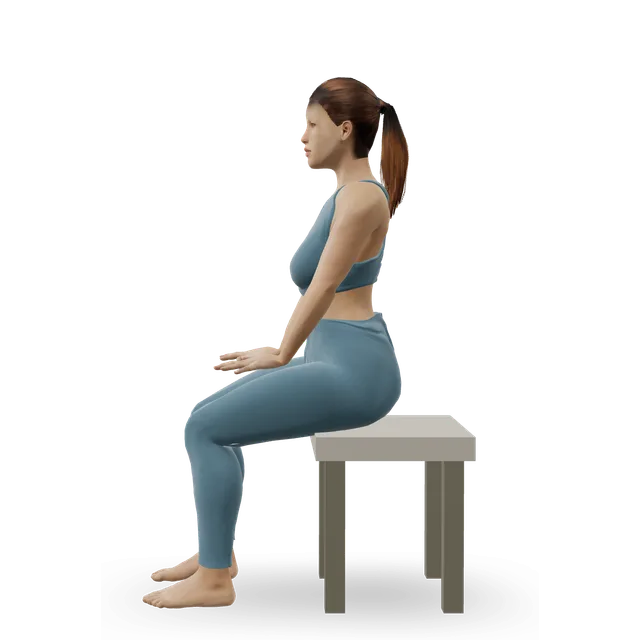
Seated bent-knee calf raise (soleus raise) demonstrated on the 3D figure3D demoSeated bent-knee calf raise (soleus raise)Beginner · A bench or box

2 to 3 at a time, building to sets of 8, 2 to 3 times a day, up to 2 sets of 15 · NHS inform's seated heel raise, with its pacing, as our calf pain when walking guide uses it. The bent knee loads the deeper calf muscle

Harder: Slow calf raise

Stationary cycling demonstrated on the 3D figure3D demoStationary cyclingBeginner · Cardio machine

10 to 20 minutes, easy, if it's pain-free · As in our calf pain when running guide (editorial)

Easier: Recumbent exercise bike · Harder: Air bike intervals

Move on when: Muscle lane: you can walk at a normal pace without a limp and rise onto your toes on both feet without pain (as in our calf pain when running guide, from an NHS trust's leaflet). Claudication lane: you've managed 3 sessions a week for 2 weeks (editorial, as in our calf pain when walking guide).

Follow along: a timer, a cue and the next move, one step at a time.
Stage 2

Build calf strength, then time on the belt

About weeks 1 to 6, longer after a bigger tear: heel raises from two feet to one, the bent-knee work for the deeper calf, a gentle stretch for comfort, and treadmill walks built by time first, still flat. Claudication lane: make the walks a little harder every 1 to 2 weeks.

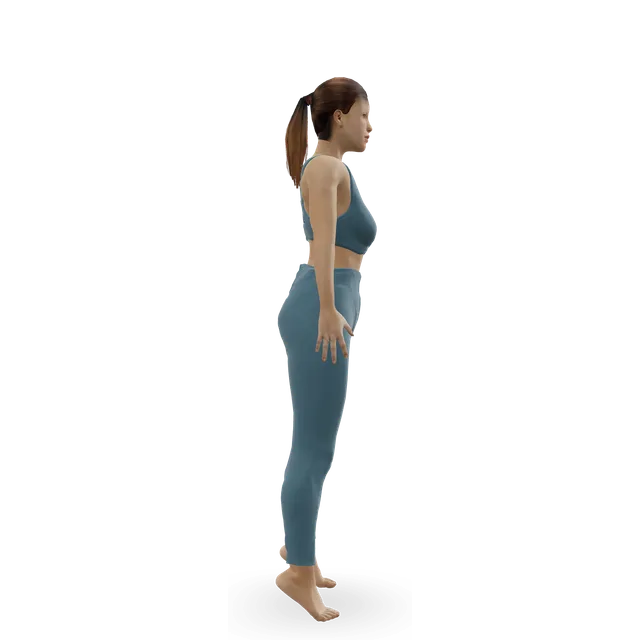
Slow calf raise demonstrated on the 3D figure3D demoSlow calf raiseBeginner · A wall

Holding a chair, rise onto your toes, hold 5 seconds and lower slowly, 10 times, twice a day; then more reps, or one leg · An NHS trust leaflet's heel raise, once you can stand on your toes without pain

Easier: Seated bent-knee calf raise (soleus raise) · Harder: Standing dumbbell calf raise

Single-leg calf raise from a step demonstrated on the 3D figure3D demoSingle-leg calf raise from a stepIntermediate · A step + A wall

Build to 3 sets of 8 to 15 each leg, on the floor first, then the step · An NHS trust's target before hops and running. Face the step and keep a hand on a rail, as the move page says

Easier: Slow calf raise · Harder: Single-leg pogo hops

Seated one-leg calf raise with a dumbbell demonstrated on the 3D figure3D demoSeated one-leg calf raise with a dumbbellBeginner · A dumbbell + A bench or box

3 sets of 10 each leg · As in our calf pain guide (editorial): the deeper calf muscle with the knee bent

Easier: Seated bent-knee calf raise (soleus raise) · Harder: Slow calf raise

Soleus wall stretch demonstrated on the 3D figure3D demoSoleus wall stretchBeginner · A wall

Hold 30 seconds, 3 times a day, stopping before it becomes painful · An NHS trust leaflet's bent-knee stretch, as our calf pain when walking guide uses it; for comfort, not as the fix

Easier: Seated calf stretch with a towel · Harder: Toes-tucked kneeling (toe squat)

Treadmill walking demonstrated on the 3D figure3D demoTreadmill walkingBeginner · Cardio machine

Muscle lane: build towards 20 to 30 minutes at 0 to 1%, adding a few minutes every 2 or 3 walks. Claudication lane: walk-rest-walk, a little faster or up a gentle slope every 1 to 2 weeks · Muscle lane editorial; claudication lane as in our calf pain when walking guide, with a diary of the time to pain and the total time

Harder: Treadmill jogging

Move on when: Muscle lane: 3 sets of 8 to 15 single-leg calf raises are comfortable (an NHS trust's check) and 30 minutes of brisk flat walking leaves the calf no worse the next morning. Claudication lane: the time or distance before the pain is creeping up (editorial).

Follow along: a timer, a cue and the next move, one step at a time.
Stage 3

Back to the slope, the pace and running, and keep strong

From about weeks 3 to 6 after a strain, later after a bigger tear, with strength twice a week: the slope, then the speed, then running, one change at a time by the written steps below, with heavier calf work kept twice a week. These are an NHS trust leaflet's steps and our editorial order; no study has tested a return to incline walking or treadmill running after calf pain. Claudication lane: keep walk-rest-walk going for the long term, as the NHS advises.

Treadmill walking demonstrated on the 3D figure3D demoTreadmill walkingBeginner · Cardio machine

The slope back from 3 to 5% for 10 to 15 minutes, adding 1 or 2% at a time and slowing the belt as the slope rises; the 12-3-30 last, if you want it · Our incline walking guide's starting point (editorial), as our treadmill back guide uses it

Harder: Treadmill jogging

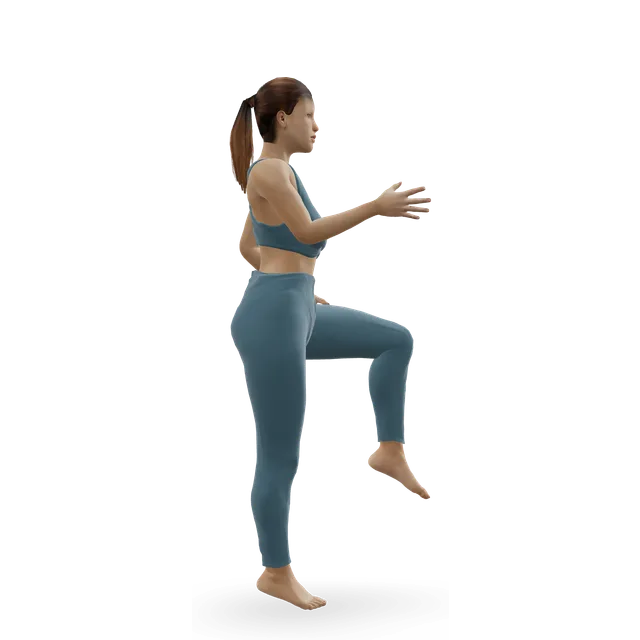
Ankle bounces (mini pogo) demonstrated on the 3D figure3D demoAnkle bounces (mini pogo)Beginner · No equipment

Short bursts: 2 to 3 sets of 20 · The NHS trust leaflet's short bursts of jumping; the sets are our suggestion, as in our calf pain when running guide

Harder: Pogo hops

Pogo hops demonstrated on the 3D figure3D demoPogo hopsIntermediate · No equipment

3 sets of 20, once bounces are easy · As in our calf pain guide (editorial)

Easier: Ankle bounces (mini pogo) · Harder: Single-leg pogo hops

Treadmill jogging demonstrated on the 3D figure3D demoTreadmill joggingIntermediate · Cardio machine

5 to 10 minutes at 0 to 1% at first, building your usual running over 2 to 3 months, steps slightly quicker; or the NHS walk-jog programme, from 1 minute's jogging and 1 minute's walking for 30 minutes every other day to 30 minutes of jogging by week 6 · The NHS trust leaflet's steps (it starts on grass, so a flat belt or flat ground here); the walk-jog weeks are the NHS Oxford programme's; the quicker steps are our reading of a lab study in runners

Easier: Treadmill walking · Harder: Sprint intervals

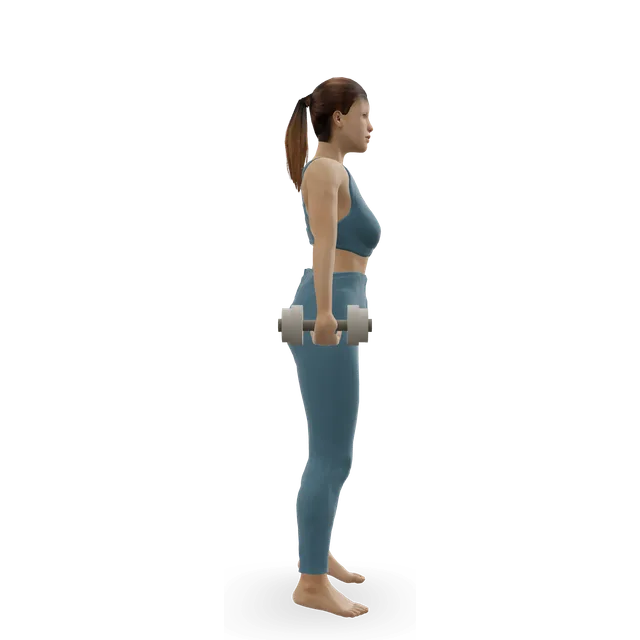
Standing dumbbell calf raise demonstrated on the 3D figure3D demoStanding dumbbell calf raiseIntermediate · A dumbbell

3 sets of 8 to 12, heavy, twice a week · As in our calf pain guide (editorial)

Easier: Slow calf raise · Harder: Single-leg pogo hops

Move on when: Easy running or your usual incline walks pass the pain rule on the day and the next morning; then add strides, hills and speed, one at a time (our suggestion). From week 7 of running, add no more than about 10% a week, as the NHS Oxford programme says.

Follow along: a timer, a cue and the next move, one step at a time.

What to change for now

What to change on the treadmill today (written steps)

Our 3D figure can't show the slope, the speed, your step rate, your shoes or the rails. These steps come from lab studies in healthy runners and walkers, NHS pages and leaflets and our calf, treadmill and incline walking guides; none has been tested against calf pain.

  • 1. A sudden pull or kick mid-stride: stop the belt, step off and start stage 1; the NHS says you won't be able to run with a muscle strain. A swollen, throbbing, red or darkened calf isn't a strain to train through: don't massage or roll it, and see the warning signs.
  • 2. Flatten the belt to 0 to 1% while the calf is sore. Calf activity rose with slope, and uphill running raised the modelled Achilles load. Leave the 12-3-30 until stage 3.
  • 3. Slow down, and in running take slightly quicker steps: about 10 more steps a minute lowered the modelled Achilles load in 19 runners.
  • 4. Build time before speed and slope, and come back from a break gradually: a recent break and a sudden return are a common story behind lower calf strains, expert clinicians say.
  • 5. Keep your usual shoes for now; don't switch to minimal or low-drop shoes or a forefoot landing while the calf is sore. On a walking pad at a desk, wear shoes, not socks (our foot pain on the treadmill guide).
  • 6. Calf ache on walking that goes when you stand still: see a GP before building up, and don't hold the rails to push further for now (our treadmill back guide). Once it's diagnosed, the belt is a good place for walk-rest-walk, as the NHS describes it.
  • 7. A cramp: stop, and stretch gently into it until it eases; next time, a pace you've trained for.
  • 8. Swaps for now: a bike or the pool (our calf pain when running guide). The elliptical keeps your foot on the pedal, but the calf still works, so keep it within the pain rule (our reading).
  • 9. Safety: clip on the safety key and let the belt stop before you step off (our treadmill guide).

Sources 51, 29, 5, 8, 18, 15, 16, 14, 40, 46, 20

Massage, compression and the rest of your day

An NHS trust advises against massage, heat and alcohol in the first 72 hours after a calf strain, and says not to push stretches into pain in the first weeks. Most calf strains recover without injections or surgery; a complete tear where the muscle joins the Achilles may need an orthopaedic surgeon's opinion. Our calf pain when running guide covers compression socks, which no study has tested for preventing injuries. Hills, sprints and races outside come back last, by our calf pain when running guide.

Sources 36, 17

Positions to swap, and why

Habit or positionWhy it mattersInstead
A steep slope or the 12-3-30 while the calf is soreCalf activity and the Achilles load rise with slope.0 to 1% first, then 3 to 5% in stage 3; the bike meanwhile.Try: Stationary cycling
Running on after a sudden pullThe NHS says you won't be able to run with a muscle strain.Stop, and start the first-stage holds.Try: Isometric calf raise hold
Long strides with few steps a minuteSlightly quicker steps lowered the modelled Achilles load in a lab study.About 10 more steps a minute at the same speed, with run-walk at first.Try: Treadmill jogging
Switching to minimal or low-drop shoes, or a forefoot landingThey move load onto the calf and the Achilles.Your usual shoes, or change over at least 12 weeks.
Gripping the rails to walk through calf acheIt can hide narrowed leg arteries.Stop, stand still, and see a GP if it goes.
Stretching a fresh strain hardNHS trust leaflets say stop a stretch at the point it becomes painful in the first weeks.Holds and gentle heel raises first.Try: Isometric calf raise hold
Massage, heat or alcohol in the first 72 hoursAn NHS trust advises against them early on.Rest from running, raise the leg and keep the ankle moving gently.Try: Ankle circles
Rolling or massaging a swollen, red or throbbing calfIt could be a clot, as the rolling move's page warns.Get it checked the same day.
Salt tablets or extra fluid to stop crampCramp went with pace and past cramps, not blood salts or hydration, in endurance athletes.A pace you've trained for, and a gentle stretch through a cramp.Try: Wall calf stretch (gastrocnemius)
Resting the calf completelyLoading early did no worse than waiting after a strain, and strength is the treatment.The first-stage moves.Try: Seated bent-knee calf raise (soleus raise)

Routines to follow

Calf workout: straight-knee and bent-knee raises with a step

A 25-minute calf workout with a step and a dumbbell: single-leg raises for the big calf muscle, then seated raises for the soleus, with gym swaps for each move.

25 minIntermediate7 movesA wall, A step

Claudication walking workout: walk-rest-walk

The walk-rest-walk session for leg pain from narrowed arteries: walk until the pain is close to the most you can bear, rest until it goes, repeat to 30 minutes.

45 minBeginner8 movesA wall, Cardio machine

Incline walking workout: hills or a treadmill slope

A 50-minute walk with hills, outdoors or on a treadmill slope: brisk on the flat, slower on the climbs, building from gentle slopes to about 6%.

50 minBeginner5 movesCardio machine, A step

Incline treadmill workout: building up to 12% for 30 minutes

A steep treadmill walk that builds over weeks to the 12-3-30 settings (12% incline, 3 mph, 30 minutes), with a warm-up, a cool-down and stop rules.

40 minIntermediate3 movesCardio machine, A wall

Run-walk intervals for beginners

A 30-minute beginner run-walk session: a brisk walk, then 1-minute jogs with 1-minute walks, building to 3-minute runs over your first three weeks.

30 minBeginner5 movesCardio machine, A wall

Springy starter: calf strength and gentle bounces

A beginner's springy session: calf strength first, then heel drops, calf springs and gentle bounces, building towards skipping and pogo hops.

20 minBeginner11 movesA wall, A step

Calf pump exercises for varicose veins and heavy legs

A 15-minute calf pump routine for varicose veins and heavy, swollen legs: ankle pumps, calf raises, a brisk walk, calf stretches and legs up to finish.

15 minBeginner10 movesA bench or box, A wall

More moves for this area

Questions people ask

Why do my calves hurt on the treadmill?

Usually tired or overloaded calf muscles after more slope, speed or time than they're used to, since walking uphill works the calves much harder. A sudden pull is a strain, a knot that passes is cramp, and an ache that goes within minutes of standing still can be narrowed arteries. Flatten and slow the belt, and see the warning signs for a swollen calf.

Why do my calves hurt on an incline treadmill or the 12-3-30?

The slope makes the calf push you upwards with every step, and the deeper calf muscle does much of the extra work. A sudden jump to a steep slope is the usual story, so build the slope back 1 or 2% at a time.

Why do my calves burn on the treadmill?

A burning ache that builds on a slope and eases as you slow down is usually hard-working calf muscles. An ache that comes on after a set distance and goes within a few minutes of standing still, especially if you smoke or have diabetes, needs a GP's check for narrowed leg arteries.

Why are my calves sore after the treadmill?

Both calves aching for a day or two after a new slope or a longer session is usually ordinary muscle soreness, which settles within about a week. Soreness in one spot that doesn't settle, or a swollen calf, needs checking.

Is it a strain, a cramp or a clot?

A strain starts at a moment, often with a sharp pull, and is tender in one spot; a cramp passes within minutes. A clot can bring throbbing pain, swelling, red, blue or darkened skin or swollen veins in one leg: get it checked the same day, and call 999 if breathing suddenly becomes difficult or you have chest pain.

Is the treadmill bad for my calves?

No, but it isn't easier on them: in one lab study of 18 runners, the Achilles took 12.5% more peak force on a treadmill than outside. Build slope and speed gradually and keep the calves strong.

Should I stretch my calves more?

Stretch for comfort if you like, but stretching didn't prevent sports injuries in trials, while strength training did. Calf strength work is what the plan builds.

What causes calf cramp on the treadmill?

In endurance athletes, cramp went with going faster than usual and a history of cramps, not with dehydration or salt. Stretch gently into it until it eases. The NHS says see a GP if cramps disturb your sleep, last longer than 10 minutes or come with numbness or swelling.

My calves ache after a few minutes' walking and ease when I stand still. Why?

That can be narrowed leg arteries (intermittent claudication), especially if you smoke or have diabetes. See a GP: once it is diagnosed, walking into the pain, resting and walking again is the main treatment, and it improves walking distance.

Why does my Achilles hurt on the treadmill?

Usually Achilles tendinopathy after a change in load, such as more slope, speed or time. Keep pain to 5 out of 10, settled by the next morning, and see our Achilles guide. A sudden snap with flat-footed walking needs a same-day check.

Can I walk on a treadmill with a calf strain?

Short, flat, comfortable walks without a limp, yes. Running waits until 3 sets of 8 to 15 single-leg calf raises are comfortable, as an NHS trust advises.

When should I see a doctor?

Call 999 if breathing suddenly becomes difficult, or for chest pain on the treadmill. Get help the same day for one swollen, painful calf, a snap at the back of the ankle, or a cold, pale leg. See a GP for calf pain that comes on with walking and eases with rest, or a strain that isn't improving. In the US, call 911 where this page says 999.

Related exercise guides

Other pain guides

Sources

  1. Graves 2014 · Injuries from home exercise machines in US emergency departments, 2007 to 2011 (surveillance study, Inj Prev)
  2. Kakouris 2021 · Running injuries by body site and diagnosis (systematic review, Journal of Sport and Health Science)
  3. McKean 2006 · Injuries in masters runners (survey of 2,886 runners, Clinical Journal of Sport Medicine)
  4. Green 2017 · Risk factors for calf muscle strains: 10 studies, 5,397 athletes (systematic review, Br J Sports Med)
  5. Franz 2012 · How slope and speed change leg muscle activity in walking (lab study, Gait and Posture)
  6. Silder 2012 · Predicting the energy cost of incline walking from muscle activity and walking mechanics (lab study, Journal of Biomechanics)
  7. Lichtwark 2006 · The calf muscle and Achilles tendon in uphill, level and downhill walking and running (lab study, Journal of Experimental Biology)
  8. Van Hooren 2024 · Speed, slope and cadence and the load on the shin, Achilles and kneecap in 19 runners (lab study, Scand J Med Sci Sports)
  9. Vernillo 2017 · Biomechanics and physiology of uphill and downhill running (review, Sports Med)
  10. Willy 2016 · Kneecap and Achilles loads in treadmill and overground running in 18 runners (lab study, J Orthop Sports Phys Ther)
  11. Van Hooren 2020 · Is treadmill running biomechanically comparable to running outdoors? 33 studies, 494 adults (systematic review and meta-analysis, Sports Med)
  12. Riley 2008 · Treadmill against overground running mechanics in 20 young adults (lab study, Med Sci Sports Exerc)
  13. Almonroeder 2013 · Foot strike and Achilles tendon load in 19 women runners (modelling study, Ann Biomed Eng)
  14. Rice 2017 · Foot strike, minimal shoes and Achilles tendon loading (lab study, Am J Sports Med)
  15. Ryan 2014 · Injury risk and pain in runners using minimalist footwear (randomised trial, Br J Sports Med)
  16. Malisoux 2016 · Heel-to-toe drop and injury in 553 leisure-time runners (RCT, AJSM)
  17. Essex Partnership University NHS Foundation Trust · Calf strains (physiotherapy leaflet, 2025)
  18. Green 2022 · Assessing, managing and preventing calf strains: the views of 20 expert clinicians (qualitative study, Sports Medicine Open)
  19. Green 2020 · Calf muscle strains in elite Australian football, 184 injuries (cohort study, Scand J Med Sci Sports)
  20. NHS · Leg cramps (last reviewed December 2023)
  21. NHS inform · Achilles tendinopathy
  22. Cambridge University Hospitals NHS Foundation Trust · Achilles tendon rupture: management and rehabilitation (patient leaflet)
  23. Cheung 2003 · Delayed onset muscle soreness: treatment strategies and performance factors (review, Sports Medicine)
  24. NHS · Compartment syndrome
  25. Buerba 2019 · Chronic exertional compartment syndrome: current management (review, Open Access J Sports Med)
  26. NHS · Peripheral arterial disease (PAD) (last reviewed April 2026)
  27. Nadeau 2013 · Telling spinal from vascular claudication by symptoms in 53 people (diagnostic study, Can J Surg)
  28. Sinha 2012 · Popliteal entrapment syndrome: 44 studies (systematic review, J Vasc Surg)
  29. NHS · DVT (deep vein thrombosis): symptoms, and when to call 999
  30. Green 2020 · Return to play and recurrence after 149 calf strains in elite Australian football (case-control study, AJSM)
  31. Maffulli 1998 · Diagnosing a torn Achilles tendon: the calf squeeze test in 174 people (prospective study, Am J Sports Med)
  32. Orchard 2020 · Repeat muscle strains over 23 years of professional Australian football: 3,647 strains (cohort study, Br J Sports Med)
  33. Nielsen 2014 · Time to recovery in 254 injured novice runners (cohort study, PLoS One; read in full)
  34. Gloucestershire Hospitals NHS Foundation Trust · Intermittent claudication (patient leaflet)
  35. Bayer 2018 · Early against delayed rehab after a thigh or calf strain in 50 recreational athletes (RCT, Scand J Med Sci Sports; abstract)
  36. Hull University Teaching Hospitals NHS Trust · Soft tissue injury: calf strain (patient leaflet)
  37. Lane 2017 · Exercise for leg pain on walking (intermittent claudication): 32 trials, 1,835 people (Cochrane systematic review)
  38. Hageman 2018 · Supervised exercise, home exercise or walking advice for intermittent claudication: 21 trials (Cochrane review)
  39. NICE · Peripheral arterial disease: diagnosis and management (CG147, last updated December 2020)
  40. NHS · Peripheral arterial disease (PAD): treatment (last reviewed April 2026)
  41. Silbernagel 2007 · Carrying on running and jumping with a pain-monitoring model, in 38 people with Achilles tendinopathy (randomised trial, Am J Sports Med)
  42. Martin 2018 · Midportion Achilles tendinopathy, revision 2018 (clinical practice guideline, J Orthop Sports Phys Ther)
  43. Schwellnus 2011 · Speed and past cramps, not dehydration, predicted cramps in 210 Ironman triathletes (cohort study, Br J Sports Med)
  44. Schwellnus 2004 · Blood salts, hydration and cramp in 72 ultra-distance runners (cohort study, Br J Sports Med)
  45. Schwellnus 2009 · Exercise cramps: nerve control, dehydration or salt loss? (review, Br J Sports Med)
  46. Miller 2022 · Exercise-associated muscle cramps: causes, treatment and prevention (evidence-based review, Journal of Athletic Training)
  47. Lauersen 2014 · Exercise programmes to prevent sports injuries: 25 trials, 26,610 people (systematic review and meta-analysis, Br J Sports Med)
  48. Herbert 2011 · Stretching to prevent or reduce muscle soreness after exercise: 12 studies (Cochrane review)
  49. Hawke 2021 · Non-drug treatments to prevent leg cramps: 3 trials, 201 people (Cochrane systematic review)
  50. Smith 2017 · Should exercises be painful in long-lasting muscle and joint pain? 7 trials, 385 people (systematic review and meta-analysis, Br J Sports Med)
  51. NHS · Knee pain and other running injuries (past its review date: reviewed November 2022, review due November 2025)
  52. NHS · Heart attack: symptoms and when to call 999
  53. NHS · Chest pain (past its review date: reviewed August 2023, review due August 2026)
  54. NHS · Angina (last reviewed March 2025)
  55. NHS · Pulmonary embolism (last reviewed October 2026)

Exercise education, not a diagnosis or treatment plan. It is written from the guidelines and studies listed above; review by a clinician is pending. If your pain follows an injury, is severe, is getting worse, or comes with any warning sign listed on this page, get it assessed. Health disclaimer.