Band-assisted pull-up
The pull-up with a loop band hung from the bar under one knee or foot: the stretched band takes part of your weight, most at the bottom and least near the top. ACE uses it to learn the full pull-up before you can do one unaided, and NASM rates it intermediate, with a thicker band giving more help.
Pull-up family
Band-assisted pull-up
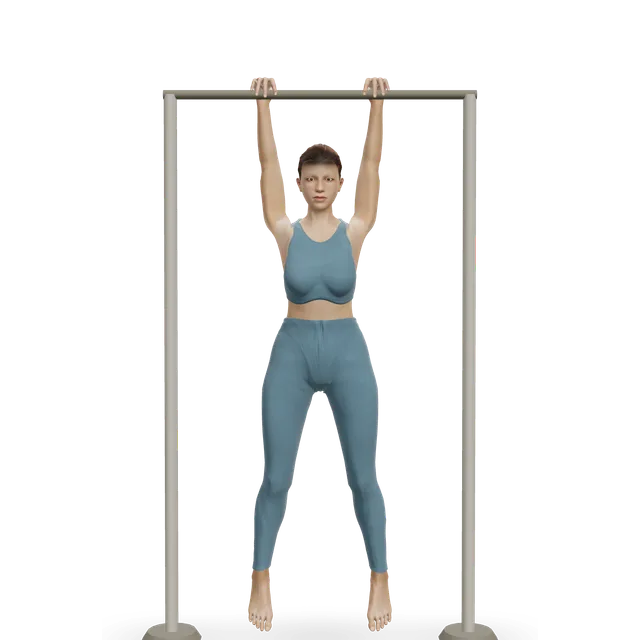
Loading the 3D figure…
Source-researched guide.
How to move
- Hitch a loop band securely to the bar beside your grip, with a clear run outside the body. Pull its lower end down and place one foot securely in the loop.
- Take an overhand grip a little wider than the shoulders and hang with straight arms.
- Draw the shoulder blades down, then pull, driving the elbows down to your sides until your chin clears the bar.
- Pause briefly, then lower slowly to straight arms, keeping the foot in the band and the hips level.
Form cues
- Use the lightest band that still lets you finish every rep with control.
- Avoid: swinging or kicking; let the band do the helping.
Practice and cautions
2 to 4 sets of 8 to 12 with a band that lets you finish each set in good form (ACE); NASM suggests 3 to 5 sets of 5 to 10.
A stretched band stores a lot of energy: check it for nicks, make sure it cannot slip off the knee or the bar, and step out of it slowly at the end. Bands that slipped off a foot or snapped have caused serious eye injuries in case reports, so keep your face out of the band's line. After heart surgery through the breastbone, or a heart or lung transplant, follow your surgeon's advice before pushing, pulling or lifting with your arms. After breast cancer surgery or reconstruction, follow your surgical team's advice on when you can lift your arm above shoulder height, or push, pull or lift with it. This is movement education, not an assessment or treatment prescription. Stop for sharp or increasing pain, dizziness, numbness or tingling; seek individual guidance for symptoms, injury or restrictions.
Sources and review status
Sources support the educational description; they do not establish that this exercise is suitable for you.
- ACE · 4 moves to help you master the pull-up (the band-assisted pull-up with a knee or foot in the loop, and the straight-arm pulldown; 2 to 4 sets of 8 to 12) ↗
- NASM · Band-assisted pull-up (intermediate; a thicker band helps more; 3 to 5 sets of 5 to 10) ↗
- ACE · Technique series: chin-ups (the chest lifted to the bar; band-assisted, then spotted, then full reps) ↗
- Chen 2026 · A giant retinal hole after a band slipped from under the feet during band-assisted pull-ups, in a 15-year-old (case report, Case Rep Ophthalmol) ↗
- Free Exercise DB · community text ↗
Unlicense · Free Exercise DB contributors; derived from wrkout/exercises.json. Text import; no photographs or media. · Revision f00c92c7dcf1216a928a52c3706c7ce8e2f71ed5
No variation is labeled clinically validated.
What it works
Muscles
Main: Back. Also: Biceps, Shoulders, Forearms.
Anatomy: Latissimus dorsi, Teres major, Trapezius, Rhomboids, Erector spinae, Multifidus.
Equipment
A band + Pull-up bar
Level
Intermediate. See the easier and harder options above.
Workouts that use it
Pain guides that use it
Part of a staged plan, with when to get help first.
- Elbow pain from pull-ups and chin-ups: what's likely, what to change and how to build back
- Shoulder pain when doing pull-ups: the rotator cuff, the front of the shoulder, grip and what helps
- Back pain when doing pull-ups: upper and lower back, arching and swinging, the hang and what helps
- Wrist pain when doing pull-ups: the little-finger and thumb sides, grip, chin-ups and what helps
Guides that use it
Similar moves
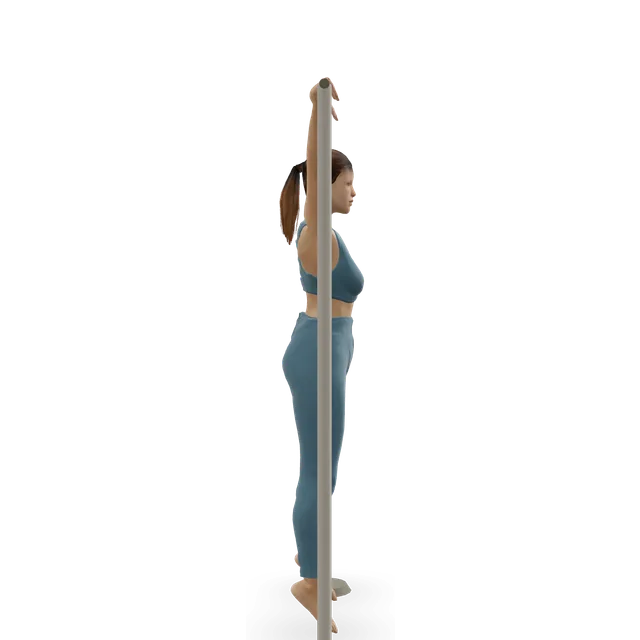 3D demoBehind-the-neck pull-upAdvanced · Pull-up bar
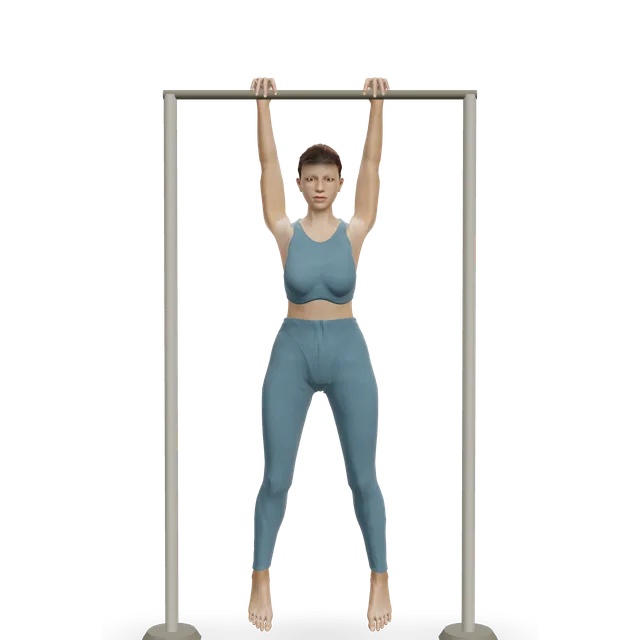 3D demoRocky pull-up (front and behind the neck)Advanced · Pull-up bar
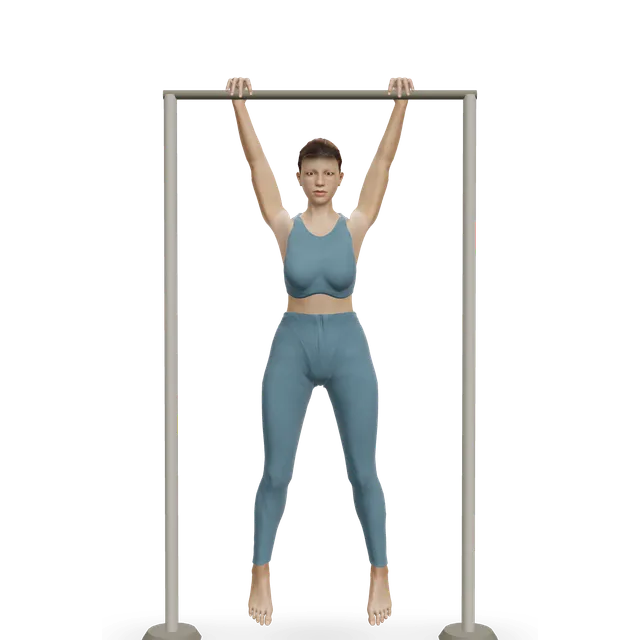 3D demoSide-to-side pull-upAdvanced · Pull-up bar
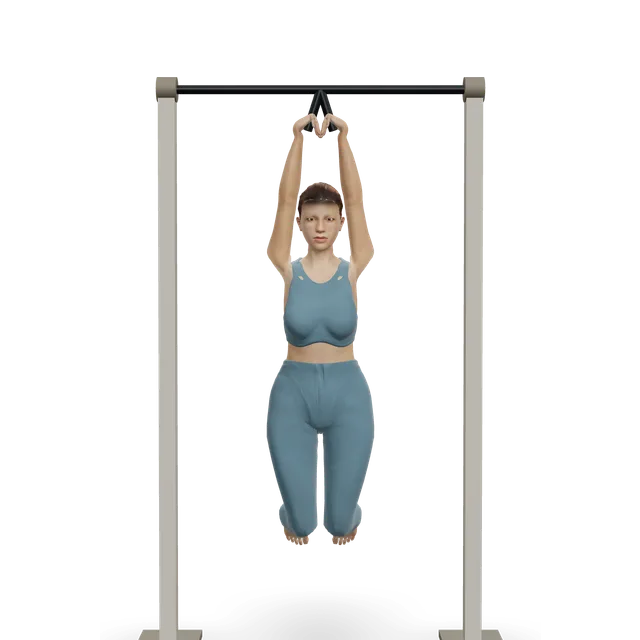 3D demoV-bar pull-upAdvanced · Pull-up bar + Other / check instructions
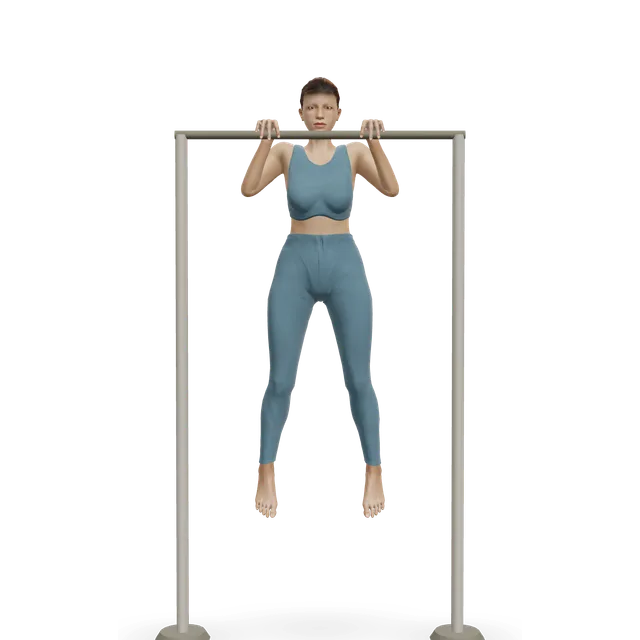 3D demoNegative pull-upIntermediate · Pull-up bar + A step
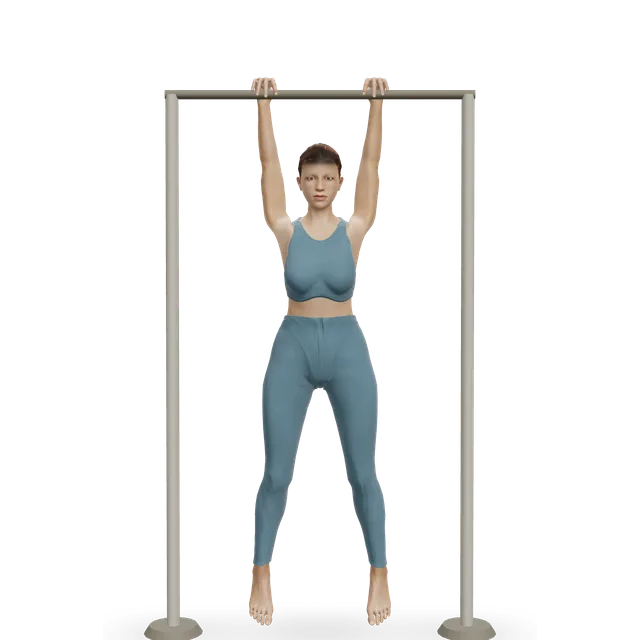 3D demoScapular pull-upIntermediate · Pull-up bar
Browse more
Questions people ask
What muscles does the Band-assisted pull-up work?
Mainly the back, with help from the biceps, shoulders and forearms.
What equipment do I need for the Band-assisted pull-up?
A band + Pull-up bar.
Is the Band-assisted pull-up good for beginners?
It is graded intermediate. If it is too hard right now, start with the Assisted pull-up (machine).
What is an easier alternative to the Band-assisted pull-up?
Try the Assisted pull-up (machine) or the TRX inverted row (on low suspension straps). It works similar muscles at a lower grade.
How do I make the Band-assisted pull-up harder?
Progress to the Pull-up or the Chin-up. Follow that guide’s technique and any stated timing.