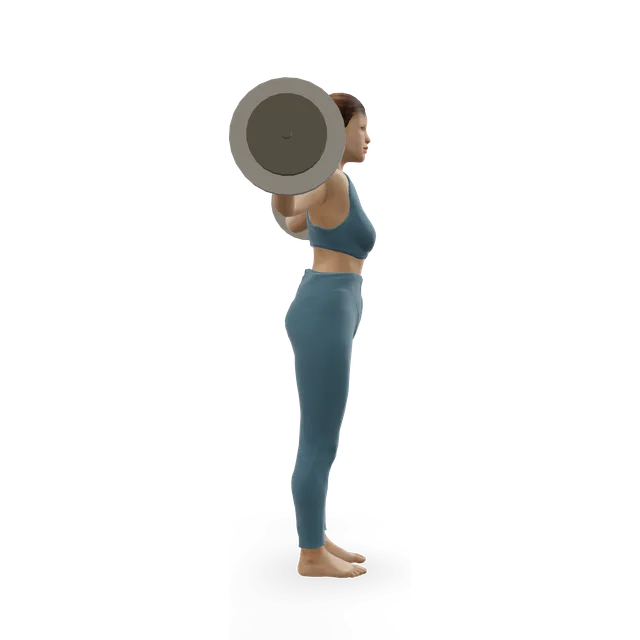
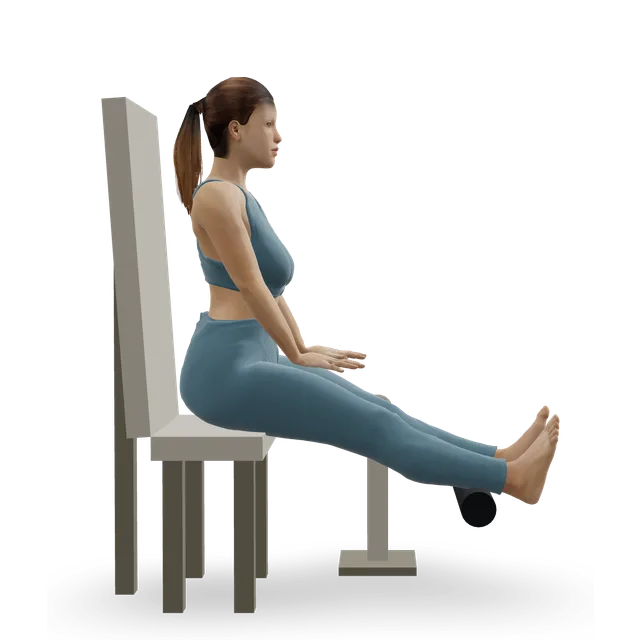
Training guide

How to do reverse hyperextensions: the machine and bench versions, the glutes and lower back, and how many

In a reverse hyperextension you lie face down with your hips off the end of a high bench or the machine and swing your straight legs up to level with your body: the back extension turned round, with your trunk still and your legs moving. It works your glutes, hamstrings and back muscles hard, and you don't need the machine to start.

Five lab studies show what it works and where they disagree, but none has tested it over weeks or in people with back pain, and none supports the idea that it decompresses your spine.

This guide covers the steps on the 3D figure, the machine and bench versions, reverse hypers against back extensions and Romanian deadlifts, how much weight, back pain, and how many.

The short version

Swing the legs up to level

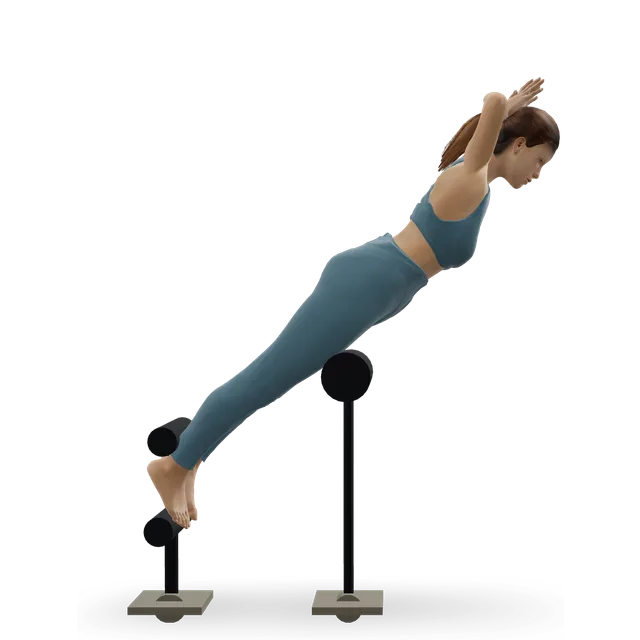
Lie face down on a high bench or the machine with your hips just past the end and your legs hanging. Squeeze your glutes and swing your straight legs up until they're level with your body, then lower them under control, as the move page teaches.

What it works

Your glutes, hamstrings and the muscles along your spine. Against the back extension, the evidence is mixed: in 10 adults the reverse version drew 34 to 71% higher peak activity in all three, while in 20 adults it moved the hips more and bent the lower back less but loaded the lower back more and drew less total glute and hamstring activity. In 12 young men it worked the glutes and hamstrings harder than a Romanian deadlift.

Sources 1, 2, 3

Loading has limits

In one study of 20 adults, read as an abstract, adding weight on the machine from half to all of body weight raised back and glute activity, but going to one and a half times body weight added little for them while the hips and trunk bent more.

Source 4

No training trial

We found no study of what reverse hypers do over weeks, for strength, size or back pain. Hip-extension training in general grows the glutes, exercise helps long-lasting back pain, and back-of-the-body strength training did a little better than general exercise for disability.

Sources 5, 6, 7

It doesn't decompress your spine

No study has measured spinal unloading in a reverse hyper, the one study of low-back load found it higher than in a back extension, and traction, which tries to stretch the spine, made little or no difference to back pain across 32 trials. NICE says not to offer it.

Sources 1, 8, 9

How many

2 sets of 8 to 12 with your body weight on a bench while you learn, then 2 to 3 sets of 10 to 15, stopping 2 or 3 reps short, with 60 to 90 seconds' rest, twice a week (our editorial starting points, the second as in our back extension guide). Build up over weeks: very sore, weak or swollen muscles with dark pee after a big first session need same-day help.

Source 10

What a reverse hyperextension is

The exercise

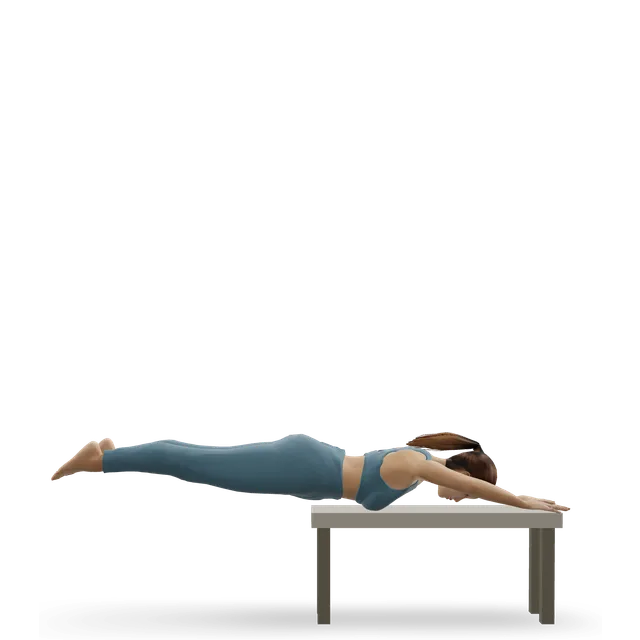
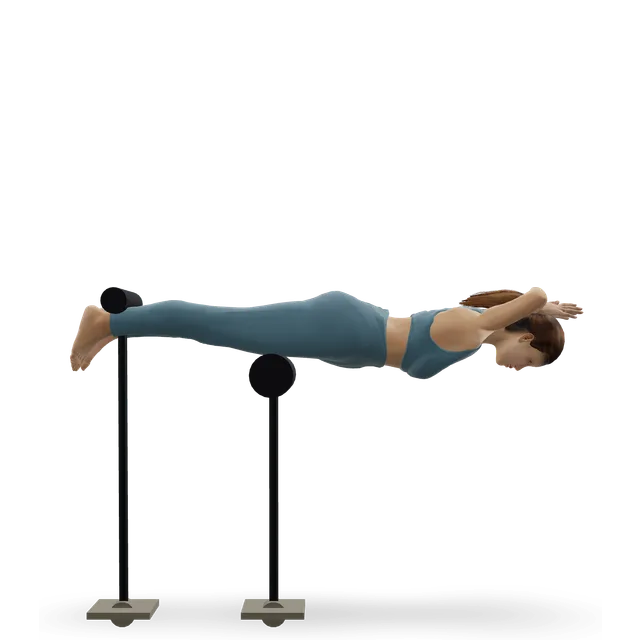
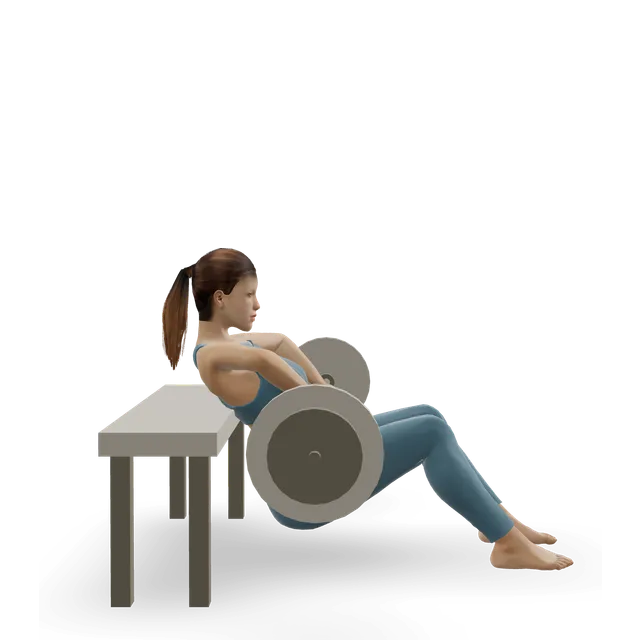
You lie face down along a high bench or the machine's pad with your hips just past the end, hold on, and swing your legs from hanging to level with your body. The 3D demo shows the bench version. On the machine, a pendulum carries the load at your ankles.

Source 4

The muscles

The gluteus maximus, the hamstrings and the back extensors, with the deep multifidus along your spine working hard. Your trunk stays on the bench and your legs move: the reverse of a back extension, as our back extension guide explains.

Sources 1, 2, 11, 3

What changes against a back extension

More hip range and less lower-back bending, but a higher load on the lower back, in one study of 20 adults.

Source 1

What you need first

Back extensions on a level Roman chair (the move page's prerequisite), and a glute bridge and bird dog you can hold steadily.

How people differ

On a bench, taller people need a higher bench so their feet don't hit the floor. Lying face down over the edge presses on your belly, which is uncomfortable in later pregnancy and with a tender hernia (our suggestion).

How to do a reverse hyperextension, step by step

From the move page (legs to level, stop at level, control the swing). The light brace and the machine set-up are editorial.

  1. Lie face down along a high bench, or the machine's pad, with your hips just past the end and your legs hanging straight down.
  2. Hold the bench's sides or the machine's handles firmly so your trunk stays on the pad.
  3. Brace lightly and squeeze your glutes.
  4. Breathe out and swing your straight legs up behind you until they're level with your body.
  5. Stop at level; don't arch past straight.
  6. Lower your legs under control to hanging, without letting them swing under the bench.
  7. On the machine, set the ankle strap or pads and start with no added weight. The pendulum keeps swinging, so slow it before each rep.

Loading the 3D figure…

Gets into position, then repeats the movement. Technical checks passed; qualified exercise review is pending.

The movement on the figure: Reverse hyperextension

What the evidence says: what it works

Higher peak activity than the back extension, in one studyEmerging evidence

In 10 adults, the reverse hyperextension drew 34 to 71% higher peak activity and 28 to 65% higher average activity than the back extension in the back extensors, gluteus maximus and biceps femoris (the outer hamstring).

Source 2

More hip range, more low-back load, in anotherEmerging evidence

In 20 recreationally active adults doing 2 sets of 10 at equal loads, the reverse hyperextension machine moved the thigh against the trunk through more range (77 against 65 degrees) with less lower-back bending (20 against 31 degrees) than the back extension. But it produced a higher low-back load, with peak turning force at the lower back 129% higher, and less total glute and hamstring activity, with equal back-muscle activity.

Source 1

Against the Romanian deadlift and the pull-throughEmerging evidence

In 12 college-aged men at half of each lift's estimated maximum, the reverse hyperextension drew more gluteus maximus (49 against 30% of maximum), biceps femoris (62 against 35%) and inner hamstring activity than the Romanian deadlift, and more back and hamstring activity than the cable pull-through.

Source 3

The deep back musclesEmerging evidence

In 34 healthy adults with fine-wire electrodes, the deep lumbar multifidus worked harder in the reverse hyperextension than in the bird dog, glute bridge and trunk extension. Adding 10% of body weight changed little.

Source 11

On a bench, without the machineEmerging evidence

In an ACE-sponsored study of 16 trained volunteers aged 20 to 25, a reverse hip raise off a bench's end drew significantly more activity from the inner hamstring (semitendinosus) than the prone leg curl, and significantly less from the outer hamstring.

Source 12

Effort isn't growthEmerging evidence

Muscle activity in one session isn't a validated predictor of growth. Training with hip-extension exercises grew the gluteus maximus across 11 studies (effect size 0.71), but those tested hip thrusts, squats, leg presses and kneeling hip extensions, not reverse hypers: we found no training trial of them.

Sources 13, 5

Reverse hyper, back extension, Romanian deadlift or hip thrust?

Reverse hyper or back extension?Mixed evidence

Both work the same muscles. The two studies that compared them disagree on which works the glutes and hamstrings harder: one of 10 adults found higher peak activity in the reverse version, one of 20 found more total glute and hamstring activity in the back extension, with more hip range, less lower-back bending and more low-back load in the reverse version. What we know about loading it rests on one abstract of 20 adults. Use whichever you have and like; our back extension guide covers the other one.

Sources 1, 2, 4

Or a Romanian deadlift?Emerging evidence

At the same share of their maximum, 12 young men worked their glutes and hamstrings harder in the reverse hyper. The Romanian deadlift is standing and loads your grip and spine, and has training studies behind it; our Romanian deadlift guide covers it.

Source 3

Or a cable pull-through?Emerging evidence

The pull-through worked the back muscles and hamstrings less than both the reverse hyper and the Romanian deadlift in the same study, and the glutes about the same as the Romanian deadlift.

Source 3

Or a hip thrust?Emerging evidence

Both work the glutes hard. Hip thrusts have training studies showing glute growth and reverse hypers don't yet, so for glute size, hip thrusts are the tested choice; use both if you like them.

Source 5

Or a glute-ham raise?

A different job: the glute-ham raise bends your knees with your hips held straight, while the reverse hyper swings your legs up from your hips. Some glute-ham developers (GHDs) do both; our glute-ham raise guide covers the knee-bending one.

The bench, the machine and other versions

The reverse hyperextension on a bench: 2 sets of 8 to 12 with body weight while you learn, then 2 to 3 sets of 10 to 15 (our editorial starting points, the second as in our back extension guide); on the machine, follow the same steps. Bench flutter kicks, legs held level and scissoring: 2 to 3 sets of 20 to 30 seconds (the move page's dose). The 45-degree back extension, 2 sets of 10 to 12 (our posterior chain workout), and the horizontal back extension, 2 sets of 8 to 12 (our editorial starting point), are the trunk-moving versions. The single-leg, stability ball and frog versions have no 3D demo: follow the bench steps.

No machine? Bench flutter kicks

The move page's steps and dose (2 to 3 sets of 20 to 30 seconds, its editorial starting point). Keep your legs at about level: arching to lift them higher loads your lower back, as the move page warns.

  1. Lie face down on a flat bench with your hips at its end, your legs straight and your toes towards the floor, and hold the far end of the bench.
  2. Squeeze your glutes and lift both legs until they're level with your hips.
  3. Raise one leg a little as the other lowers a little, then switch, in small scissoring kicks.
  4. Keep kicking at a steady pace for the set, breathing normally, then lower both legs.

Loading the 3D figure…

Gets into position, then repeats the movement. Technical checks passed; qualified exercise review is pending.

The movement on the figure: Prone flutter kicks on a bench

Common mistakes

Swinging above level

It arches your lower back. Stop at level, as the move page says.

Momentum

Kicking the legs up and letting them swing under the bench. Slow the lowering and pause at the top.

Hips on the bench

Your hips must be past the end, or there's no hip movement.

Too heavy on the machine

In one study, more weight bent the hips and trunk more and added little back and glute activity beyond about body weight.

Source 4

High reps on a first session

Hundreds of back extensions in one big session is a known setting for muscle breakdown. Build up over weeks.

Source 10

How heavy, how many and how often

While you learn

2 sets of 8 to 12 with your body weight on a bench, stopping with 3 or 4 reps to spare in your first two weeks (our editorial starting point, near the 2 sets of 10 the studies used, and our plans' starting note).

Sources 1, 4

Working sets

2 to 3 sets of 10 to 15, stopping 2 or 3 reps short, with 60 to 90 seconds' rest, as our back extension guide suggests (its editorial starting point).

On the machine

The same sets, adding plates in small steps while the swing stays controlled. In one study, going past about your body weight added little back and glute work (our editorial reading of it).

Source 4

How often

Twice a week is enough, as our back extension guide says, counted with your other hinges such as Romanian deadlifts and good mornings. The NHS asks adults for strengthening activities that work all the major muscle groups on at least 2 days a week.

Source 18

Effort

You don't need to go to failure: across 15 studies it gave a trivial growth advantage at most, and most people misjudge the reps they have left by about one.

Sources 16, 17

Progressing

Add reps to the top of the range, then a 2-second pause at the top, then load on the machine (our suggestion).

Warm up first

3 to 5 minutes of easy movement, glute bridges and a few hip hinges, as our plans and the NHS suggest.

Source 15

Back pain

Exercise helps; reverse hypers haven't been testedStrong evidence

In a Cochrane review of 249 trials, exercise reduced long-lasting low back pain compared with no treatment, usual care or placebo, with moderate certainty. NICE recommends considering a group exercise programme. We found no trial of reverse hyperextensions in people with back pain.

Sources 6, 9

Back-of-the-body strength trainingMixed evidence

Across 8 trials of 408 people, strength training for the back of the body did better than general exercise for disability, and probably for pain, though that result could have been no difference. Exercise also improved back-muscle strength and endurance in 8 trials of 508 people. Reverse hypers are one reasonable choice among many, not a proven treatment.

Sources 7, 14

Starting with back pain

Start with the plans in our back pain guide. Reverse hypers can come in later if they pass the pain rule, and if arching sends pain down a leg, leave them out, as our lower back strengthening workout says.

The back pain rule

Pain you'd call mild to moderate, no more than about 5 out of 10, that settles within an hour or so, with your back no worse the next morning, is acceptable; if it is worse, do less next time (fewer reps, a smaller range, a lighter load), not nothing. Stop or shrink any movement that sends pain, pins and needles or numbness further down your leg. That's our back pain guides' rule.

Your route to the reverse hyper

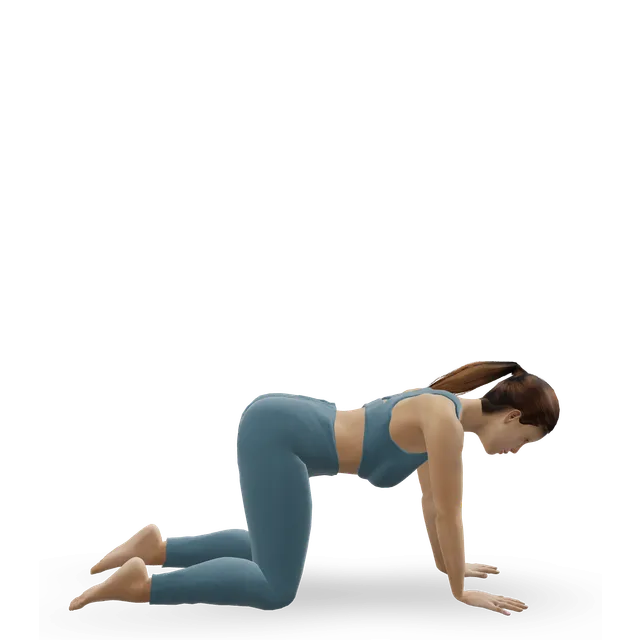
Glute bridges, 12 reps, and bird dogs, 6 each side (both our beginner core workout); glute kickbacks on all fours, 12 each side (our glute workout at home); back extensions on a 45-degree bench, 2 sets of 10 to 12 (our posterior chain workout); then the reverse hyperextension on a bench, 2 sets of 8 to 12 with body weight (our editorial starting point).

Moves that go with it

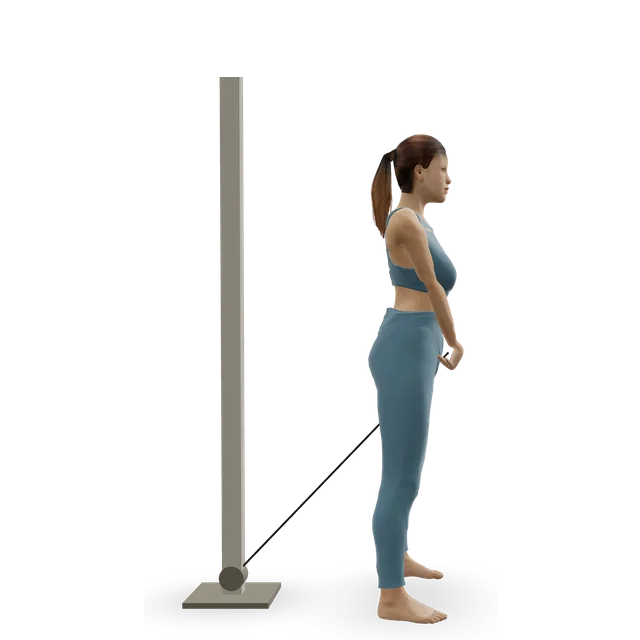
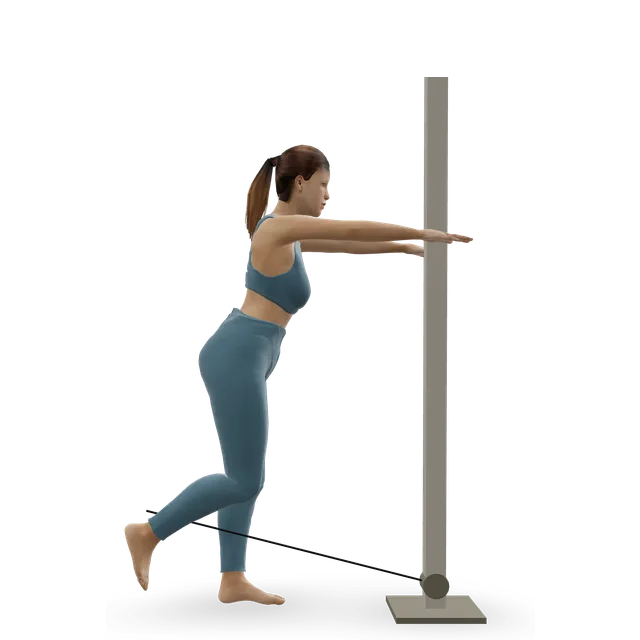
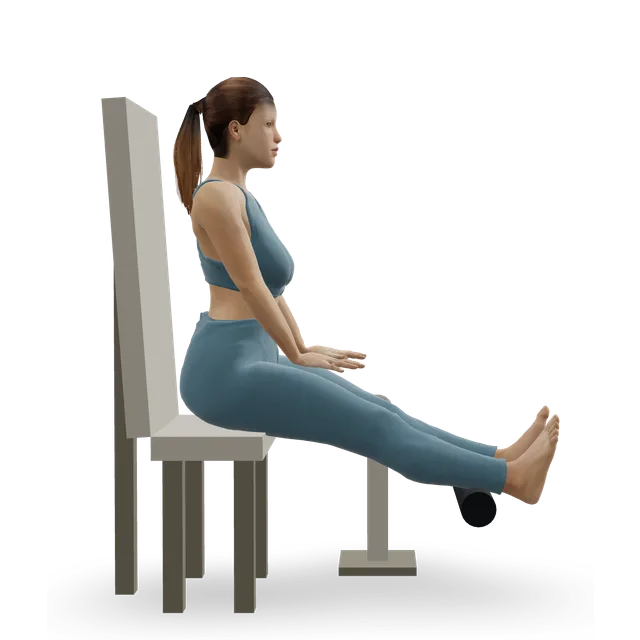
Cable pull-throughs, 2 sets of 12 to 15, and hip thrusts, 3 sets of 8 to 12 (both our posterior chain workout); standing cable glute kickbacks, 2 to 3 sets of 8 to 12 each side, stopping 2 or 3 reps short (the move page's dose); dumbbell Romanian deadlifts, 3 sets of 8 to 10 (our full-body dumbbell workout); and machine leg curls, 3 sets of 10 to 15 (our lower body gym workout). Cool down with child's pose, held 1 to 3 minutes (the move page's dose), and the strap hamstring stretch, 30 seconds each leg (our deadlift strength workout).

Workouts to follow

Our posterior chain workout trains the same muscles with good mornings, hip thrusts, back extensions and pull-throughs; if your gym has a reverse hyper machine, swap the back extensions for reverse hypers, as its tip says. The lower back strengthening workout is the floor route, and the glute and hamstring workouts round it out.

Plans

Our glute workout plan uses the glute gym workout, where reverse hypers can stand in for the back extensions, as its tip says.

Who should change it

Back pain or pain down a leg

Start with our back pain guide's plans and use the pain rule; leave out arching moves that send pain down a leg.

Osteoporosis

The UK consensus recommends exercises that extend the spine, and our back extension guide says to move slowly and never fling into the top position. Keep the swing slow, stop at level, and get a physiotherapist's advice if you've had a spinal fracture.

Source 19

A tender hernia or tummy

Lying over a bench edge presses on your belly. Choose the bird dog or a back extension instead (our suggestion), and see the hernia warning signs below.

Pregnancy

Lying face down gets uncomfortable as your bump grows: use the bird dog instead, as our back extension guide says. The NHS says strength training is fine if you already do it, and to stop if you feel uncomfortable, too hot or unwell.

Source 20

A hamstring injury

Wait until our hamstring strain guide's plan has you doing hip-extension work at full range before reverse hypers.

Your first sessions

Build up over weeks rather than doing high-rep sets on a new machine: muscle breakdown can follow big or unusual sessions (see the warning signs).

Source 10

Warning signs

Stop and get medical help

If you get chest pain or pressure, feel faint or dizzy, are unusually breathless, or your heart races or beats irregularly during exercise, as our plans advise. The American Heart Association says these need immediate medical evaluation.

Source 21

Call 999 (911 in the US)

For chest pain that comes on suddenly and doesn't go away, feels tight or like squeezing, spreads to your arms, neck, jaw, stomach or back, or comes with sweating, feeling sick, light-headedness or breathlessness; severe difficulty breathing; someone who faints while exercising; palpitations that don't go away, or come with chest pain, shortness of breath or feeling faint; or a headache that starts suddenly and is extremely painful, especially while lifting or straining, or comes with numbness or weakness, difficulty speaking or loss of vision. The NHS says a bleed on the brain may be more likely when lifting something heavy. Don't drive yourself to A&E.

Sources 22, 23, 24, 25, 26, 27

Back pain

Call 999 or go to A&E: loss of feeling or numbness around the genitals or bottom, new trouble peeing or controlling your bladder or bowels, changes in genital sensation during sex or problems with erections or orgasm, or pain, tingling, weakness or numbness in both legs. These are signs of cauda equina syndrome, which needs treating in hospital urgently. Don't drive yourself.

Call 999 or go to A&E: back pain with chest pain, or back pain that started after a serious accident, such as a car crash.

Same day (GP or NHS 111): back pain and you feel hot, cold, shivery or generally unwell, or severe pain that starts suddenly or is getting worse quickly.

Source 28

Pain down a leg

Pain in your bottom and down the back of one leg: see a GP if it isn't better after a few weeks of home treatment, is getting worse or stops your normal activities. Sciatica on both sides, weakness or numbness in both legs that's severe or getting worse, or numbness around or under your genitals or around your bottom, is a 999 call or a trip to A&E.

Source 29

Muscle breakdown after a big session

Same day (call NHS 111, or go to A&E if you feel very unwell): after a big or unusual session, such as hundreds of back extensions or reverse hypers, muscle pain, swelling or weakness far worse than the session explains, and dark pee (red, brown, tea or cola coloured), sometimes starting hours or days later. Dark pee isn't always there, so muscles far sorer, more swollen or weaker than the session explains still need the same-day check. It can be rhabdomyolysis, a breakdown of muscle that can harm the kidneys.

Source 10

A pulled hamstring

A sudden sharp pain at the back of your thigh, sometimes with a pop, then swelling and bruising. Get help from NHS 111 if it's very painful or getting worse, badly swollen or bruised, or hurts to walk or stand on.

Source 30

A hernia

See a GP if you think you have a hernia, a bulge or lump that may get bigger when you strain and smaller when you lie down. Get help from NHS 111 if you have a hernia and pain in or around it, a bloated tummy, you feel or are sick, you're vomiting blood or your vomit looks like coffee grounds, you're constipated, you have a high temperature or feel hot, cold or shivery, or you've suddenly become confused. Call 999 or go to A&E for a femoral hernia (a small lump at the top of your thigh, in your groin) with very bad tummy pain, sickness, being unable to fart or poo, a high temperature or sudden confusion.

Sources 31, 32

Before you start

Speak to your GP first if you haven't exercised for some time or have medical conditions or concerns, as the NHS advises. Get advice before heavy lifting or hard straining work if your blood pressure is uncontrolled, or you have heart disease or chest pain when you're active, a pacemaker or defibrillator, diabetic eye disease, glaucoma, a hernia, recent eye or tummy surgery, or you're pregnant, as our breathing guide lists.

Source 18
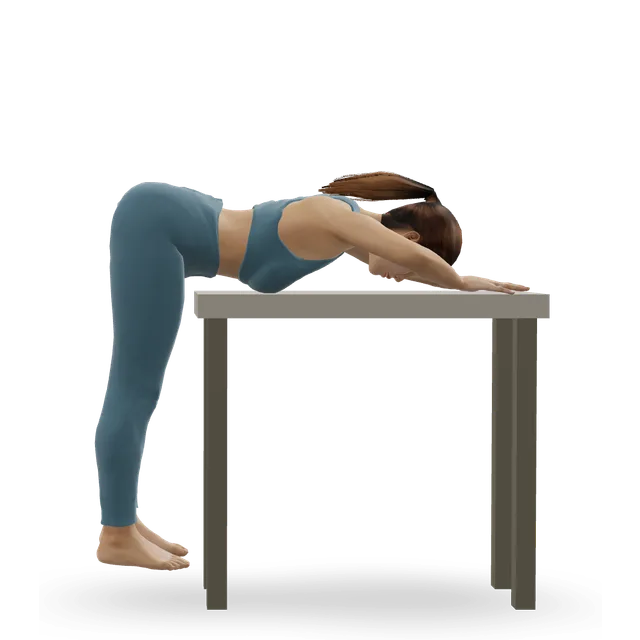
Myths

"Reverse hypers decompress your spine"Mixed evidence

No study has measured spinal unloading in a reverse hyper, and the one study of low-back load found it higher than in a back extension. Traction, the treatment that does try to stretch the spine, made little or no difference to back pain across 32 trials of 2,762 people, so NICE says not to offer it. That strong traction evidence is about a different treatment; for the reverse hyper itself there's no direct evidence either way.

Sources 1, 8, 9

"Reverse hypers are the best exercise for back pain"Strong evidence

No trial has tested them in back pain. Exercise helps long-lasting back pain, back-of-the-body strength training did a little better than general exercise for disability, and NICE recommends exercise without naming a best one.

Sources 6, 7, 9

"You can't load your lower back on a reverse hyper"Emerging evidence

It bent the lower back less than a back extension but put a higher load on it, and the deep back muscles worked harder than in a bird dog or bridge.

Sources 1, 11

"Heavier is always better on the machine"Emerging evidence

In one study of 20 adults, going from body weight to one and a half times body weight added little back and glute activity and bent the hips and trunk more.

Source 4

"The exercise that lights up the muscle most builds it most"Emerging evidence

Muscle activity in one session isn't a validated predictor of growth, so the reverse hyper figures on this page show effort, not results.

Source 13

Questions people ask

How do you do a reverse hyperextension?

Lie face down on a high bench or the machine with your hips just past the end, and hold on. Squeeze your glutes and swing your straight legs up until they're level with your body, then lower them slowly.

What muscles do reverse hypers work?

Your glutes, hamstrings and the muscles along your spine. In lab studies they worked harder than in a back extension at peak, and the glutes and hamstrings harder than in a Romanian deadlift.

Reverse hyper or back extension?

Both work the same muscles. The reverse version moved the hips more and bent the lower back less, but put a higher load on the lower back, and two studies disagree on which works the glutes and hamstrings harder. Our back extension guide covers the other one.

Can you do reverse hypers without a machine?

Yes: on a high, stable bench, holding the sides, as the 3D figure shows. A stability ball works too, though it's less stable.

How many sets and reps of reverse hypers?

Start with 2 sets of 8 to 12 on a bench with your body weight, then 2 to 3 sets of 10 to 15, stopping 2 or 3 reps short, with 60 to 90 seconds' rest, twice a week. These are our starting points; no study has tested reverse hyper doses.

How much weight should I use on the reverse hyper machine?

Start with none. In one study, going past about your body weight added little back and glute work and made the hips and trunk bend more, so add plates only while the swing stays controlled.

Do reverse hypers decompress your spine?

No study has shown it. The one study of low-back load found it higher than in a back extension, and traction, which tries to stretch the spine, doesn't help back pain.

Are reverse hypers good for back pain?

No trial has tested them in people with back pain. Exercise helps long-lasting back pain, and strength training for the back of the body did a little better than general exercise for disability, so reverse hypers can be part of that if they pass the pain rule.

Are reverse hypers good for sciatica or a bulging disc?

We found no study. Start with our sciatica or herniated disc guide's plans, and stop any move that sends pain further down your leg.

Reverse hyper or hip thrust for glutes?

Both work the glutes hard. Hip thrusts have training studies showing glute growth and reverse hypers don't yet, so use both if you like them.

How high should my legs go on a reverse hyper?

To level with your body and no higher. Swinging above level arches your lower back, as the move page warns.

Are reverse hypers safe?

For most people, with control, though no study has counted injuries. Build up over weeks, because very sore, weak or swollen muscles with dark pee after a big session need same-day help.

Sources

  1. Lawrence 2019 · The reverse hyperextension machine against the back extension in 20 adults (lab study, JSCR)
  2. Cuthbert 2021 · Muscle activity in the back extension and the reverse hyperextension in 10 adults (EMG study, JSCR)
  3. Dicus 2023 · The Romanian deadlift, reverse hyperextension and cable pull-through compared in 12 young men (EMG study, Int J Exerc Sci)
  4. Lawrence 2022 · Load, muscle activity and movement in the reverse hyperextension in 20 adults (lab study, J Appl Biomech)
  5. Krause Neto 2025 · Resistance training and gluteus maximus growth: 12 studies (systematic review and meta-analysis, Front Physiol)
  6. Hayden 2021 · Exercise therapy for chronic low back pain: 249 trials (Cochrane review)
  7. Tataryn 2021 · Back-of-the-body strength training against general exercise for chronic low back pain: 8 trials (meta-analysis, Sports Med Open)
  8. Wegner 2013 · Traction for low back pain with or without sciatica: 32 trials (Cochrane review)
  9. NICE NG59 · Low back pain and sciatica in over 16s: assessment and management (guideline, 2016, amended 2026)
  10. MedlinePlus (US National Library of Medicine) · Rhabdomyolysis
  11. Lawrence 2026 · Deep multifidus activity in rehabilitation and resistance exercises in 34 adults (fine-wire EMG study, J Electromyogr Kinesiol)
  12. Schmitt 2018 · Nine hamstring exercises against the prone leg curl in 16 trained volunteers, including a reverse hip raise off a bench's end (ACE-sponsored EMG study)
  13. Vigotsky 2022 · Surface EMG amplitude in one session is not a validated predictor of muscle growth (review, Sports Med)
  14. Clael 2021 · Exercise and back-muscle strength, endurance and activity in non-specific low back pain: 8 trials (meta-analysis, Sci Rep)
  15. NHS · How to warm up before exercising
  16. Refalo 2023 · Proximity to failure and muscle hypertrophy (meta-analysis, Sports Med)
  17. Halperin 2022 · Accuracy in predicting repetitions to failure (scoping review and meta-analysis, Sports Med)
  18. NHS · Physical activity guidelines for adults aged 19 to 64
  19. Brooke-Wavell 2022 · Strong, steady and straight: UK consensus statement on physical activity and exercise for osteoporosis (consensus statement, BJSM)
  20. NHS · Exercise in pregnancy
  21. Paluch 2024 · Resistance exercise training with and without cardiovascular disease: 2023 update (American Heart Association scientific statement, Circulation)
  22. NHS · Chest pain (past its review date: reviewed August 2023, review due August 2026)
  23. NHS · Heart attack
  24. NHS · Fainting
  25. NHS · Heart palpitations
  26. NHS · Headaches
  27. NHS · Subarachnoid haemorrhage
  28. NHS · Back pain
  29. NHS · Sciatica
  30. NHS · Hamstring injury
  31. NHS · Hernia
  32. NHS · Femoral hernia

Exercise education, not a personal prescription, and clinical review of these guides is pending. Check with a GP before starting hard training if you have a heart condition, chest pain, dizziness or breathlessness when active, and stop for sharp or increasing pain. Health disclaimer.