Pilates guide

Pilates for the waist: what sets waist size, why no move narrows it from one spot, your core and obliques, the evidence, and a routine

Pilates won't narrow your waist from one spot. No exercise takes fat off the part of the body it works, and in the Pilates trials that measured the waist, it changed by a few centimetres at most, about as much as with walking and often no more than with no exercise at all. Your waist size comes from fat under the skin and around the organs, the muscles of your trunk, what's in your gut, and the bones of your ribs and pelvis, which no exercise changes.

What Pilates does well is build a stronger trunk: the side bend, the criss-cross, the saw and side planks work your obliques hard, and Pilates counts towards your two strength days a week. A waist gets smaller, if it does, with the rest of you, through moving more and eating a little less.

This guide covers what sets your waist size, what the trials show, your obliques and deep core, whether Pilates can make your waist wider, waist trainers, your waist and your health, and a week built from our classes. Bodies come in many shapes, and nothing here promises a particular one.

The short version

No Pilates move narrows your waist from one spot

Training one part of the body didn't take fat off it across 13 controlled studies, and ab exercises didn't shrink the waist in small trials. No method picks which fat goes: "No intervention preferentially targets visceral fat."

Sources 1, 2, 3, 4

In Pilates trials the waist changed a little, and not reliably

Two reviews found no significant change in waist size (about 2.7 cm and 3.6 cm less, from 2 or 3 small trials each). Against walking, the waist fell about equally. Most reviews of Pilates and body composition are low quality.

Sources 5, 6, 7, 8

Your waist is more than fat

It's fat under the skin and around the organs, the trunk muscles, what's in your gut, and the bones of your ribs and pelvis. How you stand changes the tape too: drawing the tummy in, as in the Pilates stance, read up to 5.2 cm less.

Sources 9, 10

What trims a waist is moving more, and eating a little less

Each extra 30 minutes a week of aerobic activity took about 0.56 cm off the waist, with 150 minutes a week or more for a worthwhile change. Deep belly fat falls with exercise even when the scales don't move.

Sources 11, 12, 13

Pilates builds the muscles of your waist

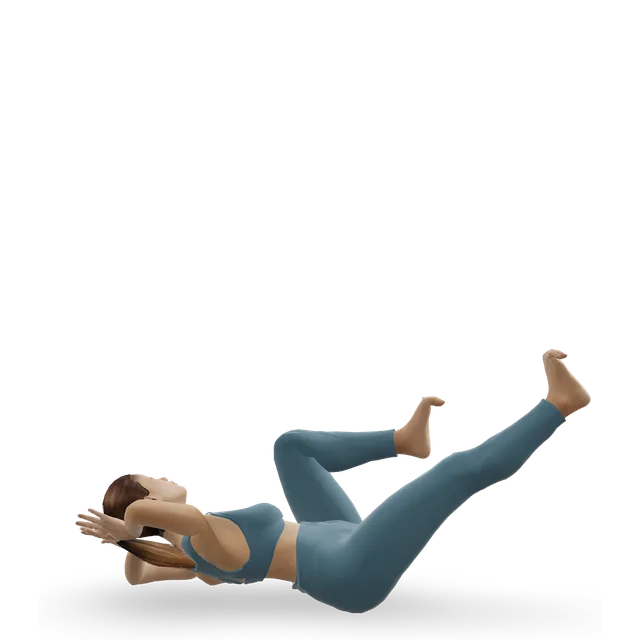
The criss-cross, side planks and the dead bug work the obliques hard, and the hundred and roll-up switch on the deep tummy muscle while you do them. Pilates counts towards your two strength days a week.

Sources 14, 15, 16, 17

Pilates is very unlikely to make your waist wider, and waist trainers don't make it smaller

The side muscles grow by millimetres, not centimetres, and no study has measured the waist after side bends (our reading). No trial shows a waist trainer gives a lasting smaller waist, and tight compression can make reflux worse.

Sources 18, 19, 20, 21, 22

What sets your waist size

Five things set the number on the tape, and exercise can change two of them. Our guide to a smaller waist sets out the anatomy in full.

Fat under the skin and around the organs

The fat you can pinch sits under the skin; visceral fat sits deeper, around the organs inside your tummy. With every weight-loss method studied (diet and exercise, medicines and surgery), the two fell together: "Visceral fat loss is linked to subcutaneous fat loss." That's why no move, and no Pilates class, picks which fat goes or where it goes from. Our Pilates for belly fat guide covers the two kinds.

Source 4

The muscles of your waist

The external and internal obliques run diagonally round your sides, the transversus abdominis lies deepest and wraps your trunk like a belt, and the rectus abdominis (the six-pack) runs down the front. Pilates calls the trunk the powerhouse. Its side and twisting moves load the obliques: one teaching platform's guide to the classical mat says the saw "will work the abdominals, obliques, and back extensors" and the spine twist will "strengthen the obliques and back extensors".

Source 23

What's in your gut

Food, fluid and gas add to the tape, so your waist reads more after a meal or when you're bloated, sometimes by a few centimetres within a day. Our Pilates for bloating guide covers the gut side.

Your ribs and pelvis

The bottom of your ribcage and the top of your pelvis set the frame, and no exercise changes bone. An hourglass outline depends on your hips, your shoulders and where your body keeps fat as much as on your waist (our reading, as our guide to a smaller waist explains).

How you stand

In 48 women with a median age of 60, the Pilates stance (drawing the tummy in and up) gave a waist up to 5.2 cm smaller than the usual clinical stance, and the authors recommend the clinical stance for repeated measuring. The World Health Organization (WHO) notes that "increasing the tension (by sucking in) reduces waist circumference". A before and after in two different stances measures posture, not fat.

Sources 9, 24

Where people differ

Where your body stores fat is partly inherited and partly set by sex and age; around the menopause, fat tends to move towards the middle. After a pregnancy, your tummy can stay rounder for months, as the NHS post-pregnancy body page explains, and our Pilates for diastasis recti guide covers the gap between the six-pack muscles.

Sources 25, 26, 27

Why no Pilates move narrows your waist

Training one area doesn't take fat off itStrong evidence

Across 13 controlled studies of 1,158 people aged 14 to 71, training one limb against the other: "spot reduction was not observed". The review pooled limb studies, not trunk exercise, but nothing suggests the trunk behaves differently (our reading). And whichever way fat is lost, "No intervention preferentially targets visceral fat."

Sources 1, 4

Ab exercises didn't shrink the waistEmerging evidence

In 24 inactive adults, 7 ab exercises 5 days a week for 6 weeks, with diet held steady, changed neither the waist nor the fat over the tummy, though the curl-up test improved. In 40 women on a diet, adding 12 weeks of ab resistance training "did not reduce abdominal subcutaneous fat thickness compared to diet alone". Both trials were small.

Sources 2, 3

The trunk trial that reported spot reduction found the same waist change with runningEmerging evidence

In 16 men, torso rotations and crunches plus treadmill running took a little more fat off the trunk on a DXA (dual-energy X-ray absorptiometry) scan than running alone, but the sessions lasted almost twice as long, and "Waist circumference also decreased in both groups", by about 5 cm, "with no difference between the groups present." A circuit study's local result came from one group of 14 people.

Sources 28, 29

No Pilates study of fat at the sides of the waist

Our search found no Pilates trial that measured fat at the sides of the waist, or deep belly fat on a CT (computed tomography) or MRI (magnetic resonance imaging) scan.

Source 30

What the evidence says: Pilates and the waist

The Pilates waist results rest on a few small trials, many in journals few researchers read, and on body-fat scales that scans often don't confirm.

Two reviews: no significant change in waist sizeEmerging evidence

In adults with overweight or obesity, 11 trials (393 adults) found Pilates lowered weight by about 2.4 kg against no exercise, mostly in programmes longer than 10 weeks, but "Pilates has no significant effect on waist circumference" (about 2.7 cm less, from 2 small trials of 8 weeks). In adult women, the newest review found "the pooled analysis did not show a statistically significant effect of Pilates on waist circumference" (about 3.6 cm less, from 3 studies and 101 women), and no effect on waist-to-hip ratio.

Sources 5, 6

The trials behind those numbers are weakMixed evidence

Read in full, one of the newer review's waist trials reports an 8.45 kg weight loss in 8 weeks of Pilates with no diet described, and another, with 12 women a group, found no significant waist difference and contradicts itself on changes within the groups. Of 27 meta-analyses of Pilates, 25 were rated low or critically low quality.

Sources 31, 32, 8

Against walking or weights, about the sameEmerging evidence

In 44 adults with overweight doing 3 hours a week for 8 weeks with no change to their diet, the waist fell by 2.6% with Pilates and 3.3% with walking, and "There was no difference in body composition between groups". A Pilates circuit and a weights circuit changed the waist-to-hip ratio about equally in 18 women. Across 10 studies, mat Pilates was no better than other exercise or no exercise for body mass index (BMI), body fat or the waist.

Sources 7, 33, 34

Scans against scalesEmerging evidence

In 19 Pilates-trained women, 10 weeks of reformer and Cadillac classes moved the waist by an amount that only approached significance, and a bioimpedance scale showed fat loss that the DXA scan didn't. A reformer trial in 47 women with overweight measured body fat with a bioimpedance scale and didn't measure the waist. Many reports of Pilates burning fat rest on such scales (our reading).

Sources 35, 36

Recent trials add no clear waist effectMixed evidence

In 90 women with prediabetes or type 2 diabetes, "No significant between-group differences were found in metabolic or body composition outcomes." Twice-weekly Pilates or yoga for 8 weeks didn't change body composition, which the authors put down to the low amount of exercise. One trial after breast cancer reported a large waist fall with mat Pilates that fell in the comparison group too and had come back at follow-up.

Sources 37, 38, 39

After a birthMixed evidence

In 35 first-time mothers about 6 months after the birth, 4 weeks of Pilates 5 days a week narrowed the gap between the six-pack muscles and the waist a little against no exercise, in a trial that doesn't describe its allocation as random. Our Pilates for diastasis recti guide covers this.

Source 40

Your obliques and deep core: what Pilates does build

These are mostly single lab sessions: they show which moves use the muscles, not what changes over weeks or what happens to the fat over them.

Which Pilates moves work the obliquesEmerging evidence

In 32 beginners, "The criss-cross exercise presented the highest values of root mean square for trunk flexors (rectus abdominis and oblique) compared with the other exercises, followed by the single leg stretch and the dead bug". A side bridge with a twist worked the outer oblique at 62.8% of its maximum in 25 adults. A Pilates roll-up worked the outer oblique about as hard as a curl-up, and Pilates ab moves worked the upper six-pack more than a crunch in 17 women.

Sources 14, 15, 41, 42

The deep corset muscle works during the move, not at restEmerging evidence

The hundred, roll-up and leg circle thickened the transversus abdominis and inner oblique on ultrasound in experienced practitioners, and of five Pilates moves in 44 women, the dead bug did so most. But in a pilot trial, "There were no changes in muscle thickness at rest or during functional postures.", and "Pilates training appears to increase TrA activity but only when performing Pilates exercises." (TrA is the transversus abdominis.) So it doesn't hold your waist in when you stop (our reading).

Sources 16, 43, 44

Pilates may grow the obliques a littleMixed evidence

In 9 inactive women on MRI, 36 weeks of twice-weekly Pilates grew the outer oblique on the dominant side by 8%, with no change on the other side and no control group. Small uncontrolled ultrasound studies report thicker side muscles after 8 weeks, a year of Pilates in 17 people showed no clear thickening, and twisting exercise added millimetres in 73 adults over 4 weeks.

Sources 18, 45, 46, 47

Big obliques come from years of hard sportEmerging evidence

Professional tennis players had "18% greater volume in the non-dominant than in the dominant OT" (OT is the outer oblique) on MRI: years of elite rotation, not a class twice a week.

Source 48

Can Pilates make your waist bigger or wider?

No study has measured it

Our searches found no study that measured waist size after oblique training, side planks or weighted side bends, and no scan study of ab training that measured the waist.

Sources 19, 49, 50

Very unlikely from ordinary Pilates (our reading)Emerging evidence

The muscle changes measured after Pilates or twisting are small: 8% of oblique volume on one side after 36 weeks, and millimetres on ultrasound. Whole-body activity moves the waist by centimetres. So ordinary Pilates is very unlikely to make a waist visibly wider; that's our reading of these studies, not a trial result. In one small study, trunk training grew trunk muscle with no change in body mass or body fat: a stronger trunk, not a bigger or smaller one.

Sources 18, 47, 11, 51

What else can make the tape read more

Weight going up for other reasons, bloating, measuring in a different stance, or a different spot on your tummy (our reading). "The protocol selected to measure waist circumference should be used consistently." A waist that keeps growing with no clear reason is a reason to see a GP (see the warning signs).

Sources 9, 10

What does shrink a waist, and how much

Aerobic activity, dose by doseStrong evidence

Across 116 trials of 6,880 adults with overweight or obesity, each extra 30 minutes a week of aerobic training took about 0.56 cm off the waist (high certainty), and "aerobic training exceeding 150 minutes per week at moderate intensity or greater may be needed to achieve clinically important reductions". Across 25 trials, regular aerobic exercise took about 3.2 cm off the waist, which "can occur with negligible weight loss". In 300 adults over 24 weeks, every exercise group lost about 4 cm more waist than people who didn't exercise, and harder or longer sessions added little.

Sources 11, 12, 52

Women and older adultsEmerging evidence

In 43 trials of women with overweight or obesity, moderate to vigorous aerobic training was the only kind of exercise that clearly beat no exercise for the waist (no trial in it tested Pilates). After the menopause, aerobic training took about 2 cm off the waist (moderate certainty); in older adults, about 2 cm, at the edge of significance.

Sources 53, 54, 55

Deep belly fat falls even when the scales don't moveStrong evidence

"In the absence of weight loss, exercise is related to 6.1% decrease in VAT, whilst diet showed virtually no change (1.1%)." (VAT is visceral fat.) Every main type of exercise cut visceral fat across 60 trials, and exercise cut belly fat under the skin by 9.1% and visceral fat by 7.1% in 12 trials. "Exercise-induced or diet-induced reductions in waist circumference are observed with or without weight loss."

Sources 13, 56, 57, 10

Eating a little lessStrong evidence

Eating less cut visceral fat more than exercise did across 40 trials, and both helped. NICE (the National Institute for Health and Care Excellence) encourages activity for people living with overweight or obesity even if they don't lose weight.

Sources 58, 59

Where Pilates fitsStrong evidence

The NHS lists Pilates among muscle-strengthening activities: adults should strengthen on at least 2 days a week, alongside at least 150 minutes of moderate activity. Pilates is light work for the heart, like a slow walk, so it counts towards your strength days rather than your brisk minutes, as our Pilates for love handles guide explains.

Sources 17, 60

Our practical starting point

Brisk activity on most days, building towards 150 minutes a week or more; Pilates twice a week as your strength days, with the side-body moves below; a little less to eat, without a restrictive diet, if you want to lose weight; and, if it suits you, a tape measure every few weeks. Expect the waist to change over months, with the rest of you, and partly not at all, because part of it is bone. This is our editorial plan, built on the sources above.

Sources 17, 11, 59

Your waist and your health

Keep your waist to less than half your height

NICE uses the waist-to-height ratio for adults with a BMI under 35: 0.4 to 0.49 means no increased health risks, 0.5 to 0.59 increased, and 0.6 or more further increased, with type 2 diabetes, high blood pressure and heart disease among the risks. The NHS says: "You should try to keep your waist size to less than half your height." Across 31 papers and more than 300,000 adults, the ratio picked out heart and metabolic risks a little better than BMI, and it worked in older adults too.

Sources 61, 62, 63, 64

A growing waist is the change to watchStrong evidence

In 72 cohorts of 2.5 million people, each 10 cm more waist went with an 11% higher death rate, after allowing for BMI. These are risks across large groups, not a verdict on any one body.

Sources 65, 66, 10

How to measure

Find the bottom of your ribs and the top of your hips, wrap the tape midway between them (just above your belly button), and "breathe out naturally before taking the measurement", as NICE says. The NHS adds: "Breathe out naturally, do not hold your tummy in and take your measurement." Some research measures at the top of the hip bone instead, so measure the same way each time.

Sources 61, 67, 24, 10

The waist cut-offs you may see

The WHO report's waist cut-offs (94 cm for men and 80 cm for women for increased risk, and 102 cm and 88 cm for substantially increased risk) are for white European populations, and it lists 90 cm for South Asian, Chinese and Japanese men. NICE says people of South Asian, Chinese, other Asian, Middle Eastern, Black African or African-Caribbean background carry more risk at a lower BMI.

Sources 24, 61

Measuring isn't for everyone

NICE asks professionals to explain these risks "in an inclusive and non-stigmatising way". The NHS calculator isn't for use if "you are pregnant" or if "you have been diagnosed with an eating disorder, or think you may have one". If measuring makes you anxious, leave the tape alone and go by how you feel and what you can do (our suggestion). Our waist-to-height ratio calculator does the sums.

Sources 61, 62

Waist trainers, corsets and stomach vacuums

No trial shows a waist trainer gives a lasting smaller waist

Our searches found no study of waist trainers or waist-training corsets that measured the waist after the garment comes off. The one randomised corset trial, after a very-low-calorie diet in 77 adults, couldn't be judged: "Compliance with corset was only 20% after three months."

Sources 68, 20, 21

A light garment trial run by its makerMixed evidence

A light compression garment plus eating goals gave 1.3 kg more weight loss over 12 weeks, with no significant waist difference, in a trial whose authors worked for the garment's maker. They add that its pressure "is minimal compared with that of a tight girdle or corset".

Source 69

What tight compression doesEmerging evidence

A tight belt made acid reflux "approximately 8-fold" more common in 14 people with reflux disease, and a compression binder pooled blood in the legs when lying down in 25 healthy adults. Serious harm is rare and comes from single case reports: a blocked leg artery days after liposuction, and a bleed under the liver's capsule.

Sources 22, 70, 71, 72

After a birthEmerging evidence

A rigid belt or a tube bandage didn't close the gap between the six-pack muscles faster than expected natural healing, in a trial with no untreated group.

Source 73

Stomach vacuums and drawing inMixed evidence

Drawing in narrows the tape only while you hold it. A review of 5 hypopressive studies in healthy women reported smaller waists but concluded "we cannot recommend its practice due to the serious methodological problems", and in 13 trials of hypopressive techniques, 12 were at high risk of bias. Our search found no controlled trial showing a lasting change in resting waist size.

Sources 9, 74, 75, 76

The part that trims a waist: brisk activity

Brisk walk: 20 minutes, at a pace where you can talk but not sing, and marching on the spot: 2 minutes, to warm up (both our walk and Pilates workout); step jack, with no jumping: 30 to 45 seconds within a circuit, 2 to 3 rounds (from the move page's dose).

Breathe, then switch on your deep tummy muscle

Lateral breathing: 5 to 8 breaths at the start of every session; knee fold: 2 sets of 5 to 10 each side, every other day (both from the move pages' doses), head down and pelvis still; dead bug heel taps: 6 each side (our Pilates for back pain class).

The front of your trunk

Hundred: 50 beats to start, building to 100 (the classical count); chest lift: 8 to 10 reps; single-leg stretch: 6 to 10 each side (all from the move pages' doses). Keep your head down with osteoporosis or a sore neck.

Twisting, for your obliques (for strength, not fat loss)

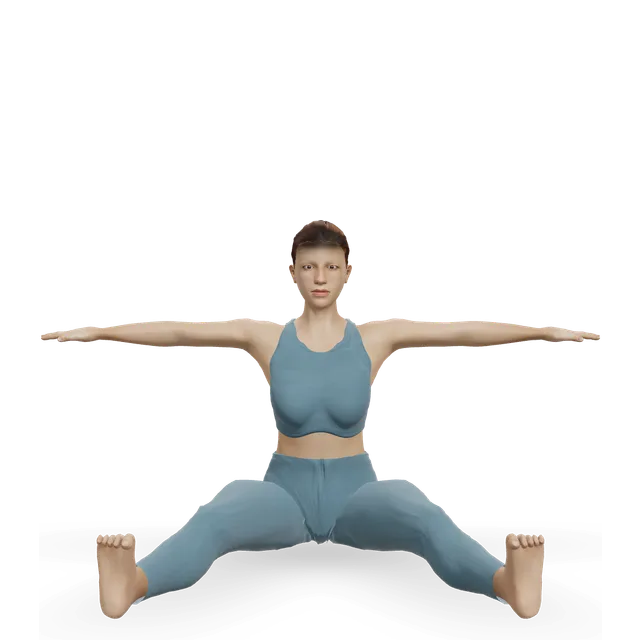
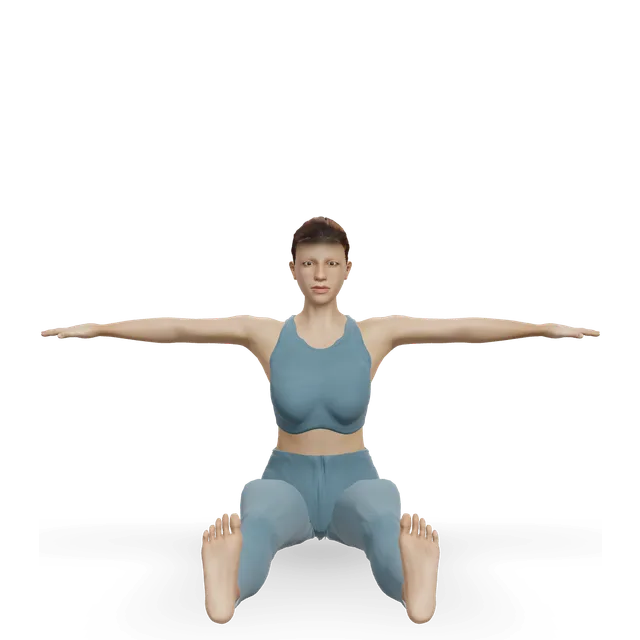
Criss-cross: 6 each side, slowly; saw: 3 to 4 each side, twisting without rounding if you have osteoporosis; spine twist: 3 to 4 each side (the classical sequence uses 3) (all from the move pages' doses); open book, the gentle twist, lying down: "8 to 10 slow openings each side, pausing 2 seconds at the end (our editorial starting point); ACE suggests 5 to 10." (the move page's dose; ACE is the American Council on Exercise).

Side bends and side holds (for strength, not fat loss)

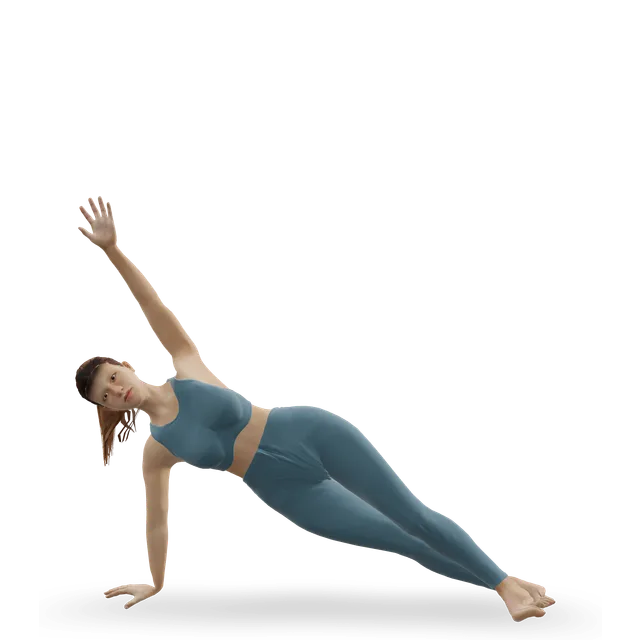
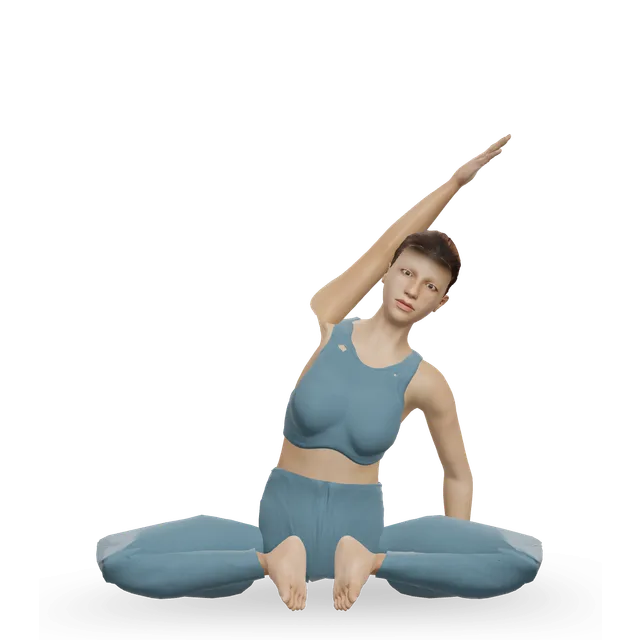
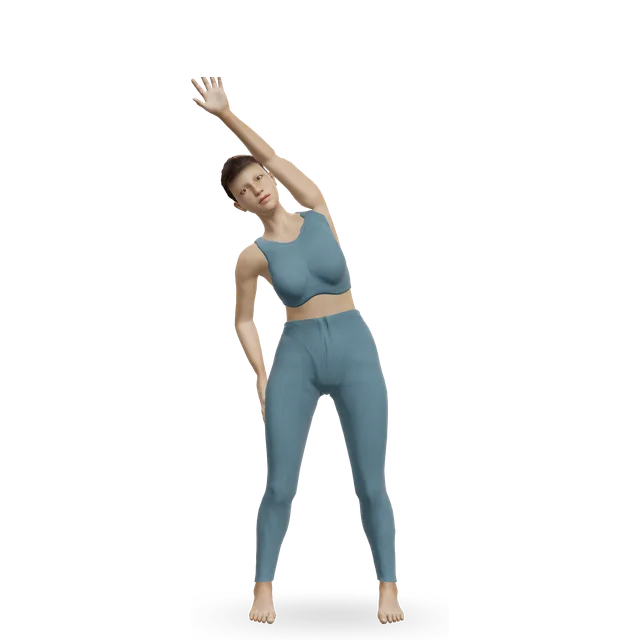
Knee side plank: 2 holds of 20 s each side (our Pilates for golfers class); side plank: 15 to 40 s each side, easier on your knees (our oblique workout); side bend: 3 to 5 each side (the classical sequence uses 3), once a 20-second side plank feels steady; mermaid: 3 each direction, each side (both from the move pages' doses); overhead side bend: 3 slow bends per side, exhale into each (the move page's dose).

The whole trunk, held

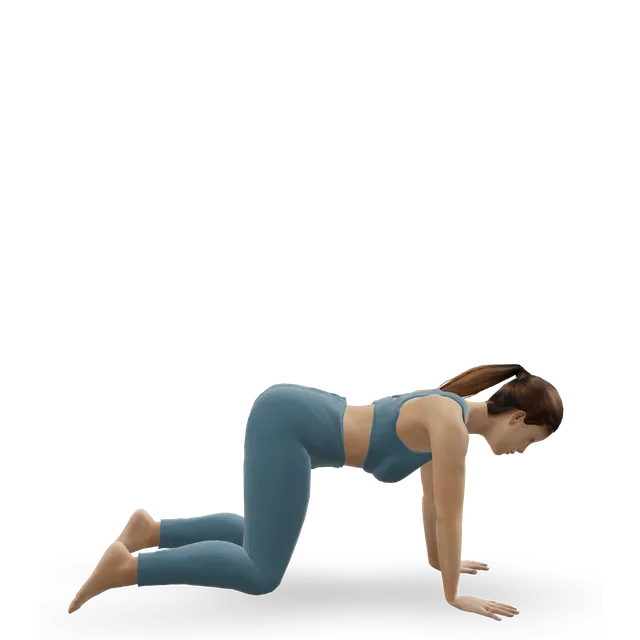
Forearm plank: 30 s (our 10-minute Pilates abs class); bird dog: 6 each side (our Pilates for posture class); knee hover: 3 holds of 15 to 30 seconds (from the move page's dose), on fists or forearms for sore wrists.

Outside Pilates: a trunk that resists turning and leaning

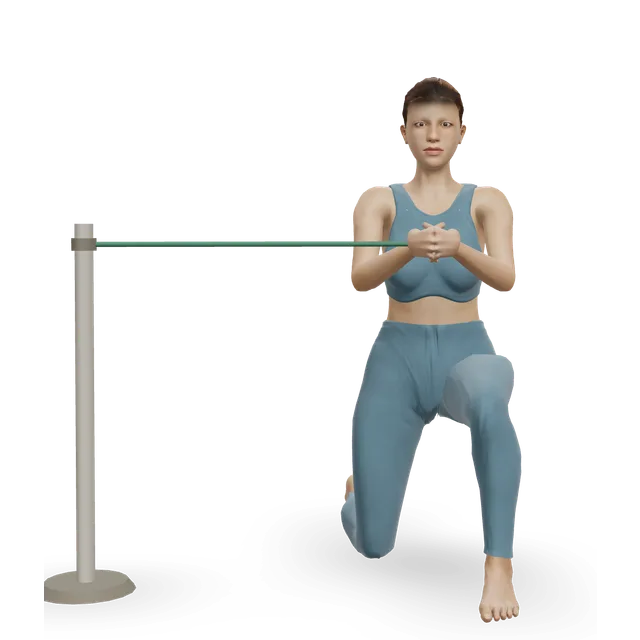
Pallof press: 10 each side, and suitcase carry: 20 m each hand (both our oblique workout), for when you want your side muscles to hold you steady against a pull.

Change or leave out

Our suggestions, unless a source is given.

Stomach vacuums and waist trainers

There's no good evidence that either gives you a smaller waist, as our guide to a smaller waist explains.

A corset during Pilates also stops your trunk muscles doing the work the class is for (our reading).

Weighted side bends and weighted, fast or forceful twists

None is needed here. Weighted side bends neither widen nor slim the waist in ordinary training, and no study has measured it; keep twists slow and comfortable (our suggestion).

With osteoporosis, leave out the weight in the Russian twist and twist only as far as is comfortable; after a spinal fracture, ask a physiotherapist first.

The corkscrew, hip twist and boomerang

These advanced classical moves carry neck, osteoporosis and hip replacement cautions on their move pages. Leave them to our classical mat exercises guide (our suggestion).

Holding your breath in side planks and side bends

Breathe out as you lift, and don't hold your breath.

Reformer trunk work

The reformer's short box series twists and side bends against the springs. It has no 3D demo here; our reformer Pilates guide describes it (our suggestion).

A week that works

Our editorial plan, built from the NHS activity and strength guidelines, the aerobic dose trials and NICE's advice on activity, and the same week our Pilates for love handles guide gives. It's a starting point, not a prescription.

  1. On most days, walk briskly or do other activity you enjoy, at a pace where you can talk but not sing. Start with what you can do, even 10 minutes, and build towards 150 minutes a week or more.
  2. Twice a week, do Pilates as your strength days: our walk and Pilates workout, or the full-body mat class with the side-body moves above.
  3. If you enjoy it, add one short trunk session: our 10-minute Pilates abs class or our Pilates for golfers class.
  4. If you want to lose weight, eat a little less, without a restrictive diet.
  5. If it suits you, measure your waist every few weeks, standing normally and breathing out, as the NHS describes. Judge by months, not days. If measuring makes you anxious, leave it.

See the movement on the 3D figure: Treadmill walking

Classes to follow

There's no waist class on purpose: no set of moves narrows a waist. Start with the walk and Pilates workout, a brisk walk for your waist and then Pilates for strength; its tips add that in an 8-week trial the waist shrank by about 3 cm with Pilates or walking while the scales barely moved. The abs and golfers classes hold the side-body moves, the oblique workout and the strength workout add load, and the plus-size, chair and postnatal classes are other ways in.

Walk and Pilates workout

A 45-minute session for weight loss and health: a 20-minute brisk walk, which does more for the scales, then a short-rest Pilates circuit for strength.

45 minBeginner11 movesCardio machine

10-minute Pilates abs

Ten minutes of the classic Pilates abdominal series: the hundred, the roll-up and the series of five, with a plank to finish.

10 minIntermediate11 movesNo equipment

Rotation-focused Pilates for golfers: a 25-minute mat and standing class

A 25-minute Pilates class for golfers: upper-back and hip rotation, trunk control, side-hip strength and one-leg balance, done equally on both sides.

25 minBeginner19 movesWall

Oblique workout: side planks, Pallof presses, carries and Russian twists

A 25-minute oblique workout at home: side planks, a band Pallof press and a suitcase carry to hold your trunk steady, then slow Russian twists and side-lying crunches.

25 minIntermediate8 movesBand, anchor point

Pilates strength workout: a 30-minute class with weights or a band

A 30-minute Pilates strength class with dumbbells or a band: Pilates trunk work plus squats, lunges, rows and push-ups, each set taken until it is hard.

30 minIntermediate15 movesDumbbell, band

Full-body mat Pilates workout

A 30-minute intermediate mat Pilates class that follows the classical order, from the hundred to the push-up, with prep versions of the hardest moves.

30 minIntermediate22 movesNo equipment

Core strength workout: one move for each job your trunk does

A 25-minute core strength workout: planks or rollouts, side planks, a band Pallof press, bird dogs, curl-ups and a carry, each with an easier and a harder step.

25 minBeginner11 movesAb wheel, band

Low-impact cardio workout (no jumping)

A 25-minute standing cardio circuit with no jumping: marching, step jacks, sit-to-stands, punches, step-ups and wall push-ups, with a seated option for most moves.

25 minBeginner9 movesBench or box, step
Show all 11 workoutsShow fewer workouts

Plans

The walking plan builds up to 150 minutes a week over 8 weeks; the weight loss plan mixes strength and cardio; the 4-week Pilates plan and the wall Pilates challenge are gentle ways to start. None promises a new shape.

When your shape becomes a worry

Waist searches are often body worries as much as fitness questions. Your waist isn't a problem to fix.

Your waist is a health number, not a verdict

Health risk follows your waist compared with your height, not the look of your sides, and the UK Chief Medical Officers say activity improves physical health whatever your weight. Bodies come in many shapes.

Sources 61, 60

Signs of an eating disorder: see a GP

The NHS lists signs such as spending a lot of time worrying about your weight and body shape, exercising too much, and having very strict habits or routines around food. If that sounds like you, see a GP as soon as you can. You can also talk in confidence to the eating disorder charity Beat: 0808 801 0677 (England), 0808 801 0432 (Scotland), 0808 801 0433 (Wales) or 0808 801 0434 (Northern Ireland), 3pm to 8pm, Monday to Friday.

Sources 77, 78

Worrying a lot about one area of your body

If you worry a lot about one area of your body, spend a lot of time comparing your looks with other people's, or check or avoid mirrors, it can be body dysmorphic disorder (BDD). The NHS says "You should see a GP if you think you might have BDD." You can also refer yourself to NHS talking therapies (our suggestion, from the NHS page).

Source 79

Yoga and Pilates don't protect against itEmerging evidence

In a survey of 2,287 young adults, women who did yoga or Pilates had disordered eating as often as those who didn't, and men who did them reported more extreme weight-control behaviours (18.6% against 6.8%). Set goals for strength, control and how you feel, not calories burned.

Source 80

Who should change what

Living with a higher weight

Start where you're comfortable: chair, wall and standing versions all count. Our Pilates for plus-size bodies guide covers getting up and down from the floor and the equipment that helps.

Pregnancy

Ask your midwife or doctor first. From the end of the first trimester, keep moves on your back short, prop your upper body up, or switch to side-lying, all-fours or standing versions, as our walk and Pilates workout says.

In pregnancy, after the first trimester, keep time flat on your back to a few minutes: prop your upper body up, or use a side-lying or all-fours version.

After a birth, or a tummy gap

The look of your tummy after pregnancy isn't only fat, as the NHS post-pregnancy body page explains. Follow our Pilates for diastasis recti and postnatal Pilates guides, and stop the criss-cross or wall hundred if your tummy domes, as their pages say.

Source 27

Osteoporosis

Keep your head down in the hundred and single-leg stretch, as our walk and Pilates workout advises, or choose the dead bug, bird dog and planks instead of the curl-up moves. Our Pilates for osteoporosis guide has more.

With osteoporosis, leave out the weight in the Russian twist and twist only as far as is comfortable; after a spinal fracture, ask a physiotherapist first.

Back pain, as our Pilates for golfers class says

With back pain, nothing is banned: keep pain mild and settling, and let your tummy stay relaxed rather than braced.

A hernia

With a hernia, stop any move that makes it hurt or bulge, and see a GP if you think you have one.

Source 81

Holding your breath

Breathe out as you lift, and don't hold your breath.

Warning signs: when to get help

These are the warning signs from our smaller waist, love handles and Pilates guides, word for word, apart from the two lines marked as our suggestion. This is general information, not a diagnosis. A&E means accident and emergency; in the US, call 911 for 999, and use your doctor's urgent line or urgent care for NHS 111.

Chest pain or fainting while exercising: call 999

Call 999 if:

  • You get sudden pain or discomfort in your chest that doesn't go away; it can feel like squeezing or pressure, burning or indigestion.
  • The pain spreads to your left or right arm, or your neck, jaw, stomach or back.
  • You have chest pain and feel sweaty, sick, light-headed or short of breath.
  • Someone faints while exercising, can't be woken within 1 minute, or has chest pain or a pounding, fluttering or irregular heartbeat.

Sources 82, 83, 84

Unusual breathlessness

Call 999 or go to A&E (accident and emergency) straight away for severe difficulty breathing (gasping, choking or not able to get words out), a chest that feels tight or heavy, pain that spreads to your arms, back, neck and jaw, lips or skin turning very pale, blue or grey, or sudden confusion. If you're more short of breath than usual, or your heart is racing, fluttering or skipping beats, contact NHS 111.

Source 85

Bloating: call 999

If you have bloating with a swollen stomach and a stomach ache that is severe and came on very suddenly, you're vomiting blood or your vomit looks like ground coffee, or you have severe difficulty breathing. Don't drive yourself to A&E. During exercise, stop and get help for chest pain or pressure, unusual breathlessness, dizziness or fainting, as our plans advise.

Source 86

Bloating: urgent GP appointment or NHS 111

If you have bloating with being sick, diarrhoea or constipation, or with a stomach ache; a high temperature, or you feel hot, cold or shivery; a swelling or lump in your tummy; a burning feeling in your chest caused by stomach acid travelling up towards your throat (acid reflux); or you can't pee, poo or fart. In the US, contact your doctor or urgent care.

Source 86

A painful bulge: call NHS 111 or get an urgent GP appointment

For a bulge in your groin or tummy that is painful, or comes with a swollen tummy, being sick or constipation, as our guide to exercise for men explains. In the US, contact your doctor or urgent care.

Source 81

Bloating: see a GP

If you feel bloated regularly, or have bloating with weight loss you can't explain or blood in your poo: the NHS says bloating that doesn't go away can sometimes be a sign of something more serious, such as ovarian cancer.

Source 86

Losing weight without trying

If you're losing weight without trying, see a GP: the NHS says it "can be a sign of stress or a serious illness" (our suggestion, from the NHS page).

Source 87

Gaining weight you can't explain, in the NHS's words

The NHS lists health conditions that cause weight gain, such as an underactive thyroid, Cushing's syndrome and PMOS (polyendocrine metabolic ovarian syndrome, the new name for polycystic ovary syndrome), and "certain medicines including some steroids, antidepressants and beta blockers". It says: "Speak to a GP for advice if you have a condition that makes it harder to stay a healthy weight." Don't stop a medicine without talking to your doctor (our suggestion).

Source 88

Help to lose weight

The NHS suggests seeing a GP if your BMI is in the overweight or obese range and you want help to lose weight, your waist is more than half your height, or you have conditions such as diabetes, high blood pressure or sleep apnoea.

Source 88

Medicines for diabetes or weight loss

If you take insulin or a sulfonylurea, exercise can bring on a hypo: see our type 2 diabetes guide. If you're on weight loss injections, see the exercise advice in our exercise for weight loss guide.

Heartburn

See a GP if lifestyle changes and pharmacy medicines aren't helping, you have heartburn most days, or you also have food getting stuck in your throat, are often sick or are losing weight for no reason (our suggestion, from the NHS).

Source 89

Waist trainers and tight garments

Take off a waist trainer or tight garment, and don't wear it again, if it brings on more reflux or heartburn than usual, makes breathing harder, or brings swelling, coldness, numbness or pain in your legs (our suggestion, from a small study of tight belts and reflux, a study of compression binders and a case report).

Sources 22, 70, 71

A heart condition

If you have a heart condition, follow your cardiac team's advice on how hard to work, and stop for the warning signs above. People with long-term conditions may wish to ask their specialist before starting. With uncontrolled high blood pressure, avoid straining against a held breath; the high blood pressure guide has more.

Older adults

See your GP first if you get chest pain, breathlessness or dizziness when you are active, if you have a heart condition and want to exercise harder, or if you have had a fall.

Source 90

Stop the session if

You feel any pain or become unwell, as the NHS advises for its Pilates videos, and especially for chest pain or pressure, unusual breathlessness, dizziness or fainting. If you have a health problem, an injury or any symptoms, get advice from a healthcare professional, such as a GP, before you start.

Source 91

Before you start

The NHS advises getting advice from a healthcare professional first if you have a health problem, an injury or symptoms, or have recently had a heart attack or an operation.

If you have a heart, lung or joint condition, are pregnant or have recently been unwell, start gently and read our guide for your condition. Muscle soreness for a day or two after a new exercise is common and fades as you repeat it.

Source 91

Myths

"Pilates gives you a tiny, snatched or hourglass waist"Strong evidence

No move takes fat off one place, in 13 controlled studies, and in Pilates trials the waist didn't change significantly. Part of your waist is your ribs and pelvis. What Pilates gives is a stronger trunk; the waist changes, if it does, with the rest of you.

Sources 1, 5, 6

"Twists, side bends and the criss-cross burn waist fat"Strong evidence

Ab exercises 5 days a week for 6 weeks changed neither the waist nor the fat above the hip bone. The idea that the obliques need targeting to burn waist fat is spot reduction, which the trials don't support.

Sources 2, 1, 4

"Waist trainers shrink your waist"Emerging evidence

No trial has measured the waist after the garment comes off, the one randomised corset trial couldn't be judged because only 20% kept wearing it, tight compression made reflux about 8 times more common in a small study, and serious harm is rare but reported.

Sources 20, 21, 22, 71

"Side bends make your waist wider"

No study has measured it. The muscle changes measured after Pilates are small (8% of oblique volume on one side after 36 weeks), while the waist moves by centimetres with whole-body activity, so visible widening from ordinary Pilates is very unlikely (our reading).

Sources 19, 18, 11

"Pilates trains a deep corset muscle that pulls your waist in for good"Emerging evidence

The deep tummy muscle works harder during Pilates moves, but its thickness at rest didn't change in a pilot trial, and drawing in narrows the tape only while you hold it.

Sources 44, 9

"Stomach vacuums give you a smaller waist"Mixed evidence

Not shown: the reviews found few studies, mostly at high risk of bias, and couldn't recommend hypopressive exercise.

Sources 74, 75

"Reformer Pilates melts your waist"Emerging evidence

The reformer trial in women with overweight measured weight and a bioimpedance scale, not the waist, and the reviews found no significant waist change from Pilates of any kind. Reformer classes are good strength work.

Sources 36, 5, 6

"If the tape doesn't move, Pilates isn't working"Emerging evidence

Pilates builds trunk strength and endurance and counts as muscle-strengthening activity. Waist and weight can change separately, and part of the waist won't change at all. Judge by months, by what you can do, and by how you feel.

Sources 17, 10

Questions people ask

Can Pilates give you a smaller waist?

Not from one spot: no exercise takes fat off the part of the body it works. In Pilates trials the waist changed by a few centimetres at most, not significantly in the reviews, and about as much as with walking. A waist gets smaller, if it does, with the rest of you, through moving more and eating a little less.

What are the best Pilates exercises for the waist?

For the muscles of the waist: the criss-cross, side planks and the side bend for the obliques, the saw and spine twist for turning, and the dead bug and hundred for the deep tummy muscle. They make your trunk stronger; they don't burn the fat over it. For the waist measurement itself, brisk walking or other aerobic activity does the most.

Can Pilates make your waist bigger or wider?

Very unlikely: the side muscles grow only a little with Pilates, about 8% on one side after 9 months in one small scan study, and no study has found a wider waist from side bends. If your waist reads bigger, check you measured the same way, relaxed and breathing out, and think of bloating or weight gain first.

How long does Pilates take to change your waist?

In trials of brisk activity, the waist fell by about 3 cm over a few months, and by about 4 cm more than in people who didn't exercise after 24 weeks of regular exercise. Pilates on its own changed it less reliably. Judge by months, not days; nothing safe works in a week.

Does Pilates work the obliques?

Yes: in a lab study the criss-cross gave the highest trunk-muscle activity of the Pilates moves tested, and the saw, spine twist and side bend are taught for the obliques. Side planks worked them hard too.

Is reformer or wall Pilates better for the waist?

Neither has been shown to shrink it: the reformer trial in women with overweight didn't measure the waist, and no wall Pilates trial has. Choose the one you'll keep doing, and add brisk activity for the waist.

Should I wear a waist trainer for Pilates?

No: no trial shows a waist trainer gives a lasting smaller waist, tight compression can make reflux worse, and it stops your trunk muscles doing the work. Take one off and don't wear it again if it brings on reflux, breathing trouble, swollen legs or sore skin.

Do stomach vacuums make your waist smaller?

Drawing in narrows the tape only while you hold it. Reviews of hypopressive exercise found low-quality studies and couldn't recommend it. The deep tummy muscle works during Pilates moves, not as a permanent corset.

Can Pilates give me an hourglass figure?

It can't change the bones of your ribs and pelvis or where your body stores fat. It can make the muscles of your trunk, hips and shoulders stronger. Bodies come in many shapes, and no exercise promises one.

How do I measure my waist?

Find your lowest rib and the top of your hip bone, wrap the tape midway between them (just above the belly button), and breathe out naturally before you read it, as NICE says. Don't hold your tummy in: the Pilates stance can read up to 5 cm smaller. Measure the same way each time.

What waist size is healthy?

NICE suggests keeping your waist to less than half your height: a ratio of 0.5 to 0.59 means increased health risk and 0.6 or more further increased. It's a guide to health, not a judgement of your body. The NHS calculator isn't for use in pregnancy or with an eating disorder.

Is Pilates enough on its own for a smaller waist?

Probably not: Pilates is light work, and what moved the waist in trials was 150 minutes a week or more of brisk activity, with eating a little less. Pilates still earns its place as your strength work twice a week.

Sources

  1. Ramírez-Campillo 2022 · Spot reduction: 13 controlled studies of training one body part (systematic review and meta-analysis, Hum Mov; read in full)
  2. Vispute 2011 · Ab exercises and belly fat in 24 adults (trial, J Strength Cond Res)
  3. Kordi 2015 · Ab resistance training on top of a diet, and belly fat on ultrasound, in 40 women (randomised trial, J Manipulative Physiol Ther)
  4. Merlotti 2017 · Fat under the skin and around the organs with diet, exercise, medicines and surgery (review and meta-analysis, Int J Obes)
  5. Wang 2021 · Pilates for overweight or obesity: 11 trials, 393 adults (meta-analysis, Front Physiol; read in full)
  6. Bajčetić 2026 · Pilates and body composition, strength and balance in adult women: 12 studies (systematic review and meta-analysis, Sports; read in full)
  7. Rayes 2019 · Pilates against walking in 44 adults with overweight (trial, PeerJ; read in full)
  8. Xu 2023 · Pilates and health: 27 meta-analyses rated for quality (umbrella review, J Sci Med Sport)
  9. Dent 2024 · The Pilates stance and waist, height and back measurements in 48 women (study, J Bodyw Mov Ther)
  10. Ross 2020 · Waist circumference as a vital sign (consensus statement, Nat Rev Endocrinol; read in full)
  11. Jayedi 2024 · Aerobic exercise dose and waist: 116 trials, 6,880 adults (systematic review and dose-response meta-analysis, JAMA Netw Open; read in full)
  12. Armstrong 2022 · Aerobic exercise and waist in adults with overweight or obesity: 25 trials (systematic review and meta-analysis, Obes Rev; read in full)
  13. Verheggen 2016 · Exercise against a calorie-restricted diet and deep belly fat (systematic review and meta-analysis, Obes Rev)
  14. Pereira 2017 · Trunk muscle activity in intermediate Pilates mat exercises in 32 beginners (laboratory study, J Manipulative Physiol Ther)
  15. Youdas 2014 · Trunk and hip muscle activity in side-bridge exercises in 25 adults (laboratory study, Sports Health)
  16. Endleman 2008 · Deep tummy and inner oblique activity on ultrasound during Pilates exercises (laboratory study, Arch Phys Med Rehabil)
  17. NHS · Physical activity guidelines for adults aged 19 to 64
  18. Dorado 2012 · Thirty-six weeks of Pilates and the abdominal muscles on MRI in 9 women (uncontrolled study, Med Sci Sports Exerc)
  19. PubMed · Our search for oblique training, side planks or side bends and waist size (3 November 2026): 4 records, none with a waist result
  20. PubMed · Our narrower search for waist training, tight-lacing and fajas (3 November 2026): 74 records, no trial measuring the waist after the garment comes off
  21. Wikstrand 2010 · A very-low-calorie diet followed by a corset or not in 77 adults (randomised trial, Scand J Prim Health Care)
  22. Mitchell 2017 · A tight waist belt and acid reflux in 14 people with reflux disease (laboratory study, Gastroenterology)
  23. Pilates Anytime · The 34 Pilates mat exercises: names, order and descriptions (teaching platform)
  24. World Health Organization · Waist circumference and waist-hip ratio (expert consultation report, 2011)
  25. Malis 2005 · Heritability of fat distribution in young and older twins (twin study, Obes Res)
  26. Karastergiou 2012 · Sex differences in fat tissue: the biology of the pear shape (review, Biol Sex Differ; read in full)
  27. NHS · Your post-pregnancy body
  28. Brobakken 2023 · Trunk exercise plus running against running alone in 16 men (randomised trial, Physiol Rep; read in full)
  29. Paoli 2021 · A circuit with ab work and fat thickness in 14 adults (study, Int J Environ Res Public Health; read in full)
  30. PubMed · Our search for Pilates and the waist (3 November 2026): 32 records, none measuring deep belly fat on a scan or fat at the sides of the waist
  31. Hushmandi 2023 · Eight weeks of Pilates in middle-aged women with obesity (trial, Open Public Health J; read in full)
  32. Ceviz 2025 · Twelve weeks of mat Pilates in 24 inactive older women (randomised trial, Sustainable Welfare; read in full, with contradictory reporting)
  33. Oh 2026 · A Pilates circuit against a weights circuit in 18 middle-aged women (exploratory trial, J Funct Morphol Kinesiol)
  34. Cavina 2020 · Mat Pilates and body composition: 10 studies (systematic review and meta-analysis, J Phys Act Health)
  35. Karpouzi 2025 · Protein or placebo during 10 weeks of reformer and Cadillac Pilates, with body composition on DXA, in Pilates-trained women (randomised trial, J Int Soc Sports Nutr; read in full)
  36. Gökalp 2025 · Reformer Pilates in 47 women with overweight or obesity (randomised trial, Sci Rep; read in full)
  37. Uçgul 2026 · Pilates and activity advice in 90 women with prediabetes or type 2 diabetes (randomised trial, Physiother Theory Pract)
  38. Song 2026 · Eight weeks of Pilates or yoga in adults with stress (randomised trial, Phys Act Nutr)
  39. Boing 2026 · Mat Pilates against belly dance after breast cancer in 52 women (randomised trial, Maturitas)
  40. Lee 2023 · Pilates and the tummy gap, waist and ab endurance in 35 first-time mothers (controlled trial, allocation not described as random, BMC Womens Health; read in full)
  41. Rizza 2025 · Ab muscle activity in a curl-up and a Pilates roll-up (laboratory study, J Bodyw Mov Ther)
  42. Silva 2015 · Six-pack muscle activity in Pilates ab exercises and crunches in 17 women (laboratory study, J Bodyw Mov Ther)
  43. Tsartsapakis 2023 · Deep tummy muscle thickness on ultrasound in five Pilates moves in 44 women (laboratory study, J Funct Morphol Kinesiol)
  44. Critchley 2011 · Pilates or conventional exercise and the deep tummy muscles (pilot randomised trial, Man Ther)
  45. Giacomini 2016 · Pilates, breathing muscle strength and ab muscle thickness (uncontrolled study, J Bodyw Mov Ther)
  46. Gala-Alarcón 2018 · The ab wall and back muscles on ultrasound over a year of Pilates in 17 people (case series, J Manipulative Physiol Ther)
  47. Niewiadomy 2021 · Twisting exercise and ab muscle thickness in 73 adults (randomised trial, J Bodyw Mov Ther)
  48. Sanchis-Moysi 2013 · Side ab muscle size on MRI in professional tennis and football players (study, Sports Biomech)
  49. PubMed · Our search for ab muscle growth on MRI with ab training (3 November 2026): 0 records
  50. PubMed · Our search for trunk muscle growth with training (3 November 2026): 24 records, none measuring the waist
  51. Parkkola 1992 · Trunk muscles on MRI after training (study, Eur J Appl Physiol)
  52. Ross 2015 · Exercise amount and intensity and the waist in 300 adults over 24 weeks (randomised trial, Ann Intern Med)
  53. Song 2026 · Types of exercise and body composition in women with overweight or obesity: 43 trials (network meta-analysis, BMJ Open; read in full)
  54. Liu 2026 · Aerobic training and body composition after the menopause (dose-response meta-analysis, BMC Sports Sci Med Rehabil)
  55. Liu 2025 · Exercise and abdominal obesity in older adults (meta-analysis of randomised trials, Front Sports Act Living)
  56. Xu 2026 · Exercise types and doses for deep belly fat: 60 trials (network meta-analysis, BMC Sports Sci Med Rehabil)
  57. Igarashi 2025 · Exercise and belly fat under the skin and around the organs: 12 trials (meta-analysis, Obes Res Clin Pract)
  58. Recchia 2023 · Exercise and calorie restriction, dose by dose, and deep belly fat: 40 trials (meta-analysis, Br J Sports Med)
  59. NICE · Overweight and obesity management (NG246): physical activity and diet (updated January 2026)
  60. UK Chief Medical Officers · Physical activity guidelines (updated July 2026)
  61. NICE · Overweight and obesity management (NG246): identifying and assessing central adiposity (updated January 2026)
  62. NHS · Calculate your waist to height ratio
  63. Ashwell 2012 · Waist-to-height ratio against waist and BMI for heart and metabolic risk: 31 papers (systematic review and meta-analysis, Obes Rev)
  64. Chan 2024 · Waist-to-height ratio, waist and BMI in older adults: 17 studies (systematic review and meta-analysis, Curr Dev Nutr)
  65. Jayedi 2020 · Central fatness and risk of death: 72 cohort studies (systematic review and dose-response meta-analysis, BMJ)
  66. Wang 2024 · Changes in waist and other body measures and heart outcomes (dose-response meta-analysis, Int J Obes)
  67. NHS · Waist to height ratio calculator: how to measure your waist
  68. PubMed · Our search for corsets, shapewear and compression garments (3 November 2026): 264 records, no trial of waist training for waist size
  69. Kanda 2023 · A compression garment and eating goals for weight loss (randomised trial by the garment's maker, Healthcare; read in full, with its 2024 correction, which swapped two figure legends)
  70. Toft 2008 · The heart and breathing with an abdominal compression binder in 25 adults (laboratory study, Clin Physiol Funct Imaging)
  71. Ramcharan 2020 · A waist training corset and a blocked leg artery (case report, Cureus)
  72. Kumaraswamy 2020 · Tight-lacing, a faja corset and a bleed under the liver's capsule (case report, Cureus)
  73. Depledge 2023 · A tube bandage or rigid belt and the tummy gap after a birth (randomised trial, Musculoskelet Sci Pract)
  74. Martins Rodrigues 2024 · Hypopressive exercise in healthy women: 5 studies (systematic review, J Bodyw Mov Ther)
  75. Hernández-Lucas 2025 · Hypopressive techniques and the trunk: 13 trials (systematic review, Healthcare)
  76. PubMed · Our search for drawing in, stomach vacuums or hypopressives and the waist (3 November 2026): 9 records, none a controlled trial with a lasting change
  77. NHS · Eating disorders: overview
  78. Beat (the UK eating disorder charity) · Helplines
  79. NHS · Body dysmorphic disorder (BDD) (past its review date: reviewed October 2023, review due October 2026)
  80. Neumark-Sztainer 2011 · Yoga and Pilates, body image and disordered eating in 2,287 young adults (population survey, Int J Eat Disord)
  81. NHS · Hernia
  82. NHS · Chest pain (past its review date: reviewed August 2023, review due August 2026)
  83. NHS · Heart attack
  84. NHS · Fainting
  85. NHS · Shortness of breath
  86. NHS · Bloating
  87. NHS · Unintentional weight loss
  88. NHS · Overweight and obesity in adults
  89. NHS · Heartburn and acid reflux (past its review date: reviewed November 2023, review due November 2026)
  90. NHS · Physical activity guidelines for older adults
  91. NHS · Pilates video for beginners, with its safety advice

Exercise education, not a personal prescription, and clinical review of these guides is pending. If you are pregnant, have a health condition or have had recent surgery, check with a doctor, midwife or physiotherapist before starting, and stop for sharp or increasing pain. Health disclaimer.