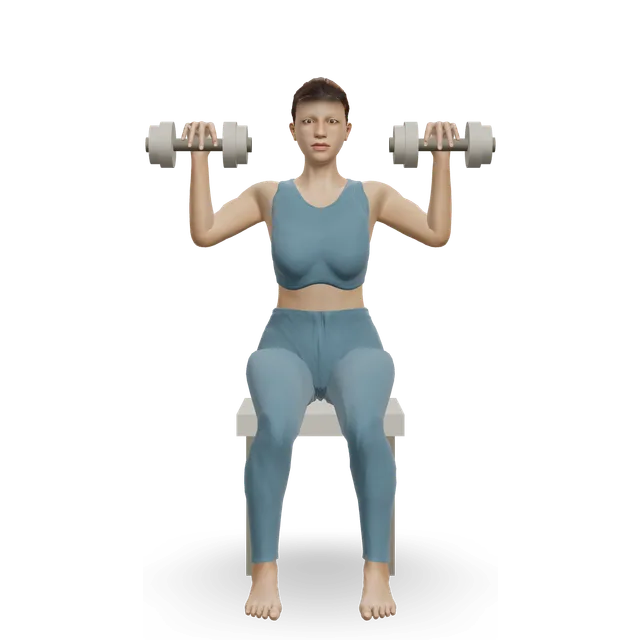
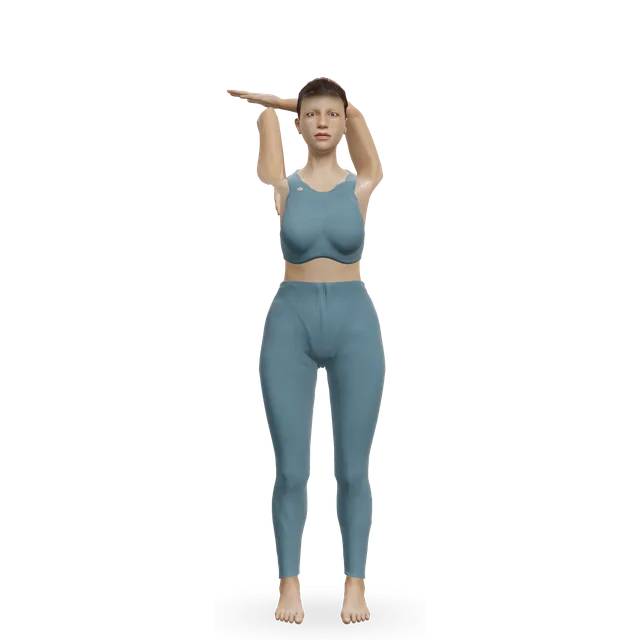
The coracobrachialis is a long, slender muscle high on the inner side of the upper arm. It runs from the coracoid, the bony hook at the front of the shoulder blade, where it shares a tendon with the short head of the biceps, to halfway down the inner side of the upper arm bone.
It pulls the arm forward and across the body, as in a hug or a cable fly, and helps steady the front of the shoulder. It doesn't cross the elbow, so it plays no part in a curl, but the nerve to the biceps runs through it, which matters for a rare nerve problem after heavy training.
Shaded: the biceps area. It marks the region, not the exact outline of the coracobrachialis.
Starts at (origin)
The tip of the bony hook at the front of the shoulder blade (the coracoid), in a shared tendon with the short head of the biceps.Tip of the coracoid process of the scapula (conjoined tendon with the short head of biceps brachii)
Attaches to (insertion)
Halfway down the inner side of the upper arm bone.Middle third of the medial shaft of the humerus
What it does
Pulls the arm across the front of the body: a hug, the closing half of a fly.Horizontal adduction of the shoulder
Helps lift the arm forward.Shoulder flexion
Pulls the arm in towards your side.Shoulder adduction
Helps steady the front of the shoulder when the arm is out to the side and turned out.Proposed anterior stabiliser of the shoulder joint
Nerve supply
Musculocutaneous nerve (C5 to C7), from the lateral cord of the brachial plexus. In most people the nerve passes through the muscle, entering it about 5 to 6 cm below the coracoid. In about 1 in 5 arms in one cadaver study, the lateral cord or the median nerve supplied it instead.
The only study to record its activity used surface EMG (electromyography, electrodes on the skin that record muscle activity). Pushing the arm across the body against resistance, elbow bent and palm down, worked it at about 37% of its maximum while the biceps worked at 4%. Signal from neighbouring muscles can't be ruled out with this method, and the finding has not been repeated.
In a computer model of 15 normal shoulders, its leverage for lifting the arm forward was small, about 1 cm.
In a Latarjet operation for repeated dislocation, the coracoid is moved with its tendons to the front of the socket; afterwards, models suggest, the coracobrachialis and short head of the biceps help hold the front of the joint. After a reverse shoulder replacement, its leverage for lifting the arm forward rose about two and a half times in a related modelling study.
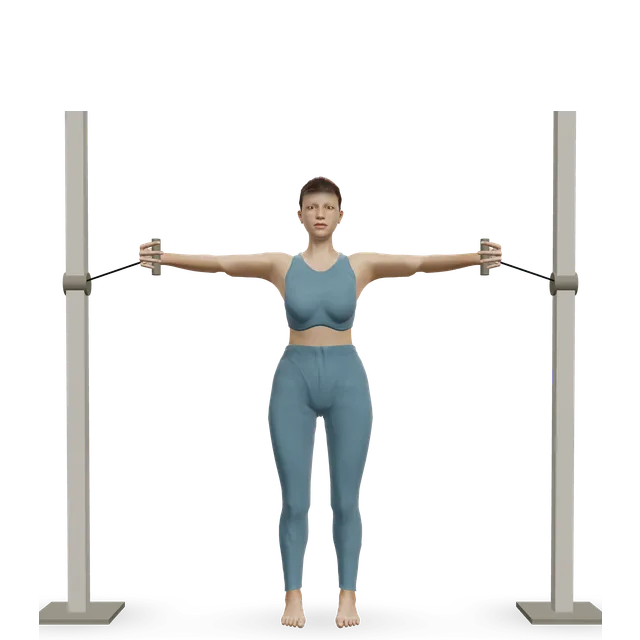
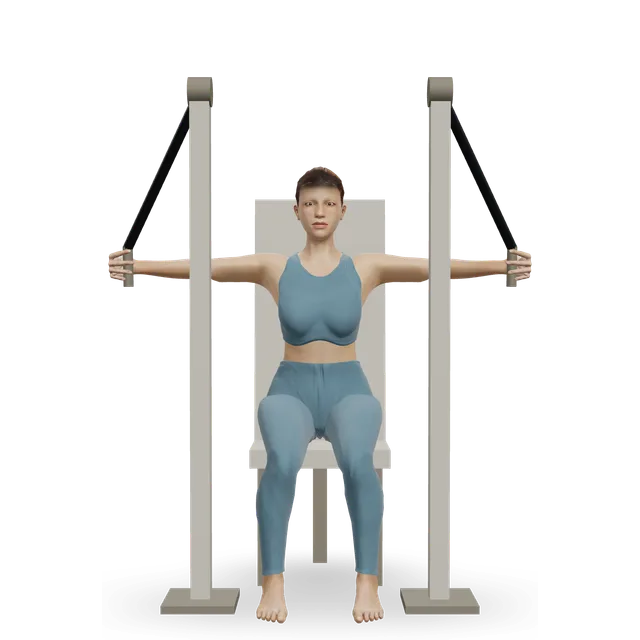
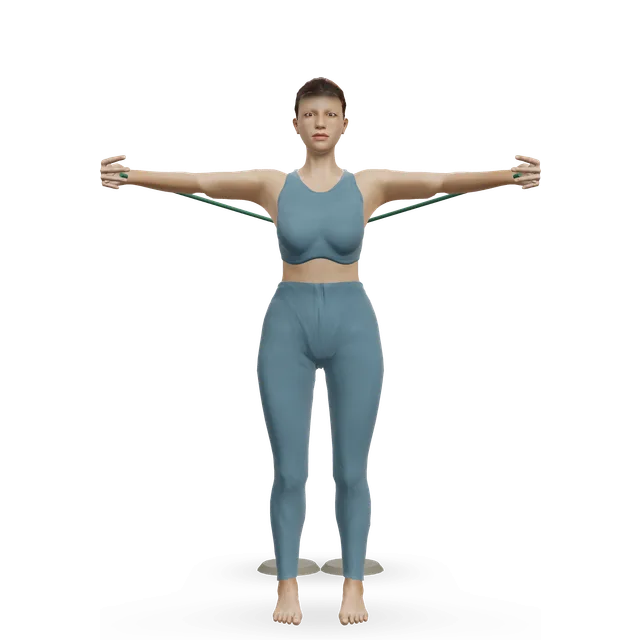
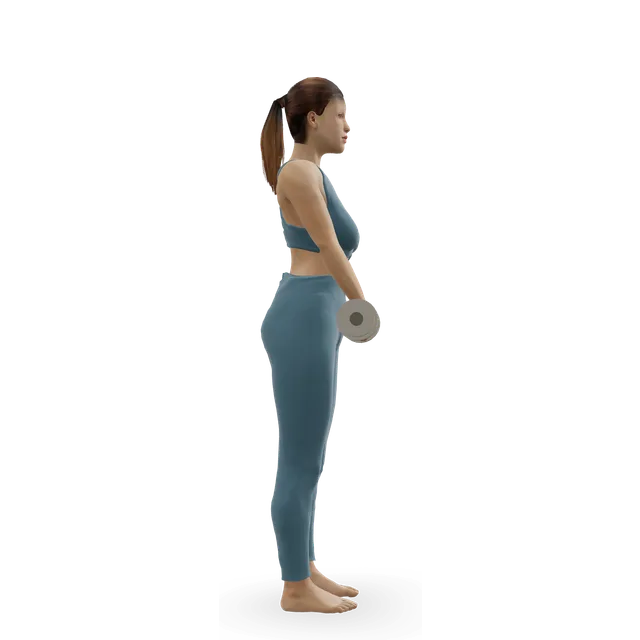
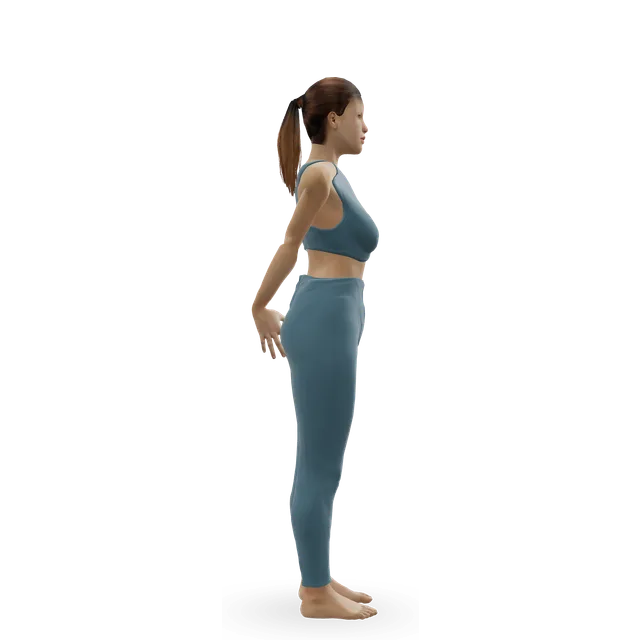
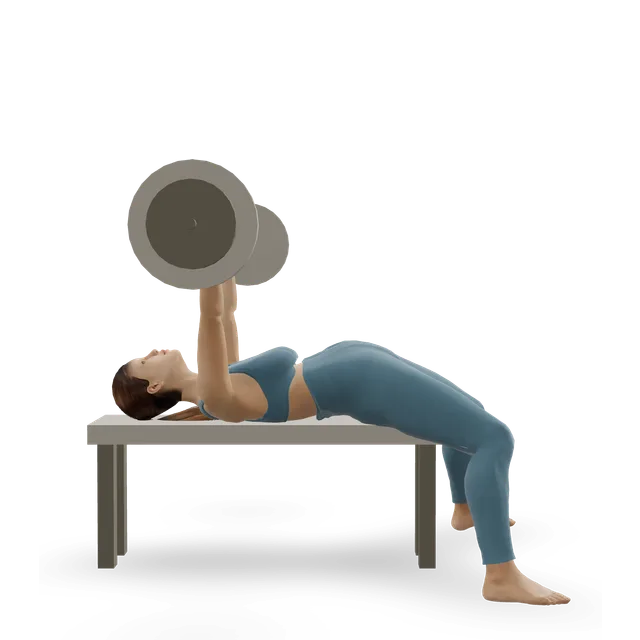
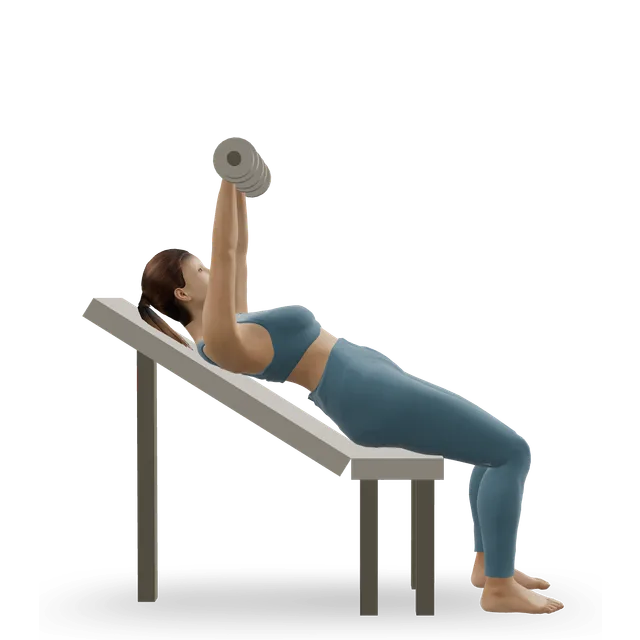
One surface EMG study, where signal from neighbouring muscles can't be ruled out, found it working hard when the arm was pushed across the body. The flys are the nearest matches to that test, not the same exercise, and the chest does most of their work; EMG shows activity, not growth. The front raise is chosen from its action, though its leverage there is small.
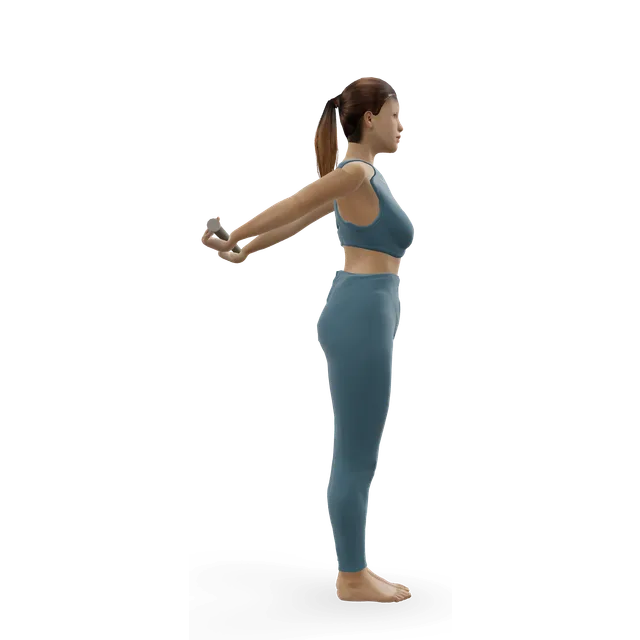
In a stiffness study of 18 healthy men, taking the arm straight back, or out to the side and back at shoulder height with or without turning it out, stretched the coracobrachialis; reaching overhead did not.
A trapped nerve after heavy trainingEmerging evidence
Rarely, the musculocutaneous nerve is squeezed where it passes through the coracobrachialis, usually after heavy, repeated upper-body exercise. It causes painless weakness bending the elbow and numbness on the thumb side of the forearm; the coracobrachialis itself works normally because its branch leaves higher up.
Rest is the treatment: a man doing more than 500 press-ups a day recovered within 3 months of stopping, and 8 to 12 weeks of rest is advised. It should not be mistaken for a pinched nerve in the neck or a torn biceps tendon, which need a different plan.
Pain where it attaches at the coracoidEmerging evidence
Pain at the coracoid tip, where the coracobrachialis and short head of the biceps share a tendon, is an uncommon cause of pain at the front of the shoulder. The evidence is a handful of case reports, including a series of 6 people and one weightlifter, so how often it happens is unknown.
Tears are very rare. Only 5 published reports describe injuries to the coracobrachialis and short head of the biceps, mostly from a tow rope yanking the arm in wakeboarding or water-skiing, and one case report describes its tendon pulling off the coracoid during a first shoulder dislocation.
Recent dissections find two heads in most people: 63% of 100 arms in one study, with the musculocutaneous nerve running between them. 22% had one head, and the rest three or four.
It pulls your arm across the front of your body, as in a hug, and helps lift it forward and pull it in to your side. It also helps steady the front of the shoulder, and because it doesn't cross the elbow it plays no part in bending it.
Where is the coracobrachialis?
High on the inner side of the upper arm. It starts on the coracoid, the bony hook at the front of the shoulder blade, where it shares a tendon with the short head of the biceps, and attaches halfway down the inner side of the upper arm bone.
What nerve supplies the coracobrachialis?
Usually the musculocutaneous nerve, from the C5 to C7 nerve roots, which in most people passes through the muscle about 5 to 6 cm below the coracoid. In about 1 in 5 arms in one study, other branches of the nerves to the arm supplied it instead.
What exercises work the coracobrachialis?
Moves that bring the arm across the body, such as cable and machine flys. In the only study to record its activity, pushing the arm across the body with the elbow bent worked it at about 37% of its maximum while the biceps barely joined in. Signal from neighbouring muscles can't be ruled out, and the chest does most of a fly's work.
How do you stretch the coracobrachialis?
Take the arm straight back, or out to the side and back at shoulder height, as in a doorway stretch. In a stiffness study these positions stretched it, while reaching overhead didn't.
Why does my coracobrachialis hurt when I bench press?
We found no study of bench pressing specifically. Pain where its tendon attaches to the coracoid, shared with the short head of the biceps, is an uncommon cause of pain at the front of the shoulder, described in a handful of case reports including one weightlifter. Most front-of-shoulder pain has other causes, so start with our shoulder pain guide.
Can a nerve get trapped in the coracobrachialis?
Rarely. After very heavy, repetitive training, the nerve to the biceps can be squeezed where it passes through the muscle, causing painless weakness bending the elbow and numbness on the outer forearm. It usually recovers within about 3 months of rest.
How many heads does the coracobrachialis have?
Usually two: in 100 cadaver arms, 63% had two heads, 22% one and the rest three or four. The nerve to the biceps usually runs between them.
Anatomy and movement education, not a diagnosis or treatment plan. If you have pain that follows an injury, is severe or getting worse, or comes with numbness, weakness or swelling, get it assessed. Health disclaimer.