Pain guide · Wrist and hand pain

Jammed finger: buddy strapping, the swelling that lingers, and when it needs an X-ray

A jammed finger usually means a ball or a fall has bent the middle joint backwards, spraining the volar plate, the strong ligament on its palm side, sometimes with a small flake of bone. You often can't tell it from a break or a dislocation by looking. A finger that is out of shape needs an urgent treatment centre or A&E; one that is the right shape but painful, swollen and bruised, or hard to move, needs NHS 111 and probably an X-ray.

Most jammed fingers heal without surgery: the finger is taped to its neighbour for about 2 to 3 weeks and moved gently from the first days. It takes longer than people expect, though: the swelling can last months and the joint may stay a little thicker. This guide covers when to get it checked, buddy strapping step by step, the signs it's something else, and a staged plan from the first days to grip and sport, with a 3D demo of each move.

When to get help first

Exercise is for pain that has been checked or is clearly mild and settling.

Get urgent medical help if

  • Call 999 or go to A&E after an injury (don't drive yourself) if your hand or a finger is numb, tingling or has pins and needles; a bone is sticking out or a bad cut is bleeding heavily; or a finger has turned blue, grey, white or cold.
  • Go to an urgent treatment centre or A&E if a finger looks out of shape, is crooked at a joint or is pointing at an odd angle, or you heard a crack or snap when you hurt it: it may be broken or dislocated. Don't pull on it or try to put it back. Support it in the most comfortable position, raise the hand, take off any rings, and don't drive yourself.
  • Same day (NHS 111): the finger is the right shape, but you can't move or bend it properly or hold things; it's painful, swollen and bruised; the pain is severe or makes you feel faint, dizzy or sick; or you have a very high temperature or feel hot or cold and shivery. You'll probably need an X-ray, and NHS 111 will tell you where to go. If the finger is out of shape, go straight to an urgent treatment centre or A&E instead.
  • Same day (NHS 111): you can't straighten the tip of a finger after catching it (it may be mallet finger), or you can't bend the tip on its own after it was pulled or caught (it may be jersey finger, which needs a hand surgeon within days).
  • While it's strapped or splinted: the fingertip changes colour, goes cold or numb, or you get pins and needles you didn't have before. It's too tight: loosen the strapping, and get advice the same day if it doesn't settle. Check the skin between the fingers every day.
  • Same day: a cut over an injured finger joint. Go to A&E if it's bleeding heavily, or you lose feeling near the cut or have trouble moving the finger.

See a doctor or physiotherapist if

  • About 2 to 3 weeks after the injury, you can't fully straighten the finger or it is becoming more bent, you can't make a fist or get the fingertip to your palm, or you're struggling with light daily tasks: contact the clinic that treated you or your GP.
  • The finger's movement is getting worse 6 weeks after the injury, or it's getting stiffer months later; or 4 weeks after the injury you're struggling to get back to your usual work or hobbies.
  • The middle joint hangs bent and won't straighten on its own: it may be a torn tendon on the back of the finger (a boutonnière injury), which needs a different splint. Get it checked within a few days.
  • The joint feels loose or gives way when you grip.
  • The pain and swelling are getting a lot worse rather than better.
  • A child's finger is still stiff after 6 weeks, or they have pain that increases quickly, numbness, difficulty moving the finger, or a finger that looks different: contact the hospital that saw them.
  • After an injury or operation, pain that is getting worse instead of better or far worse than you'd expect, with swelling, colour or temperature changes, or skin that is very sensitive to touch: contact the clinic that treated you, your hand therapist or your GP promptly. It can be complex regional pain syndrome (CRPS), and early treatment may help.
  • You have diabetes and a hand problem: the NHS says hand problems can be more serious if you have diabetes.

Understand it

What a jammed finger is

"Jammed finger" isn't a diagnosis: a sports review calls jam injuries a host of injuries that can be hard to tell apart. Most are sprains of the middle joint of the finger (the proximal interphalangeal or PIP joint), the most commonly injured joint in the hand. The usual structure hurt is the volar plate, a thick, strong ligament on the palm side of the joint that stops it bending backwards. It can be stretched or torn, or pull a small flake of bone off the base of the middle bone (an avulsion fracture).

The ligaments on each side of the joint can be sprained too, when the finger is bent sideways. The volar plate also tears when the joint dislocates, so a jammed finger and a dislocated one are the same injury at different strengths; a finger that came out of joint has its own guide.

Sources 1, 2, 3, 4, 5, 6

Who gets it

Usually a ball hits the end of a straight finger and forces the middle joint backwards: basketball, netball, cricket, goalkeeping and other ball sports. Falls onto the hand, and catching the finger on a door handle or furniture, do it too. It hurts at the time, although one NHS leaflet notes it's often possible to finish the game.

Fingers are the part of the arm most often injured in US emergency departments: 38.4% of an estimated 3.5 million arm and hand injuries in 2009. In the Netherlands, about 10,000 people a year dislocate the middle joint or bend it backwards hard enough to pull off a flake of bone, and in a Dutch trial of 200 of them, about half the injuries happened in sport.

Sources 3, 6, 7, 8, 9, 10

How it's recognised, where to go, and what an X-ray changes

Pain on the palm side of the middle joint, swelling and bruising (often on the palm side), stiffness, difficulty bending or fully straightening the finger, and pain when you grip. The NHS says it can be hard to tell whether a finger is broken, dislocated or badly sprained, and you'll probably need an X-ray.

Where to go: a finger that is out of shape, crooked or pointing at an odd angle may be broken or dislocated, so go to an urgent treatment centre or A&E. A finger that is the right shape but painful, swollen and bruised, or that you can't move or bend properly, starts with NHS 111, which will tell you where to go. Numbness, a blue, white or cold finger, or bone showing means 999 or A&E.

What the X-ray changes: no break, or a small flake of bone with the joint lined up, gets the same treatment, buddy strapping and early movement. In 190 people with these flakes, their size and how far they had moved didn't affect the outcome, and in 75 people with stable sprains, results were the same with or without one. A large fragment (about 40% of the joint surface or more, or 30% in children's studies), or a joint that won't stay lined up, needs a hand specialist and often surgery. Some stable injuries with a bigger fragment are splinted slightly bent for 3 to 6 weeks.

Sources 1, 3, 6, 7, 11, 12, 13, 14, 15, 16, 17, 18

Injuries that can look like a jammed finger

Some injuries that start as a "jammed finger" are something else, and each has its own guide. A torn tendon on the back of the middle joint (a boutonnière injury) can look like a sprain for days or weeks but needs a different splint. A fingertip that won't bend after a grab (jersey finger) is often first taken for a sprain. A fingertip that droops and won't straighten is mallet finger. And a break can twist the finger, so that it crosses its neighbour when you make a fist (the broken finger guide).

Sources 11, 19, 20

How long it takes

Most jammed fingers heal without surgery and get back to good use over a few months, but it takes longer than people expect. The British Society for Surgery of the Hand (BSSH) says some mild swelling and pain may last into the longer term, and the finger can be sensitive to touch or cold for 1 or 2 years. NHS leaflets say the swelling can take up to 6 months to settle, the joint may stay thicker for 12 to 18 months or for good (which doesn't usually affect how it works), and you shouldn't have rings resized for at least a year. The commonest lasting problem is losing a little straightening, which usually doesn't affect function.

In a Dutch trial of 200 adults with a dislocated middle joint or a volar plate injury with a flake of bone, hand function scores rose from about 68 out of 100 at the start to about 92 at 3 months, finger movement was 91% of the other side at 6 weeks and 95% at 3 months, and 7 to 9% still reported stiffness at 3 months. In 67 people with sprains of the side ligaments treated with buddy strapping, grip was 77% and movement 84% of the other side at 6 months, and starting treatment later went with less movement.

Coming late doesn't rule out a good result: 14 people first seen about a month after the injury gained about 25 degrees of movement with a hand therapist, and all got back to their previous level of function.

Sources 3, 4, 5, 7, 8, 10, 21, 22, 23

Children

Volar plate injuries are common in children, usually from a ball. One NHS children's service says they generally heal by themselves in about 6 weeks, with buddy strapping day and night for about 2 to 3 weeks and stiffness for up to 6 weeks. A review of 25 studies (268 children) found good results without surgery when less than 30% of the joint was involved. In a small observational study of 20 children, going straight to buddy taping gave more movement and less pain at 1 to 2 weeks than a week in a splint first, with no difference by 4 weeks, and in a trial of buddy strapping, children did better than adults.

Sources 17, 24, 25, 26

What helps, and how strong the evidence is

Buddy strapping or a splint: small trials, similar resultsEmerging evidence

UK hand surgeons and most NHS leaflets start with buddy strapping, the finger taped loosely to its neighbour for about 2 to 3 weeks; some hospitals use a splint instead, for up to 6 weeks, so practice varies. In a randomised trial of 121 people with a middle joint bent backwards and no break, a week of buddy strapping did as well as a week in an aluminium splint, and among people who recovered fully, movement, swelling and pain recovered sooner with strapping. Only the abstract was available, without its numbers.

In a pilot trial of 42 people with stable volar plate injuries, a figure-of-8 splint did as well as a splint on the back of the finger that was straightened a little each week, with 4 hand therapy visits instead of 6. These are small studies: they show the options give similar results, not which is best, so follow what your clinic gives you.

Sources 3, 6, 7, 26, 27, 28, 29

Moving early: consistent advice, but the trials are oldMixed evidence

A Cochrane review found 3 trials (366 people) comparing moving the finger freely, protected movement and keeping it still, and 1 week against 3 weeks of keeping it still. None found differences at 6 months, but all were over 15 years old and at high or unclear risk of bias, so the evidence is insufficient.

In 190 people with a flake of bone pulled off by the volar plate, moving the finger straight away with little or no splint gave excellent or good results in 98% of the 162 followed for a year or more, and people seen more than 3 weeks after the injury did worse. A 2026 review of 14 studies found treatment without surgery effective and practice varied. The BSSH advises a hook and a full fist from the first days, because early movement helps prevent stiffness.

Sources 3, 15, 30, 31

A home exercise sheet did as well as therapy sessionsEmerging evidence

In the Dutch trial of 200 adults, all wore a splint for 4 weeks and either followed a home exercise sheet or had supervised hand therapy, both starting within a week. The home sheet did as well: at 3 months the two groups' hand function differed by 0.6 points on a 100-point scale, well inside the 8 points the trial set in advance, and there were no safety problems. People following the sheet practised about 7 times a day in the first 6 weeks. People whose joints were unstable or wouldn't stay in place were left out, so it applies to stable injuries.

In a non-randomised trial of 133 adults with hand injuries, including volar plate injuries, clinics run by hand therapists gave the same function as usual medical care, with fewer appointments and referrals. The BSSH says many people recover with simple exercises, but some benefit from hand therapy.

Sources 3, 10, 32

Confidence and steady useEmerging evidence

In 82 people with middle joint sprains or dislocations, who joined the study about 7 weeks after the injury on average, lower confidence in managing pain and more symptoms of depression went with more disability, pain and stiffness. This is an association, not proof of cause, but it fits the advice to keep using the hand steadily within comfort. Delay matters too: in 67 people with side ligament sprains, starting treatment later went with less movement and more disability at 6 months.

Sources 22, 33

Back to sport: the leaflets differEmerging evidence

NHS leaflets differ. One says it can take 6 weeks before the hand has healed enough to play, with contact sport at 12 weeks; another says to avoid full contact sport for at least 6 weeks; a third allows ball sports after 6 to 12 weeks, when the finger feels strong and pain-free, often with tape for protection. Sports reviews let athletes with a stable joint play on sooner with the finger taped to its neighbour, after a proper check. No trial has tested when to go back, so your clinic or hand therapist decides.

Sources 1, 6, 7, 18, 27, 34

How much pain is OK while you exercise?

Some discomfort is fine; never force itEmerging evidence

This rule is borrowed from an NHS wrist fracture booklet: an unpleasant stretch of up to about 5 out of 10 is fine, as long as it settles within about 30 minutes. If the finger is worse the next day, do a little less next time (our suggestion). The finger leaflets add: don't force the movement, work within a comfortable range, and expect the exercises to get easier over time; if the pain increases a lot, stop and contact the hospital. The BSSH says to do every movement within comfort, with mild discomfort at first that should improve.

Swelling that lasts for months is normal and isn't a reason to stop if the movement is improving. Strapping should be comfortable: a fingertip that changes colour, or new pins and needles, means it's too tight.

Sources 3, 5, 6, 7, 35, 36

The exercise plan: 3 stages

Start at the first stage. Each move opens a full guide with a 3D demo.

Stage 1

Strapped: protect it and keep it moving

From the first days, as your clinic advises. Tape the finger loosely to its neighbour (steps below), continuously for about 2 to 3 weeks; your clinic may give you a splint instead, so follow what they give you. Raise the hand, take off rings, and use a cold pack wrapped in a towel for up to 20 minutes every 2 to 3 hours for the first few days, with no heat for 2 to 3 days. Rest the hand a little for 48 hours, then use it for light tasks such as washing, dressing and eating. Touch your thumb to each fingertip, 5 times, several times a day (steps below). Avoid bending the finger backwards.

Tendon glides (hand tendon gliding exercises) demonstrated on the 3D figure3D demoTendon glides (hand tendon gliding exercises)Beginner · No equipment

Hook, then a full fist, 10 times each, 4 to 6 times a day, within comfort · In the strapping. The BSSH's dose for a volar plate injury; an NHS leaflet uses 10 of each, holding 10 to 20 s, every 2 to 3 hours

Harder: Ball squeeze

Wrist & forearm flow demonstrated on the 3D figure3D demoWrist & forearm flowBeginner · No equipment

10 slow repetitions, 2 to 3 times a day · The wrist isn't injured, so keep it moving. Editorial dose

Easier: Wrist circles · Harder: Wrist flexor stretch

Breath reach demonstrated on the 3D figure3D demoBreath reachBeginner · No equipment

5 breaths, the out-breath longer than the in-breath, a few times a day · The move page's dose; how often is our suggestion. Lifting the hand above your heart helps the swelling

Harder: Slow breathing (6 breaths a minute)

Move on when: The pain and swelling are starting to settle and you can take the strapping off, usually at 2 to 3 weeks. If you can't fully straighten or bend the finger by about 3 weeks, contact your clinic.

Follow along: a timer, a cue and the next move, one step at a time.
Stage 2

Strapping off: get the movement back

As your clinic advises, usually from 2 to 3 weeks. Use the hand normally for light tasks, and tape the finger only when it might get caught, such as on public transport. Add single-joint bends, holding the finger just below the joint you want to move (steps below). If a joint is stiff, help it gently into a bend with the other hand and hold for 10 to 60 seconds, never forcing it. From about 4 weeks, gentle squeezes of a soft ball, sponge or putty. Still no heavy gripping or contact sport.

Tendon glides (hand tendon gliding exercises) demonstrated on the 3D figure3D demoTendon glides (hand tendon gliding exercises)Beginner · No equipment

4 to 6 of each position, 5 s holds, up to 4 times a day · All five positions. The move page's dose; one NHS leaflet uses 10 of each, holding 10 to 20 s, every 2 to 3 hours

Harder: Ball squeeze

Band finger extension demonstrated on the 3D figure3D demoBand finger extensionBeginner · A band

2 sets of 10 with a light band, once a day · Editorial dose

Easier: Ball squeeze · Harder: Plate pinch

Ball squeeze demonstrated on the 3D figure3D demoBall squeezeBeginner · Other / check instructions

A soft ball, sponge or putty: 10 gentle squeezes with 5 s holds, twice a day, from about 4 weeks · The timing is an NHS leaflet's; the dose is editorial

Easier: Tendon glides (hand tendon gliding exercises) · Harder: Band finger extension

Move on when: The finger straightens fully and makes a full fist, and light squeezes don't leave it aching for more than about half an hour: usually around 6 weeks. If its movement is getting worse at 6 weeks, contact your clinic.

Follow along: a timer, a cue and the next move, one step at a time.
Stage 3

Grip, strength and back to sport

As your clinic advises, from about 6 weeks. Build grip gradually, 2 to 3 times a week. NHS leaflets put a return to play at about 6 weeks, and contact sport at 6 to 12 weeks depending on the hospital; tape the finger to its neighbour when you go back, and let your clinic or hand therapist decide. Full grip usually returns by about 3 months, and the swelling can take months longer. The doses are editorial.

Ball squeeze demonstrated on the 3D figure3D demoBall squeezeBeginner · Other / check instructions

2 to 3 sets of 10, 5 s holds, with a firmer ball, every other day

Easier: Tendon glides (hand tendon gliding exercises) · Harder: Band finger extension

Farmer's carry demonstrated on the 3D figure3D demoFarmer's carryBeginner · A dumbbell + A kettlebell

3 walks of 20 to 30 m · Only as heavy as you can grip without pain

Harder: Suitcase carry

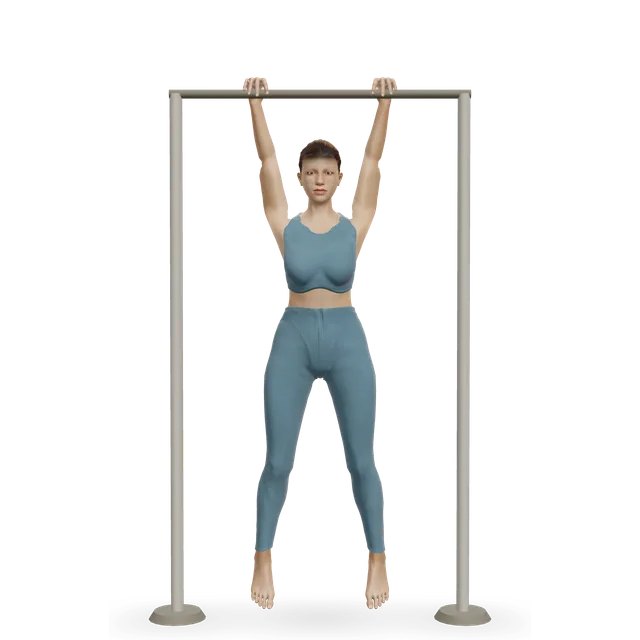
Bar hang demonstrated on the 3D figure3D demoBar hangIntermediate · Pull-up bar + A step

3 open-handed hangs of 10 s, building up · For climbers and gymnasts, once a full fist is pain-free

Easier: Exercise ball pyramid drape · Harder: One-arm dead hang

Move on when: Your grip is close to the other hand's (the grip strength test can measure it) and the finger copes with your sport. The grip strength workout takes it from here.

Follow along: a timer, a cue and the next move, one step at a time.

What to change for now

Buddy strapping, step by step

Your clinic may say which finger to strap to, or give you a splint instead; follow what they give you. Check the skin every day: in a survey of 55 surgeons, 45% had seen skin injuries between taped fingers, and two-thirds found people often didn't wear the tape as advised.

  • 1. Take any rings off that hand first.
  • 2. Put a small piece of gauze or cotton wool between the injured finger and its neighbour, to stop the skin rubbing and soak up sweat.
  • 3. Put one strip of tape round both fingers between the first and second joints, and another between the second and third, so the joints can still bend. Cut the tape narrower if it blocks the movement.
  • 4. It should be firm enough that the two fingers move together, but not so tight that the swelling increases.
  • 5. Change it every day and whenever it gets wet, check the skin between the fingers, and re-tape straight away.
  • 6. If the finger changes colour, or you get pins and needles you didn't have before, it's too tight: loosen it.

Sources 6, 24, 27, 37

Thumb touches and single-joint bends (written steps)

Our 3D figure can't show these. Thumb touches start in the first days. Single-joint bends are the finger joint blocking move: some NHS leaflets start them in the first 2 weeks, others once the strapping comes off, so follow your clinic.

  • 1. Thumb touches: touch the tip of your thumb to the tip of each finger in turn, 5 times, several times a day. When that's easy, touch the thumb to the base of each finger.
  • 2. Single-joint bends: sit with your forearm resting on a table, palm up and the fingers relaxed.
  • 3. Middle joint: with the thumb and index finger of your other hand, hold the injured finger just below its middle joint, so the big knuckle stays straight. Bend the middle joint as far as is comfortable, pause, then straighten it fully.
  • 4. End joint: move your grip up to hold the middle part of the finger, so the middle joint stays straight. Bend the end joint, pause, then straighten it fully.
  • 5. Do 5 bends of each joint, holding each for 5 seconds, every 1 to 2 hours (one NHS leaflet's dose). Start and finish with the finger as straight as you can, and never force it.

Sources 7, 34, 36, 38

Typical timings, which your clinic may change

These come from NHS leaflets and the BSSH, and they differ a little. Your own clinic's plan comes first.

  • Strapping: continuously for about 2 to 3 weeks in most leaflets, then only when the finger might get caught.
  • Light tasks and office work: as soon as you're comfortable. Manual work using all the fingers: up to about 6 weeks.
  • Driving: once you're out of any splint and can control the car, including an emergency stop. It's your responsibility, so check with your insurer.
  • Play: from about 6 weeks. Contact sport: from 6 to 12 weeks, depending on the hospital.
  • Full grip: usually by about 3 months.
  • Swelling: months. The joint may stay thicker for 12 to 18 months or for good, so don't have rings resized for at least a year.

Sources 3, 5, 6, 7, 27, 34

Children: one NHS children's service's advice

Your child's hospital may give different advice; theirs comes first.

  • Strapping day and night for about 2 to 3 weeks, off only for washing. If it still hurts at 3 weeks, keep it on at night or at school.
  • Bend and straighten the fingers regularly.
  • For 6 weeks: no physical education (PE), playground games or contact sport, and no over-straightening the finger.
  • Most children don't need physiotherapy.
  • Contact the hospital if it's still stiff after 6 weeks, or for pain that increases quickly, numbness, difficulty moving the fingers or a finger that looks different.

Source 24

Positions to swap, and why

Habit or positionWhy it mattersInstead
Strapping too tight, or over the jointsIt should keep the two fingers moving together without increasing the swelling, with the tape between the joint creases.Re-tape it with gauze between the fingers (steps above).
Keeping rings onSwelling can trap them, and the joint may stay larger for good.Take them off now, and don't have them resized for a year.
Keeping the finger still until it stops hurtingEarly movement helps prevent stiffness, and an NHS leaflet says complete rest is not advisable.A hook and a full fist, little and often.Try: Tendon glides (hand tendon gliding exercises)
Forcing a stiff finger straight or bentNHS leaflets say don't force it; work within a comfortable range.Single-joint bends, and gentle help from the other hand held for 10 to 60 s, never forced.Try: Finger joint blocking (single-joint finger bends)
Push-ups and planks on a flat hand in the first weeksWeight through a flat hand bends the fingers back, the movement the volar plate stops.Push-ups on your fists or on handles for now, or leave them out (our suggestion).
Catching a ball on straight fingersIt's how the injury usually happens, and it bends the joint backwards again.Leave catching and ball sports until your clinic says, then tape the finger to its neighbour.
Heat packs or hot baths in the first 2 to 3 daysNHS advice after an injury.A cold pack wrapped in a towel.
Heavy gripping, manual work and contact sport in the first weeksNHS leaflets advise against heavy tasks and contact sport while it heals; contact sport waits 6 to 12 weeks.Light tasks, then a soft ball from about 4 weeks.Try: Ball squeeze
Playing on with a finger that is crooked, won't straighten or won't bendIt may be dislocated, a torn tendon or a break.Stop, and get it checked (see the warning signs).
Pulling a jammed finger to put it backIt doesn't help a sprain, and a finger that is out of joint needs an urgent treatment centre or A&E.Strap it, raise it, cool it and get it seen.

Routines to follow

More moves for this area

Questions people ask

What is a jammed finger?

Usually a sprain of the middle joint of a finger, when a ball or a fall bends it backwards. The ligament on the palm side (the volar plate) is stretched or torn, sometimes pulling off a small flake of bone.

Is my finger jammed or broken?

You often can't tell without an X-ray. If it's out of shape or crooked, go to an urgent treatment centre or A&E. If it's the right shape but painful, swollen and bruised, or stiff and hard to move, get help from NHS 111, which will tell you where to go.

Does a jammed finger need an X-ray?

If it's very swollen, bruised or hard to move, probably yes. The X-ray looks for a break, a joint that's out of line or a large piece of bone. A small flake pulled off by the ligament is treated the same way as a sprain.

How do I treat a jammed finger at home?

Take rings off, raise the hand, use a cold pack wrapped in a towel for up to 20 minutes every 2 to 3 hours, and tape the finger loosely to its neighbour. Avoid heat for the first 2 to 3 days, and start gentle bending and straightening from the first days rather than resting it completely.

Should I buddy tape a jammed finger, and for how long?

Usually yes, for about 2 to 3 weeks, with gauze between the fingers and the tape between the joints so they can bend. In a trial of 121 people, a week of buddy strapping did as well as a metal splint. Some clinics use a splint instead, so follow what you're given.

What exercises help a jammed finger?

In the strapping, make a hook and then a full fist, 10 times, 4 to 6 times a day. Once the strapping is off, add the other tendon glides and single-joint bends, then gentle squeezes of a soft ball from about 4 weeks.

How long does a jammed finger take to heal?

It usually gets back to good use over a few months, often longer than people expect. In a trial of 200 adults, finger movement was back to about 95% of the other side at 3 months, and full grip usually returns by about then.

Why is my finger still swollen months later?

Swelling after a volar plate injury can take 6 months or more to settle, and the joint may stay a little thicker for good. It doesn't usually affect how the finger works, though it can be sensitive to cold or knocks for a year or two. Don't have rings resized for at least a year.

My jammed finger won't straighten. What should I do?

If you can't fully straighten it about 2 to 3 weeks after the injury, contact your clinic or GP. If the middle joint hangs bent and won't straighten on its own, get it checked within a few days: it may be a torn tendon on the back of the finger, which needs a different splint.

When can I play sport again?

NHS leaflets say from about 6 weeks for play, and 6 to 12 weeks for contact sport, depending on the hospital. Sports reviews let some athletes back sooner with the finger taped to its neighbour. Your clinic or hand therapist decides.

Can a jammed finger be permanent?

Most fingers work normally again, but a slightly thicker joint or a small loss of straightening can stay. These usually don't affect how the finger works; stiffness that is getting worse needs advice.

My child has jammed a finger. What should I know?

Children's volar plate injuries usually heal in about 6 weeks with 2 to 3 weeks of buddy strapping. Keep them off PE, playground games and contact sport for 6 weeks, and contact the hospital if it isn't improving by then.

Related exercise guides

Other pain guides

Sources

  1. Carruthers 2016 · Jam injuries of the finger across sports (review, Sports Health)
  2. Sherwood Forest Hospitals NHS Foundation Trust · Proximal interphalangeal joint injury: volar plate injuries (leaflet, 2026)
  3. British Society for Surgery of the Hand · Volar plate injury
  4. British Society for Surgery of the Hand · Finger sprains
  5. St George's University Hospitals NHS Foundation Trust · Proximal interphalangeal joint injury (hand therapy leaflet, 2025)
  6. Royal Berkshire NHS Foundation Trust · Finger volar plate injury (jammed finger): exercises and advice (leaflet, 2026)
  7. Calderdale and Huddersfield NHS Foundation Trust · Middle finger joint volar plate injury: discharge advice (leaflet, review 2028)
  8. Gloucestershire Hospitals NHS Foundation Trust · Volar plate injuries, jammed finger (hand clinic web page)
  9. Ootes 2012 · Arm and hand injuries in US emergency departments (epidemiology, Hand)
  10. Salentijn 2026 · A home exercise sheet or supervised hand therapy after a middle finger joint dislocation or volar plate injury: the PINOT trial (RCT of 200, Hand)
  11. NHS · Broken finger or thumb
  12. NHS · Finger pain
  13. NHS · Thumb pain
  14. NHS · Sprains and strains
  15. Gaine 1998 · Early active movement for volar plate avulsion fractures (cohort of 190, Injury)
  16. Adi 2017 · Volar plate sprains with and without a bone flake, treated without surgery (case series of 75, Hand Surg Rehabil)
  17. Choi 2025 · Volar plate avulsion fractures in children (systematic review of 25 studies, Hand)
  18. Mergoum 2025 · Tendon and ligament injuries of the finger and thumb in athletes (narrative review, BMJ Open Sport Exerc Med)
  19. British Society for Surgery of the Hand · Boutonnière injury
  20. Freilich 2015 · Jersey finger and pulley injuries in athletes (review, Clin Sports Med)
  21. Worcestershire Acute Hospitals NHS Trust · Volar plate injury (patient leaflet)
  22. Roh 2018 · Side ligament sprains of the middle finger joint treated with buddy strapping and exercise (cohort of 67, J Hand Ther)
  23. Povlsen 2010 · Volar plate injuries seen late (case series of 14, Scand J Plast Reconstr Surg Hand Surg)
  24. University Hospital Southampton NHS Foundation Trust · Volar plate injuries in children (leaflet, 2026)
  25. Garland 2026 · Buddy taping straight away or a splint first for volar plate injuries in children (observational pilot study of 20, Plast Surg)
  26. Paschos 2014 · Buddy strapping or an aluminium splint for a middle finger joint bent backwards (RCT of 121, J Hand Surg Am; abstract read)
  27. Hull University Teaching Hospitals NHS Trust · Volar plate injury of the finger (hand therapy leaflet, 2025)
  28. King's College Hospital NHS Foundation Trust · Volar plate injury (hand therapy leaflet, 2025)
  29. Grange 2024 · Figure-of-8 or dorsal blocking splints for stable volar plate injuries (pilot RCT of 42, J Hand Ther)
  30. Chalmer 2013 · Non-surgical treatments for a middle finger joint bent backwards (Cochrane review, 3 trials)
  31. Delaney 2026 · Treatment without surgery for volar plate injuries (scoping review of 14 studies, Int J Orthop Trauma Nurs)
  32. Sheerin 2026 · Hand clinics led by therapists for acute hand injuries (non-randomised cluster trial of 133, Clin Rehabil)
  33. Bot 2014 · What predicts disability after a middle finger joint sprain or dislocation (cohort of 82, Psychosomatics)
  34. North Tees and Hartlepool NHS Foundation Trust · Hand therapy: exercises following a volar plate injury (leaflet)
  35. Oxford University Hospitals NHS · Wrist fractures: information and exercises for patients (2024)
  36. University Hospitals Sussex NHS Foundation Trust · Dislocation of finger (physiotherapy leaflet, 2026)
  37. Won 2014 · Is buddy taping safe? A survey of 55 surgeons (Clin Orthop Surg)
  38. NHS Lothian · Simple finger dislocations (leaflet, 2025)
  39. St John Ambulance · Dislocated joints (first aid advice)
  40. NHS · Cuts and grazes
  41. NHS · Mallet finger
  42. NHS · Complex regional pain syndrome: symptoms

Exercise education, not a diagnosis or treatment plan. It is written from the guidelines and studies listed above; review by a clinician is pending. If your pain follows an injury, is severe, is getting worse, or comes with any warning sign listed on this page, get it assessed. Health disclaimer.