Exercise after a vasectomy: walking, the gym, running, cycling, swimming and sport
After a vasectomy, rest for the first 2 or 3 days, then walk a little further each day. The National Health Service (NHS) says to avoid sport and heavy lifting for as long as your doctor or nurse advises, usually 1 to 2 weeks, and some NHS leaflets say to wait 3 to 4 weeks for contact sport and the heaviest exercise. Follow your own clinic's leaflet.
No study has tested when it's safe to go back to exercise, so these timings are expert advice, and they differ. The reason for waiting is bleeding inside the scrotum, which is uncommon. Supportive underwear, day and night for about a week, makes it more comfortable.
This guide gives a week-by-week timeline, then answers for the gym, running, cycling, swimming, golf and contact sport, explains why the advice varies and what the evidence shows, and lists the warning signs that need your clinic, a general practitioner (GP) or NHS 111.
A small operation, and most men are back to normal within 1 to 2 weeks
A vasectomy is usually done under local anaesthetic through a small cut in the scrotum. The NHS says testicle pain and swelling for around a week is common and you should be able to return to work within 24 hours, and a review says about 80% of men are back to normal activity within a week.
NHS trust and clinic leaflets advise resting quietly for 3 days, or at least 48 hours, and avoiding long spells of standing, walking or driving for the next few days. Short walks around the house, a little further each day, fit with both (our suggestion).
Sport and lifting: usually 1 to 2 weeks; contact sport 3 to 4 weeks
The NHS says to avoid sport or heavy lifting for as long as your doctor or nurse advises, usually 1 to 2 weeks. Our summary of the NHS trust and clinic leaflets, which differ and have no trial behind them, is 1 to 2 weeks for sport and lifting and 3 to 4 weeks for contact sport and the heaviest exercise. Follow your own clinic's leaflet.
Wear tight-fitting, supportive underwear for about a week, day and night, and for exercise in the first weeks. A wrapped ice pack can ease pain and swelling in the first few days, as the British Association of Urological Surgeons (BAUS) suggests, never straight on the skin.
The NHS says serious side effects are rare. Bleeding inside the scrotum that forms a clot (a haematoma) is the main reason for the early limits: one provider says clots "can result from heavy lifting or physical activity". In a large UK audit, fewer than 2 in 100 men had one (a correction to the audit was published in 2026, which we couldn't read).
Ask for an urgent GP appointment or call NHS 111 if pain and swelling suddenly get worse or aren't getting better after a few days, you have a high temperature, the wound leaks blood or pus, or a lump keeps getting bigger. Go to accident and emergency (A&E) or call 999 for sudden, severe pain in a testicle.
A vasectomy is permanent contraception: the tubes that carry sperm are cut, sealed or blocked, so your semen no longer contains sperm. It's usually done under local anaesthetic through a small cut in the scrotum, usually closed with dissolvable stitches, and takes about 15 to 30 minutes. Its success rate is over 99%.
Testicle pain and swelling for around a week is common, and some pain for 1 to 2 weeks. At first an erection may hurt and there may be blood in your semen; both should quickly pass. The NHS says there's no evidence that a vasectomy affects long-term sexual performance or enjoyment.
Use another method of contraception until a doctor confirms the vasectomy has worked, which usually takes around 12 weeks; BAUS says after at least 12 weeks and 20 ejaculations. Your clinic will tell you when to do the semen test.
The two most common techniques are a small cut with a scalpel and a no-scalpel technique, which punctures the skin with a pointed instrument. In 2 trials, the no-scalpel technique caused fewer haematomas, and in the larger one less bleeding, pain and infection, and a quicker return to sex.
The NHS says a vasectomy is usually a very safe operation and serious side effects are rare. BAUS's leaflet gives a wide range for significant bruising and swelling that needs draining, between 1 in 10 and 1 in 50, and the same for infection or inflammation of the testicle. In a UK audit of more than 100,000 vasectomies, fewer than 2 in 100 had a haematoma and about 1 in 100 an infection; a correction to that paper was published in 2026, and we couldn't read it.
BAUS says troublesome long-term testicle pain that affects daily life happens in 1 to 2 in 100 men. In 488 UK men followed for about 7 months, 15% had some new discomfort, mostly mild, and about 1% severe pain; across 25 sets of data, 5% had post-vasectomy pain syndrome. Long-term pain isn't linked with early problems such as a haematoma or infection, and nothing suggests that exercise causes or prevents it.
Reviews say supporting and gently compressing the scrotum, including while you're active, may lower the risk of bleeding, and one provider says clots can come from heavy lifting or physical activity. It makes sense, but no study has tested when exercise is safe to restart: the timings are expert advice.
A review says short-term scrotal discomfort lasting 2 to 4 weeks happens in up to 30% of men, and that one clinic found less prolonged discomfort when men wore an athletic supporter for 1 to 2 weeks.
In 2 trials, the no-scalpel technique caused about a quarter as many haematomas as a scalpel cut, and in the larger trial, less bleeding, pain and infection.
A review says long-term studies in animals and humans find no effect on reproductive hormones. In a survey of 2,425 men in China, those who'd had a vasectomy had the same levels of luteinising hormone (LH) and free testosterone, with a small difference in total testosterone, and no more low testosterone in later life. The NHS says there's no evidence that a vasectomy affects long-term sexual performance or enjoyment.
Lifting and pressure inside the tummyEmerging evidence
In 2 small lab studies, coughing and jumping raised the pressure inside the tummy far more than lifting a light weight, and how a lift was done changed the pressure. They looked at the tummy, not the scrotum, but they support lifting with a steady breath.
Our summary of the NHS, BAUS and NHS trust and clinic leaflets. They differ, and no trial has tested these timings, so your own clinic's leaflet comes first.
The day of the operation
Go straight home and rest. Don't drive until you can safely do an emergency stop. Wear tight, supportive underwear, and use a wrapped ice pack for pain and swelling if it helps.
Rest quietly: one NHS trust says for 3 days, one provider for at least 48 hours. Avoid long spells of standing, walking or driving for the next few days, but potter around the house and take short walks (our suggestion). The NHS says you should be able to go back to work within 24 hours; other leaflets suggest the next day off or 3 days off, depending on your work.
Moderate bruising and swelling for up to 3 days is normal. If the ache and swelling are settling, walk every day, a little further each time (our suggestion). Keep the supportive underwear on, day and night.
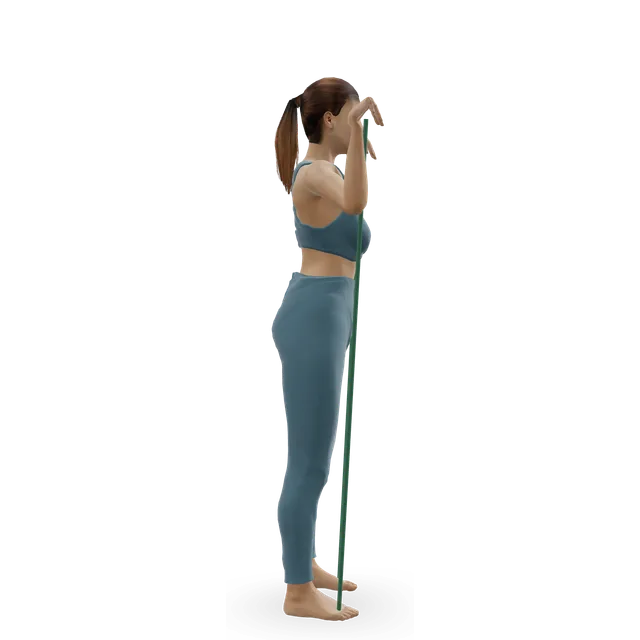
If you're comfortable: brisk walking, easy pedalling on a recumbent bike, and light strength work without straining, such as sit-to-stands, wall push-ups and band rows (our suggestion). Leave heavy lifting, running, cycling on a saddle and sport until your leaflet's time is up.
If you're pain-free: back to the gym, starting well below your usual weights; run-walk intervals; and swimming once the wound has healed. The NHS says sport and heavy lifting usually wait 1 to 2 weeks, and one provider says no sport for at least 2 weeks.
Contact sport, maximal lifts and long rides. One NHS trust says avoid contact sports for 3 weeks; one provider says heavy exercise and contact sports for 4 weeks, naming rugby, football, squash, cycling, skiing and the gym.
If pain or swelling builds after a session, drop back for a few days (our suggestion). BAUS says that if your bruising, swelling or pain is getting progressively worse, day by day, contact your surgical team.
Sex, including masturbation: not for at least 2 to 7 days (NHS). Showers: from 24 to 48 hours after the operation, depending on your leaflet; one provider advises no long soaks in the bath for at least 2 weeks or until the wound has healed.
NHS: avoid sport or lifting anything heavy for as long as the doctor or nurse advises, usually 1 to 2 weeks.
BAUS: try to avoid heavy lifting or strenuous exertion for the first few weeks.
Royal Berkshire NHS Foundation Trust: avoid heavy lifting for about 2 weeks, and contact sports for 3 weeks.
MSI Reproductive Choices, which provides NHS-funded vasectomies: no sport or physical exercise for at least 2 weeks, and no heavy exercise or contact sport for 4 weeks.
Mersey and West Lancashire Teaching Hospitals NHS Trust: go back to normal activities, including exercise, when you feel comfortable.
We found no study comparing an earlier and a later return to exercise after a vasectomy, so every timing is expert advice. They agree on the direction: a few days of rest, walking soon, the heaviest and roughest activities last. Your clinic's leaflet is the one to follow.
Light weights from about 2 weeks if you're comfortable, as long as your leaflet allows. Heavy lifting waits about 2 weeks in one NHS trust's leaflet and 4 weeks in one provider's, which lists the gym among activities to avoid for 4 weeks.
Start well below your usual weights and build up over a couple of weeks (our suggestion). Keep the load close, breathe out as you lift and don't hold your breath, as our hernia guide explains. In lab studies, coughing and jumping raised the pressure inside the tummy far more than lifting a light weight, though those studies looked at the tummy, not the scrotum.
A review says supporting the scrotum while you're active can lower the risk of delayed bleeding, and the authors of another give every man an athletic supporter to wear for 1 to 2 weeks.
Running counts as sport, so usually after 1 to 2 weeks (NHS) or 2 weeks (one provider). Start with run-walk intervals in supportive underwear or cycling shorts, and drop back if the ache returns (our suggestion).
A saddle presses on the area that's healing. A review describes usual advice of no cycling for 7 days, and one provider names cycling among activities to avoid for 4 weeks. A recumbent bike, or a padded seat on an exercise bike, is a gentler start (our suggestion).
Wait until the wound has healed (our suggestion). One provider advises no long soaks in the bath for at least 2 weeks or until the wound has healed, and BAUS says the stitches usually disappear in 2 to 3 weeks.
One NHS trust says to bath or shower from 24 hours after the operation and daily after that to keep the wound clean; one provider says a short shower after 48 hours. Dry the area well.
Football, rugby and other contact sport wait 3 weeks in one NHS trust's leaflet and 4 weeks in one provider's. A knock to a healing scrotum hurts, so wear support when you go back (our suggestion).
No leaflet we read mentions golf. Walking a course is fine once longer walks are comfortable; a full swing is a twisting, effortful movement, so treat it like other sport, usually after 1 to 2 weeks (our suggestion).
The NHS says tight-fitting underwear for about a week. BAUS suggests a scrotal support, or tight, supportive underwear or cycling shorts. One NHS trust says day and night for 1 to 2 weeks, and one provider day and night for at least 7 days. So: day and night for about a week, longer if it's more comfortable, and for exercise in the first few weeks.
BAUS says ice packs can help with pain and swelling in the first few days, but not directly on your skin; one review suggests using ice on and off for 24 to 48 hours. Wrap it in a cloth.
Short walks around the house at first, then a little further each day (our suggestion). The ankle circles page's dose is 10 slow circles each way with each foot, a few times a day while you're resting more, and the slow breathing page's at least 5 minutes, regularly.
Easy pedalling on a recumbent bike for 10 to 20 minutes (our suggestion; its page's dose of 10 to 20 minutes at a moderate effort is for when you're back to normal). 8 sit-to-stands and 8 wall push-ups, 1 or 2 rounds (our 10-minute starter workout), 2 sets of 10 to 15 band rows with a light band, and cat-cow, 8 slow waves (the move page's dose). Nothing that makes you strain.
Jog with 1-minute run-walk intervals (our run-walk workout), ride at a pace you can talk at, and swim with our beginners' swim workout once the wound has healed. For goblet squats, kettlebell deadlifts and carries, start with 2 sets of 8 to 12, or 2 walks of 20 to 30 metres, well below your usual weight (our suggestion), breathing out on the effort.
In the first week, do the easy cardio workout as short, easy walks. The 10-minute starter workout suits week 2. From about 2 weeks, the build-up interval walk leads into run-walk intervals, and the band and 20-minute strength workouts get you back to lifting, starting light. Swim once the wound has healed, and ride when sitting on a saddle is comfortable and your leaflet allows.
This is general information, not a diagnosis. An ache and some swelling for about a week are expected after a vasectomy; these signs are different. In the US, call 911 where this page says 999.
Go to A&E or call 999
The NHS says to go to A&E immediately or call 999 for:
sudden, severe pain in a testicle, unlike the steady ache you've had
testicle pain along with feeling sick, being sick or pain in your tummy
testicle pain that has lasted more than an hour or continues when you're resting
If the wound keeps bleeding, wash your hands and pinch the skin around it firmly for about 5 minutes. If it still bleeds, or your scrotum swells quickly, get urgent medical attention.
Call 999 if an adult is breathing very fast, is confused or has slurred speech, has blue, pale or blotchy skin, or has a rash that doesn't fade when you press it.
A haematoma: the scrotum getting significantly bigger, bruising spreading over the penis, scrotum or inner thighs, a heavy or tugging feeling on one or both sides, or pain that doesn't ease with pain relief. An infection: the area becoming very painful, red, swollen or tender, throbbing, a coloured discharge, a raised temperature, or feeling generally unwell. Contact your clinic, or your GP or NHS 111 out of hours.
If pain or swelling builds during or after a session, stop, rest for a few days and go back a stage. If it keeps getting worse day by day, contact your surgical team.
"You can't lift anything for a month"Strong evidence
The limits are on sport and heavy lifting: usually 1 to 2 weeks (NHS), about 2 weeks (one NHS trust), and up to 4 weeks for the heaviest exercise and the gym (one provider). Everyday tasks are fine once you're comfortable (our suggestion).
"A vasectomy lowers testosterone, so you'll lose muscle"Emerging evidence
Long-term studies find no effect on reproductive hormones, and the NHS says there's no evidence it affects long-term sexual performance or enjoyment. Your training carries on as before.
"Going back to the gym too soon causes long-term pain"Emerging evidence
No study has tested this. Long-term pain affects about 1 to 2 in 100 men and isn't linked with early problems such as a haematoma. The early limits are about bleeding, which one provider links with heavy lifting and activity.
Rest for the first 2 or 3 days, then walk a little further each day. The NHS says sport and heavy lifting usually wait 1 to 2 weeks, and some leaflets say 3 to 4 weeks for contact sport and the heaviest exercise. Follow your own clinic's leaflet.
When can I go back to the gym and lift weights?
Light weights from about 2 weeks if you're comfortable, building up gradually. Leaflets say to avoid heavy lifting for about 2 weeks, and one provider says 4 weeks for heavy exercise and the gym. Start well below your usual weights and breathe out as you lift.
When can I run after a vasectomy?
Usually after 1 to 2 weeks, once walking is comfortable; one provider says no sport for at least 2 weeks. Start with run-walk intervals in supportive underwear, and drop back if the ache returns.
When can I cycle after a vasectomy?
A saddle presses on the area that's healing. A review describes usual advice of no cycling for 7 days, and one provider says 4 weeks. A recumbent exercise bike is a gentler start.
When can I swim after a vasectomy?
Once the wound has healed. One provider advises no long soaks in the bath for at least 2 weeks or until the wound has healed, and the stitches usually dissolve in 2 to 3 weeks. Ask your clinic if you're unsure.
Can I walk after a vasectomy?
Yes: short walks around the house in the first days, then a little further each day. One provider advises avoiding long spells of standing or walking for the first few days.
When can I play football or golf after a vasectomy?
Contact sport such as football or rugby after 3 to 4 weeks, depending on your leaflet. No leaflet mentions golf: walking a course is fine once longer walks are comfortable, and a full swing is like other sport, usually after 1 to 2 weeks.
What underwear should I wear after a vasectomy, and for how long?
Tight, supportive underwear, a scrotal support or cycling shorts, day and night for about a week, or longer if it's more comfortable. Wear it for exercise in the first few weeks too.
Does a vasectomy affect testosterone or muscle building?
No: long-term studies find no effect on reproductive hormones, and the NHS says there's no evidence it affects long-term sexual performance or enjoyment. Your training and gains carry on as before.
What if my scrotum swells more after exercise?
Stop and rest; a wrapped cold pack can help. If swelling or bruising gets worse day by day, a lump keeps getting bigger, or the pain doesn't settle, contact your clinic or get an urgent GP appointment or NHS 111: it could be a haematoma, a collection of blood.
How common are problems after a vasectomy?
The NHS says serious side effects are rare. In a large UK audit, fewer than 2 in 100 men had a haematoma and about 1 in 100 an infection, though a correction to that audit has since been published. About 1 to 2 in 100 men have troublesome long-term pain.
When can I stop using contraception?
Only when a doctor confirms the vasectomy has worked, usually after a semen test at around 12 weeks. The NHS also says no sex, including masturbation, for at least 2 to 7 days after the operation.
Exercise education, not a diagnosis or treatment plan, and clinical review of these guides is pending. Stop and get advice for chest pain, unusual breathlessness, dizziness or fainting, or new pain, and check with your doctor or midwife first if they have told you to limit activity. Health disclaimer.