Alternating heel touch
Lying with your knees bent and your feet set wide, you keep your shoulders curled just off the floor and bend your trunk from side to side so each hand reaches for its heel. It is a side bend held in a crunch, about as easy to learn as the basic crunch. Side-bending tasks worked the external obliques most in an EMG study of floor exercises.
Movement guide
Alternating heel touch
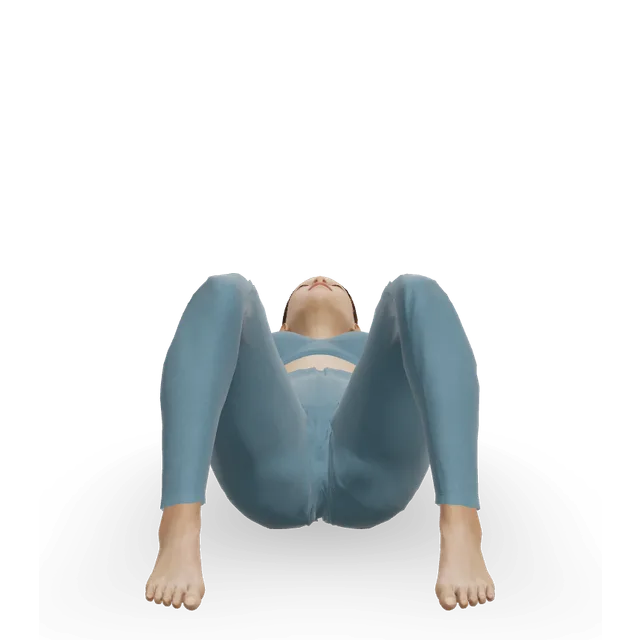
Loading the 3D figure…
Make it easier or harder
Choose a version that fits your control and comfort.
Easier option
Use a smaller controlled movement or shorter hold, with the support described in this guide. NHS strength exercises
Harder option
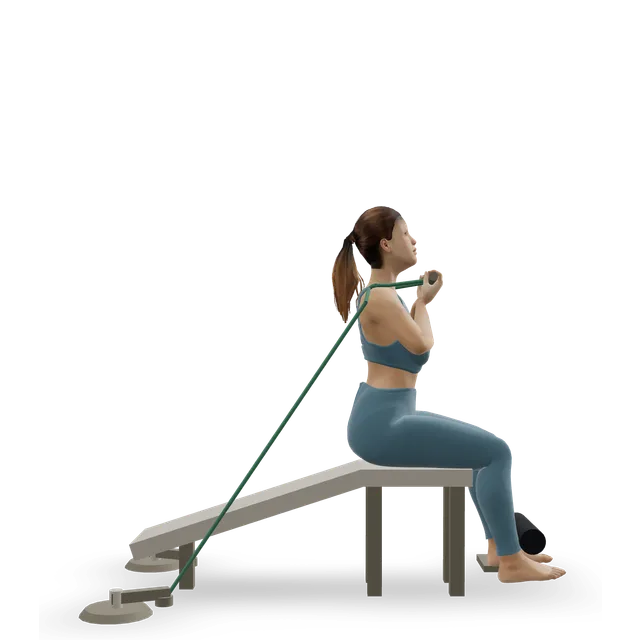 3D demoBanded decline sit-upIntermediate · A band + A bench or box
Similar move, intermediate grade.
Source-researched guide. Clinical review is pending.
How to move
- Lie on your back with your knees bent, your feet flat and a little wider than your hips, and your arms long by your sides.
- Curl your head and shoulders just off the floor and keep them there.
- Bend sideways at the waist to slide your right hand towards your right heel, hold for a second, then come back to the middle.
- Repeat to the left; one touch each side counts as one rep.
Form cues
- Slide the hand along the floor rather than twisting.
- Keep your neck long and your eyes on your knees.
- Avoid: dropping the shoulders between touches.
Practice and cautions
2 to 3 sets of 10 to 15 slow reps, stopping with 2 or 3 reps in reserve (our editorial starting point).
This is movement education, not an assessment or treatment prescription. Stop for sharp or increasing pain, dizziness, numbness or tingling; seek individual guidance for symptoms, injury or restrictions.
Sources and review status
Sources support the educational description; they do not establish that this exercise is suitable for you.
- Konrad 2001 · Trunk muscle activity in 12 floor exercises (side-lying side bends near-maximal for the external oblique; lifting the pelvis the most demanding flexion task; EMG, J Athl Train) ↗
- ACE · Crunch (beginner) ↗
- Free Exercise DB · community text ↗
Unlicense · Free Exercise DB contributors; derived from wrkout/exercises.json. Text import; no photographs or media. · Revision f00c92c7dcf1216a928a52c3706c7ce8e2f71ed5
No variation is labeled clinically validated.
What it works
Equipment
None: body weight and floor space.
Level
Beginner. See the easier and harder options above.
Similar moves
 3D demoDead bug heel tapsBeginner · No equipment
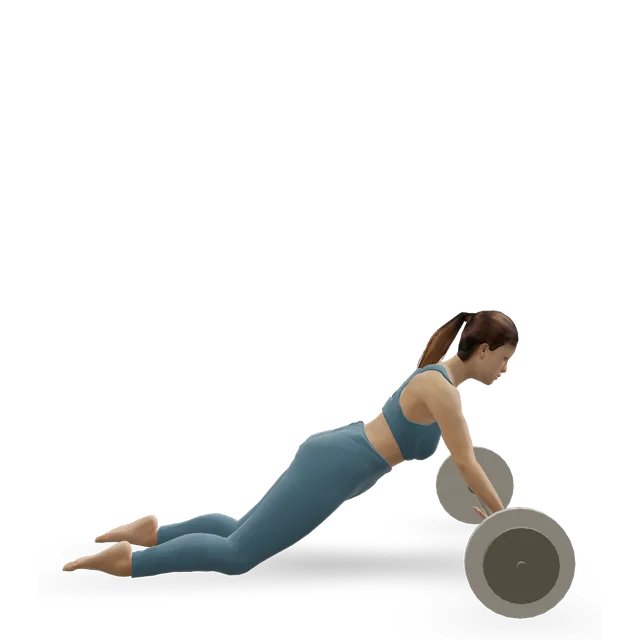 3D demoAb wheel rollout from the kneesAdvanced · An ab wheel
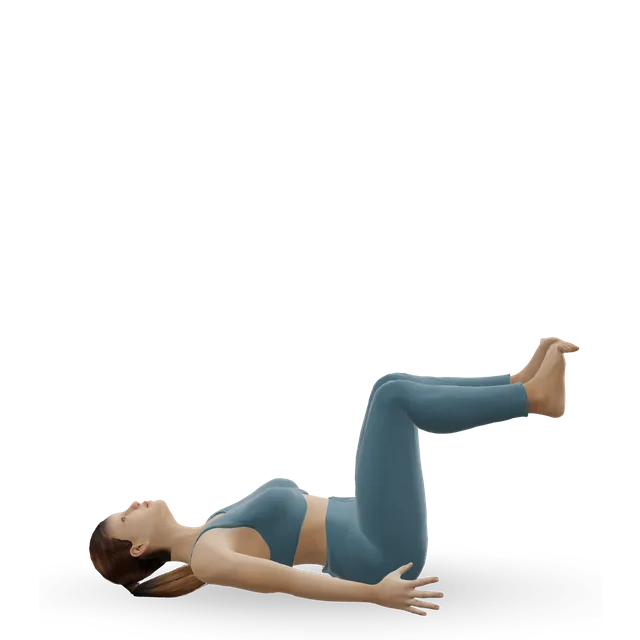 3D demoBent-knee hip raiseIntermediate · No equipment
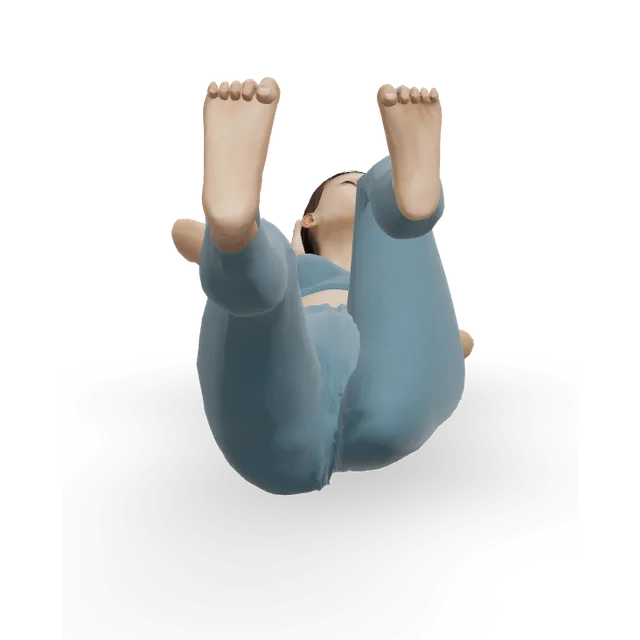 3D demoBicycle crunchIntermediate · No equipment
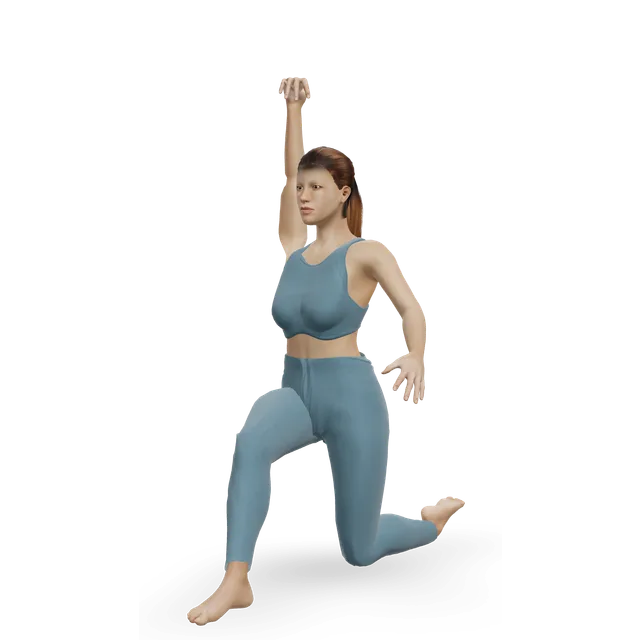 3D demoBodyweight get-upIntermediate · No equipment
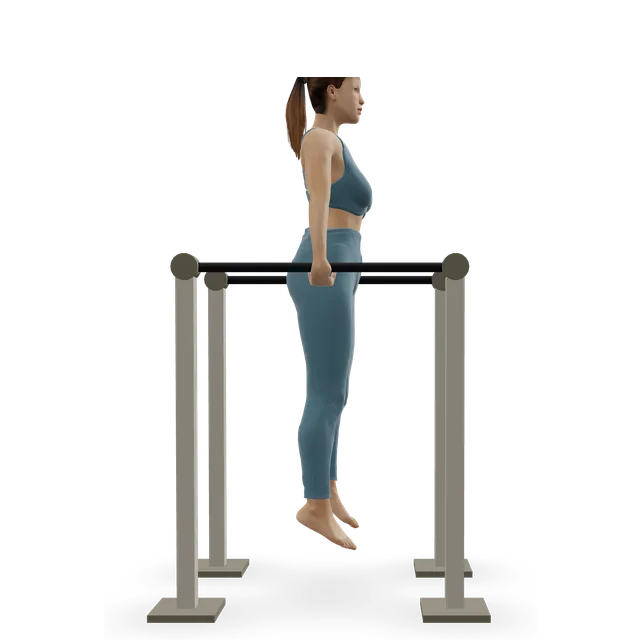 3D demoCaptain's chair knee raiseIntermediate · Other / check instructions
Browse more
Questions people ask
What muscles does the Alternating heel touch work?
Mainly the abs.
What equipment do I need for the Alternating heel touch?
No equipment: your body weight and a little floor space.
Is the Alternating heel touch good for beginners?
It is graded beginner, so it suits most people starting out. When it feels easy, try the Banded decline sit-up.
How do I make the Alternating heel touch harder?
Progress to the Banded decline sit-up or the Bench leg pull-in. Follow that guide’s technique and any stated timing.