3D demo
Lying leg windmills
Stretching · Hip abductors, Glutes, Hamstrings
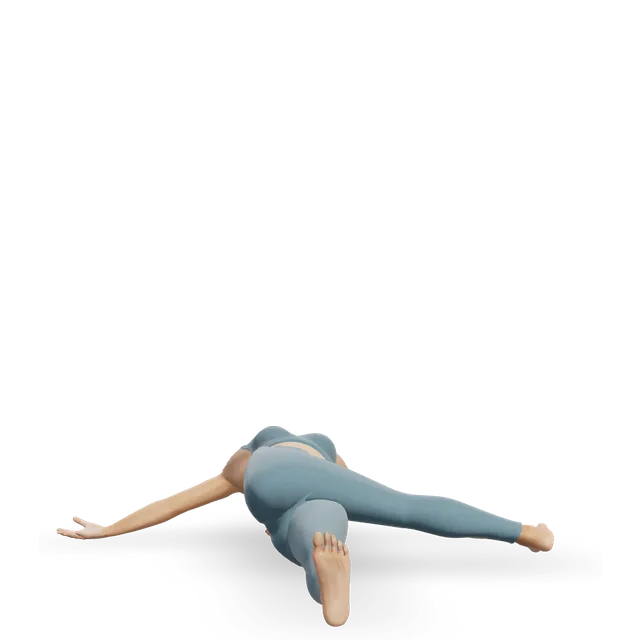
Loading the 3D figure…
The figure repeats the movement from its starting position. Drag to turn it; the arrows open the demos either side.
Lying on your back with your arms out wide and legs straight, you lift one straight leg and swing it across your body toward the opposite hand, letting the hips roll, then return and swap. It is a dynamic stretch for the outer hip, hamstrings and lower back. Keep it controlled: a stretching commentary advises against fast, bouncing stretches at the end of the range.
Movement guide
Lying leg windmills
Make it easier or harder
Choose a version that fits your control and comfort.
Easier option
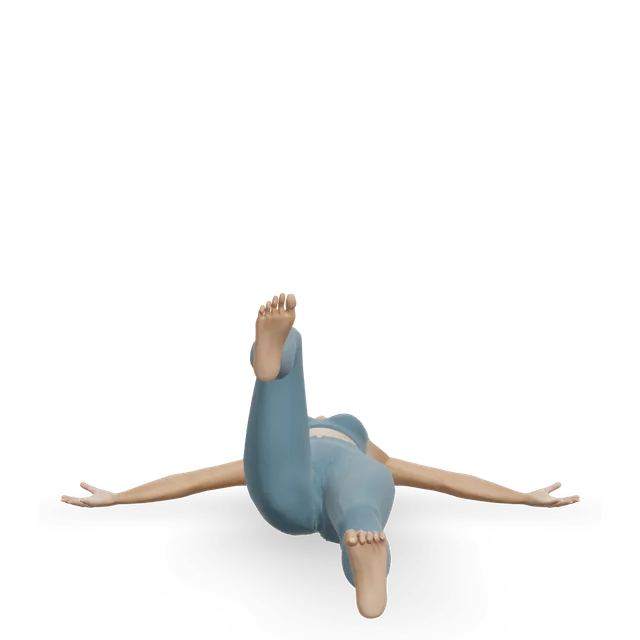 3D demoSupine spinal twist (Supta Matsyendrasana)Beginner · No equipment
Suggested next step, beginner grade.
Harder option
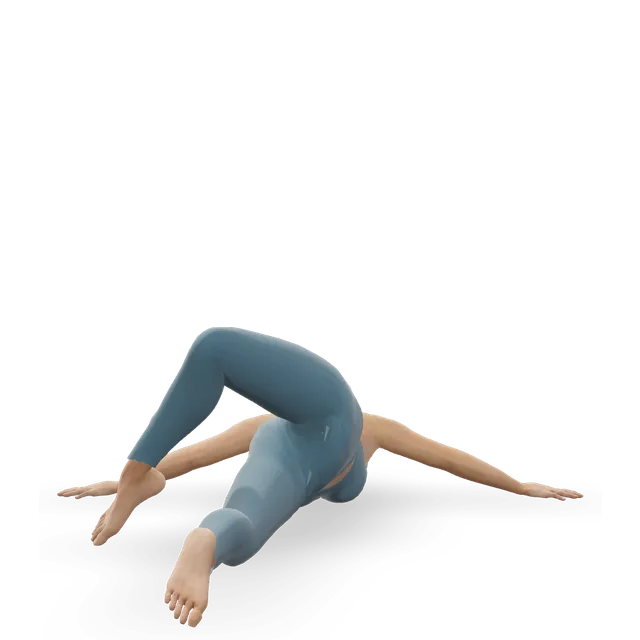 3D demoProne scorpion stretchIntermediate · No equipment
Suggested next step, intermediate grade.
Source-researched guide.
Form cues
- Keep both shoulders on the floor.
- Swing smoothly rather than fast.
- Avoid: forcing the foot to the floor.
Practice and cautions
1 to 2 sets of 10 to 20, alternating sides, as part of a warm-up (our editorial starting point).
Skip it with pain on the outside of the hip, where drawing the leg across the body presses on the gluteal tendons, and leave it out if twisting brings on back or leg pain. This is movement education, not an assessment or treatment prescription. Stop for sharp or increasing pain, dizziness, numbness or tingling; seek individual guidance for symptoms, injury or restrictions.
Sources and review status
Sources support the educational description; they do not establish that this exercise is suitable for you.
- Page 2012 · Current concepts in muscle stretching: active stretching moves a limb through its range; bouncing (ballistic) stretching is no longer recommended (clinical commentary, IJSPT) ↗
- Opplert & Babault 2018 · Dynamic stretching before exercise raises range and can help performance; fast ballistic swings are less useful than controlled ones (review, Sports Medicine) ↗
- Grimaldi 2015 · Gluteal tendinopathy: drawing the thigh across the body compresses the outer hip tendons (review, Sports Medicine) ↗
- Free Exercise DB · community text ↗
Unlicense · Free Exercise DB contributors; derived from wrkout/exercises.json. Text import; no photographs or media. · Revision f00c92c7dcf1216a928a52c3706c7ce8e2f71ed5
No variation is labeled clinically validated.
What it works
Muscles
Main: Hip abductors. Also: Glutes, Hamstrings, Back.
Anatomy: Gluteus medius, Gluteus minimus, Tensor fasciae latae.
Equipment
None: body weight and floor space.
Level
Intermediate. See the easier and harder options above.
Similar moves
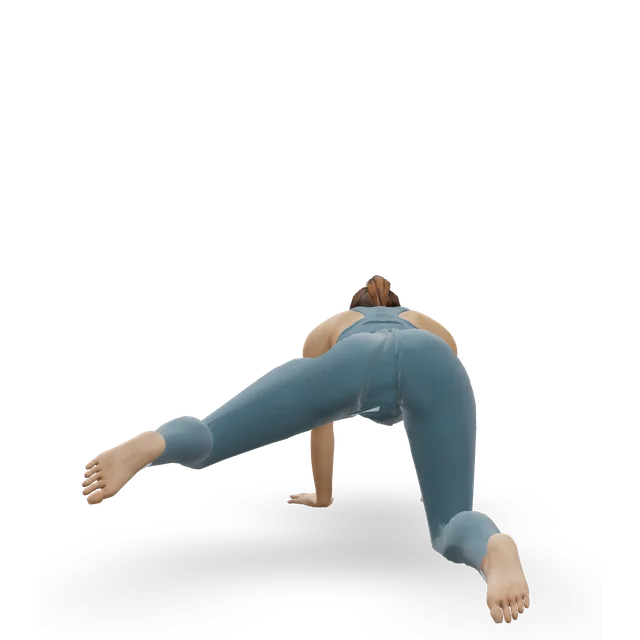 3D demoHip circles on all foursBeginner · No equipment
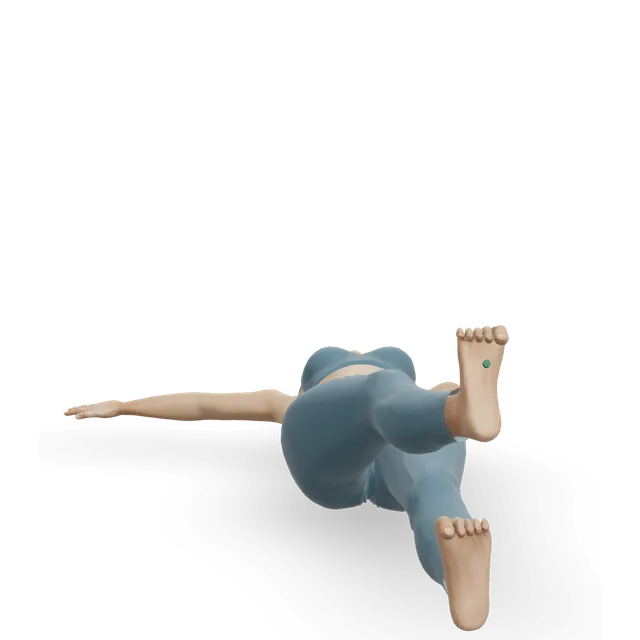 3D demoLying IT band stretch with a strapIntermediate · Other / check instructions
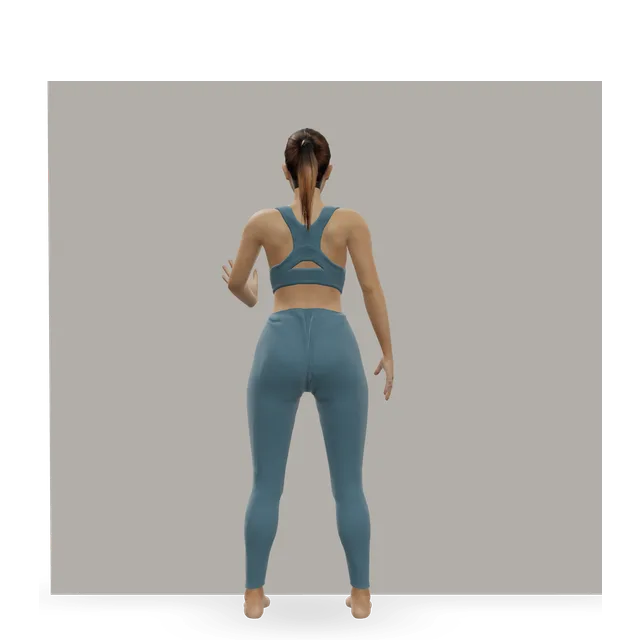 3D demoSide-stepping (sideways walking)Beginner · A wall
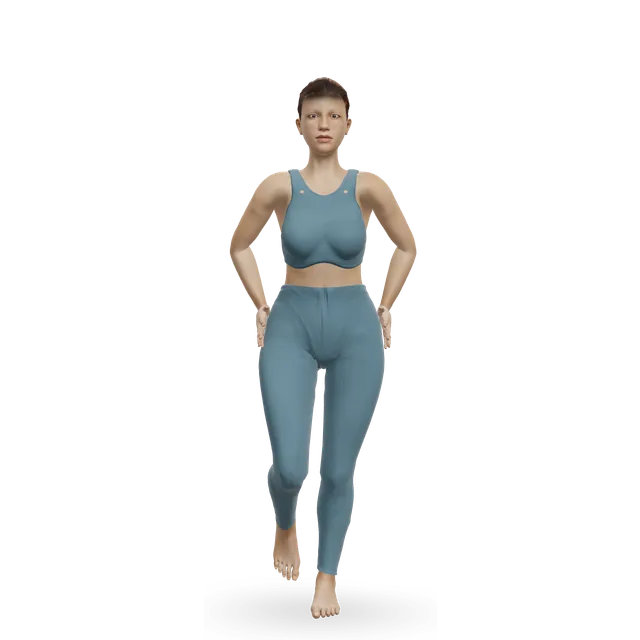 3D demoSingle-leg reach matrixIntermediate · No equipment
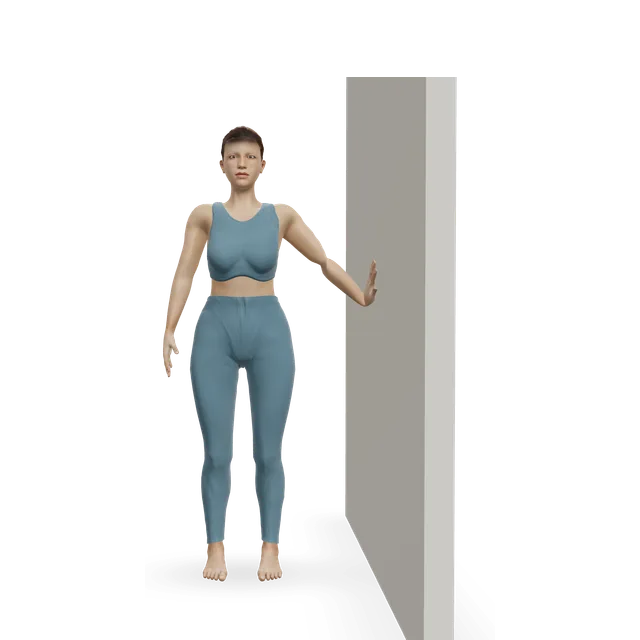 3D demoSingle-leg standBeginner · A wall
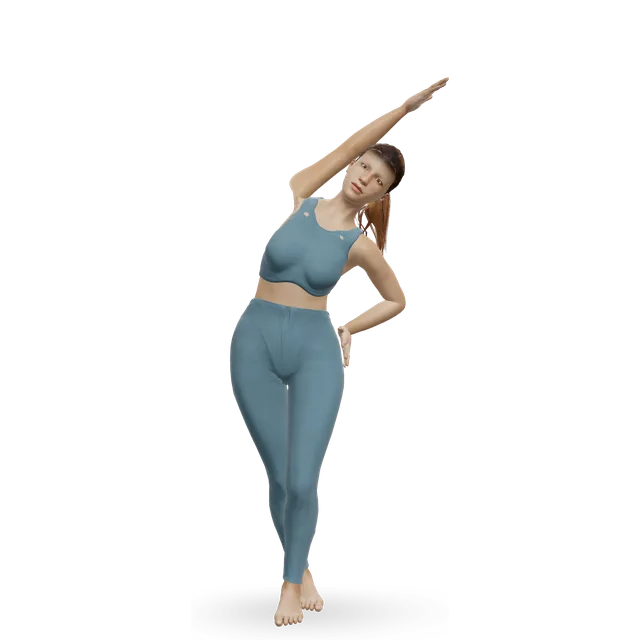 3D demoStanding crossed-leg side reachBeginner · No equipment
Browse more
Questions people ask
What muscles does the Lying leg windmills work?
Mainly the hip abductors, with help from the glutes, hamstrings and back.
What equipment do I need for the Lying leg windmills?
No equipment: your body weight and a little floor space.
Is the Lying leg windmills good for beginners?
It is graded intermediate. If it is too hard right now, start with the Supine spinal twist (Supta Matsyendrasana).
What is an easier alternative to the Lying leg windmills?
Try the Supine spinal twist (Supta Matsyendrasana) or the Lying knee-across-the-body stretch. It is the suggested step down from this move.
How do I make the Lying leg windmills harder?
Progress to the Prone scorpion stretch. Follow that guide’s technique and any stated timing.