Ab crunch machine
A seated crunch against a weight stack: you curl forwards over the arm pads, and on many machines the knees rise at the same time. ACE rates it beginner, the same level as the floor crunch. In a study of 42 adults it drew less rectus abdominis activity than a ball crunch against an elastic band (84% against 104% of maximum) and far more hip flexor activity (65% against 27%).
Movement guide
Ab crunch machine
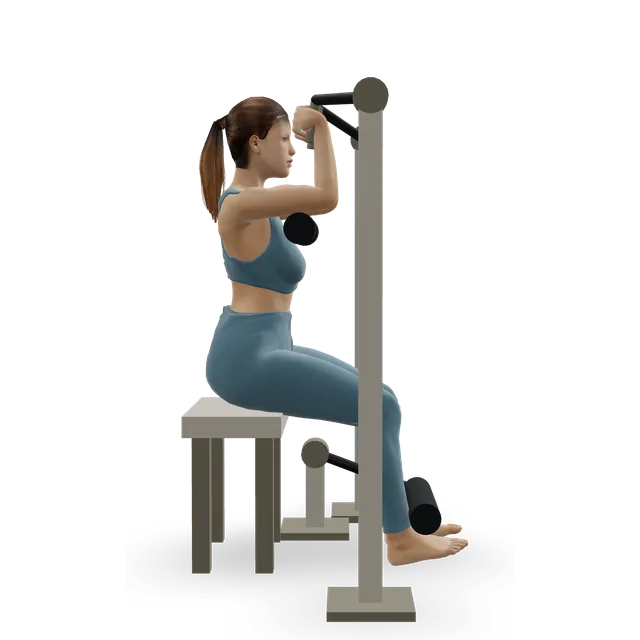
Loading the 3D figure…
Make it easier or harder
Choose a version that fits your control and comfort.
Easier option
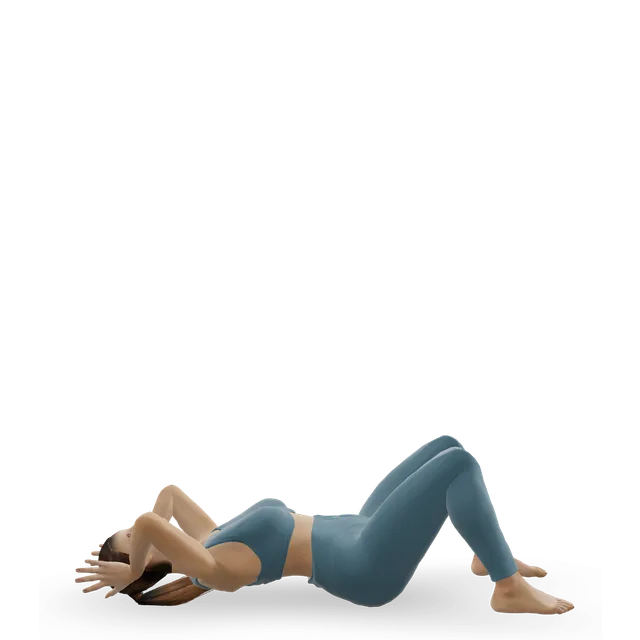 3D demoCrunchBeginner · No equipment
Suggested next step, beginner grade.
Harder option
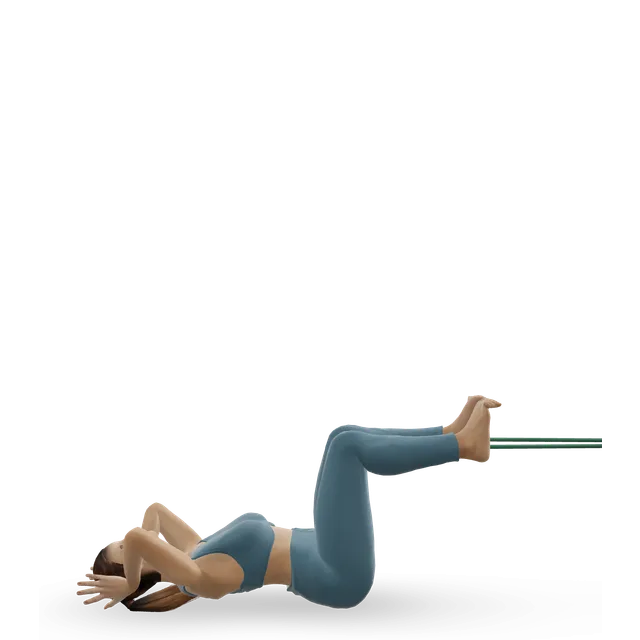 3D demoCable reverse crunchIntermediate · A cable machine
Similar move, intermediate grade.
Source-researched guide. Clinical review is pending.
How to move
- Set the seat so the machine's pivot sits level with the middle of your trunk, set a light weight, and sit with your back against the pad, your feet or shins hooked under the leg rollers.
- Take the handles above your shoulders with your upper arms resting on the pads and your elbows bent to about a right angle.
- Breathe out and curl your ribs down towards your hips in a slow, steady pull, letting your knees rise if the leg pads move with you.
- Pause for a second, then let the weight take you back upright over 2 to 3 seconds without the stack touching down.
Form cues
- Curl the spine; don't just pull with the arms.
- Keep the legs relaxed and let the abdominals do the work.
- Avoid: heaving a heavy stack with a jerk.
Practice and cautions
2 to 3 sets of 8 to 12, stopping with 2 or 3 reps in reserve (our editorial starting point).
The seated position and hooked feet bring in the hip flexors more than a floor or ball crunch: if your low back complains, choose a crunch on a ball instead. Never add plates or dumbbells to the stack, as makers warn; use the next pin instead. This loads the spine while it is rounded: leave it out with osteoporosis or a past spinal fracture. With a stoma or after abdominal surgery (including gallbladder or appendix removal, a hernia repair, hysterectomy, caesarean, weight-loss surgery or a kidney or liver transplant), this is an advanced core exercise: work up through easier core levels first, and stop if you notice doming or bulging around your stoma or scar. It may not suit everyone. This is movement education, not an assessment or treatment prescription. Stop for sharp or increasing pain, dizziness, numbness or tingling; seek individual guidance for symptoms, injury or restrictions.
Sources and review status
Sources support the educational description; they do not establish that this exercise is suitable for you.
- ACE · Seated crunch on a machine (beginner) ↗
- Sundstrup 2012 · The seated crunch machine against a ball crunch with an elastic band (rectus abdominis 84% against 104% of maximum, rectus femoris 65% against 27%; EMG, IJSPT) ↗
- Nautilus · Inspiration Strength Abdominal owner's manual (set the seat so the movement's pivot lines up with the middle of the trunk; never add dumbbells or other weights to the stack) ↗
- Free Exercise DB · community text ↗
Unlicense · Free Exercise DB contributors; derived from wrkout/exercises.json. Text import; no photographs or media. · Revision f00c92c7dcf1216a928a52c3706c7ce8e2f71ed5
No variation is labeled clinically validated.
What it works
Equipment
Strength machine
Level
Beginner. See the easier and harder options above.
Guides that use it
Similar moves
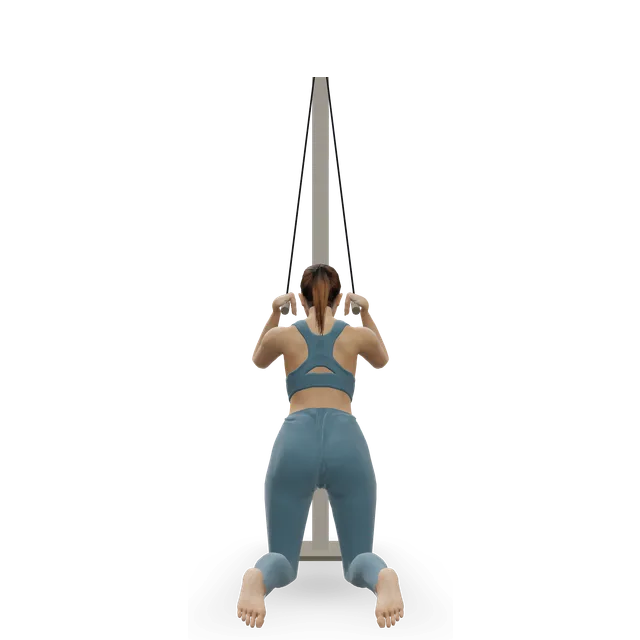 3D demoKneeling cable crunch with a twistIntermediate · A cable machine
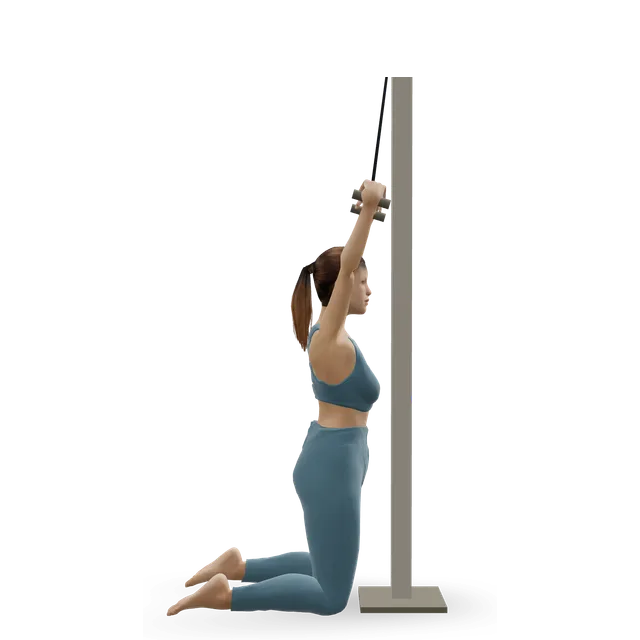 3D demoKneeling rope crunch from overheadIntermediate · A cable machine
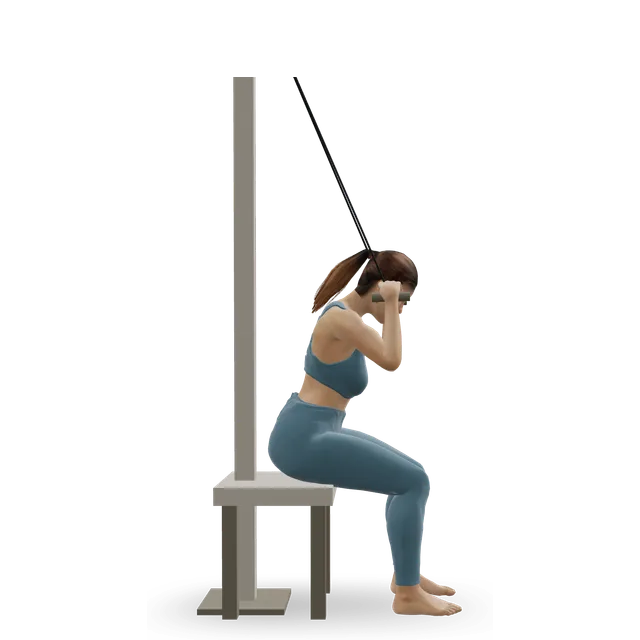 3D demoSeated cable crunchIntermediate · A cable machine + A bench or box
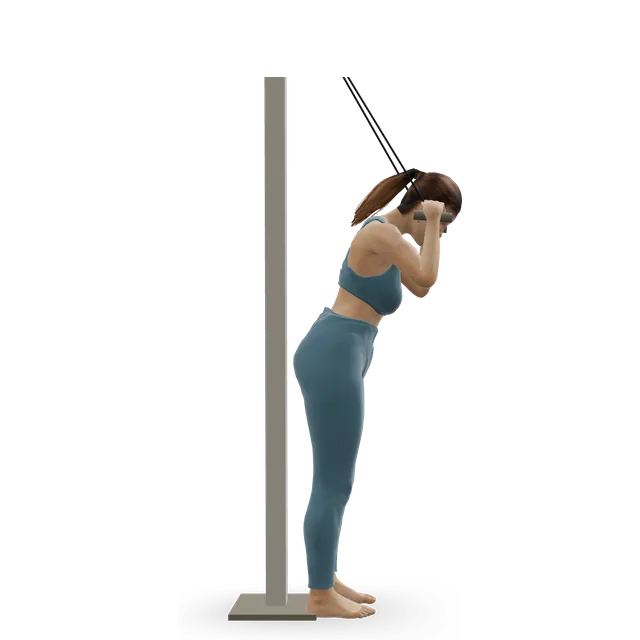 3D demoStanding cable crunchBeginner · A cable machine
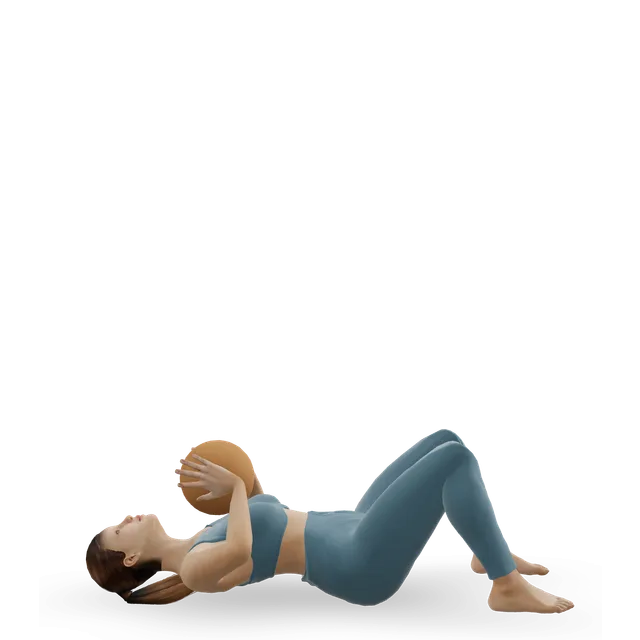 3D demoWeighted crunchIntermediate · Medicine ball
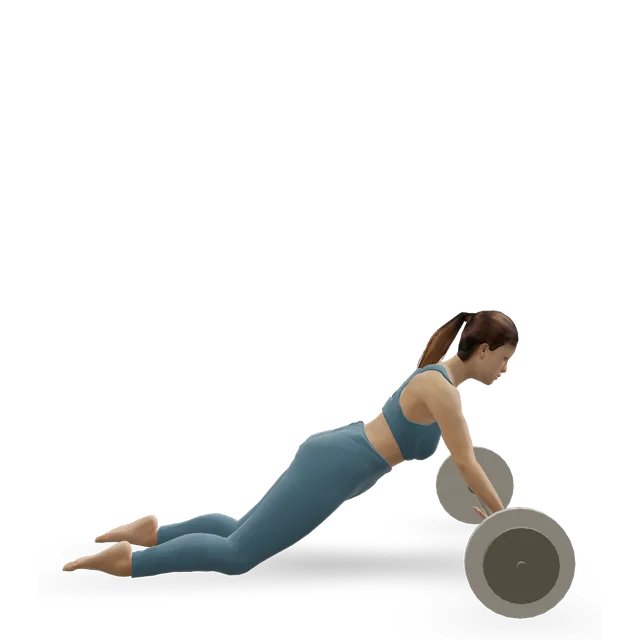 3D demoAb wheel rollout from the kneesAdvanced · An ab wheel
Browse more
Questions people ask
What muscles does the Ab crunch machine work?
Mainly the abs, with help from the hip flexors.
What equipment do I need for the Ab crunch machine?
Strength machine.
Is the Ab crunch machine good for beginners?
It is graded beginner, so it suits most people starting out. When it feels easy, try the Cable reverse crunch.
What is an easier alternative to the Ab crunch machine?
Try the Crunch. It is the suggested step down from this move.
How do I make the Ab crunch machine harder?
Progress to the Cable reverse crunch or the Kneeling cable crunch. Follow that guide’s technique and any stated timing.