Medicine-ball chest pass and sprint
From an athletic stance you draw a medicine ball to your chest on one step, push it away hard on the next and sprint after it for about 10 metres: a chest pass that turns into an acceleration. Upper-body plyometric training such as medicine-ball throws improved throwing distance and strength in a meta-analysis, though with low certainty (Garcia-Carrillo 2023).
Movement guide
Medicine-ball chest pass and sprint
Make it easier or harder
Choose a version that fits your control and comfort.
Easier option
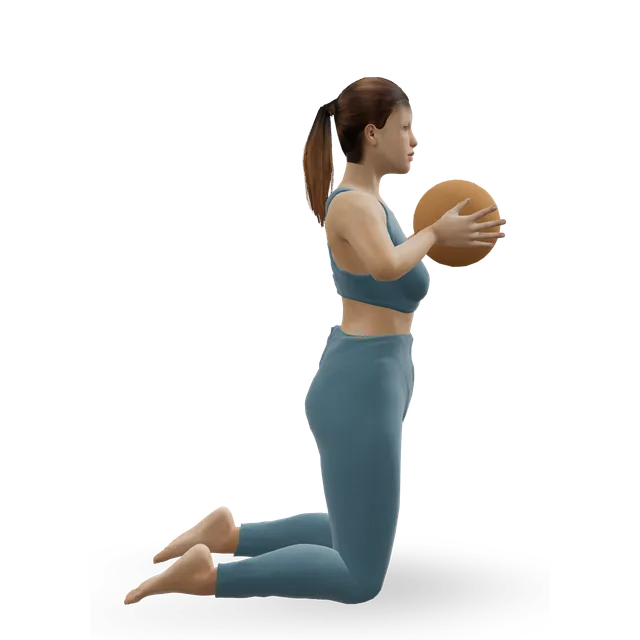 3D demoMedicine-ball chest pushBeginner · Medicine ball
Suggested next step, beginner grade.
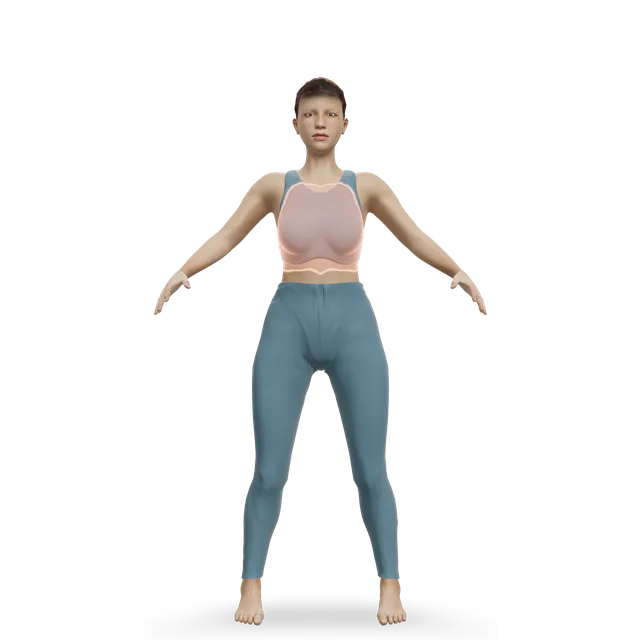
Harder option
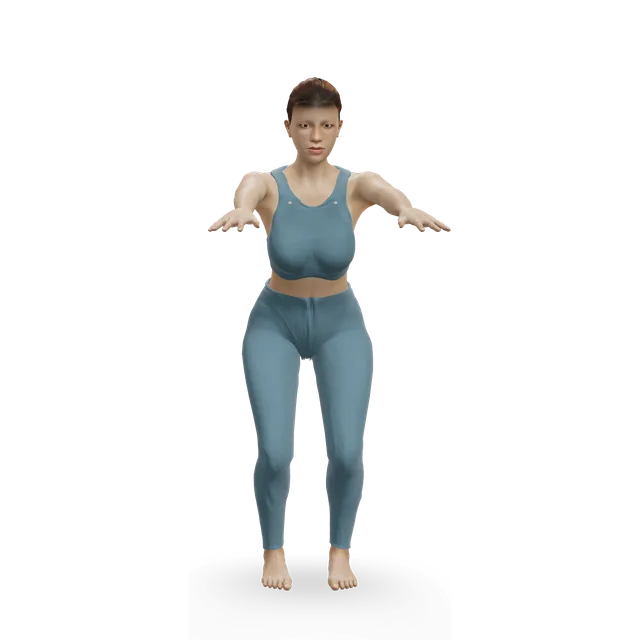 3D demoLateral hop to sprintIntermediate · Other / check instructions
Similar move, intermediate grade.
Source-researched guide.
How to move
- Stand in an athletic stance, feet hip-width apart, knees bent, hips back and back flat, holding a light medicine ball low in front of your thighs.
- Take a first step forward as you draw the ball into your chest.
- On the second step, push the ball forward hard with both hands until the arms are straight.
- Let the push carry you straight into a sprint of about 10 metres, then walk back.
Form cues
- Push through the ball and let the body follow it.
- Stay low and lean into the first strides of the sprint.
Practice and cautions
1 set of 5 to 10, or 3 sets once you train for a sport, with a minute's rest between sets, twice a week and 48 hours apart (Davies 2015's guide to upper-body plyometrics). Walk back to the start after each sprint.
Throw where the ball can roll away freely, clear of people and windows. This is movement education, not an assessment or treatment prescription. Stop for sharp or increasing pain, dizziness, numbness or tingling; seek individual guidance for symptoms, injury or restrictions.
Sources and review status
Sources support the educational description; they do not establish that this exercise is suitable for you.
- Garcia-Carrillo 2023 · Upper-body plyometric training improved medicine-ball throws and strength, with low certainty (meta-analysis of 30 studies, Sports Medicine Open) ↗
- Davies 2015 · Current concepts of plyometric exercise: drills graded beginner, intermediate and advanced, about 80 to 100 foot contacts a session for beginners, and 48 to 72 hours between sessions (clinical commentary, IJSPT) ↗
- Haugen 2019 · Training sprint performance: drills are slower and easier to control than sprinting and sit in the warm-up; acceleration runs of 10 to 50 m from a crouched or three-point start, with full recovery (review, Sports Medicine Open) ↗
- Free Exercise DB · community text ↗
Unlicense · Free Exercise DB contributors; derived from wrkout/exercises.json. Text import; no photographs or media. · Revision f00c92c7dcf1216a928a52c3706c7ce8e2f71ed5
No variation is labeled clinically validated.
What it works
Muscles
Main: Chest, Triceps. Also: Shoulders, Abs, Quads, Glutes, Hamstrings.
Anatomy: Pectoralis major, Pectoralis minor, Serratus anterior, Triceps brachii.
Equipment
Medicine ball
Level
Beginner. See the easier and harder options above.
Similar moves
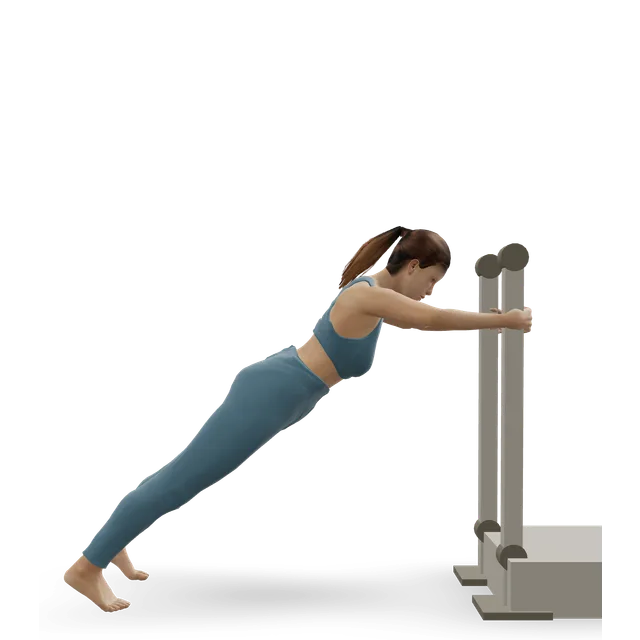
Browse more
Questions people ask
What muscles does the Medicine-ball chest pass and sprint work?
Mainly the chest and triceps, with help from the shoulders, abs, quads, glutes and hamstrings.
What equipment do I need for the Medicine-ball chest pass and sprint?
Medicine ball.
Is the Medicine-ball chest pass and sprint good for beginners?
It is graded beginner, so it suits most people starting out. When it feels easy, try the Lateral hop to sprint.
What is an easier alternative to the Medicine-ball chest pass and sprint?
Try the Medicine-ball chest push. It is the suggested step down from this move.
How do I make the Medicine-ball chest pass and sprint harder?
Progress to the Lateral hop to sprint or the Sprint intervals. Follow that guide’s technique and any stated timing.