Plyometric kettlebell crossover push-up
A push-up with one hand on a kettlebell's handle and the other on the floor, driven up hard enough to move sideways over the bell so the hands swap, landing straight into the next rep. Ballistic push-ups with the hands moving needed more muscle activity and loaded the spine more than steadier forms (Freeman 2006), and NASM rates the plyometric push-up advanced.
Movement guide
Plyometric kettlebell crossover push-up
Make it easier or harder
Choose a version that fits your control and comfort.
Easier option
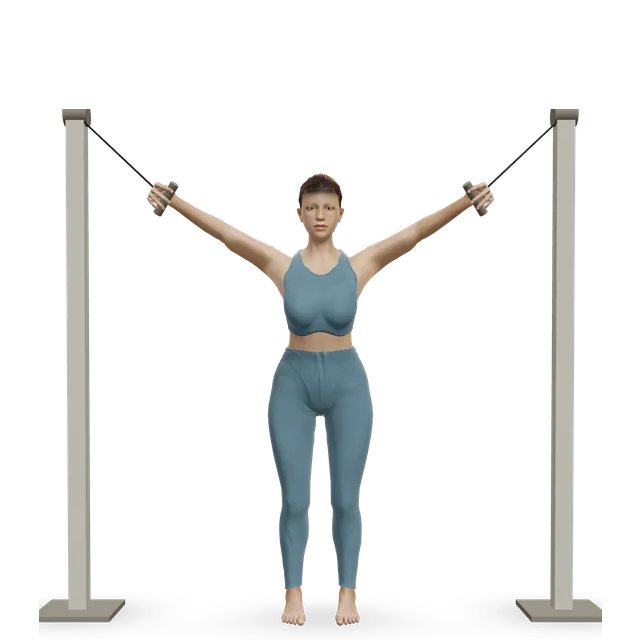 3D demoBent-forward cable crossoverIntermediate · A cable machine
Similar move, intermediate grade.
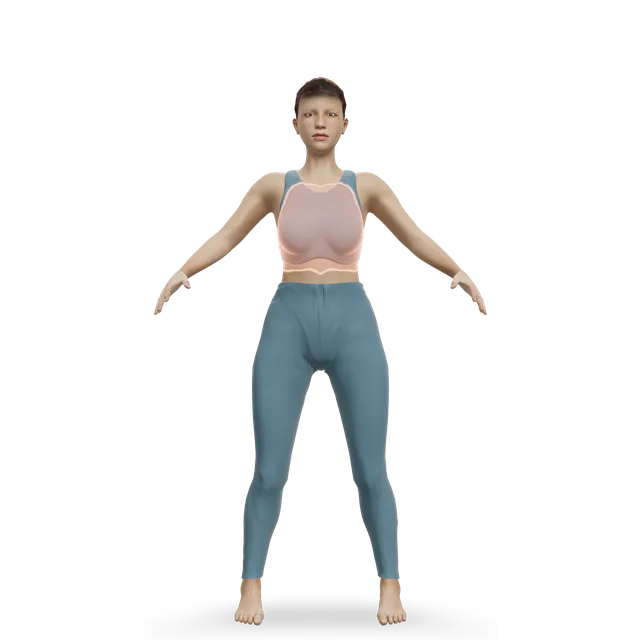
Harder option
Keep the same movement. Build resistance gradually once the current load is controlled, within the guide's advice. ACSM 2026 resistance training position stand
Source-researched guide.
How to move
- Stand a heavy, flat-bottomed kettlebell upright on the floor. Take a push-up position on your toes with one hand on its handle and the other on the floor, arms straight and your head in line with your spine.
- Lower your chest as far as you can control, your body in one line.
- Push up hard and move sideways across the bell so your hands swap: the floor hand lands on the handle, and the other lands on the floor beyond the bell.
- Land on soft elbows, lower straight into the next rep, and cross back.
Form cues
- Land softly on bent elbows.
- Keep the hips in line with the shoulders as you cross.
- Avoid: hopping before you can walk the hands over the bell slowly.
Practice and cautions
3 to 4 sets of 4 to 8 crossings, resting a minute or more between sets and ending each set while the landings stay soft (our editorial starting point)
A kettlebell can rock under a landing hand: use a heavy one with a flat base, grip the handle firmly, and practise crossing over slowly first. Landings load the wrists and elbows quickly, so stop before fatigue spoils them, as NASM advises. This is movement education, not an assessment or treatment prescription. Stop for sharp or increasing pain, dizziness, numbness or tingling; seek individual guidance for symptoms, injury or restrictions.
Sources and review status
Sources support the educational description; they do not establish that this exercise is suitable for you.
- Freeman 2006 · Muscle activity and spine load in forms of the push-up (ballistic push-ups with the hands moving needed more muscle activity and loaded the spine more; MSSE) ↗
- NASM · Plyometric push-up (advanced: land softly on bent elbows, and stop before fatigue spoils the landing) ↗
- Koch 2012 · Ground reaction forces in plyometric push-ups (the clap push-up loaded the hands fastest; JSCR) ↗
- Free Exercise DB · community text ↗
Unlicense · Free Exercise DB contributors; derived from wrkout/exercises.json. Text import; no photographs or media. · Revision f00c92c7dcf1216a928a52c3706c7ce8e2f71ed5
No variation is labeled clinically validated.
What it works
Muscles
Main: Chest. Also: Triceps, Shoulders, Abs.
Anatomy: Pectoralis major, Pectoralis minor, Serratus anterior.
Equipment
A kettlebell
Level
Advanced. See the easier and harder options above.
Similar moves
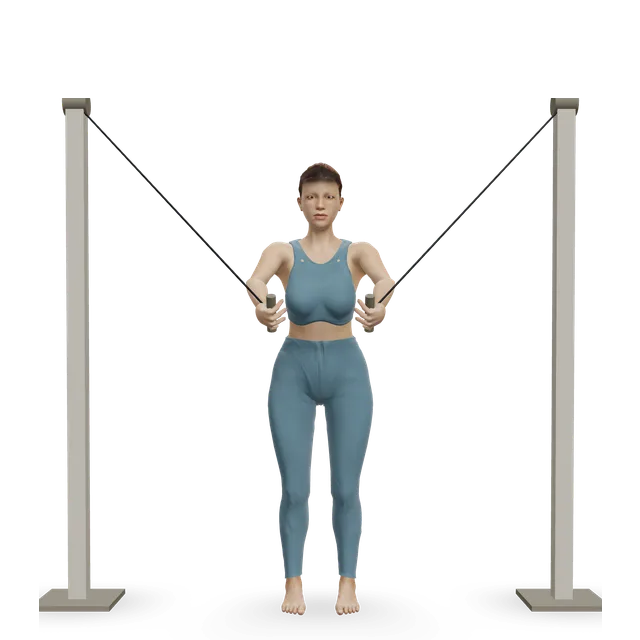
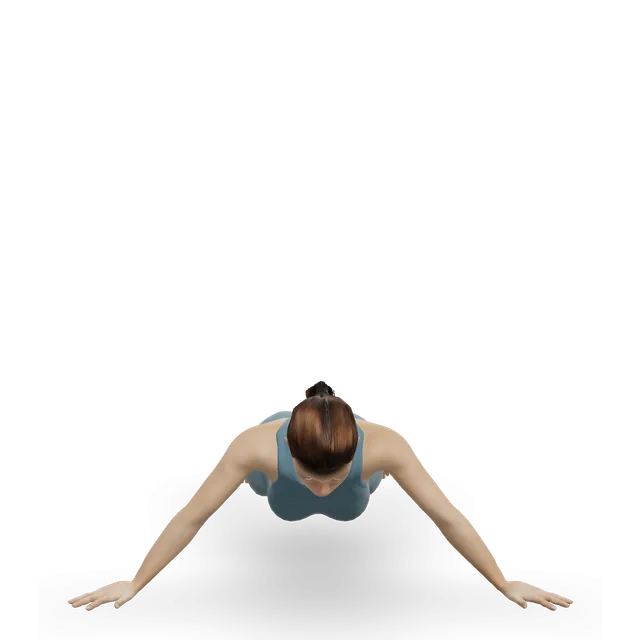
Browse more
Questions people ask
What muscles does the Plyometric kettlebell crossover push-up work?
Mainly the chest, with help from the triceps, shoulders and abs.
What equipment do I need for the Plyometric kettlebell crossover push-up?
A kettlebell.
Is the Plyometric kettlebell crossover push-up good for beginners?
It is an advanced move. Build up to it with the Bent-forward cable crossover first.
What is an easier alternative to the Plyometric kettlebell crossover push-up?
Try the Bent-forward cable crossover or the Close-grip push-up on a dumbbell. It works similar muscles at a lower grade.