Power stairs
A strongman event: a heavy implement is lifted from the floor and swung up onto each step of a staircase. In training, a box or tyre and a single step or box stand in, so it combines a wide-stance deadlift with a hip-driven swing. In a survey of 213 strongman athletes, implement training was about twice as likely to cause injury as ordinary weight training, most often to the low back.
Movement guide
Power stairs
Make it easier or harder
Choose a version that fits your control and comfort.
Easier option
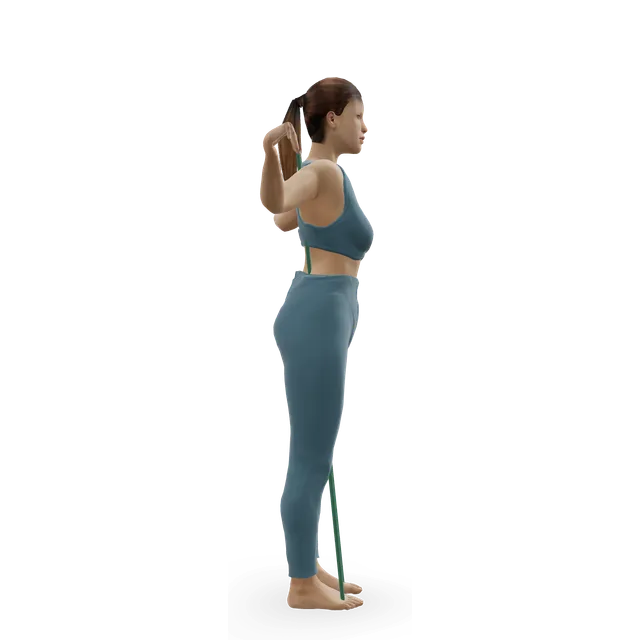 3D demoBand good morningBeginner · A band
Similar move, beginner grade.
Harder option
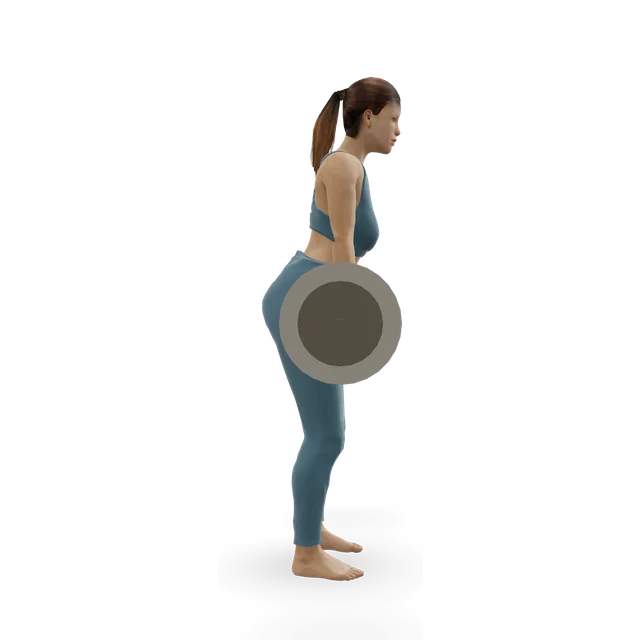 3D demoHang power cleanAdvanced · A barbell
Similar move, advanced grade.
Source-researched guide.
How to move
- Stand facing the implement with the feet wide and the step or box just ahead, about 40 to 45 cm high.
- Grip the handles with both hands, chest up and back flat, and drive through the heels to lift it off the floor.
- As it rises, lean back and drive the hips through to swing it forward onto the step, pushing it up with a knee if needed.
- Step up after it and repeat on the next step, or, with a single box, lower it to the floor under control and go again.
Form cues
- Lift with the hips and legs; the arms are hooks.
- Keep the implement close to the shins.
- Avoid: rounding the back to swing it higher.
Practice and cautions
3 to 5 runs of 3 to 5 lifts with a manageable implement, resting fully between runs (our editorial starting point).
Start light with a low step and keep the back flat as you swing; let a slipping implement fall rather than chase it. Strongman lifts can load the spine heavily in awkward positions. This is movement education, not an assessment or treatment prescription. Stop for sharp or increasing pain, dizziness, numbness or tingling; seek individual guidance for symptoms, injury or restrictions.
Sources and review status
Sources support the educational description; they do not establish that this exercise is suitable for you.
- Winwood 2014 · Injuries in 213 strongman athletes: implement training about twice as likely to injure as ordinary lifting, the low back most often hurt (survey, JSCR) ↗
- McGill 2009 · Strongman events compared: heavy spine loads, and awkward implements that rule out a neutral back (EMG and modelling, JSCR) ↗
- Free Exercise DB · community text ↗
Unlicense · Free Exercise DB contributors; derived from wrkout/exercises.json. Text import; no photographs or media. · Revision f00c92c7dcf1216a928a52c3706c7ce8e2f71ed5
No variation is labeled clinically validated.
What it works
Muscles
Main: Glutes, Hamstrings. Also: Quads, Adductors, Back, Forearms, Shoulders.
Anatomy: Gluteus maximus, Piriformis, Obturator internus, Hamstrings, Biceps femoris.
Equipment
Other / check instructions + A step
Level
Intermediate. See the easier and harder options above.
Similar moves
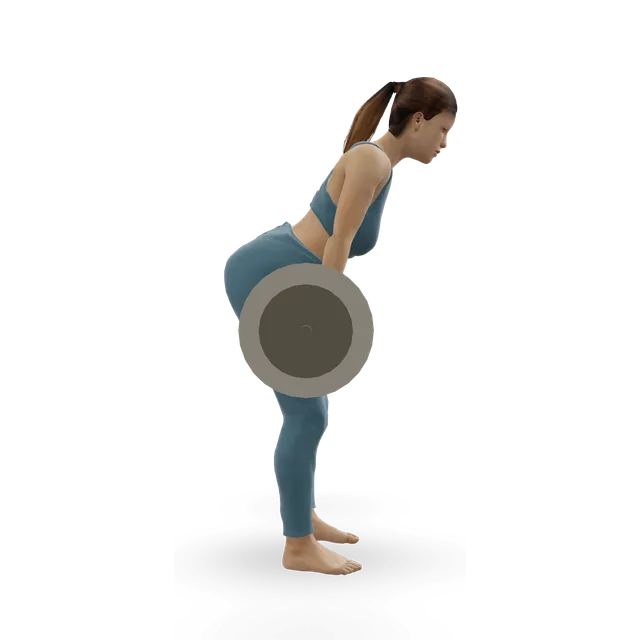 3D demoPower clean from blocksAdvanced · A barbell
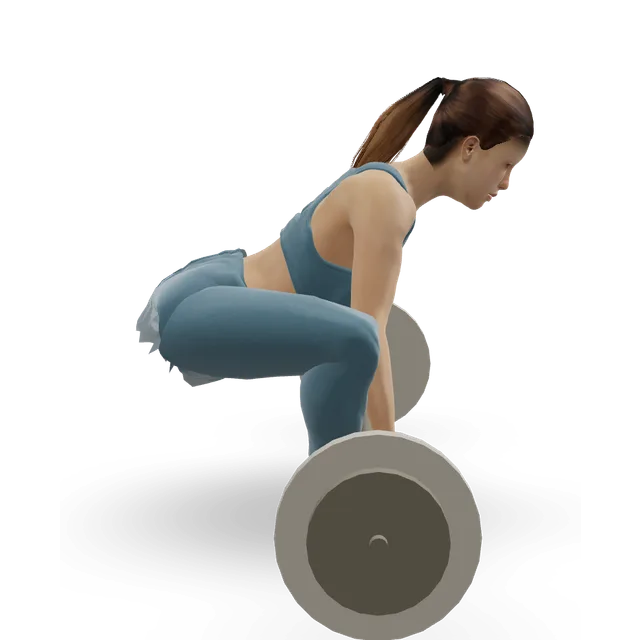 3D demoPower snatchAdvanced · A barbell
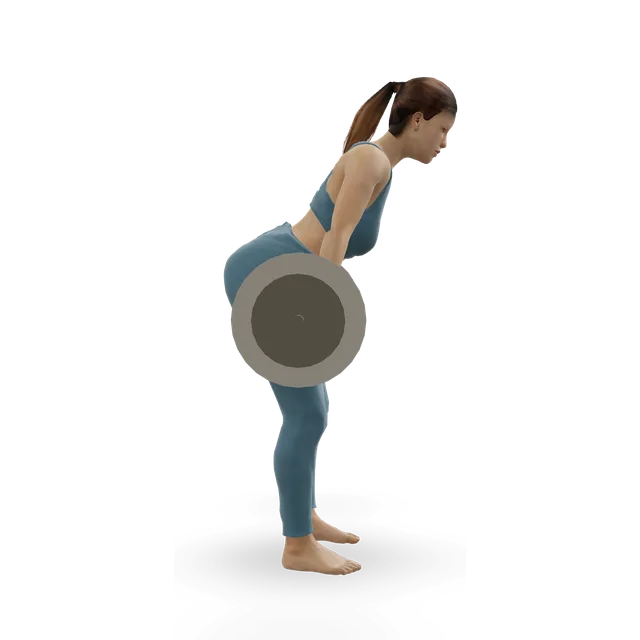 3D demoPower snatch from blocksAdvanced · A barbell
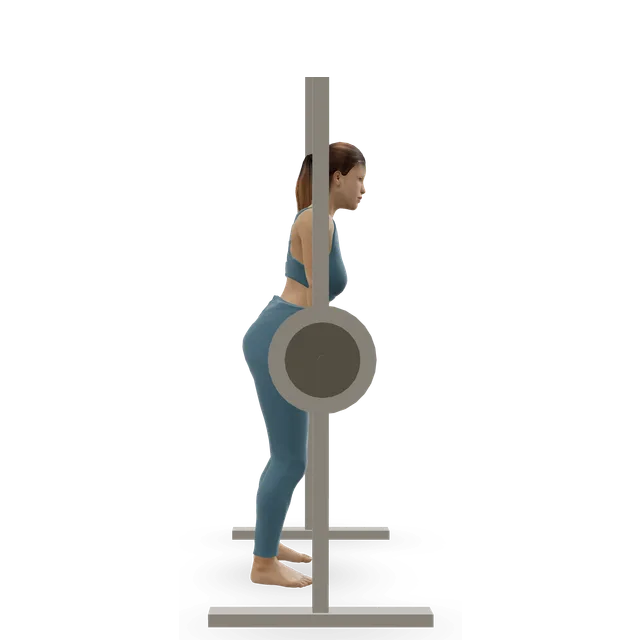 3D demoSmith machine hang power cleanIntermediate · Strength machine
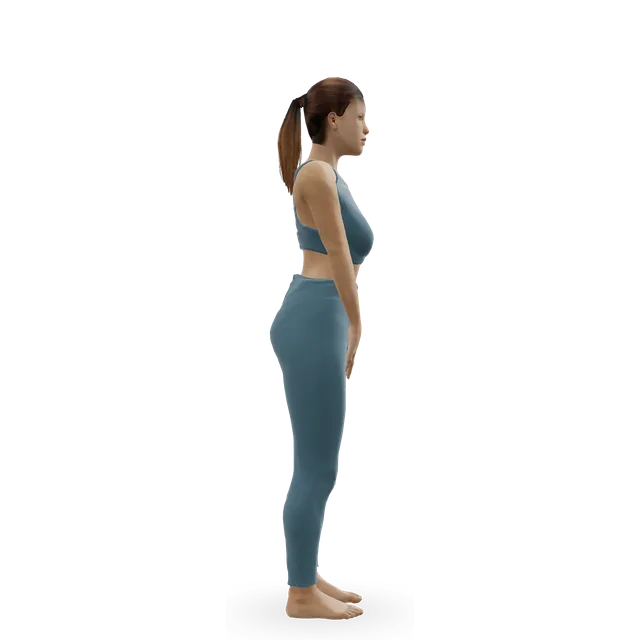 3D demoHip-hinge practiceBeginner · No equipment
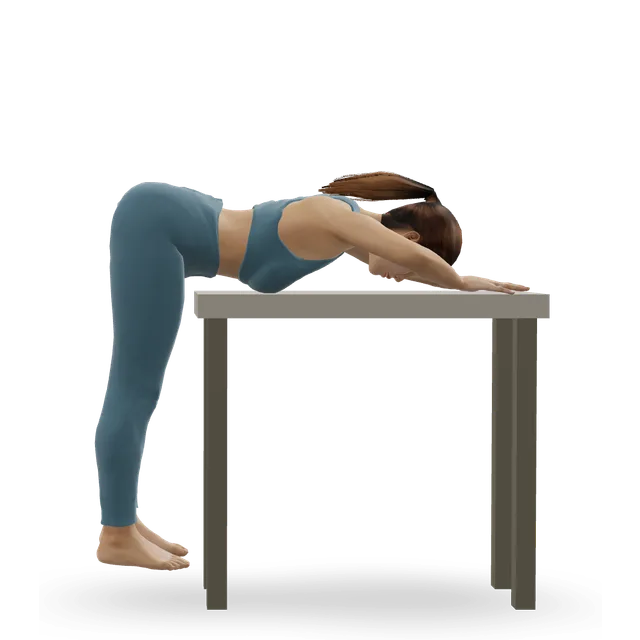 3D demoReverse hyperextensionAdvanced · A bench or box
Browse more
Questions people ask
What muscles does the Power stairs work?
Mainly the glutes and hamstrings, with help from the quads, adductors, back, forearms and shoulders.
What equipment do I need for the Power stairs?
Other / check instructions + A step.
Is the Power stairs good for beginners?
It is graded intermediate. If it is too hard right now, start with the Band good morning.
What is an easier alternative to the Power stairs?
Try the Band good morning or the Band good morning, anchored to a rack. It works similar muscles at a lower grade.
How do I make the Power stairs harder?
Progress to the Hang power clean or the Power clean. Follow that guide’s technique and any stated timing.