Alternating hammer-grip front raise
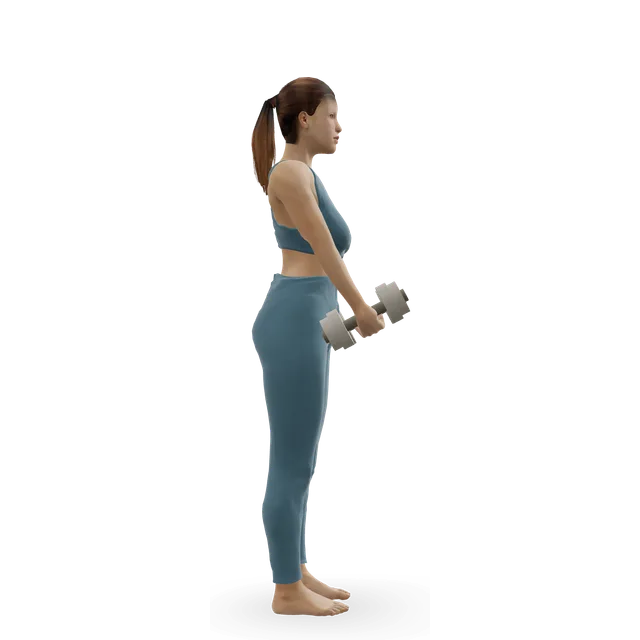
Standing with dumbbells at your sides and the thumbs pointing forward, you raise one arm at a time straight in front to shoulder height and lower it. It is the front raise with a hammer grip, taking turns. Mass General's shoulder handout prefers forward raises with the thumb up rather than the palm down, and in an EMG study the front raise worked mainly the front deltoid and the upper chest.
Movement guide
Alternating hammer-grip front raise
Loading the 3D figure…
Make it easier or harder
Choose a version that fits your control and comfort.
Easier option
Use a lighter weight or resistance in this same movement, following the guide's setup. ACSM 2026 resistance training position stand
Harder option
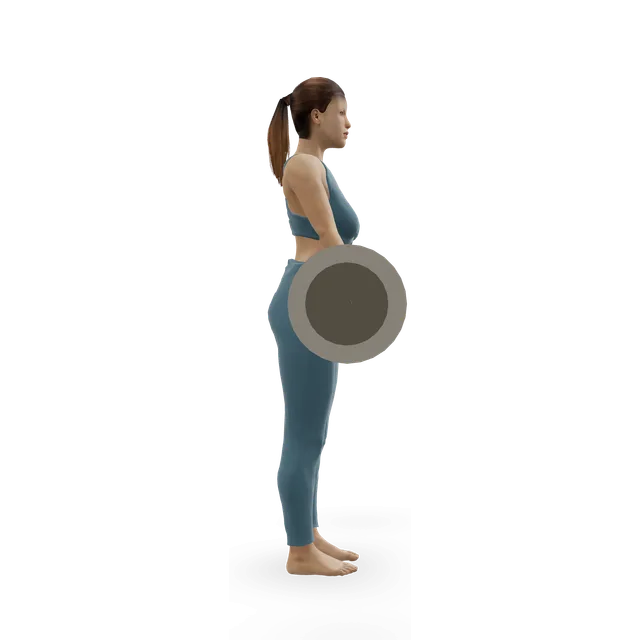 3D demoBarbell front raise to overheadIntermediate · A barbell
Similar move, intermediate grade.
Source-researched guide. Clinical review is pending.
How to move
- Stand tall with a dumbbell in each hand at your sides, palms facing in so the thumbs point forward.
- Keeping the elbow soft, raise one arm straight in front of you to shoulder height, thumb leading.
- Lower it slowly to your side, then raise the other arm the same way.
- Keep alternating, your trunk still and the resting arm relaxed by your side.
Form cues
- Lead with the thumb, not the knuckles.
- Stop at shoulder height.
- Avoid: rocking your body to swing the weight up.
Practice and cautions
2 to 3 sets of 10 to 15 each arm, stopping with 2 or 3 reps in reserve (our editorial starting point).
This is movement education, not an assessment or treatment prescription. Stop for sharp or increasing pain, dizziness, numbness or tingling; seek individual guidance for symptoms, injury or restrictions.
Sources and review status
Sources support the educational description; they do not establish that this exercise is suitable for you.
- Mass General Sports Physical Therapy · Strength training for the shoulder (forward raises with the thumb up, not the palm down) ↗
- Coratella 2020 · Lateral raise variations and the front raise compared (turning the arm in shifted work to the rear deltoid and upper trapezius; the front raise worked the front deltoid and chest; EMG, IJERPH) ↗
- ACE · Front raise (beginner; raised to shoulder height, the arms turning slightly out past 60 to 70 degrees) ↗
- Free Exercise DB · community text ↗
Unlicense · Free Exercise DB contributors; derived from wrkout/exercises.json. Text import; no photographs or media. · Revision f00c92c7dcf1216a928a52c3706c7ce8e2f71ed5
No variation is labeled clinically validated.
What it works
Muscles
Main: Shoulders. Also: Chest.
Anatomy: Deltoid, Rotator cuff, Supraspinatus, Infraspinatus, Subscapularis, Teres minor.
Equipment
A dumbbell
Level
Beginner. See the easier and harder options above.
Guides that use it
Similar moves
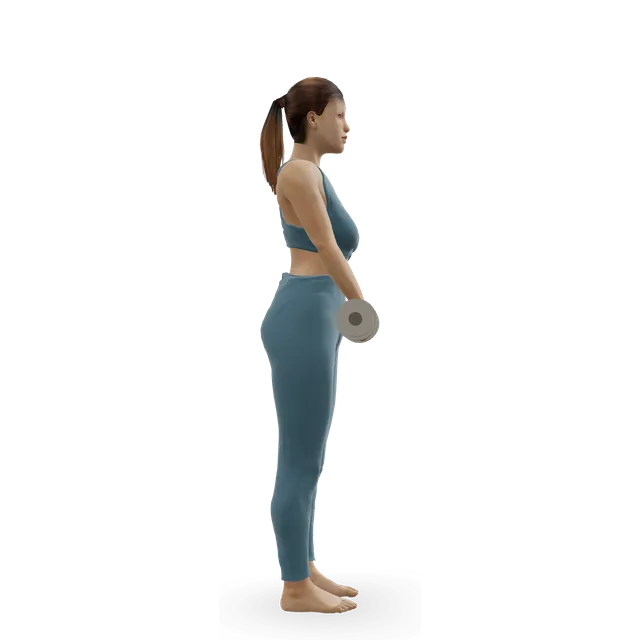 3D demoAlternating front raiseBeginner · A dumbbell
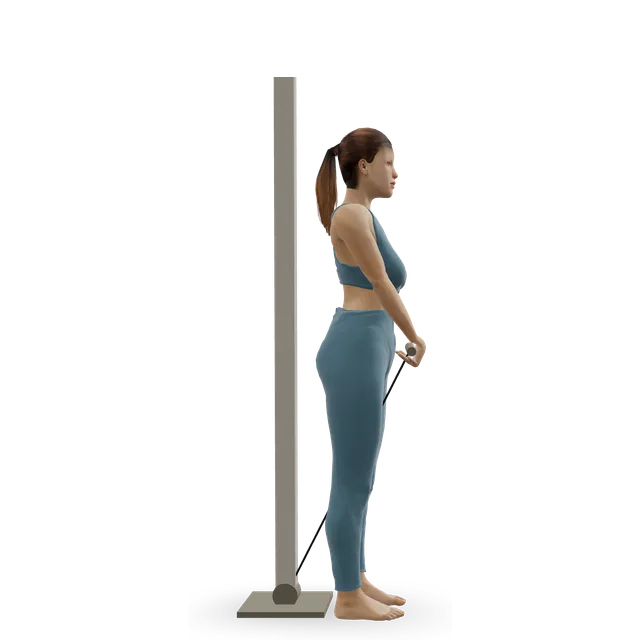 3D demoCable front raiseBeginner · A cable machine
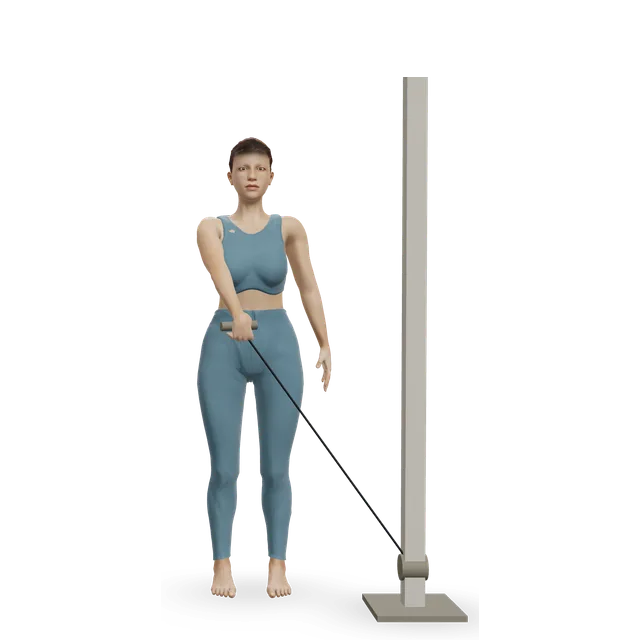 3D demoCable lateral raiseBeginner · A cable machine
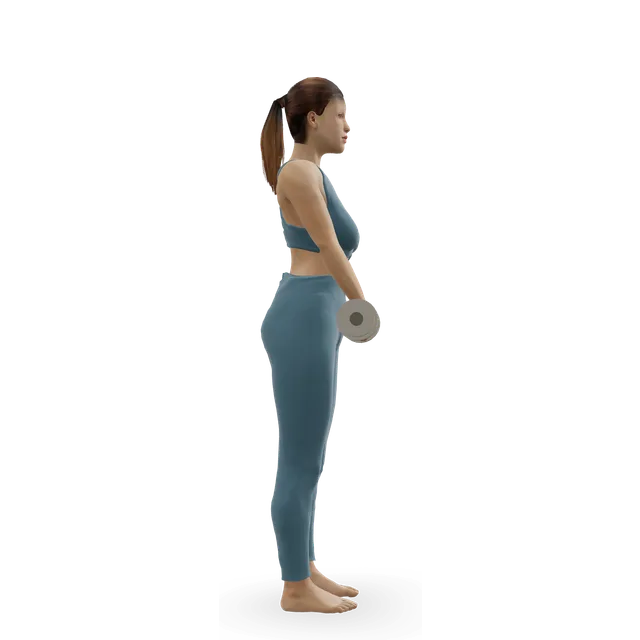 3D demoFront raiseBeginner · A dumbbell
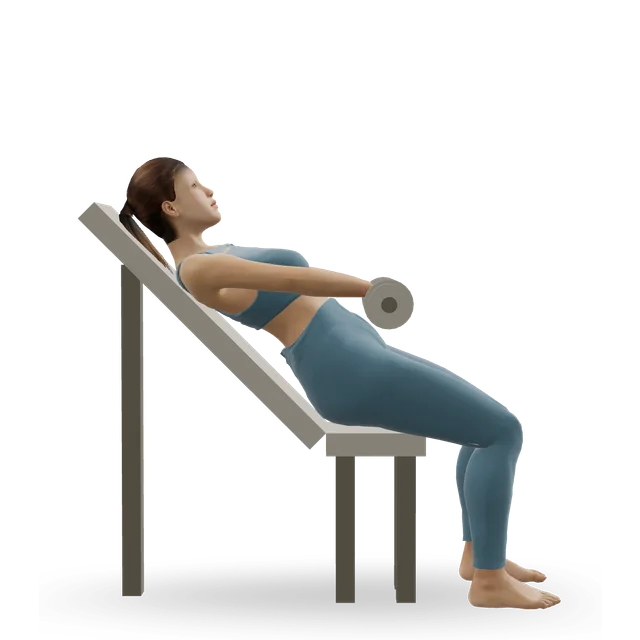 3D demoIncline dumbbell front raiseBeginner · A dumbbell + A bench or box
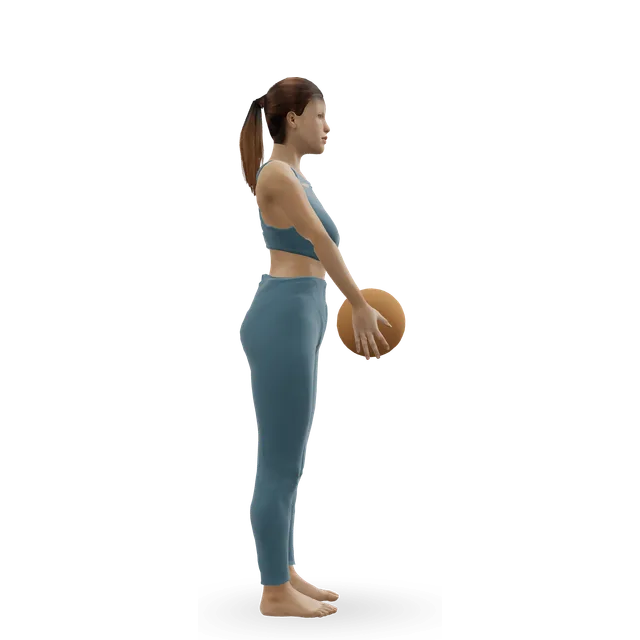 3D demoPlate front raiseBeginner · Weight plates + Medicine ball
Browse more
Questions people ask
What muscles does the Alternating hammer-grip front raise work?
Mainly the shoulders, with help from the chest.
What equipment do I need for the Alternating hammer-grip front raise?
A dumbbell.
Is the Alternating hammer-grip front raise good for beginners?
It is graded beginner, so it suits most people starting out. When it feels easy, try the Barbell front raise to overhead.
How do I make the Alternating hammer-grip front raise harder?
Progress to the Barbell front raise to overhead or the Dumbbell front raise to overhead. Follow that guide’s technique and any stated timing.