Bottoms-up kettlebell clean
A one-arm kettlebell clean from a swing that finishes with the bell upside down, balanced over a tightly gripped fist at shoulder height, rather than resting on the forearm as in the usual clean. Holding a kettlebell bottom up challenges the wrist and shoulder stabilisers (NSCA Coach), and in a bottoms-up press the biceps, trapezius and rotator cuff worked harder than in the normal press (Işiklar 2026).
Movement guide
Bottoms-up kettlebell clean
Make it easier or harder
Choose a version that fits your control and comfort.
Easier option
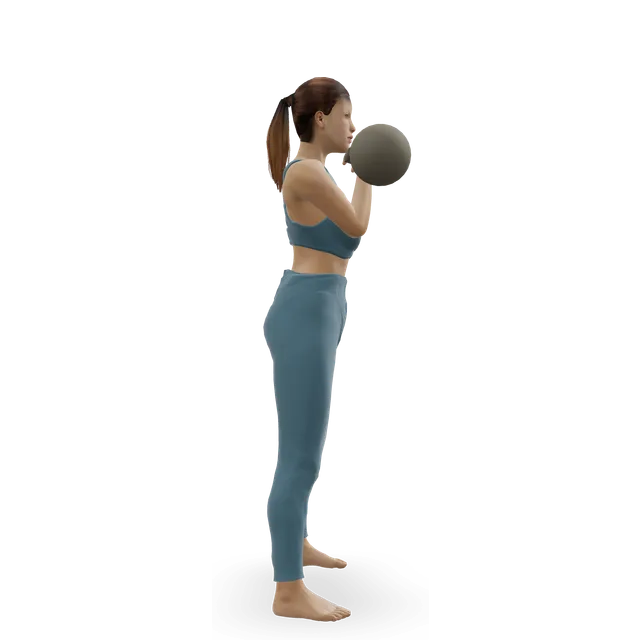 3D demoKettlebell cleanIntermediate · A kettlebell
Similar move, intermediate grade.
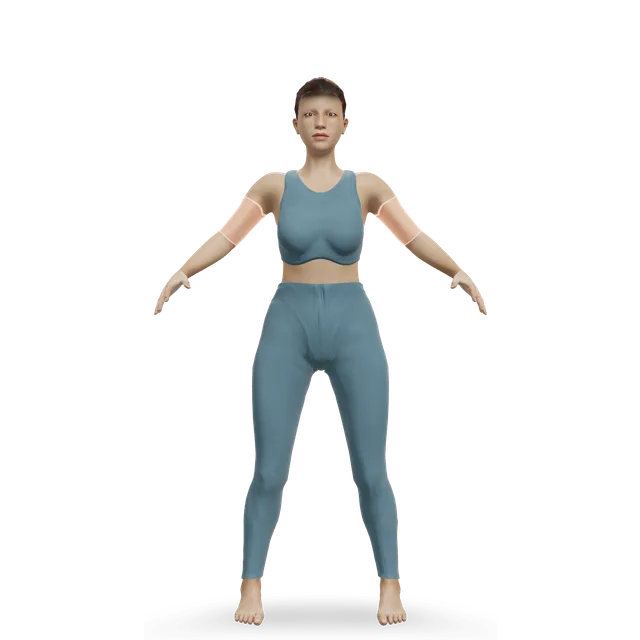
Harder option
Keep the same movement. Build resistance gradually once the current load is controlled, within the guide's advice. ACSM 2026 resistance training position stand
Source-researched guide.
How to move
- Stand tall with a light kettlebell hanging in one hand, feet about hip-width apart.
- Hinge at the hips to swing the bell back between your legs, then drive your hips forward to send it up.
- As it rises, crush the handle and pull your elbow in so the bell travels close to your body.
- Catch it at shoulder height upside down above your fist, forearm upright and wrist straight, then lower it back to the hang.
Form cues
- Squeeze the handle as hard as you can before the catch.
- Keep your elbow tucked in front of your ribs.
Practice and cautions
3 to 4 sets of 3 to 5 with each arm, using a light bell (our editorial starting point).
A bell that tips can swing into your forearm or face: start light, clear the space around you, and guide a failed rep down and away rather than fighting it. This is movement education, not an assessment or treatment prescription. Stop for sharp or increasing pain, dizziness, numbness or tingling; seek individual guidance for symptoms, injury or restrictions.
Sources and review status
Sources support the educational description; they do not establish that this exercise is suitable for you.
- Taylor and Reed 2020 · Loaded carries, NSCA Coach 7.3 (farmer's walks first; the bottoms-up walk works the wrist and shoulder; 2 to 4 rounds of 10 to 20 seconds) ↗
- Işiklar 2026 · Shoulder muscles in kettlebell, dumbbell and band exercises (the bottoms-up press drew more from the biceps, trapezius and infraspinatus than the normal press; EMG, Physiother Theory Pract) ↗
- ACE · Kettlebell clean and press (advanced) ↗
- Free Exercise DB · community text ↗
Unlicense · Free Exercise DB contributors; derived from wrkout/exercises.json. Text import; no photographs or media. · Revision f00c92c7dcf1216a928a52c3706c7ce8e2f71ed5
No variation is labeled clinically validated.
What it works
Muscles
Main: Forearms, Glutes. Also: Hamstrings, Shoulders, Biceps, Abs.
Anatomy: Brachioradialis, Wrist and finger flexors, Wrist and finger extensors, Pronator teres, Gluteus maximus, Piriformis.
Equipment
A kettlebell
Level
Advanced. See the easier and harder options above.
Similar moves
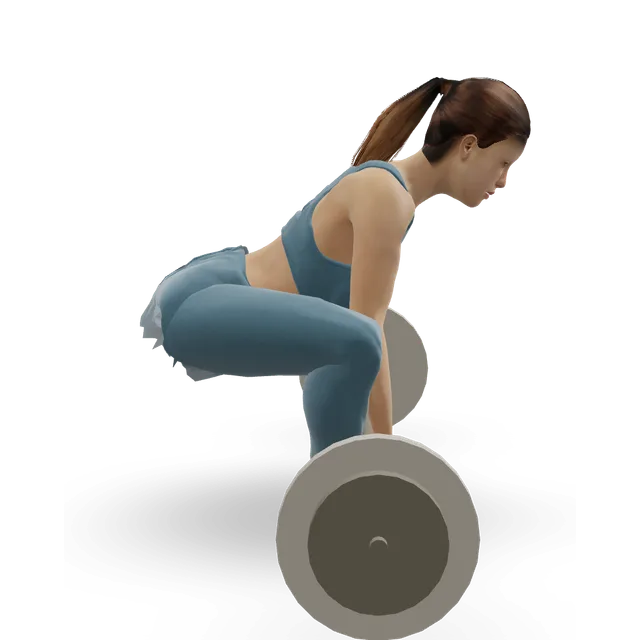
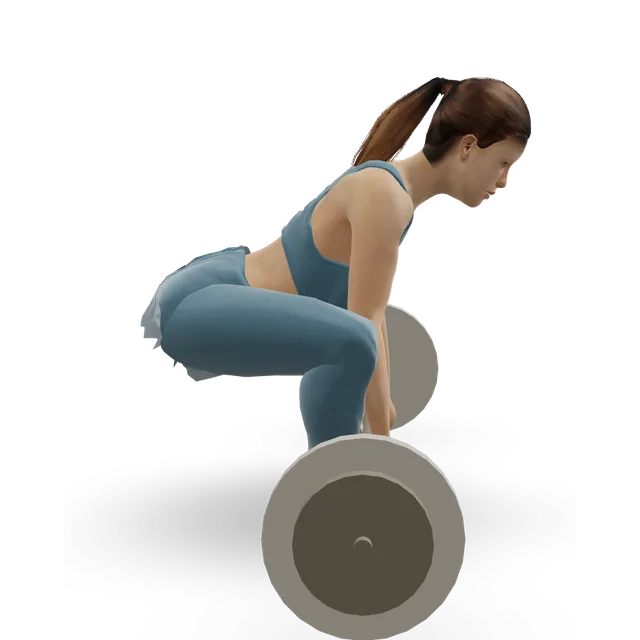
Browse more
Questions people ask
What muscles does the Bottoms-up kettlebell clean work?
Mainly the forearms and glutes, with help from the hamstrings, shoulders, biceps and abs.
What equipment do I need for the Bottoms-up kettlebell clean?
A kettlebell.
Is the Bottoms-up kettlebell clean good for beginners?
It is an advanced move. Build up to it with the Kettlebell clean first.
What is an easier alternative to the Bottoms-up kettlebell clean?
Try the Kettlebell clean or the Alternating kettlebell hang clean. It works similar muscles at a lower grade.