How to do cable crossovers: high to low, low to high and one arm, and what each works
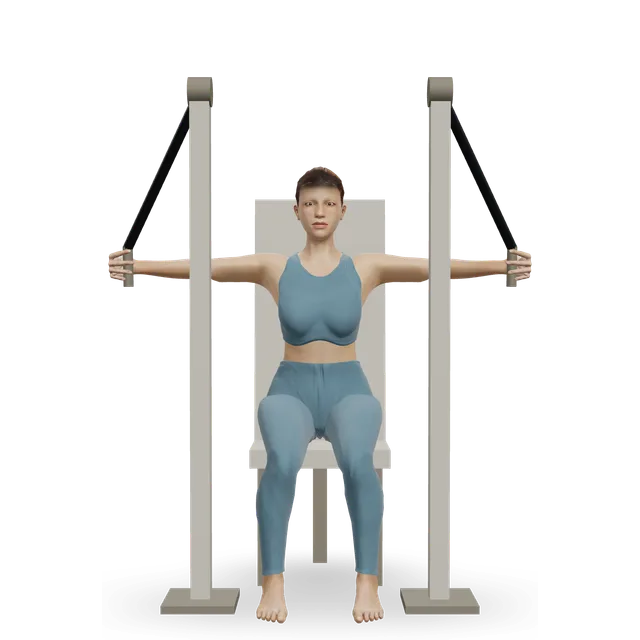
A cable crossover is a chest fly between the two columns of a cable station. Set the pulleys high to sweep your hands down to meet below your chest, low to sweep them up to meet at about face height, or at chest height to sweep straight across. Keep a slight bend in your elbows, your trunk upright and your hands in front of your body, and do 2 to 3 sets of 10 to 15.
Cable work builds muscle as well as dumbbells in the trials so far. The pulley height changes how the movement feels, but no study shows it builds a lower or upper chest. This guide shows each version step by step on the 3D figure, what each works, how heavy and how many, crossovers against the pec deck and presses, and your shoulders, with a full cable chest workout.
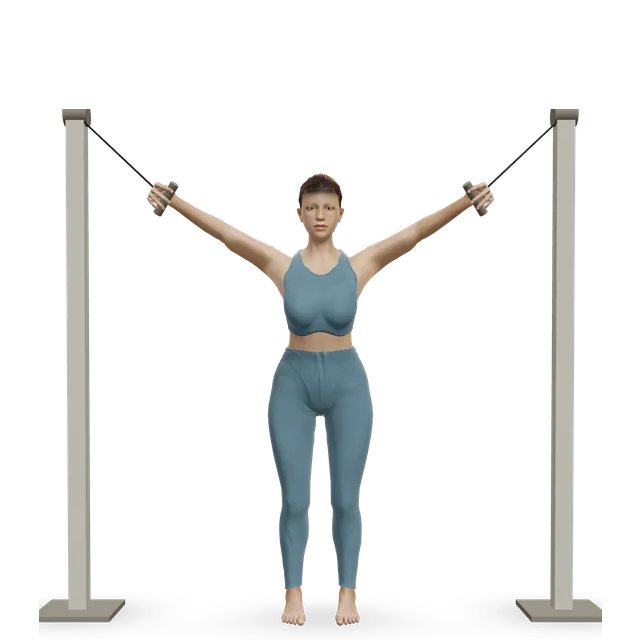
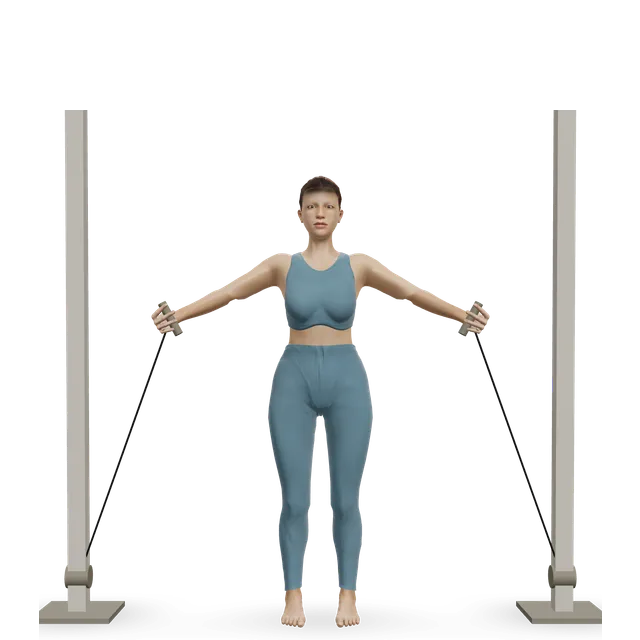
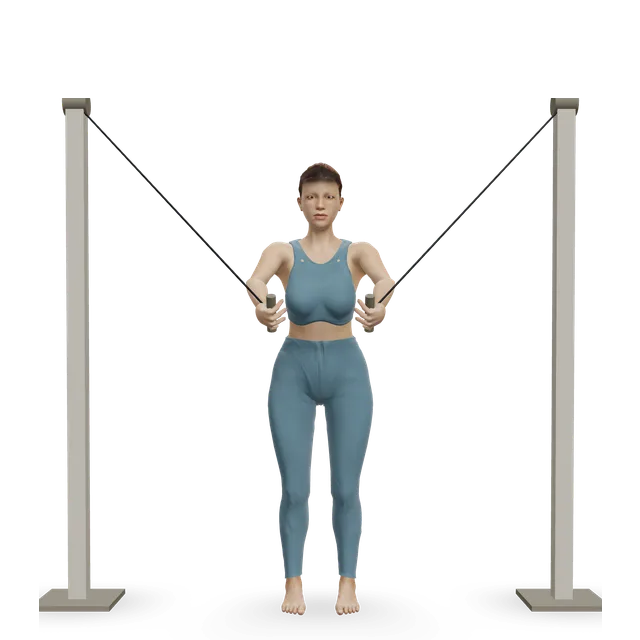
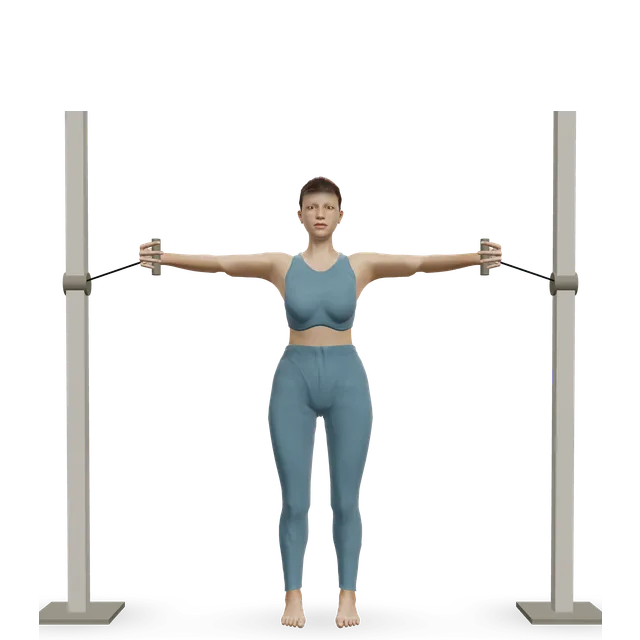
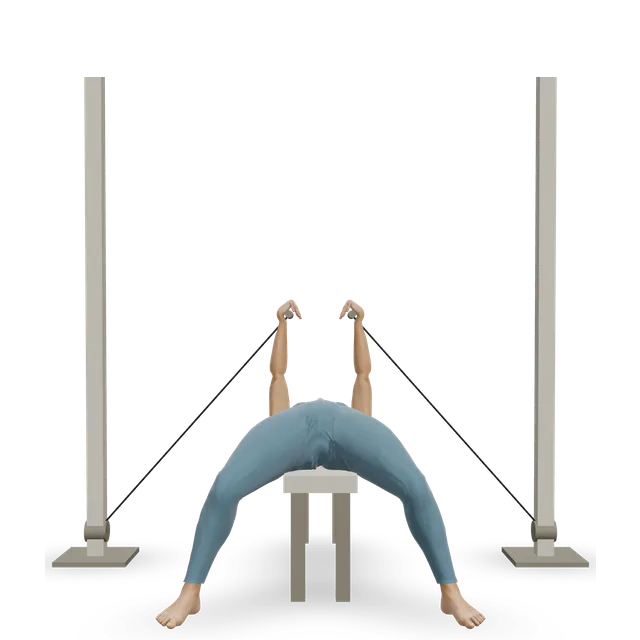
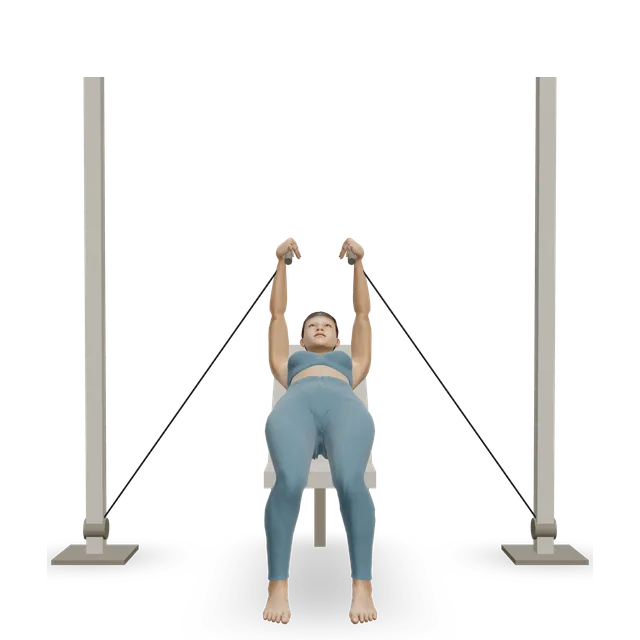
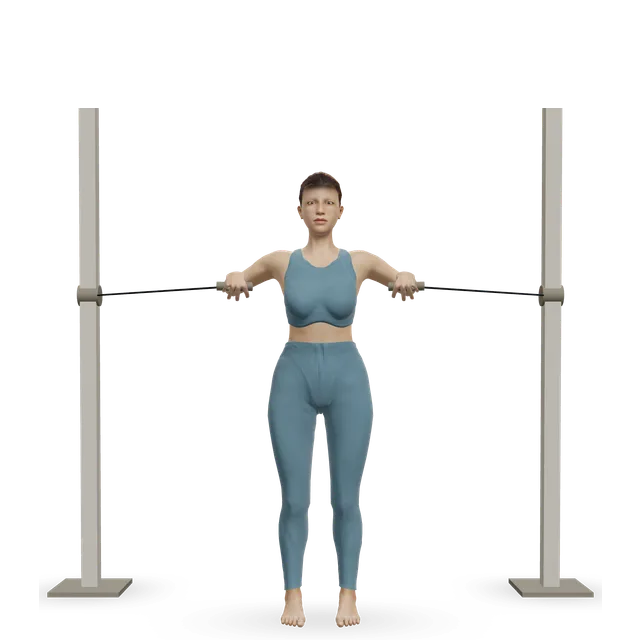
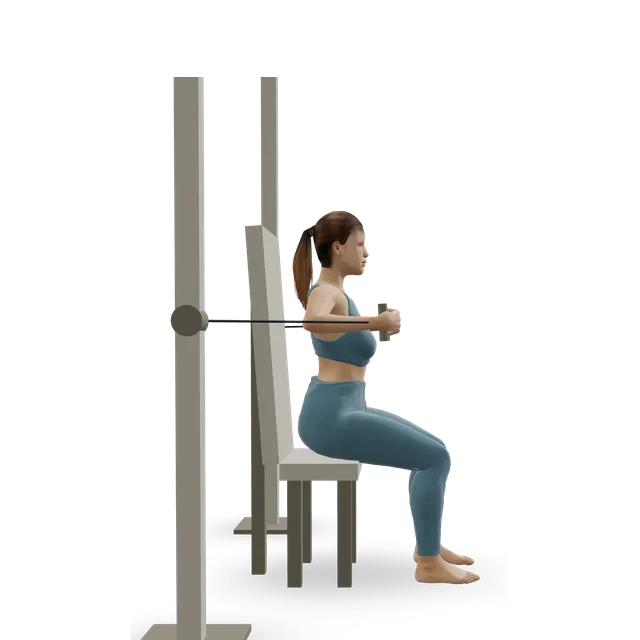
From pulleys at about the top of your head, your hands sweep down to meet just below your chest (high to low). From pulleys between your knees and hips, they sweep up to meet at about face height (low to high). From chest height, they sweep straight across. Each is a chest fly: only your shoulders move.
In one study of 14 men, funded by ACE (the American Council on Exercise) and not peer reviewed, a bent-forward crossover drew 93% of the bench press's chest activity. Muscle activity isn't growth, but it shows the crossover is a real chest exercise, not just a finisher.
In bench pressing, an incline shifted activity towards the upper chest and grew it a little more at one of three measuring points, so the pulley height may shift work a little too: that's our reading, because no study has tested it in a fly. On the pec deck, the upper and lower chest grew alike. Use the heights for variety and comfort.
Don't let your hands open behind the line of your body, and don't lean far over the cables: ACE says leaning forward raises the stress inside the shoulder. In 20 lifters, the crossover loaded the shoulder more, and less steadily, than the bench press, so start lighter than you expect.
Working one arm at a time while keeping your trunk from twisting is ACE's harder version. Standing cable pushes are limited by your balance and trunk, which is why the weights are lighter than on a bench.
2 to 3 sets of 10 to 15, stopping 2 or 3 reps short of failure (our move page's editorial dose), the last set 0 to 2 short, with 60 to 90 seconds' rest, after your presses.
Two cable columns joined by a frame, each with a pulley you slide up or down and a single handle. "Cable crossover" is the name of the machine as well as the exercise. The numbers on the stacks depend on the pulley ratio, as our cable machine guide explains.
What it works
The pectoralis major, the big chest muscle, with the front of the shoulder helping. It has one part from the collarbone and one from the breastbone, joined in one tendon on the upper arm. Standing, your trunk and legs hold you still against the pull, and the one-arm version also resists twisting.
In 20 lifters (10 men and 10 women), the crossover moved the shoulder through more range and produced bigger, less steady shoulder loads than the flat or incline bench press at the same share of body weight.
Get comfortable with the pec deck, a chest-height cable fly or pressing first, with shoulders that are pain-free with your arms out wide, as our move pages suggest.
How to do a high-to-low cable crossover
Steps 1 to 5 follow ACE's standing decline cable fly; our demo leans forward slightly, as in the ACE study's bent-forward version, which is fine if your shoulders are comfortable. Step 6 follows our cable fly move page.
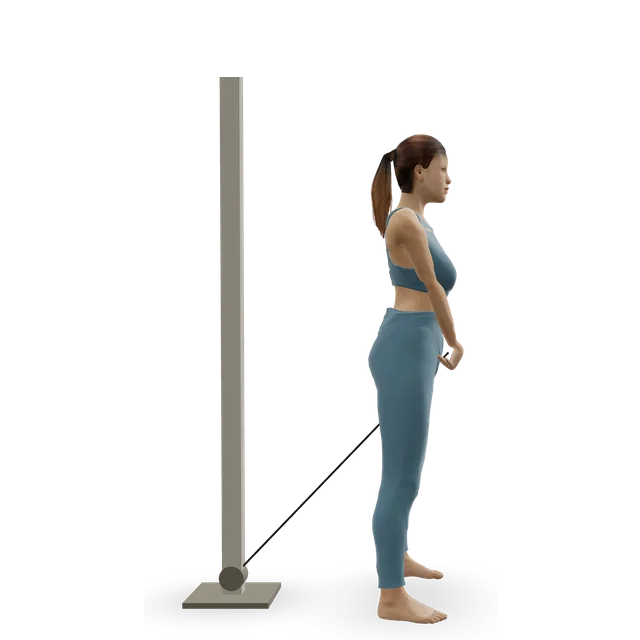
Set both pulleys about level with the top of your head, with a single handle on each.
Take a handle in each hand and step forward into a staggered stance, trunk upright, abdominals braced so your lower back doesn't arch.
Start with your arms open out to the sides and up, elbows slightly bent, wrists straight, hands no further back than the line of your body.
Breathe out and sweep your hands down and together in a wide arc until they meet just below your chest. Pause.
Let your arms open back along the same arc, stopping when your hands are level with your body.
To finish the set, step towards the pulleys before you let go of the handles.
Loading the 3D figure…
Drag to turn
Gets into position, then repeats the movement. Technical checks passed; qualified exercise review is pending.
Which height: high to low, low to high or straight across
Setting each height
High to low: pulleys about level with the top of your head, hands meeting just below the chest. Low to high: pulleys between your knees and hips, hands meeting level with your face. Straight across: pulleys at about chest height. Set both columns to the same hole.
What the bench press studies showEmerging evidence
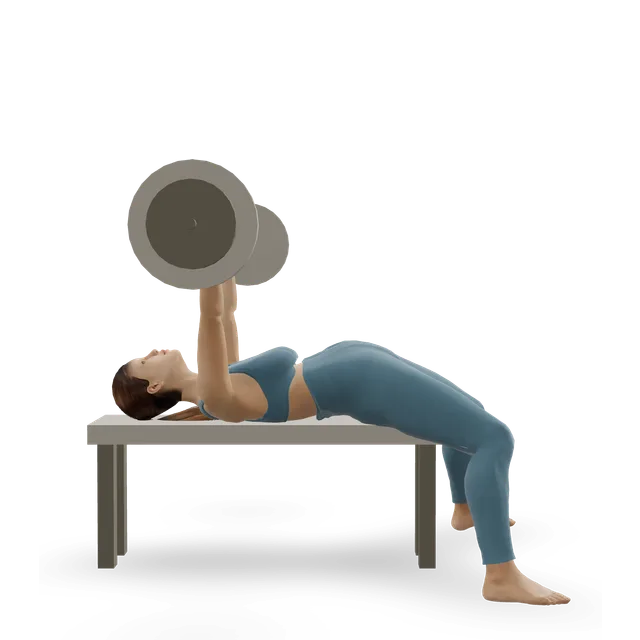
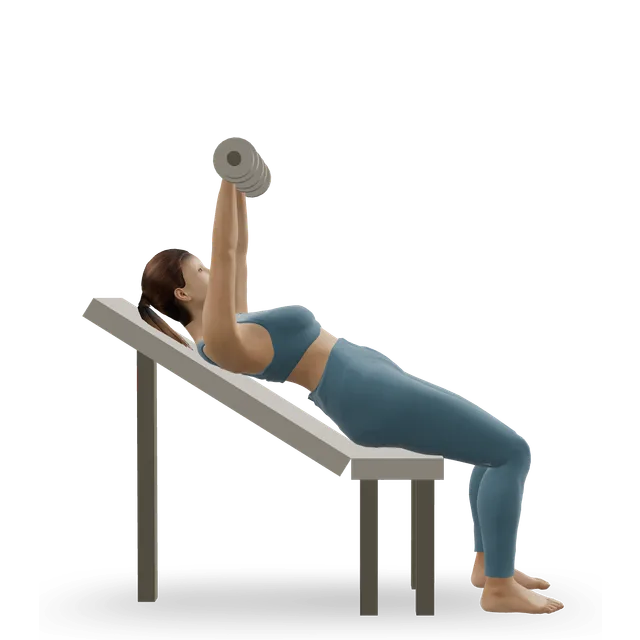
In 30 trained adults, a 30° incline bench press drew the most upper-chest activity and a flat bench the most middle and lower; above 45°, the front of the shoulder took over. In 47 untrained men, 8 weeks of incline pressing grew the upper chest more than flat pressing at one of three measuring points, with similar strength gains.
The angle of pull may shift work between the upper and lower chest in a crossover too, but that's our reading of the bench press studies (editorial): no study has tested pulley height in a fly. Use the heights your shoulders like.
The one fly trial that measured both partsEmerging evidence
In 15 untrained men training the pec deck for 12 weeks, the upper chest grew 17% and 18% and the lower chest 21% and 21%, with one set or three: no part grew more than another. We read this trial as an abstract.
Our move page and ACE's one-arm progression "while avoiding any trunk rotation". There's no 3D demo of standing side-on to one column; the same arm movement applies.
Set both pulleys high and hold both handles with your hands together low in front.
Keeping your trunk still, open one arm up and out towards its pulley, the elbow soft, then sweep it back down.
Repeat with the other arm, and keep your hips and shoulders square throughout.
Loading the 3D figure…
Drag to turn
Gets into position, then repeats the movement. Technical checks passed; qualified exercise review is pending.
Chest activity close to the bench pressEmerging evidence
In 14 men aged 19 to 30 with lifting experience, five reps at 80% of each lift's maximum drew 93% of the bench press's chest activity in a bent-forward crossover and 98% on the pec deck, with wide variation between the men. ACE funded the study and reported it in its own magazine; it wasn't peer reviewed. Activity in a few reps isn't a validated guide to growth.
The shoulder works harder than in a bench pressEmerging evidence
At 15% and 30% of body weight, the crossover had the largest shoulder range and the largest peak shoulder load of four chest exercises in 20 lifters, with bigger swings through each rep. The authors advise care to keep the joints stable and avoid overloading them.
Cables and dumbbells grew muscle alikeEmerging evidence
In 24 trained adults who did cable raises with one arm and dumbbell raises with the other, 5 sets to failure twice a week for 8 weeks, the side of the shoulder grew 3.3 to 4.6% in both. No trial has compared cable and dumbbell flys, but there's no reason to expect a different answer.
14 recreationally trained men pressed 74.2 kg on the bench but 26.0 kg on a one-arm standing cable press, limited by balance and the trunk rather than the chest.
Machines, cables and free weights build similar muscleStrong evidence
Across 13 studies of 1,016 people, machine and free-weight training gave similar strength and muscle, with strength rising most on what people trained. Trained strength rose about twice as much as untrained strength across 43 studies.
Enough hard sets matter more than the exerciseStrong evidence
An overview of 137 reviews found muscle grew more with 10 or more sets per muscle a week; the type of equipment and how complex the exercise was didn't consistently change results.
Machine flys thickened the chest 5 to 7% in 8 weeks in 27 active adults, and grew it 17 to 21% in 12 weeks in 15 beginners. These trials used machines, not cables.
Crossovers, the pec deck, dumbbell flys or presses?
Crossovers or the pec deck
Both came close to the bench press for chest activity (93% and 98%) in the same ACE-funded study of 14 men, which wasn't peer reviewed. The pec deck has the growth trials and is simpler to learn; crossovers let you change the angle and train one arm at a time.
Cables pull from the side, so the hardest point of the rep falls in a different place from a dumbbell fly, which is heaviest when your arms are open and almost weightless at the top (physics). Cable and dumbbell isolation work grew muscle alike in a trial; pick the one your shoulders like.
Press first, then fly, as our plans order them. Presses train the triceps and let you lift more; crossovers add chest work without the triceps. Both count towards your weekly chest sets.
The cable pulls with roughly the same force all the way, but how hard your chest works depends on the angle between the cable and your upper arm: it's hardest where the cable runs at right angles to your arm and eases as the two line up, which on most set-ups happens near the end of the sweep (physics; our cable machine guide explains it). What cables give you is a choice of where the hard part falls, and in a trial, cable and dumbbell work grew muscle alike.
2 to 3 sets of 10 to 15, stopping 2 or 3 reps short of failure, the last set 0 to 2 short, with 60 to 90 seconds' rest (our move page's editorial dose, within our plans' rules). Our workouts use cable flys at 3 sets of 12 (chest workout) or 3 sets of 12 to 15 (push day workout B).
Lighter than the pec deck: standing, your balance and trunk set the limit, and the stack numbers depend on the pulley ratio, so compare only on the same station. Start with the lightest plate on each side and choose by reps.
Add reps first, then the next plate when every set reaches 15. If the next plate is too big a jump, keep adding reps; the American Heart Association suggests steps of 2 to 10%.
Brace your trunk, use a staggered stance and lighten the weight.
Letting go with your arms wide
Step towards the pulleys before you release the handles, so the stack doesn't yank your arms back.
Your shoulders and chest
Start light and control the open end
The crossover loads the shoulder more than a bench press, and it's heaviest with your arms wide. Choose a weight you can control there, and keep your trunk upright.
A shoulder handout from Massachusetts General Hospital lists chest flys among the exercises to avoid for shoulder safety, then gives precautions for anyone who does them: keep the elbows bent and don't let the arms go too far back.
Chest tendon tears are rare and mostly happen under heavy load. A pop or ripping feeling, then pain, bruising or weakness pushing, needs checking the same day.
The bent-forward crossover at its move page's 2 to 3 sets of 10 to 15 (editorial); low-to-high flys at 2 sets of 12 to 15 and one-arm crossovers at 2 sets of 10 to 15 each arm (our cable chest workout); chest-height cable flys at 3 sets of 12 to 15 (push day workout B); the flat-bench and incline cable flys at 2 to 3 sets of 10 to 15 (our editorial starting point); the standing cable chest press at 3 sets of 8 to 12 (our cable workouts); the standing band fly at home at its move page's 2 to 3 sets of 10 to 15.
Band pull-aparts, 15 reps, and scapular push-ups, 10 reps, to warm up (our chest workout); the Pallof press, 8 each side, for the trunk work the one-arm version asks for (our cable machine workout); face pulls, 3 sets of 12 to 20 (our pull day workout), to balance the pushing; the two stretches for 30 seconds if they feel good afterwards.
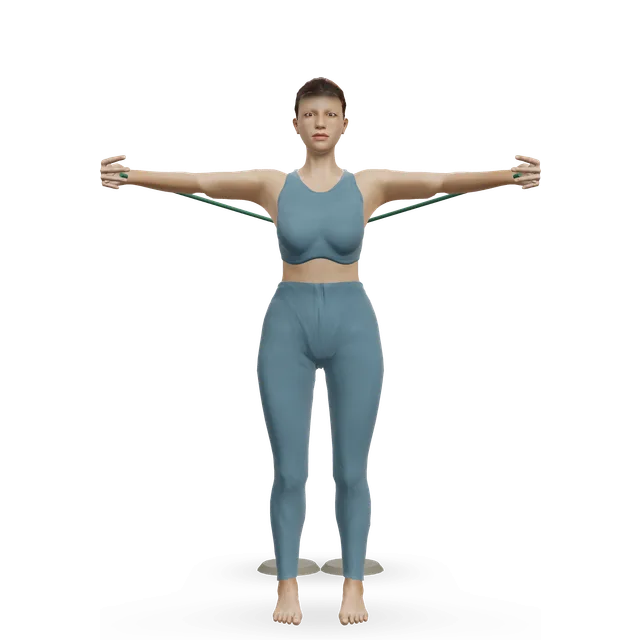
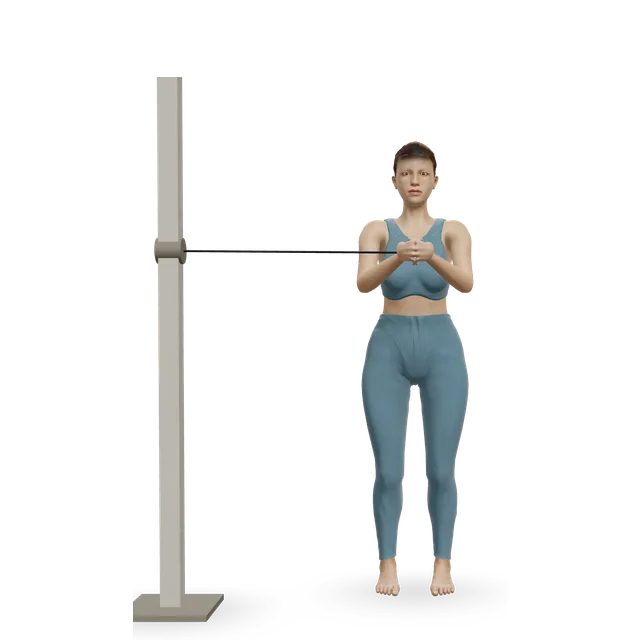
Anchor a band behind you at chest height, or high or low on a door anchor, and sweep your hands together the same way. Across 8 studies, elastic bands built strength as well as machines and dumbbells. A band pulls harder the further it stretches, so the hardest point comes at the end of the sweep.
High blood pressure, heart disease, glaucoma or a hernia
Breathe out through every effort and keep the weights moderate, as our breathing guide says. If your blood pressure is 140/90 or higher when checked by a professional and not yet controlled, check with your GP first.
Standing cable work suits pregnancy if you already train; tell the instructor you're pregnant, don't hold your breath, and stop if you feel faint, overheated or in pain.
The cable chest workout uses all three crossover heights on one station; the push, chest and chest and triceps workouts use chest-height cable flys alongside presses; the cable machine workout trains your whole body on one cable station.
If you get chest pain or pressure, feel faint or dizzy, are unusually breathless, or your heart races or beats irregularly during exercise, as our plans advise. The American Heart Association says these need immediate medical evaluation before you train again.
For chest pain that feels tight or like squeezing, or spreads to your arms, neck or jaw; arm pain that comes on suddenly with pressure, heaviness or squeezing across your chest; a headache that starts suddenly and is extremely painful, especially while straining; someone who faints while exercising; palpitations that don't go away, or come with chest pain, breathlessness or feeling faint; or severe difficulty breathing. Don't drive yourself to A&E.
A pop in the chest or armpit: get it checked the same day
A pop or tearing feeling at the front of the armpit or chest during a set, then bruising into the chest or upper arm, a change in the shape of the chest or armpit, or weakness pushing. Go to NHS 111 or an urgent treatment centre the same day, as our pec strain guide says.
Ask for an urgent GP appointment or call NHS 111 for sudden or very bad shoulder pain, an arm you can't move, a shoulder that has changed shape or is badly swollen, or pins and needles that don't go away. See a GP if it's getting worse or hasn't improved after 2 weeks.
See a GP if you think you have a hernia. Get help from NHS 111 if you have a hernia and pain in or around it, a bloated tummy, sickness, constipation, a high temperature or sudden confusion. Call 999 or go to A&E only for a femoral hernia with very bad tummy pain, sickness, being unable to fart or poo, a high temperature or sudden confusion.
"Cable crossovers shape the lower chest"Mixed evidence
Cable height hasn't been tested for which part of the chest grows in a fly. In pressing, the angle shifts activity and grew the upper chest a little more at one of three points; on the pec deck, both parts grew alike. A shift is plausible, unproven, and nobody can promise a shape.
The pull on the cable stays roughly the same, but the load on your chest changes with the angle between the cable and your arm. Cable and dumbbell isolation work grew muscle alike in a trial.
The crossover worked the chest hard in one small study, machine flys grew the chest in trials, and cable isolation work grew muscle as well as dumbbells. It can be a main chest exercise.
"Low to high works the pec minor, the upper chest"Strong evidence
The pectoralis major has two parts, one from the collarbone and one from the breastbone, and the upper chest is the collarbone part. The pectoralis minor is a different, smaller muscle; our pectoralis minor page explains what it does.
About the top of your head for high to low, between your knees and hips for low to high, and chest height for a straight-across fly. Set both pulleys to the same hole.
What's the difference between high to low and low to high?
The direction: from high pulleys your hands sweep down to meet below your chest; from low pulleys they sweep up to meet at about face height. Both work the chest muscle, so pick the one your shoulders like, or do both.
Do cable crossovers work the upper or lower chest?
They work the whole chest. In pressing, the angle shifts some work between the upper and lower chest, but cable height hasn't been tested in a fly, and pec deck flys grew both parts alike. Nobody can promise a lower chest shape.
Are cable crossovers and cable flys the same?
Near enough: a crossover is a cable fly done between two columns, often from high or low pulleys. Cable crossover is also the name of the machine.
How many sets and reps of cable crossovers should I do?
Two to three sets of 10 to 15, stopping 2 or 3 reps short of failure, with the last set ending 0 to 2 short and 60 to 90 seconds' rest. Count them with your presses towards about 10 or more hard chest sets a week.
How much weight should I use for cable crossovers?
Less than on the pec deck: standing, your balance and trunk limit the load, and the crossover loads the shoulder more than a bench press. Start with the lightest plate on each side and choose by reps.
Cable crossover or pec deck?
Both came close to the bench press for chest activity in one small study. The pec deck has the growth trials and is simpler; crossovers let you change the angle and train one arm at a time.
Should my hands cross over at the end?
Let them meet rather than cross far past each other. ACE says the extra range adds little and risks your shoulders and hands.
Why do cable crossovers hurt my shoulder?
Your arms open wide and the cable keeps pulling them back, so the shoulder takes bigger loads than in a bench press. Stop your hands level with your body, keep your trunk upright, use less weight, and see a GP if pain hasn't improved after 2 weeks.
Can I do cable crossovers at home?
Yes, with a band anchored behind you at chest height, or high or low on a door anchor. Bands built strength as well as machines and dumbbells in trials.
How do I do a one-arm cable crossover?
Hold both handles from high pulleys with your hands together low in front, then open and sweep one arm at a time while your trunk stays still. It trains your trunk against twisting and helps if one side is weaker.
Is the cable crossover a push or a pull exercise?
A push exercise for the chest. The reverse cable crossover, pulling the cables apart, works the back of the shoulders; our reverse fly guide covers it.
Exercise education, not a personal prescription, and clinical review of these guides is pending. Check with a GP before starting hard training if you have a heart condition, chest pain, dizziness or breathlessness when active, and stop for sharp or increasing pain. Health disclaimer.