Yogic sleep pose (Yoganidrasana)
Lying on your back, you take one leg and then the other behind the neck, the right foot over the left as a pillow for the head, and wrap the arms round to clasp the hands behind the back. Sleeping tortoise makes the same fold face down; here you lie face up. Yoga Journal builds toward it through tortoise, sleeping tortoise and one leg behind the head, and links attempts made too early to sacroiliac, low back, hamstring and neck injuries. This isn't yoga nidra, the guided relaxation done lying in corpse pose; a 17th-century text used the same old name for this posture.
Movement guide
Yogic sleep pose (Yoganidrasana)
Make it easier or harder
Choose a version that fits your control and comfort.
Easier option
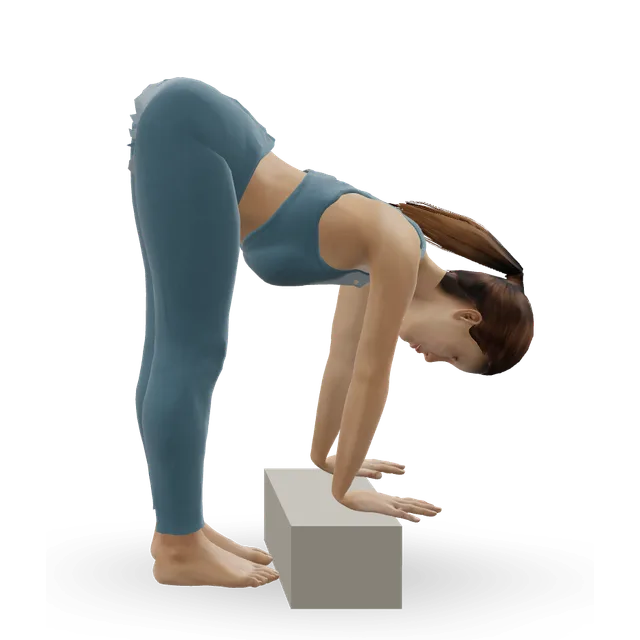 3D demoStanding splits (Urdhva Prasarita Eka Padasana)Advanced · No equipment
Similar move, advanced grade.
Harder option
Keep a comfortable range and follow any technique and timing given in the guide. A deeper stretch or more complex pose is optional, not a required next step. Ingram 2025 review of stretching and range of motion
Source-researched guide.
How to move
- Lie on your back, bring both legs over your head, then bend the knees and lower them beside the shoulders.
- Hold the left foot with both hands, lift the head and take the left leg behind the neck, working the shin down toward the back of the right shoulder.
- Take the right foot with both hands and bring it behind the neck over the left foot, so the feet make a pillow for the head.
- Reach both arms round the outside of the legs and behind the back, clasp the fingers, lift the chest between the legs and rest the head on the feet.
- To come out, release the hands, then the feet one at a time, and rest on your back. Repeat with the right leg going behind first.
Form cues
- Breathe slowly through the nose; gasping, holding the breath or shaking means ease off.
- Keep the shins low behind the shoulders rather than high on the neck.
- Avoid: swinging the legs behind the head with momentum.
Practice and cautions
Hold 3 to 5 slow breaths, once or twice, only after a full warm-up (our editorial starting point).
Stop for knee, low back or neck pain. A foot placed high behind the neck pushes the head forward and strains the neck, and published cases include a torn knee ligament and damage to both sciatic nerves in feet-behind-the-head postures. Loads the neck and restricts breathing. Avoid with any neck problem, high blood pressure, glaucoma, or in pregnancy. This is movement education, not an assessment or treatment prescription. Stop for sharp or increasing pain, dizziness, numbness or tingling; seek individual guidance for symptoms, injury or restrictions.
Sources and review status
Sources support the educational description; they do not establish that this exercise is suitable for you.
- Yoga Journal · It's a wrap: yogic sleep pose (how-to, built through tortoise, sleeping tortoise and one leg behind the head; stop for knee, low back or neck pain) ↗
- Cramer 2013 · 76 published cases of harm linked to yoga; headstand, shoulderstand, feet-behind-the-head postures and lotus variations most often involved (systematic review of case reports, PLoS One) ↗
- Patel & Parker 2008 · A torn lateral collateral ligament of the knee while placing a foot behind the head (case report, J Orthop Surg) ↗
- Dacci 2013 · Damage to both sciatic nerves in a 67-year-old woman during yoga; listed by Cramer 2013 as both feet behind the neck after a loss of balance (case report, Neurol Sci) ↗
- Birch and Hargreaves 2015 · Yoganidra: how the name moved from Vishnu's sleep and deep meditation to a 17th-century posture with the legs behind the neck, and later to a guided relaxation (history of the yoga texts) ↗
No variation is labeled clinically validated.
What it works
Muscles
Main: Hamstrings, Glutes. Also: Back, Adductors, Shoulders.
Anatomy: Hamstrings, Biceps femoris, Gluteus maximus, Piriformis, Obturator internus.
Equipment
None: body weight and floor space.
Level
Expert. See the easier and harder options above.
Similar moves
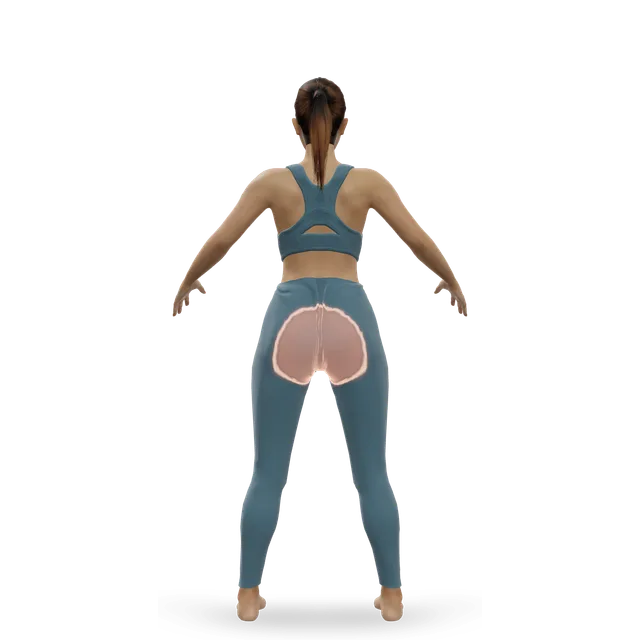 Bird of paradise (Svarga Dvijasana)Expert · No equipmentSleeping tortoise (Supta Kurmasana)Expert · No equipment
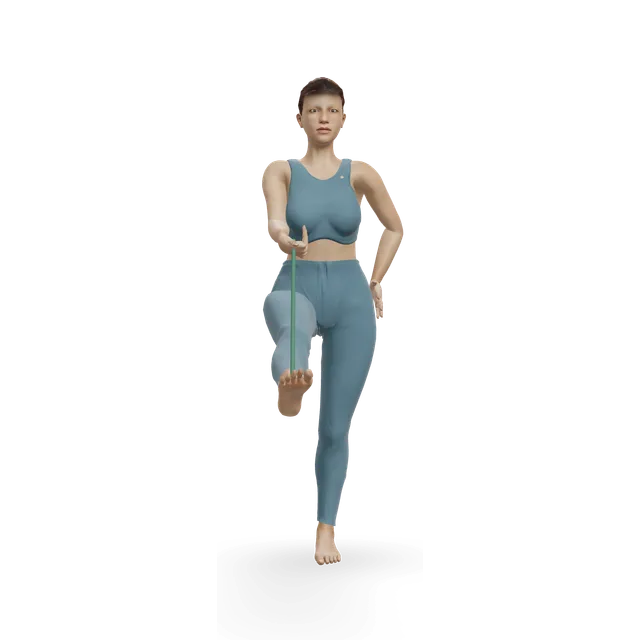 3D demoStanding hand-to-big-toe pose (Utthita Hasta Padangusthasana)Advanced · No equipment
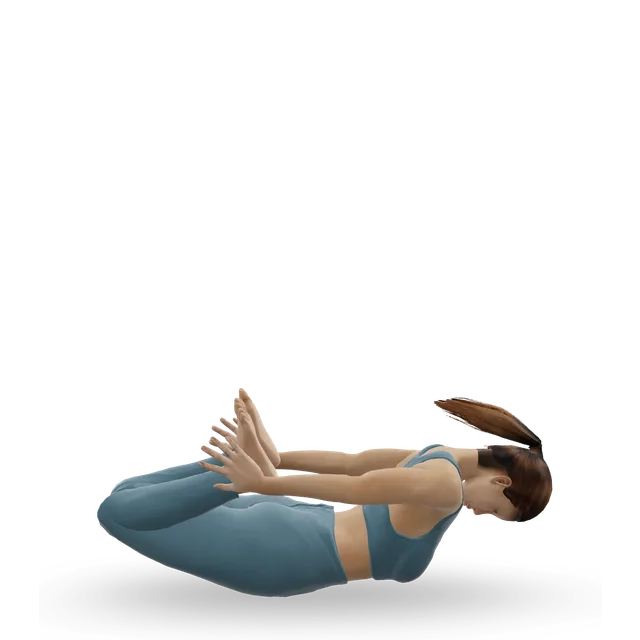 3D demoBow pose (Dhanurasana)Intermediate · No equipment
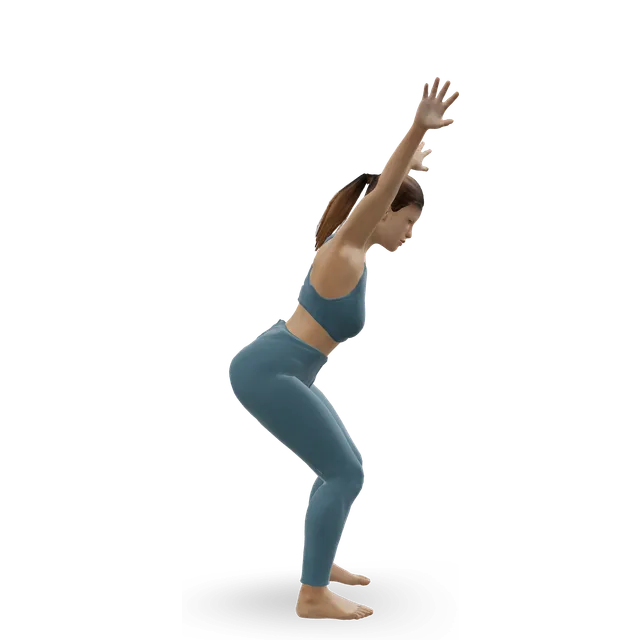 3D demoChair pose (Utkatasana)Beginner · No equipment
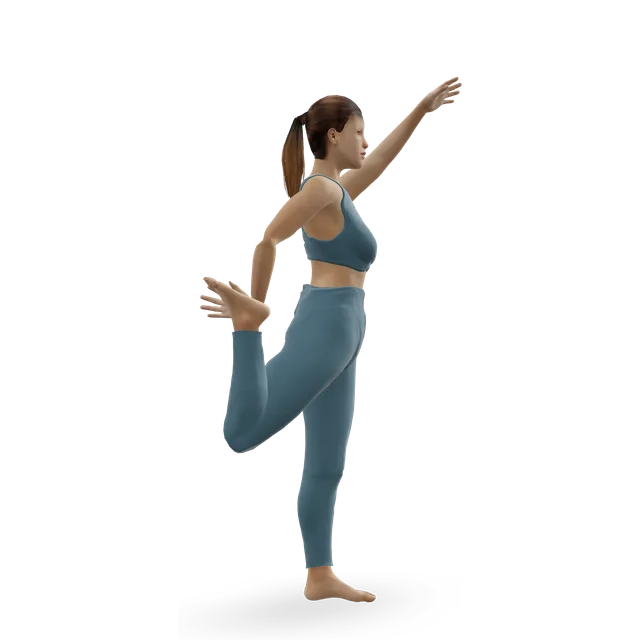 3D demoDancer pose (Natarajasana)Advanced · No equipment
Browse more
Questions people ask
What muscles does the Yogic sleep pose (Yoganidrasana) work?
Mainly the hamstrings and glutes, with help from the back, adductors and shoulders.
What equipment do I need for the Yogic sleep pose (Yoganidrasana)?
No equipment: your body weight and a little floor space.
Is the Yogic sleep pose (Yoganidrasana) good for beginners?
It is an advanced move. Build up to it with the Standing splits (Urdhva Prasarita Eka Padasana) first.
What is an easier alternative to the Yogic sleep pose (Yoganidrasana)?
Try the Standing splits (Urdhva Prasarita Eka Padasana) or the Warrior III (Virabhadrasana III). It works similar muscles at a lower grade.